Oct 11, 20268 min read
A Nature Lover’s Itinerary to Sri LankaOct 11, 2026
8 MIN READ
Writer
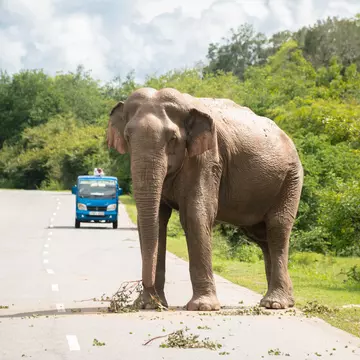
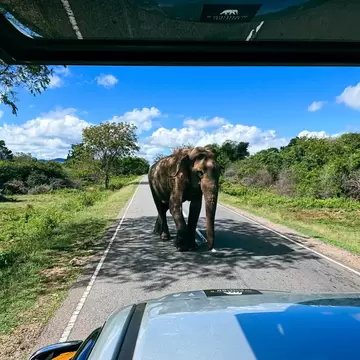
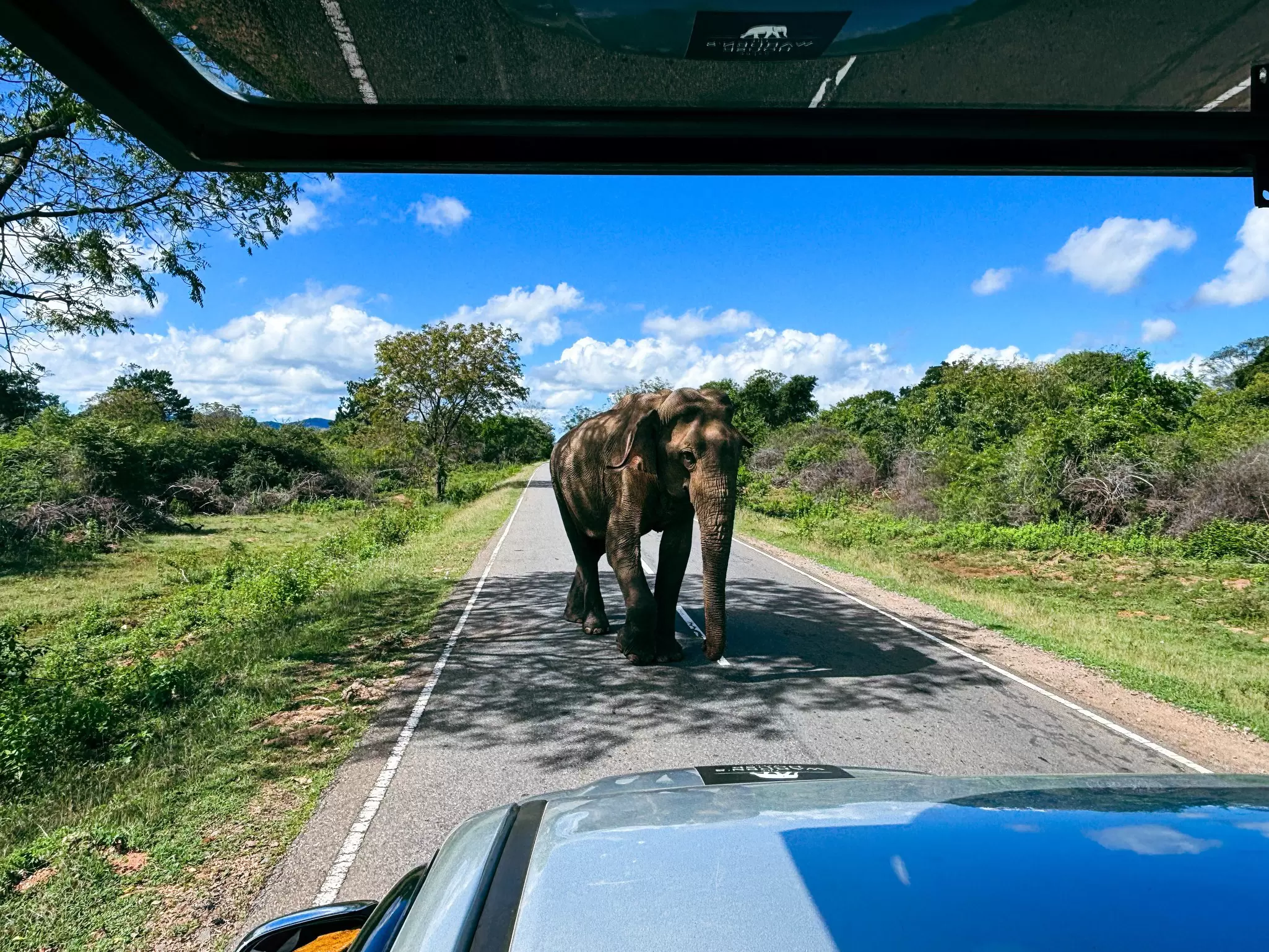
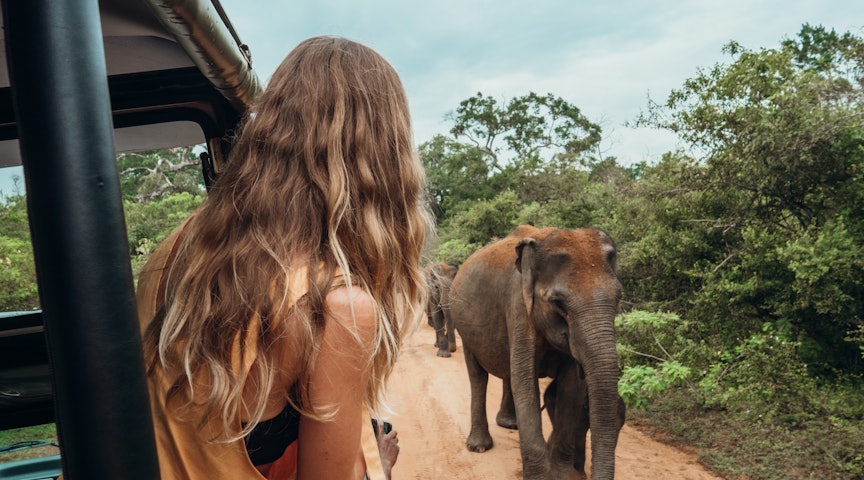
An elephant at Yala National Park, Sri Lanka. James Pham/Lonely Planet
Writer
Lonely Planet may earn a commission from affiliate links on our site. All recommendations and reviews reflect our own independent opinions.
Sri Lanka might not immediately come to mind when you think of “safari”. However, this island nation, roughly the size of Ireland, is home to wild elephants, one of the world’s highest concentrations of leopards in Yala National Park, and whales and dolphins in its surrounding waters. Add to that its spectacular biodiversity in rainforests, wetlands, lagoons, beaches and dry-zone wilderness, and Sri Lanka is a nature lover’s dream. I spent a blissful week split between the mist-covered tea estates in the Hill Country and Yala National Park, Sri Lanka’s best-known wildlife reserve and prime leopard country, and this is how I did it.
When to visit: February to July is considered the best time to visit Yala, as it becomes drier and animals are drawn to water sources. January and February are the driest months in Haputale, meaning good visibility across the tea-covered hills. If doing both, January through March is a good compromise. April, May, October and November see monsoonal rains in the hill country.
Check Yala closures: Check the official Yala National Park website for periodic closures of certain blocks, especially during the driest periods around September and October.
Getting around: Trains, buses and tuk-tuks are reasonably good ways to travel around Sri Lanka, however, be prepared for long drive times. A private car and driver is the easiest, most comfortable option, especially between Haputale and Yala.
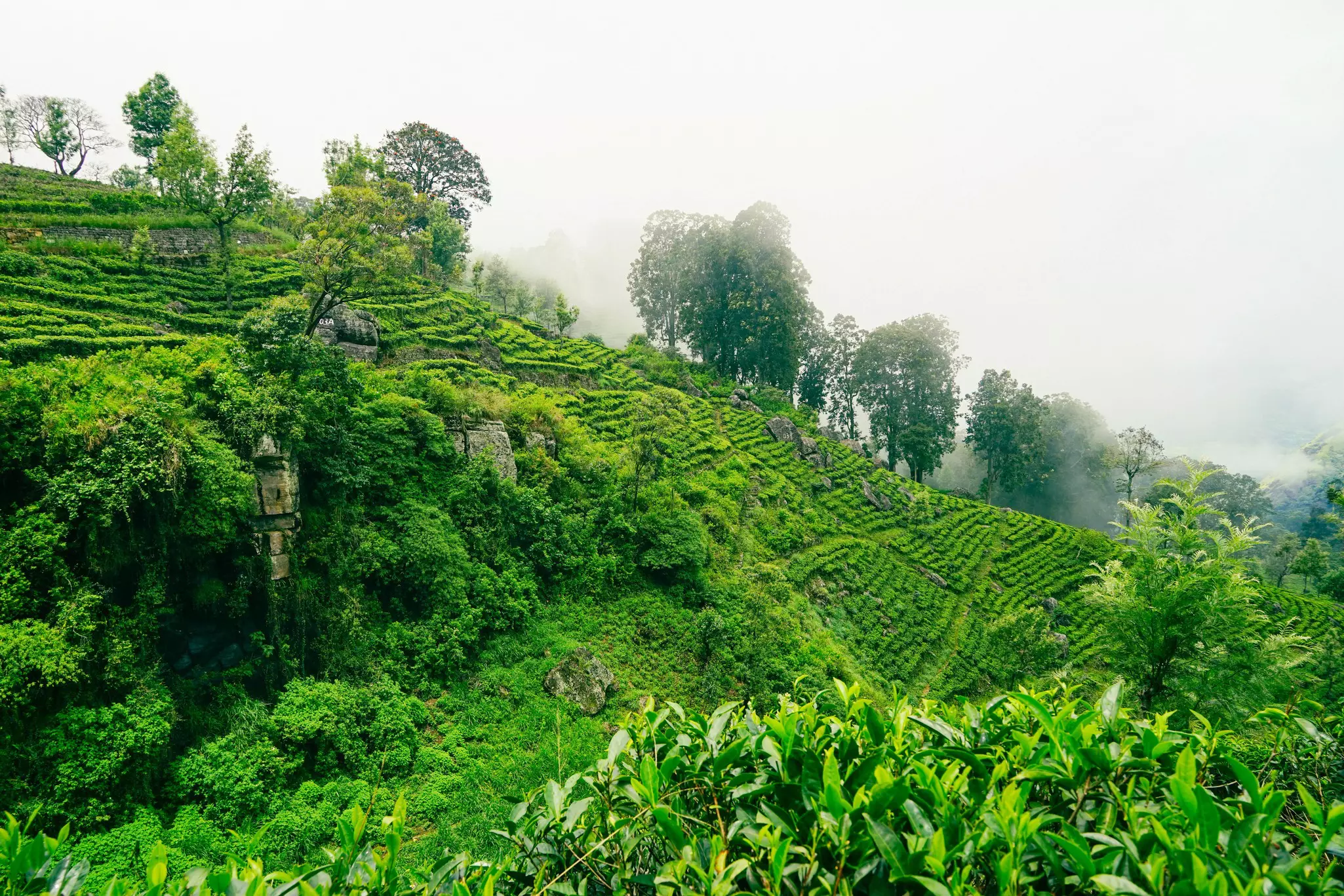
The 180km trip from Colombo to Haputale takes about 4 hours by car. The final ascent into the Highlands is especially scenic, with tea estates and pine and eucalyptus forests cascading down the hillsides.
At roughly 1400m above sea level, Haputale is in the heart of Sir Thomas Lipton country, making it the ideal place to learn about the country’s second-largest export. After coffee-leaf rust devastated the coffee-growing industry in the 1870s and '80s, the country switched to growing tea. In the 1890s, Sir Thomas Lipton invested in Ceylon (as Sri Lanka was then known) tea estates, including properties around Haputale. In time, he helped turn Ceylon into a global tea powerhouse by making quality tea affordable for the working class by managing the entire process “direct from the tea garden to the teapot.”
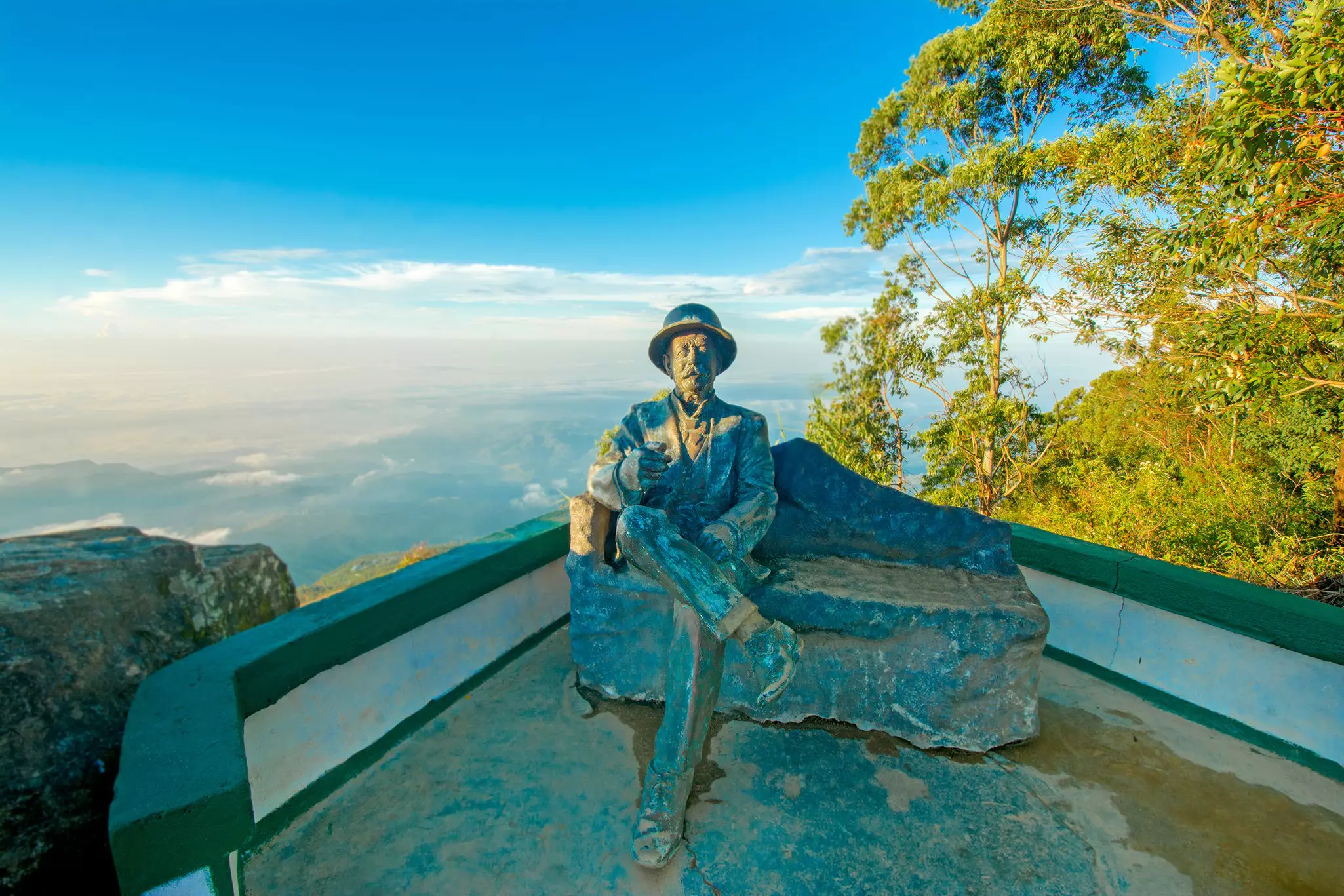
Spend the day immersed in tea culture, first with a visit to Lipton’s Seat, a scenic viewpoint above Haputale where it’s said Sir Lipton surveyed his estates. On the way, stroll through the Dambatenne Tea Estate, where you’ll see workers plucking the “two leaves and a bud” used for quality tea. The hard-working people here – predominantly women – often earn just US$5 a day for picking up to 20kg of fresh leaves. End with a tour of the Dambatenne Tea Factory to see how the leaves are moved through the various stages of production, from withering and rolling to oxidation, drying and sorting. There’s a quick tea tasting at the end, and a small shop where you can purchase tea to take home.
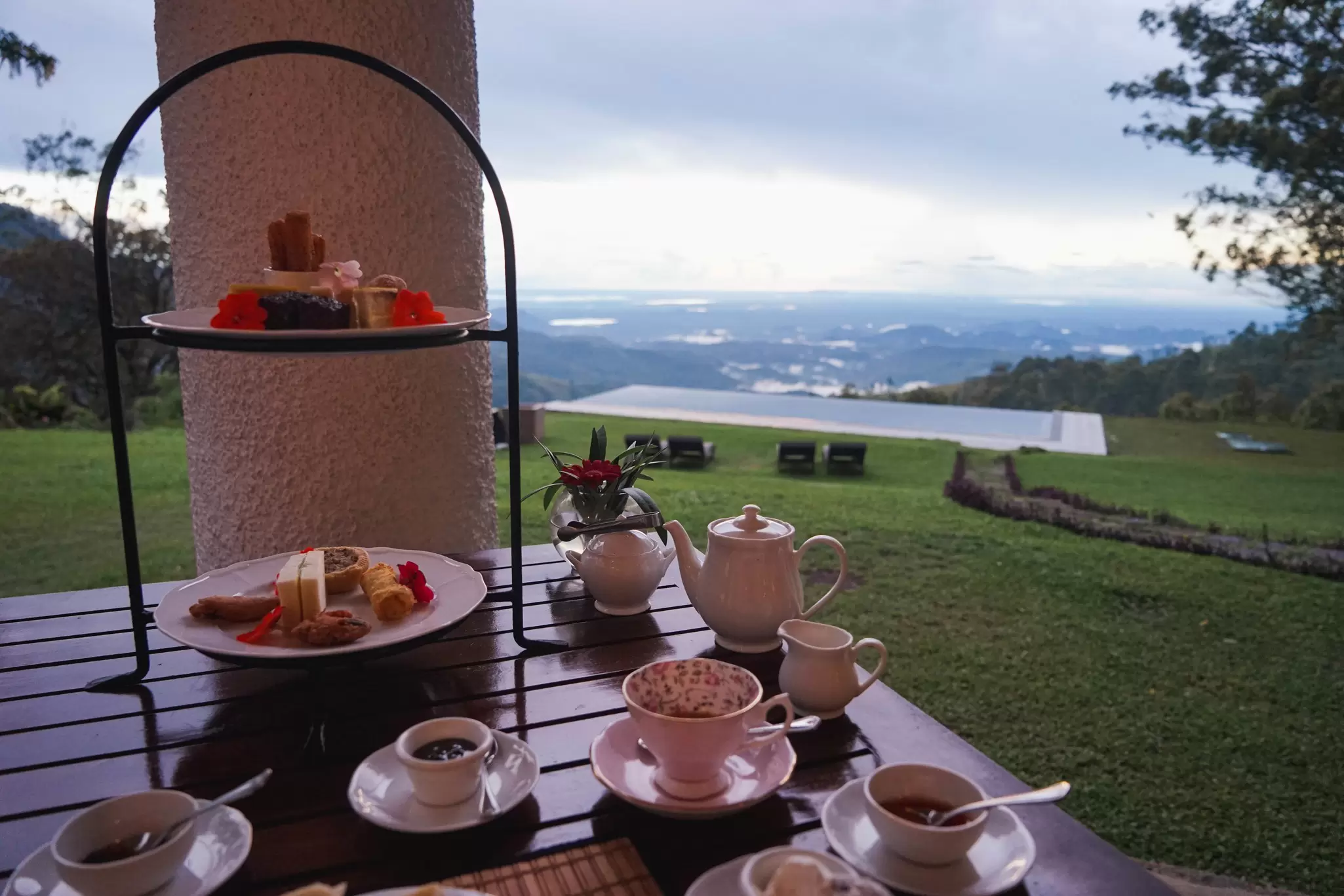
You’ll want to spend a day or two just soaking in the tranquility of the Highlands, watching the clouds and mist forming and reforming in minutes over the valley below, perhaps at a leisurely high tea. Take advantage of Haputale’s cool climate and explore scenic footpaths and quiet estate roads.
Mudhumal Hasanka, the in-house Naturalist and Sustainability Officer at award-winning Thotalagala, recommends the Thangamale Bird Sanctuary and the Pitarathmale Forest as “excellent opportunities to explore rich biodiversity for bird and wildlife enthusiasts.” The joy here is simply walking through the forest and looking for endemic birds like the yellow-eared bulbul and the Sri Lankan junglefowl, the national bird.
Break up lazy days with cooking classes that showcase the many uses of coconut and spices in Sri Lankan cuisine or with a tea workshop. Even for non-tea aficionados, I found it fascinating to sample tea from Sri Lanka’s seven main tea regions and trying to discern subtle notes like orchid, green apple, sweet hay and caramel. (Fun fact: “Orange pekoe” doesn’t refer to the fruit, flavor, color or type of the tea. It’s a grading term for black tea with whole leaves.)
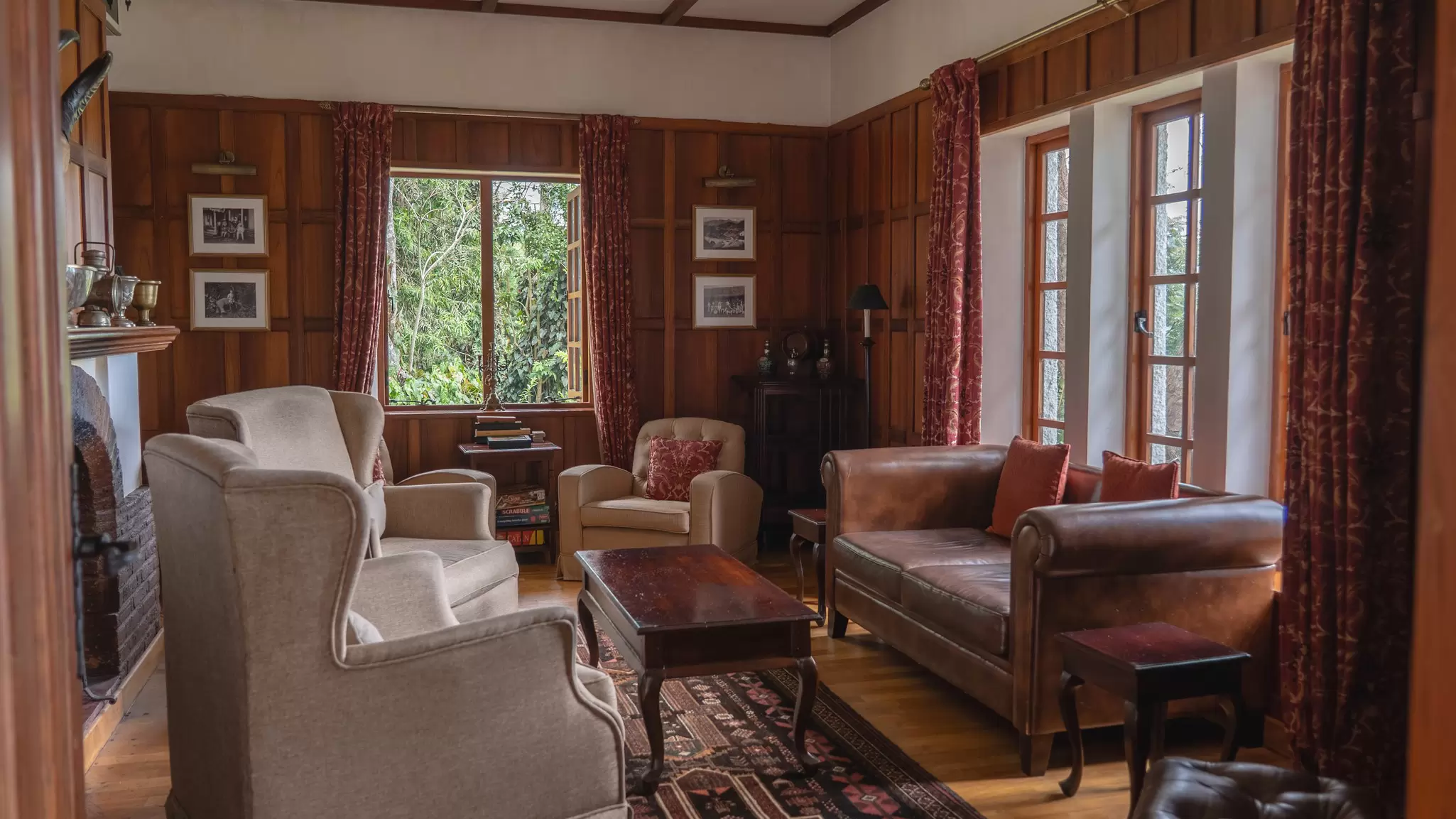
Perfectly capturing the highlands experience, Thotalagala is a restored 150-year-old planter’s bungalow with just seven vintage-themed suites, all inspired by people connected to the Ceylon tea industry. I spent lazy days walking around the award-winning gardens, swimming in the infinity pool that felt like it was on the edge of the world, curled up with a book in front of the fireplace and sitting down to afternoon tea with swifts and macaques for company. Dinner can be set up in a private room or around a communal table with other guests.
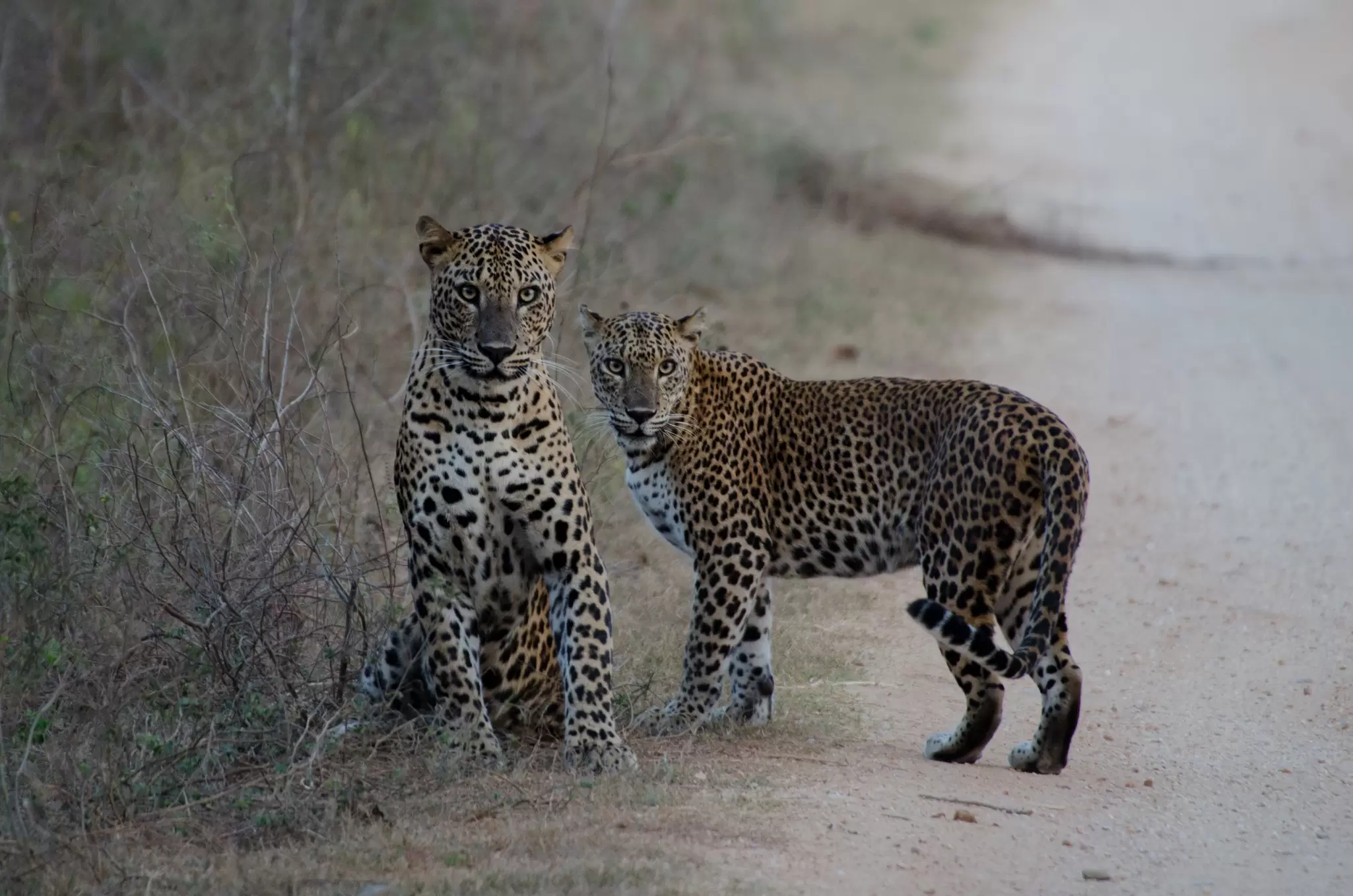
From the tea country, it’s just 100km southeast to Yala, which takes about 2.5 to 3 hours. Notice how cool uplands give way to increasingly arid landscapes, and don’t be surprised if you see elephants nonchalantly crossing the road as you get close to Yala.
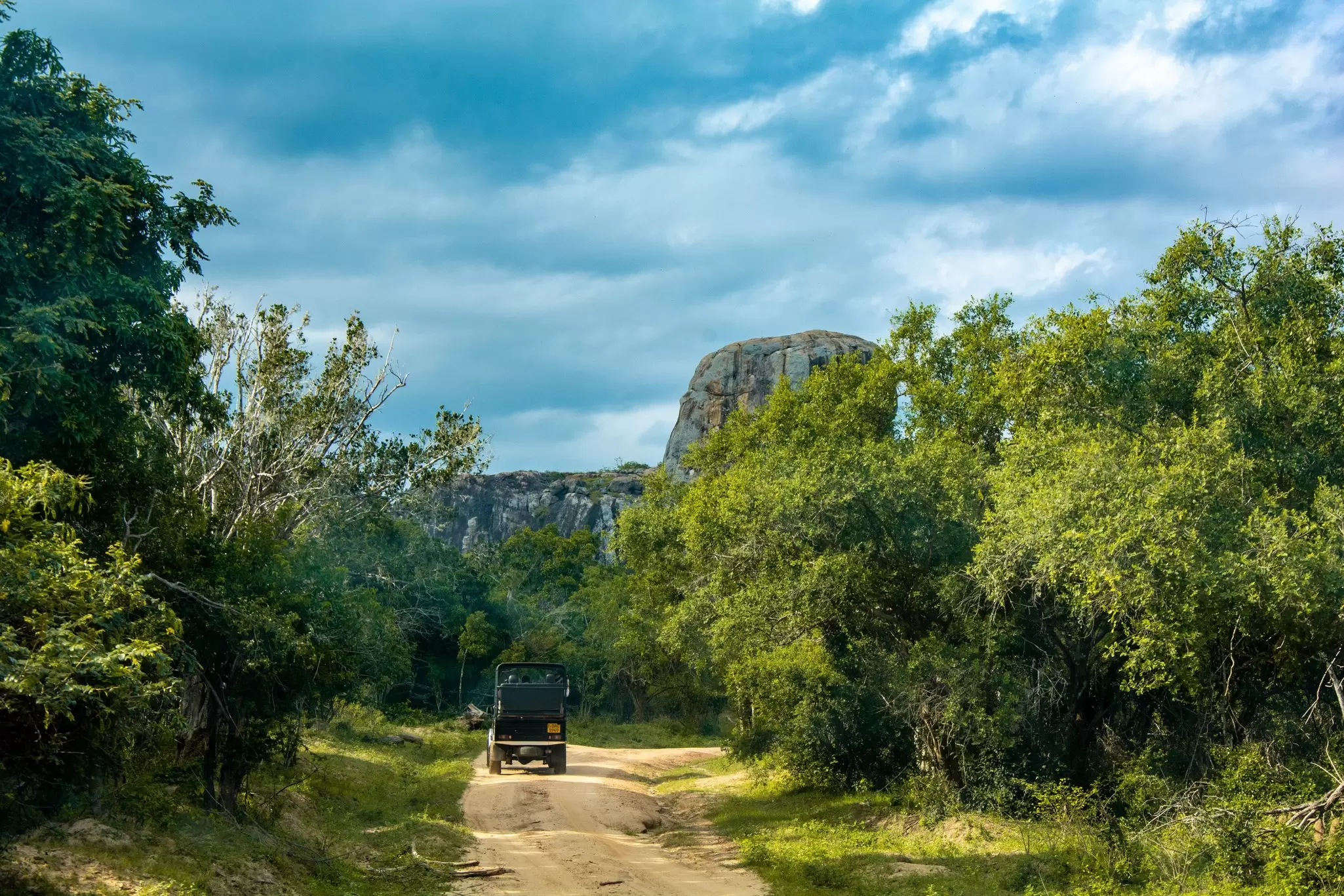
Designated a wildlife sanctuary in 1900, Yala National Park is Sri Lanka’s most famous wildlife reserve. Its roughly 979 sq km is divided into six blocks, each with different habitats including dry-zone thorn scrub and monsoon forest, home to sloth bears, spotted deer, wild boar, golden jackals, gray langurs and mongooses. However, the star attractions are large numbers of leopards and elephants. According to estimates, there are between 12 and 22 leopards per 100 sq km in Yala, making sightings highly likely.
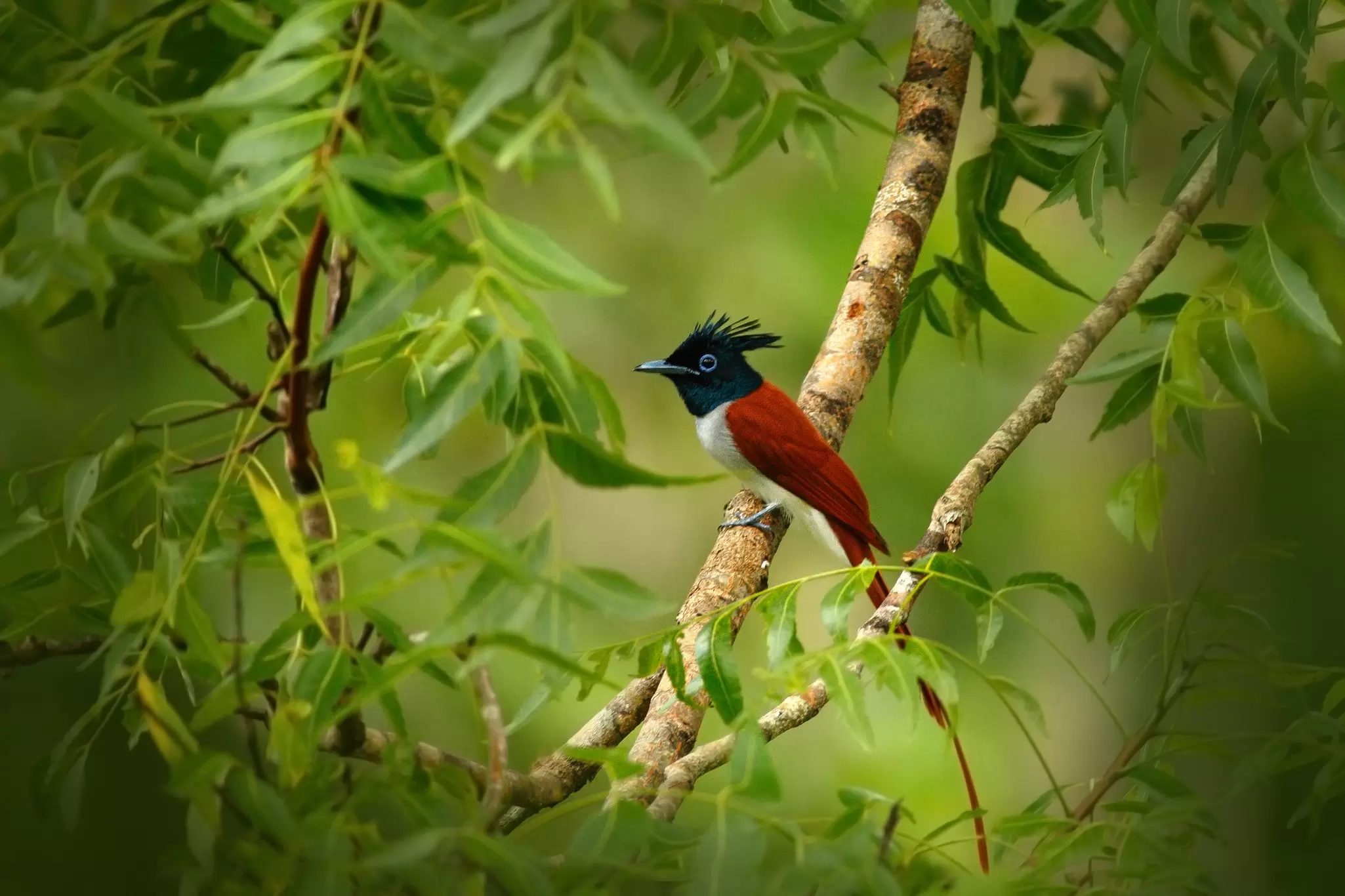
I went on two game drives per day (early morning and late afternoon), led by Reihan Stephen, the Head Ranger at The Warden's House and an avid wildlife photographer. Between animal sightings, Reihan regaled me with animal facts based on what we saw. A brightly colored kingfisher led to a story of how its streamlined beak inspired the design of Japan’s shinkasen (bullet train). A termite mound prompted a lesson on passive ventilation and temperature-control systems. Alarm calls from monkeys and deer were an example of their symbiotic relationship, with langurs providing an early warning from their treetop vantage point while the deer barked at threats on the ground thanks to their excellent hearing and smell. Reihan pointed out human shoe prints where none should be, evidence of poachers, and tracks left by a sloth bear mother and cub.
“Yala is one of those parks that if you know what to do and where to go, you can hide well away from the crowds and have the best time ever,” explained Reihan. “At its best, a safari in Sri Lanka isn’t about ticking animals off a list. It’s about learning to slow down enough to actually notice the wild. Most importantly it’s about understanding that if you respect the jungle, she will reward you.”
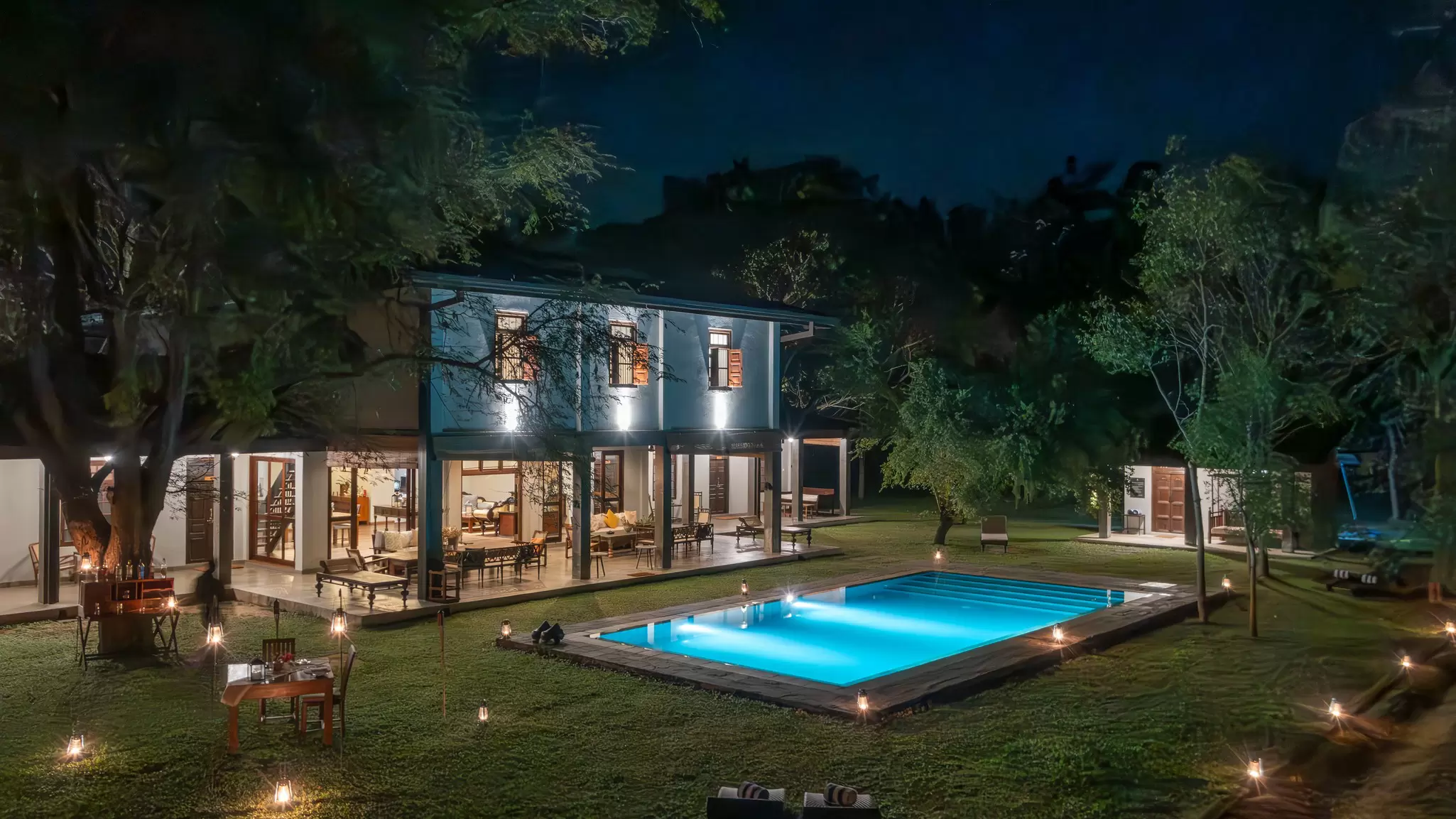
The Warden’s House is an intimate four-bedroom safari lodge on the western edge of Yala National Park. Located next to the Menik River, the boutique lodge has a secluded country-house feel, all just 15 minutes from the entrance to Block 5. Returning from early morning game drives, I loved having breakfast under the shade of trees and cooling off in the pretty outdoor pool, with peacocks and monkeys rustling in the leaves overhead.
Pick guides who respect wildlife, not just sightings. If a guide is speeding, crowding animals, or racing other 4WDs for a leopard, choose another. A good guide understands animal behavior and keeps a respectful distance.
Smaller operators usually give better experiences. Big safari convoys often feel rushed and chaotic, while smaller operators tend to focus more on tracking, storytelling, birdlife and the overall wilderness experience.
Ask about the guide, not just the 4WD. In Yala, the guide matters far more than the vehicle itself. A knowledgeable naturalist can turn a simple spotted deer sighting into an incredible lesson about alarm calls, predators and the ecosystem around you.
Avoid operators promising guaranteed leopard sightings. Nature doesn’t work on guarantees. The best safaris are about experiencing the jungle as a whole – elephants, sloth bears, birds, reptiles, landscapes and everything in between.
Early mornings and patience matter. Some of the best moments in Yala happen when nothing dramatic is happening – watching langurs react to a distant leopard, listening to junglefowl calls at sunrise or seeing the forest slowly wake up.
Choose people who genuinely love the park. You can tell very quickly when someone is there just to drive tourists around versus someone who lives and breathes the jungle. The second type will leave you seeing the park differently.
Pack layers: For safaris in Yala, pack lightweight, neutral-colored clothing, a hat, sunscreen, insect repellent and sunglasses (both against sun and dust). Layers are good, as very early morning drives go from cool to hot and vice versa for late-afternoon drives. You’ll also want layers (including a lightweight waterproof jacket) for Haputale's chilly, misty mornings.
Comfortable shoes: Tea estates around Haputale often have walking trails.
Long lens: Nature photographers will likely want a telephoto lens to zoom in on the incredible wildlife in Yala. Vehicles stay on the paths, so you’re rarely very close to the animals.
James Pham traveled to Sri Lanka at the invitation of Island Life Sri Lanka. Lonely Planet does not accept freebies in exchange for positive coverage.
Book your Sri Lanka trip with Lonely Planet Journeys
See Sri Lanka how it's meant to be seen
Planned by local experts and tailored to you, Lonely Planet Journeys handles the logistics so you can just enjoy the trip. Tell us what you want and we'll build your Sri Lanka itinerary from scratch, or browse our bookable trips to get inspired.

Explore related stories