Sep 20, 202612 min read
Guide to Monteverde’s Cloud Forest, Costa RicaSep 20, 2026
12 MIN READ

Writer
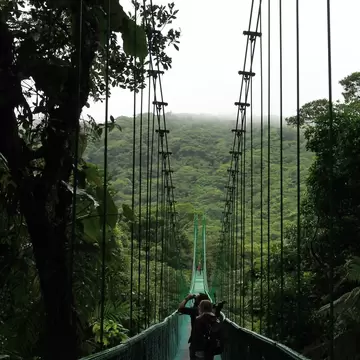
Hanging bridges in Monteverde. Angela Erick/Pexels

Writer
Lonely Planet may earn a commission from affiliate links on our site. All recommendations and reviews reflect our own independent opinions.
Monteverde showcases so many things I love about Costa Rica: The multisensory magic of a morning walk through the cloud forest. Picking among root-laced trails flanked by giant vegetation, dripping in moisture and wrapped in swirling mist, while listening to the soundtrack of wake-up whistles, whoops, chirrups, caws and trills. Marveling at towering trees trapped in a strangler fig’s embrace, lofty branches festooned with bromeliads, feather-like ferns and dainty orchids. Spotting a primary-colored toucan perched on a branch like a flamboyant flower or listening to the wings of jewel-hued hummingbirds flitting between blossoms.
The profusion of flora and fauna is awe-inspiring. So is the communal commitment to protecting it, rooted in the very history of Monteverde.
Tropical, evergreen and found at altitudes of between 1000-2500m, a cloud forest is the rarer cousin of a rainforest. Moist air flows inland from the sea, cooling and collecting as cloud when it hits the mountains, giving the forest its misty appearance. Moisture from the clouds collects on vegetation, and the constant humidity allows flora to flourish, including large numbers of epiphytes (plants that grow on other plants) such as lichens, mosses, ferns, bromeliads and orchids. Trees are often short, gnarly and dense, lending the forest a primordial feel. A wealth of wildlife includes the resplendent quetzal, jaguar and endangered Baird’s tapir. Globally, cloud forests are at risk from deforestation and rising temperatures, making protecting Monteverde all the more important.
In the 1950s, Quakers fleeing US conscription settled on this lush hillside, high on Costa Rica’s mountainous spine, swirling in clouds and enveloped in vegetation. They dubbed it Monteverde, or "Green Mountain." They developed the land for agriculture but agreed to preserve a third of their property. The Quakers later joined environmental organizations to purchase more land, establishing the pioneering Reserva Biológica Bosque Nuboso Monteverde (Monteverde Cloud Forest Biological Reserve) in 1972. Soon, naturalists and nature lovers arrived to explore this unique hotbed of biodiversity, and the conservation movement blossomed.
Today, the Monteverde Reserve is the most famous one, but the whole area is a green patchwork of public and private land dedicated to protecting this precious landscape. All trails lead to scenic overlooks, waterfalls, wild encounters and adventures waiting to happen. There may be increasingly luxe lodges to sleep in and refined restaurants to dine in, but Monteverde’s still wild at heart.
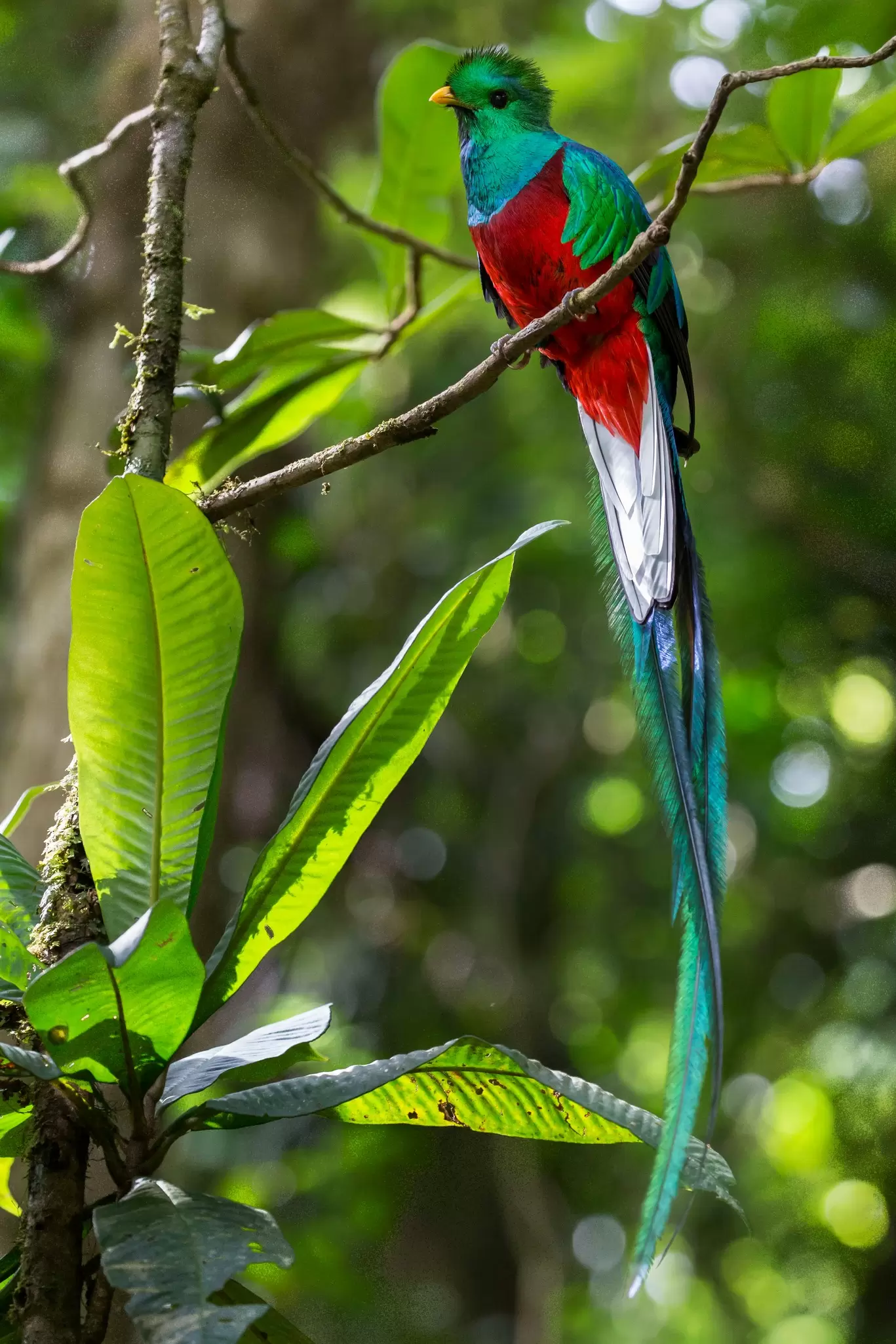
In February, the dry weather is perfect for exploring Monteverde’s great outdoors. Resplendent quetzal breeding season starts mid-month, making February to June the best time to spot these beauties in the cloud forests. In the second half of December, accommodation prices soar, tours are at their busiest, and beaches are more crowded, unofficially marking the start of peak tourist season (AKA the dry season), which lasts until April. September and October are the rainiest months across the region. Prolonged heavy rainfall can make roads muddy and sometimes impassable.
In just a day or two, you can explore the trails of the Reserva Biológica Bosque Nuboso Monteverde, walk through the clouds in Reserva Bosque Nuboso Santa Elena and whizz over the forest canopy on a zipline. If you have more time, check out more unusual tours on offer, such as tree-climbing or a sustainable coffee tour, and try some of the one-of-a-kind restaurants around town (more on that later).
Driving around Santa Elena and Monteverde can be notoriously difficult, due to steep hills and some unpaved roads, especially in wet weather. Nonetheless, it’s useful to have your own vehicle, as the attractions are sprawled out for kilometers in all directions. Many tours and reserves provide transportation from hotels and lodges in the area (free of charge or for an extra fee). Travelers without a vehicle can arrive in Santa Elena by bus from San José and La Fortuna (via Tilarán), or by taxi–boat–taxi.
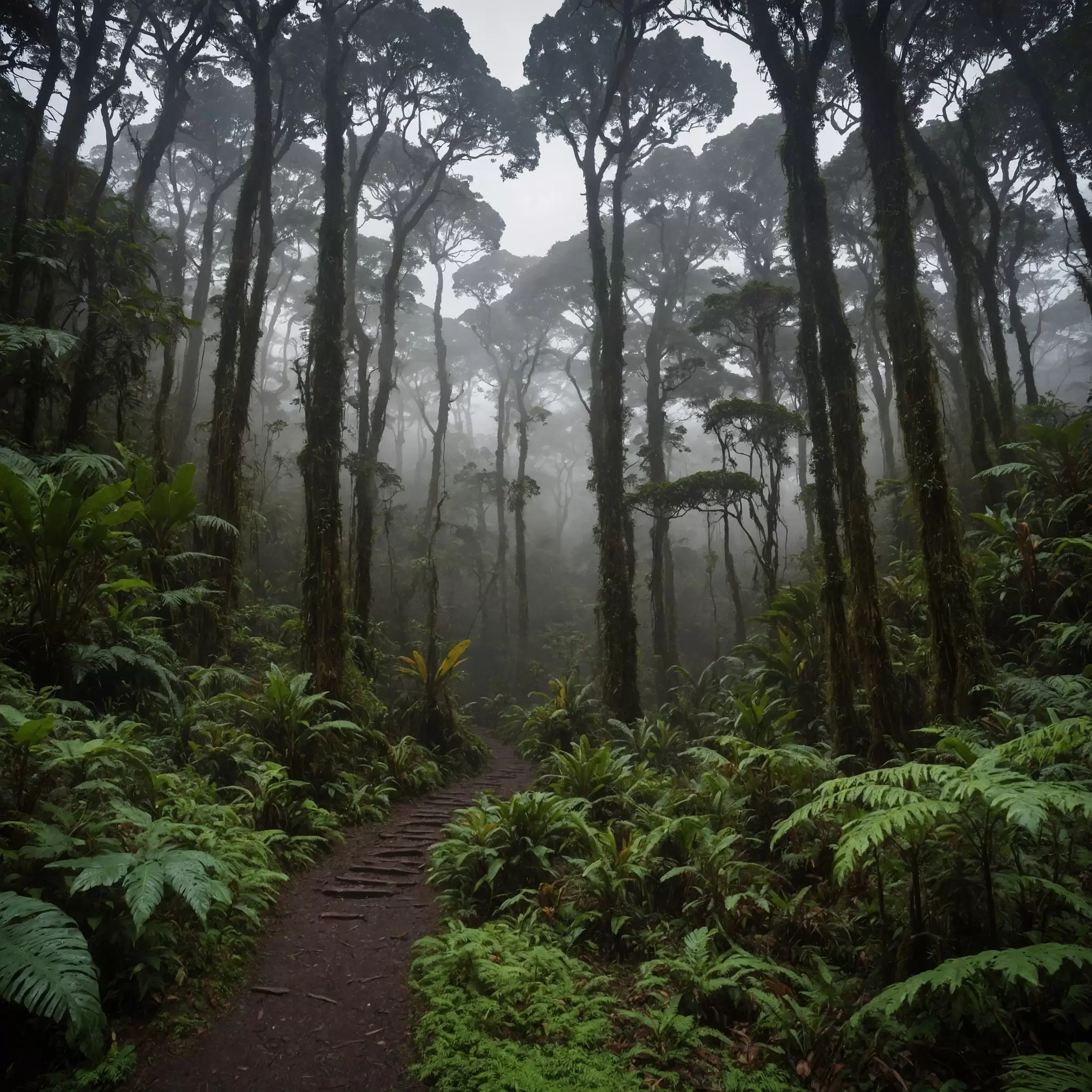
Welcome to the Reserva Biológica Bosque Nuboso Monteverde. It’s estimated that about 50% of Costa Rica’s biodiversity can be found in this area, between 425 species of birds, 120 species of mammals, 658 species of butterflies and 161 kinds of amphibians and reptiles. Wander the trails through the dense forest, dripping in vegetation and drizzling with mist. Due to the near-constant cloud cover, layer upon layer of plant life sprouts from every surface, including the trees. The moisture is inescapable in the cloud forest: you’ll see it gather on the outsized leaves, hear the trickle of streams, sink into the spongey ground underfoot and feel the dampness in the air all around you. You’ll learn a lot about the ecosystem of the cloud forest on the natural history tour. Note that a tour group may be as large as 12 people, so don’t expect to see as much wildlife as you might at smaller or more remote reserves; consider the 6am birdwatching tour for a quieter experience.
The Monteverde Reserve has 13km of trails, which are well-marked but sometimes muddy. This 5km loop covers the highlights: From the ranger station, follow the Sendero Bosque Nuboso through the mist. This is a popular trail, so if you want to (try to) avoid other hikers, you might opt for the parallel Sendero Camino, which is wide and flat – less interesting visually, but better for birding. Both trails end at a short trail that climbs to the 1550m Mirador La Ventana, a scenic "window" over the Continental Divide – the convergence of the Pacific and Caribbean slopes, where dry air meets moist air. From La Ventana, double back toward Sendero Wilford Guindon. Here you’ll come across a 100m-long suspension bridge, swaying with your step, but offering an incredible perspective on the cloud-forest canopy. The final leg of the hike follows Sendero Tosi to a small but sweet waterfall. From here, you can take Sendero Cuencha back to the ranger station.
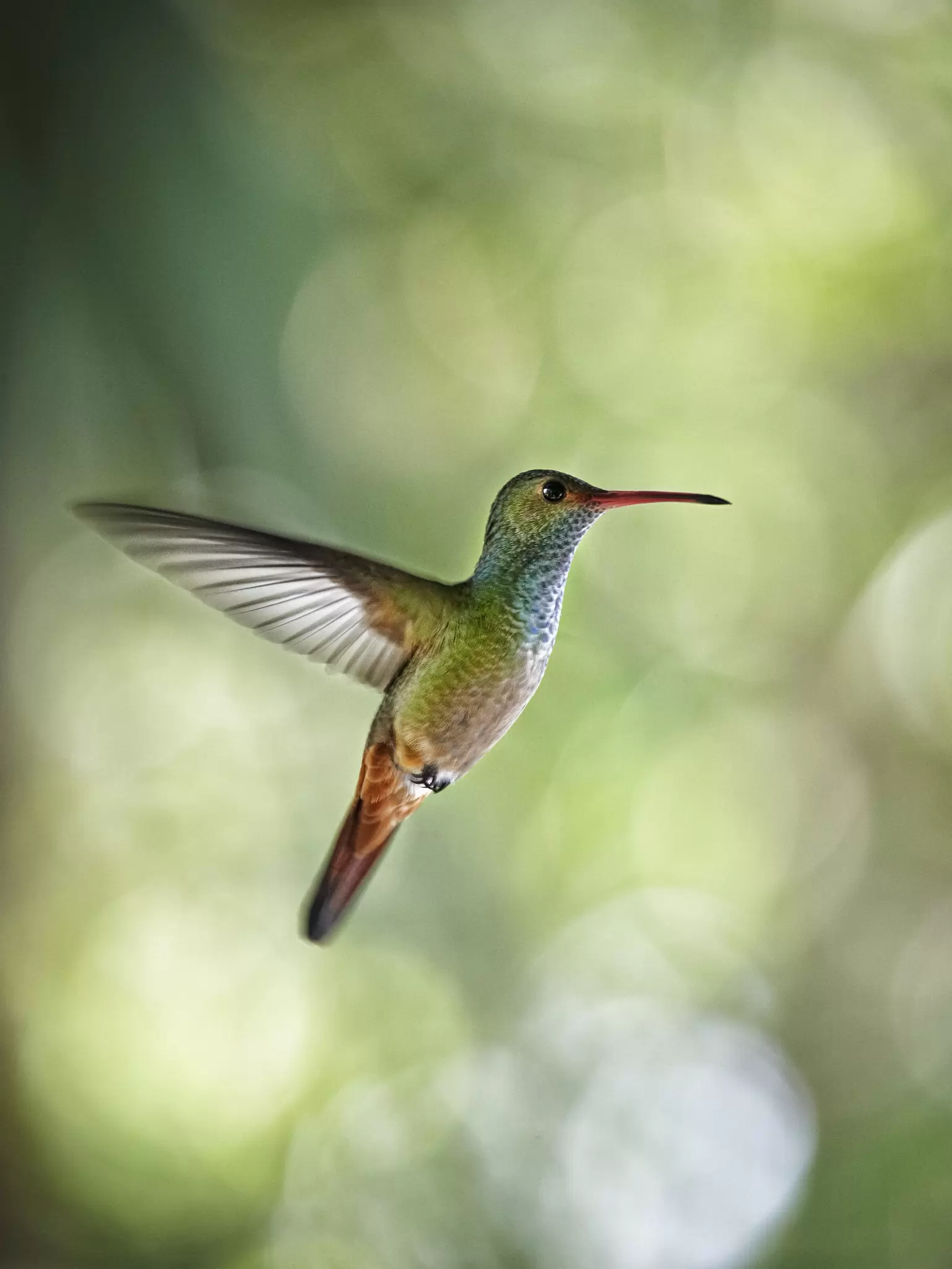
Whether you are a budding birder, an avian expert or don’t know your trogon from your tanager, the birdwatching in Monteverde is epic. On the edge of the Monteverde Reserve, Reserva Curi-Cancha is a cattle ranch turned private reserve, with trails winding through primary, secondary and open forest. It’s at a slightly lower elevation and hosts many of the same bird visitors but fewer human ones. This is a top spot for Monteverde’s most in-demand species, including the resplendent quetzal and the three-wattled bellbird, but there are a couple of hundred other gems here as well, such as the orange-bellied trogon and blue-crowned motmot. Rowdy toucans and evocatively named hummingbirds – violet sabrewings, green-crowned brilliants, coppery-headed emeralds – are practically guaranteed. The reserve opens at 6:30am for birdwatching: bring a guide, book a 4-hour-and-30-minute tour with one of its expert naturalist guides or come on your own from 7am.
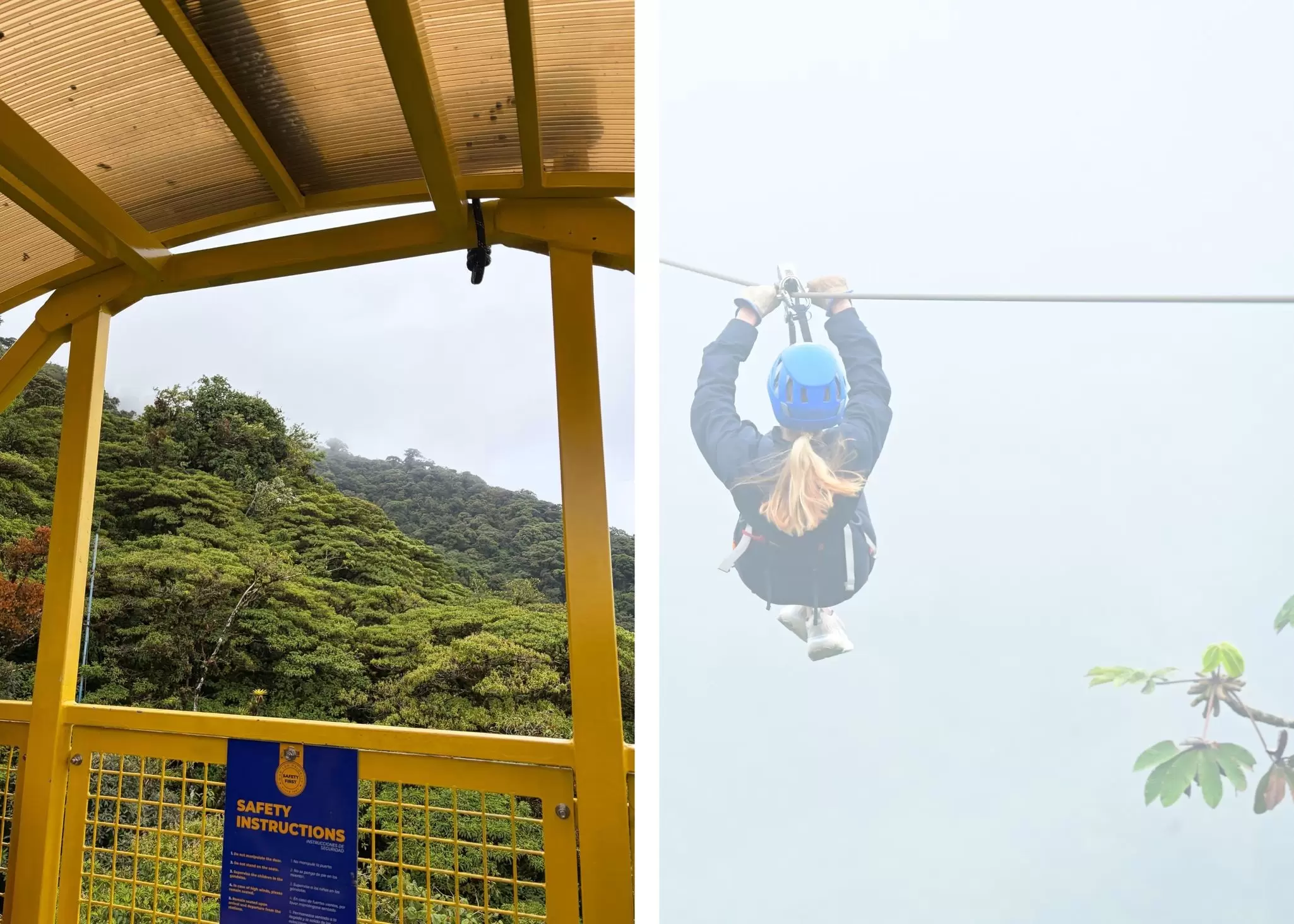
For some adrenaline-fueled adventure, whizz over the cloud-forest canopy on the state-of-the-art zipline in Selvatura Park. One of the longest and highest zipline courses in town, Selvatura has 13 thrilling cables and 15 platforms, all zigzagging over an incredible stretch of primary cloud forest. There’s a Tarzan swing for extra fun, and you can strike a Superman pose on your last cable.
While a researcher near Sarapiquí created the first zipline to explore the forest canopy, the first canopy tour for thrill-seeking travelers was launched in Monteverde in the 1990s. The Original Canopy Tour is still operating, with 10 ziplines plus the chance to rappel down a towering tree. 100% Aventura offers a similar setup with a super-long zipline; Treetopia Park is home to the 3km SkyTrek zipline and the region’s only SkyTram; and at Monteverde Extremo Park, you can bungee-jump into a 143m-high canyon.
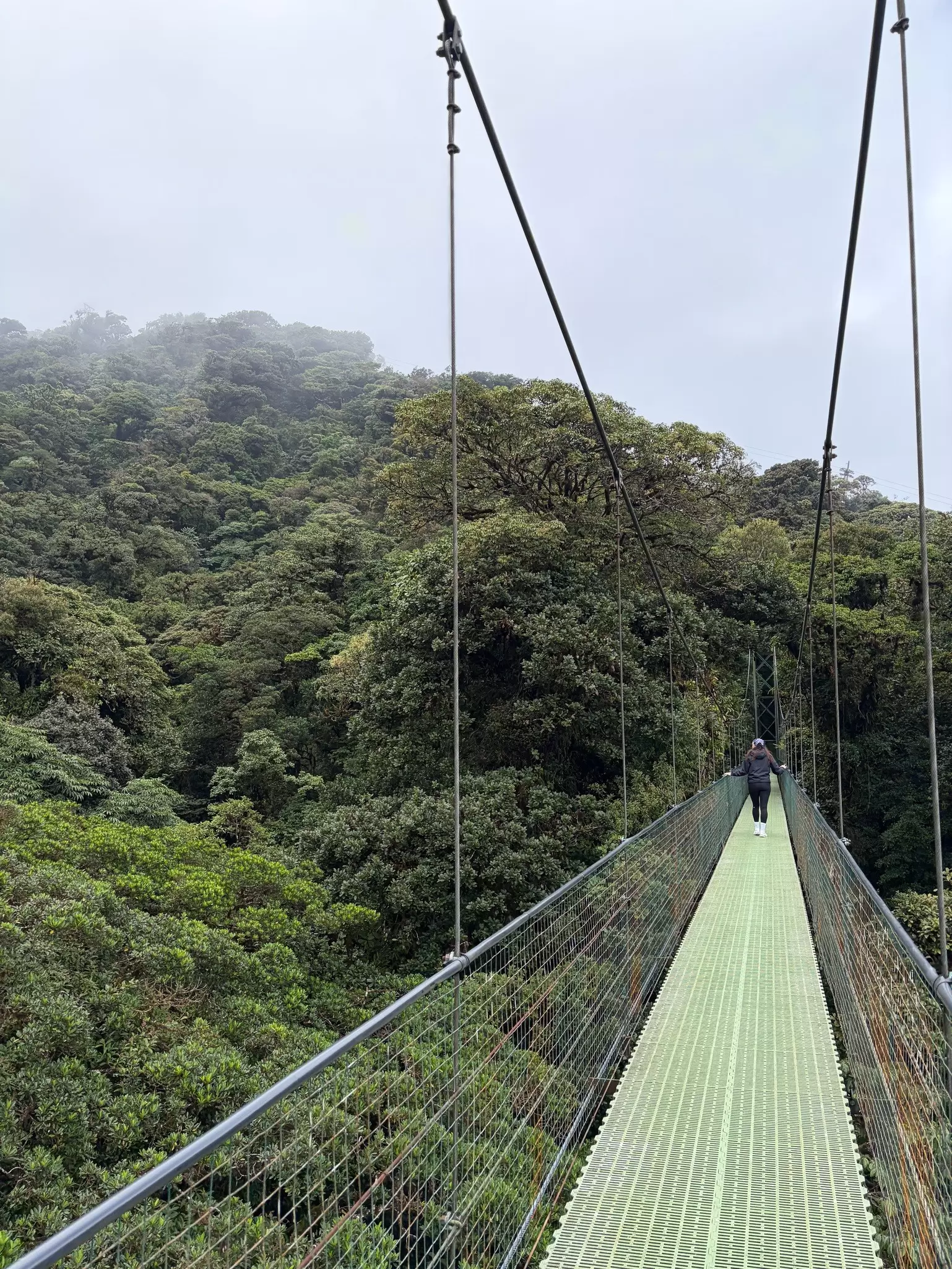
Monteverde’s hanging bridges are a slower and more serene way to explore the cloud-forest canopy, and you’ll certainly see more wildlife. So, transport yourself to the treetops, look down on a seemingly endless patchwork of shifting greens and see the forest as monkeys, sloths and birds do. Immerse yourself in the forest along Selvatura Park’s 3km Treetop Walkway, combining forest trails and eight suspension bridges ranging in length from 50m to 170m. 100% Aventura offers two-hour guided walks along its 3km of trails and eight hanging bridges; you’ll be able to borrow your guide’s binoculars and peer through the scope as you learn about the flora and fauna. And Treetopia Park is home to the original SkyWalk hanging bridges soaring to a vertigo-inducing 50m; you can go it alone or with a guide.
Although Monteverde is more famous, there are two other vast protected patches of cloud forest that receive fewer visitors. If you’ve ever wondered what it’s like to walk through the clouds, the wilds of the Reserva Bosque Nuboso Santa Elena are actually at a higher altitude, making them just a little more nebulous – in a good way. It’s dense with life, and the slower you go, the more you notice. Keep an eye out for high-profile highland bird species, including the resplendent quetzal, the three-wattled bellbird, the long-tailed manakin and the emerald toucanet. A guide also helps, but there’s plenty to see and hear if you prefer to go it alone along the 12km of well-marked trails. Finish up with a stop at the observation tower, which, on a clear day, offers a view over four volcanoes.
The long-standing Bosque Eterno de los Niños or the Children’s Eternal Rainforest, is Costa Rica’s largest private reserve, and 100% of its proceeds go back into conservation, reforestation, research and education. Spanning 227 sq km, it’s one of the most biodiverse places on the planet for its size. It has several zones: set out on foot for San Gerardo Field Station, high on the Caribbean slopes; while Bajo El Tigre has 4.5km of trails that wind through drier forest, with two lookouts offering views over the Golfo de Nicoya.
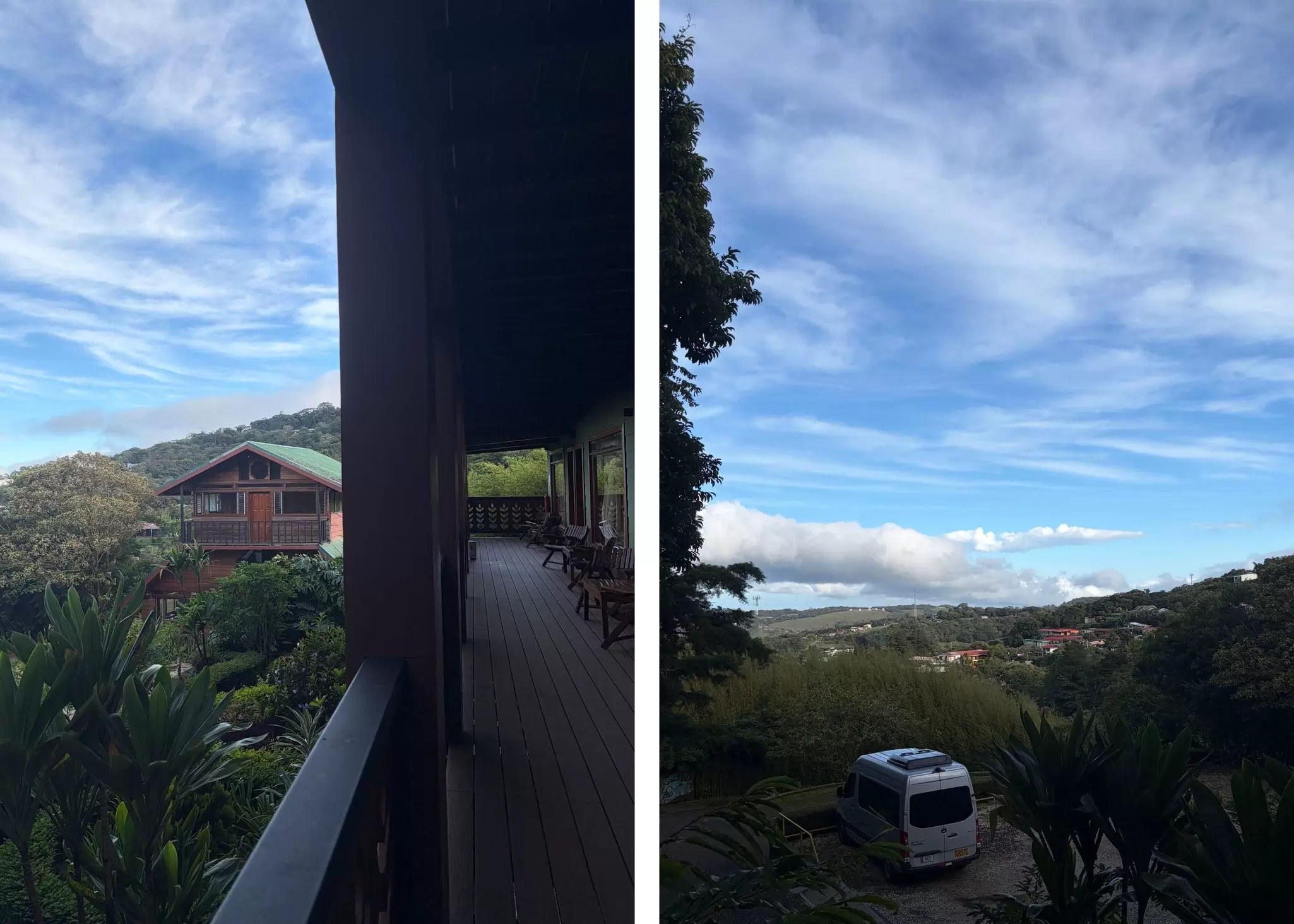
Casa Jungle Monterverde: Comfortable, good-value rooms, a helpful host and a delicious breakfast, all within walking distance of downtown Santa Elena.
El Nido Lodge: Simple, wallet-friendly rooms. Feast at the restaurant or make use of the shared kitchen before hanging out around the firepit.
Casa Batsu: Delightful B&B in a family farmhouse with design innovations and artistic touches, plus indulgent breakfasts.
Hotel Heliconia: Lovely gardens and mountain views. The wood-paneled rooms are very lodge-like, and the staff is so friendly and accommodating.
Hidden Canopy Treehouses: Six gorgeous treehouse chalets, with private decks and floor-to-ceiling windows giving serene views over the cloud forest.
Hotel Belmar: Classy place with understated luxury and true eco-credentials, plus breathtaking views over cloud forest and gulf.
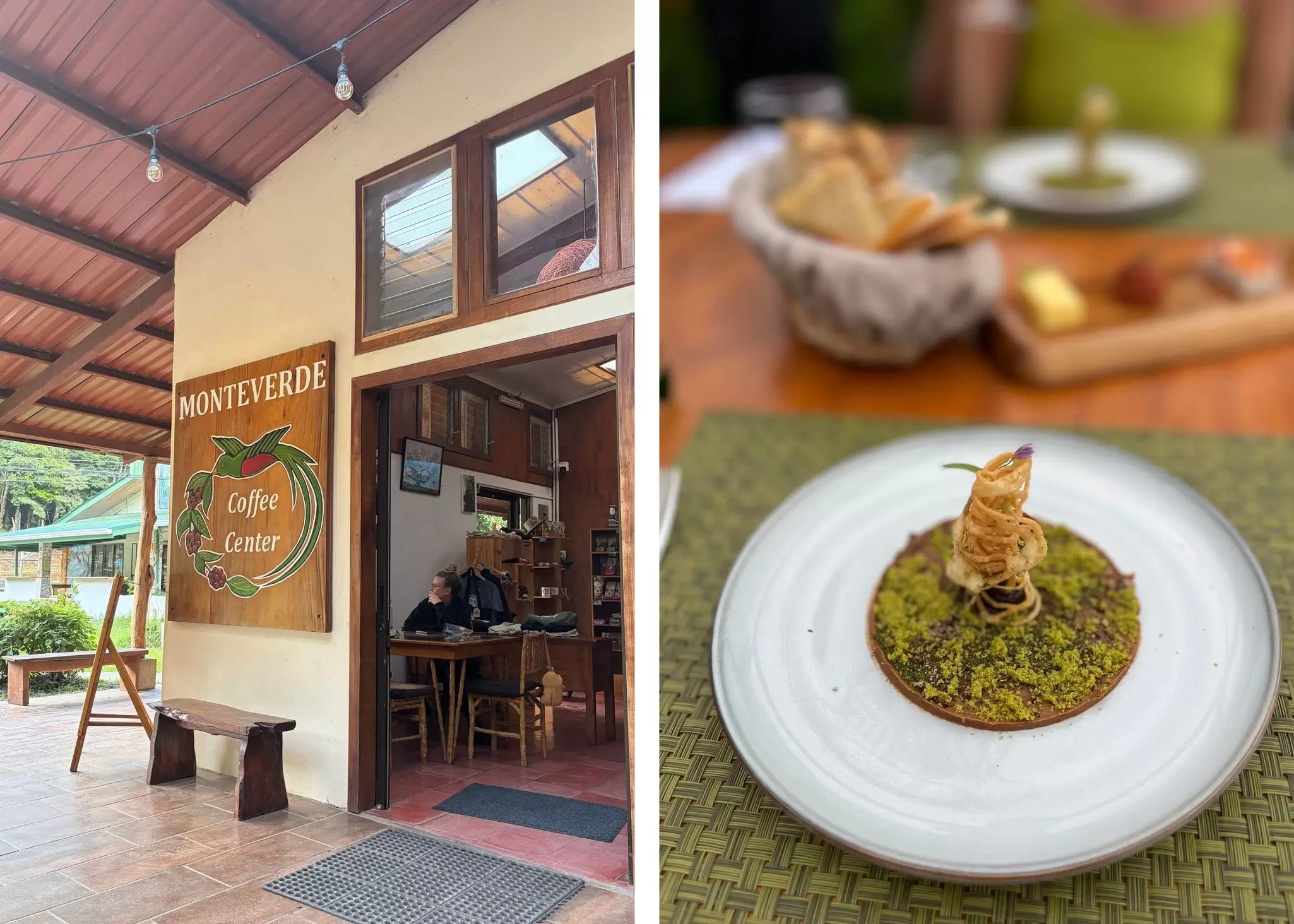
Monteverde Brewing Company: Sample some creative craft beer, perfectly paired with a top-notch burger (there’s a vegan option, too).
Raulito’s Pollo Asado: A local favorite, Raulito will fix your roast-chicken cravings at this friendly chicken joint.
Boca2 Café: Tasty, wallet-friendly dishes with plenty of vegetarian and vegan options; don’t miss the Donkey Kick coffee smoothie.
Stella’s Monteverde: Santa Elena landmark serving healthy breakfast bowls, delicious sandwiches, sensational salads, just-baked quiches and more.
Café Monteverde Coffee Shop: Grab a freshly roasted coffee and spot monkeys playing in the trees from their covered porch.
El Jardín: Dine on creative gourmet fare crafted from top-notch local produce, surrounded by hanging greenery and brilliant blooms.
Restaurante Celajes: At the venerable Hotel Belmar, this is a wonderful place to end the day. From the balcony, you’ll enjoy sweeping views of the cloud forest – all the way to the Golfo de Nicoya on a clear day. The menu epitomizes farm-to-table cuisine, using ingredients cultivated in the hotel’s organic garden or at the family’s nearby farm.
The San Lucas Treetop Dining Experience: High on a hillside overlooking Santa Elena, private glass pods are suspended in the sky, looking down through the clouds. The menu is a closely guarded secret – a nine-course extravaganza that celebrates the region, the country and its native produce. There are two sittings per night: go for the early one.
Brillante Souvenir: This boutique supports local artisans with an artfully curated collection of handcrafted goods.
Ferlander Arguedas: This abstract artist puts his colorful work on T-shirts, tote bags, umbrellas and more.
Monteverde Art House: Boutique selling locally made products, and a coffee shop, surrounded by lush gardens.
Monteverde Natural Cosmetics: All-natural, eco-conscious products that smell delicious – think cinnamon and organic-coffee soap.
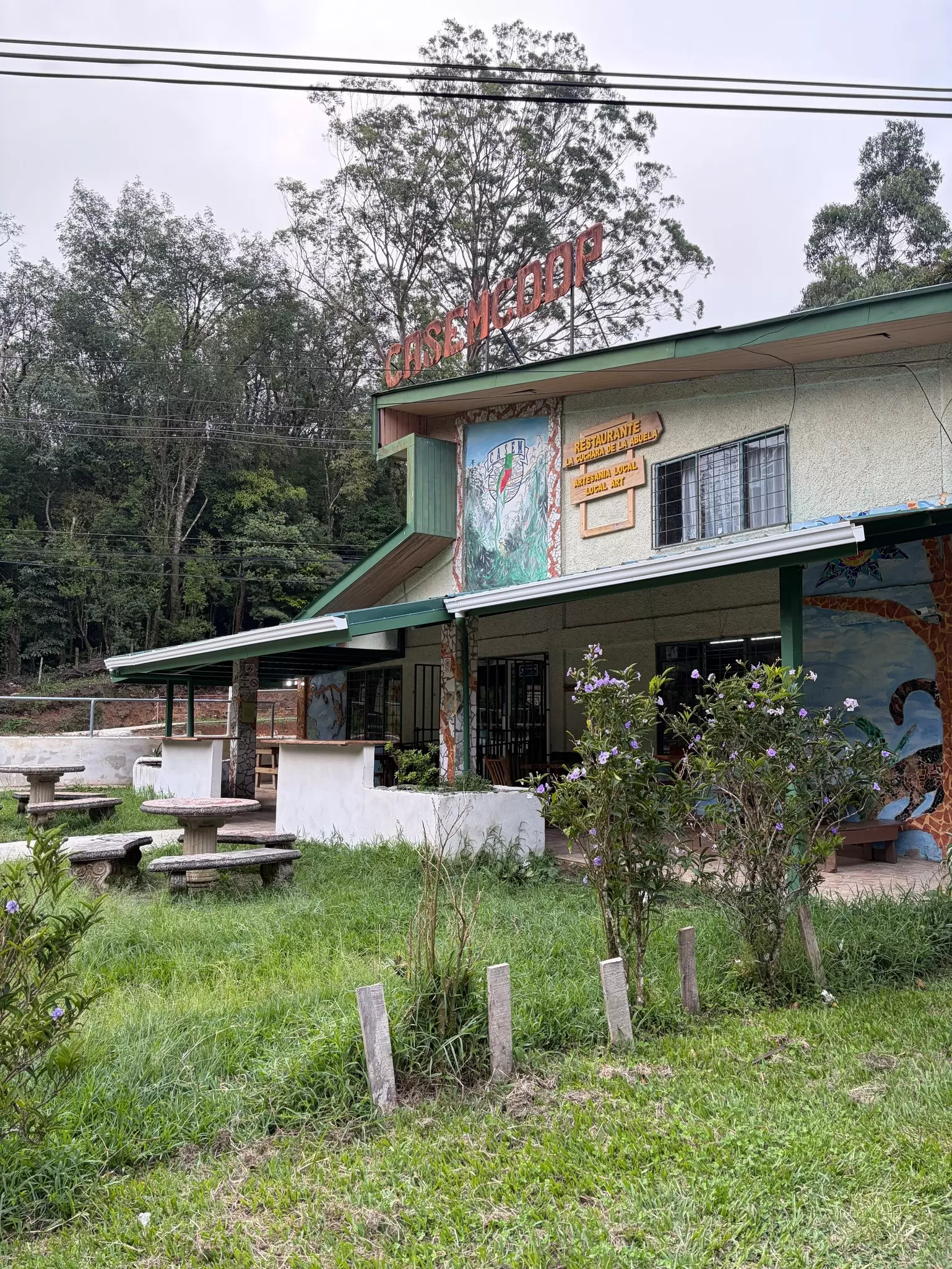
CASEM: This nonprofit artisan cooperative is dedicated to improving the lives of local women artists.
Souvenir Rosewood: Jose Luis makes beautiful bowls, plates and more using sustainable rosewood; ask to see his workshop.
While Costa Rica is taking huge steps to make travel here more accessible, many areas around Monteverde are not completely accessible to travelers with mobility issues. The Monteverde Reserve, for example, is not wheelchair-friendly, with rugged, unpaved trails. Many nearby adventure parks are, however, partially accessible. At Treetopia Park, the aerial tram is a fantastic way to see the cloud forest from above, with spacious compartments and the ability to stop the tram for passenger loading (it’s also great if you’re not keen on ziplines in general).
Book your Costa Rica trip with Lonely Planet Journeys
See Costa Rica how it's meant to be seen
Planned by local experts and tailored to you, Lonely Planet Journeys handles the logistics so you can just enjoy the trip. Tell us what you want and we'll build your Costa Rica itinerary from scratch, or browse our bookable trips to get inspired.


Explore related stories