Sep 20, 202612 min read
Guide to Monteverde’s Cloud Forest, Costa RicaAug 18, 2026
11 MIN READ
Contributors
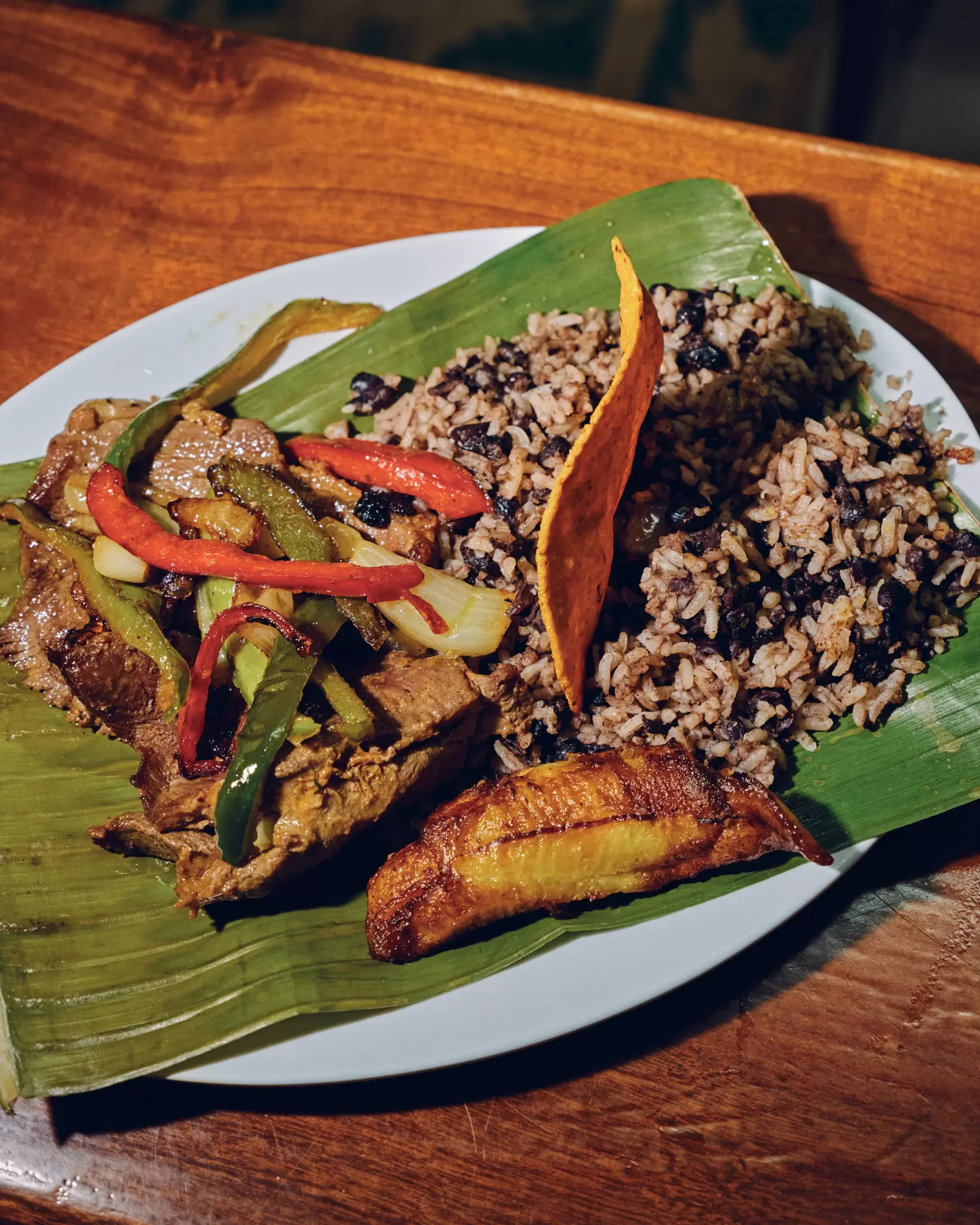
Gallo pinto at Mercado Central in San José, Costa Rica. David Cabrera for Lonely Planet
Contributors


Mara Vorhees, Lonely Planet Editors
Highlights
Writer Mara Vorhees shares Costa Rica's comfort food, fresh seafood and street snacks.
Order gallo pinto for breakfast – a stir-fry of rice and beans, often served with eggs.
For fresh seafood, try ceviche of pargo (red snapper) or dorado (mahi-mahi) in lime.
Most bars serve chifrijo – fried pork and beans with tomatoes and avocado.
Lonely Planet may earn a commission from affiliate links on our site. All recommendations and reviews reflect our own independent opinions.
Costa Rica is famed for its beaches, volcanoes, dense rainforests and amazing wildlife, but its food is less well known outside of Central America. However, with bounteous produce raised on volcanic soils and seafood hauled fresh from the Pacific, a trip to Costa Rica can be a treat for the taste buds as well as a tropical adventure.
Traditionally, Costa Rican cooking has been rooted in comfort food, with a preference for beans and rice, fried plantains, chicken or beef, and fish – typically grilled, fried, or steamed inside banana leaves. But recently, local cooks have started being more ambitious with the country's fresh and plentiful produce, and the results have been inspiring and delicious.
Considering the extent of Costa Rica's twin coastlines, it's no surprise that seafood is plentiful, and fish dishes are usually flavorsome and fresh – very fresh, in the case of ceviche tico, the local version of this much-loved raw fish and lime salad.
Wherever you travel in Costa Rica, you'll have plenty of chances to try local staples such as gallo pinto – rice and beans with tangy salsa Lizano, the nation's favorite savory condiment. But also seek out more creative menus, where younger chefs are experimenting with modern flavors.
If that whets your appetite, here's our guide to the best things to eat and drink in Costa Rica, from tropical fruit fresh from the trees to the best traditional foods to try.
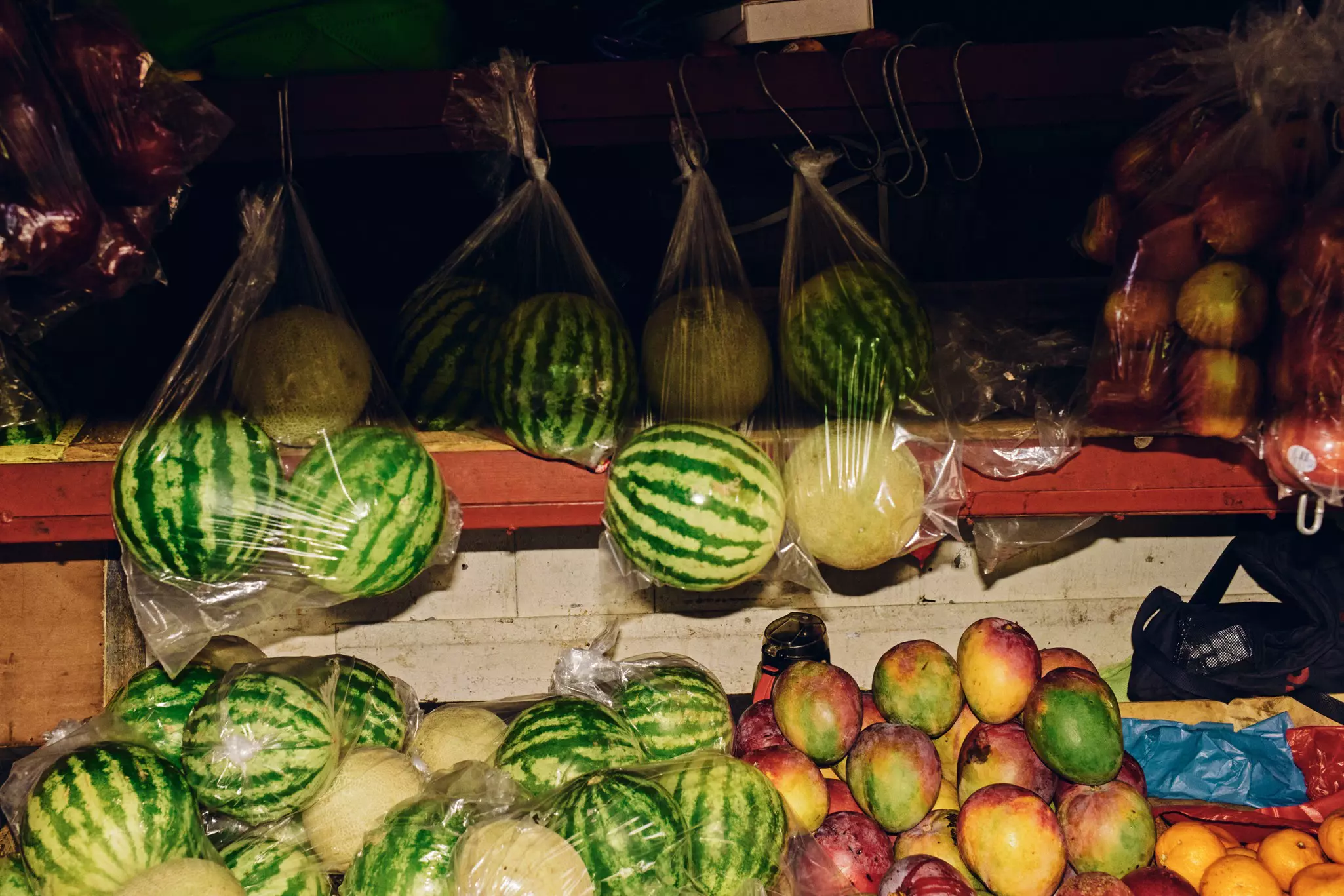
Costa Rica produces vast crops of tropical fruit, from papaya and pineapples to local treats such as granadilla (a variety of passion fruit) and sour cas guavas. But mango is enjoyed with enthusiasm, with a savory edge. Sold in plastic bags with salt, lime juice and sometimes chili powder, this is the ultimate refreshing snack, combining sweetness, saltiness and tang. You'll also find mango served with queso fresco ("fresh cheese") in the area around Turrialba.
Where to try it:
The farmers market on Plaza Ferias in Alajuela – a major mango-growing area.
Sample mango with queso fresco in towns in the Central Valley, such as Turrialba.
Some drinks are best enjoyed as nature intended, and pipa fría (cold coconut water) is a classic example. Find a drink vendor with a machete and an ice chest. They'll hack off the top of a coconut, stick a straw in it, and you're good to go. Frosty, sweet coconut water straight from the source is refreshing, hydrating, and safe to drink (as it has no extra ingredients added).
Where to try it: Roadside vendors all across Costa Rica.
Also known as soursop, this sweet and sticky fruit – like a giant version of the custard apple – should be purchased wherever you find it and eaten with your hands. Its green, spiky shell contains a soft, tart flesh containing black seeds. In Costa Rica, you'll often find guanabana juice prepared as batido – mixed with crushed ice and milk or water.
Where to try it:
Buy fresh guanabana at Tamarindo Farmer's Market, near Playa Tamarindo on the Nicoya Peninsula.
Find batidos at traditional sodas (small, family-owned local restaurants) across the country.
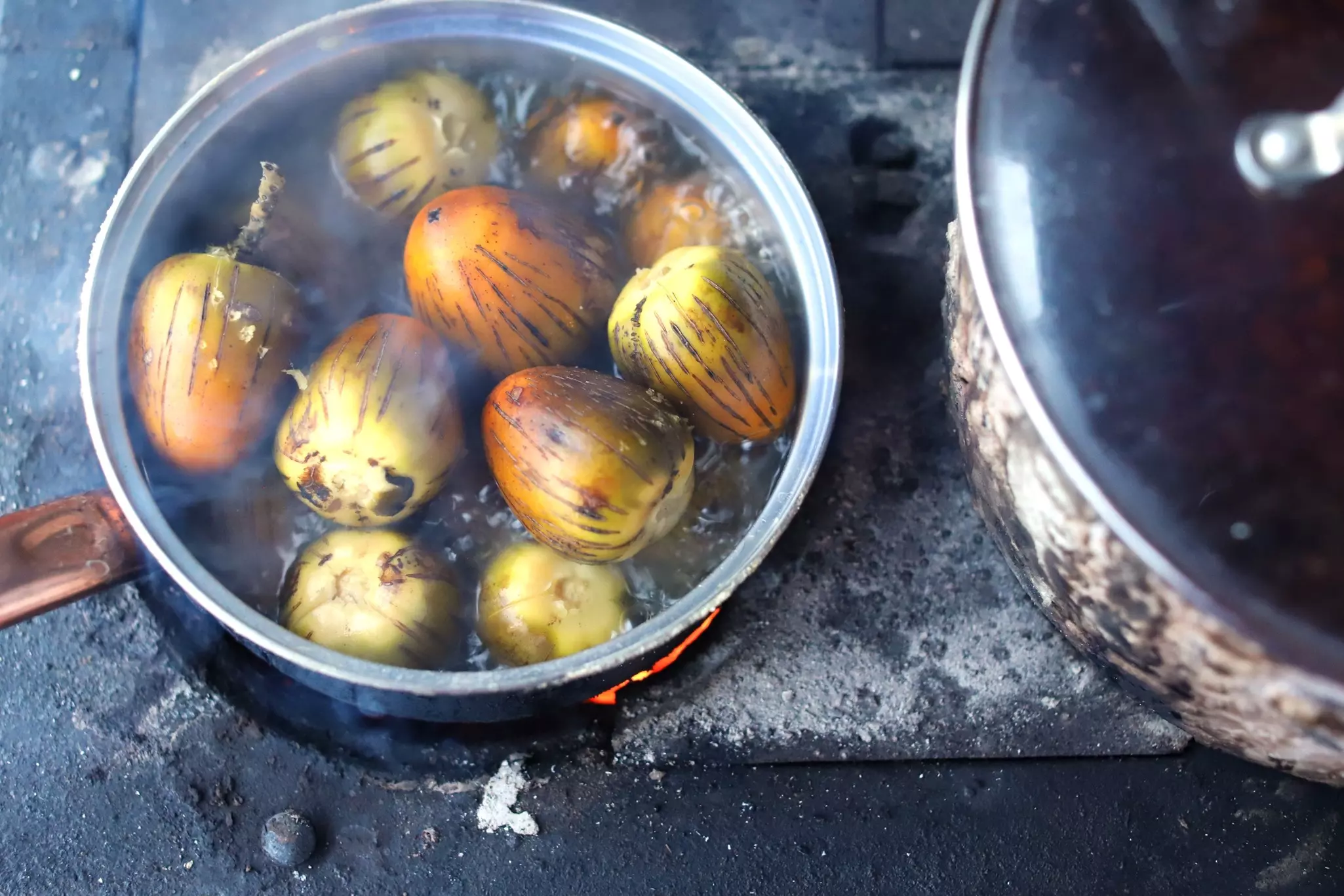
The roasted peach palm fruit – known locally as pejivalle or pejibaye – is a roadside staple in Costa Rica. It's delicious, warm and often served salted, although Ticos like to add a dab of mayonnaise. The flavor of perjivalle falls somewhere between chestnut, sweet potato and squash, and it's high in vitamins.
Where to try it:
You can find freshly roasted pejivalle at roadside stands across the country.
Ticos also eat the soft heart of the peach palm tree; try it on a tour of the Palmitour plantation in Horquetas.
In the area around Puerto Limón, one of the favorite snacks is the patí – a flaky, Caribbean-style semicircular turnover made from wheat flour and filled with meat, onions, garlic and spicy goodness. The patty is often tinted golden with egg yolk or turmeric. If you have a long bus ride ahead or fancy a picnic, a patí is the perfect takeaway snack.
Where to try it:
Soda El Patty, a rustic nine-table Caribbean restaurant in Puerto Limón, famous for its tasty patí.
Taylor's Dine & Grill – a rival to Soda El Patty in Puerto Limón, also serving a wide range of other Caribbean dishes.
Over in Tortuguero, Cocoman is a great place to grab a beef patí alongside a coconut-based cocktail.
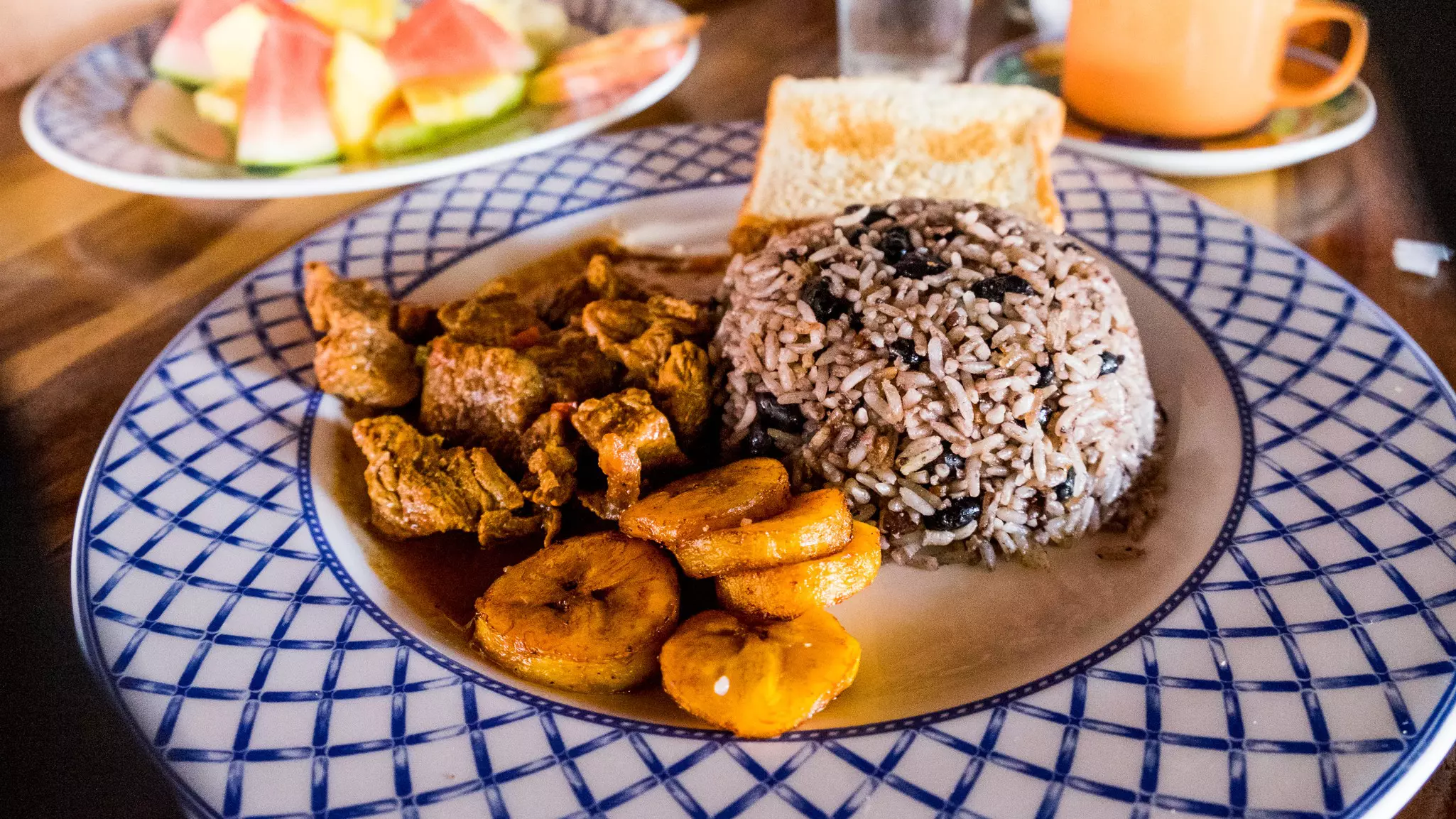
Breakfast for Ticos is usually gallo pinto – a name that literally means "painted rooster." A practical way to use up leftovers, this much-loved dish is a stir-fry of rice and beans, often flavored with vegetable-based salsa Lizano. When combined, the rice and beans have a speckled appearance, which is the source of the name.
Served with eggs, cheese or natilla (sour cream), gallo pinto is cheap, filling and downright tasty. Sodas across Costa Rica sell gallo pinto for breakfast or throughout the day, and you'll often see it for breakfast in guesthouses and homestays.
Where to try it:
We especially love the beachside view that comes with the rice and beans at Sheriff Rustic on Playa Sámara (plus it's available all day).
In San José's Parque Metropolitano La Sabana area, Soda Tapia has been serving gallo pinto and other traditional comida típica dishes since 1965.
In Cahuita on the Caribbean coast, Soda Kawe serves reasonably priced gallo pinto and casado plates with meat cooked over a fire.
Playa Chuquita's Papaya Restaurant offers beautifully presented takes on gallo pinto; also try their ceviche-like fish tiradito with passion fruit.
Learn to make your own gallo pinto on a hands-on cooking class at Santuario Ecológico, a private reserve in the Monteverde forest.
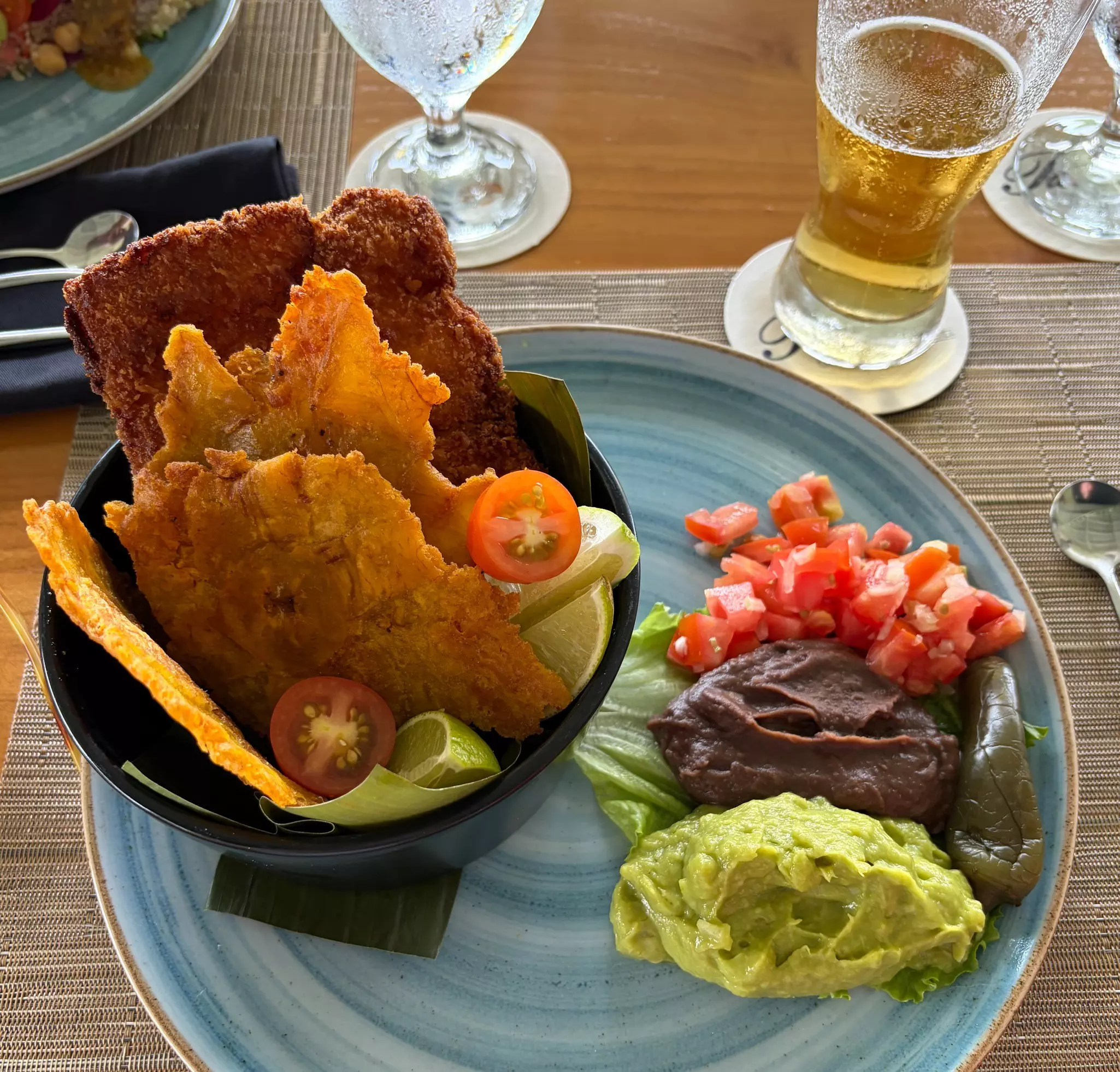
Patacones – green plantain, fried once, then mashed into flat fritters and fried again – are served almost everywhere. You'll find them as a snack with something to dip them into, such as refried black beans or chimichurri (tomatoes, onions and cilantro), or served as a side with many casado set meals. Patacones are also a common accompaniment to ceviche (raw fish with lime), offsetting the acidity nicely.
Where to try it:
You can't avoid patacones – they crop up as part of all sorts of meals, wherever you eat, and are as common in Costa Rica as fries are in the US.
A coconut milk-based seafood gumbo, rondón takes its curious name from the local word for "run down," meaning whatever ingredients the chef can run down. You'll find it prepared with seafood, fish, meat and any vegetables that are on hand, including yams and plantains on the Caribbean coast: wherever you try it, it will be a little bit different.
Where to try it:
Maxi's By Ricky does a great rondón soup in the Escazú neighborhood of San José.
In the center of the capital, the wonderful Alma de Amón sells meat- and fish-free rondón vegano with turmeric and coconut.
Paying homage to the first ship carrying Jamaicans to Costa Rica, Lizzie 1879 in Puerto Limón is the place to sample rondón on the Caribbean coast every Sunday.
Dress up to enjoy the delicious rondón at Selvin, Punta Uva's top restaurant since 1982.
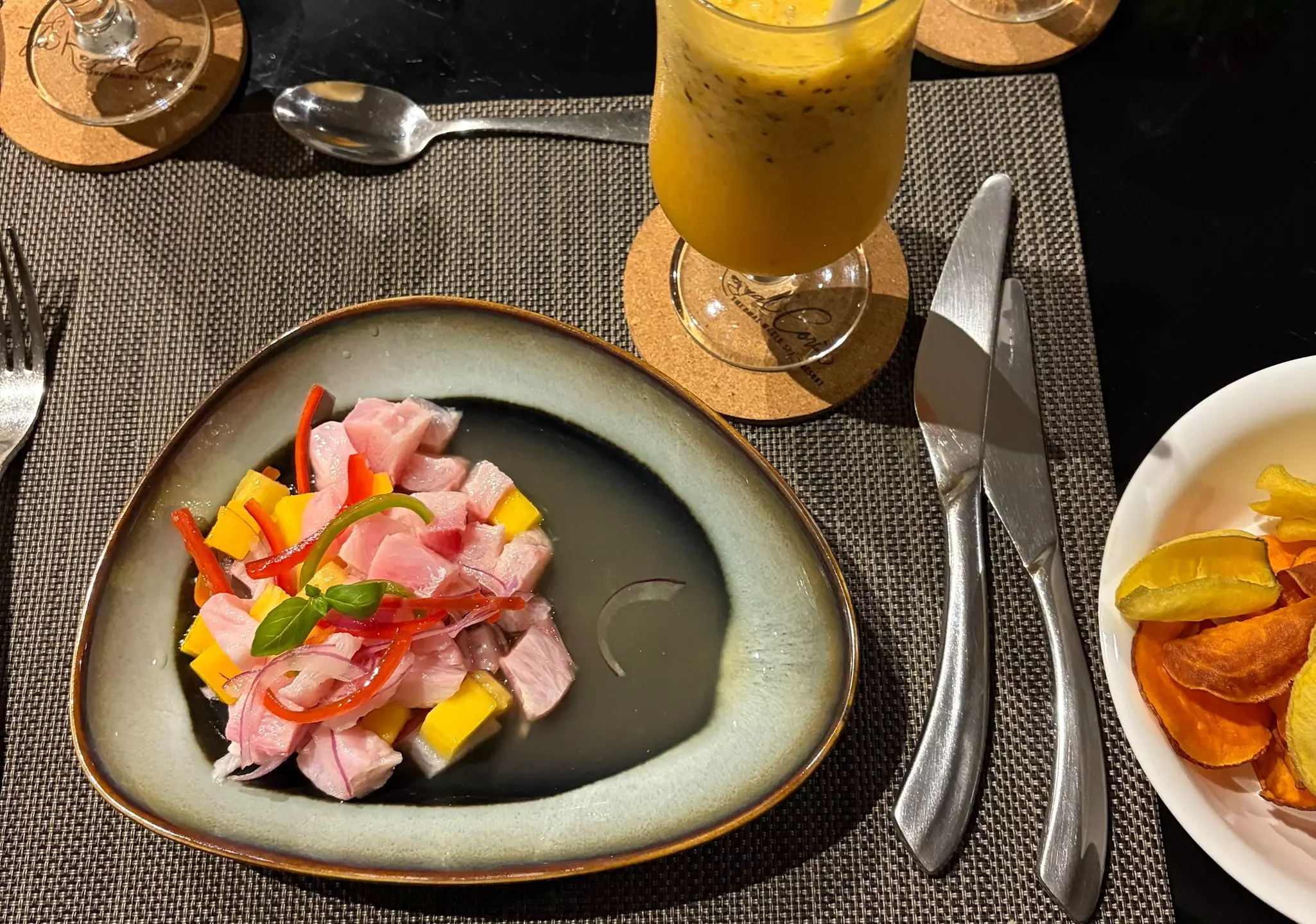
While it's not traditional Tico fare, ceviche – a tangy raw fish salad – has become hugely popular in Costa Rica. You'll find it on most menus, usually made from pargo (red snapper), dorado (mahi-mahi), octopus or tilapia, with a hint of cilantro.
The fish is marinated in lime juice, which partially denatures the protein much like cooking with heat and then mixed with chili, onions, tomatoes and herbs. Served chilled, it is a delectable way to enjoy fresh seafood. Order it by the sea on the Caribbean or Pacific shoreline, where you can guarantee the fish is fresh off the boats.
Where to try it:
The fresh ceviche from the esteemed Café Liberia in Liberia is next-level.
Over in Paraíso, in the highlands of the Central Valley, Restaurante Orquideas serves excellent ceviche and shrimp and rice alongside a good selection of beers.
In Playa Cocles, SAGE @ Playa 506 takes advantage of its coastal location; mahi-mahi ceviche and tuna burgers are paired with craft beers.
Enjoy ceviche with a Caribbean view at Mr Maxi’s Restaurant in Manzanillo; they also serve excellent pargo rojo (whole red snapper).
Most bars offer the country's most popular boca (snack) - chifrijo. This meaty favorite takes its name from its two main ingredients: chicharrón (fried pork) and frijoles (beans). Diced tomatoes, spices, rice, tortilla chips and avocado are also thrown in for good measure, creating a colorful plate that goes down very nicely with a cold beer.
Where to try it:
With knockout views of Laguna de Arenal and Volcán Arenal, La Ventanita in El Castillo sells the best chifrijo for miles.
Head to El Castillo's La Ventanita for a cool vibe, cooler drinks and tasty servings of chifrijo to munch on while you sip.
Enjoy quality chifrijo and a relaxed vibe at El Social Sabana near San José's Parque Metropolitano La Sabana.
In Escazú, Casona de Laly is another San José favorite; order the chifrijo with a michelada cocktail (beer, lime juice, spices and chili peppers).
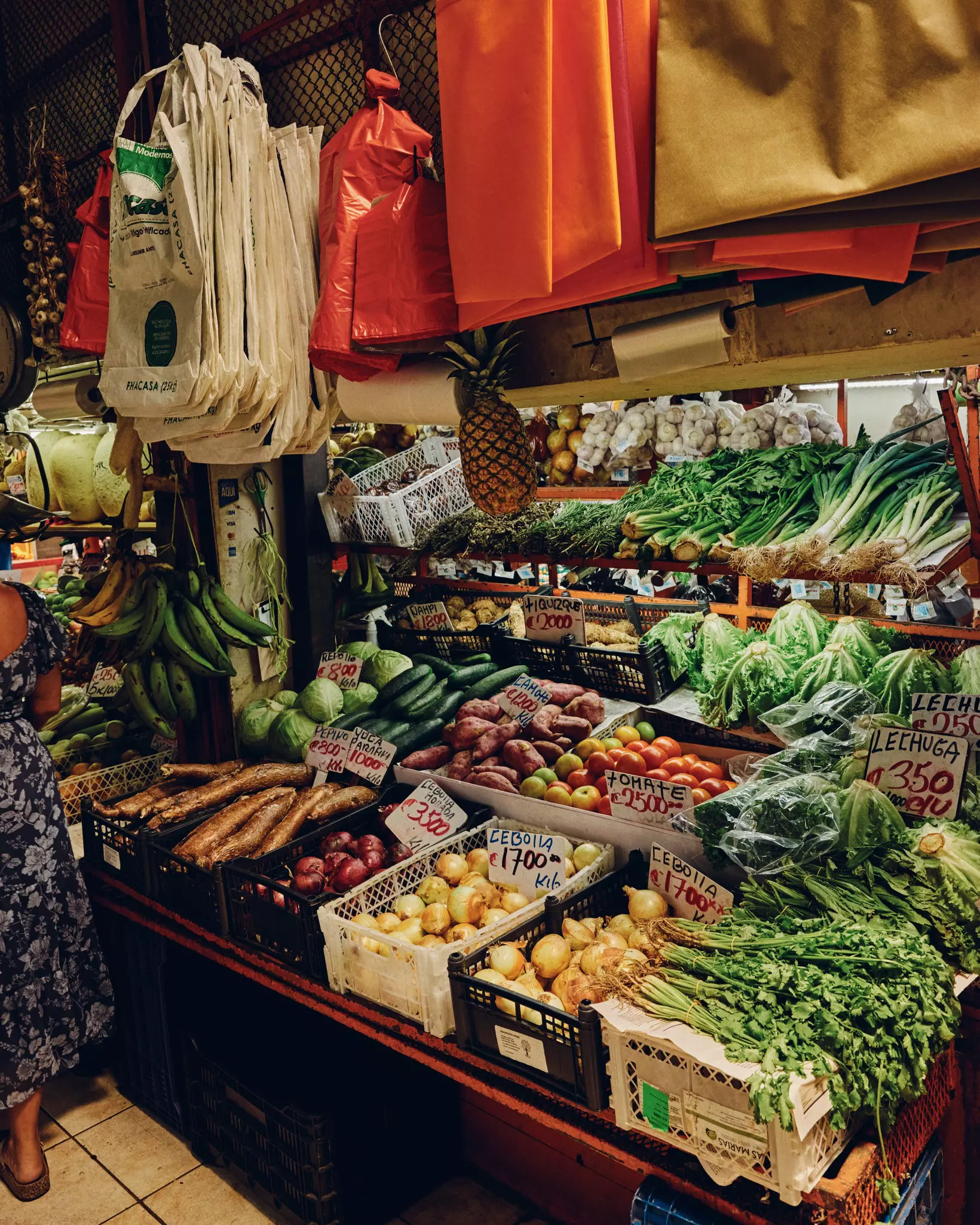
Costa Rica is a relatively easy place for vegetarians to travel. Rice and beans, as well as fresh fruit, are ubiquitous, but there's a lot more to it than that. Visit farmers' markets to find out what vegetables are in season – Costa Rica is a growers' paradise, and you'll see these same ingredients being used in soups, stews and salads at local restaurants and cafes.
Most restaurants will make veggie casados (meat-free set meals) on request, and many places are now including meatless options on their menus. These set meals usually include rice and beans, cabbage salad and one or two dishes made with vegetables or legumes.
There are many specialty vegetarian restaurants or restaurants with veggie options on the menu in San José and in tourist towns, and even vegans will find some options in these places. Lodges in remote areas that offer all-inclusive meal plans can accommodate vegetarians with advance notice. The Happy Cow has a handy list of veggie restaurants nationwide.
Gluten-free, macrobiotic and raw-food-only travelers will have a tougher time, as there are fewer outlets accommodating these diets, although this is slowly changing. If you follow a strict diet, choose lodgings where you can prepare food yourself. Many towns have macrobióticas (health-food stores), but the selection of foodstuffs on offer varies.
The people of Costa Rica have a few special delicacies for adventurous eaters.
The Museo de Insectos at the Universidad de Costa Rica in San José has its own kitchen, where guests are served mealworms and crickets with lots of salt and oregano. They say the future of food is insects; is it time to give it a try?
Tripe (cow or pig stomach) is a campesino (farmer) favorite in Costa Rica. This not-for-everyone protein source is typically served stewed and is often surprisingly spicy. It can be delicious if you don't mind the texture.
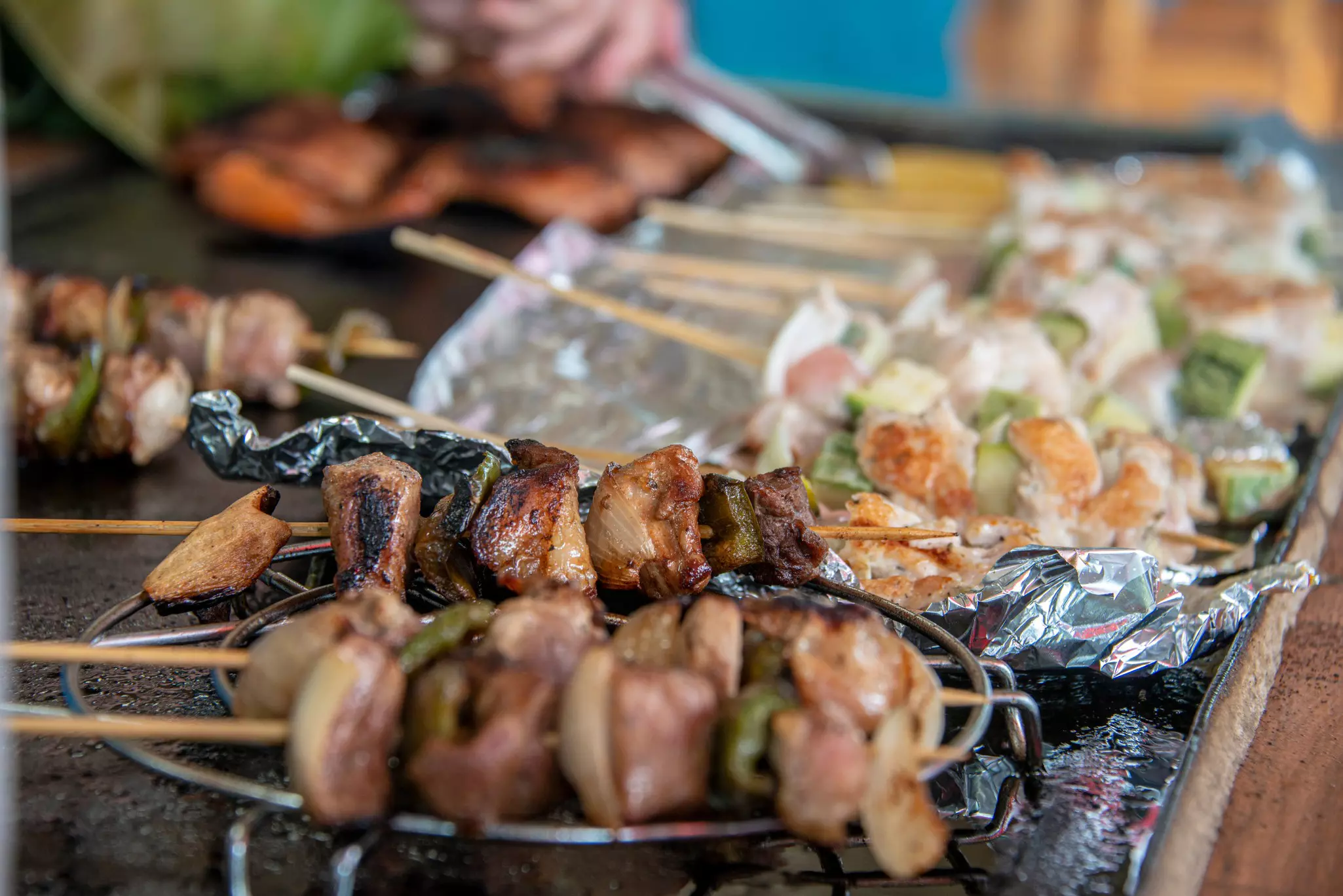
Is it pork, chicken or beef? Does it matter? On roadsides and at local fiestas, the mysterious Tico delicacy known as pinchos is meat of undefined origin on a stick. It's usually as good as it smells and is best enjoyed after the street food vendor has brushed on a spicy sauce.
Food festivals in Costa Rica are concentrated at the end of the rainy season, but the tropical Eden that is Costa Rica produces incredible fruits and vegetables year-round, and you'll find an impressive array of fruit and veg in stores and farmers' markets whenever you visit.
Brave the rain for deliciously ripe mangoes and mamon chino (rambutan), plus agricultural celebrations such as the Fiesta del Maíz (Festival of Corn) and the Feria Nacional de Pejibaye (National Peach Palm Market).
Mexican-inspired tamales (steamed, stuffed maize dough) are a very big deal at this time of year. They're typically made with masa (cornmeal soaked in lime), pork, potatoes and garlic, and are steamed inside banana leaves.
Many seasonal laborers from Nicaragua head down to pick the coffee beans known as the grano de oro (the golden grain) on the coffee plantations of Costa Rica's Tarrazú region and other premium coffee-growing areas.
Book your Costa Rica trip with Lonely Planet Journeys
See Costa Rica how it's meant to be seen
Planned by local experts and tailored to you, Lonely Planet Journeys handles the logistics so you can just enjoy the trip. Tell us what you want and we'll build your Costa Rica itinerary from scratch, or browse our bookable trips to get inspired.


Explore related stories