Sep 20, 202612 min read
Guide to Monteverde’s Cloud Forest, Costa RicaAug 17, 2026
7 MIN READ
Writer
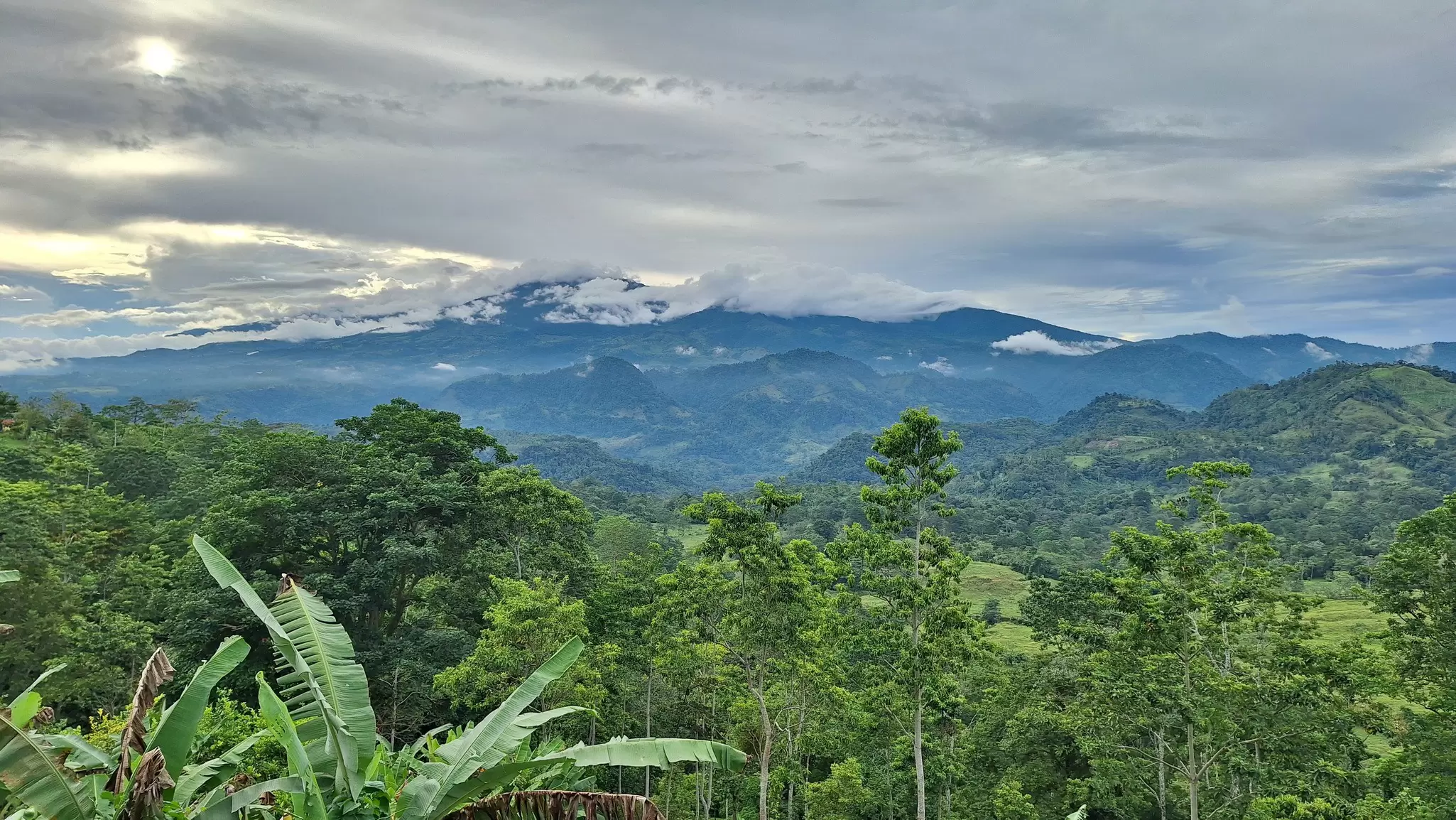
The verdant beauty of Costa Rica. Matthew Dennis
Writer
Highlights
Writer Matt Dennis explores Costa Rica's accessible adventures on crutches.
Book adapted cars, airport assistance and boat transfers early; Il Viaggio handles complex needs.
Raft the Sarapiquí, cross Mistico Park's hanging bridges, or ride horses with a volcano backdrop.
Donatapa's beach pathways open Playa Manzanillo, Cieneguita and 15 Pacific shores to all visitors.
Lonely Planet may earn a commission from affiliate links on our site. All recommendations and reviews reflect our own independent opinions.
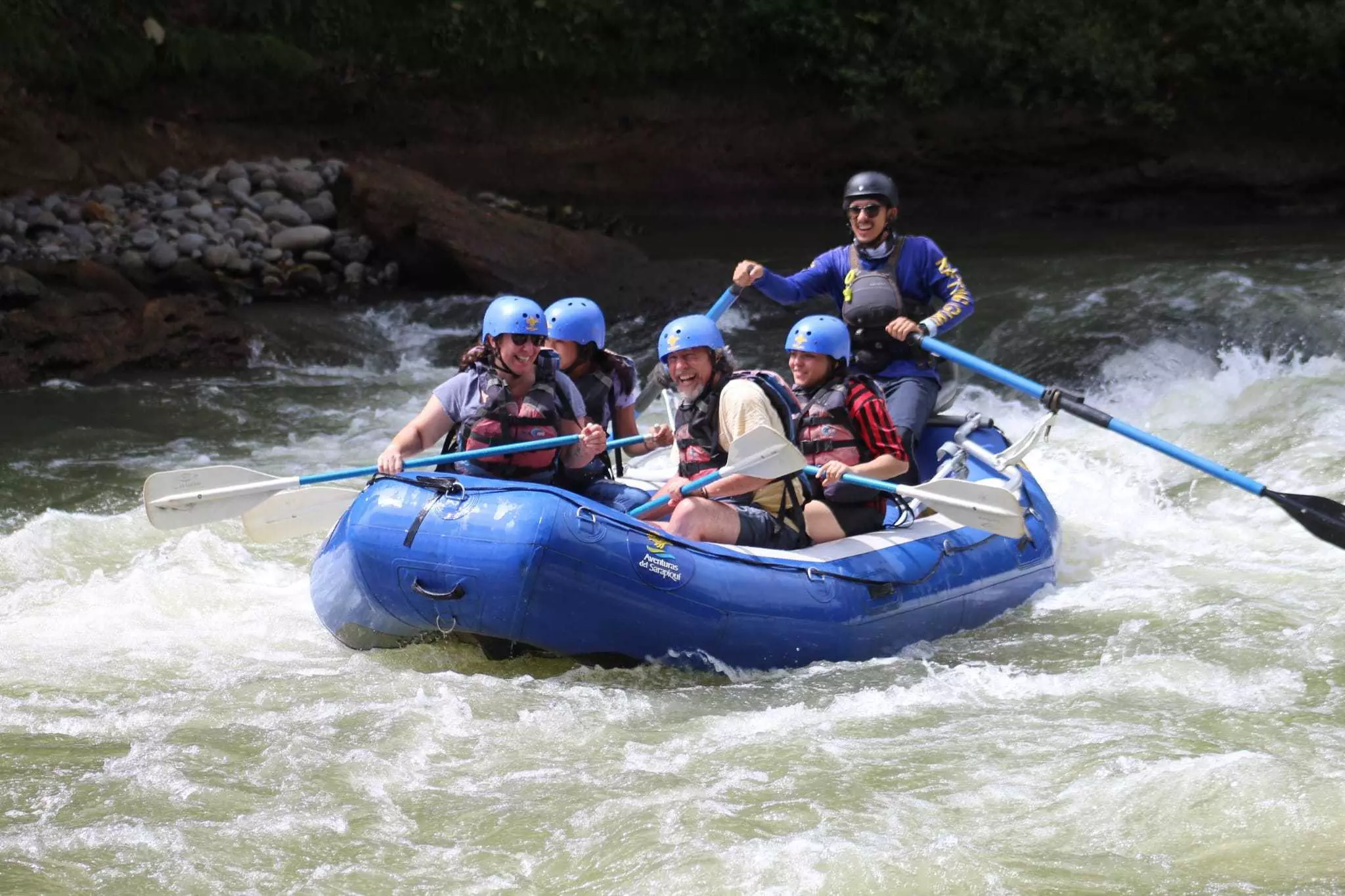
Sitting on a rock by the banks of the rushing Sarapiquí River in Costa Rica, I tried to absorb my day. A couple of hours earlier, I had been motoring down the Sarapiquí through Class I and II white water sections, our guide yelling instructions to "Stop!", "Paddle!" or, in the hairy moments, "Pull in!"
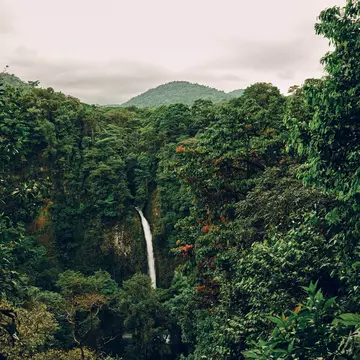
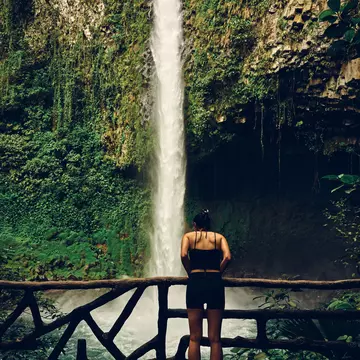
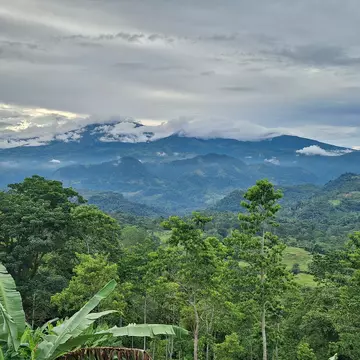
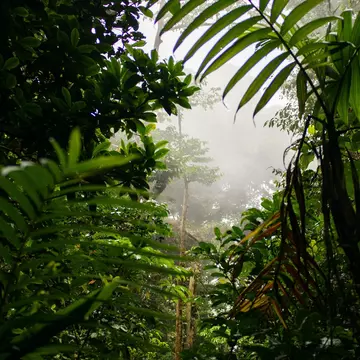
Just to get to this rock where I sat, I had passed a green gecko the size of my thigh resting on a leaf in the sun. I had come from a hotel where our garden had a resident armadillo, and long-legged golden orb spiders kept the bugs away. I had ridden a horse with a volcano as a backdrop and crossed hanging bridges deep in the rainforest, witnessing a howler monkey fight above. I had to double-check to ensure it wasn’t a fevered dream, but no, it was reality; it was Costa Rica, a country that had somehow managed to make adventure available to everyone, crutches and all.
As a travel writer with a disability, I attended a talk prior to my visit, where I met Stephanie Sheehy, the owner of Il Viaggio Travel, which specializes in accessible Costa Rican tours. We spoke afterward about the paradise of Costa Rica, and my dream began to form. Beyond creating deeply inclusive itineraries, Sheehy established the Costa Rican Accessible Tourism Association and Donatapa, a charity that recycles plastic bottle tops into beach pathways that roll across sand to the ocean. "Come," she said, arms open and smile beaming, "see what Costa Rica offers travelers of all abilities."
What I discovered was how far forward her drive had pushed the country. Following Costa Rica's 2016 accessibility law 7600, Sheehy, along with her Costa Rican Network for Accessible Tourism and Il Viaggio, began to transform legislation beyond a "tick box" exercise into reality, setting accessibility standards and outlining training. Understanding Costa Rica's commitment to accessibility is one thing; knowing how to navigate the practicalities is another.

Juan Santamarîa International in San José offers standard accessibility features, mobility access, braille guides and tactile pathways. Book assistance with your airline in advance, specifying requirements like specialized wheelchairs to ensure end-to-end support.
Moving around this geographically diverse country requires planning. Public transport facilities are inconsistent, so privately booked transfers work better for complex requirements. Adapted cars with hand controls or left-foot accelerators are usually available to rent at no extra cost, but book early due to limited supply. For complex needs, specialist tour companies such as Il Viaggio Travel handle everything.
In Tortuguero, boat travel is essential. Hotels provide boat taxis with some assistance facilities; contact them with your requirements in advance. Specialist tour companies will handle this coordination.
Costa Rica's public health service is free to tourists. Both public and private healthcare meet high standards, so much so that Costa Rica attracts medical tourism. Just make sure your insurance covers your requirements.
Wi-fi access is very good, and cellular access covers the entire country, with only a few black spots. Ensure that your providers cover the area, or consider an e-SIM from a company such as Airalo.
If booking independently, research thoroughly. I stayed at these excellently adapted properties:
Arenal Springs, Arenal: A lodge-based hotel complex with natural springs to swim or relax in. This was Sheehy's first project, which has adapted lodges with low beds, accessible showers and plenty of room. Textured pathways lead down to roll-in swimming pools and natural springs.
Salva Verde Lodge, Sarapiquí: Decent-sized and thoughtfully designed accessible rooms by the Sarapiquí River. There is a short internal wildlife trail that is fully accessible, as well as a longer one that is more challenging.
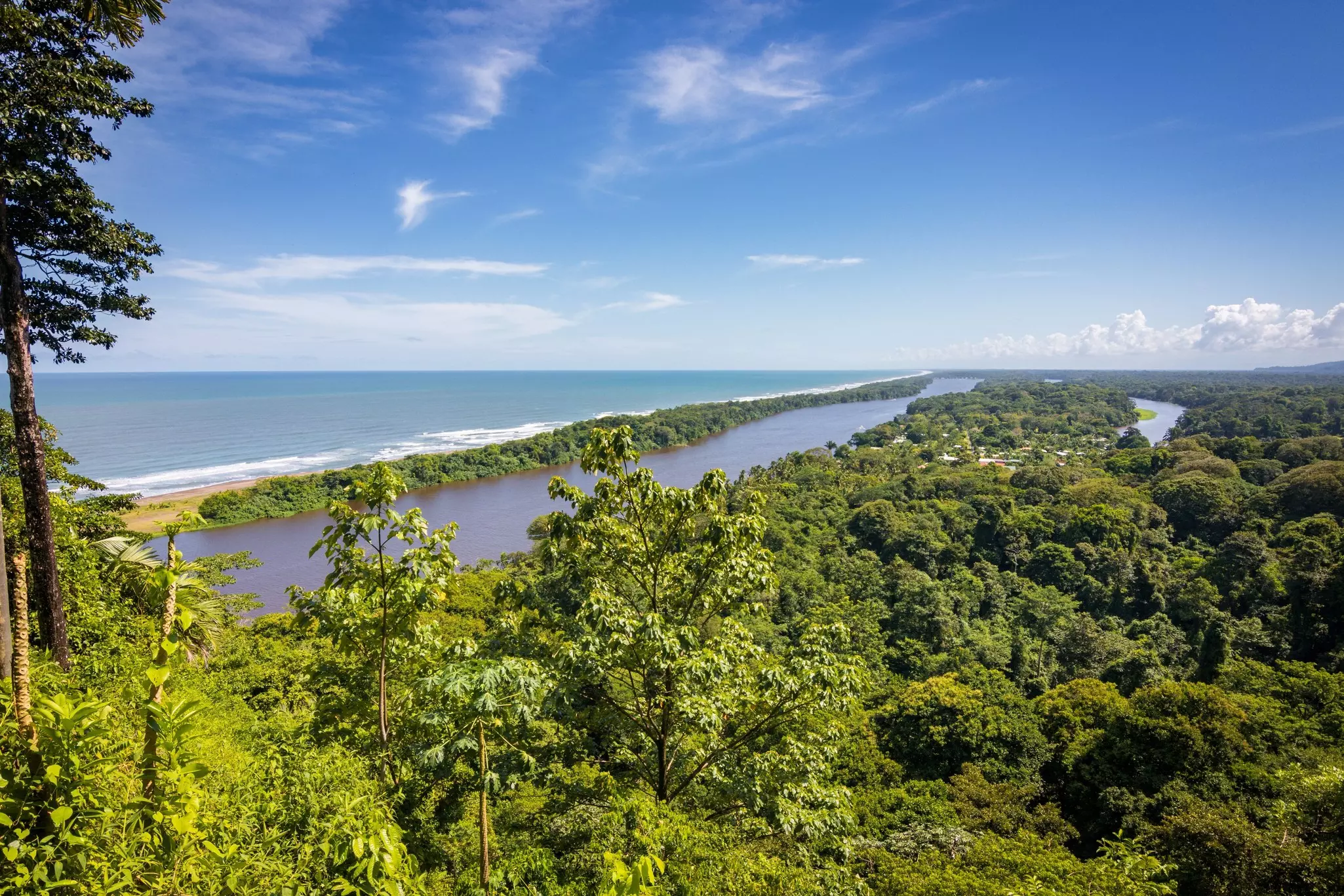
Pachira Lodge, Tortuguero: Excellent facilities in the middle of the national reserve. Il Viaggio advised on an accessible wildlife pathway and facilities for boat tours in the lagoon and to Tortuguero town.
Almendos y Corales, Puerto Viejo: A beautiful wheelchair accessible room. A long, steadily sloped and non-slip pathway leads to the stilted lodge with a patio to relax on and be serenaded by monkeys and all sorts of jungle sounds.
Accessible accommodation is only half of the equation. The right tour operators can make or break the experience. Dedicated tour operators offer trained staff and detailed country knowledge, though last-minute itinerary changes may incur costs. Il Viaggio’s guides handle varied abilities with specialized equipment (adapted vans, hoists, amphibious chairs), book vetted hotels and ensure activities suit all party members.
That said, if you are traveling by yourself, then communication is key. Call ahead, explain your unique needs and requirements, and ask about the overall accessibility of the experience.
With logistics sorted, here's where Costa Rica's accessibility truly shines: in the extraordinary.
In San José, head to the Museo del Jade to explore Costa Rican history from the pre-Columbian era onward, with one of the largest collections of precious jade items in the world.
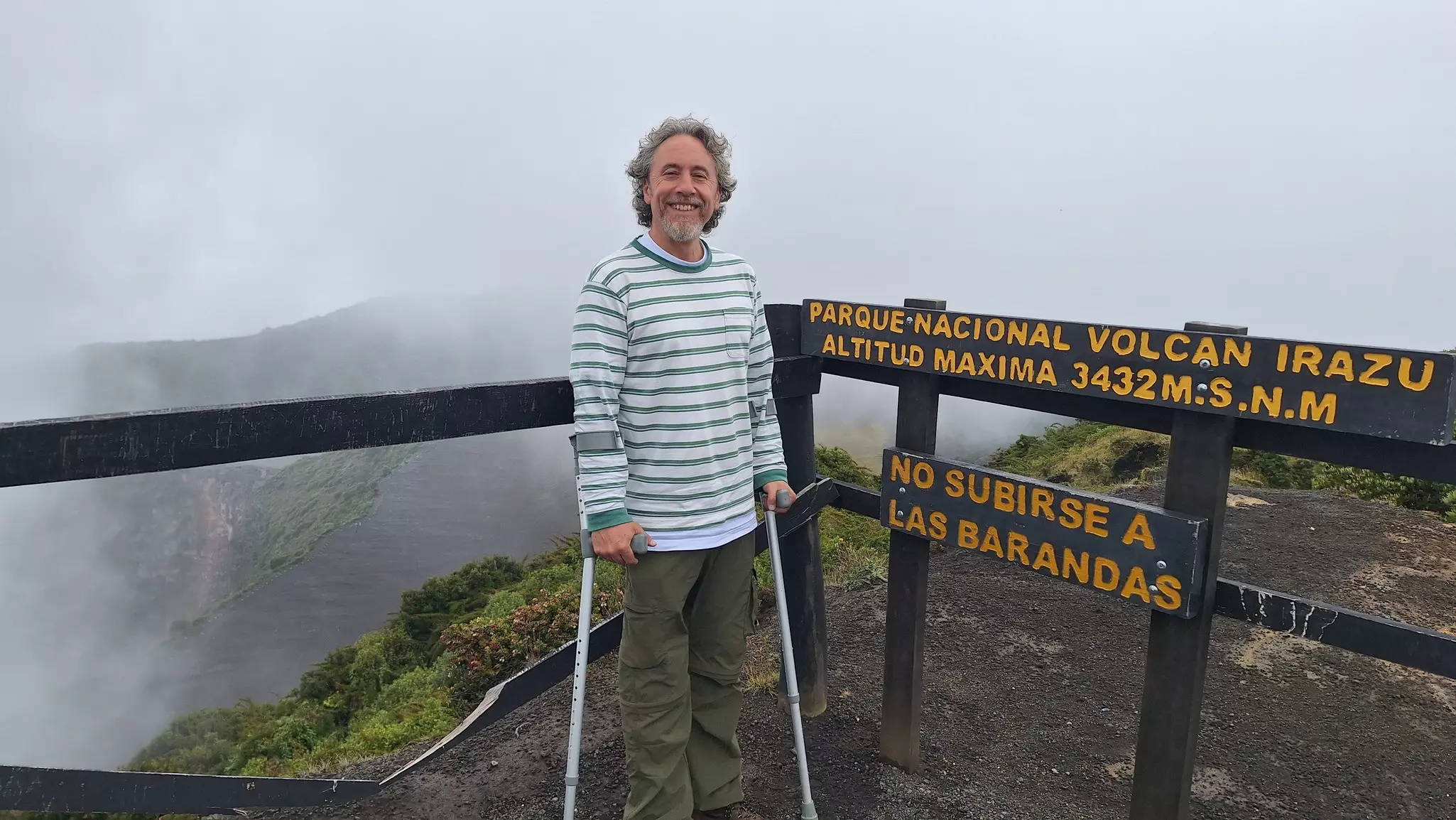
Irazú Volcano National Park is the highest volcano in Costa Rica at 3432m. A concrete pathway leads out to the edge of the caldera. The landscape feels otherworldly and much chillier than the lower regions.
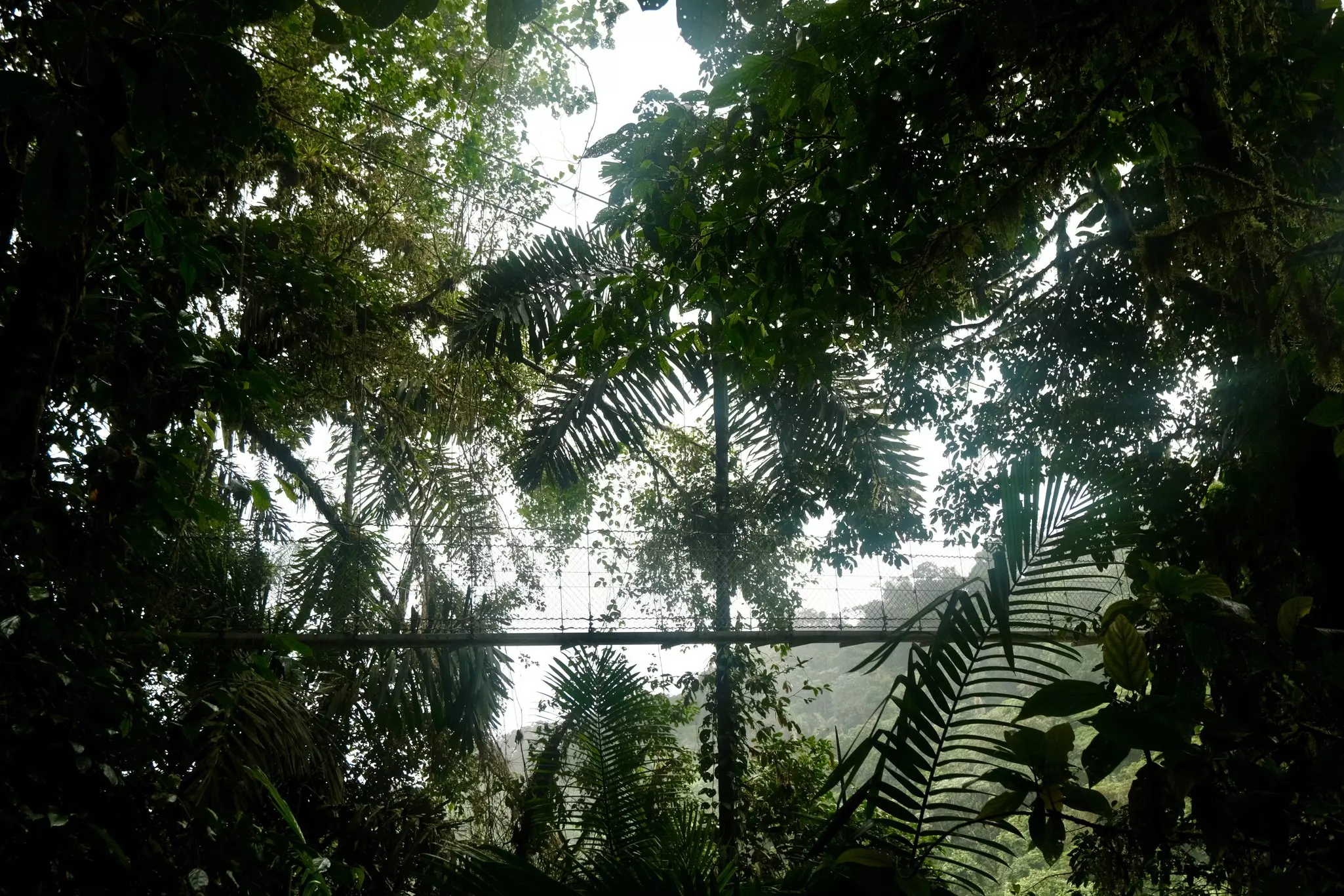
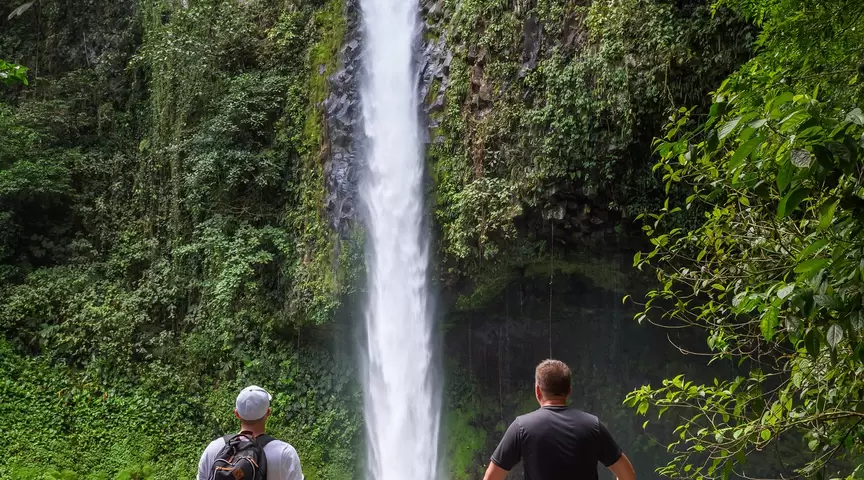
Mistico Park Hanging Bridges offer everyone a chance to head out into the depths of the rainforest. There is an alternative 1.5km accessible path, and mobility scooters are available to hire. It is deeply affecting to be surrounded by so much nature. We witnessed howler monkeys, frogs, lizards and beautiful butterflies, among others.
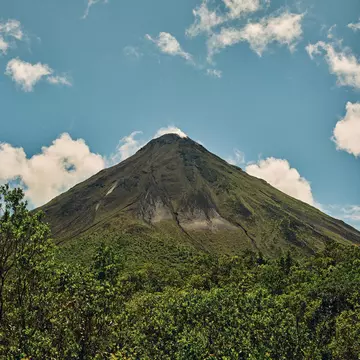
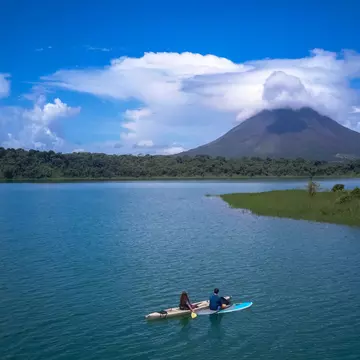
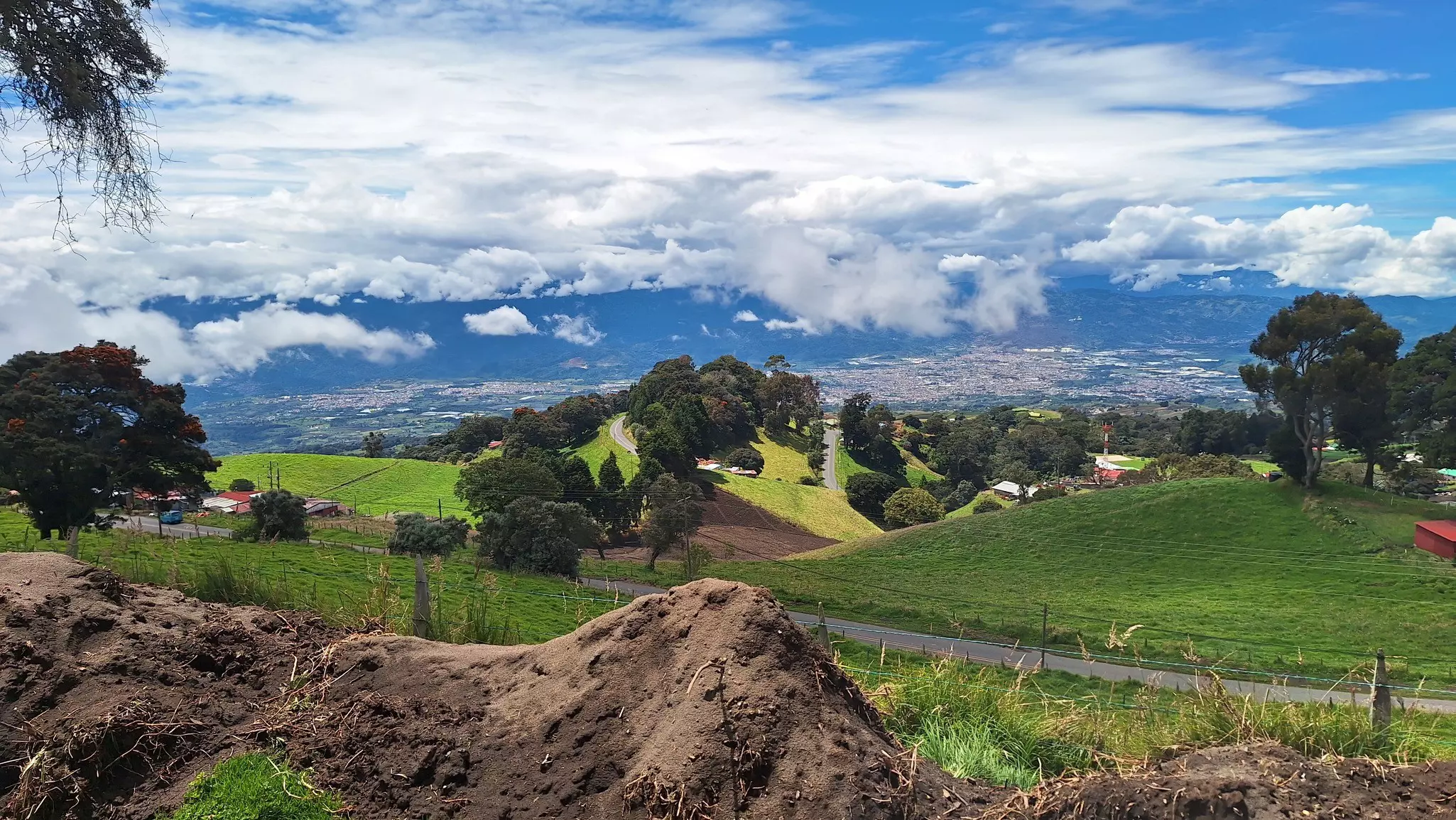
Paco’s Horseback Riding is set at Mistico Park. There is a lift for people with mobility issues to help them mount, and supportive saddles allow most people to enjoy a ride into the countryside with the backdrop of an active volcano.
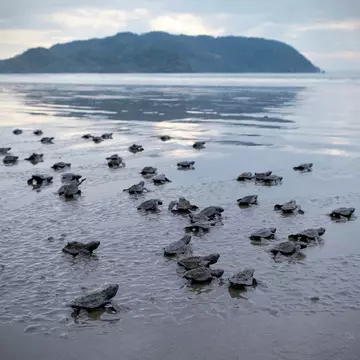
Parque Nacional Tortuguero is as close as I’ve felt to being in the Amazon. Accessible only by water ferries, we explored the depths of the national park. We witnessed caymans, spiders, snakes, a host of birds and, most especially, a turtle laying her eggs. With the right guides (Il Viaggio Travel provides specialists with equipment), this can be adapted with wide-wheeled buggies.
Il Viaggio has also worked with a company to provide a white water rafting experience on the Sarapiquí River. Charging down Class I and II white water rapids pumped me full of adrenaline and pushed my stomach into my mouth. Our teams explained the wide range of travelers that they had helped experience the adventurous rush of the rapids.
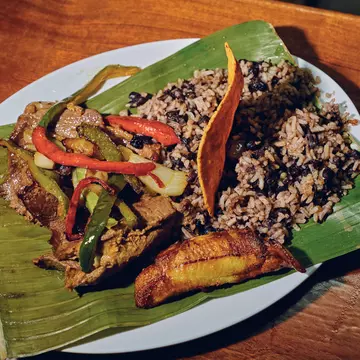
Cooking classes are a terrific way to get into the culture and tastes of Costa Rica. We tried both Tico (traditional Costa Rican) at Vida Campesina in Arenal and Glenda’s Caribbean Cooking Class in Puerto Viejo. Oh, the flavors!
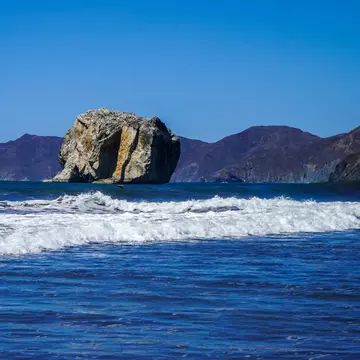
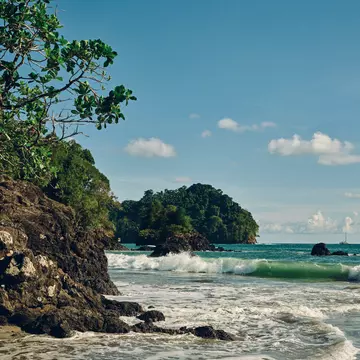
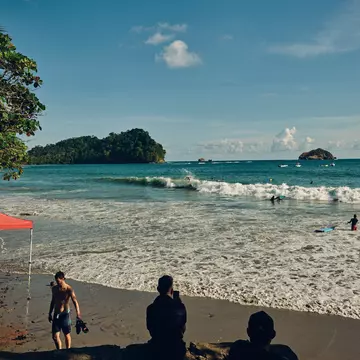
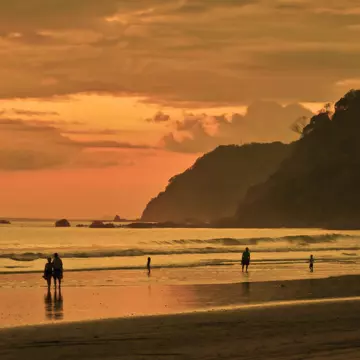
The beautiful, wide sand, azure sea beaches of the Caribbean coast from Limón to Puerto Viejo are like living in a travel agent’s brochure. The beach boardwalk scheme from Donatapa has two beaches on the Caribbean coast (Playa Manzanillo beach and Cieneguita) that have accessible beach pathways and changing facilities, and another 15 beaches on the Pacific coast.
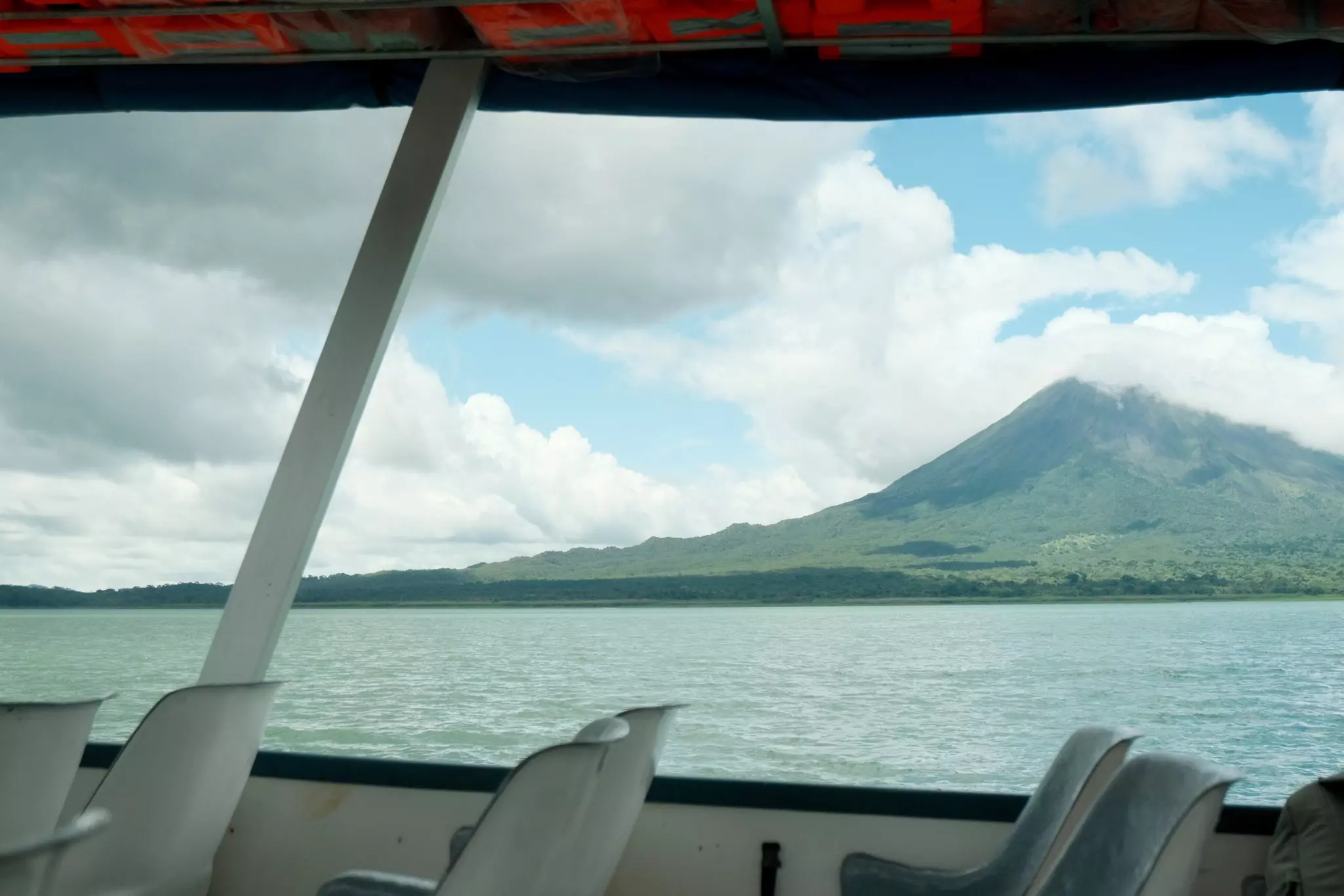
Sitting back on that rock by the Sarapiquí, watching the water rush past, I realized Costa Rica hadn't just made its attractions accessible; it had made adventure accessible. The white water beneath our raft, the volcano behind my horse, the rainforest canopy where howler monkeys battled – none of it had been diluted to accommodate my crutches. It had simply been opened.
That's the genius of what pioneers like Sheehy and Il Viaggio have achieved. Their relentless advocacy transformed a 2016 law from mere paperwork into reality, creating infrastructure and networks that make Costa Rica a genuine leader in accessibility. The green gecko doesn't care how you arrived at its sunny leaf. The armadillo greets wheels and walking boots with equal indifference. The Caribbean sunrise looks just as spectacular from a Donatapa beach ramp as anywhere else on the sand.
If a small Central American nation can revolutionize inclusive travel, perhaps the real question isn't whether Costa Rica is accessible; it's why the rest of the world is taking so long to catch up.
Book your Costa Rica trip with Lonely Planet Journeys
See Costa Rica how it's meant to be seen
Accommodations, activities and ground transportation all taken care of, so you can focus on the fun part. Tell us what your dream trip to Costa Rica looks like, and our local experts will build it from scratch. Or start with one of our itineraries and make it your own.

Explore related stories