Sep 20, 202612 min read
Guide to Monteverde’s Cloud Forest, Costa RicaAug 31, 2026
8 MIN READ

Writer
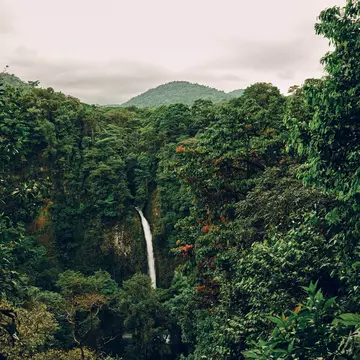
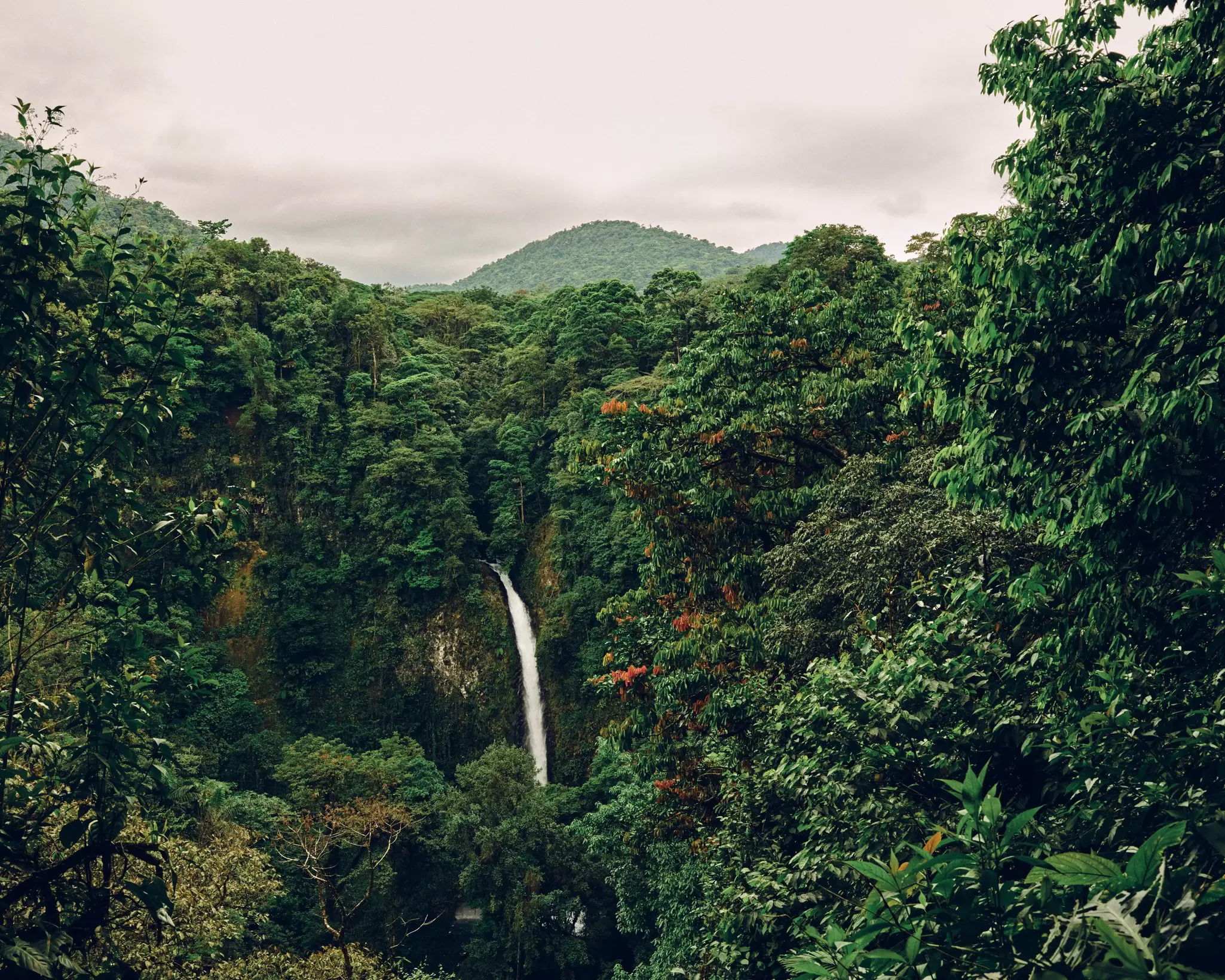
La Fortuna Waterfall, Costa Rica. David Cabrera for Lonely Planet
Writer
Highlights
Lonely Planet editor Ann Douglas Lott unpacks Costa Rica's underrated green season.
The jungle is marvelously lush, whale-watching peaks in late summer and hotels cost less.
Hike Río Celeste, zipline Monteverde's cloud forest and lounge on Manuel Antonio's beach.
Bring rain gear and bug repellent, then schedule outdoor activities for mornings before the rains.
Lonely Planet may earn a commission from affiliate links on our site. All recommendations and reviews reflect our own independent opinions.
“Shine your light over here,” our guide instructed us. A pair of red eyes glittered at me as I hovered my flashlight over a large green leaf; A red-eyed tree frog, to be exact (being the caboose of the group, I internally praised the jungle gods that it was nothing menacing). I hunched under my flimsy travel umbrella and admired the rainforest at its full force as I walked, keeping time to the steady rhythm of the rain.
I was visiting Costa Rica with a group of other media and, on our final night in Manuel Antonio, we bravely agreed to embark on a guided night walk before dinner. After a week of spectacular hikes, frequent wildlife sightings and ceviche feasts (all through sporadic rain showers), we were pretty much down for anything. Our group really leaned into the rainforest vibe – and had packed the appropriate gear – so we were completely unfazed by the weather and getting wet.
In fact, I'm now convinced the rainy season is the best time to visit. Here's what we did to make it an unforgettable trip.
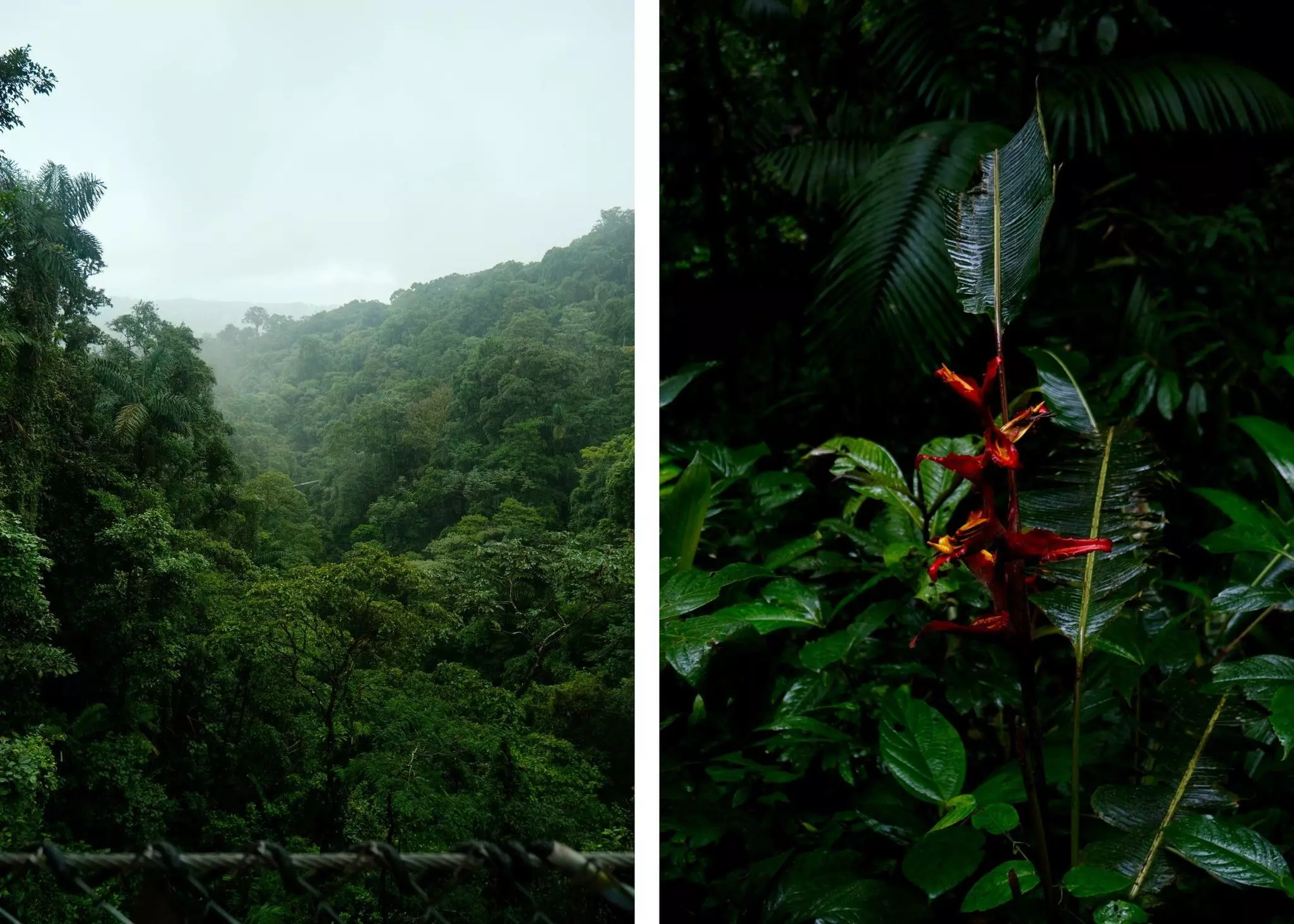
Some countries experience a rainy season, usually referred to as the offseason. In Costa Rica, however, it’s called the green season, and runs from May through November (depending on where in the country you’re located). And while rainstorms are an unfortunate occurrence for your typical traveler, here they're totally worth it. Everywhere you look is an explosion of vibrant shades of green, from the jungle treetops to the grassy pastures. It’s so marvelously lush and produces a calming energy, as do the sounds of soft rain against the flora and the musical noises of the fauna.
@lonelyplanet Costa Rica’s offseason (also known as its green season) just may be the best time to visit. @anndlott's advice? Pack your rain gear and get ready for an unforgettable travel experience 🇨🇷 Offseason Costa Rica must-dos: 🥾 Hike in Parque Nacional Volcán Tenorio 🦜 Walk through the rainforest on Mistico Park’s hanging bridges 🌋 Follow the trail in Arenal 1968 🚤 Ferry across Lake Arenal 🌧️ Go ziplining over Monteverde’s cloud forest 🐒 Relax on the beach (beside monkeys!) in Parque Nacional Manuel Antonio #CostaRica #PuraVida #CostaRicaTravel #ThingsToDo #LaFortuna
♬ original sound - Lonely Planet - Lonely Planet
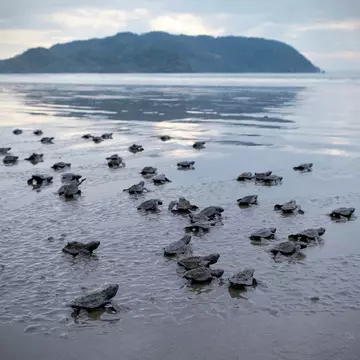
Speaking of fauna, wildlife love to come out to play this time of year. Whale-watching and sea turtle spotting opportunities peak in late summer and early autumn. Heavy rains also draw wildlife out of hiding in the rainforest, like that red-eyed tree frog we saw. And while sloths, monkeys and colorful birds are out and about year-round, you won’t have to wait behind crowds of other wildlife watchers in the green season.
That’s another thing, the crowds: We hit many popular highlights on this visit, like La Fortuna, Monteverde and Manuel Antonio, and yet the crowds were never overwhelming. Sure, we saw other tourists – smart ones like us who didn’t mind a little rain – but I never felt stifled.
It’s also a fabulous time to visit Costa Rica on a budget. Flights and accommodation are generally cheaper (one of the five-star hotels we stayed at has nightly rates as low as $233), as are car rentals.
If I were to plan a similar trip for a friend during this time of year, here’s what I’d recommend.
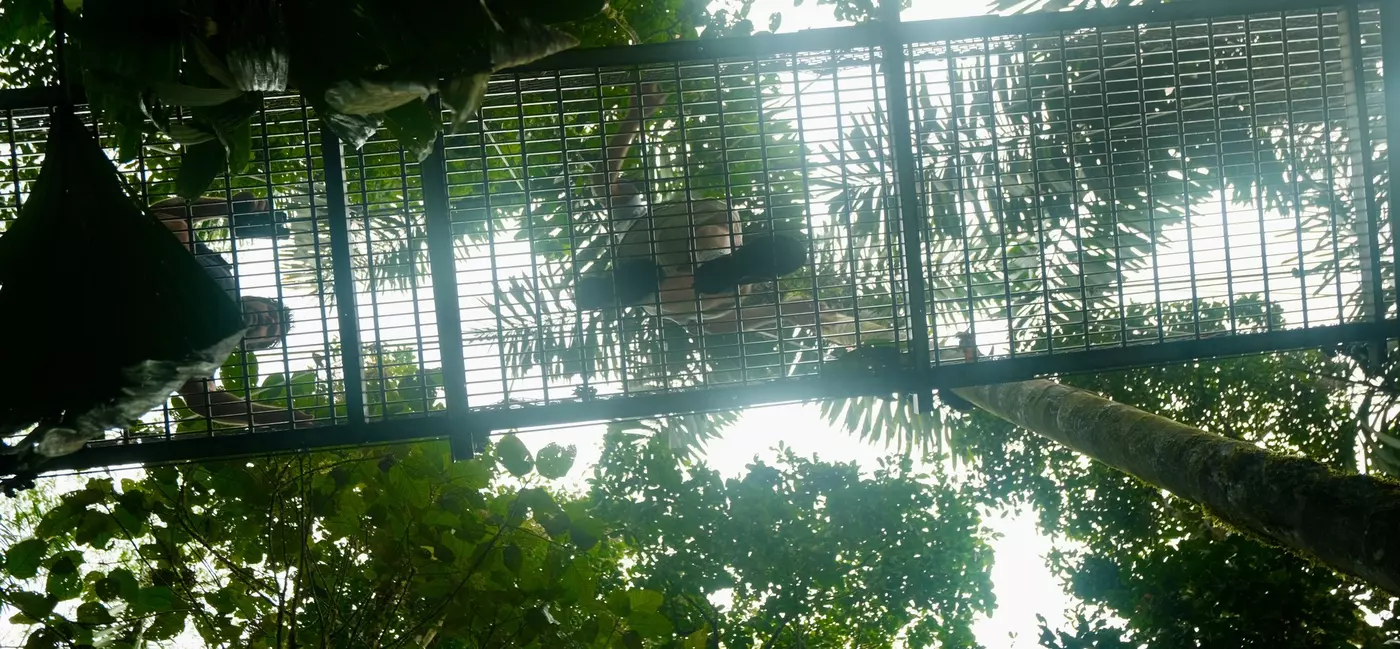
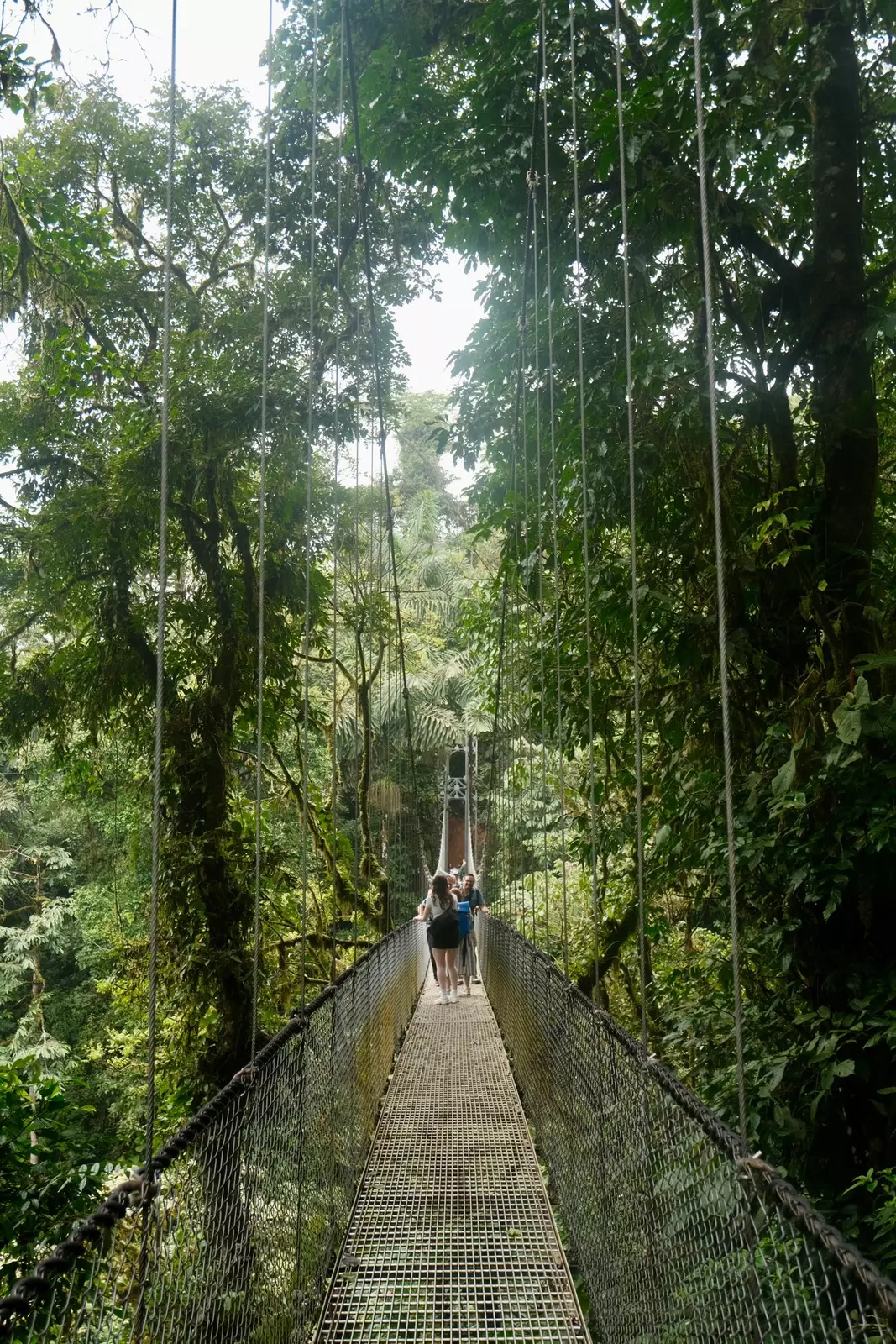
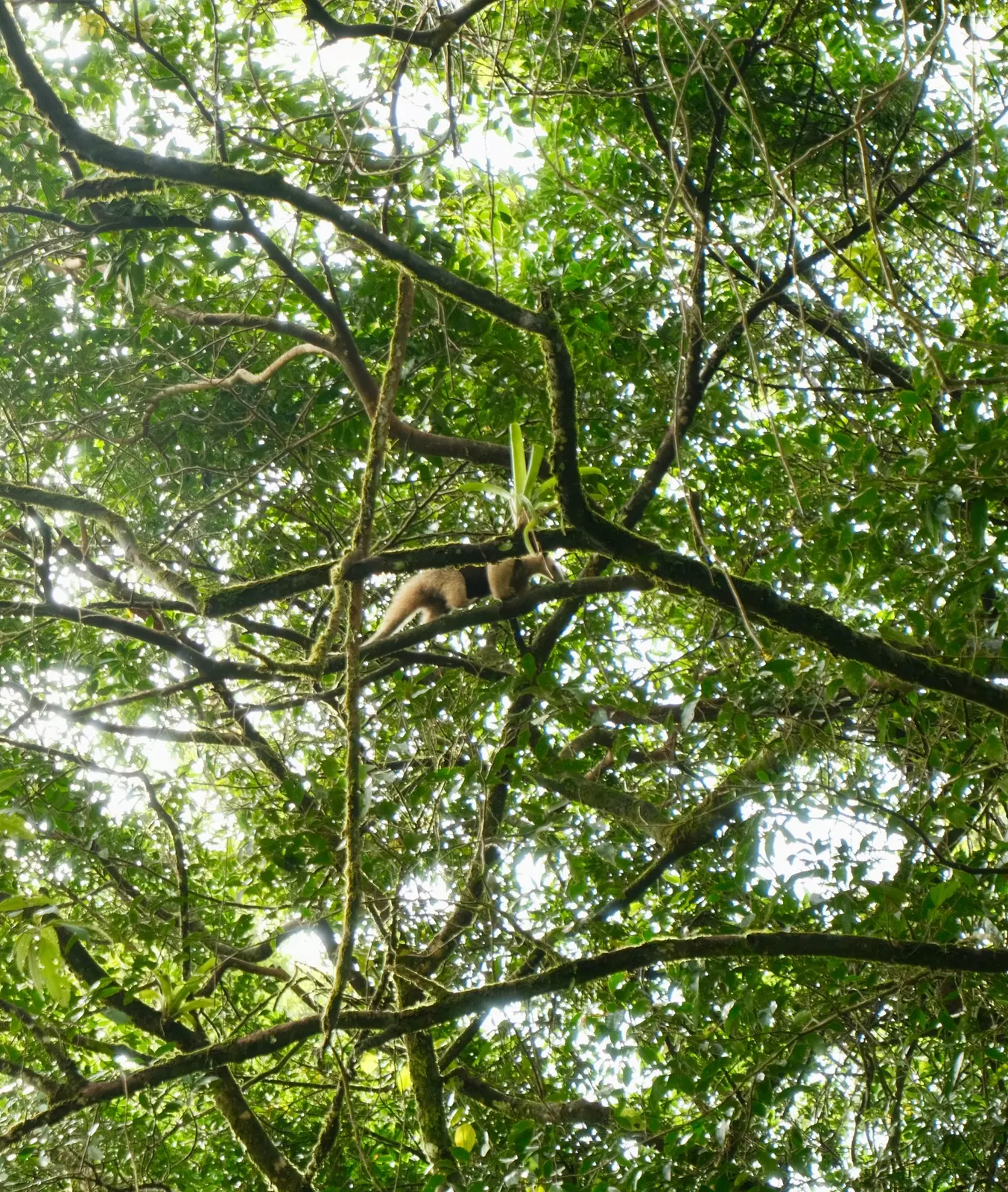
Hanging bridge in Mistico Park. Ann Douglas Lott/Lonely Planet
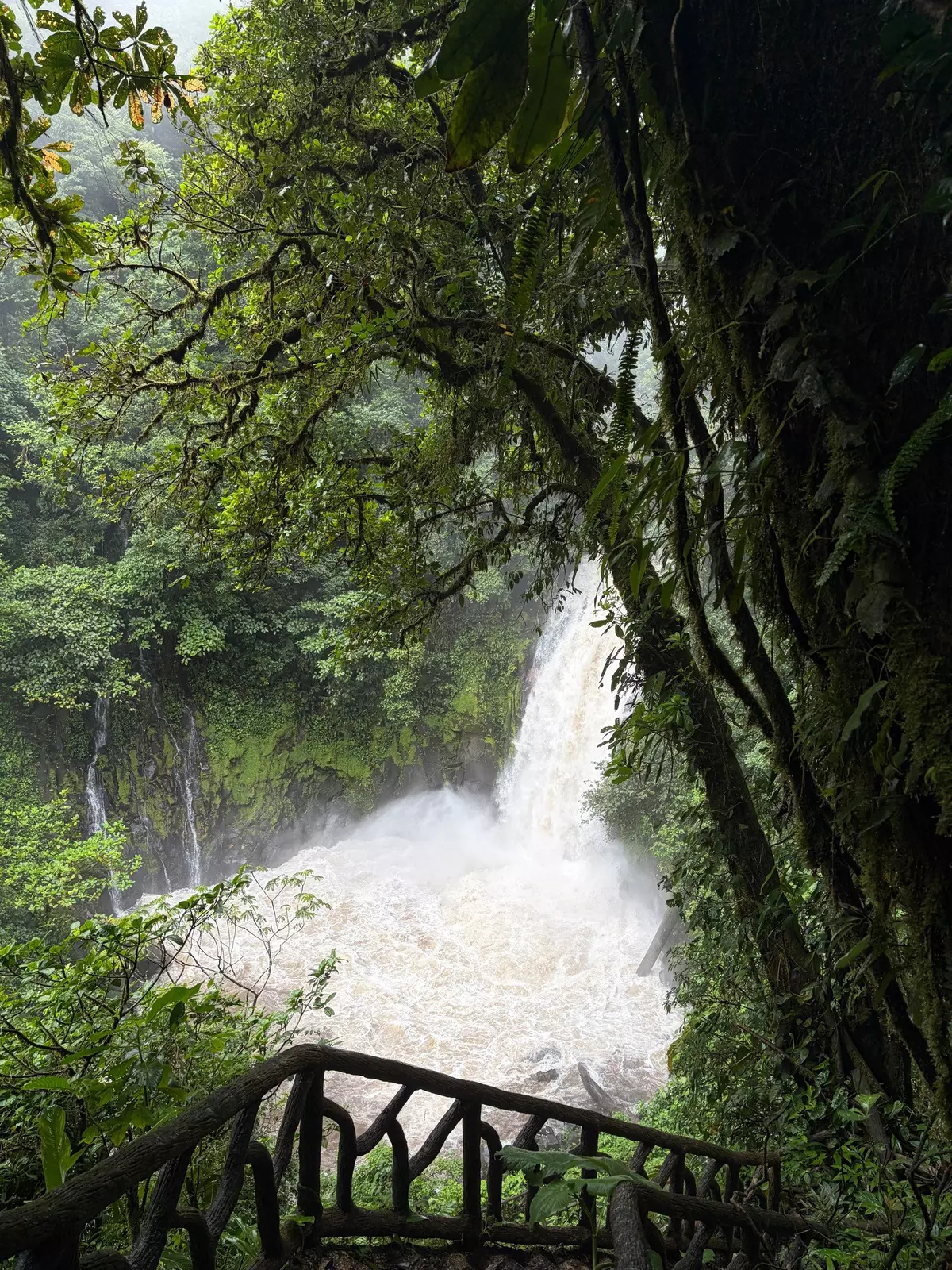
Hiking in Parque Nacional Volcán Tenorio: Famous for its clear blue waterfall and river, this park, more often called Rio Celeste, has a 5km walking trail, with a spectacular view of the falls around 1.5km in. The day we hiked, it had rained so much that the water wasn’t the bright blue you see in the photos, but the falls were roaring and much more majestic.
Walk through the rainforest on Mistico Park’s hanging bridges: In La Fortuna, this park has some of the best rainforest views we encountered, with plenty of wildlife sightings like monkeys and poison dart frogs. There’s also an accessible 1.5km trail and on-site electric scooter rentals.
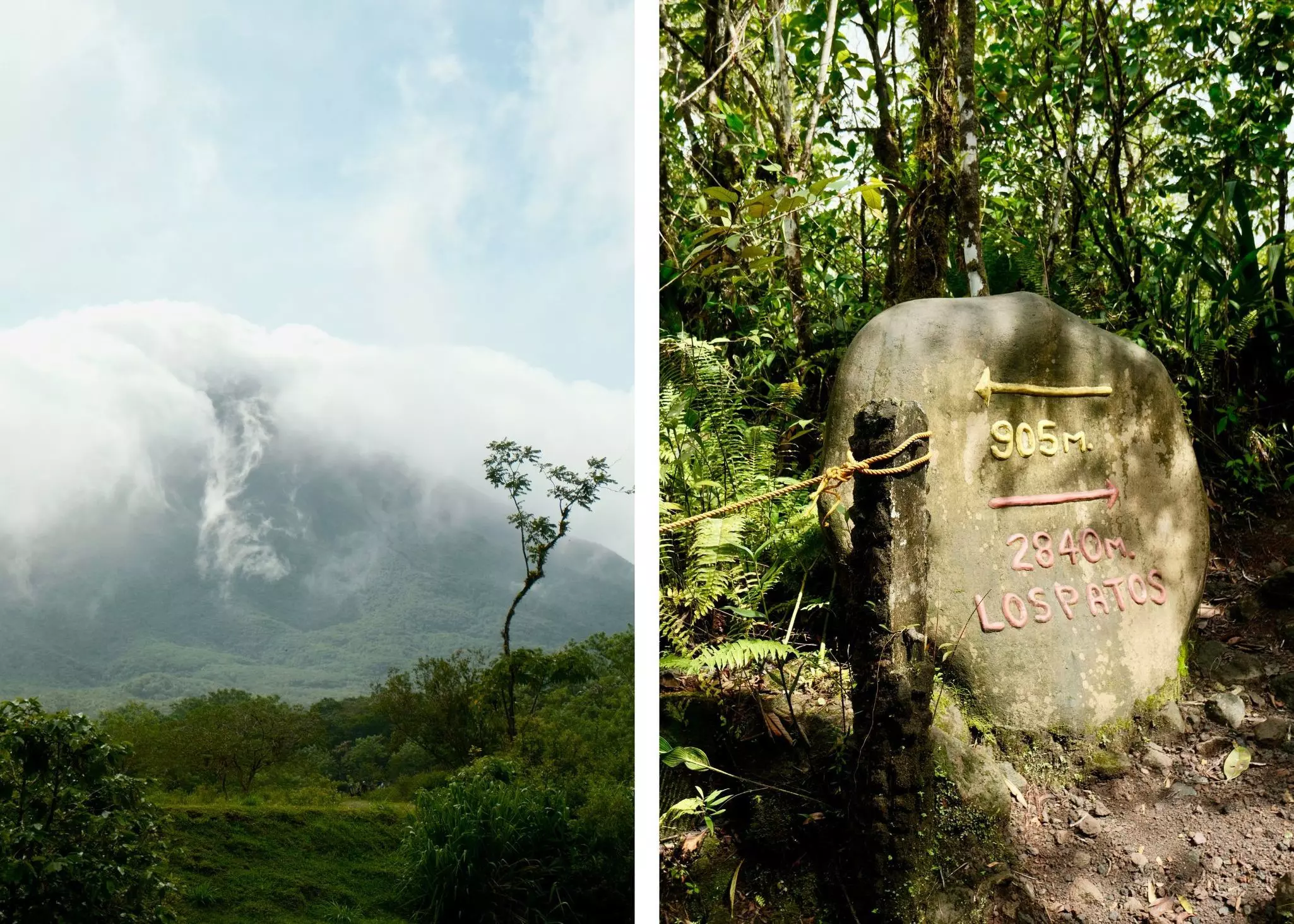
Follow the trail in Arenal 1968: Instead of visiting the nearby Parque Nacional Volcán Arenal at the foot of its famous namesake volcano, our guide brought us to this nearby reserve. It has a higher entrance fee but, he told us, is much more worth it, offering a closer view of the volcano, less foot traffic and an accessible viewpoint with a restaurant for those unable to hike the trail over the lava fields.
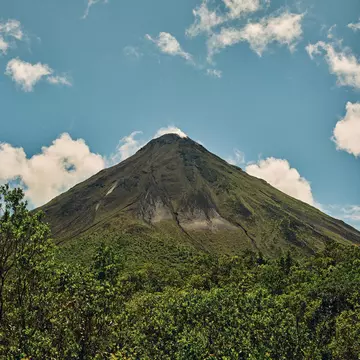
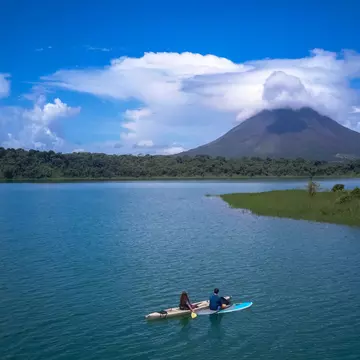
Ferry across Lake Arenal: En route from La Fortuna to Monteverde, we took a private ferry across Lake Arenal, which, in my opinion, was the most impressive view of the iconic Volcán Arenal for the duration of our trip. Our service drove us from our hotel in La Fortuna to the lake, then picked us up on the other side and took us to our hotel in Monteverde. Ensure your ferry is covered (it likely will be) in case you’re met with a rain shower.
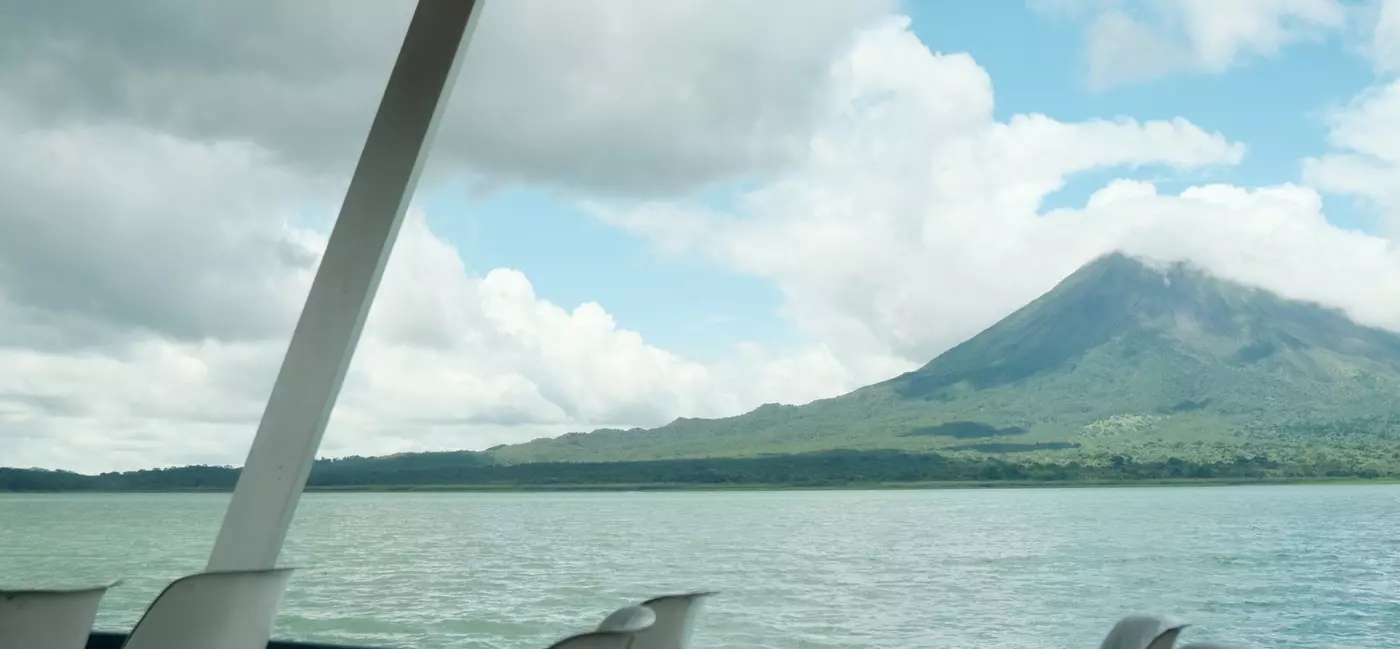
Ferry crossing on Lake Arenal. Ann Douglas Lott/Lonely Planet
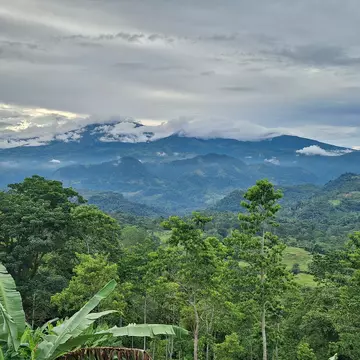
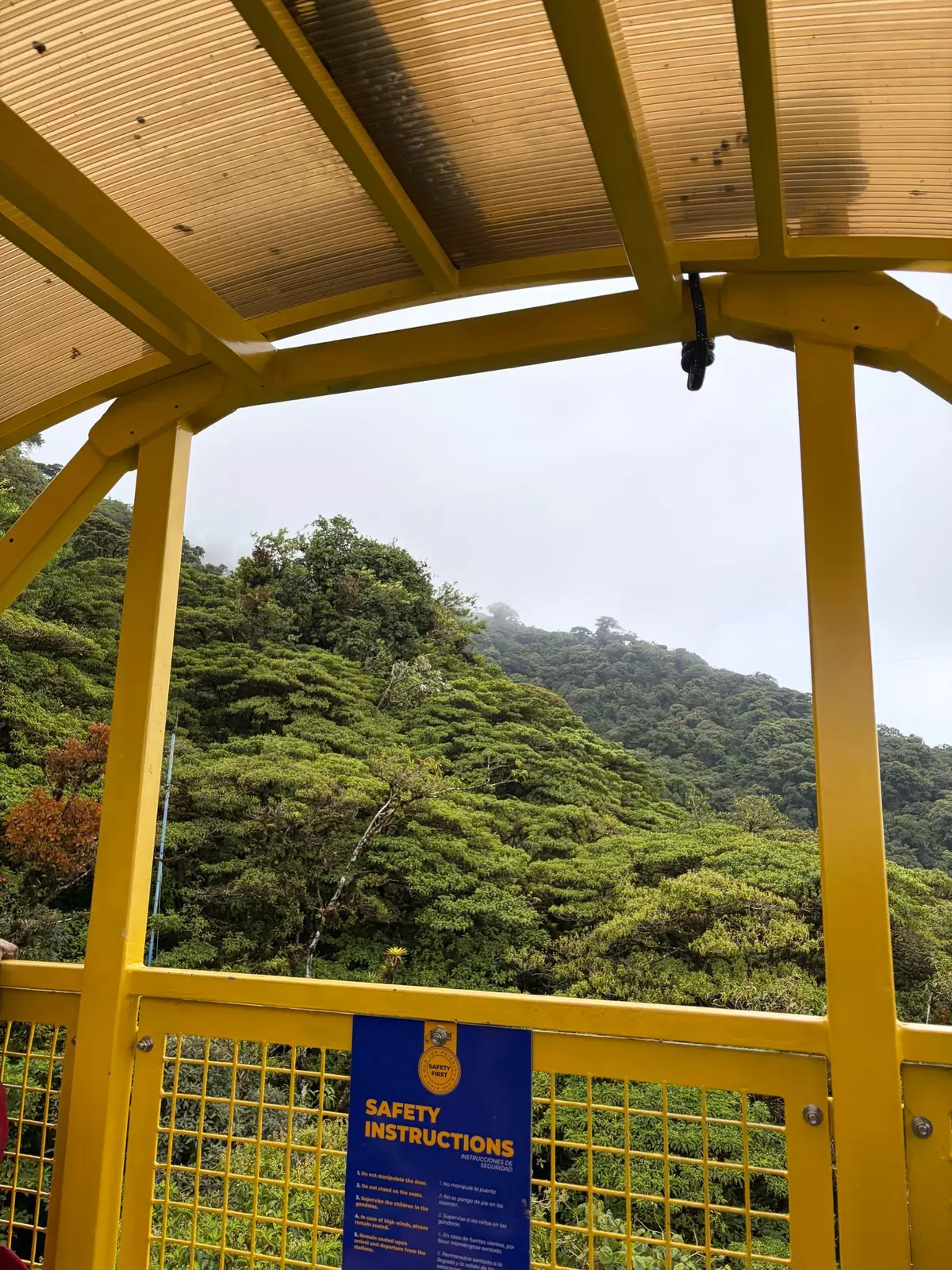
Go ziplining over Monteverde’s cloud forest: This is such a surreal place, and floating among the clouds by bridge, tram and zip line was the coolest ever. We booked a bridge-and-zipline tour at Treetopia, but if you’re not up for the thrill, the tram ride to the top of the course is breathtaking and can be enjoyed on its own.
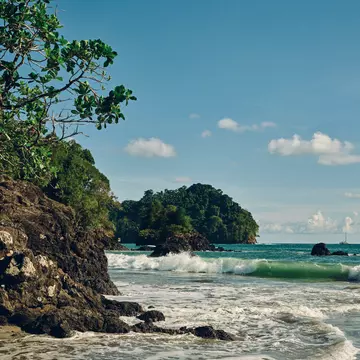
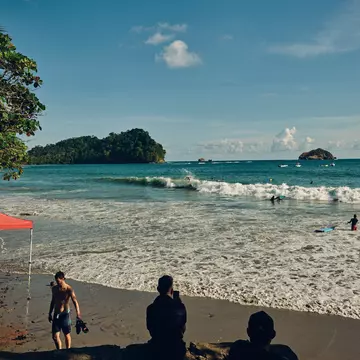
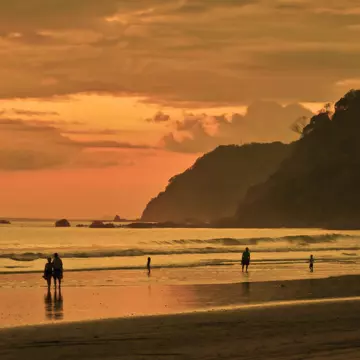
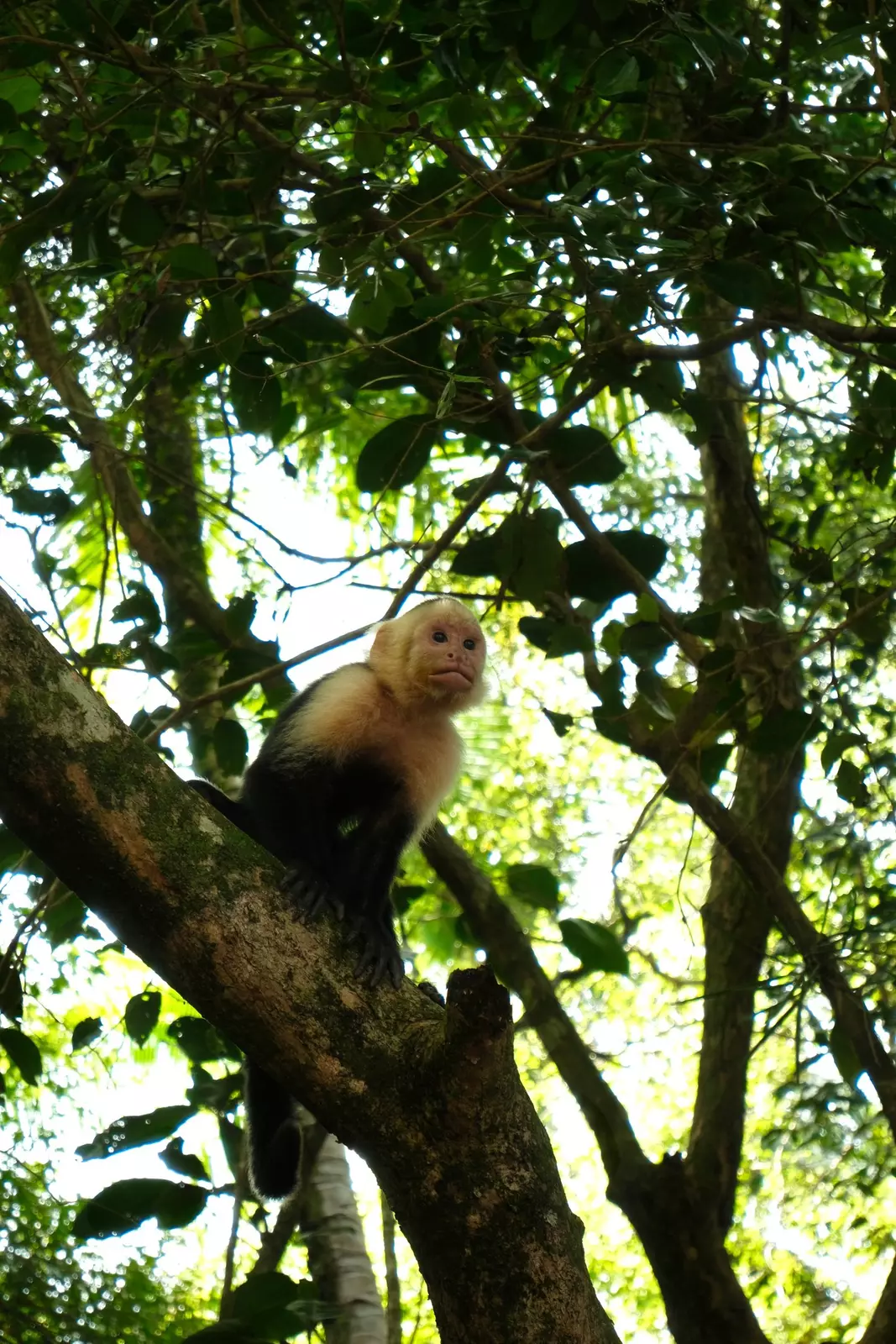
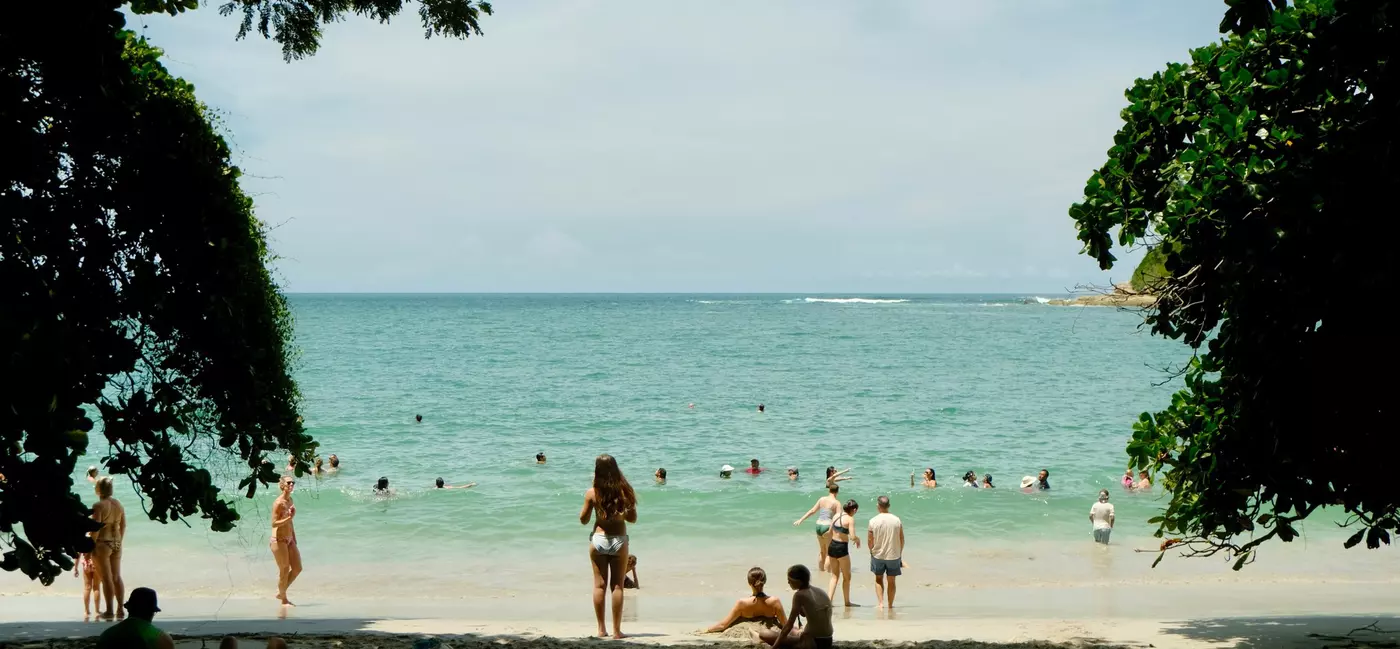
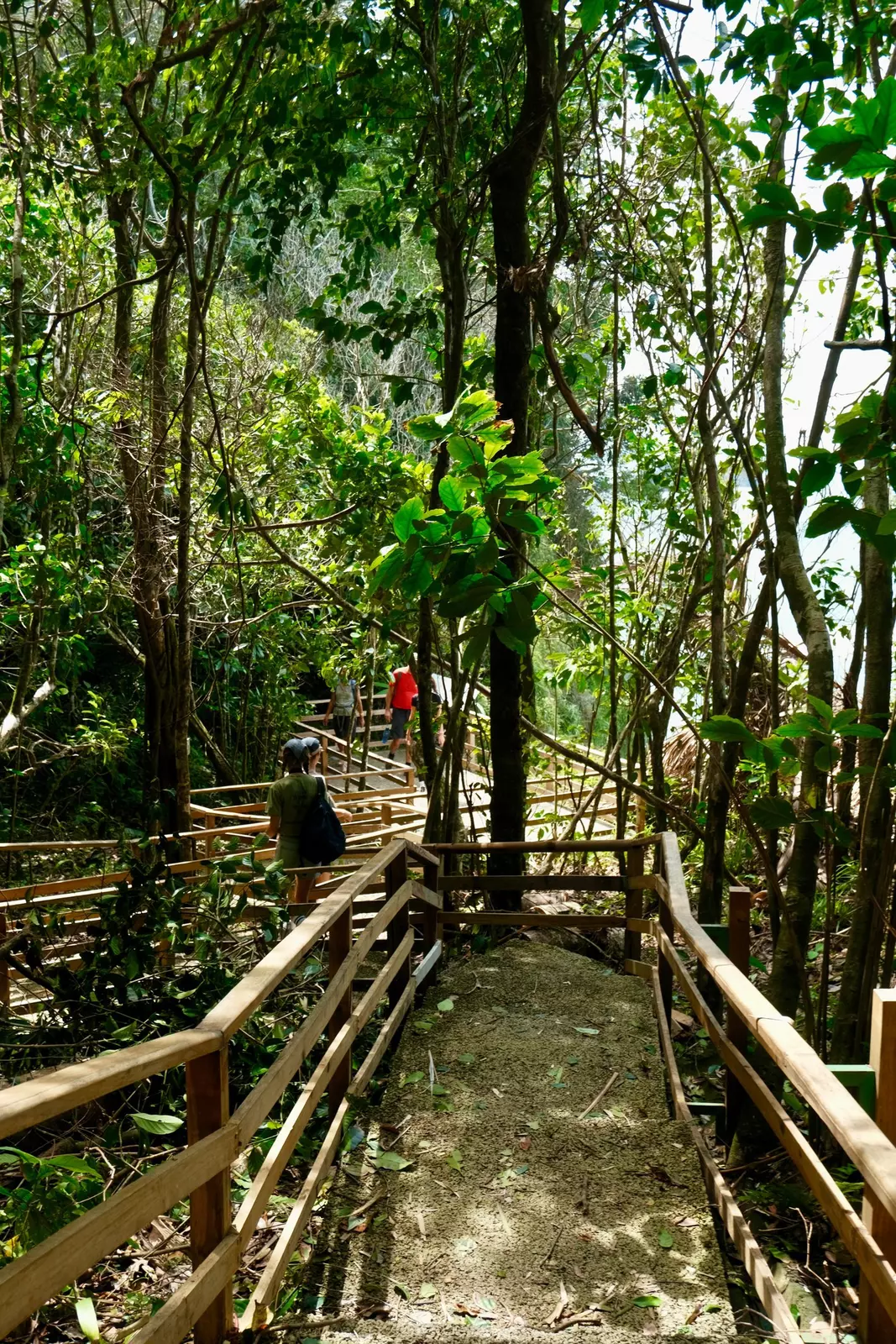
Relax on the beach beside monkeys in Parque Nacional Manuel Antonio: Saving our beach day for Parque Nacional Manuel Antonio, we hiked through the forest and onto the beach, passing families of monkeys and stunning sea views on our way.
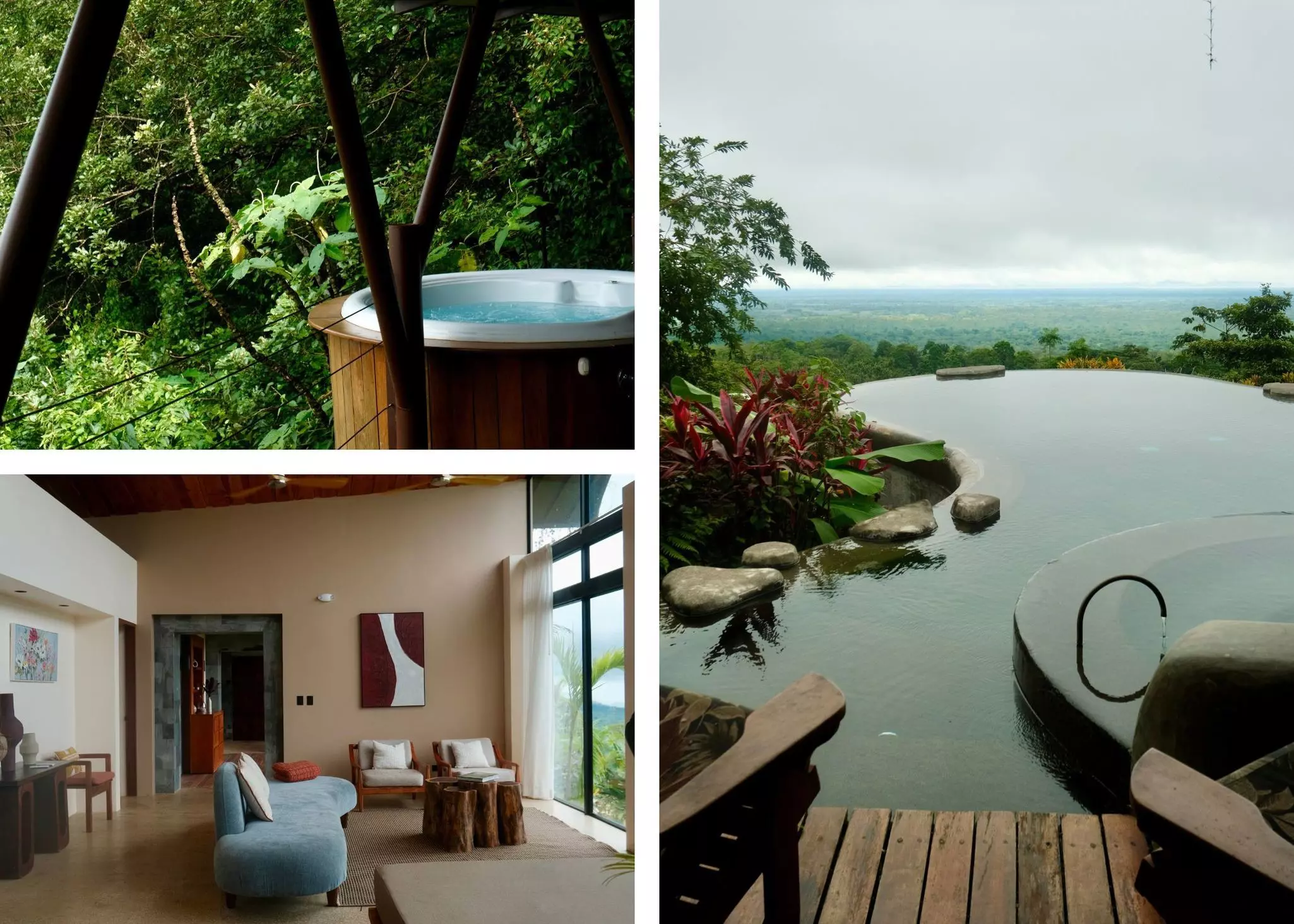
Origins Lodge, Bijagua de Upala: With views all the way to Nicaragua, Origins is split into two ecolodges. At both, you’re very much immersed in nature, with lots of open-walled common areas, infinity pools and winding paths to get lost in with plenty of flora and fauna. Origins Floral is much more suited to couples, whereas the villas at Origins Astral are better for groups or families.
Royal Corin, La Fortuna: This gorgeous property sits at the foot of Volcán Arenal, and the star is the natural hot springs and thermal jacuzzis, with a swim-up bar, spa and fabulous restaurants. The best part: all rooms have a view of the volcano.
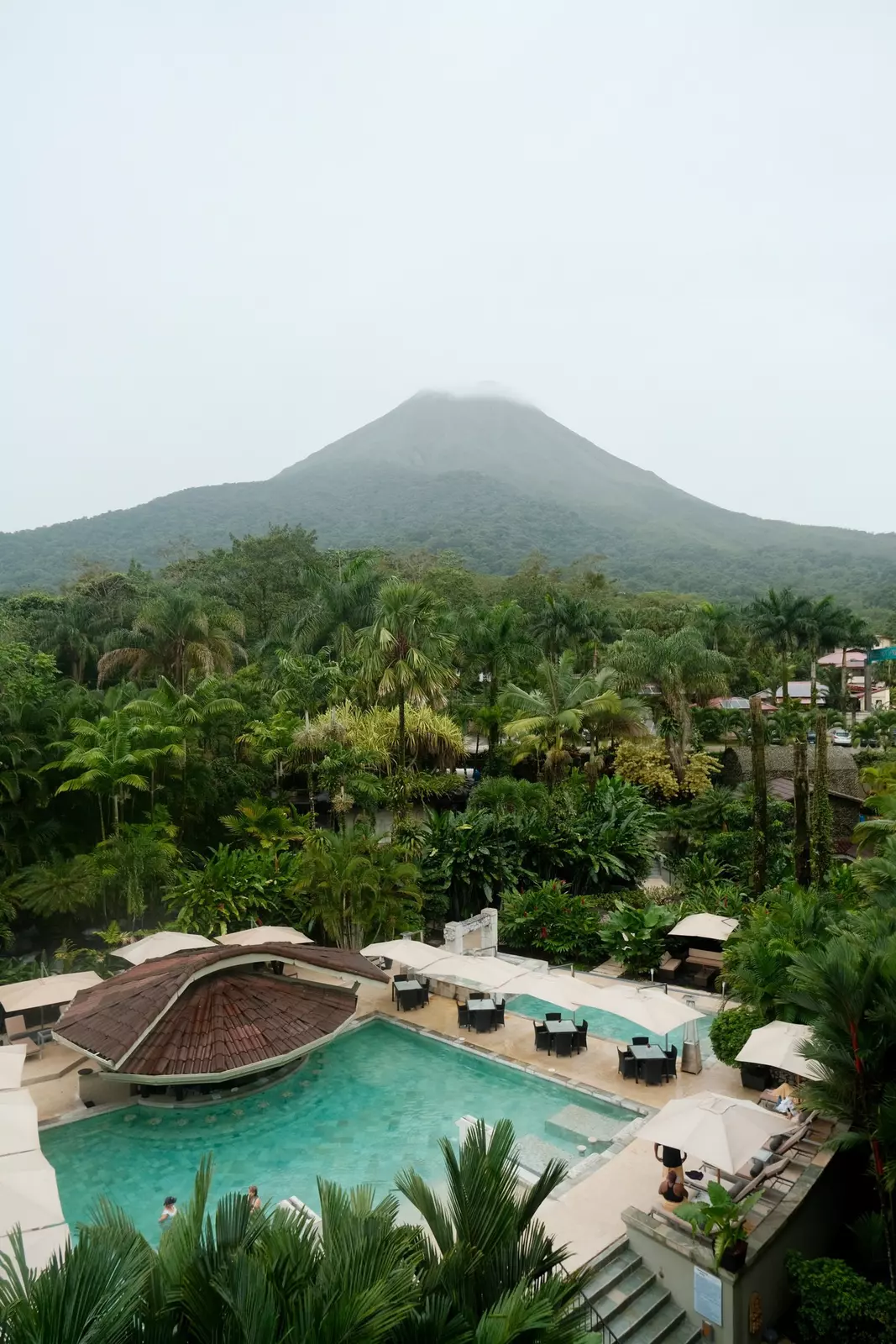
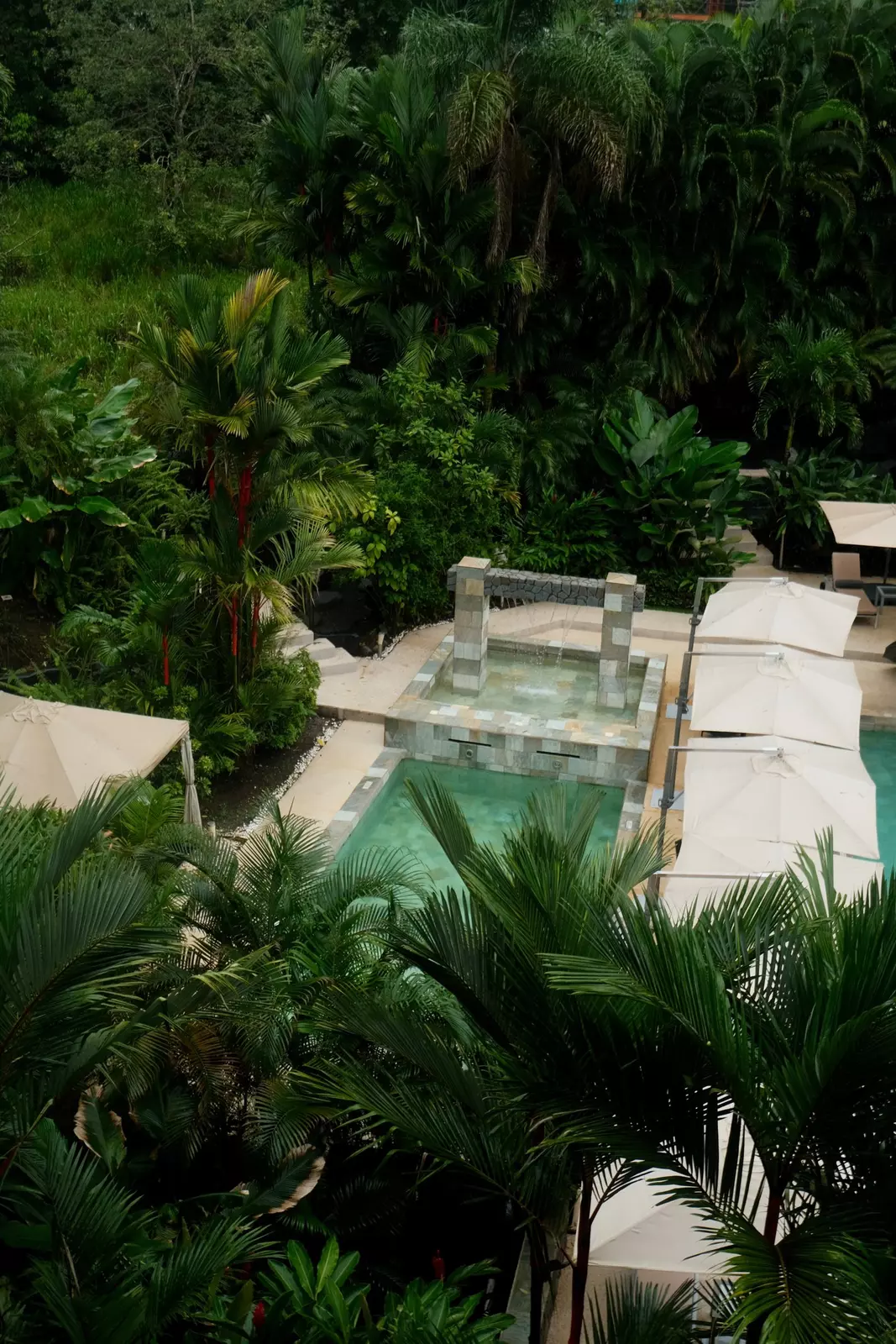
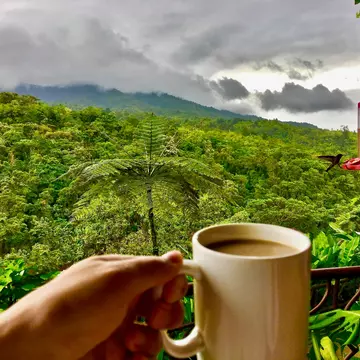
Views of Volcan Arenal from a balcony at the Royal Corin Hotel in La Fortuna, with the property's natural springs below. Ann Douglas Lott/Lonely Planet
Hotel Heliconia, Monteverde: A great option near Monteverde’s cloud forest, with lovely gardens and mountain views. The wood-paneled rooms are very lodge-like, and the staff is so friendly and accommodating.
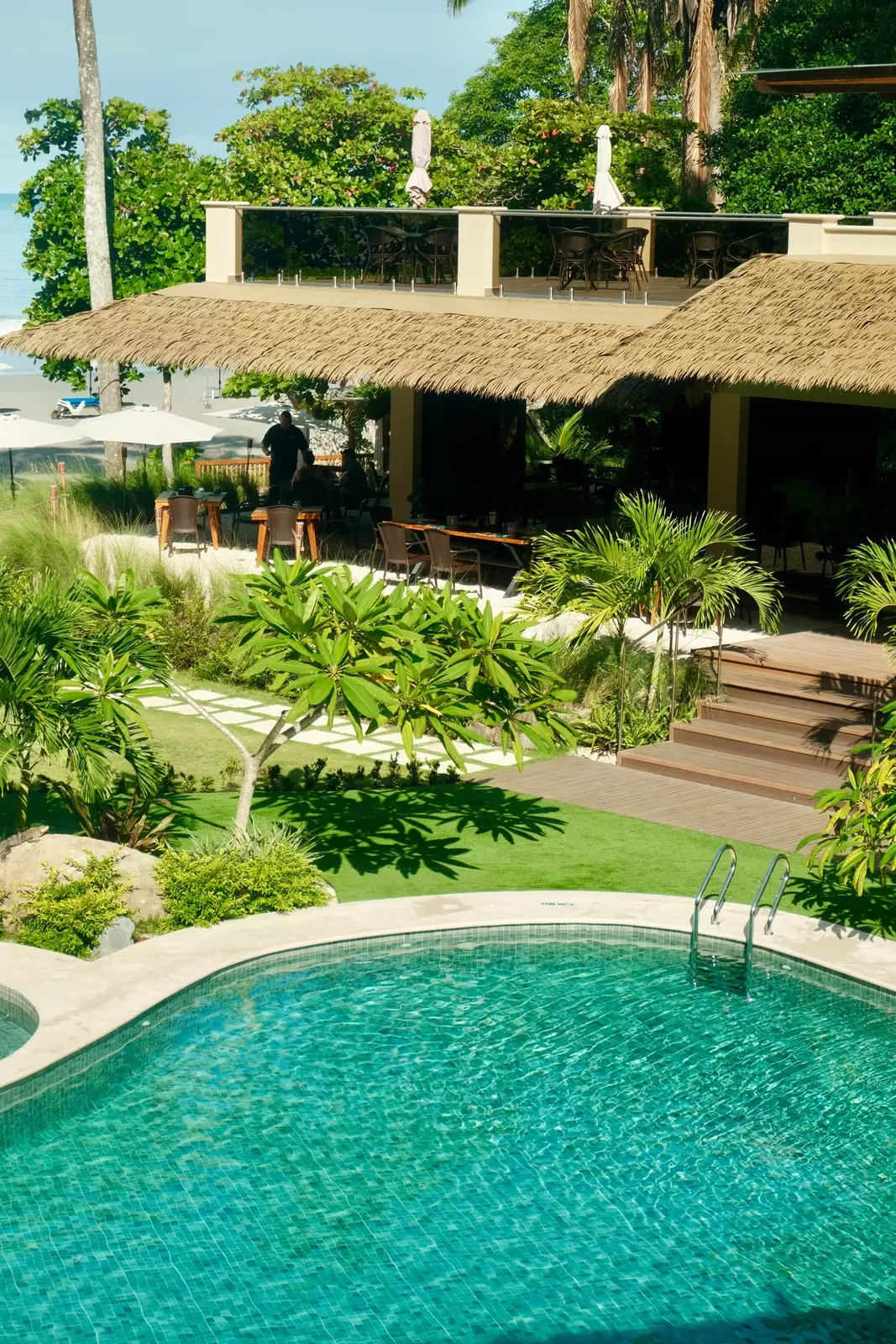
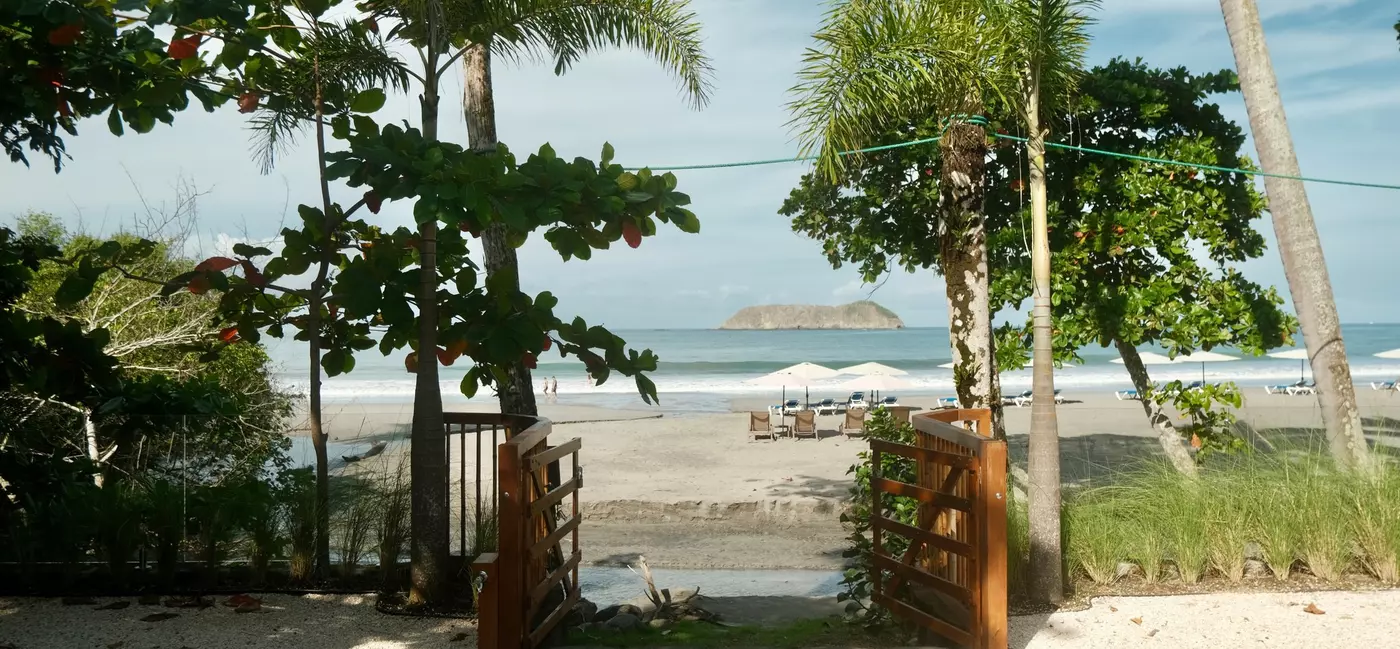
Miamar Quiet Lux Beach Resort, Manuel Antonio: A beautiful new property that opened right on the beach this past spring, not 5 minutes from Manuel Antonio National Park. I loved how small it was (just 14 rooms). The staff learned all of our names and were so devoted to showing us the wildlife around the property. Rooms are luxurious with lots of modern technology (a remote solely for the blackout curtains – heavenly!).
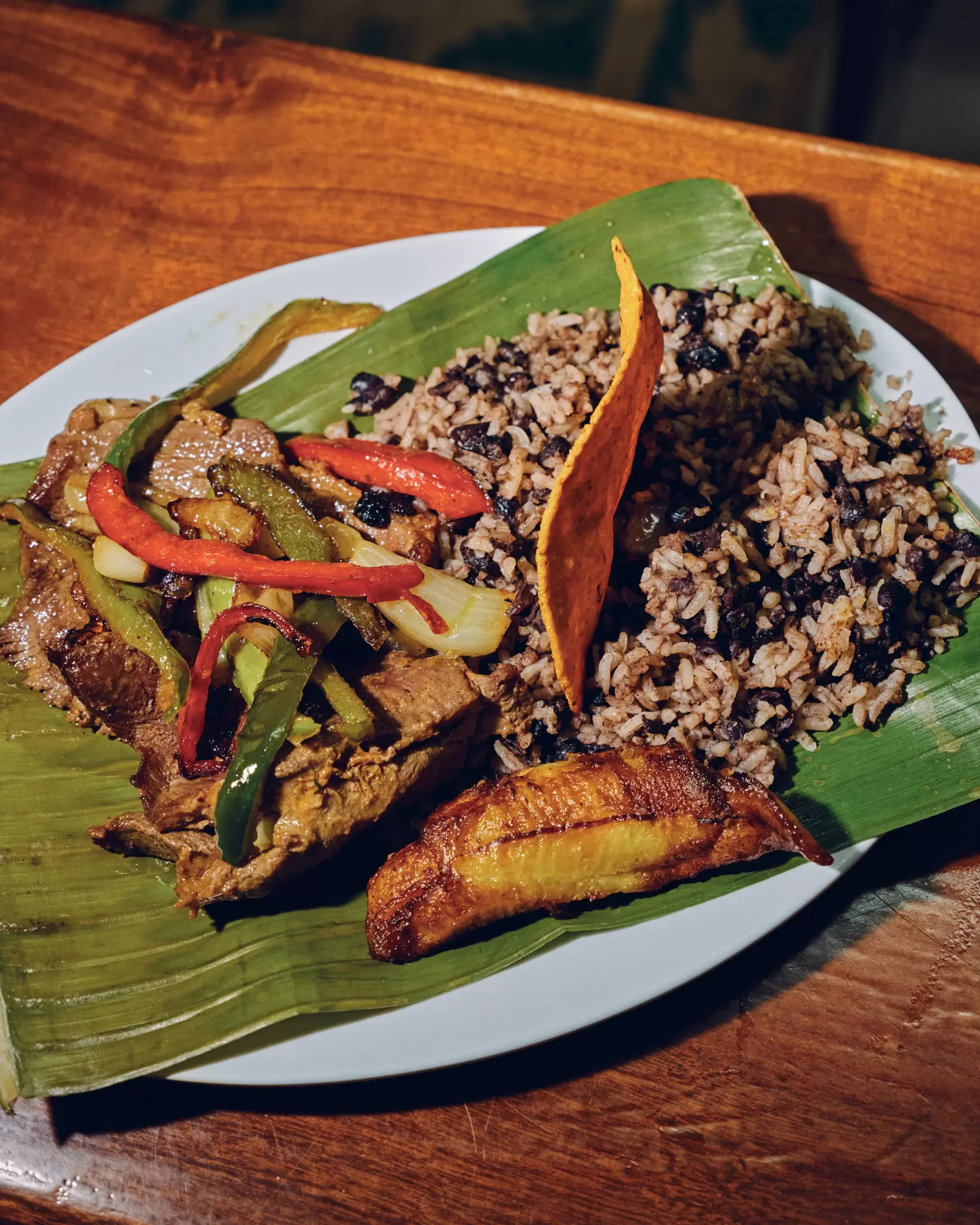
Fresh juice: Called frescos or refrescos on menus, you’ll find freshly blended juices at most restaurants, and we had these with almost every meal. I’m partial to pineapple en agua (blended with water).
Patacones: Fried mashed plantains with black beans, avocado, pico and usually a meat. I had it with a crispy chicken cutlet at lunch at La Fragata, a restaurant with sweeping ocean views at Hotel Parador, Miamar’s famous sister hotel in Manuel Antonio.
Ceviche: If ceviche were on the menu, I would order it. My favorite was a version with mango at the Royal Corin’s downstairs Emperador Restaurant, followed closely by a more soup-like version with octopus at Los Congos Bar in Orotina.
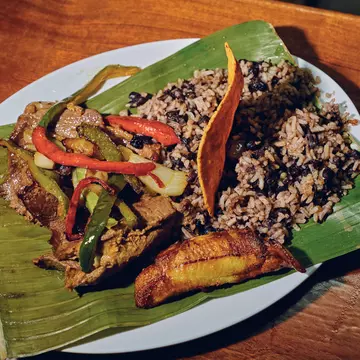
Gallo pinto: Of all the delicious foods to try in Costa Rica, make sure you dive into a plate of gallo pinto. It’s a stir fry of the night before’s rice and beans, usually enjoyed with eggs. It’s a classic dish you’ll find at most sodas (casual, family-run restaurants).
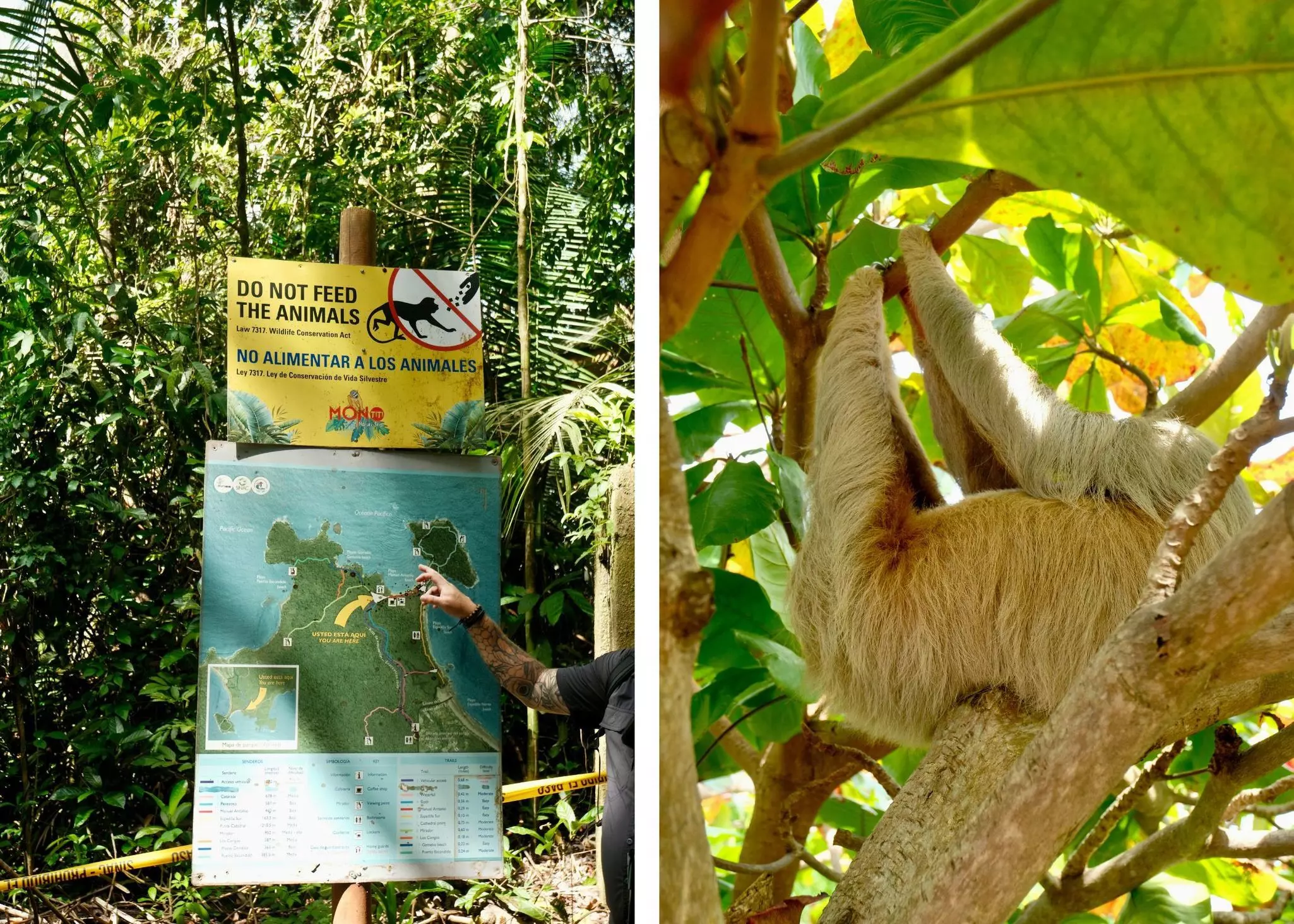
There are more than 2500 tour guides certified by Costa Rica’s tourism board. Our guide, Fabian, was so knowledgeable about all the animals, plants and ecosystems we saw; guides in Costa Rica have to complete official training that typically takes at least a couple of years. He was so skilled in spotting wildlife from a far distance and would set up his telescope to give us a closer look.
This means a rain jacket or poncho, waterproof hiking boots and water-resistant fabrics. Also, throw in a swimsuit, sunglasses and a hat to avoid getting sunburned; the UV in Costa Rica can be very high, being so close to the equator. Ensure you have bug repellent with at least 20% DEET (diethyltoluamide) to keep those mosquitoes at bay.
The big thing to know is don’t try to bring in any outside food or single-use plastics. The national park staff will likely inspect your bag to ensure you don’t have any with you. As with any national park, stay on the marked paths, don’t touch the animals, and don’t litter or take anything with you. You could incur heavy fines if caught breaking the rules.
During the green season, rain usually arrives in the afternoon or early evening, so if you want to do something outdoors, try to schedule that for the morning. Or, you can splash around in the hot springs and get a little mud on your hiking boots and have just as much fun.
Ann Douglas visited Costa Rica on the invitation of the Costa Rica Tourism Board (ICT). Lonely Planet does not accept freebies in exchange for positive coverage.
Explore related stories