Sep 14, 20269 min read
7 of the Best Zoos in the USASep 14, 2026
9 MIN READ

Writer
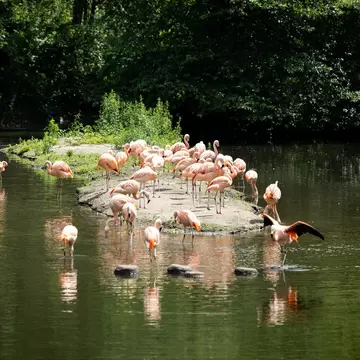
Flamingos at the Bronx Zoo, New York. Chioma Nwana for Lonely Planet

Writer
Lonely Planet may earn a commission from affiliate links on our site. All recommendations and reviews reflect our own independent opinions.
I’ve long been spoiled when it comes to zoos. As a kid growing up in the Bronx, family outings off 187th St often meant a thrilling romp through the sprawling grounds of the Bronx Zoo, watching snow leopards disappear into rocky cliffs and gorillas lounge beneath leafy canopies that looked just like the wild jungle. Then every summer, I'd go to see relatives in Omaha, Nebraska, a place my child self was not particularly excited about with the very important exception of the Henry Doorly Zoo and Aquarium. This heartland institution manages to raise the zoo bar even higher with the world's largest indoor desert, a rainforest under glass, and shark tunnels that made Little Me feel like I was legit walking on the ocean floor.
Only later did I realize…not all zoos are created equal. Now that I've visited dozens more while traveling, I have certainly seen some sad ones. The best zoos, though, all have something common: they're not just places to look at cute (and/or scary) animals. They're leaders in wildlife conservation, scientific research and education.
Whether you're a wannabe wildlife photographer, traveling with young kids or just love a delightful day spent making faces at macaques, this list of the best zoos in the United States is for you.
When deciding which zoos to support, you’ve got to put animal welfare first. Every zoo on this list is among the 240 that are accredited by the Association of Zoos & Aquariums (AZA), the gold standard for animal welfare and veterinary medicine. Beyond accreditation, we prioritized zoos with robust conservation programs, participation in breeding and reintroduction efforts for endangered species, meaningful scientific research, transparent sustainability initiatives, and thoughtfully designed habitats that encourage animals to behave like, well, themselves. Of course visitor experience matters, too — but only after the animals.
Best for immersive habitats
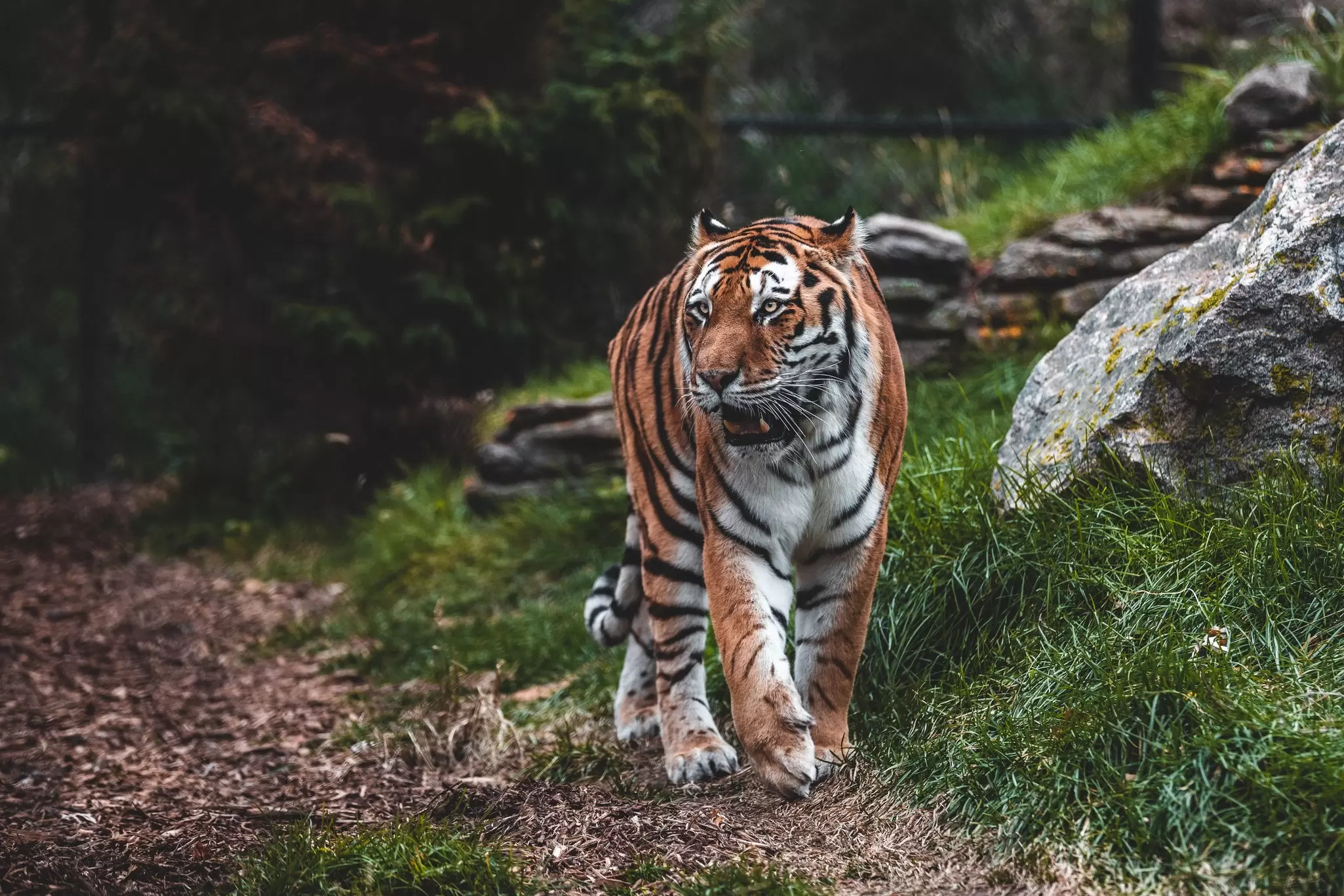
Yep, one of America’s greatest zoos boasts the same hometown as the Wizard of Oz. Makes sense, because Omaha's Henry Doorly Zoo is pretty darn magical. This zoo doesn't just house extraordinary animals; it recreates entire ecosystems at a staggering scale.
Its Desert Dome remains the world's largest indoor desert and one of the most impressive zoo exhibits of all time. It spans deserts from Namibia to Australia's Outback beneath one enormous geodesic dome. Underground, the Kingdoms of the Night exhibit recreates caves, swamps and nocturnal forests. Meanwhile, the Lied Jungle, America’s largest indoor rainforest, lets you hang with pygmy hippos and tapirs, while the aquarium features sharks, sea turtles and coral reef ecosystems.
Behind the scenes, the Henry Doorly is a global leader in conservation research and animal reproductive science. Its sustainability efforts include water conservation, renewable energy initiatives and careful habitat management throughout the campus.
Planning tip: Arrive when the zoo opens and dedicate an entire day, including on-site lunch – you could walk several miles within the site.
Best for historic conservation
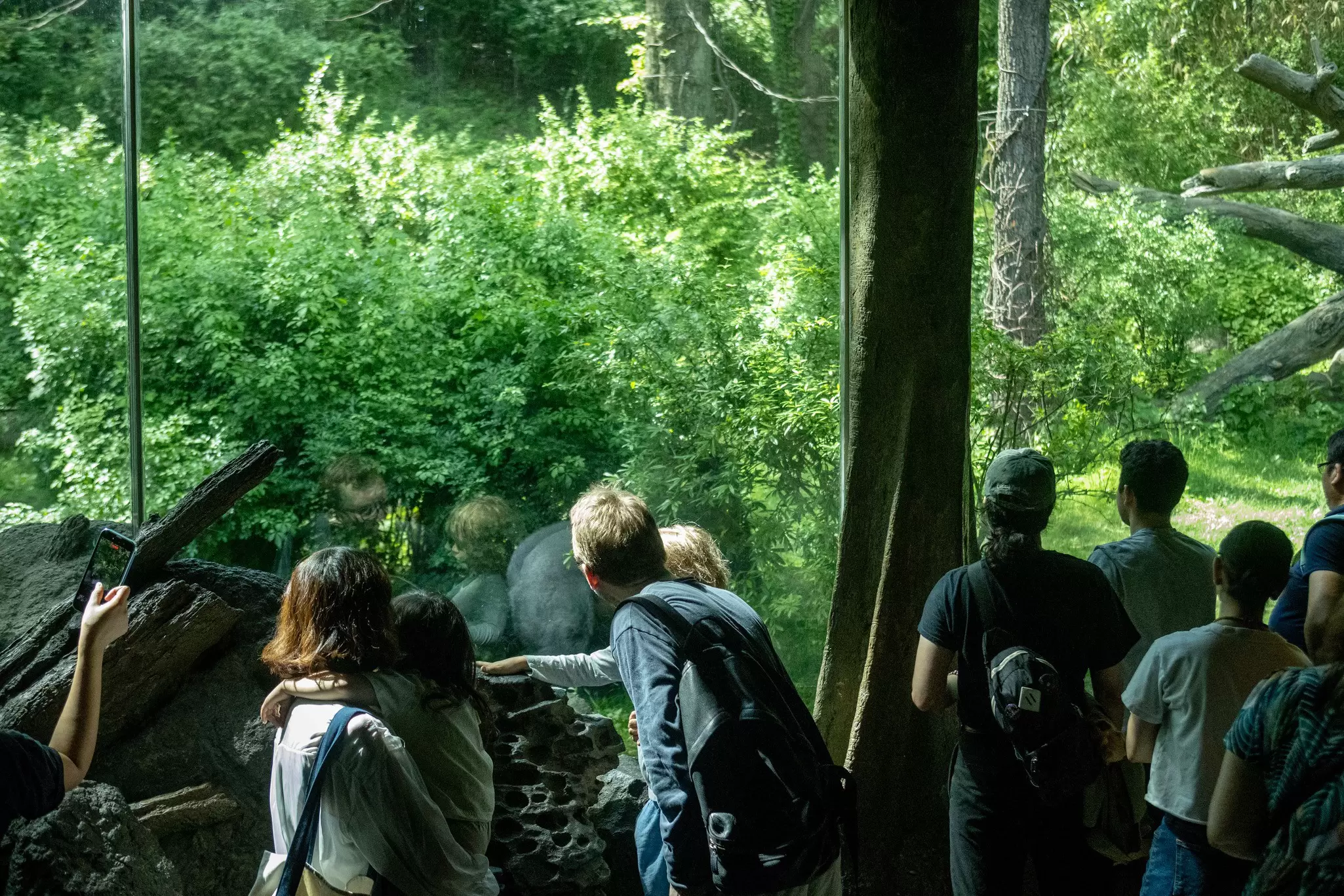
My hometown hero, the Bronx Zoo, feels less like an attraction and more like a wildlife preserve tucked right inside New York City. Opened in 1899, it's one of the country's largest metropolitan zoos, spread across 265 acres. Many exhibits – including Tiger Mountain, Congo Gorilla Fores t and Himalayan Highlands – focus on giving animals room to roam while immersing visitors in recreated habitats.
The Wildlife Conservation Society, which operates the zoo, funds conservation projects in nearly 60 countries, protecting everything from elephants to coral reefs. Admission fees from the Congo Gorilla Forest directly support conservation work in Central Africa, one of many examples of how the zoo links visitors to real-world wildlife protection.
Getting there: Your best bet is take the 2 or 5 subway to East Tremont Ave or the Metro-North Harlem Line directly to the zoo stop.
Best for seeing rare species
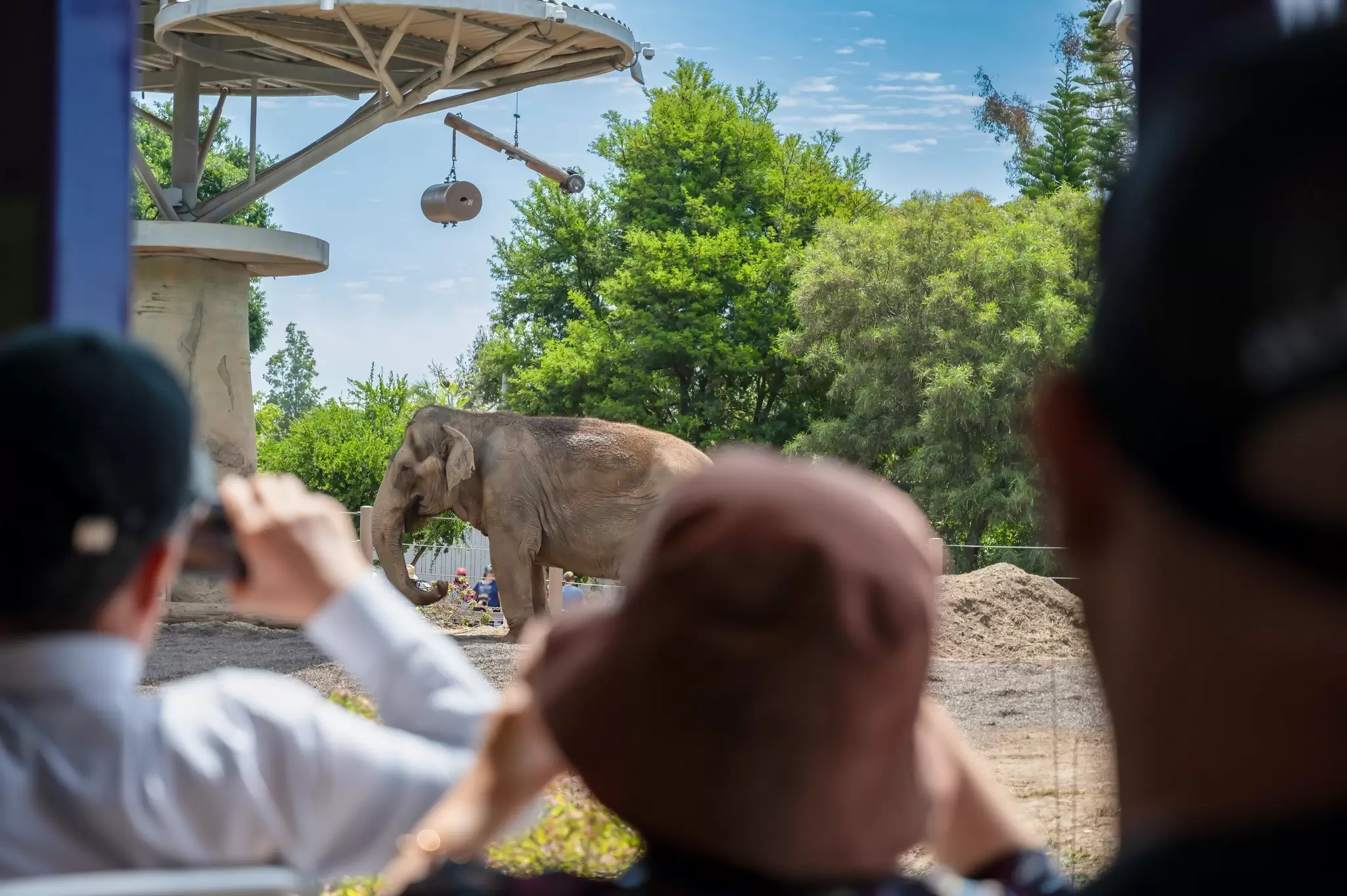
Few zoos can rival San Diego's collection of wildlife. The zoo jewel in SoCal’s crown – home to more than 12,000 rare and endangered animals representing hundreds of species – pioneered cageless exhibits that transformed modern zoo design. You can wander canyon landscapes while spotting koalas, orangutans, okapis and one of the country's largest collections of rare birds.
The San Diego Zoo Wildlife Alliance is internationally recognized for its conservation science, wildlife genetics work and habitat restoration. Its Frozen Zoo, which preserves living genetic material from 1300 species at a chilly -320°F (-196°C), represents one of the world's most significant biodiversity resources.
Planning tip: This zoo is a big draw for California-cationers, so buy timed tickets in advance, especially during school holidays and summer.
Best for unforgettable animal encounters
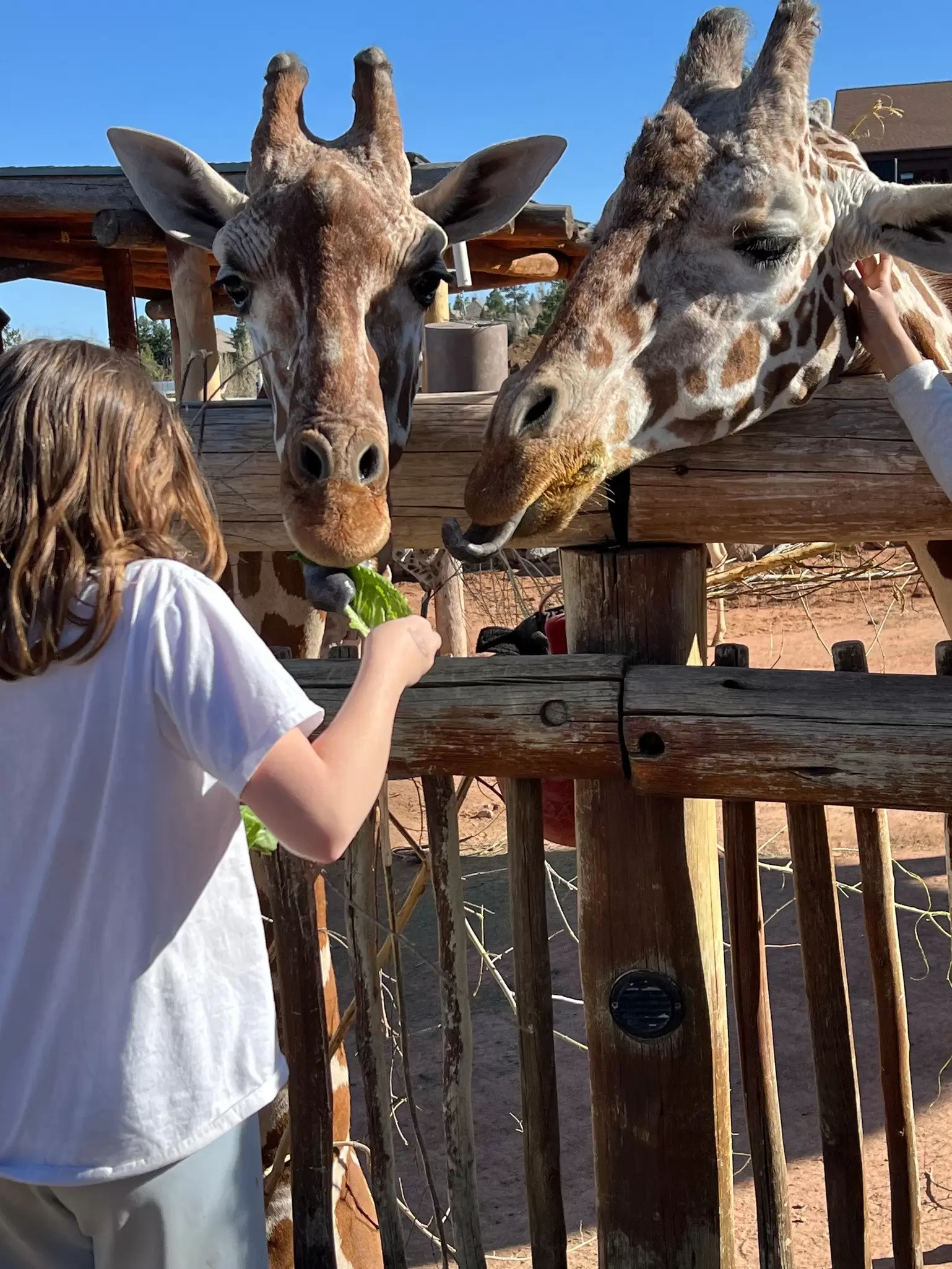
Perched on a mountainside overlooking Colorado Springs, Cheyenne Mountain Zoo offers one of America's most memorable zoo experiences. Its giraffe herd is among the largest in North America, and feeding these tall guys eye-to-eye from elevated platforms has become the zoo's signature experience. The steep hillside also creates remarkably spacious habitats for grizzlies, mountain lions and African elephants.
Cheyenne Mountain has earned praise for its commitment to animal enrichment, sustainability and regional land conservation partnerships focused on species from black-footed ferrets to amphibians threatened by disease.
Planning tip: The high elevation here means cooler temperatures than Denver, making summer visits slightly more pleasant.
Best for conservation science
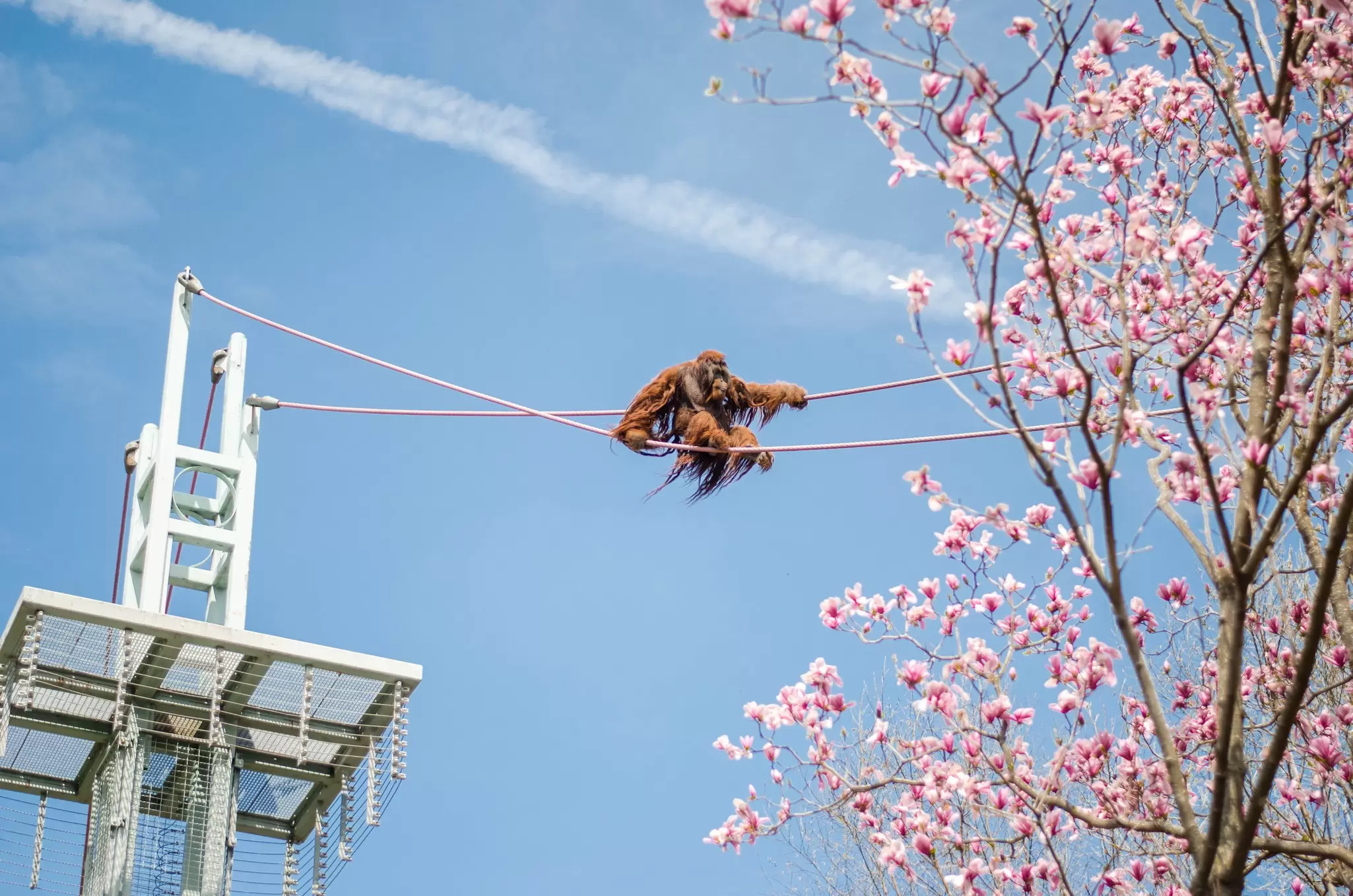
There are plenty of reasons to visit the Smithsonian’s National Zoo & Conservation Biology Institute, but the biggest one may be that this zoo is also one serious scientific establishment. The 163-acre zoo founded in 1889 runs alongside researchers, veterinarians and conservation scientists working on wildlife health, animal behavior, population management and species conservation around the world.
And yes, the pandas are back. After the beloved Mei Xiang, Tian Tian and Xiao Qi Ji returned to China in 2023, the zoo welcomed a new pair, Bao Li and Qing Bao, in October 2024. Bao Li is the grandson of the zoo's former panda pair, making the return especially sweet for longtime Washingtonians. The current cooperative research and breeding agreement with Wildlife Conservation Association China runs through 2034 and includes joint conservation research in China and at the zoo.
But don't make the mistake of treating these sweet pandas as the zoo’s only big draw. The Smithsonian’s Asian elephants, great apes, lions and small mammals are equally delightful, and its Center for Animal Care Sciences puts an impressive emphasis on behavioral research, nutrition, veterinary medicine and population sustainability. This is a zoo where you can spend an afternoon admiring animals but also getting significant insight into the larger scientific effort to keep their wild cousins alive and thriving.
Planning tip: Entry is free, but you'll need a free entry pass. Give yourself at least half a day here – this zoo is hilly, expansive and easy to underestimate. If pandas are your priority, check the zoo's current visitor information before going and arrive early for the best chance of seeing them at play.
Best for Northern wildlife
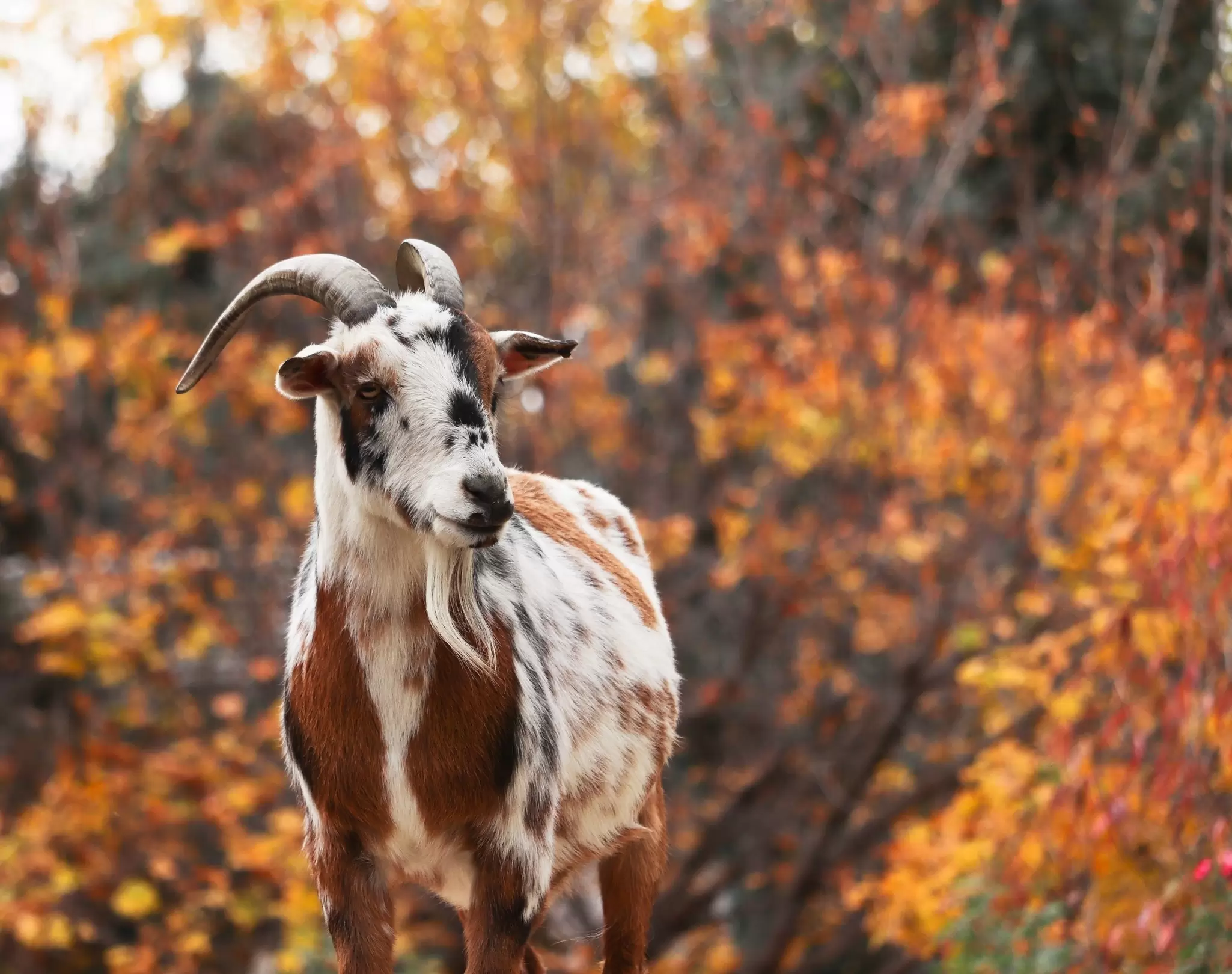
ZooMontana proves that bigger isn't always better. Rather than collecting animals from around the globe, this zoo focuses primarily on species adapted to northern climates, including grizzly bears, wolves, red pandas, wolverines and Amur tigers. The result feels local and more thoughtfully curated than some larger institutions.
ZooMontana’s botanical gardens, native landscaping and emphasis on regional conservation reinforce its mission of connecting visitors to wildlife found across the Northern Rockies and beyond.
Planning tip: Wildlife fans should combine the zoo visit with a Yellowstone National Park road trip; Billings sits about 2 hours from the park's northern gateway.
Best for families
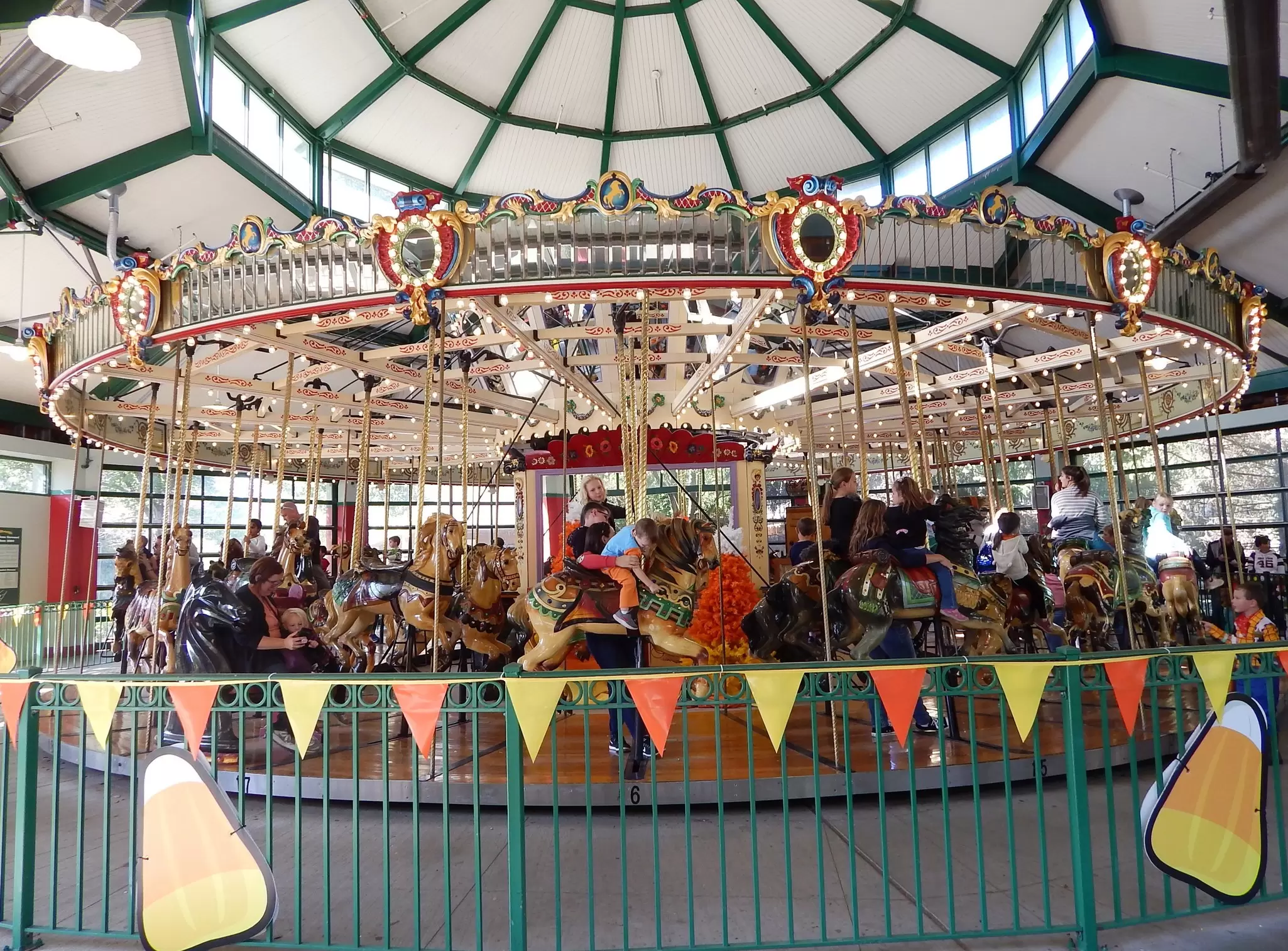
Large enough to fill an entire weekend but easy to navigate, the Columbus Zoo remains one of the country's premier family destinations. Eight geographic regions showcase everything from manatees and polar bears to bonobos and Asian elephants. Interactive exhibits and behind-the-scenes encounters help kids connect with wildlife while learning about conservation.
This zoo – along with its sister facility, The Wilds – supports wildlife projects across more than 40 countries, to protect over 85 species. It continues investing in sustainable operations, habitat restoration and species recovery programs.
Planning tip: If you’re traveling in summer, cool off by pairing your visit with neighboring Zoombezi Bay water park.
Best for zoo-meets-theme-park
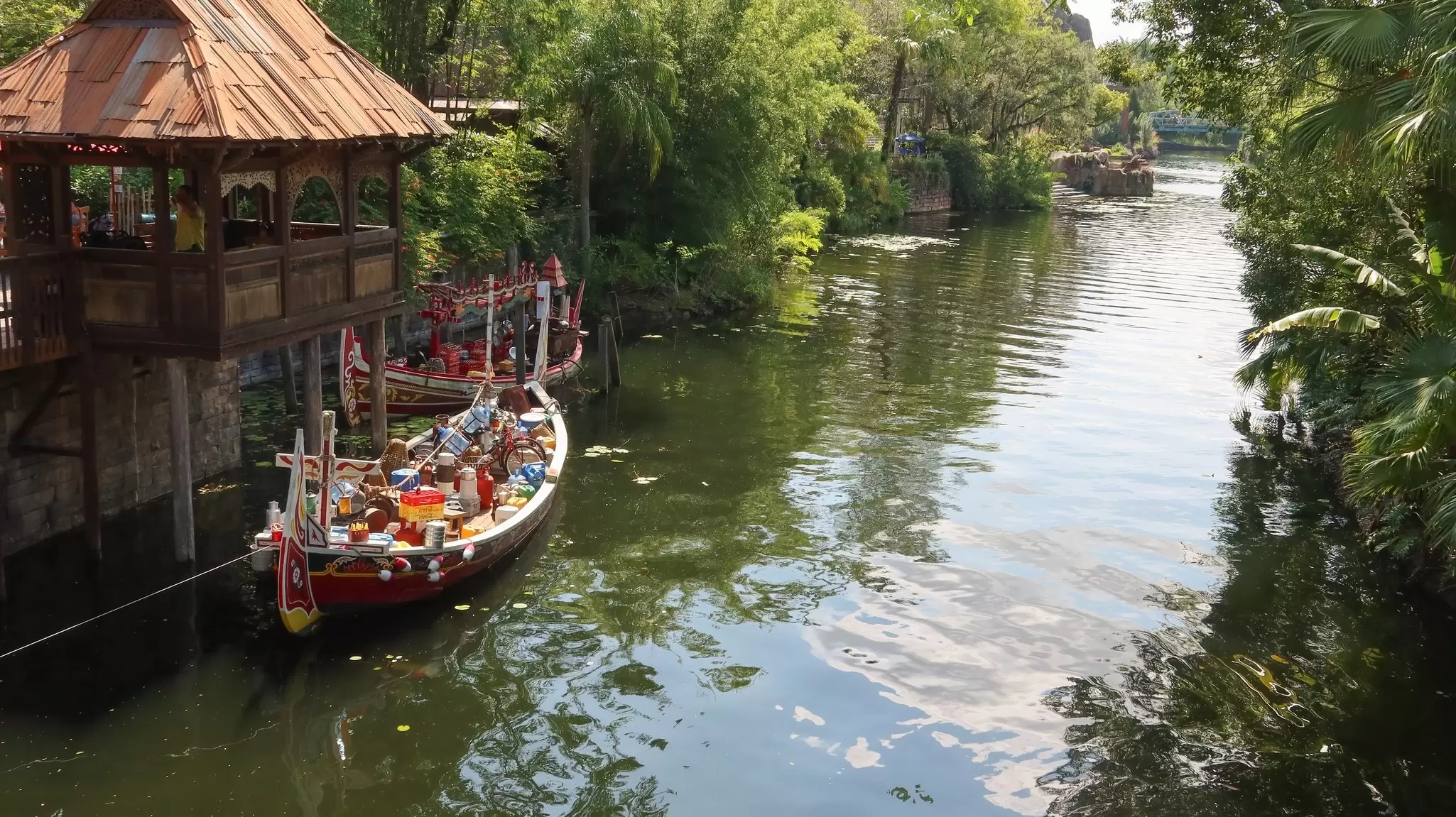
Yes, Disney’s Animal Kingdom is technically a theme park. But it’s the only non-zoo of its kind that’s fully AZA accredited and maintains rigorous animal care standards. The Kilimanjaro Safaris bring you across sprawling savannas where giraffes, rhinos, elephants and antelope roam together in mixed-species habitats. Elsewhere, gorillas, tigers and Komodo dragons live in carefully designed environments inspired by their natural ecosystems. The mega-park also backs the Disney Conservation Fund, one of the country’s largest, which supports wildlife projects in 16 countries this year.
Planning tip: Ride Kilimanjaro Safaris early in the morning when animals are typically most active.
It’s true that the best zoo trips reward a little advance-planning. Spring and fall generally offer the most comfortable weather and more active animals, while weekdays are significantly less crowded than weekends. Many zoos offer behind-the-scenes tours that require advance reservations and provide opportunities to meet keepers, watch feeding sessions or learn about veterinary care.
If you're planning a wildlife-focused family vacation, why not do a zoo-hopping road trip? Consider sandwiching several destinations together: DC and Columbus make a great mid-East itinerary, while ZooMontana and Cheyenne Mountain Zoo are a day’s drive apart and complement unforgettable visits to Yellowstone or Rocky Mountain National Park.
The biggest surprise, for me, after visiting so many of America's best zoos is how hopeful they feel. These are not sad spaces keeping animals captive for public entertainment. They’re working laboratories for saving species, restoring habitats and inspiring lil’ future conservationists, like my kids. As someone lucky enough to grow up with two of the country's very best in my regular rotation, I've come to appreciate that the greatest zoos don't simply bring us closer to animals – they remind us how much we all (humans plus critters) should love this planet we share.
Book your United States (USA) trip with Lonely Planet Journeys
See United States (USA) how it's meant to be seen
Planned by local experts and tailored to you, Lonely Planet Journeys handles the logistics so you can just enjoy the trip. Tell us what you want and we'll build your United States (USA) itinerary from scratch, or browse our bookable trips to get inspired.

Explore related stories