Oct 1, 20266 min read
The Best Places to Celebrate Halloween in the USAug 20, 2026
8 MIN READ

Writer
The author's vehicle at Glacier National Park in Montana. Taryn Shorr-McKee

Writer
Highlights
Writer Taryn Shorr-McKee guides you through car camping setups, gear and campsite picks.
Spend money on a quality mattress and cozy bedding rather than a premium rooftop tent.
Mesh window screens improve airflow and a rechargeable battery station keeps lights and devices running.
At developed campgrounds, book a dry RV site; The Dyrt maps dispersed camping spots.
Lonely Planet may earn a commission from affiliate links on our site. All recommendations and reviews reflect our own independent opinions.
There’s something wonderfully freeing about having a miniature version of home with you wherever you go. Pull into camp, pop the rooftop tent or air up a mattress inside the vehicle, and within minutes, you have a bed under the stars. That flexibility is a tremendous part of why so many are drawn to car camping. The Dyrt’s Camping Report released in 2025 revealed that over 53% of people surveyed prefer camping that “involves a vehicle,” and “car camping” became one of campsite-booking app HipCamp’s most-used search filters weeks after its launch.
I’ve spent many years camping in various SUVs and trucks, and currently have a Toyota 4Runner built out for overlanding, with a rooftop tent and additional sleep setup inside the vehicle. Through plenty of trial and error, I’ve worked out that comfortable car camping doesn’t have to be complicated or expensive. Here are some of the most important things I’ve learned.
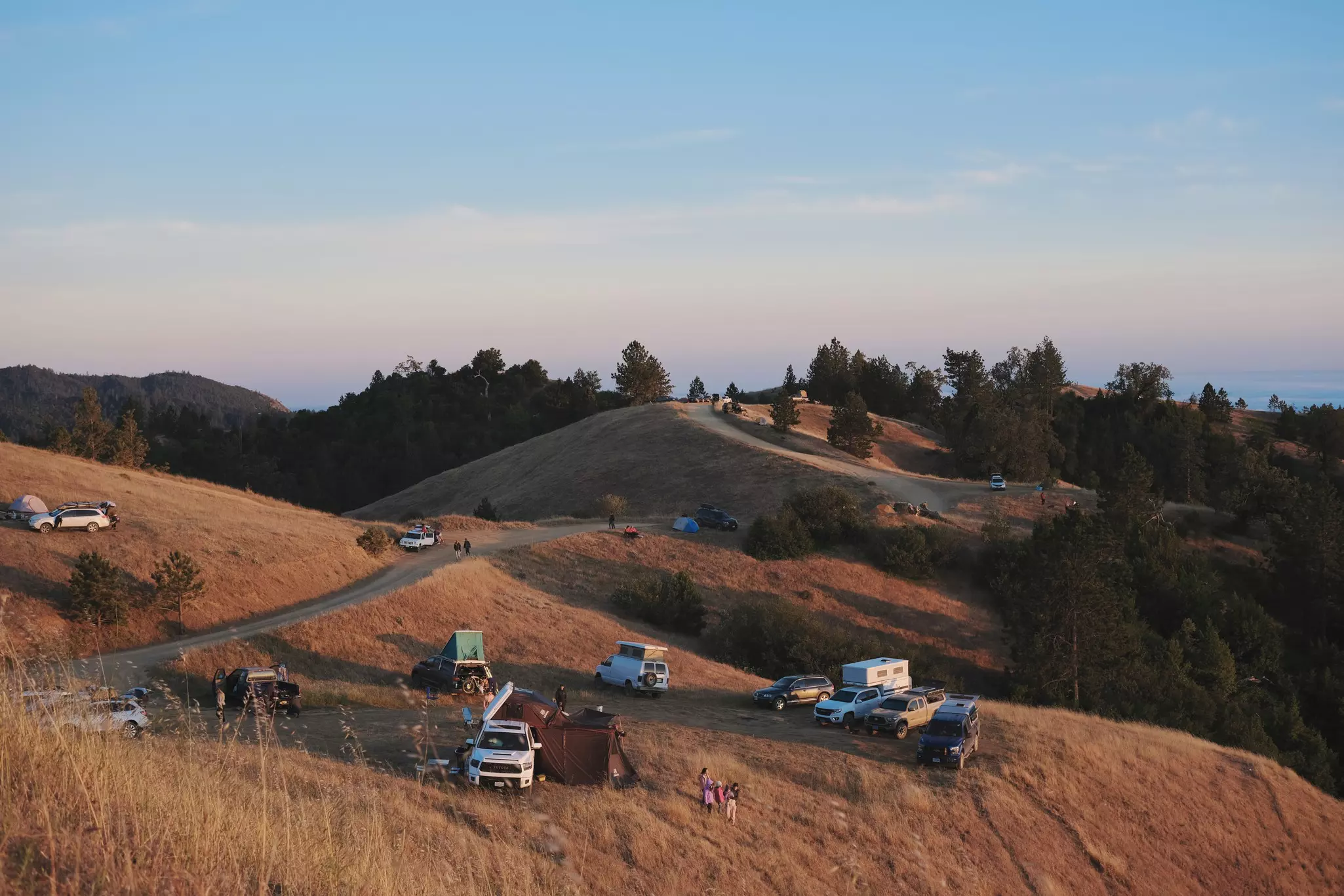
Car camping can mean a lot of things. Some use the term to refer to any campsite they can reach by car. For this guide, though, we're talking about something literal: sleeping in – or on – your vehicle, whether that means a rooftop tent (RTT), a mattress inside an SUV, a tent in a truck bed, a polished custom system with built-in storage, or even a rudimentary DIY platform.
Our own setup is deliberately flexible: my husband and I sleep in our RTT when it’s just us, I can sleep inside the 4Runner when I'm solo, and we can rearrange things when we bring one or both of our kids. Sometimes we even add a traditional tent outside as another option.
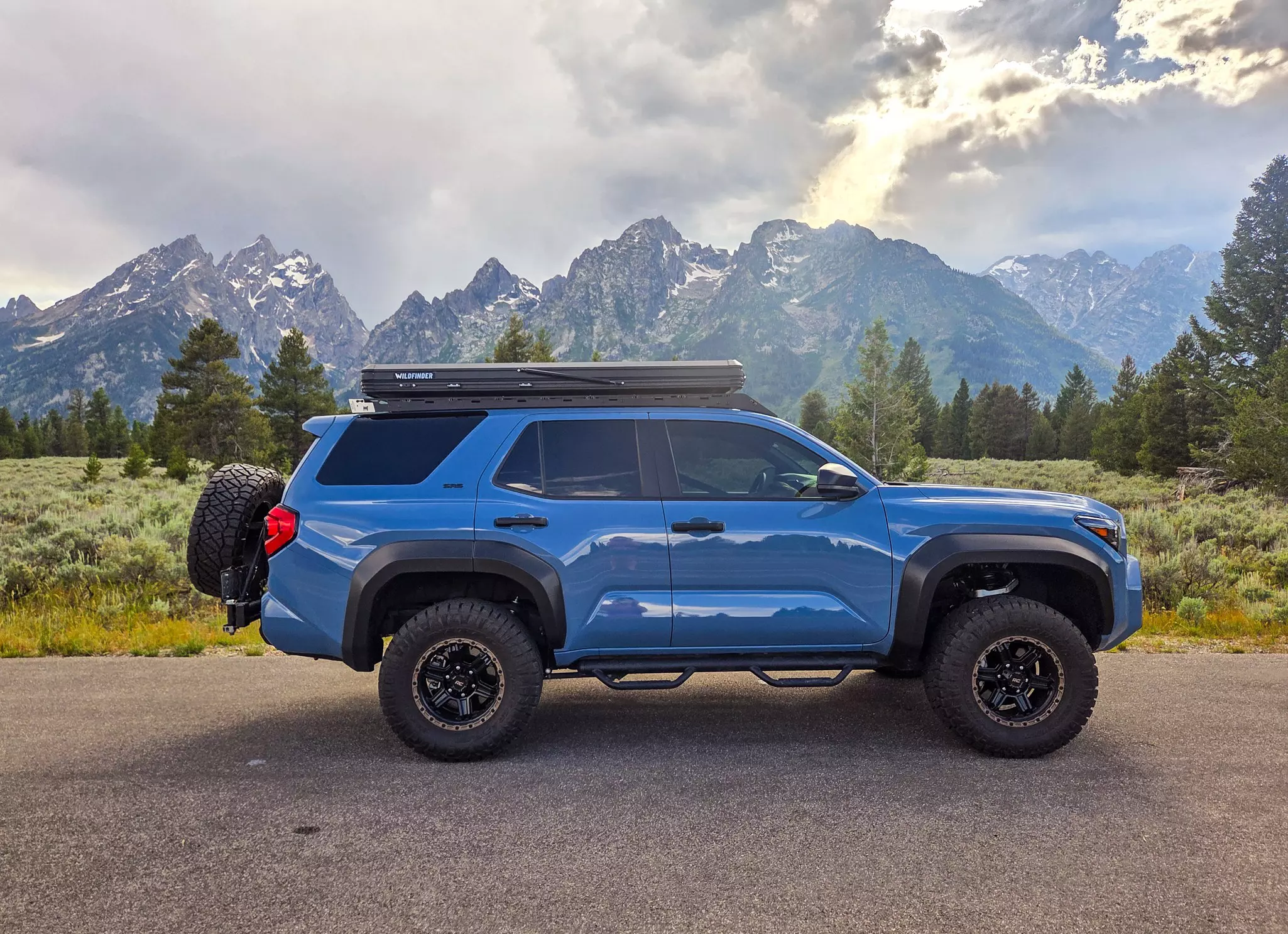
If you're new to rooftop tents, the options can be overwhelming. RTTs range from soft-sided fold-out models to streamlined hard-shell designs like the clamshell or “wedge” style we have. Each has its pros and cons, but you don't need to be an expert to choose one.
You also don’t need to spend thousands. Rooftop tents are still a relatively young corner of the industry, and only a few manufacturers build tents that are then sold under numerous brand names. Instead of buying a premium model, I recommend putting that money toward upgrades you'll appreciate every night: a better mattress, cozy bedding or lighting.
Weight, however, is one area to pay close attention to. Before buying an RTT, understand your vehicle's dynamic and static roof load ratings. This may seem intimidatingly technical, but bear with me.
Dynamic weight is what the roof and rack can safely carry while driving; static weight is the much higher load they can support while parked. Dynamic weight is lower because of factors like wind drag and constantly varying g-forces as you turn, brake and change speed. For an RTT, account for the tent, rack, mattress, bedding and everyone sleeping inside.
My 4Runner’s factory dynamic roof capacity is just 165 pounds, while its static capacity is 770. Adding a Westcott Designs Lo-Pro Roof Rack increased those limits to 700 pounds dynamic and 1200 pounds static, and the rack itself weighs just 44 pounds.
This illustrates why an aftermarket roof rack or, at a minimum, appropriately rated crossbars are non-negotiable. Stock roof rails aren’t designed for a tent, much less occupants. Unless you 100% understand your vehicle’s weight ratings and mounting system, I also recommend professional installation. This isn't the situation for DIY.
One exception to the "don't overspend on the tent" philosophy is weight. Some high-end RTTs are significantly lighter, which may make the additional cost worthwhile for smaller vehicles or those with lower dynamic weight limits.
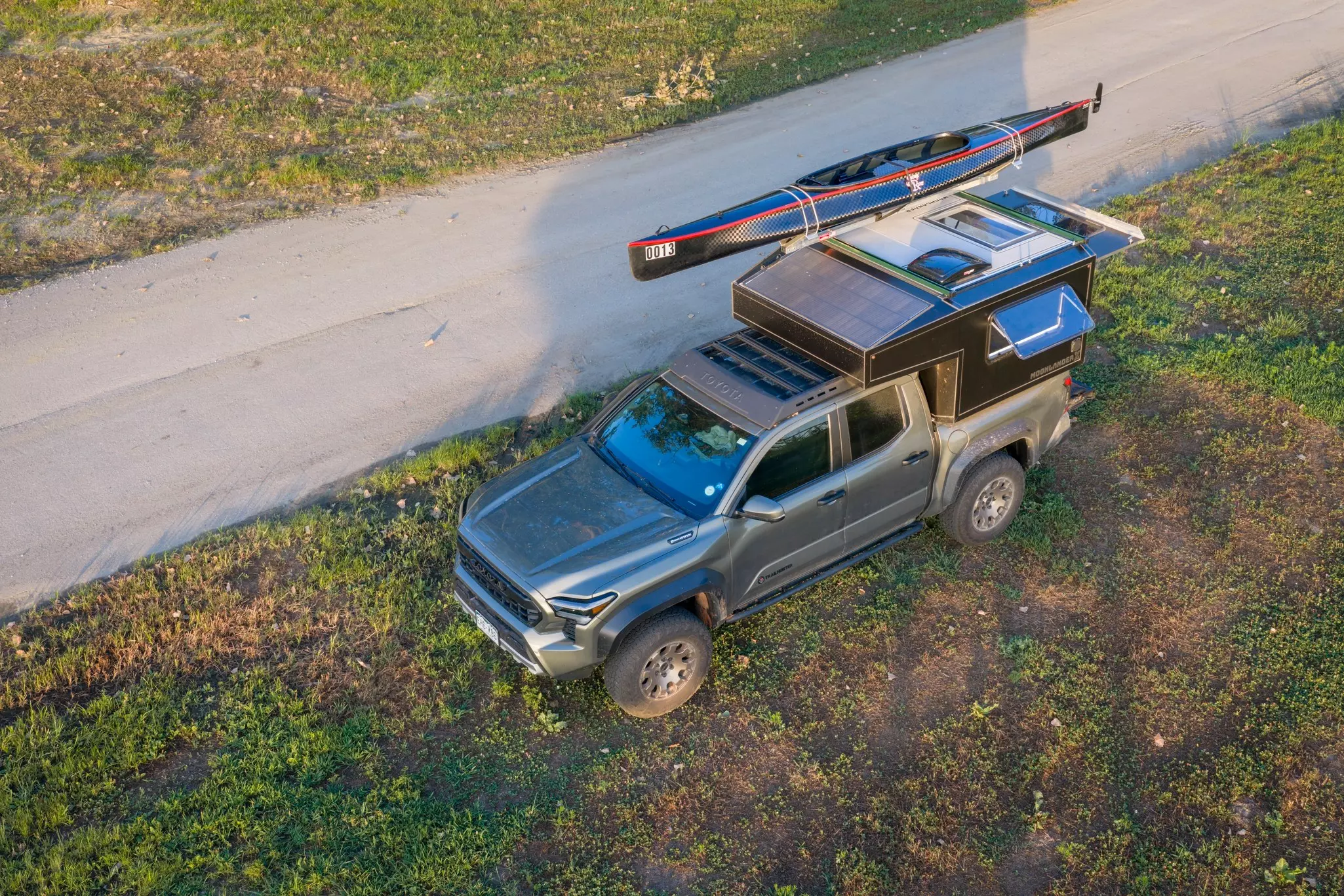
RTTs aren't the only way to car camp. Sleeping platforms and vehicle-specific mattresses – Luno, Hele Outdoors and BamBeds are some of the biggest players, with solo and double setups for a wide variety of vehicles – turn your hatch into a surprisingly comfortable bed. Truck campers and truck-bed tents offer similarly simple options, and purpose-built platforms like DECKED add storage and organization. These systems are pricey, but DIYing works just as well if you're comfortable building one.
The best choice comes down to your vehicle and whether you want a permanent sleeping setup or something you can easily rearrange.
Once you have a tent or sleeping platform, a handful of relatively inexpensive additions can make a huge difference.
This is my top recommendation; I'd spend money on a better mattress over a fancier tent every time. We have the HEST Dually Long memory foam mattress in our RTT and a Lost Horizon self-inflating air-and-foam mattress inside the 4Runner. Both are so comfortable that we truly don’t notice any difference from home.
A packable comforter, sleeping bag and real pillow make your vehicle amazingly comfortable. Flannel sheets plus a sleeping bag like EXPED's MegaSleep series and a packable blanket (my top recs: Rumpl’s Original Puffy and Gravel) keep you comfortable in any weather and offer tons of flexibility.
Wool is antimicrobial and oleophobic, meaning it prevents bacterial growth and repels the body’s natural oils. It regulates temperature, resists odors even after a few wears, and packs easily. I swear by Woolx and always pack base-layer bottoms, a t-shirt and socks.
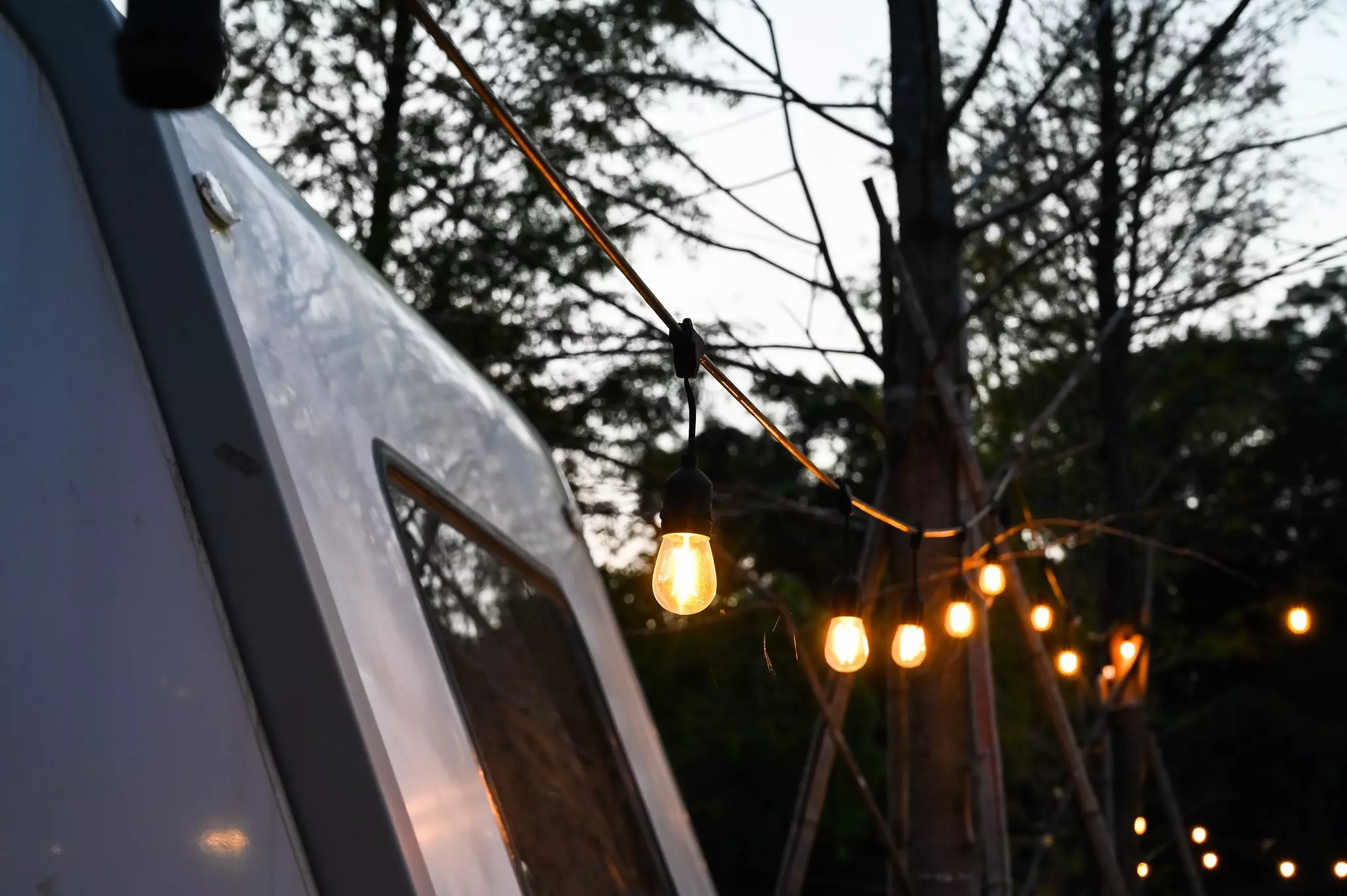
A rechargeable headlamp is indispensable for everything from setting up camp to finding the restroom after dark. A small lantern or string lights can also brighten up your common or sleeping area without using vehicle battery power.
Mesh window screens are a game-changer for sleeping inside a vehicle. We roll the rear windows about halfway down and cover them with these screens, allowing air to circulate while keeping bugs out. A clip-on rechargeable fan is another lifesaver when it’s warm.
A small battery pack will keep your phone and lights charged, while a larger power station can handle laptops, cameras and equipment such as a Starlink Mini. I often work from camp, and the Bluetti AC50B is one of my most-used pieces of gear.
You can't always have a campfire, especially in the American West, but a portable propane stove gives you a reliable way to cook and make coffee. We still swear by our old-school Coleman two-burner.
Remember, weight is important when car camping. Prioritize things that genuinely improve your experience and look for lighter, more compact versions where practical. For example, if you absolutely need a full-size pillow, bring string lights rather than a lantern.
RVs and folks towing trailers aren't the only ones who need level campsites. If you're sleeping inside your car or in an RTT, an uneven surface can make for a miserable night. You can’t always avoid this, but you can mitigate it. We carry GoTreads, which are recovery traction devices but work wonderfully for leveling out the vehicle.
Trees require some thought, too. Low branches can be a serious problem for rooftop tents, but a completely exposed campsite isn't necessarily better. Trees provide shade and windbreak, while an open site can leave you vulnerable to strong winds. Before settling in, look up and around, and check the wind forecast for your stay.
When booking a developed campground, opt for a “dry” (no hookups) RV site or electric-only hookups. At some campgrounds, tent sites require parking elsewhere and walking to your site, although more and more offer sites specifically suited to rooftop tents and other vehicle-based camping. I use The Dyrt and CampsitePhotos.com to research sites, and if I’m still unsure, I call and mention I have an RTT. Dry sites are often all you need for car camping, and they’ll save you money – another reason to buy a power station!
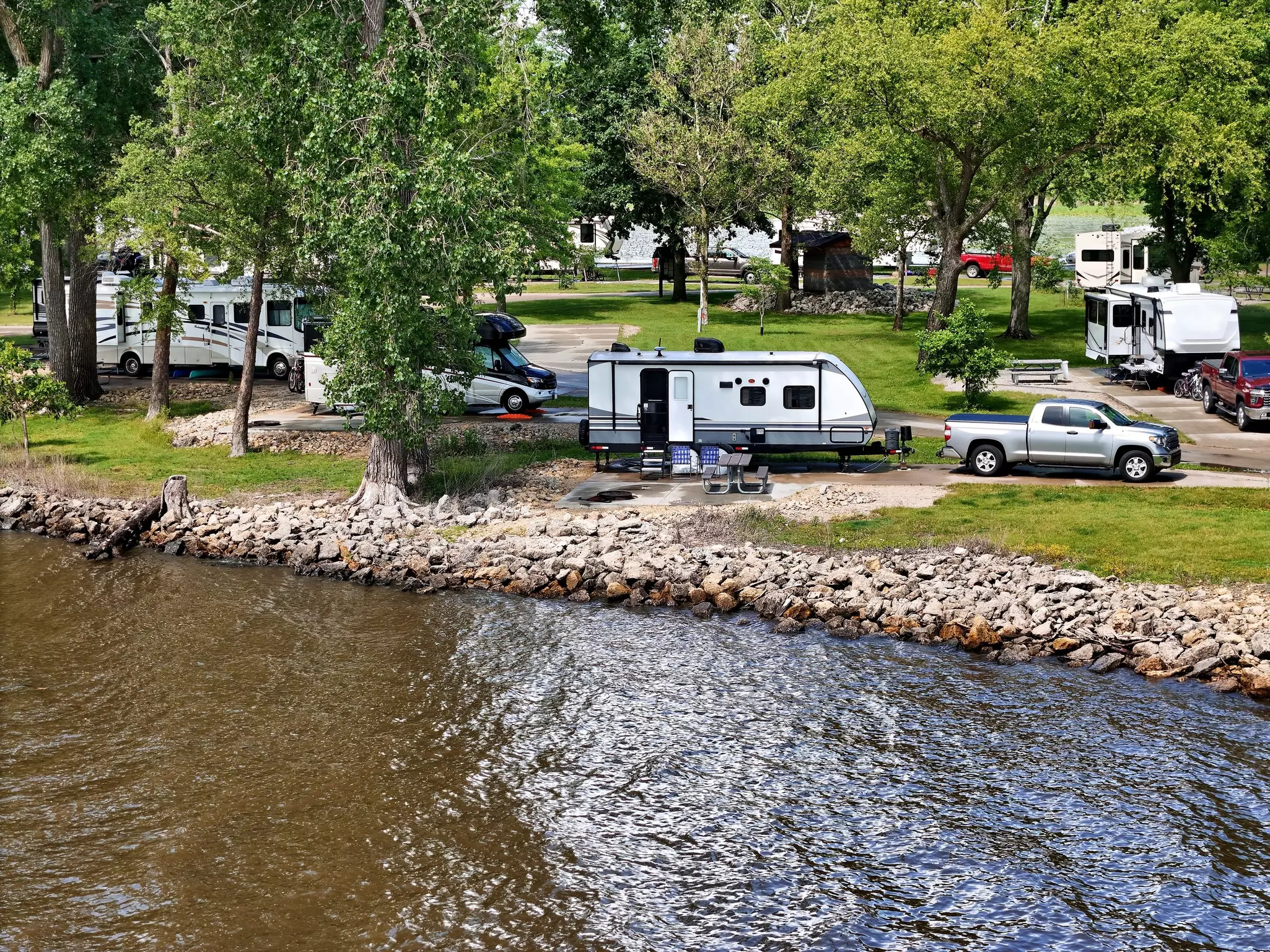
The beauty of sleeping in your vehicle is that you're not limited to traditional campgrounds. Established camps in national, state and provincial parks are an easy starting point, offering amenities such as restrooms, potable water, and general stores. Places like KOA and RV parks work, too, usually with a small number of sites designated for tent or car camping.
For more of a wilderness experience, look into dispersed camping or boondocking – camping outside developed campgrounds, often on public land where permitted. Regulations vary considerably by location, so never assume an empty patch of land is fair game.
Camping apps and mapping tools like The Dyrt and onX Offroad's Dispersed Camping map layer make finding legal campsites super easy. I use a combination of both, especially before heading somewhere remote – sort of a “two is better than one” mentality.
That's ultimately the best part of car camping: you can make it as simple or elaborate as you want. You don't need an enormous RV, a $3000 rooftop tent or a garage full of specialized gear. With a comfortable place to sleep and a handful of thoughtful upgrades, the road itself becomes your bedroom.
Book your United States trip with Lonely Planet Journeys
See United States how it's meant to be seen
Planned by local experts and tailored to you, Lonely Planet Journeys handles the logistics so you can just enjoy the trip. Tell us what you want and we'll build your United States itinerary from scratch, or browse our bookable trips to get inspired.

Explore related stories