Sep 24, 20267 min read
3 Days in the Midwest: National Parks EditionSep 24, 2026
7 MIN READ

Writer
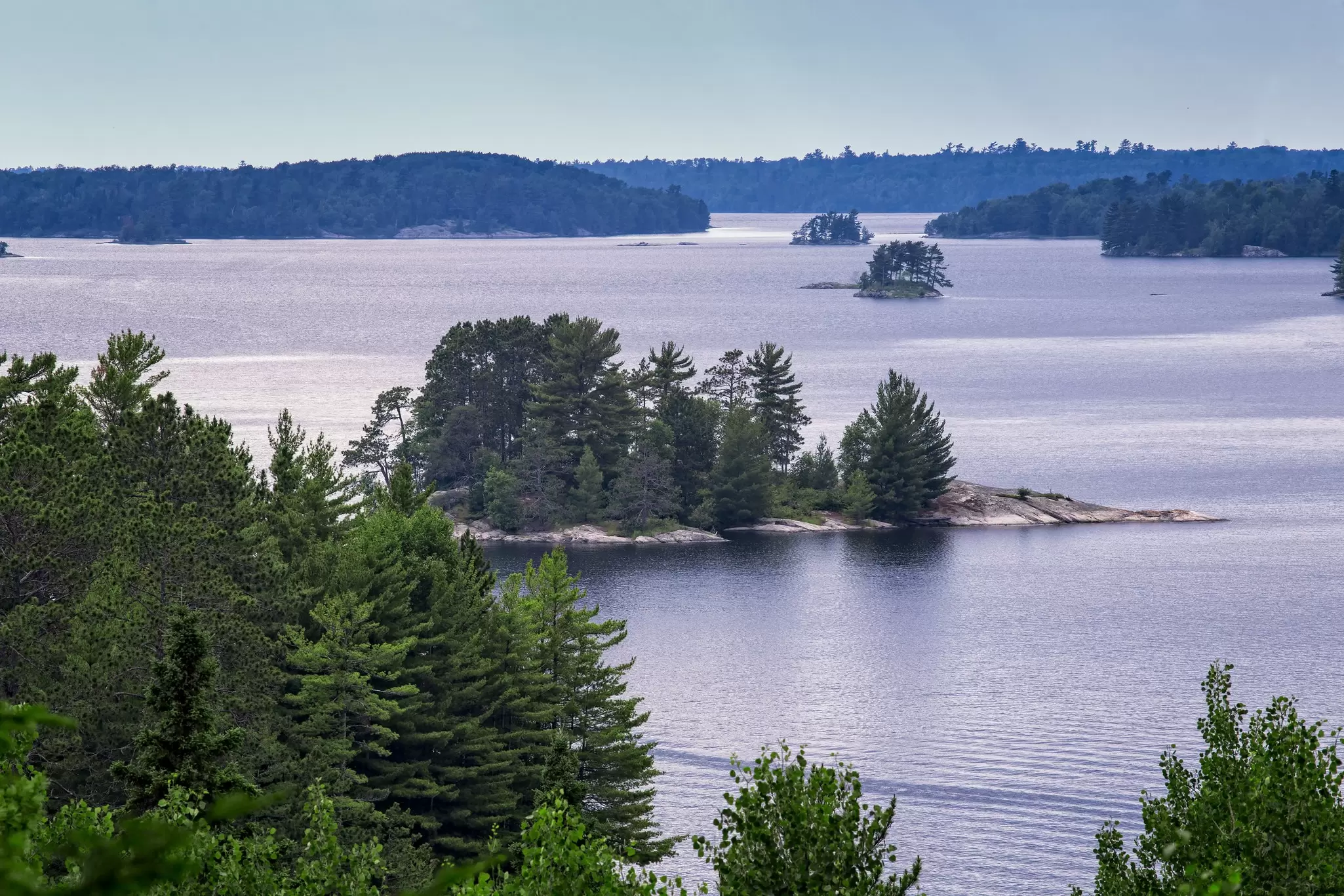
Voyageurs National Park in Minnesota, USA. Frank Kennedy MN/Shutterstock

Writer
Lonely Planet may earn a commission from affiliate links on our site. All recommendations and reviews reflect our own independent opinions.
Fall asleep to the sound of howling wolves, watch thundering herds of bison move across the prairie, or walk through an otherworldly landscape of striated pinnacles and mazelike gullies: the USA’s national parks in the Midwest pack a surprising array of wonders. Only here can you hike a rugged trail bisecting the largest lake island in the country, or hunt for rare orchids after charging down a living dune.
This is the region that drew one young New Yorker to the Dakotas in the 1880s and left a lifelong imprint. A love for the rugged Badlands transformed Theodore Roosevelt into a champion of conservation, and when later elected president, he preserved some 230 million acres of public land. Roosevelt wasn’t the only one to fall under the spell of the Midwest. Countless others fought to preserve these uniquely beautiful landscapes, often succeeding only with the tireless support of local communities.
You could spend weeks exploring the region’s parks, but with limited time, here are the best 1-day itineraries for Voyageurs National Park, the Theodore Roosevelt Presidential Library and Badlands National Parks.
To continue planning your trip, check out our Midwest USA guidebook.
The day begins in International Falls, Minnesota. Stop at Coffee Landing for scones and lattes to take away from the front corner, or grab a seat for excellent breakfasts on the town’s picturesque main street. Omelets are a favorite, along with bottomless cups of coffee. For lunch, you’ll find hearty sandwiches, burgers (veggie or beef), and hummus and pita.
It’s on to Voyageurs for a scenic park-run boat tour of Rainy Lake. Spanning some 218,000 acres, Voyageurs is an aquatic wilderness – almost of 40% of the national park consists of water. In summer, visitors come to boat, swim and fish in the park's five main lakes: Kabetogama, Namakan, Sand Point, Crane and Rainy Lake. Winter brings cross-country skiers (as well as ice fishers and snowmobilers) on specially marked trails. In addition to its waterborne adventures, the park harbors abundant wildlife, including healthy populations of deer, black bears and beavers, plus over 240 bird species.
The park traces its roots to the 17th century, when French Canadian fur traders, called voyageurs, began venturing out on the Great Lakes and northern rivers by canoe. They were aided by the Ojibwe, who still maintain ancestral ties to the land.
Lunch: Have a picnic overlooking the lake near the Rainy Lake visitors center. Rainy Lake is the site of Voyageurs National Park’s main office and its best overview of the park.
Afterward, head inside to learn more about Voyageur’s human and natural history. One room contains exhibits on the region's history, covering its prominence as a trading post between the Ojibwe and French Canadian settlers, the days of lumber camps and short-lived gold mining, and the wildlife still flourishing in the park. Films are shown in the auditorium – ask to see the 20-minute Grand Portage Story, which gives insight into Ojibwe history.
Behind the center, a small ethnobotanical garden contains plants used by the Ojibwe to make food, household items and health remedies. Goldenrod provided dye for cedar mats, boiled red pine was mixed with animal fat for a waterproof pitch, and the roots of sumac helped stop bleeding.
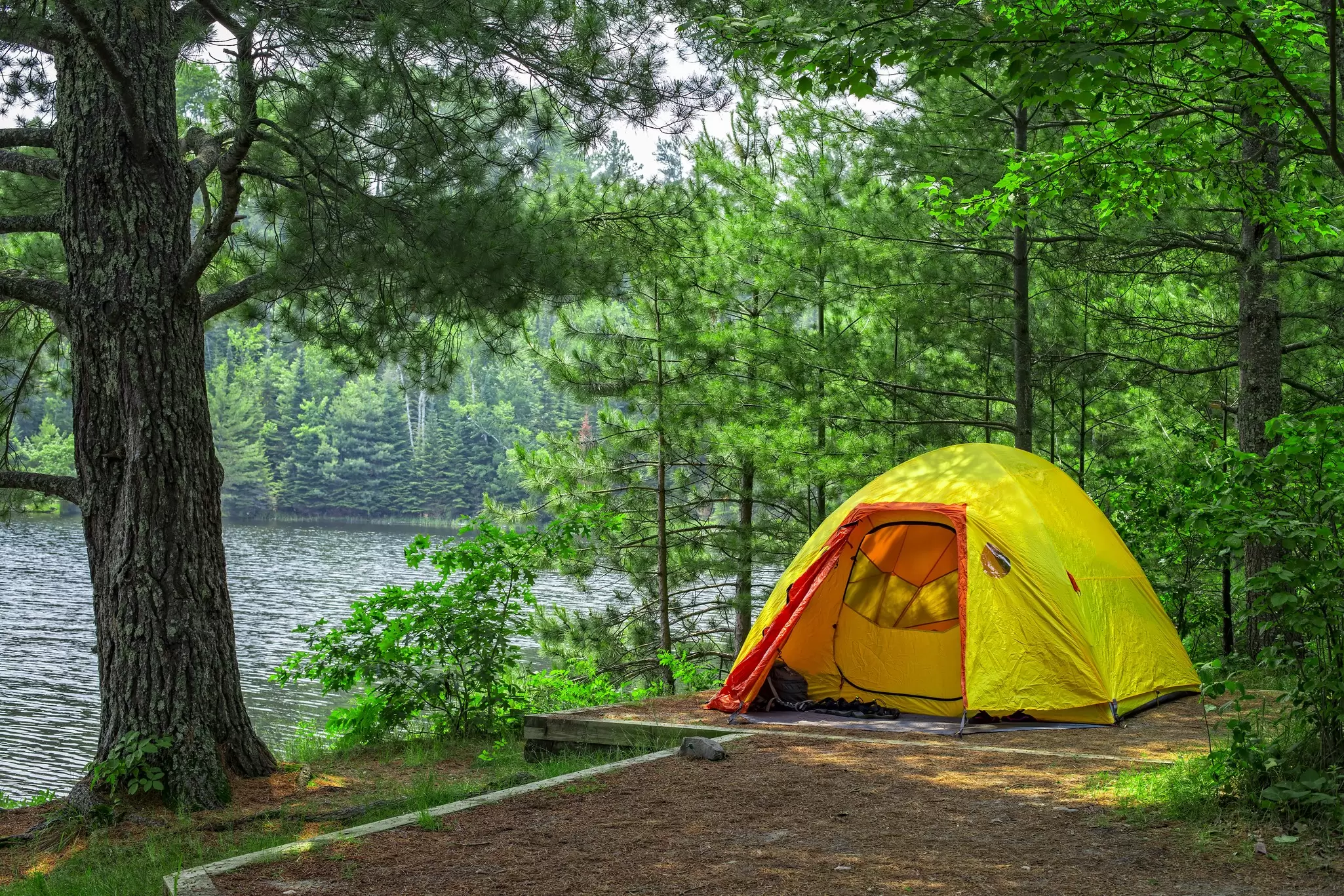
Make the 1-hour drive to the Ash River area, and hike the Blind Ash Bay Trail. A classic introduction to the rewards – and challenges – of hiking in Voyageur’s forests, this 3.1-mile round-trip trail takes you through dense boreal forest along packed dirt and rock, with some 314ft of elevation gain. There aren't many views until you get to the last section, which forms a loop with glimpses of Kabetogama Lake. Keep an eye out for wildlife, with plentiful birds in the summer months, and be sure to slather on insect repellent. As with most other trails here, this one can be quite buggy.
After hiking, stop nearby on the road to the Ash River visitors center, where you’ll find the signed turnoff on the left to the aptly named Beaver Pond Overlook. A short trail leads to this lofty viewpoint, where you’ll have a panoramic view over the beavers’ wetland homes. Bring binoculars, and come just after dawn or around dusk for the best chance to see beavers in action.
Dinner: End the day with a walleye sandwich and drinks at the Rocky Ledge.
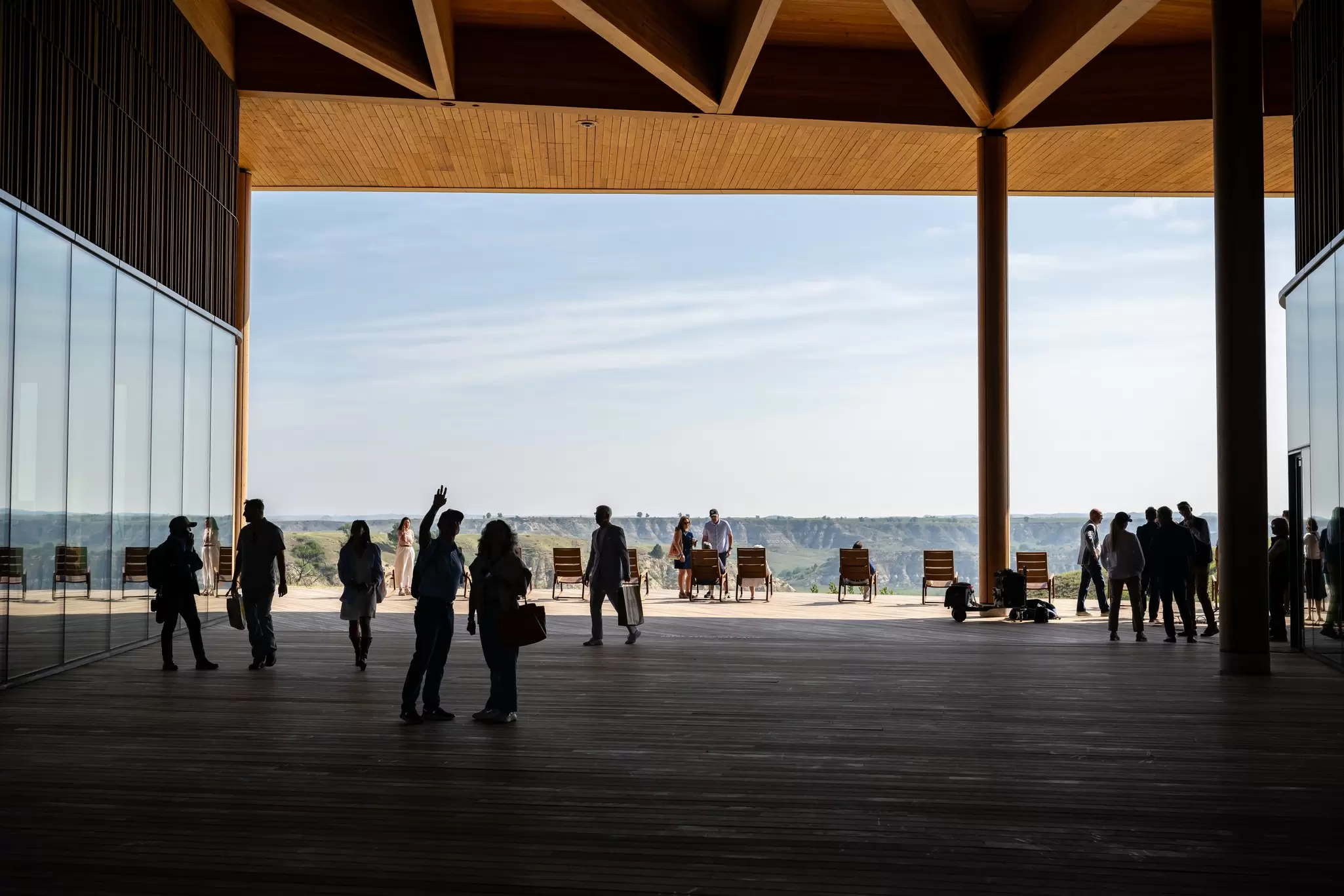
Greet the day in the tiny settlement of Medora, North Dakota. Spend the morning in the 28 interactive galleries at the Theodore Roosevelt Presidential Library, leaving time to stroll the roughly 1-mile circular path that takes you along boardwalks, sunken walkways and elevated viewpoints overlooking grasslands, bluffs and the rugged horizon beyond.
Lunch: Enjoy TR’s own recipe for venison and beef chili at Salt + Scoria in the TR Presidential Library.
Hop in the car and spend the afternoon taking in viewpoints and short hikes on the South Unit Scenic Loop. Magnificent views lurk around nearly every bend of this action-packed 36-mile drive. Highlights include the Medora Overlook, where you can gaze across the tiny town, barely visible amid the surrounding wilderness, and Skyline Vista, where a paved 0.1-mile path leads to an overlook of the Little Missouri River.
Catch a magical sunset over the colorful buttes and slow-moving Little Missouri River from the Wind Canyon Trail. Toward the end of the drive, it’s a 0.4-mile round-trip hike to a high bluff above the Little Missouri.
Dinner: Drive back to Medora for a steak and some Dakota craft beers at the lively Little Missouri Saloon.
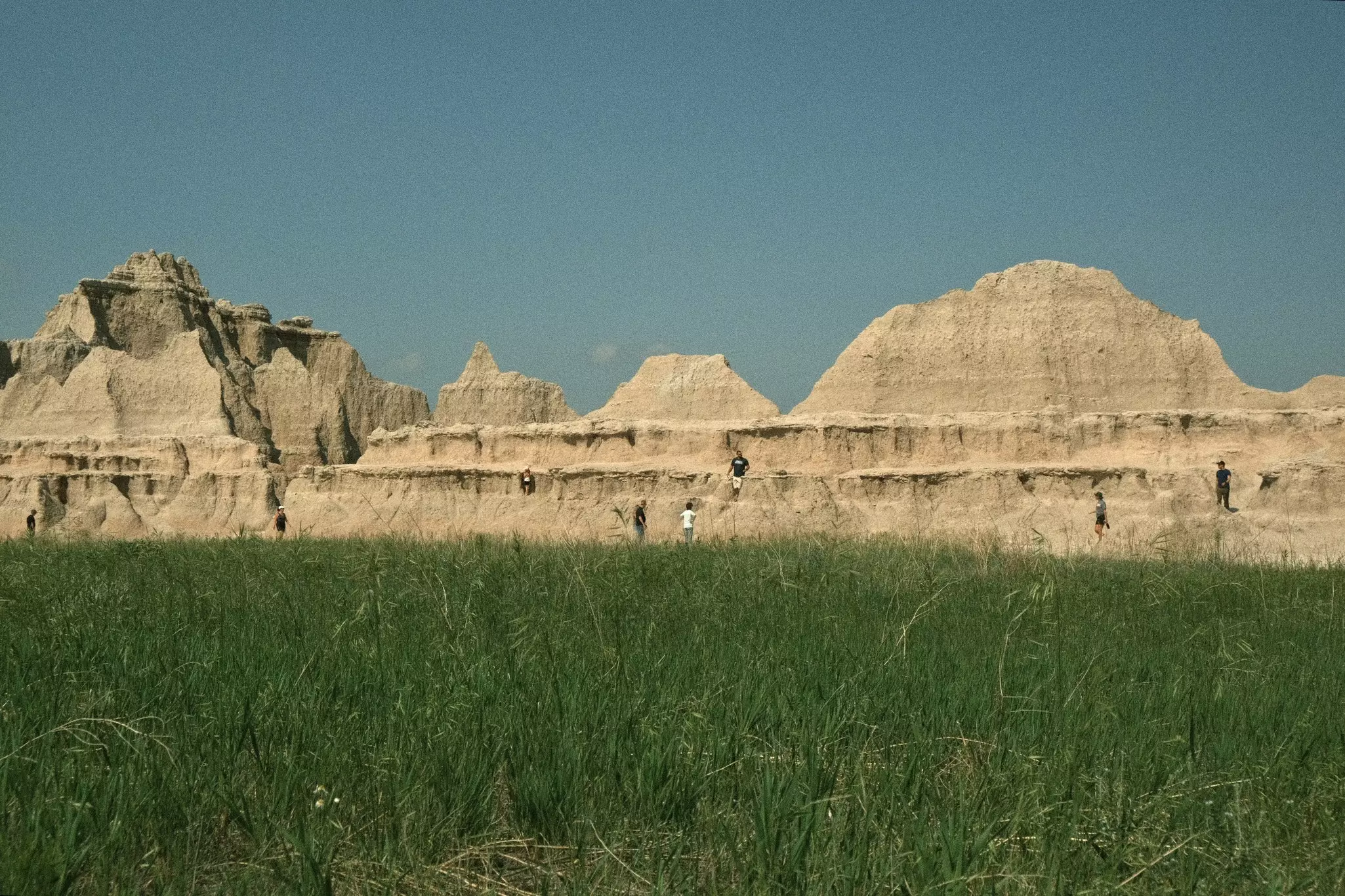
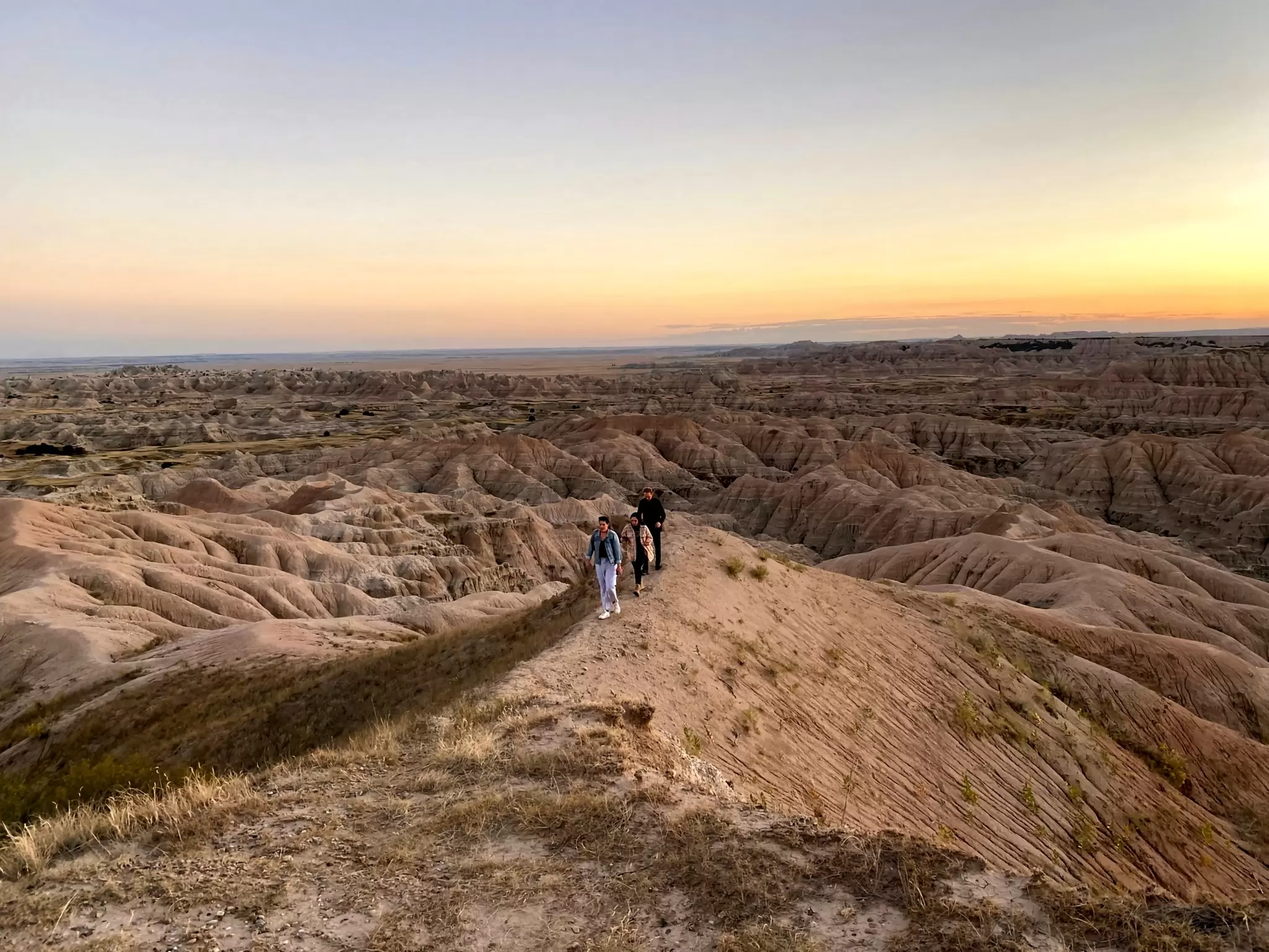
Watch a fiery sunrise over Badlands National Park from the Door Trail. It’s a fun but easy 0.5-mile round-trip ramble across rugged terrain, with drop-offs into mazelike channels below. To avoid getting lost, follow the yellow trail markers, which take you out to a final lookout (signposted at “End of Trail”). The views are sweeping in all directions. The first 300ft of the trail is accessible and leads to a lookout with benches.
Next, without even needing to move your car, hike the 1.5-mile round-trip Notch Trail, a cliff-shimmying adventure with a magnificent panorama at the end. You’ll walk beside narrow ledges, climb up a long wooden ladder and meander beneath towering buttes before ascending a short slope to the trail’s end, with far-off views across the White River Valley and sheer drop-offs.
Lunch: Have a picnic at one of the shaded tables to the left of the Ben Reifel visitors center.
Head inside to check out chunks of the 75-million-year-old Pierre Shale, formed at the bottom of the ancient sea, as well as renderings of the bizarre extinct mammals that once roamed here, like the tiny three-toed mesohippus (an ancestor of the modern-day horse) or the fearsome-seeming archaeotherium, which looks like a cross between a hippo and a warthog.
Stroll through 75 million years of history on the accessible boardwalk for the Fossil Exhibit Trail. Signboards along the way provide details about the creatures that once lived here, and you can touch bronze casts of fossil replicas. On display are a sea-dwelling ammonite, an alligator skull, and bones of the tiny mesohippus, hesperocyon (a dog ancestor), nimravid (a saber-tooth-like cat) and oreodont (similar in size to sheep and pigs). There’s also helpful insight into reading the ages in the layers of rock from the lowest level of the Pierre Shale (65 to 75 million years old) to the tip-top of the Sharps Formation (28 to 30 million years old).
Dinner: Grab a bite at Waysides. Inside the Cedar Pass Lodge, this bare-bones counter-serve restaurant is the only option for dining in the park. Dinner features bison burgers, bratwurst, chicken sandwiches and small salads, along with cold drinks and ice cream.
If you’re up for an evening activity, drive along Badlands Loop Rd in search of wildlife. Then catch a free evening ranger program at the amphitheater. Topics range widely, with programs devoted to Badlands mysteries, animal adaptations and prairie ecosystems, among other aspects of wildlife, geology and human history. The 30-minute talk is followed by a night sky program, during which rangers will point out constellations and let you peer through telescopes.
Book your United States trip with Lonely Planet Journeys
See United States how it's meant to be seen
Planned by local experts and tailored to you, Lonely Planet Journeys handles the logistics so you can just enjoy the trip. Tell us what you want and we'll build your United States itinerary from scratch, or browse our bookable trips to get inspired.

Explore related stories