Aug 7, 202613 min read
The 13 best places to visit in IndonesiaJul 5, 2026
6 MIN READ

Writer
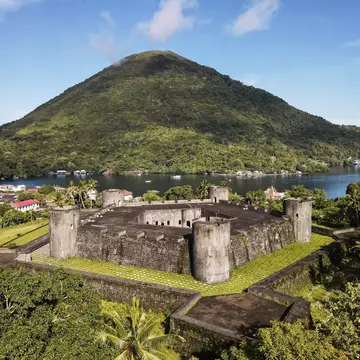
Benteng Belgica on the island of Banda Neira, Indonesia. bangoland/Shutterstock

Writer
Lonely Planet may earn a commission from affiliate links on our site. All recommendations and reviews reflect our own independent opinions.
Indonesia is one of the world’s most culturally diverse countries, home to over 1300 ethnic groups whose traditions date back thousands of years. From the ghosts of the global spice trade in the Banda Islands, to remote villages in the highlands of Flores, there’s much to discover beyond the country’s picturesque beaches. Here are the best destinations to learn more about Indonesia’s cultures and traditions.
Best for a one-of-a-kind celebration
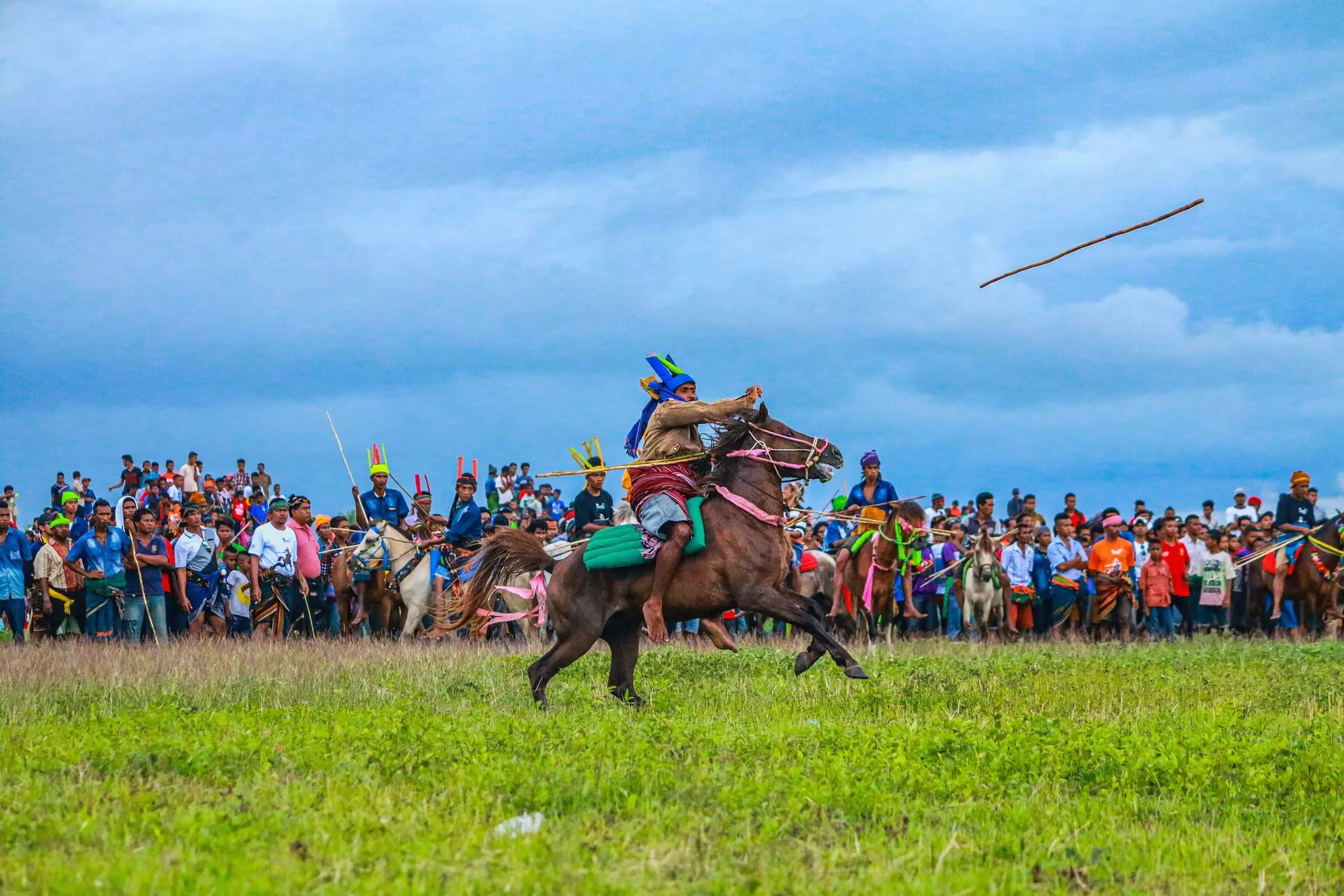
Pasola is easily one of Asia’s most fascinating harvest festivals. This ritual battle is like something from the Middle Ages, where two teams of up to 50 men on horseback – clad in traditional ikat fabrics and ceremonial headgear – charge at each other with blunt spears across open grassland. The spears are hurled at each other, the riders deftly evading them, or even catching them mid-air and launching them back at their opponent. Ironically, peace is the underlying purpose of pasola, as all inter-clan conflicts are resolved on the battlefield. It’s believed that the bloodier the battle, the better the harvest will be in the coming season. Visitors are welcome as spectators, but bear in mind that injuries do occur and ritual animal sacrifices may take place.
Planning tip: Pasola Festival is held at different times across west and southwest Sumba: generally speaking, it happens in Lamboya and Kodi villages in February, and Wanokaka villages in March. The exact date is decided by a local priest based on the arrival of the nyale sea worms, seen as spiritual messengers.
Best for Balinese culture
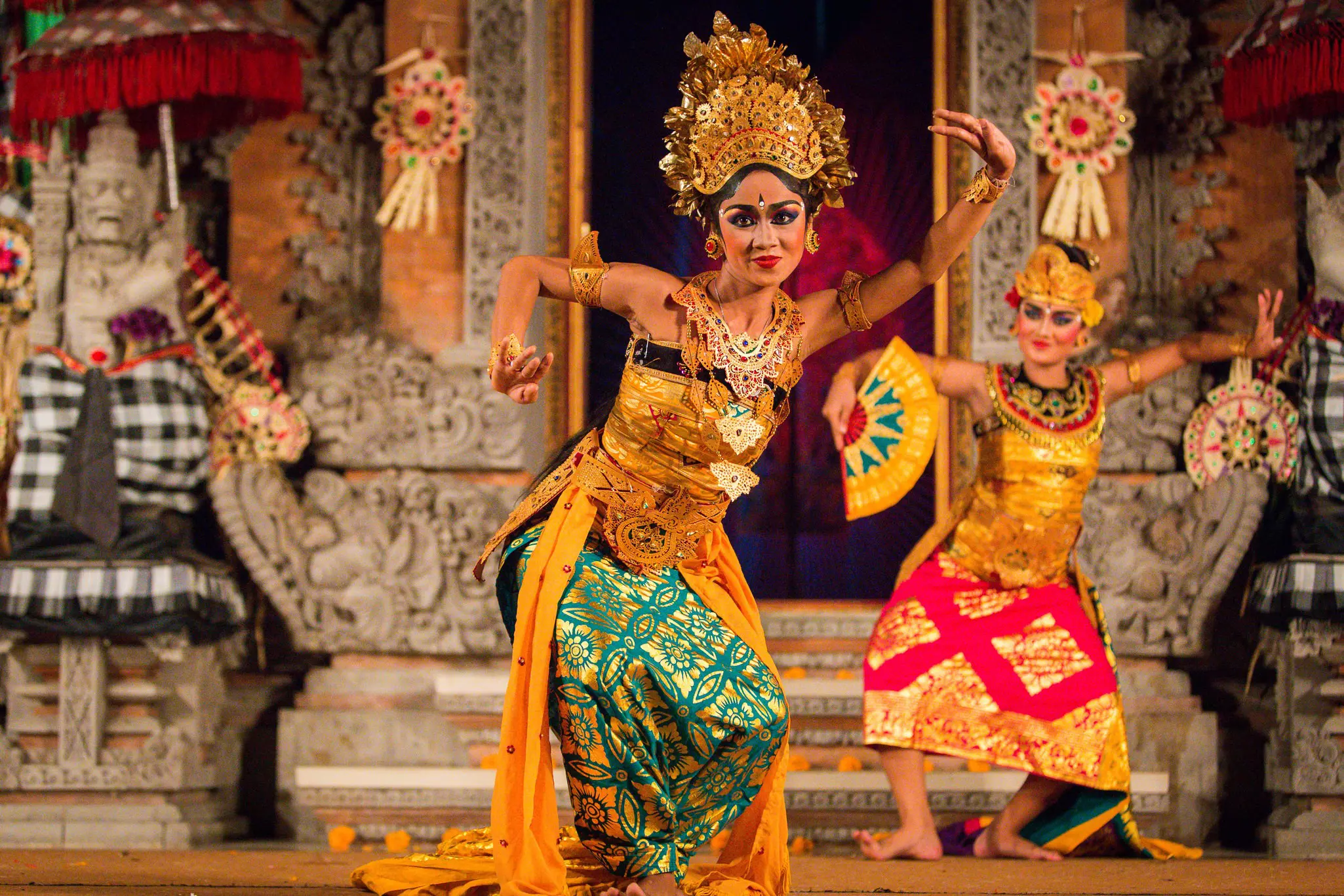
Ubud has always been Bali’s cultural heart, long before its reputation as a yoga retreat. It’s a very creative town, and even its surrounding villages like Celuk and Batubulan are known for their silver jewelry artisans and stone carvers. Locally made arts and crafts can be bought in Ubud’s many boutiques, where you’ll find fashion and textiles, homeware, decor and handcrafted jewelry made by Balinese and Indonesian designers.
Museum-hopping is a great way to beat the midday heat (or escape the rain if you’re visiting in November to March), and some of Ubud’s best include Museum Puri Lukisan, Agung Rai Museum of Art (ARMA) and Neka Art Museum. These venues also offer fun workshops, from making temple offerings and learning to play gamelan instruments, to woodcarving, painting and Balinese dance. Those with two left feet may prefer to be in the audience instead – catch an evening dance performance at one of the temples like Ubud Palace, Pura Dalem Ubud and Pura Taman Saraswati.
Best for traditional village life
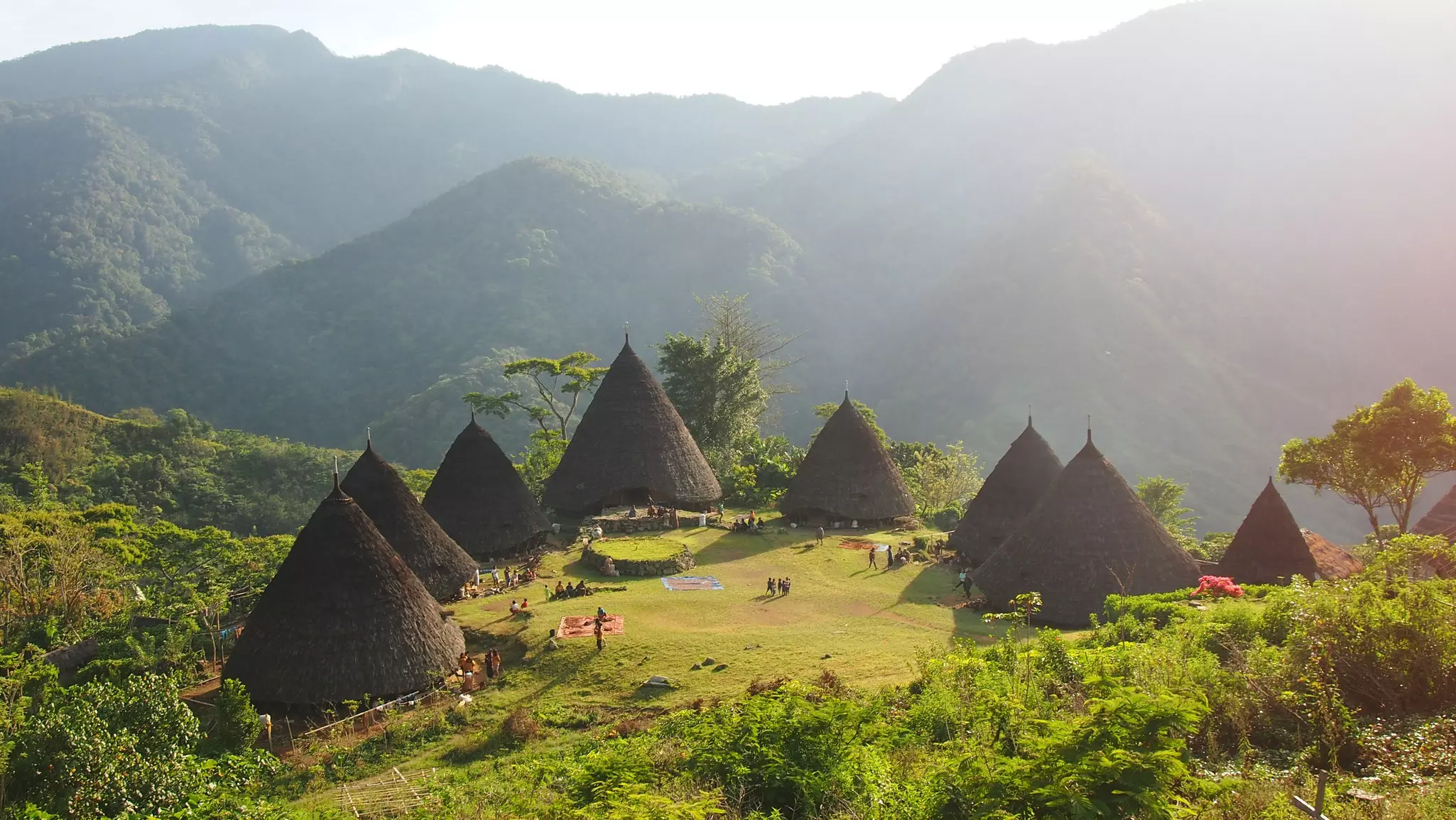
Tucked in the highlands of Flores’ Manggarai regency, the remote village of Wae Rebo is one of the best examples of Indonesia’s many unique experiences. Located at 1200m above sea level, it’s only accessible on foot, but the views are worth the trek. As you approach the village, you’ll see several huts with conical thatched roofs set around a grassy clearing, hugged by green mountains on all sides. Guests are greeted with a welcome ceremony from the village chief in the main hut, before being permitted to wander around and take in village life.
Exact dates are fuzzy, but it’s believed that the village was first settled 18 generations ago – not much has changed since then, with no mobile signal and electricity limited to 4 hours a night. For the full experience, it’s possible to stay overnight in one of the huts that has been turned into a guesthouse. There is zero light pollution here, offering incredible stargazing opportunities.
Getting there: The village of Denge is the starting point for the 5km hike to Wae Rebo, and you can hire a guide from one of the guesthouses here. The footpath climbs up into the jungle before flattening out, and a moderate level of fitness is needed.
Best for colonial history
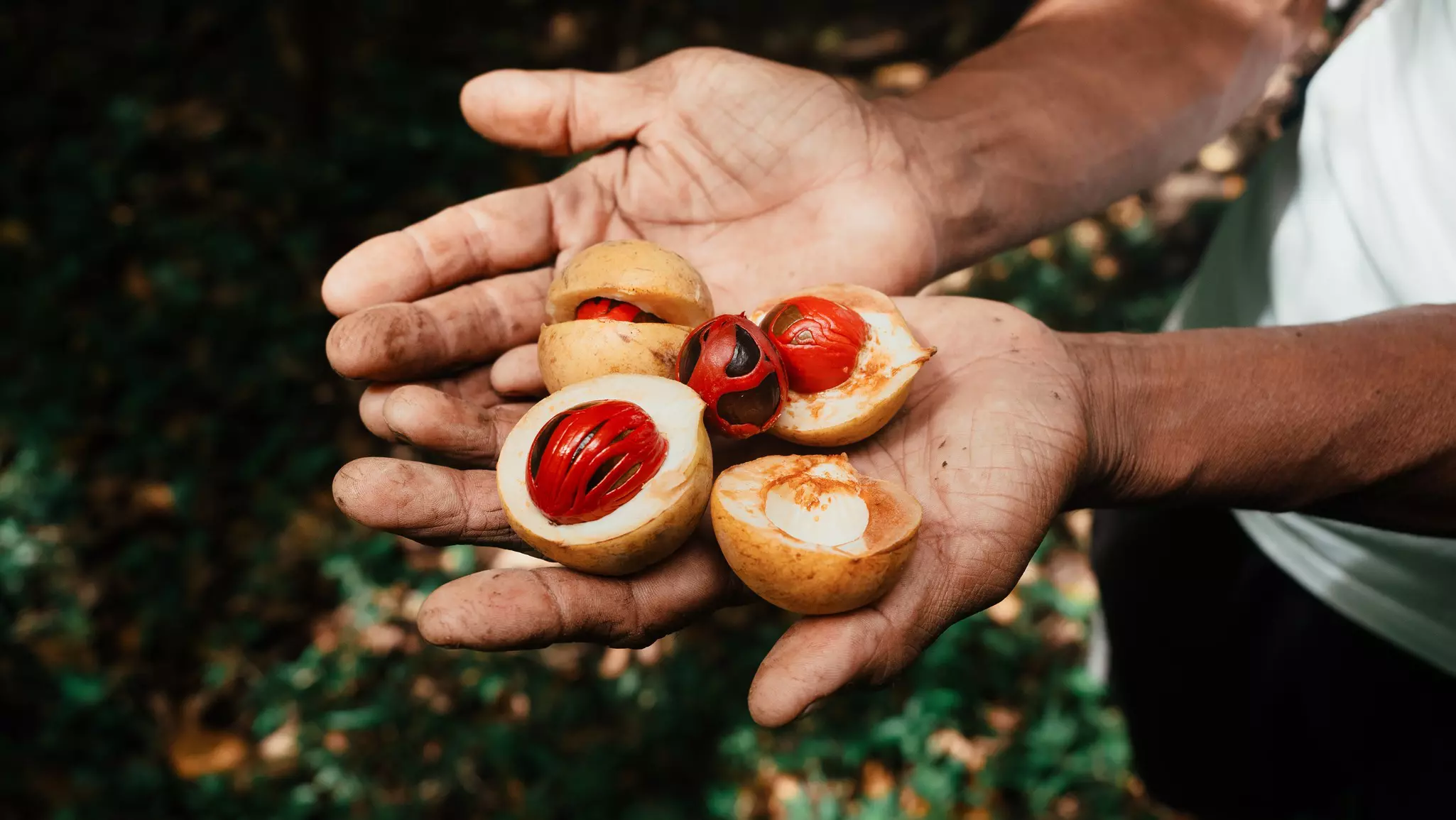
It’s hard to believe that this small, unassuming cluster of islands in the middle of the Banda Sea are the very ones that sparked the global spice trade. Known as the birthplace of nutmeg, these islands were fought over by the Portuguese, Spanish, Dutch and British, giving them a colorful yet dark history. The main town of Banda Neira is located on an island of the same name. It’s a great place to wander around, its narrow streets lined with colonial-era architecture, little shops and eateries specializing in Bandanese food, rich in spices grown on the islands.
Start your visit at the Rumah Budaya, a small but interesting museum with colonial and traditional Bandanese artifacts. Nearby you’ll find the 19th-century Dutch Church, the 17th-century fort, Benteng Belgica, with its eerie prison and impressive viewing towers, and Hatta’s House, the place of exile for Indonesia’s future vice president during the late 1930s. Take a stroll along the waterfront to Istana Mini, a grand but empty 1820s mansion which was once the home of Dutch governors.
For a day trip, hop in a water taxi to the nearby Banda Besar, a larger but more sparsely populated island. Follow the path from the beach through the village and up into the nutmeg and cinnamon plantations – the scent of spices fill the air and you’ll spot mace and cloves drying in the sun in front yards. Don’t leave without checking out the breathtaking views of the Gunung Api volcano from Benteng Hollandia.
Getting there: The most reliable way of getting to the Banda Islands is on the slow, 16-hour Pelni ferry, which sails between Ambon and Banda Neira several times a week. There is also the faster Dharma Indah which takes 5 to 6 hours, but is sometimes cancelled at the last minute.
Best for ancient tribes and self-sufficient living
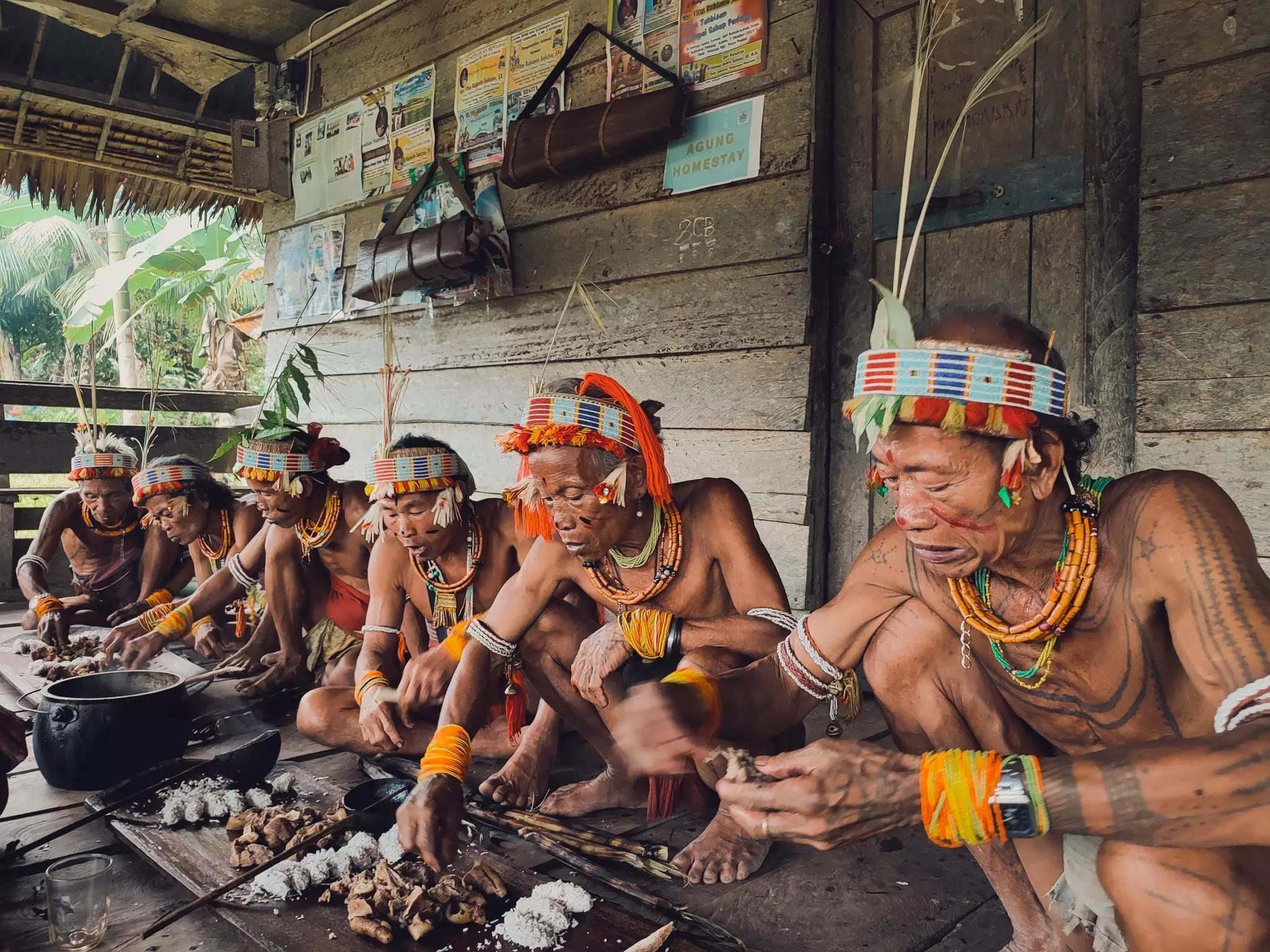
The Mentawai Islands have long been a household name for surfers, but the islands also attract intrepid adventurers looking to experience off-grid living with the Mentawai tribe. One of Indonesia’s oldest indigenous groups, the tribe is known for its animist beliefs, shamanism and traditional tattoos. They mainly live on Siberut, the largest island, where you can spend a few days living in the jungle with them in their traditional uma (communal longhouses). It’s an interesting insight into the self-subsistent lifestyle that has been practiced here for thousands of years. During your visit you’ll learn to forage, make weapons for hunting, fish in the river, and if you’re lucky, witness a traditional ceremony.
Getting there: To get to Mentawai, you’ll need to take a ferry from Padang (the capital city of West Sumatra) to Siberut, which takes around 5 hours. However, a local guide is essential to visit the tribes, which means your transport from Padang will all be organized by your tour operator (Mentawai Tribe is highly recommended).
Book your Indonesia trip with Lonely Planet Journeys
See Indonesia how it's meant to be seen
Planned by local experts and tailored to you, Lonely Planet Journeys handles the logistics so you can just enjoy the trip. Tell us what you want and we'll build your Indonesia itinerary from scratch, or browse our bookable trips to get inspired.


Explore related stories