Sep 29, 202610 min read
The 11 Best Things to Do in IndonesiaJul 7, 2026
9 MIN READ

Writer
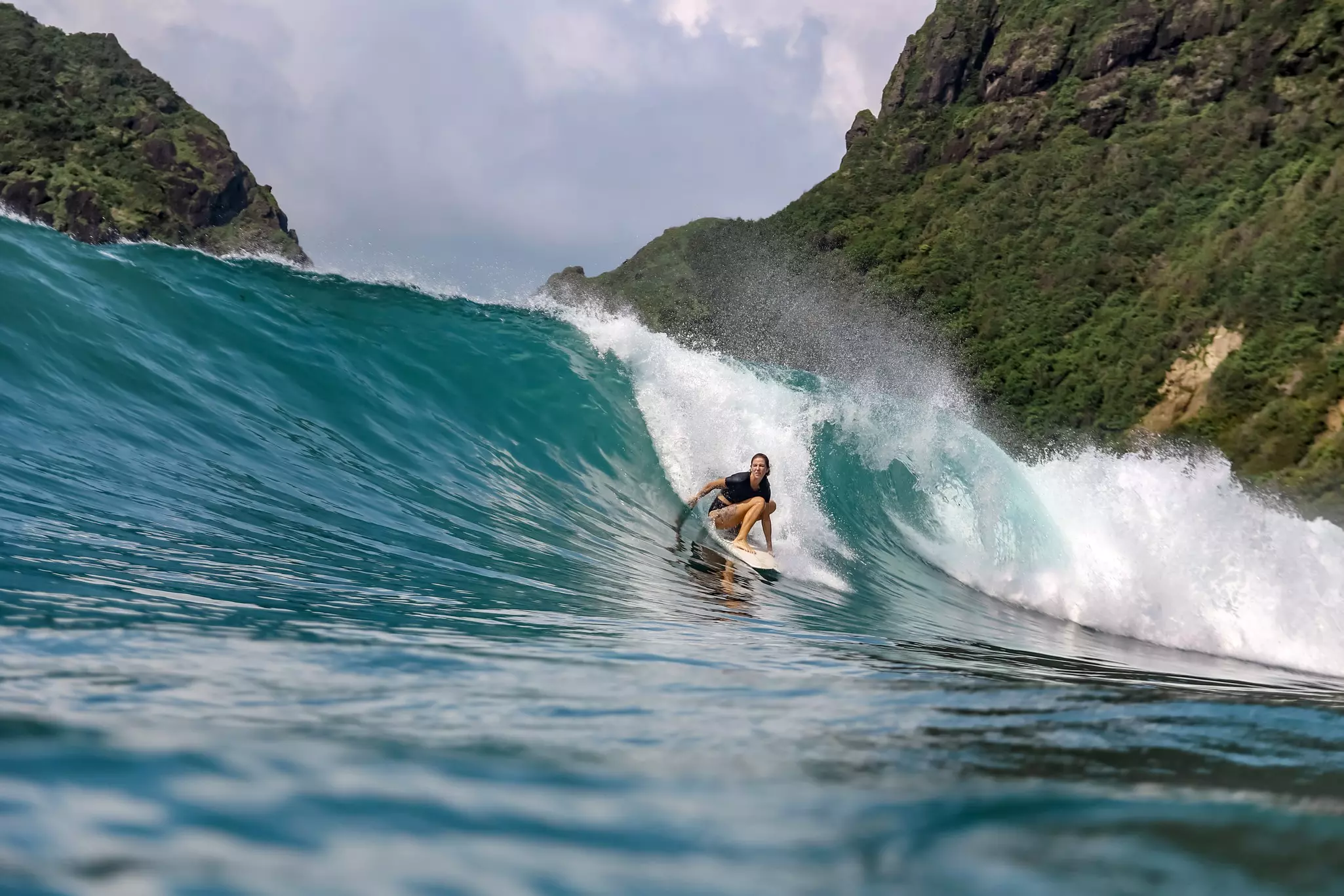
Surfing in Sumbawa, Indonesia. Konstantin Trubavin/Getty Images
Writer
Highlights
Writer Joseph Richard Francis picks eight of the best surf spots in Indonesia.
In Bali, Uluwatu's cliffside left-handers thrill experts while Canggu suits all levels.
In Lombok, head to Kuta for uncrowded reef breaks or Desert Point for ferocious left-handers.
G-Land on Java, the Mentawais off Sumatra, Sumbawa and Sumba lure committed surfers further afield.
Lonely Planet may earn a commission from affiliate links on our site. All recommendations and reviews reflect our own independent opinions.
Saying you‘ve “surfed Indonesia” is like saying you’ve “hiked the Himalayas.” With a staggering 99,082km of total coastline lining 17,508 islands, the archipelago is kissed by the consistent swell channels of the Indian Ocean and ringed by volcanic reefs that help raise barrels, tubes and perfect wedge waves. The possibilities are endless here. And the surfing is simply epic.
Despite all that breadth, there are certain surfing spots in the archipelago that tower above the rest. Trailblazers discovered the marching left-handers of Bali's Bukit Peninsula in the ’70s...and the rest is history. Java's G-Land has seen veteran sessions by American pro surfer Kelly Slater and others. But there are also untrodden frontiers of surf yet to be found – under the smoke-belching volcanos of Sumbawa, say, or by the glistening conch beaches of Sumba.
As you plan the surfing trip of a lifetime, here’s your guide to finding the best waves in Indonesia.
There’s always swell in Indonesia, but it's the dry season that magnetizes the surf-mag photographers and the pros. From May to September, waves that originate in the deep southern parts of the Indian Ocean hit the mainstays of Bali and Java at a neat southwest angle.
That’s on target for the cliffs and reefs of the iconic Bukit Peninsula and pretty much the whole archipelago nation beyond – especially when combined with the easterly trade winds offshore. Wet season (October to March) is okay for beginners and intermediates who want a bit of size and sting taken out of the mix.
Best for the ultimate Bali surf adventure
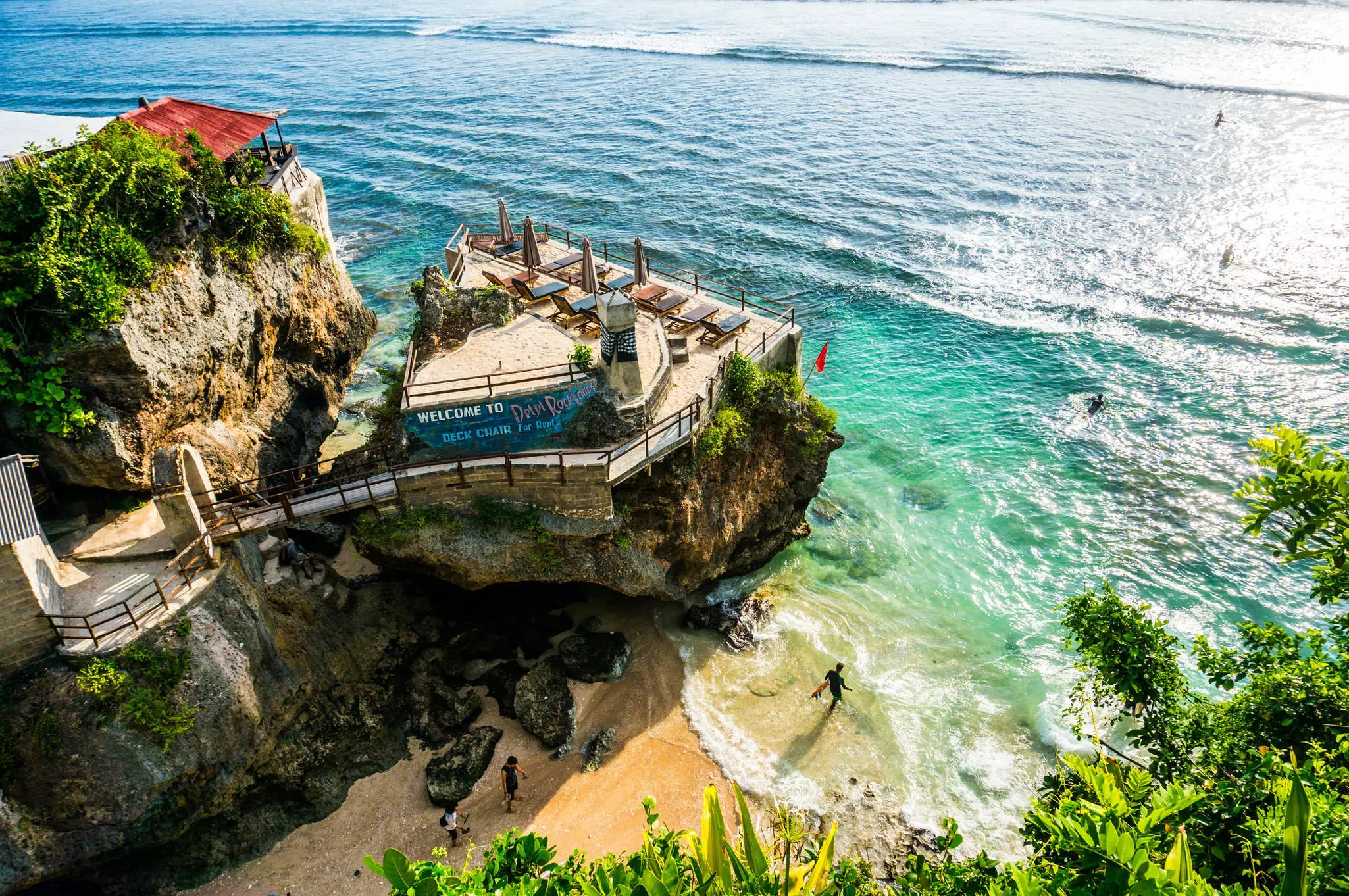
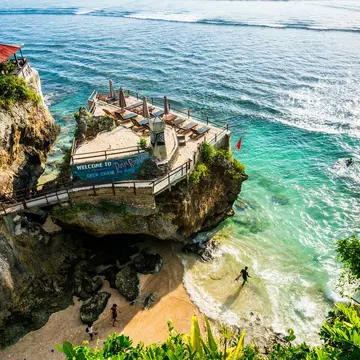
The name Uluwatu is an Indonesian portmanteau of one word meaning “the end of the land” and another meaning “rock.” One glance off the sheer-cut cliffs on the western side of the Bukit Peninsula in southern Bali and you can see why they came up with that: the stone lurches 70m straight out of the raging Indian Ocean.
Those heavy shoulders of limestone combined with a shallow shelf of reef provide prime geology for making waves – especially between March and September, when the dry-season south-southwesterly swells pump up.
The result? Set after set of 15m-plus bombs that crash left and run along the Balinese cliffs. As they go, they offer up five individual surf breaks. The best is certainly Outside Corner, a fat wave with punchy faces that invites turn after turn. Further down is Racetracks, where the water speeds into spinning barrels. Aside from the truly brave, most will content themselves with spectating from the clifftop bars.
Getting to Uluwatu: Take a 45-minute taxi from the airport in Bali. Then, find your way down the steps to the beach where there’s a cave to pass through for the paddle-out point.
Best for lots of waves and not too many crowds
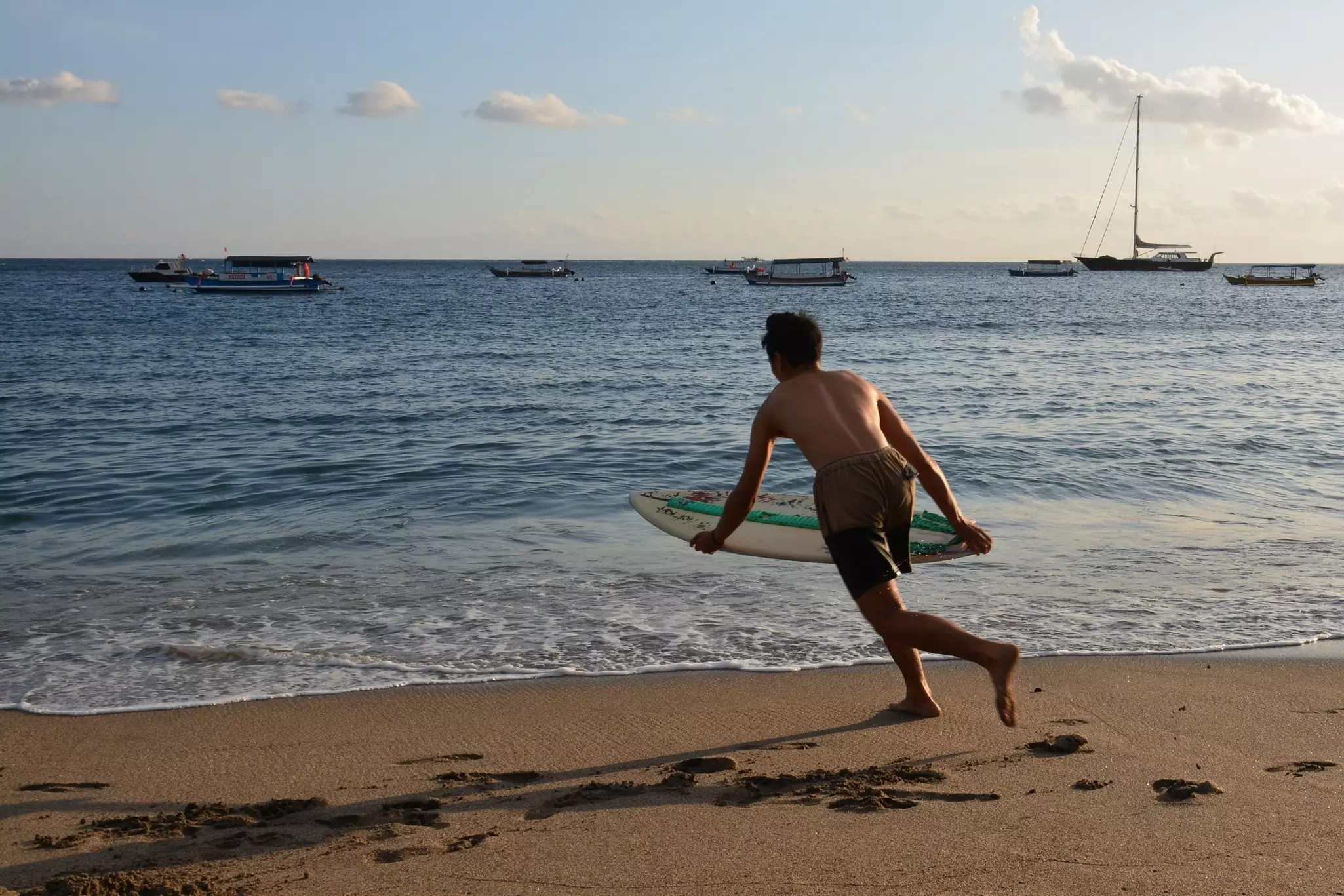
Kuta Lombok is the kingpin of a whole region of pretty epic surf. Lately, the town on Lombok’s southern coast is entering the limelight more and more as the breaks of next-door Bali get busier. Yet it’s still considered the place to go for relatively empty lineups and rustic surf shacks.
Daytime boat trips are the way to get around. They could whizz you west to Pantai Mawi, a stunning scythe of alabaster-white sand that has a punchy wedge reef break on a mid and pushing tide. They could transport you to the fickle Segar Reef, a rare Indonesian right of real quality on smaller swells. And that’s just scratching the surface.
Kuta Lombok is nothing like its namesake over on Bali. Here, the mountains spill down to undeveloped coastlines like crumpled brown paper. There are still power outages from time to time, and groves of leaning coconut palms continue to occupy much of the prime shoreline real estate.
Getting to Kuta Lombok: Catch a direct ferry to the southwest coast of Lombok or a flight to Lombok International Airport, then negotiate a taxi transfer to Kuta.
Best for a chance to get barreled
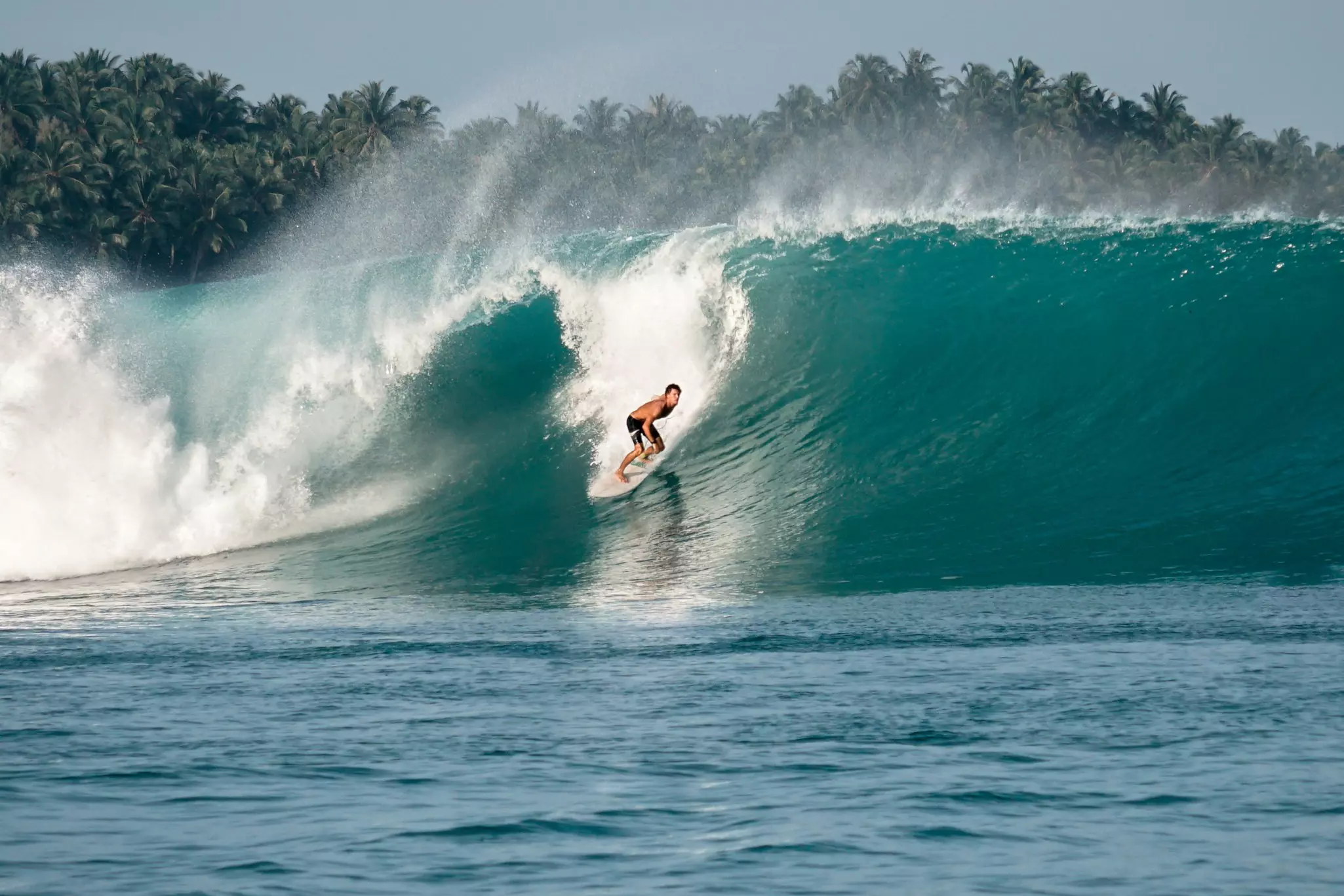
Ah, the Ments. A lucky cohort of surfers has managed to check these off the bucket list – and bucket-list stuff they truly are. This archipelago of more than 70 rocks lines the southwest side of Sumatra, kissed by ceaseless dry-season swells that wrap into the sandbanks and bays to give some super breaks.
There are so many islands it can be tricky to know where to begin. The most accessible one is Siberut in the north; many won’t make it past the Playgrounds region there, where mellow Beng Bengs mixes with the backdoor barrel sections of Bank Vaults. Further south comes Sipura, the stomping ground of the most legendary Mentawai break of all: Lances Right, a barrel that looks so wonderful when it peels. it must have consulted a beautician.
This part of Indonesia isn't anything like Bali and Lombok. There's not a single deluxe resort in sight. (There’s barely even a road.) Boat charters, most of which stick to the abundant offerings of the northern islands, are the way to go here.
Getting to the Mentawais: There is a ferry from Padang Bungus to the northern island of Siberut. Yet since you’ll need to hitch rides out to the individual breaks after that, a dedicated surf charter is the best way to get to the islands.
Best for surf breaks galore for all levels
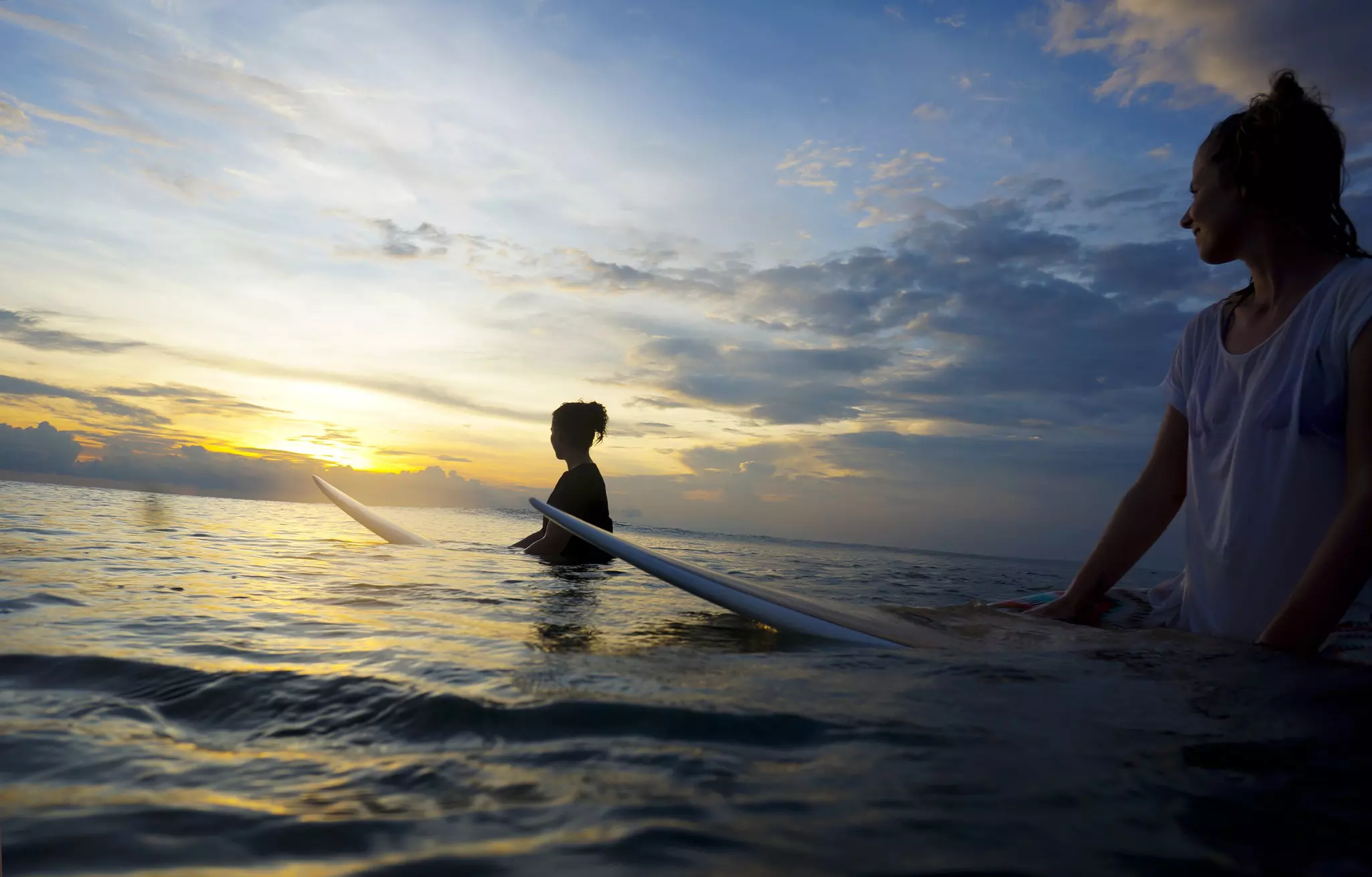
The zealous high priests of pro surfing would likely scoff at Canggu having a place on this list. Nonetheless, there's something to be said about the unstoppable rise of this hip town on Bali’s south shore.
It’s now firmly established as the digital nomad hub of Southeast Asia (move over, Chiang Mai), an ascension that certainly has a lot to do with its surf. Three or four main spots dot the cinnamon-tinged beaches that roll up the Canggu shore. They aren’t the marching walls of Uluwatu, but rather peaky little lagoons with lefts, rights and longboard waves in equal measure.
Things can get crowded in the height of the morning and evening sessions, but that’s helped to mellow things out and made Canggu a bit of a playground for all levels. And most surfing spots don’t come with oat-milk flat whites and organic avocado on toast for post-surf brunches.
Getting to Canggu: Traffic can be nightmarish in this part of Bali – expect an hour in a taxi from Denpasar airport to cover the 13km to Canggu.
Best for left-hand waves
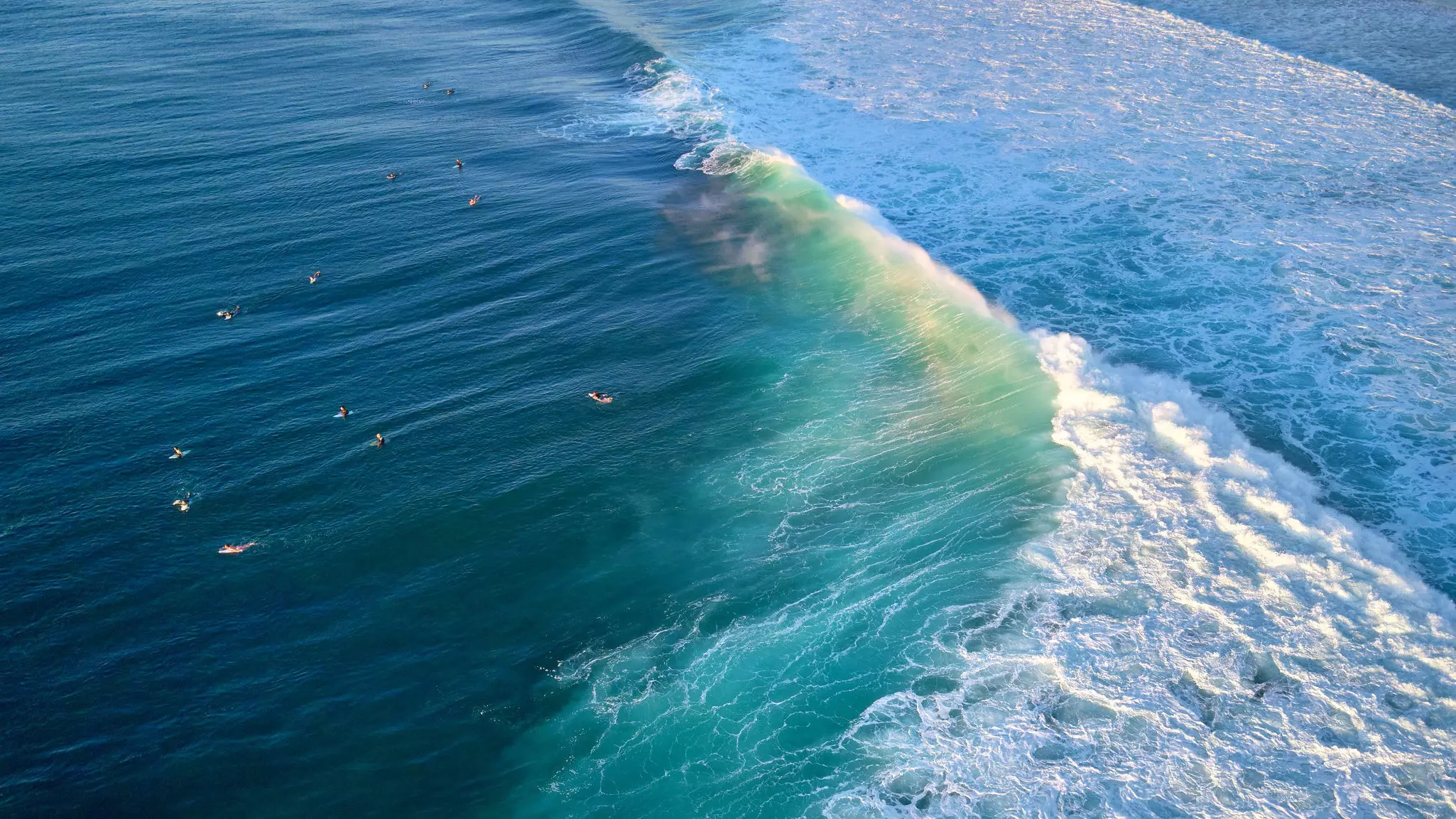
G-Land’s surfing possibilities were discovered after a now-fabled expedition led by Californian Bob Laverty way back in 1972. On the trip, two great pioneers of Indonesian surfing traveled through primeval jungles, stalked by Javan tigers, to a spot that’s now considered one of the world's absolute best.
G-Land is the very nub of Java. A concave bay that hugs the side of a wide point, it receives consistent hits of southerly swell that wraps around the reefs to create drop-in after drop-in, each leading to left-hand barrels and shoulders that, without fail, make goofy-footed riders of a certain quality drool.
As at Uluwatu, there are some sections here that stand out. Money Trees is preeminent for its long walls that move between green rooms and open faces. Go along to find Launching Pads, a heavy punch of a wave with triple overhead capabilities.
Getting to G-Land: There are now fast boats from Kuta Bali that go straight to Grajagan, on the opposite side of the bay from the G-Land breaks. Many of the surf camps here offer private transfer options as well.
Best for contrasting surfing experiences
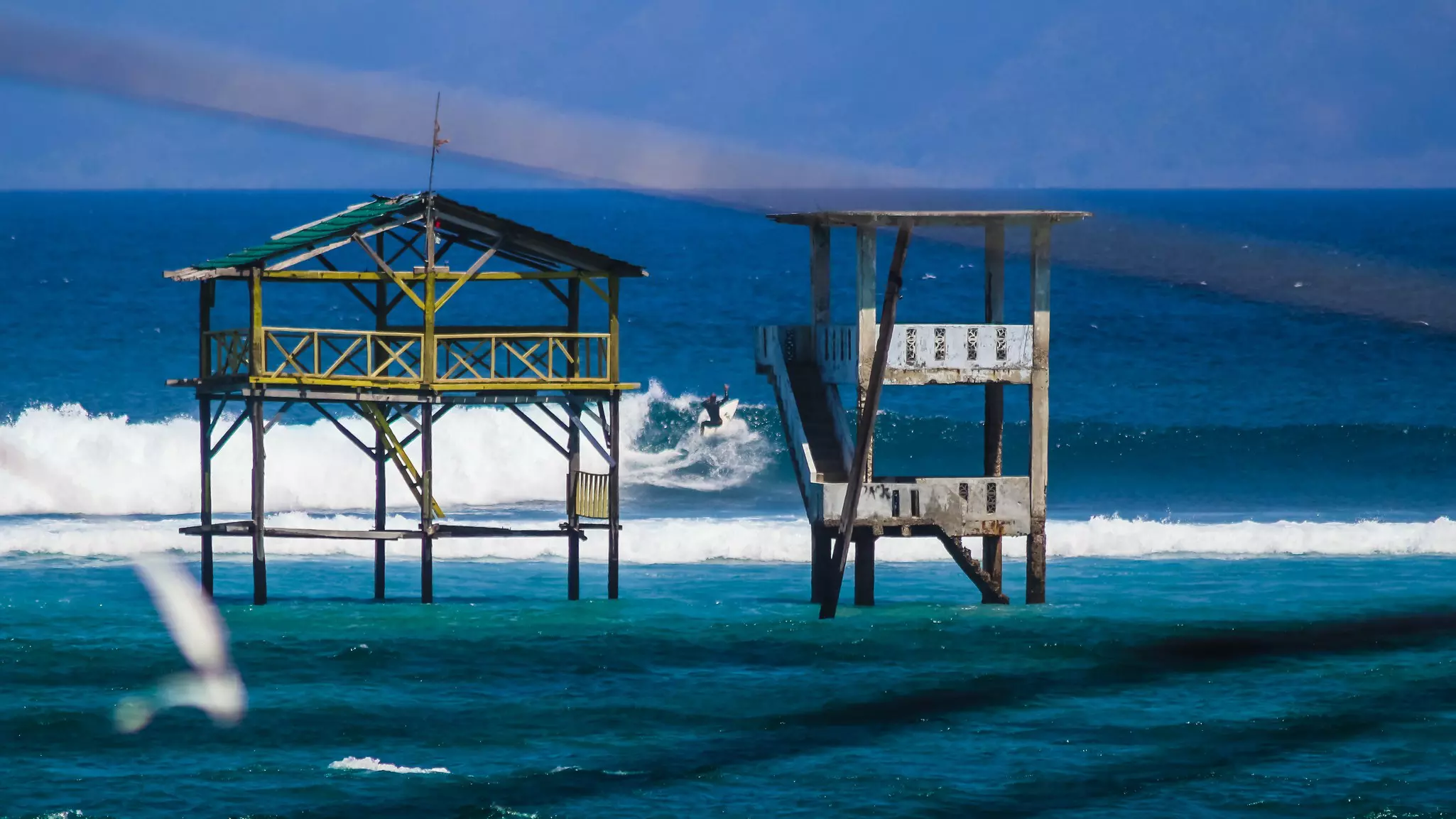
The shape and position of certain parts of Sumbawa are quite similar to the legendary Bali south coast – so much so that it’s hard to believe that this island is only now coming onto the mainstream surf radar. It doesn’t disappoint.
Two areas draw two types of surfers. The western half is for the Kelly Slaters out there: a land of shallow cheese-grater reefs that channel the strongest swell pulses into such breaks as Yo-Yos and Super Suck. Airs and narrow slot barrels entertain proper students of the sport. The east is more remote but less challenging, hitting a zenith at the quality A-frame of Lakey Peak.
The downside to Sumbawa? It’s much more at the mercy of the seasons than Lombok and Bali. The first months of the dry season (May to June) are the sweet spot, delivering head-on southwest sets and a bonus of easterly winds.
Getting to Sumbawa: Sumbawa is remote indeed. The most popular way in is via the ferry from Labuhan on the east side of Lombok. There’s also an air service to Sumbawa Besar from Bali.
Best for luxury stays near perfectly shaped reef breaks
Controversy is afoot on Sumba, where the uber-deluxe NIHI hotel has claimed the best surf break on the island for itself. If you’ve got US$8000 or so to spare, you can score yourself a villa overlooking that perfect, peeling left tube, buying the luxury of a place in the lineup while you’re at it.
But Sumba has enough to warrant a place among the top Indonesian surf destinations even without its premier wave. There’s the ripping left-hand river mouth at Pero, the multilevel breaks of Miller’s Rights, and the come-tear-me-up walls of Five-O – the stomping ground of free surfers with shorter sticks.
Magic happens in the dry season (the wet season, not so much) – so plan your trip for May to September. There’s an emerging clutch of surf camps on the eastern side of the island, which is where we’d recommend heading to have more spots within easy reach of each other.
Getting to Sumba: If you don't want to spend multiple days on a ferry, then fly to Tambolaka Airport from Denpasar. Services are daily in the peak dry season.
Best for seriously experienced surfers
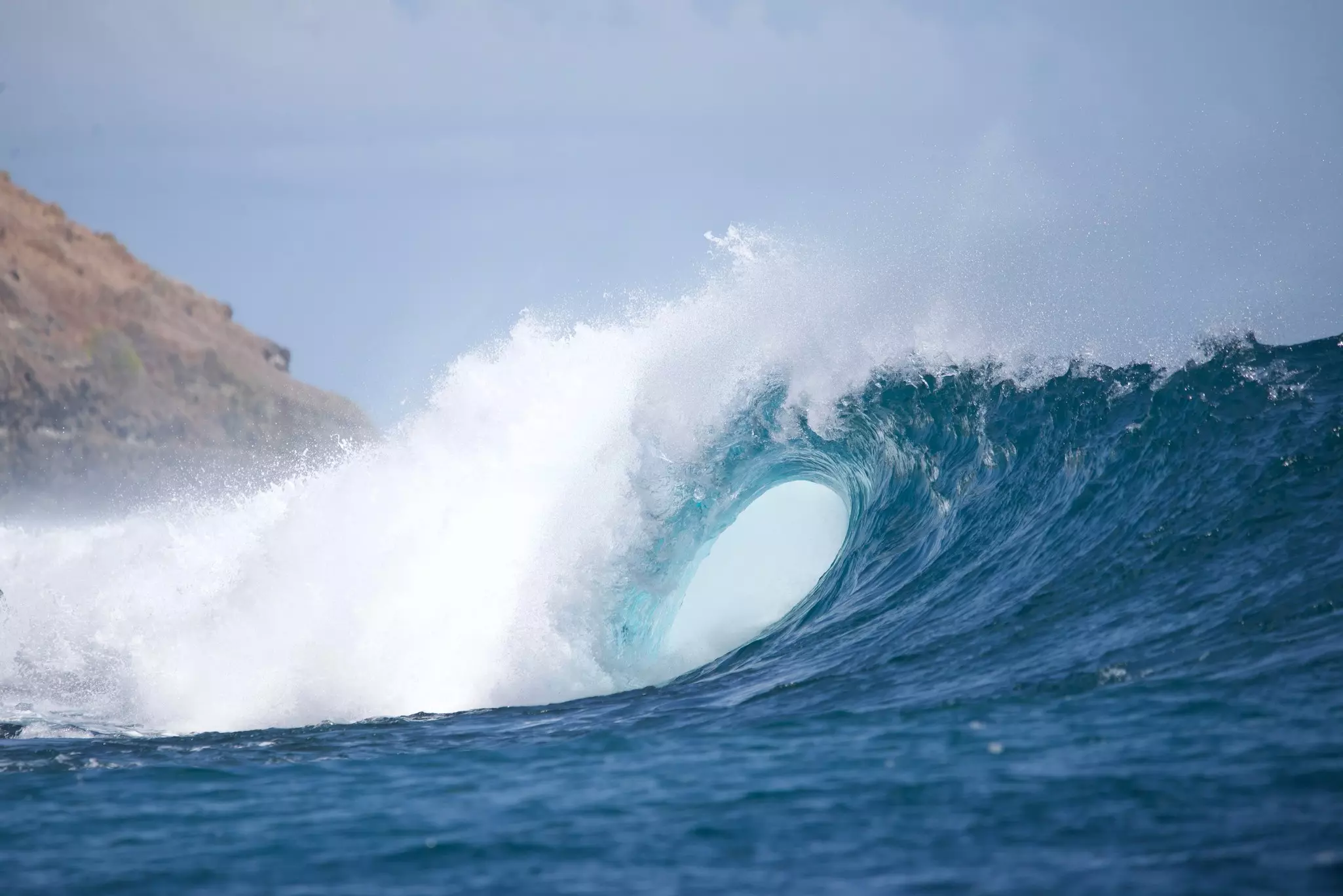
It takes some real attitude to tame this beast. Drop-ins are steeper than the scree-covered sides of a Javanese volcano. On the bigger days, they lead straight into barrels, where you’ll need to clutch the rail of your board for stability and whizz down the line – sometimes for more than half a minute before you’re spat out the other side. Reef, jagged and razor-sharp, runs right in front the whole way.
Desert Point has a reputation for being one of the finest left-handers in Indonesia – and that’s saying something when G-Land and Uluwatu are also in the mix. The reason it’s not as sought-after as is its inconsistency. Strong southwest swells aren't enough; the point needs offshore trades and extra size in order for the magic to happen.
Getting to Desert Point: After getting to Lombok by ferry, it’s a transfer via 4WD down to the southwest, often on unpaved roads.
Book your Indonesia trip with Lonely Planet Journeys
See Indonesia how it's meant to be seen
Planned by local experts and tailored to you, Lonely Planet Journeys handles the logistics so you can just enjoy the trip. Tell us what you want and we'll build your Indonesia itinerary from scratch, or browse our bookable trips to get inspired.


Explore related stories