Aug 13, 20268 min read
The Best Times to Visit New OrleansMay 12, 2026
6 MIN READ

Writer
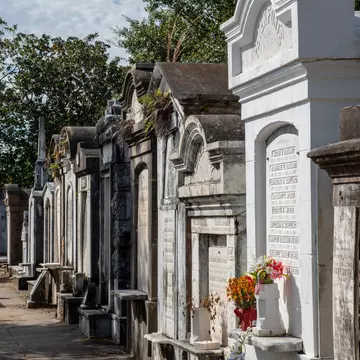
Lafayette Cemetery No 1 in New Orleans, LA. Ruben Martinez Barricarte/Shutterstock

Writer
Lonely Planet may earn a commission from affiliate links on our site. All recommendations and reviews reflect our own independent opinions.
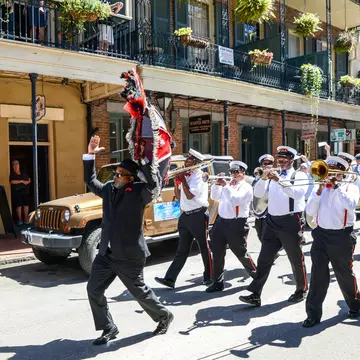
The spectacle of the French Quarter makes it hard for some visitors to ever leave that famed district in New Orleans. Magicians on stilts juggle butcher knives for crowds. Shiny instruments are strummed, blown and tapped on crammed corners. The Hand Grenade, a melon-colored concoction served over ice in a long cup with a creepy expression, is said to be the most lethal cocktail in town.
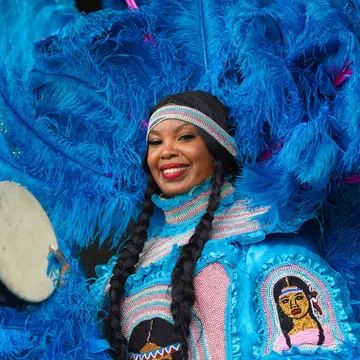
As you move beyond this historic district, however, you'll feel the undercurrent coursing along Bourbon St running throughout the city, shaped by a cultural mélange of African, Caribbean, Indigenous and European traditions with a distinctly mystical bent. From the intricately beaded and feathered suits worn by Black Masking Indians on Super Sunday to Nina Compton’s Caribbean-inspired menu at Compère Lapin, the enigmatic face of New Orleans winks at the global magic brewing in the city's everyday life.
Follow this guide to catch mystical New Orleans glimmering well off the beaten path of most tourists.
New Orleans is made up of 17 wards, each neighborhood revealing its own rhythm of pride, perseverance, identity and culture.
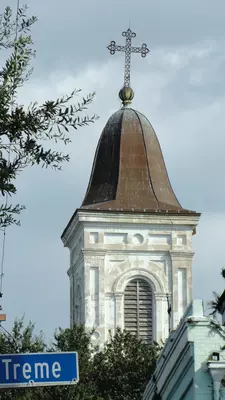
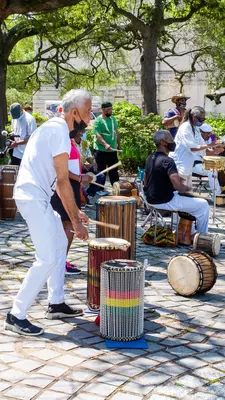
Start in Treme, the oldest African American neighborhood in the country. It is soulful, storied and home to Congo Square, a gathering spot in Louis Armstrong Park where enslaved Africans once drummed, danced, traded goods and searched for family members. Today, local voodooists gather here to practice spiritual rituals and connect with the ancestors for protection and healing.
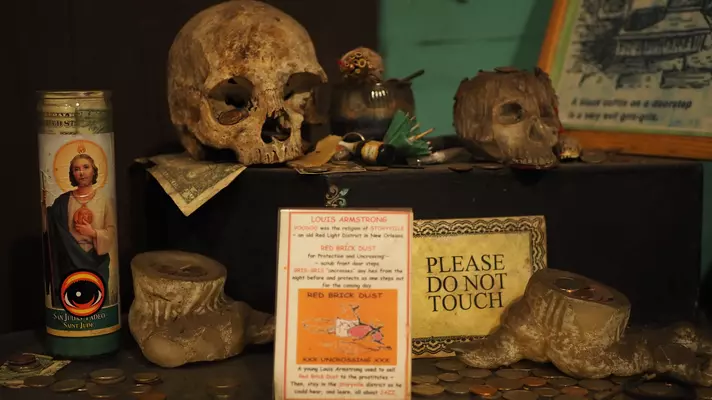
Through prayer, chanting and the use of gris-gris (talismans), candles and herbs, these sacred ceremonies, which traveled to New Orleans with enslaved West Africans who combined their religious practices with Catholicism, the local denomination, are typically private. The New Orleans Voodoo Museum is open to the public and unpacks this syncretic faith.
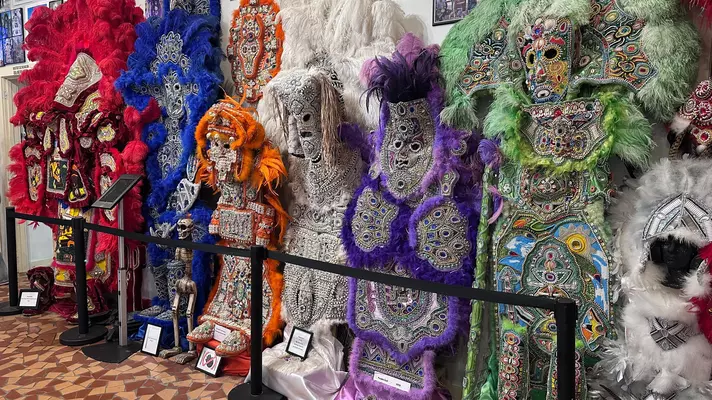
A few blocks north on the corner of St Philip, the Backstreet Cultural Museum preserves one of the most extensive archives of masking and processional traditions that emerged from the streets of this colorful community. Come for the museum’s permanent collection of sequined Mardi Gras masks and elaborate Super Sunday suits, and get a history lesson on jazz funerals and pleasure clubs. Stay for the charismatic tour guides.
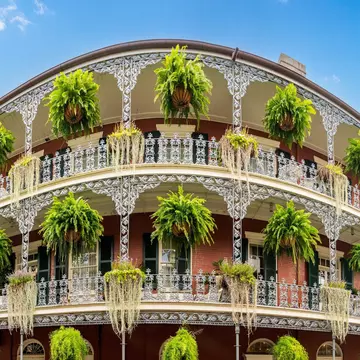
Further upriver, just north of the French Quarter, an upscale hood where streets are lined with oaks and antebellum architecture both questions and delights.
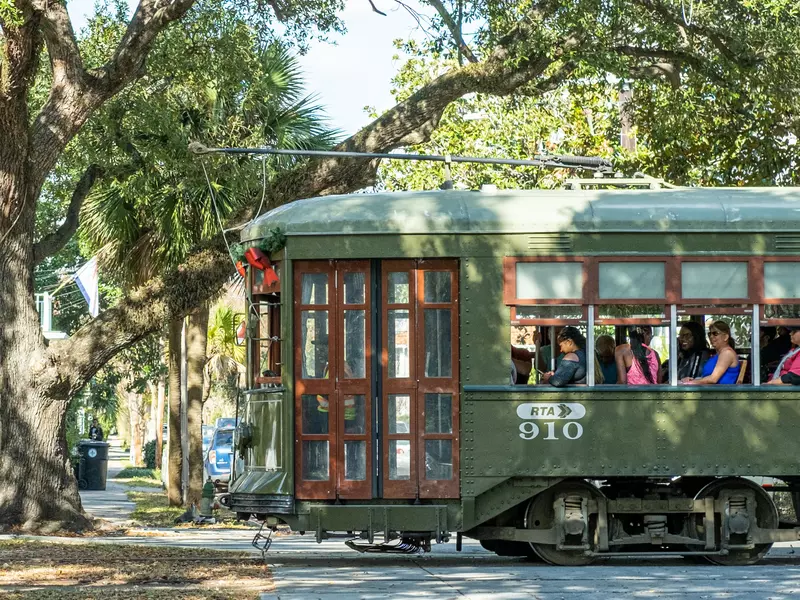
From Treme, ride the St. Charles streetcar to Washington Ave, then wander over to the famed Lafayette Cemetery No 1. It’s hauntingly beautiful. The dramatic above-ground crypts and mausoleums exude decaying elegance. While New Orleans’ high water table is often credited for this distinct burial style, historians believe that this custom is cultural, deriving from French, Spanish and Portuguese traditions. The cemetery is currently closed to the public, but you can peer through Lafayette’s gothic gates.
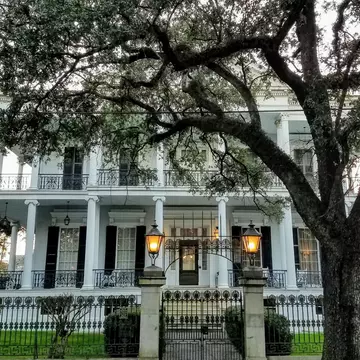
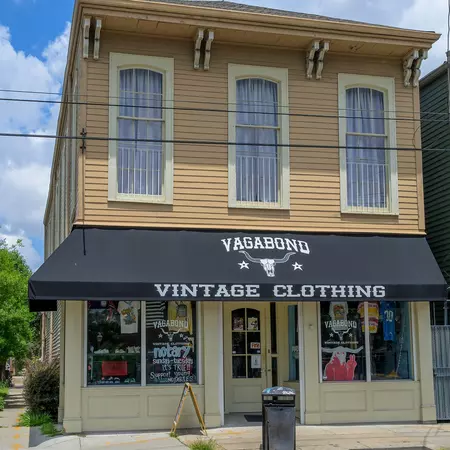
When you’re done, wander past the Garden District's lavish mansions and tile street signs, then shop at the boutiques on Magazine St. Vagabond Vintage has a great selection of retro tees and good denim.
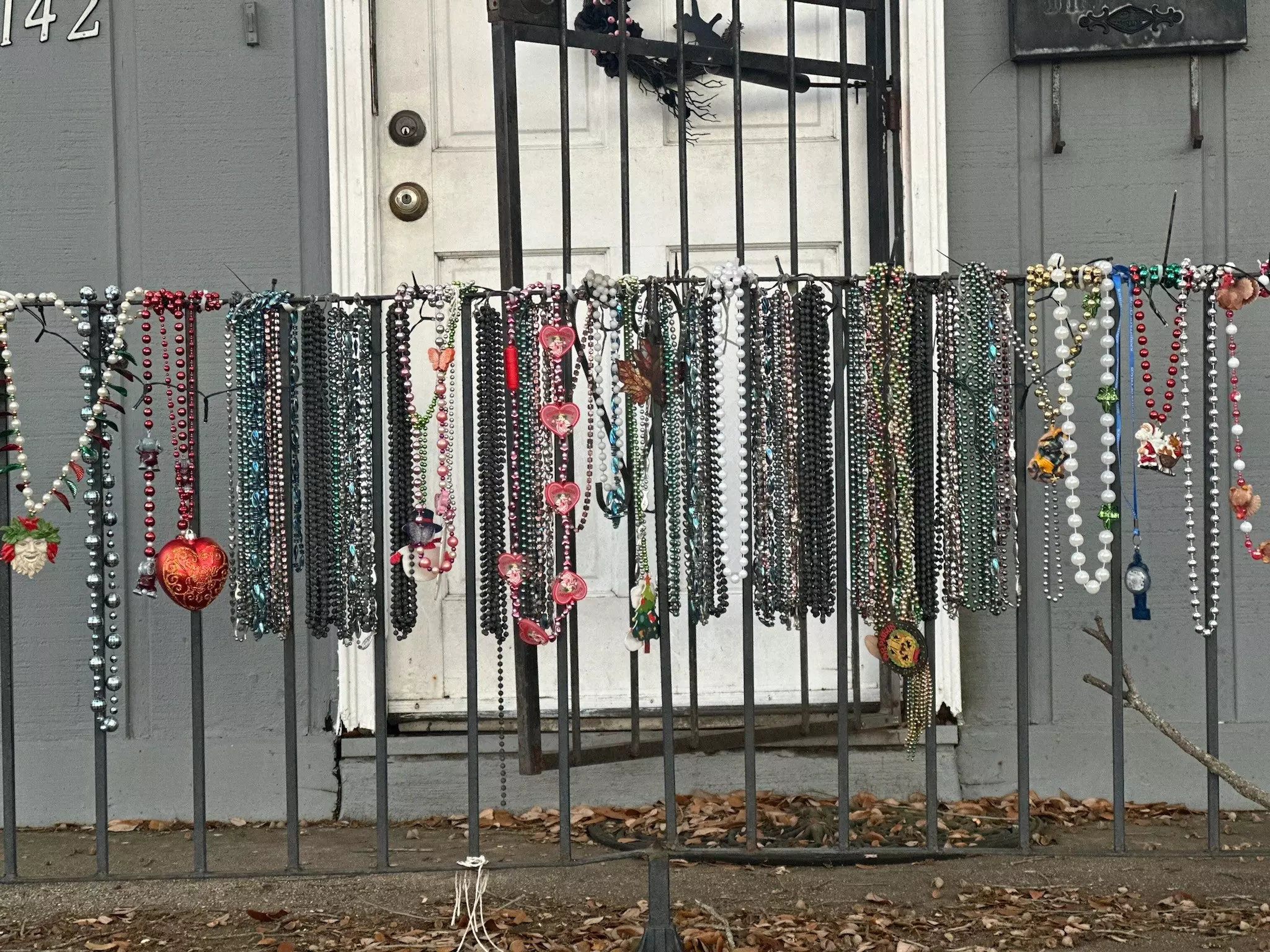
This low-key pocket right below Lakeview is where locals chill. The vibe is residential and unpretentious. Saunter down Bienville to admire stoops strewn with quirky Mardi Gras beads and centuries-old oaks twisting and stretching up above the road. The spectacular and resilient trees protect a deep history that’s older than the city.
Hole-in-the-wall Italian spots with nostalgic neon signage, Irish pubs and Monday, Larry Morrow and Lenora Chong’s spacious eatery, invite you in. But Neyow’s Creole Cafe is where you need to sit down for dinner. The menu is loaded with delicious homestyle classics, yet the char-grilled oysters steal the show. Buttery, flavorful, melt in your mouth – these are the best half shells this side of the Mississippi, hands down.
New Orleans is one of the most haunted cities in the USA. If spooky mansions, vampires and restless spirits appeal, French Quarter Phantoms offers guided journeys across this paranormal hub. Led by convincing storytellers, these walking tours reveal grim and ghostly tales about the voodoo priestess Marie Laveau, Madame LaLaurie and the LaLaurie Mansion, Gallier House, and the haunted pirate bar Lafitte’s Blacksmith Shop.
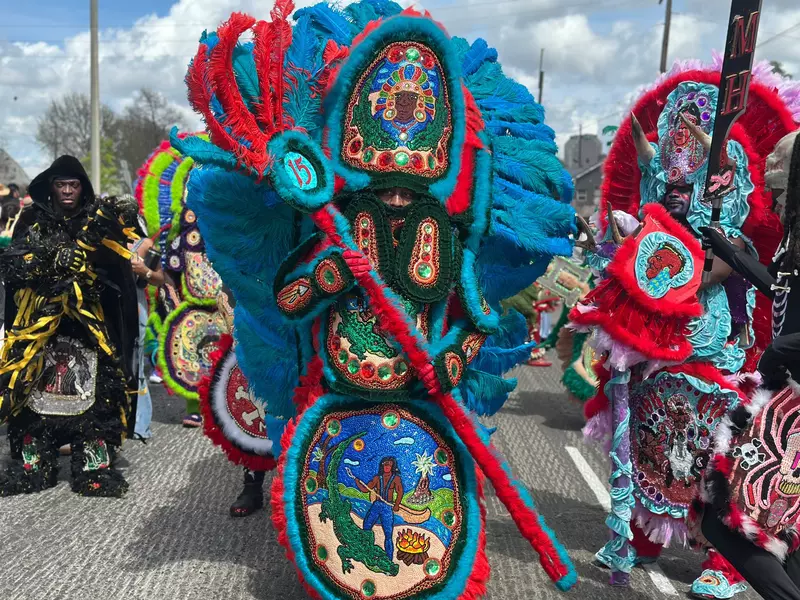
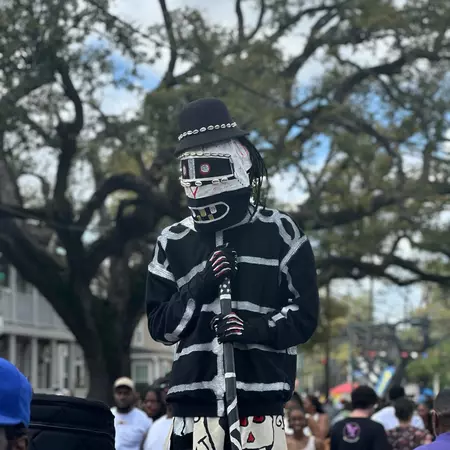
We stumbled into the Super Sunday parade, a miles-long block party that calls residents and visitors to AL Davis Park for an annual procession and celebration. As many times as I’ve traveled to New Orleans, I knew very little about Black Masking Indians tribes and their historical significance. Super Sunday was the crash course I needed to better understand this unique cultural tradition.
In the early 1800s, Indigenous people provided safety, refuge and community to runaway enslaved people. Masking became a way for them to honor their Native American allies and pass their customs down to future generations. The intricate, hand-sewn suits worn by the Big Chiefs and their tribes reflect a year’s worth of artistry and a commitment to keep the practice alive.
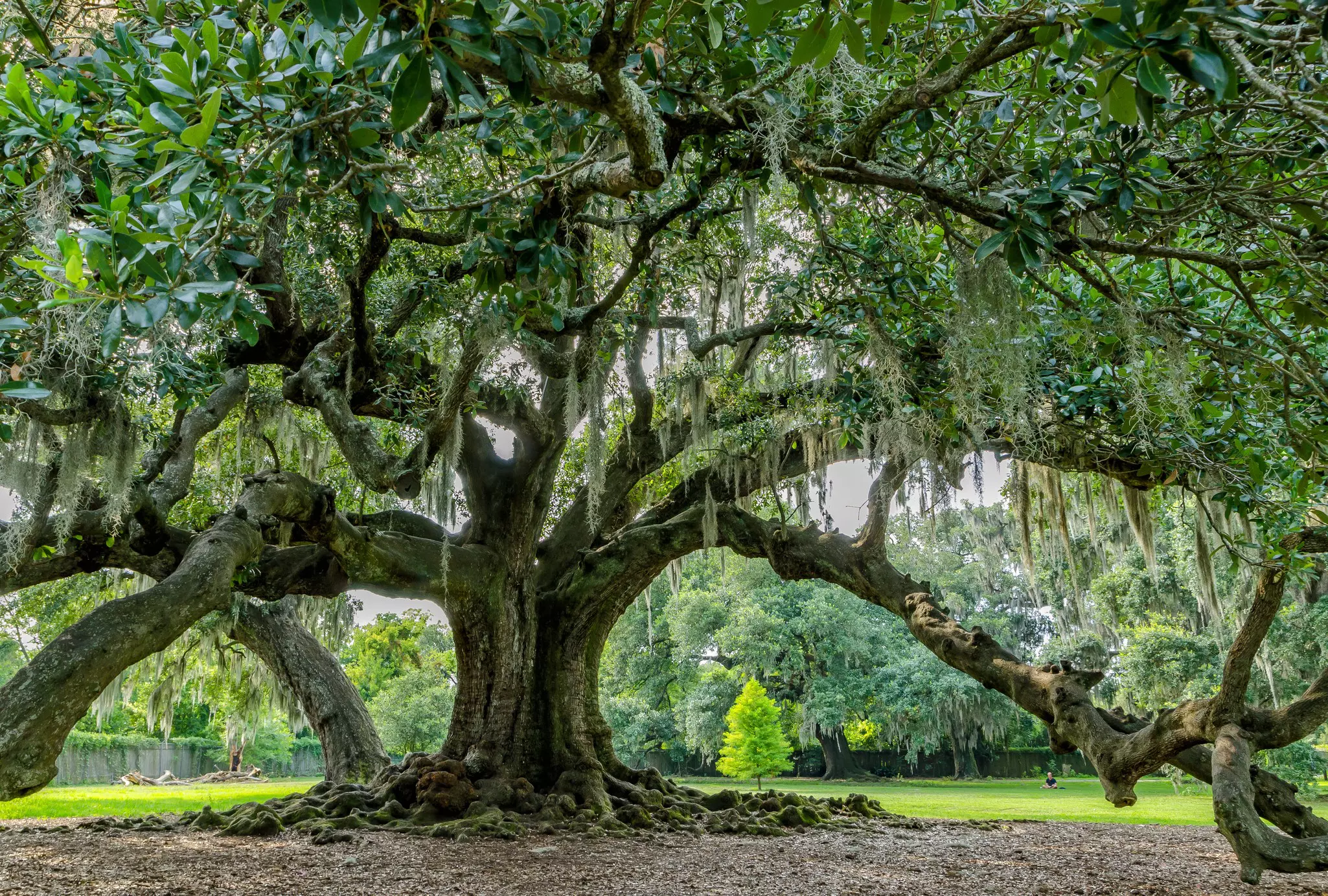
The 160ft-long branches spiraling from the trunk of the iconic Tree of Life in Audubon Park make it tough to resist a good embrace. Covered in cascading Spanish moss, this 500-year-old stunner survived Hurricane Katrina, despite its age. Obviously she has healing powers. Plus, forest bathing is believed to be beneficial for your mental and emotional health, so either way you need to meet her.
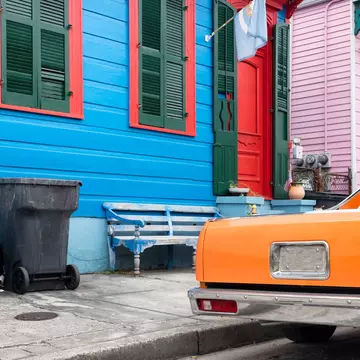
When you’re done traversing the park, take a short walk toward the water and over to The Batture, a newish 10-acre green space along the Mississippi River with food trucks, mobile bars and children cartwheeling through the vast lawn. Charming cottages and vintage cars hide out on this sleepy side of town.
Inside The Old No. 77 Hotel & Chandlery, a former coffee warehouse established in 1854, sits St Lucian chef Nina Compton’s acclaimed Caribbean brasserie, Compère Lapin. The inventive menu blends local gulf ingredients with elevated island classics for dishes like semolina dumplings with rundown sauce (a traditional Jamaican seafood and coconut milk stew); curry goat and sweet potato gnocchi; jerk pork belly; and crispy whole branzino garnished with herbs and spices, served alongside a carrot and ginger puree.
The bar slings some of the city’s best cocktails but order a Red Stripe and sorrel for heightened Caribbean vibes.
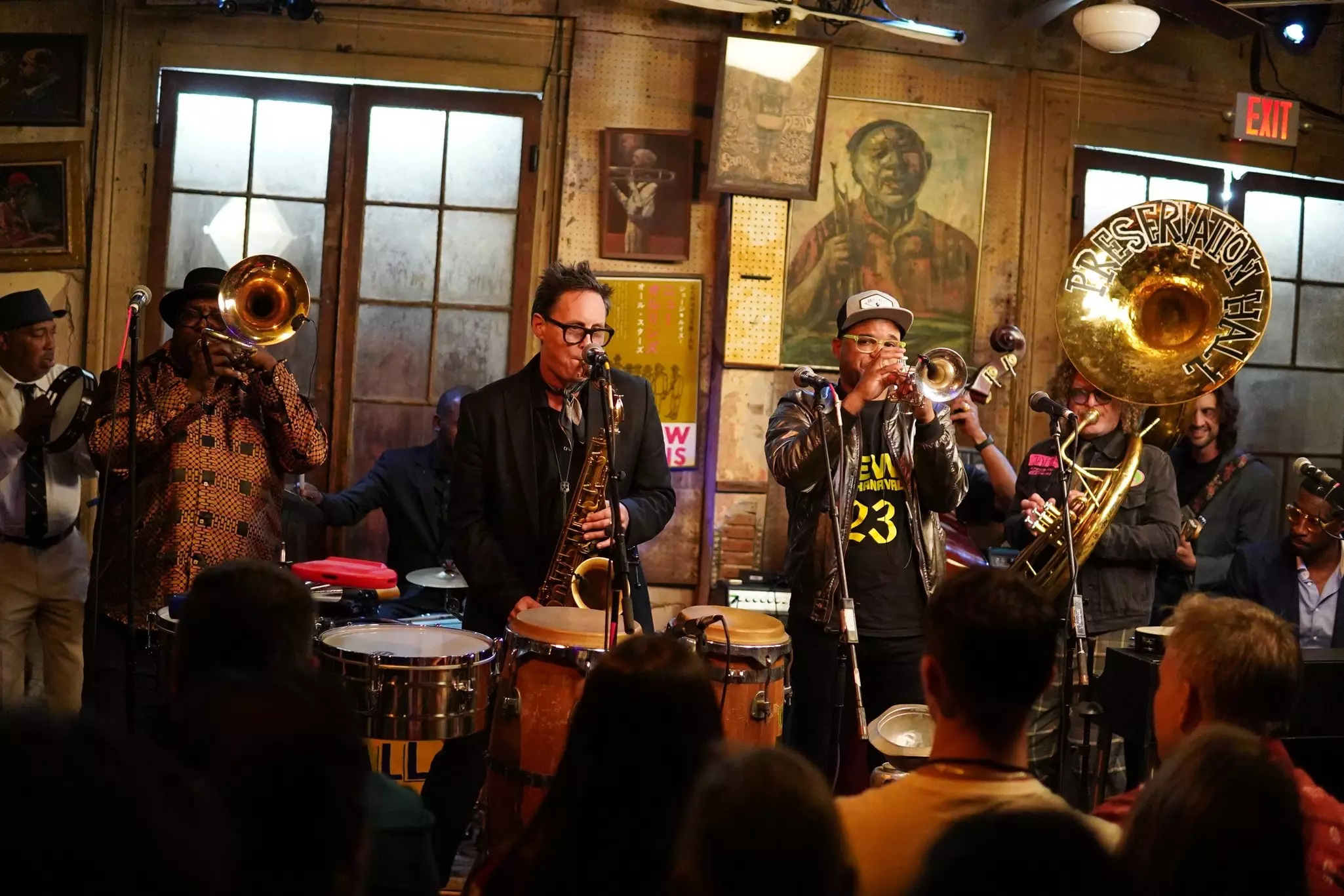
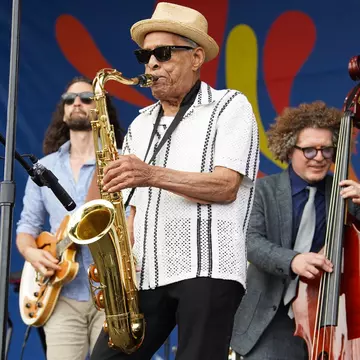
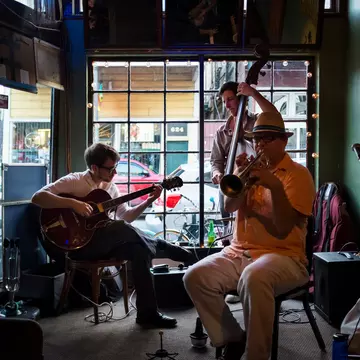
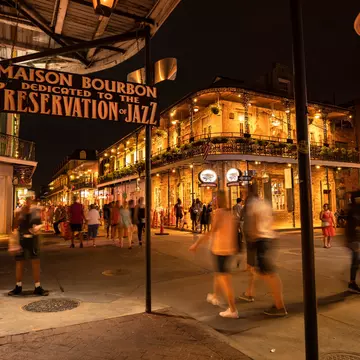
Catching a show at the proverbial home of New Orleans jazz is just enough reason to return to the French Quarter. Tight and unassuming, this legendary venue on St Peter's St runs hour-long sets seven days a week – no mics, no frills, just a small dark room with limited seating and a sectioned off area at the front that serves as a stage for the house band to do their thing.
Go see Leroy Jones and the Preservation Jazz Masters. His soothing vocals and sweet lyrics take you back, while the set’s sole female trombonist, Katja Toivola, jolts you to your feet praising her impeccable performance.
Explore related stories