Aug 13, 20268 min read
When Is the Best Time to Visit New Orleans?Dec 8, 2025
8 MIN READ
Contributors
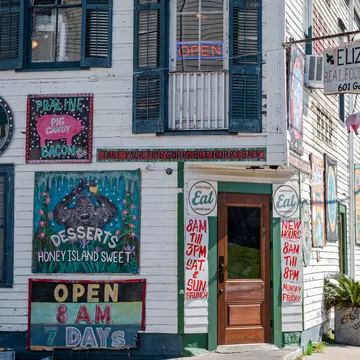
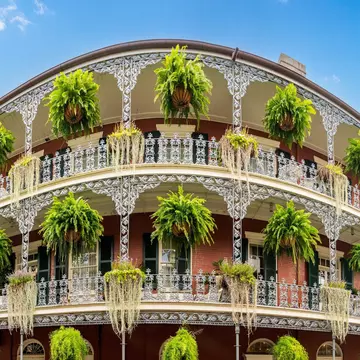
Traditional New Orleans building in the French Quarter. Shutterstock

Contributors


Lonely Planet Editors, Regis St Louis
Lonely Planet may earn a commission from affiliate links on our site. All recommendations and reviews reflect our own independent opinions.
Lined with photogenic 19th-century buildings, the oldest and best-known neighborhood in New Orleans is packed with galleries, house museums, restaurants and bars where the nightly revelry lasts into the wee hours.
Also known as the Vieux Carré (“voo-kah-ray,” meaning “Old Square”), or more commonly as just the Quarter, this is the original city as planned by the French in the 1700s. Within the Quarter’s 85 square blocks lies the infamous Bourbon St, along with elegantly aged buildings with wrought iron balconies and hidden courtyard gardens. Away from all the restaurants and bars, the serene banks of the Mississippi River provide a welcome break from the action.
Since the attractions here are so numerous, it’s easy to see why many first-time visitors to New Orleans never get beyond this deeply charming district. If you’re headed to the French Quarter for the first time, here’s what you need to know.
There’s always lots going on in the French Quarter, and New Orleans generally, no matter what month you visit.
Early January marks the beginning of the Carnival season, which officially kicks off on January 6 and culminates on Mardi Gras, a Tuesday in February or March (the exact date changes every year). Winters in New Orleans can bring chilly days, with temperatures sometimes dipping below freezing. Snow is rare but not impossible.
By April, spring is in full bloom – it’s a magical time to visit. The heavy heat sets in by early June, which is also the start of the Atlantic hurricane season. (The upside to sweltering temperatures and storm risk? Deals on airfare and accommodations.) Things start to cool off by October, another great time to visit. The end of the year brings more merriment, with the Quarter decked out in holiday spirit and busy in the run-up to New Year’s Eve festivities.
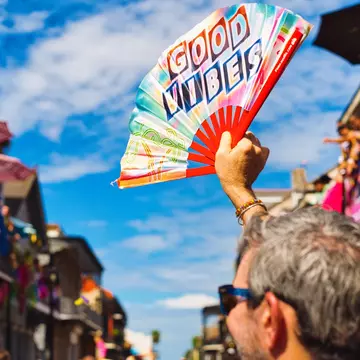
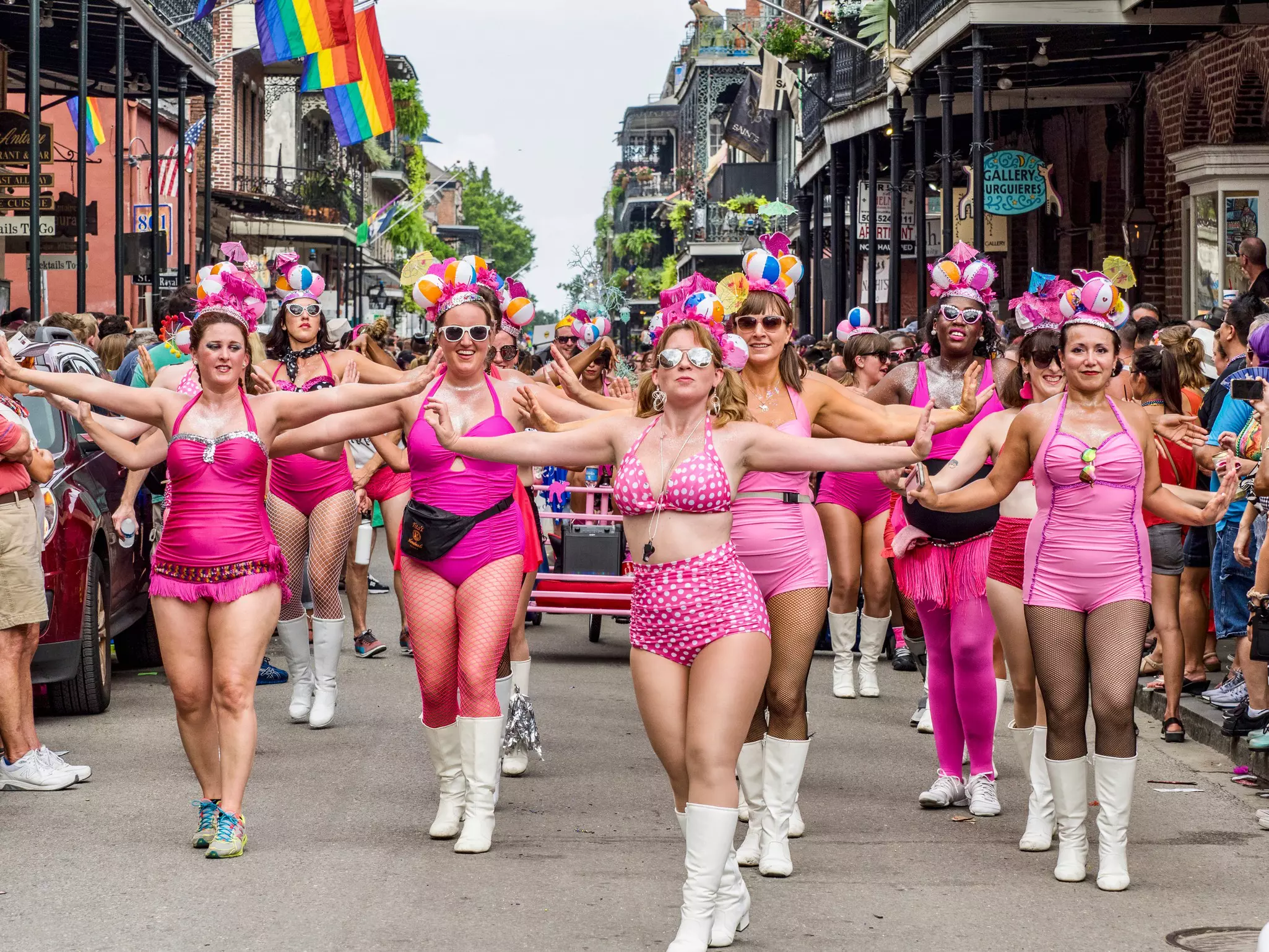
The Quarter is a hot spot in the weeks leading up to Mardi Gras, but other festivals also draw visitors throughout the year. While the live music and fun of Jazz Fest in April and May take place just beyond the Quarter, the crowds and good vibes spill over into its historic streets. And the biggest LGBTQ+ party of the year, Southern Decadence, brings revelers from far and wide for a weekend of fun around the Labor Day holiday in September, with the legendary gay bar the Golden Lantern at the epicenter.
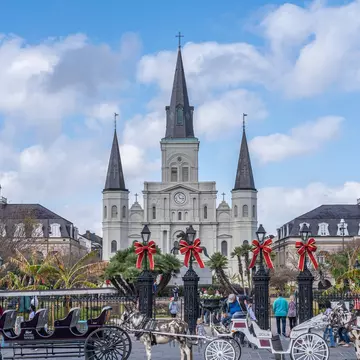
A raucous weekend in the French Quarter is practically a rite of passage for Americans, from college kids to retirees. Two days in the neighborhood affords plenty of time for languid strolls down Royal St, people watching in Jackson Square and visits to such galleries as the Presbytère and the New Orleans Jazz Museum by day, followed by decadent meals, jazz sets and lots of rounds of drinks come evening.
Yet extending your weekend to 3 days or even longer lets you delve deeper into a neighborhood that offers far more than just to-go cocktails. Devote an afternoon to a leisurely cruise on the Mississippi aboard the Creole Queen or the steamboat Natchez. Learn more about New Orleans’ history and culture at the Quarter’s less-frequented museums, such as the Old Ursuline Convent and the Historic Voodoo Museum. Time your visit for late March and you can hobnob with bookish types at the annual Tennessee Williams and New Orleans Literary Festival over 5 days of stagings and readings.
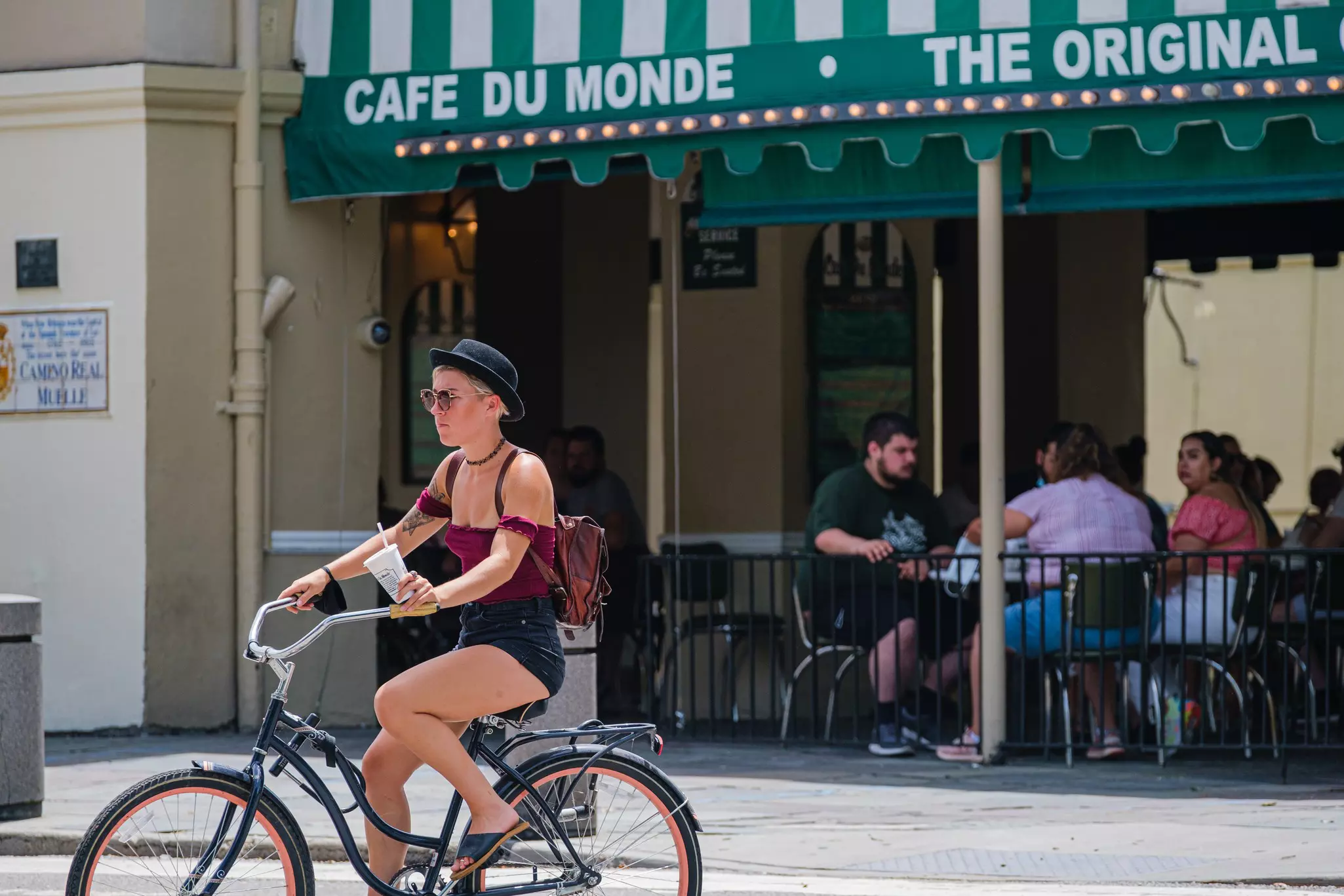
Yes, extremely. The French Quarter is small enough that you can walk from one end to the other in 20 minutes, and the key sights are fairly close to one another. If you want to move a little more quickly, it’s a breeze getting around the Quarter by bicycle. Just avoid busy streets like Decatur and Rampart, and rent a fat-tire cruiser bike that can handle the battered streets.
When you’re ready to leave the Quarter, hop on one of NOLA’s famous streetcars. Head to Canal St for the red line to City Park and Cemeteries, or cross Canal to the corner of Carondelet for the green line toward the Garden District and Uptown.
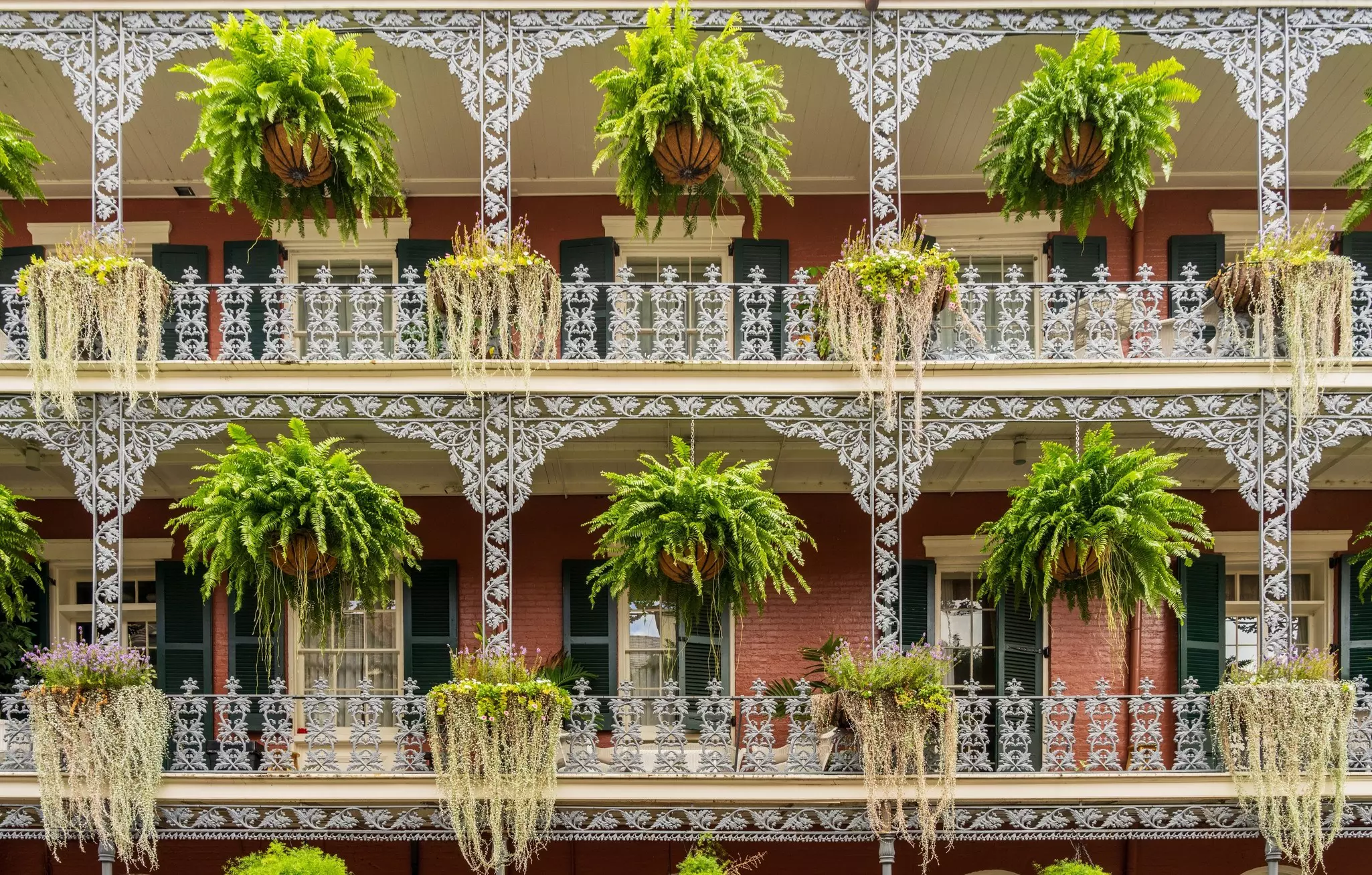
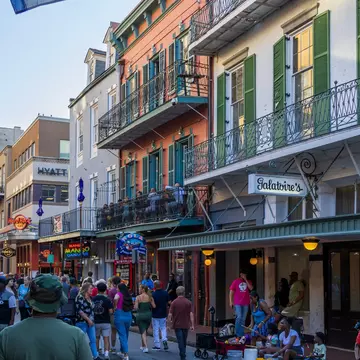
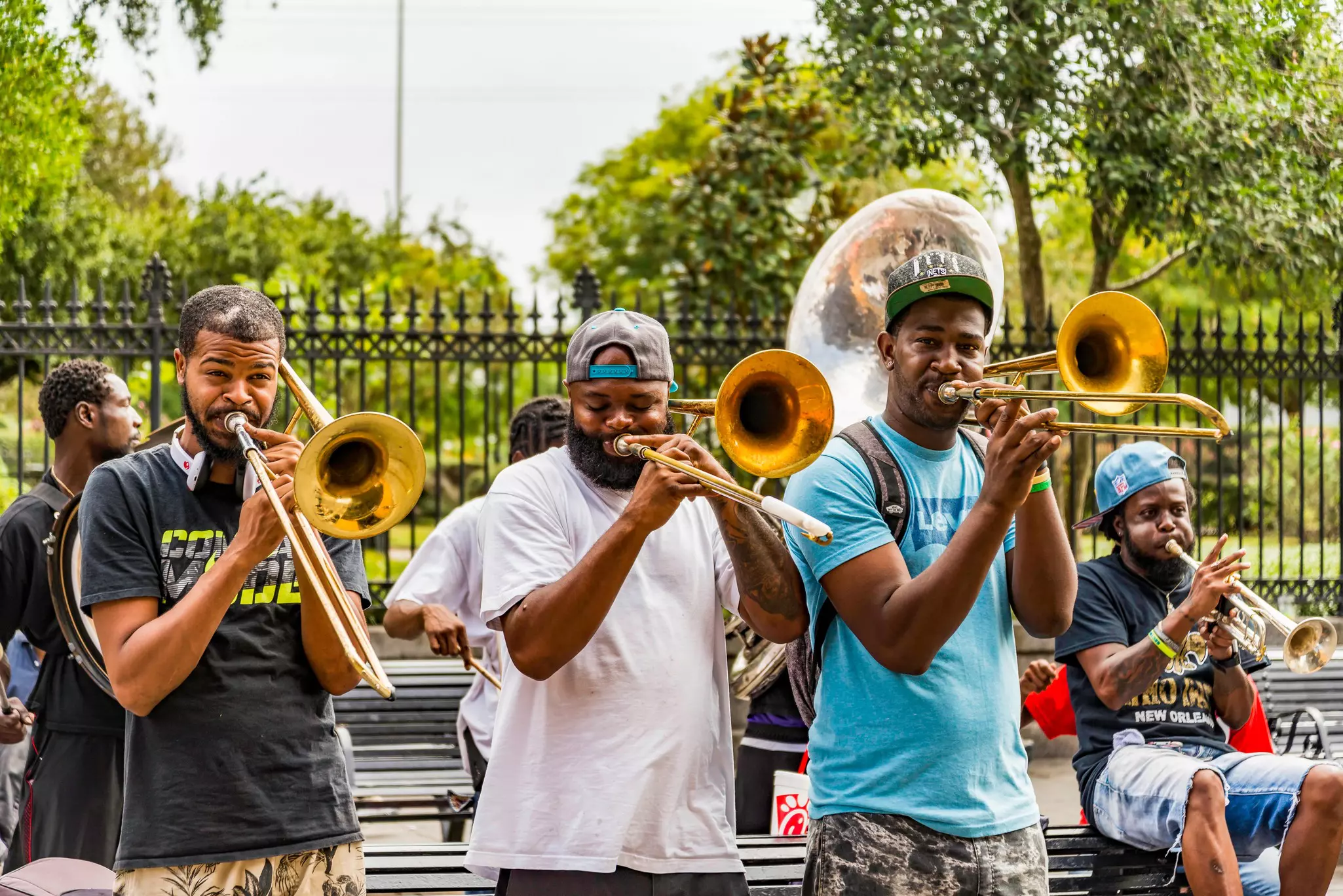
With its handsome storefronts stretching beneath wrought iron balconies, Royal St is one of the Quarter’s prettiest thoroughfares. Several blocks of the strip are dedicated to antique stores and art galleries, turning Royal into a sort of elegant 19th-century outdoor shopping arcade. Between 11am and 4pm (until 7pm on weekends), the stretch between Bienville and Orleans closes to traffic and becomes a lively pedestrian thoroughfare. Musicians, performers and other buskers set up shop, putting on one of the Quarter’s best free shows (just don’t forget to tip).
If you’re a history nerd, don’t miss the Historic New Orleans Collection’s Royal St campus, which presents regularly rotating exhibits that are among the most thought-provoking in the Quarter. Recent shows have explored the roots of mass incarceration in Louisiana, the state’s critically threatened marshes, New Orleans women and the right to vote, and the city’s vibrant social aid and pleasure clubs.
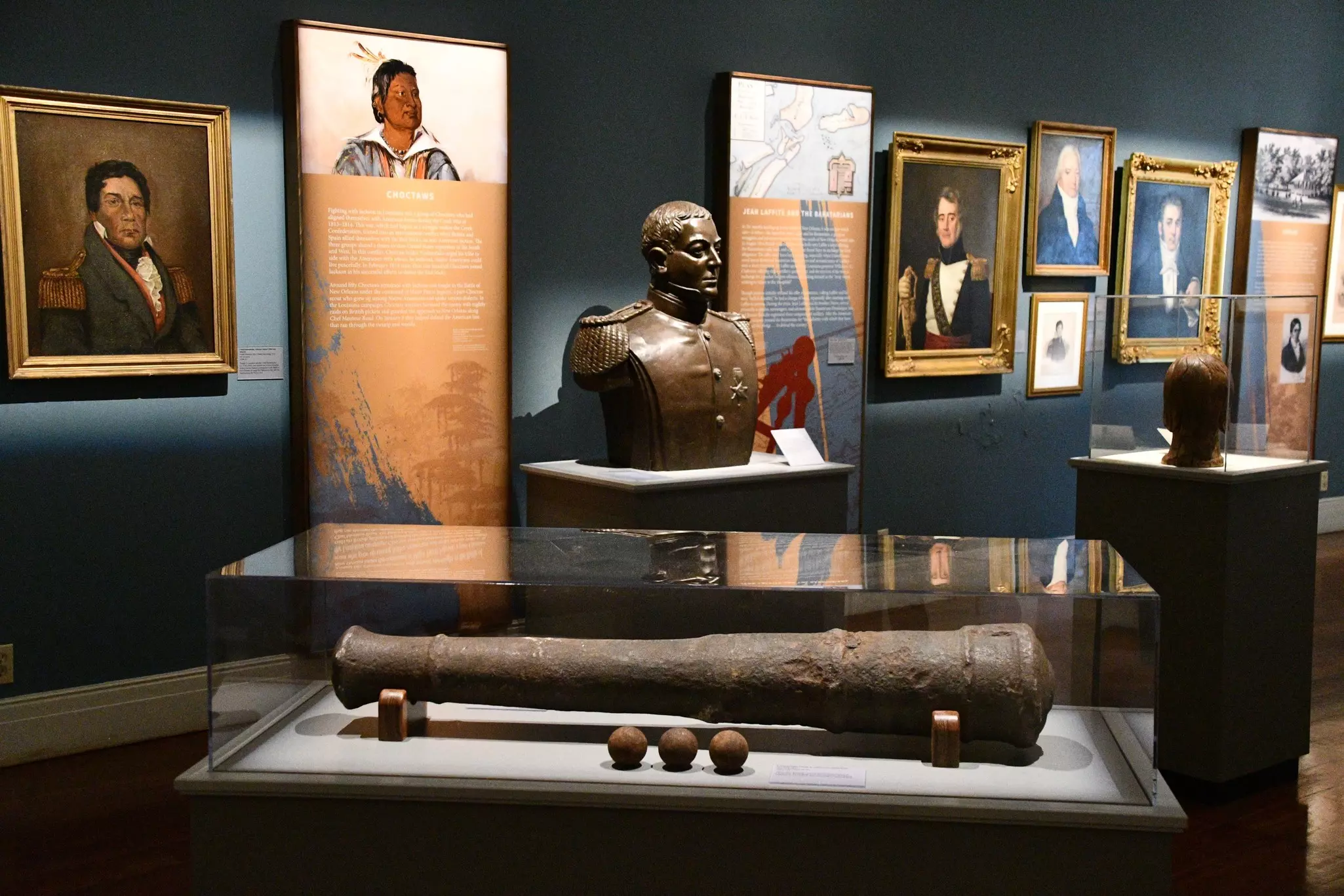
The former seat of power in colonial Louisiana, the Cabildo brings to life the rich history of New Orleans over the centuries. The building's mix of architectural elements in the French, Spanish and classical styles nicely illustrates the city’s diverse character. And the exhibits inside, from Native American tools to “Wanted” posters for escaped enslaved people, do a good job of reaffirming the role that the building and surrounding region played in history.
Highlights include a section dedicated to the Battle of New Orleans, anchored by an enormous oil painting by 19th-century French artist Eugene Louis Lami; a historical Plan de la Nouvelle Orléans from 1744, showing a four-block-deep city; and the death mask of Napoleon Bonaparte. The wing dedicated to post–Civil War Reconstruction is an even-handed and thorough attempt at explaining this difficult period and its consequences.
The magnificent Sala Capitular (Capitol Room), a council room fronted by enormous windows giving sweeping views onto Jackson Square, was the most important room in Louisiana for decades. Civic functions and legal actions took place here; this was the courtroom where Plessy v Ferguson, the 1896 case that legalized segregation under the “separate but equal” doctrine, was tried. The Sala now includes a comprehensive exhibition dedicated to the Louisiana Purchase.
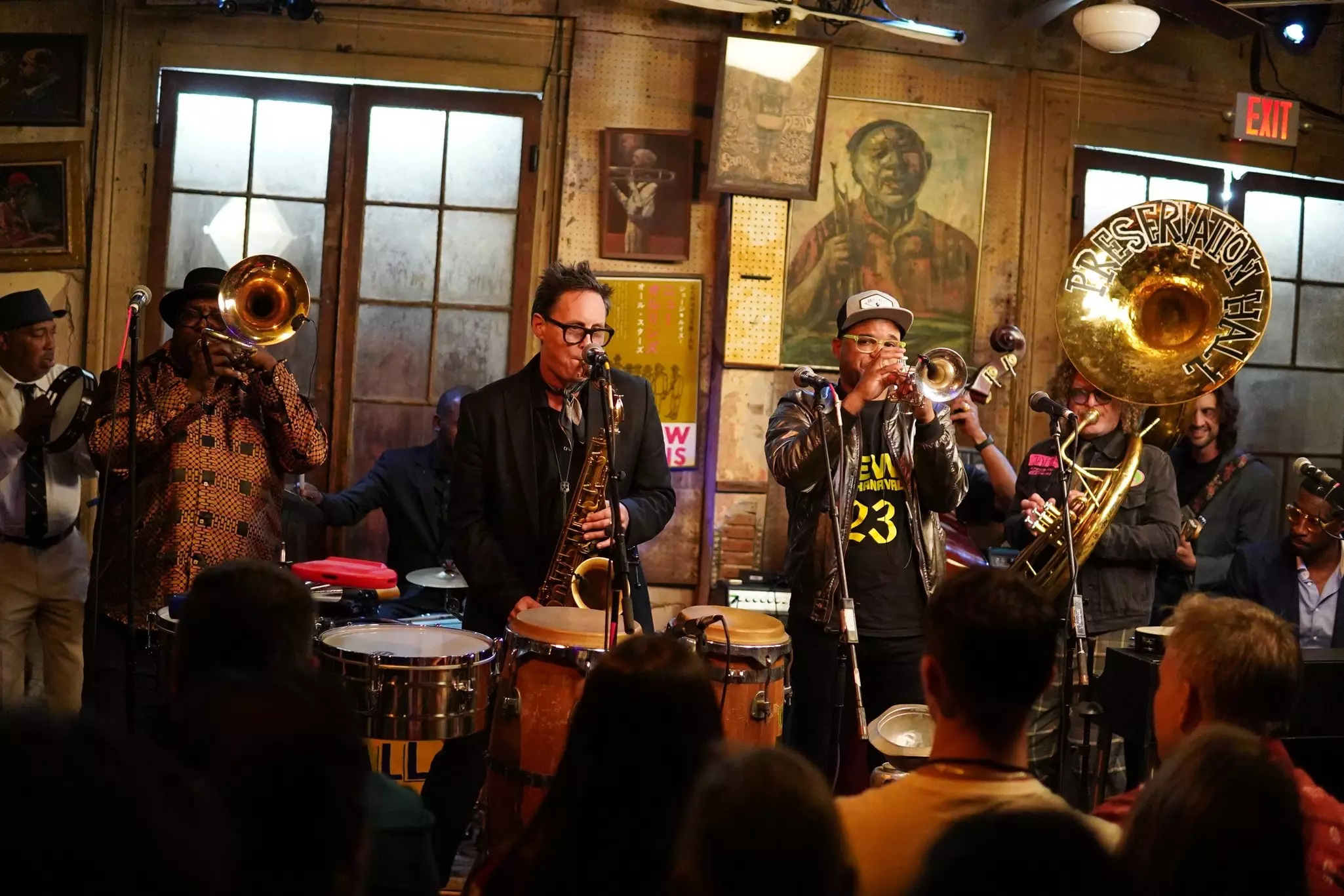
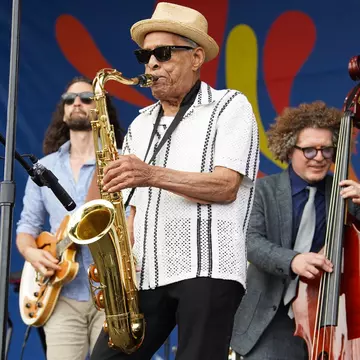
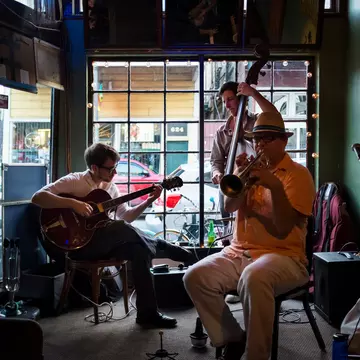
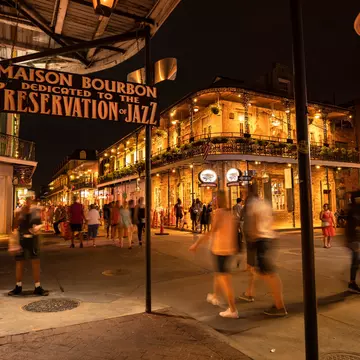
Housed in a former art gallery dating from 1803, Preservation Hall is one of the most storied live-music venues in New Orleans – and the entire USA. The resident performers, the Preservation Hall Jazz Band, are ludicrously talented and regularly tour the world. The current roster of musicians features more than 50 talents, some third-generation players, with roots dating back decades into the city’s jazz scene.
Seeing a show at Preservation Hall delivers terrific music in an intimate setting, but it’s unlike other venues in town. You must purchase tickets online before showing up. Shows run just 45 minutes and happen several times nightly, and it’s advisable to arrive early to get a good seat (it’s standing room only if you arrive just before the show starts). Also note that no alcohol or snacks are served, and the bathroom is next door in Pat O’Brien’s bar. Finally, this is an all-ages venue, so feel free to bring the kids.
The Gallier House Museum exemplifies an architectural style unique to the French Quarter – one developed by famed architect James Gallier Jr, who designed the house in 1860. Guides here point out features like double skylights and indoor plumbing with hot and cold running water (cutting-edge technology at the time). You’ll also learn about the house’s residents, including the four enslaved people – Laurette, Rose, Julienne and François – who occupied the quarters out back. Access is by guided tour, which happens on the half hour five times a day. It’s closed Tuesdays.
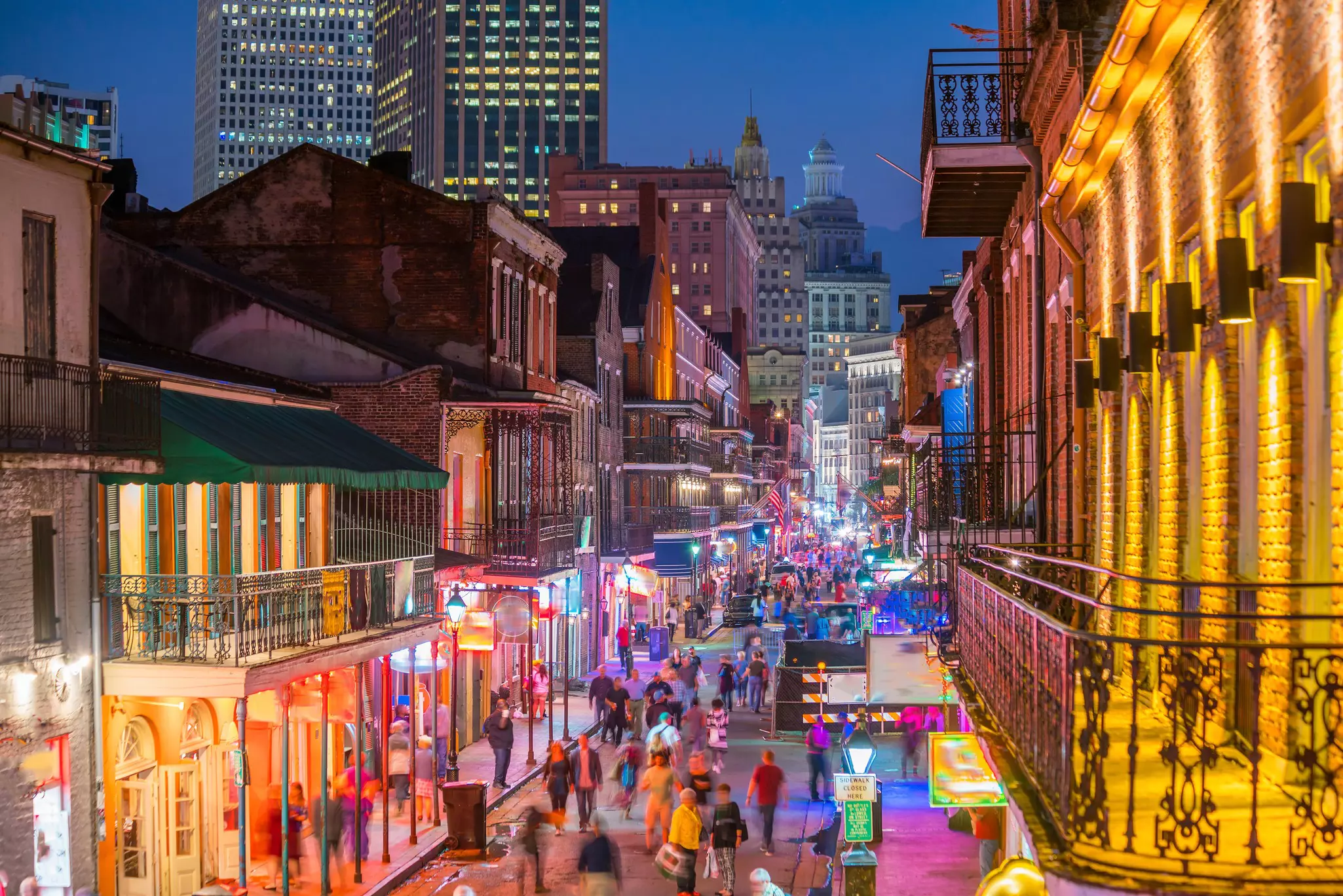
As in Las Vegas and Cancún, the main stretch of Bourbon St is where the great id of the repressed American psyche lets loose in a seething mass of karaoke, strip clubs and bachelorette parties. It’s one of the tackiest experiences in the world…and there’s nothing else like it. You can’t come to New Orleans and not visit the place.
At Saint Philip St, Bourbon shifts from neon-lit tourist traps into an altogether more agreeable stretch of historic houses, diners and bars, many of which cater to the LGBTQ+ community. Top spots here include Lafitte’s, the oldest continuously operating gay bar in the country. Another spot to escape from the hordes and sip a sophisticated cocktail is Arnaud’s French 75 Bar.
Night in a double room for two at a budget hotel: from US$110
Admission to the Historic New Orleans Collection: free
Admission to the Cabildo: US$11 for adults
General admission (standing) to Preservation Hall: US$25
French 75 cocktail (Courvoisier VS, sugar, lemon juice and Moët & Chandon) at Arnaud’s French 75 Bar: US$15
This article was adapted from Lonely Planet’s New Orleans guide, published in August 2025.
Explore related stories