Aug 11, 202613 min read
A Guide to Día de Muertos in MexicoMay 9, 2025
8 MIN READ

Writer
Oaxaca, Mexico. Shutterstock/eskystudio

Writer
Highlights
Writer Regis St Louis picks 13 must-do activities in Mexico, coast to canyon.
Swim in cenotes near Tulum or ride El Chepe Railway through the dramatic Copper Canyon.
History lovers should wander Palenque's jungle temples or admire Teotihuacán's immense pyramids.
Party hard in World Heritage Guanajuato, then head to Oaxaca to watch alebrijes take shape.
Lonely Planet may earn a commission from affiliate links on our site. All recommendations and reviews reflect our own independent opinions.
Mexico is packed with blockbuster sights, from canyons in the north to golden beaches in the south, plus lots of charming towns, historic city centers and nature reserves.
Wherever you roam, you won’t lack for memorable things to do on your Mexican adventure, but a few activities should figure high at the top of your list.
Here are the 13 top things to do in Mexico.
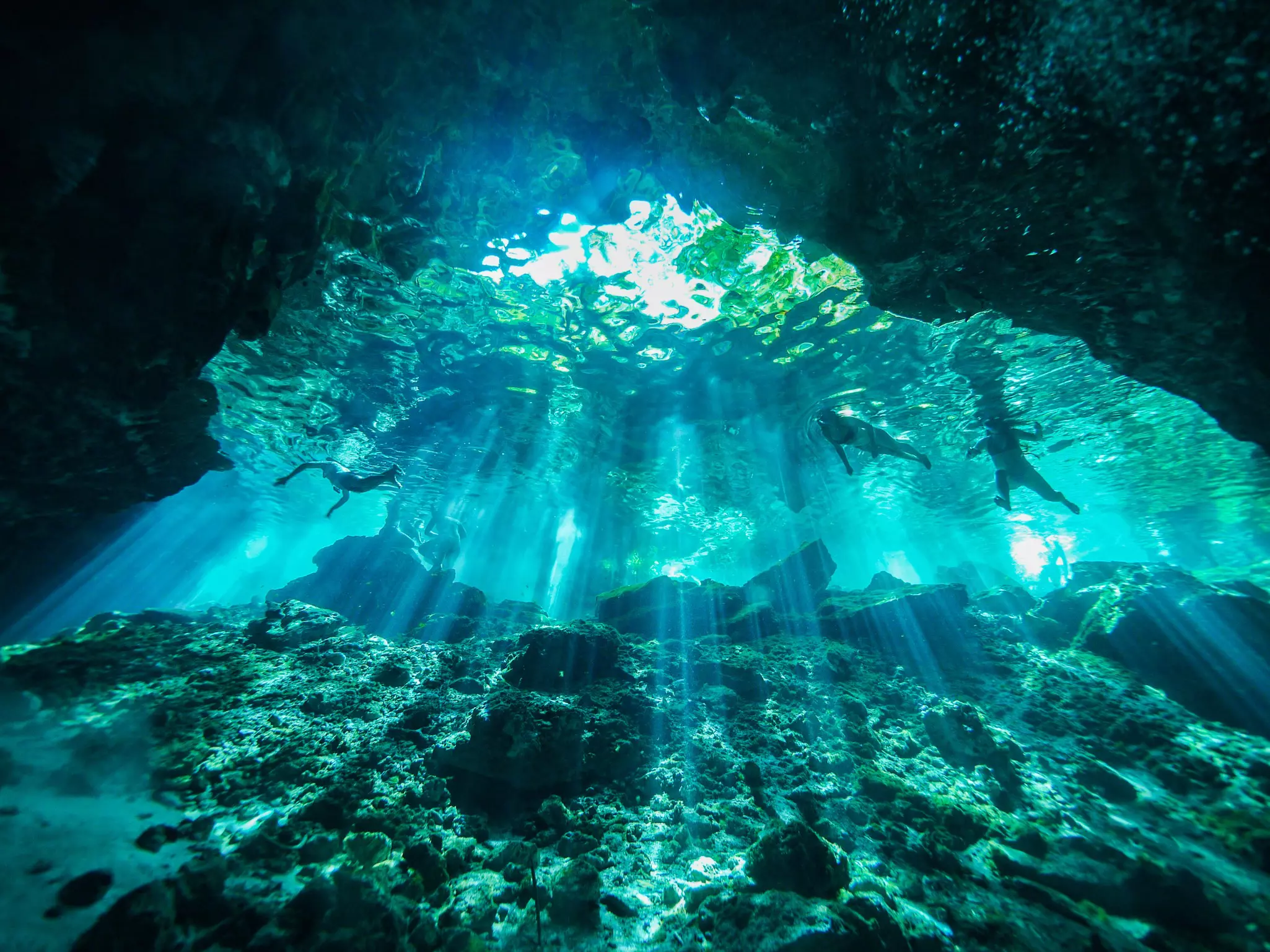
The Yucatán Peninsula is famed for its cenotes – turquoise-hued natural swimming holes found both enclosed in stalactite-filled caverns and in wild, jungle-like settings. Formed from limestone sinkholes that fill with water, these enchanting spots dot the peninsula by the thousands.
A handful of cenotes are particularly famous for their diving potential. At Parque Dos Ojos near Tulum, you can explore a flooded cave system past unusual rock formations and fossils amid startling visibility. You’ll need to book cave dives with off-site outfitters ahead of time, but can arrange guided snorkeling excursions (like those offered at Dos Ojos) when you arrive. You can also zipline over the water or simply dive off platforms into the always-cold water below.
Planning tip: Sunscreen isn’t allowed in cenotes to protect their fragile ecosystems, so be sure to bring a rash shirt to protect against those tropical rays. Also avoid using bug spray or wash it off before entering a cenote.
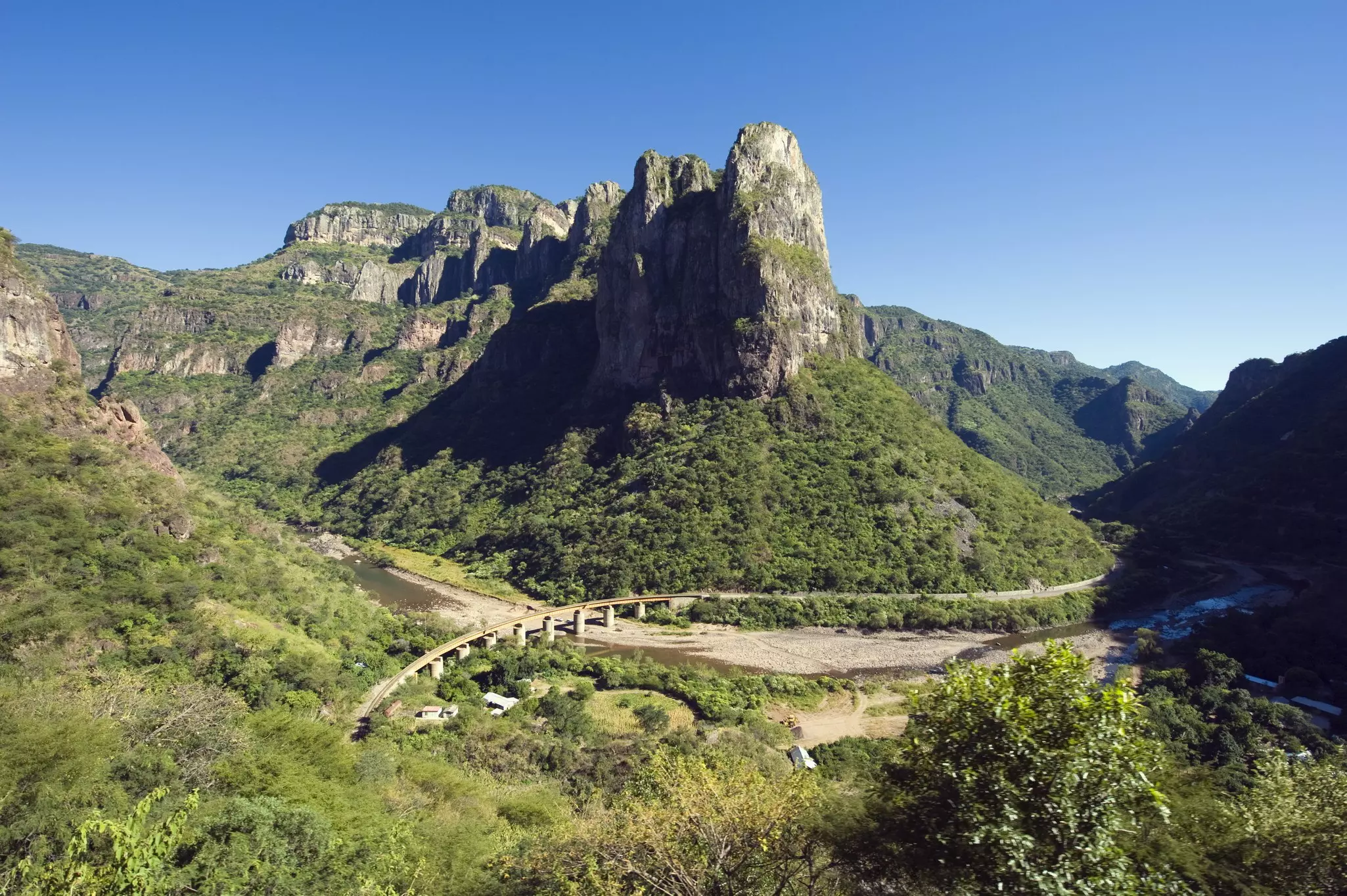
Ferrocarril Chihuahua Pacífico is one of the world’s most incredible rail journeys and an epic train ride in Mexico. Nicknamed El Chepe (using the Spanish initials for Chihuahua and Pacifico), the rail line is an engineering marvel, stretching over 656km (408 miles) of track across 37 bridges and through 86 tunnels. Completed in 1961 after 60 years of construction, its engineering prowess is as phenomenal as the astonishing canyon views it yields.
Though you can ride the train all the way through in 10 hours, it’s well worth stopping at Divisadero, where you can stare into Copper Canyon from a viewpoint next to the station. With an overnight stay, you can head to nearby Parque de Aventura Barrancas del Cobre and soar over death-defying drops on Mexico’s longest zip line.
Planning tip: There are some memorable places to stay along the way, including the canyon-rim Hotel Mirador, which has spectacular vistas.
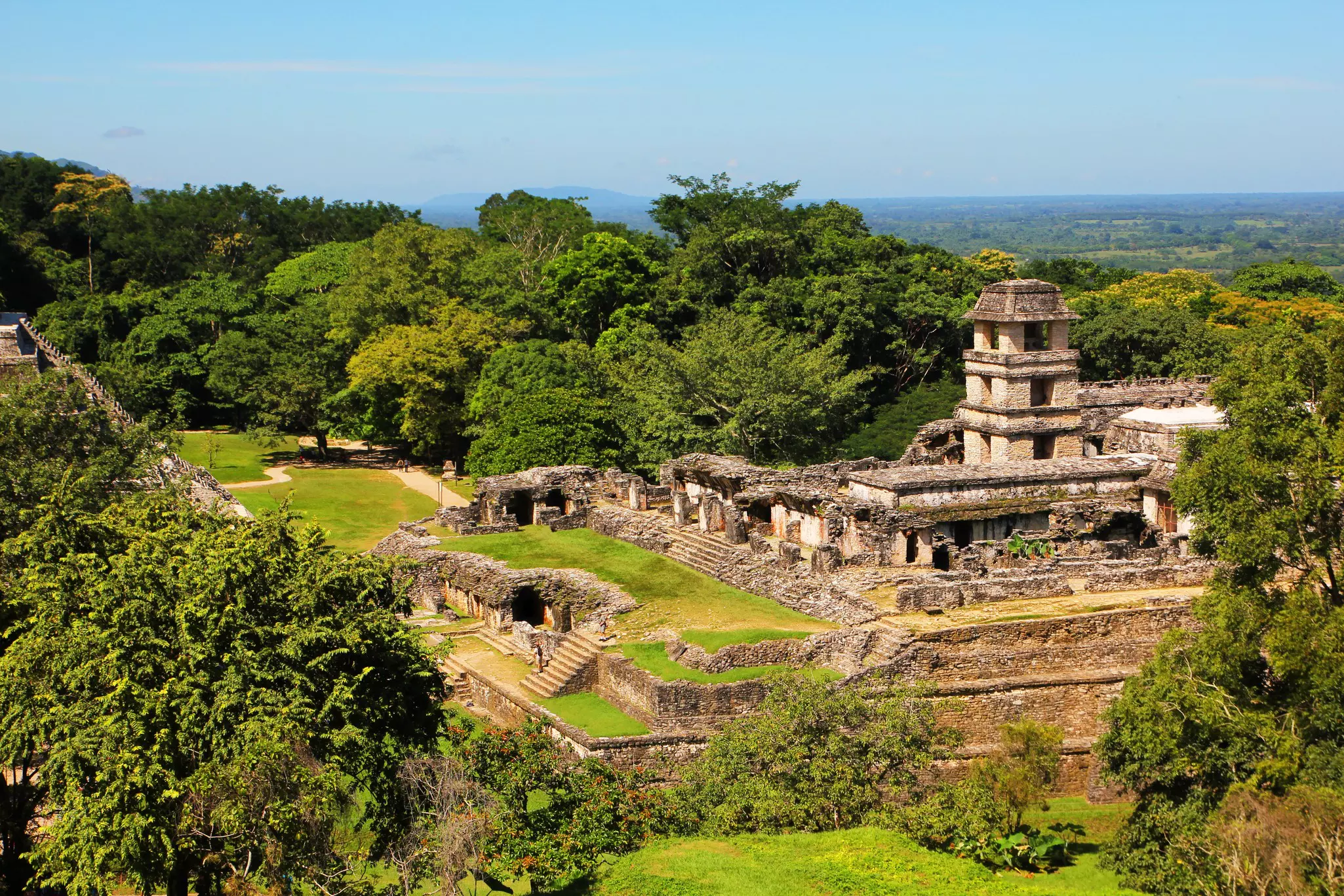
Gather all your senses and dive headfirst into the ancient Mayan world at the exquisite Palenque, where spectacular pyramids rise above emerald jungle treetops and furtive monkeys shriek and catapult themselves through dense canopies. Take your time to marvel at the abundance of reliefs, seek out the tomb of the mysterious Red Queen and her sarcophagus, or wander the maze-like palace, gazing up at its iconic tower. Then, pay your respects to Pakal (Palenque’s mightiest ruler) at the Temple of the Inscriptions, perhaps the most celebrated burial monument in the Americas.
Planning tip: Reach Palenque by taking the new Maya Train, which loops around the Yucatán Peninsula.
West of the historic center of Guadalajara, Mercado Libertad (locally known as the Mercado San Juan de Dios) sprawls across some 430,000 sq ft, and within its traditional interior you can find pretty much anything – from mysterious herbal remedies and dried lizards sold by curanderas (traditional healers) to fresh fruit and handmade guitars – if you know where to look.
The market appears chaotic at first glance but is loosely organized into sections. The ground floor is the most engrossing and interesting; it’s taken up by countless stalls selling fresh produce, mounds of spices and dried chilies plus charro (cowboy) paraphernalia – from hats and saddles to leather belts and boots – and souvenir mugs shaped like body parts. Numerous food stalls serving tapatío (Guadalajaran) favorites such as tortas ahogadas (smothered pork sandwiches) and birria (goat meat in spicy broth) satisfy hungry shoppers.
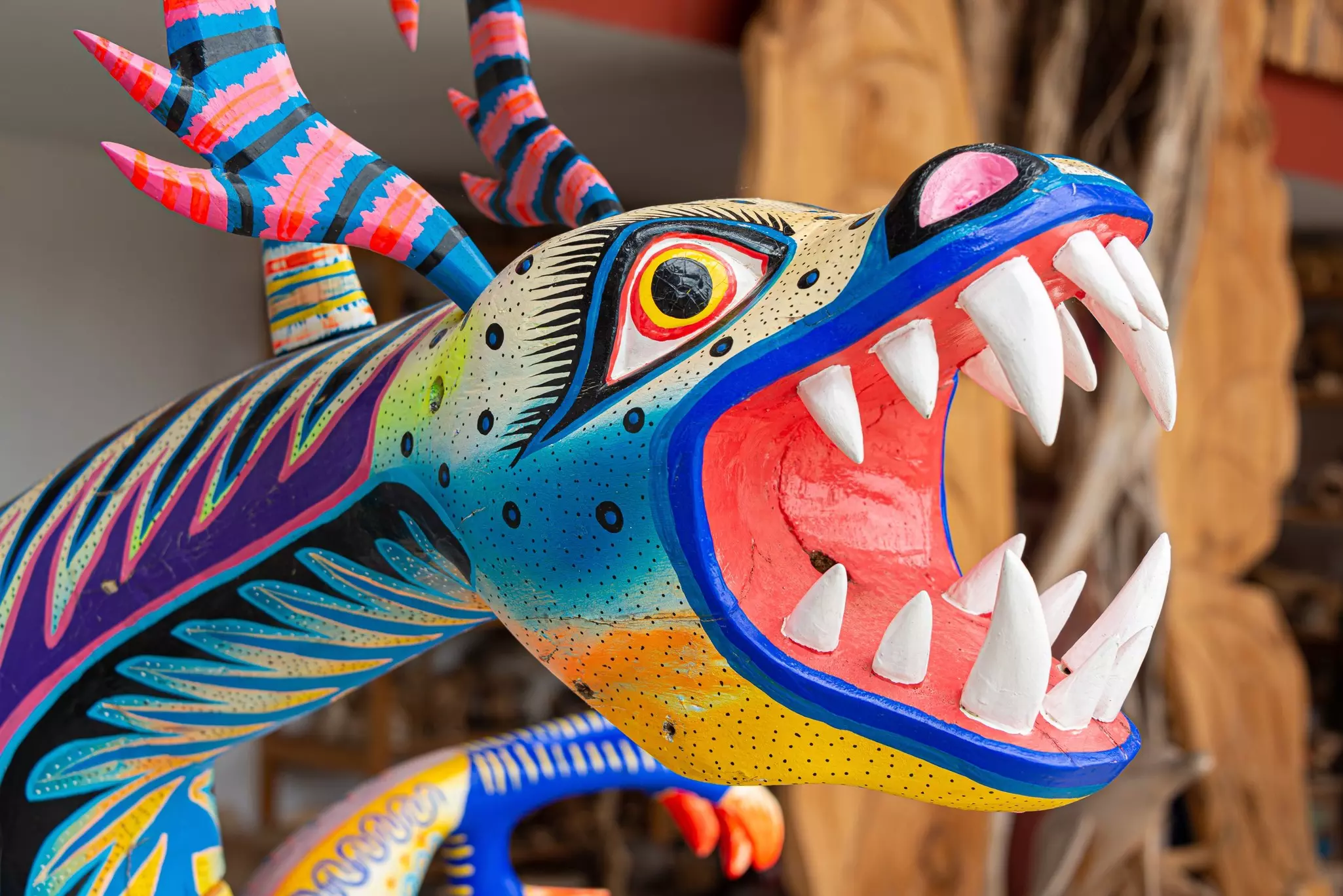
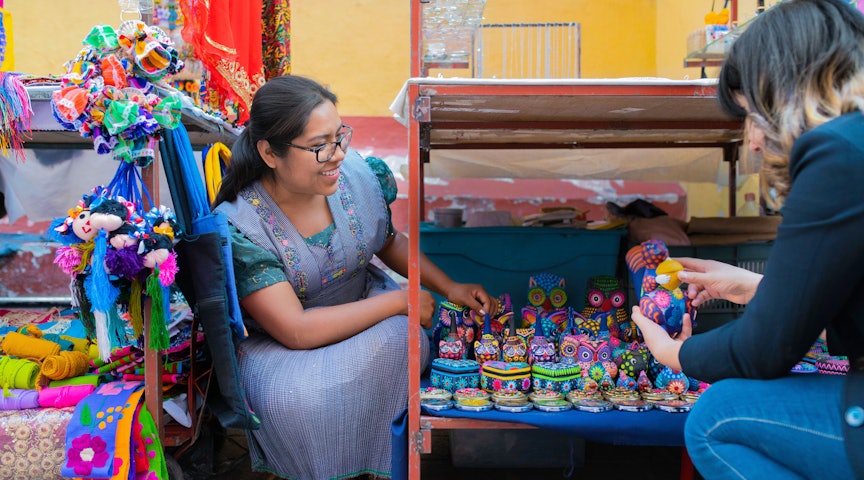
Oaxaca is famous for its alebrijes – fantastical animal sculptures made of carved wood. One of the best places to see and purchase this exquisite folk art is in the village of San Martín Tilcajete, 28km (17 miles) south of Oaxaca City. This is Oaxaca's alebrije hub and home to the fascinating workshop of Jacobo and María Ángeles. While touring the bustling facility, you’ll come to appreciate the labor-intensive process behind the brilliantly painted wooden animal sculptures, some of which can take months or even years to make. If you feel inspired, inquire about the painting and pottery workshops that last from 45 minutes to four days.
Detour: On your way out of town, don’t miss the vibrant murals lining Calle Progreso.

The perfect introduction to Orizaba, Veracruz’ most appealing town, is to hop into the cable car up to the park atop Cerro del Borrego. From this lofty, green perch at 1240m (4068ft), you can admire the domes and bell towers of the city’s many historic churches and the surrounding mountainous terrain, including the snowcapped summit of Pico de Orizaba. The city is an ideal launch pad for closer inspections of Mexico’s highest peak, but if that isn't your thing, there’s plenty to do here, including a beautiful riverside walk, a couple of impressive museums and galleries and a unique Iron Palace.
Gorgeously green, lush La Huasteca Potosina – a subregion of San Luis Potosí and the wider Huasteca area – offers ruins, fascinating cave visits and wild and wet experiences. You can plunge into, boat to or ogle at a number of stunning waterfalls and rivers. As for color? The turquoises, aquas and greens are as vibrant as any manipulated image. Huastec culture is strong here: don’t miss trying a local zacahuil, a massive tamale.
Planning tip: Nature aside, be sure to also visit Las Pozas, a surrealist garden where gigantic Dalí-esque structures strut their quirky stuff.
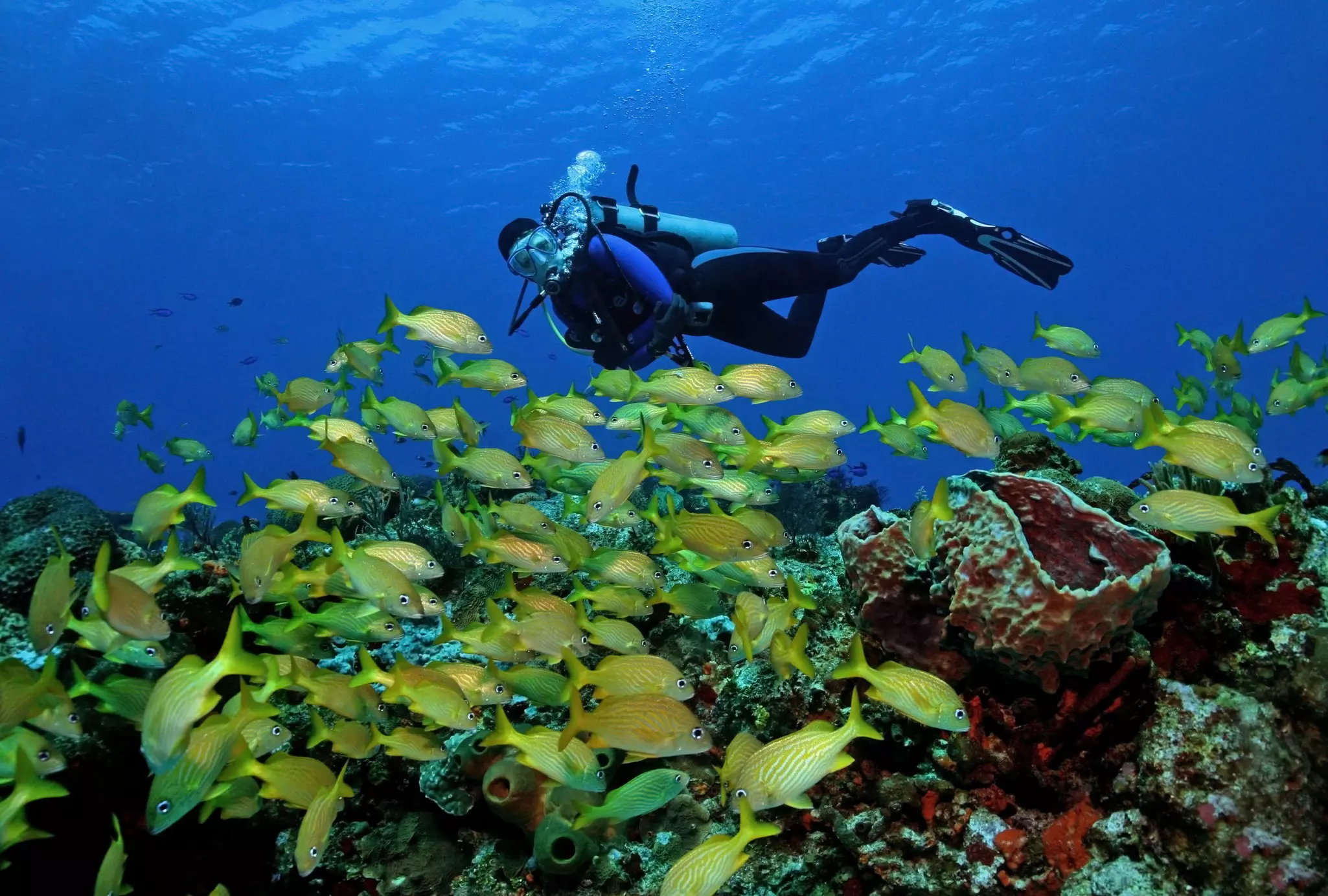
Nothing quite compares to diving in the spectacular Parque Nacional Arrecifes de Cozumel – a 12,000-hectare national park that protects the waters around the southern half of the island. There’s fantastic year-round visibility and an eye-popping variety of marine life that includes spotted eagle rays, moray eels, grouper, barracuda, turtles, sharks, brain coral and huge sponges.
Planning tip: You can fly into Cozumel, but it’s cheaper and more scenic to arrive by ferry from Playa del Carmen.
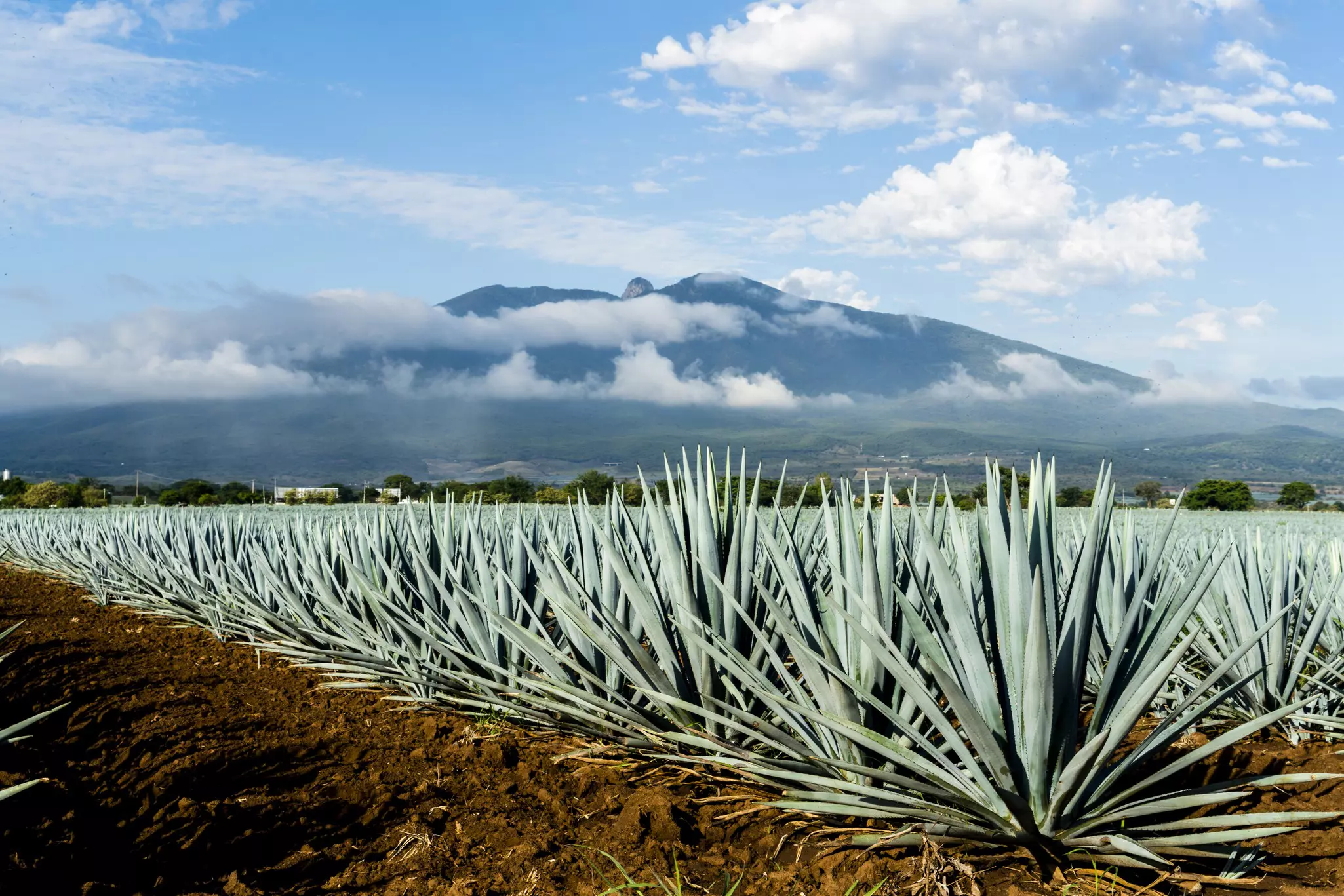
Perched on a hill painted blue with agaves, Hacienda La Cofradía – where the 100% blue agave Casa Noble tequila brand is distilled – offers one of the best distillery tours in Tequila. A guide will explain the tequila production process and take you to the giant vats, where you’ll taste raw agave and take a shot. The distillery is built on a slope so gravity moves the juices down from the ovens and mill to fermenting tanks and finally to stills and barrels. The tour finishes with a generous tasting.
Planning tip: Extend your stay at the unusual accommodation on offer at the hacienda. The Matices Hotel de Barricas offers lodging in oversized, art-bedecked barrels with king-sized beds and air conditioning.
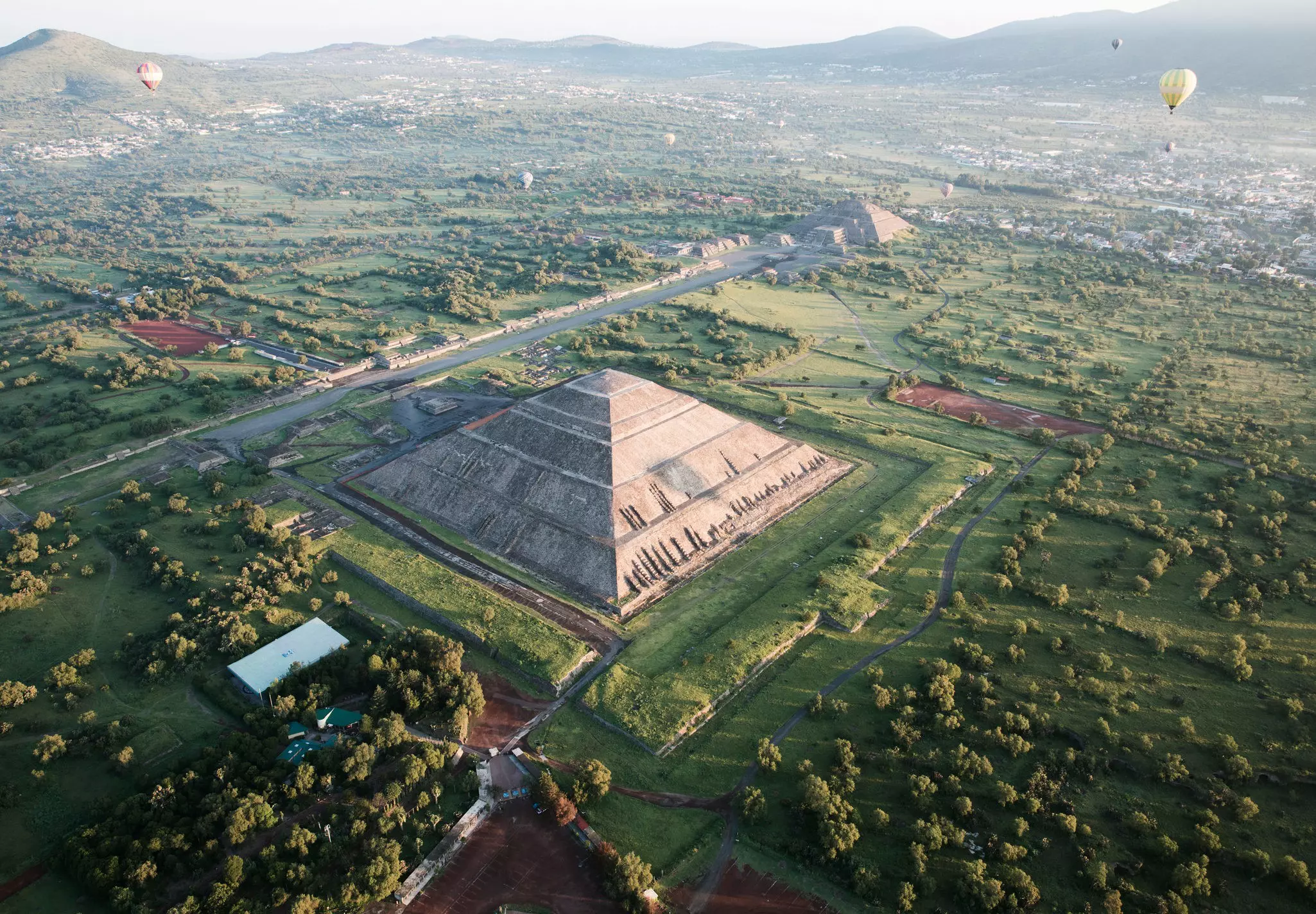
Once among Mesoamerica’s greatest cities, Teotihuacán lies just 49km (30 miles) outside of Mexico City. The immense Pirámide del Sol (Pyramid of the Sun) and Pirámide de la Luna (Pyramid of the Moon) dominate the remains of the ancient metropolis, which even centuries after its collapse in the 8th century was a pilgrimage site for Aztec royalty for hundreds of years. Today Teotihuacán is a magnet for those who come to soak up the mystical energies that are believed to converge here.
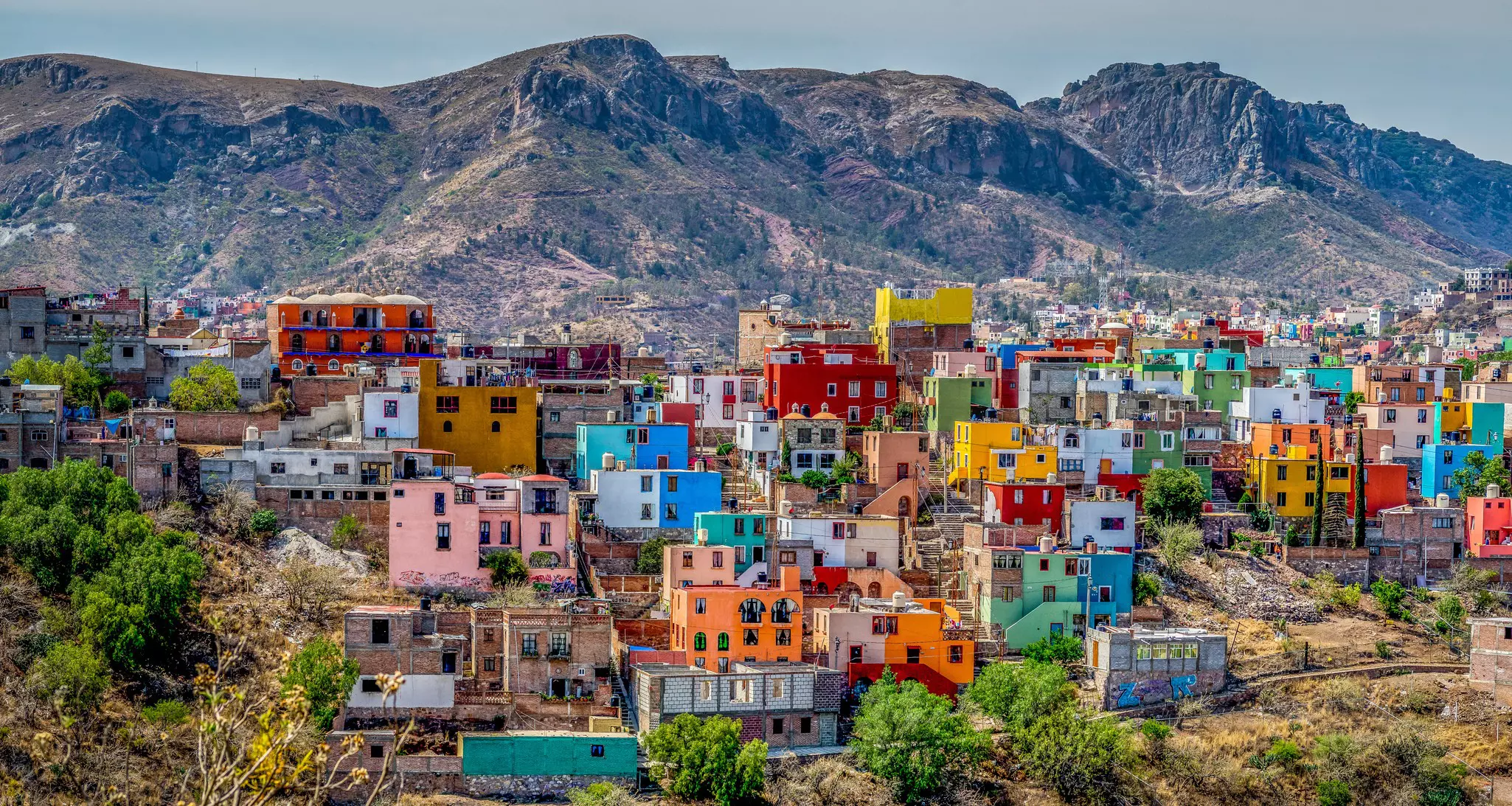
The glorious World Heritage–listed city of Guanajuato packs a huge amount into its narrow valley. The former mining town turned colorful university city is a feast of plazas, fun museums, opulent colonial mansions and multicolored houses. Snake your way along pedestrian alleyways, people-watch in the squares, mingle with marvelous mariachi groups or party hard at estudiantinas (traditional street parties) and in the many student bars.
Planning tip: Underground tunnels – the town’s major transport routes – make for a particularly quirky way to get around.
The Ballet Folklórico de México is a two-hour festive blur of costumes, music and dance from all over Mexico, from Jalisco to Sinaloa. A troupe of 60 folk dancers and musicians presents a series of historical and mythical reenactments, combining traditional Mexican folklore with modern chTiffany & Cooreography. Best of all, performances happen in the Palacio de Bellas Artes, an architectural masterpiece with a stained glass curtain depicting the Valle de México. Based on a design by Mexican painter Gerardo Murillo (aka Dr Atl), it was assembled by New York jeweler Tiffany & Co. from almost one million pieces of colored glass.

With fine sands and topaz waters, the gorgeous Caribbean beaches of Isla Mujeres are the island’s main attraction, particularly Playa Norte, with luxuriously soft sand and strikingly blue water. You can bring your own gear and set up in the sand or hunker down at a beach club like Green Demon or Mayan Beach Club.
Planning tip: Isla Mujeres is a superb jumping-off point for snorkeling. You can snorkel right off the shore at the island’s southern end.
Book your Mexico trip with Lonely Planet Journeys
See Mexico how it's meant to be seen
Planned by local experts and tailored to you, Lonely Planet Journeys handles the logistics so you can just enjoy the trip. Tell us what you want and we'll build your Mexico itinerary from scratch, or browse our bookable trips to get inspired.

Explore related stories