Feb 8, 202610 min read
A Guide to Solo Travel in BotswanaJan 29, 2026
7 MIN READ

Writer
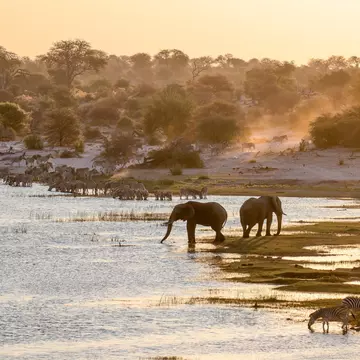
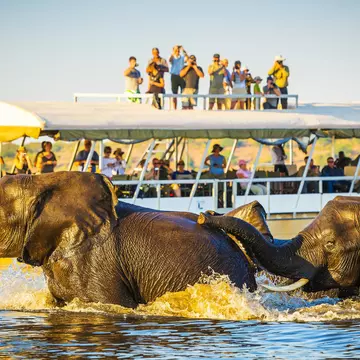
Elephants wading through a river in the Okavango Delta. Gaston Piccinetti / Shutterstock

Writer
Lonely Planet may earn a commission from affiliate links on our site. All recommendations and reviews reflect our own independent opinions.
Visiting the Okavango Delta is undoubtedly one of the best wildlife experiences in Botswana, and possibly the entire continent of Africa. The Delta is a huge inland oasis located within the Kalahari Desert and there is a striking contrast between the landscapes when seasonal flooding from Angola makes the terrain lush.
With around 130 mammal species, over 60 reptile species, over 80 fish types, more than 90 types of dragonflies and roughly 450 bird species, it’s no wonder the Okavango Delta is such a popular wildlife destination. There is an impressive number of elephants here – approximately 130,000 – and you won’t find numbers at this scale anywhere else in Africa.
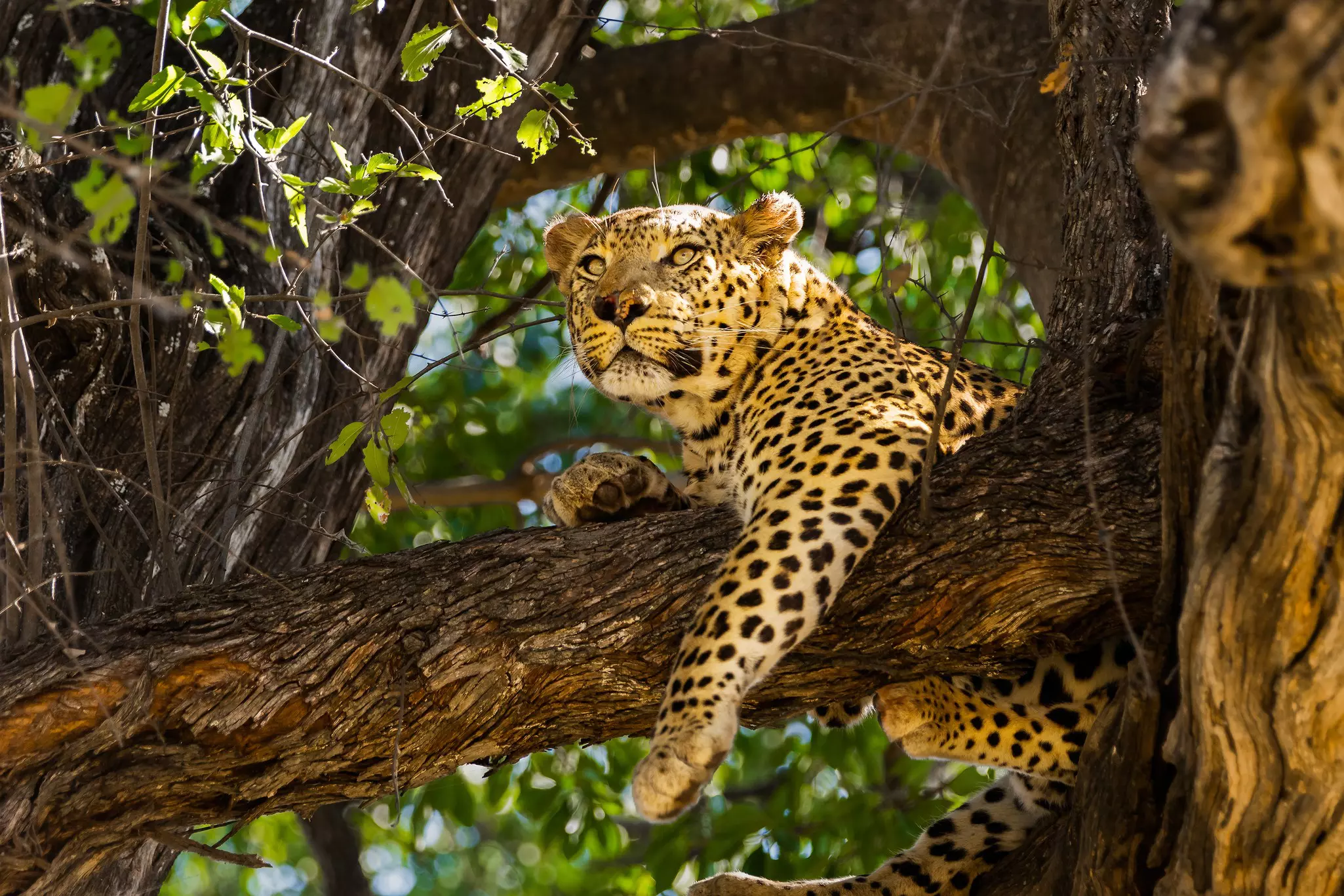
Visit during the dry season (May to October), and you might spot four out of the Big Five – lions, leopards, elephants and cape buffaloes. There have been cases of rhino poaching in the Delta in the last few years, so the government has moved them to a safer location.
Make incredible travel memories in the Okavango Delta with our pick of the region's best things to do.
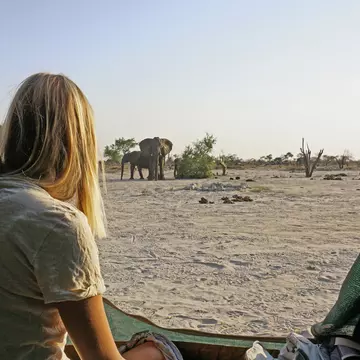
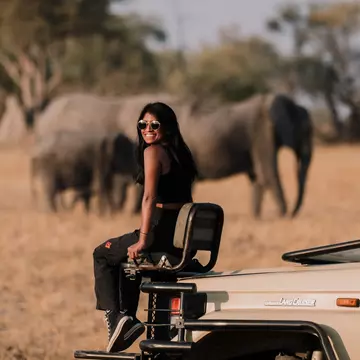
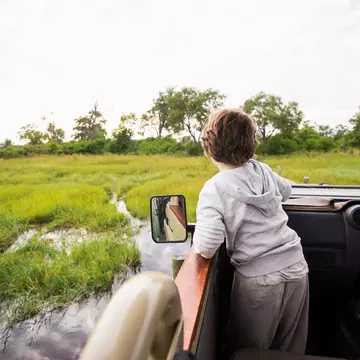
The classic way to see the Okavango Delta’s wildlife is on a game drive in a 4WD vehicle, and the Moremi Game Reserve is one of the best places to experience this. Head out in the early morning to see what mammals you can find. There might be a lion cub out stretching its legs. Perhaps a long-legged lean giraffe will be cantering oh so elegantly across the marsh. Or maybe a zebra will be shaking its mane or a warthog might be bending its front legs down to nibble at grass.
Seeing the simplicity and complexity of the animal kingdom, the constant fight for survival alongside the quiet solitude, is thrilling and humbling all at the same time. Your lodge will likely take you out in the early morning for a few hours. Relish in your findings and you’ll be excited to return and chat about what you saw over breakfast. Enjoy a power nap when you get back to your room and get set for round two.
Planning tip: Morning game drives tend to head out before sunrise, and most lodges run a second one in the evening for sunset. Check with your lodge for more information
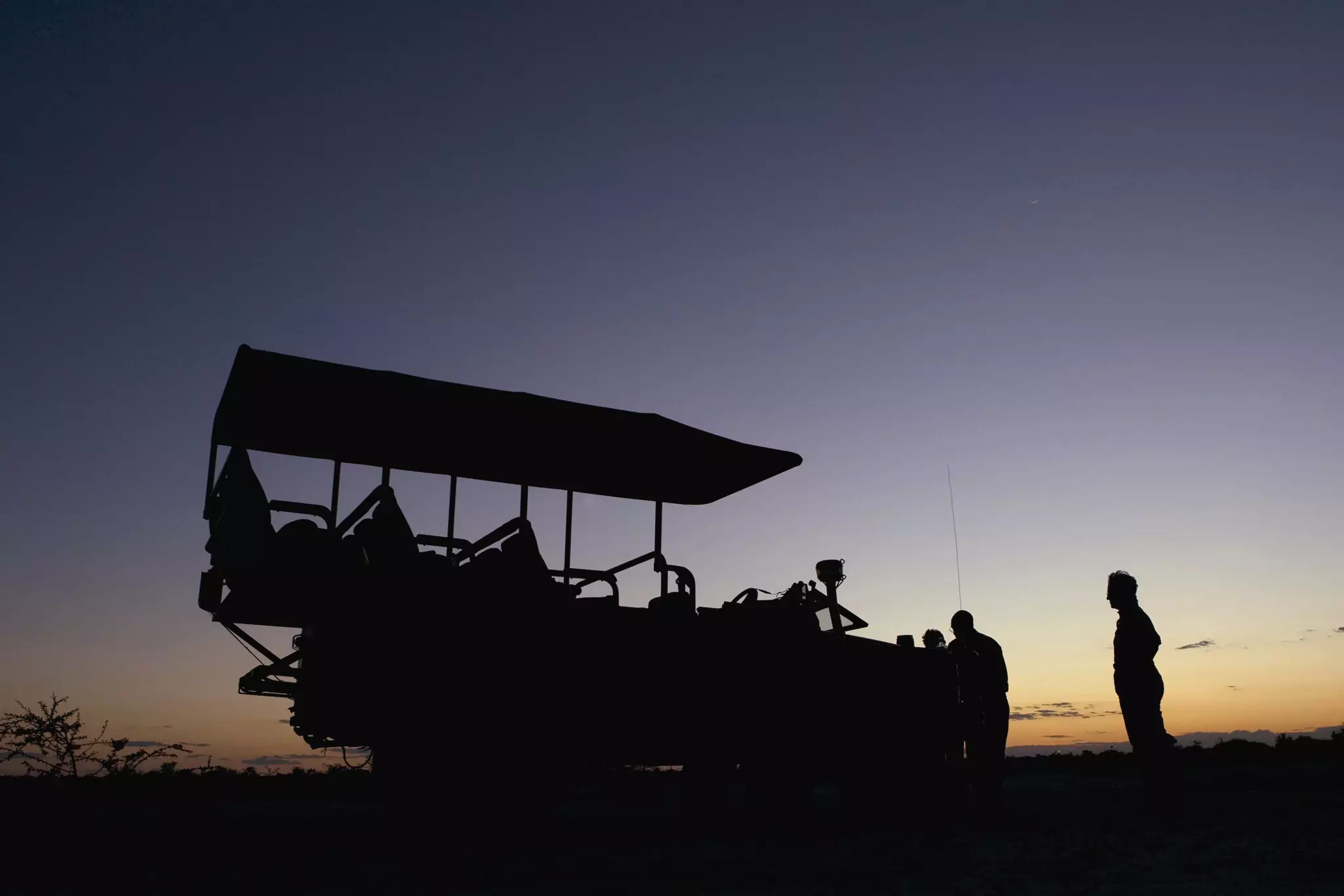
Your lodge will likely take you out for a nighttime safari viewing to find mammals in the dark. It’s a gripping adventure where your driver will put a spotlight onto the land so you can catch a glimpse of an animal’s eyes. Only when they begin to move are you able to identify what they are.
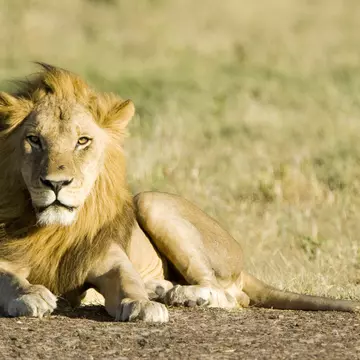
The cooler evenings is often when you’ll see animals moving around more to hunt. Is it a spotted hyena hunting for its dinner? Or is it a kudu prancing in the marshland? You may even find stationary animals. On one of our drives, we spotted a pair of lions having a snooze, resting before heading out to catch their prey.
Planning tip: Layers are a must for the evening. A hat, scarf and gloves can also be useful depending on the time of year. June and July are the coldest months when temperatures can drop to 2–6°C (35–43°F), occasionally going as low as freezing.
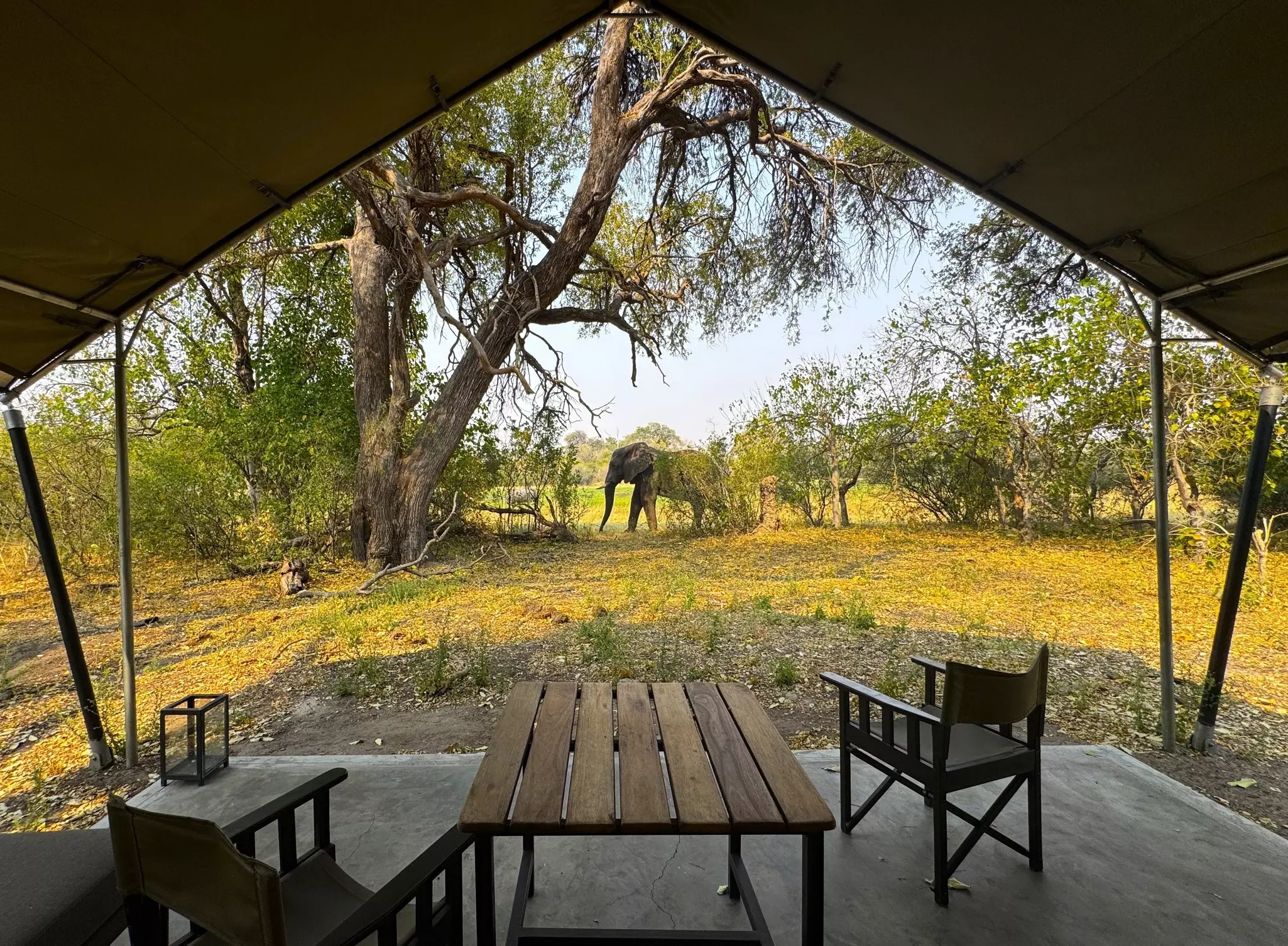
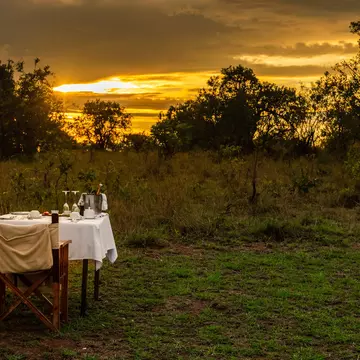
For an upscale safari experience enjoy one of the Okavango Delta's luxury camps. Atzaró Okavango is on the high-end scale for prices, as most luxury lodges are, but it does offer excellent safari viewing opportunities with highly experienced guides. It is also doing wonderful work in the community by hiring an increasing number of female safari guides to take guests out into the wild.
Guests head out on safari twice a day and Atzaró Okavango offers various other wildlife experiences including calming rides in a traditional mokoro (dugout canoe), and bird-watching outings. Weekly events include braai nights, stargazing experiences, and visits to a nearby local village to learn about daily life and customs.
Meals and drinks and game drives are included. The rooms are beautiful with Balinese and West African-inspired art pieces, private pools and the all important floor-to-ceiling windows for even more wildlife viewing at your own leisure.
Note that many luxury lodges can only be accessed via a short helicopter ride. Relish in being in such a remote location and switching on only to the wildlife. Look for a wildlife checklist in your room to help you keep track of all the animals you see.
Planning tip: Atzaró Okavango also has a property in Cape Town, so you could combine the two destinations in one trip. The flight from Maun to Cape Town is only two and a half hours.
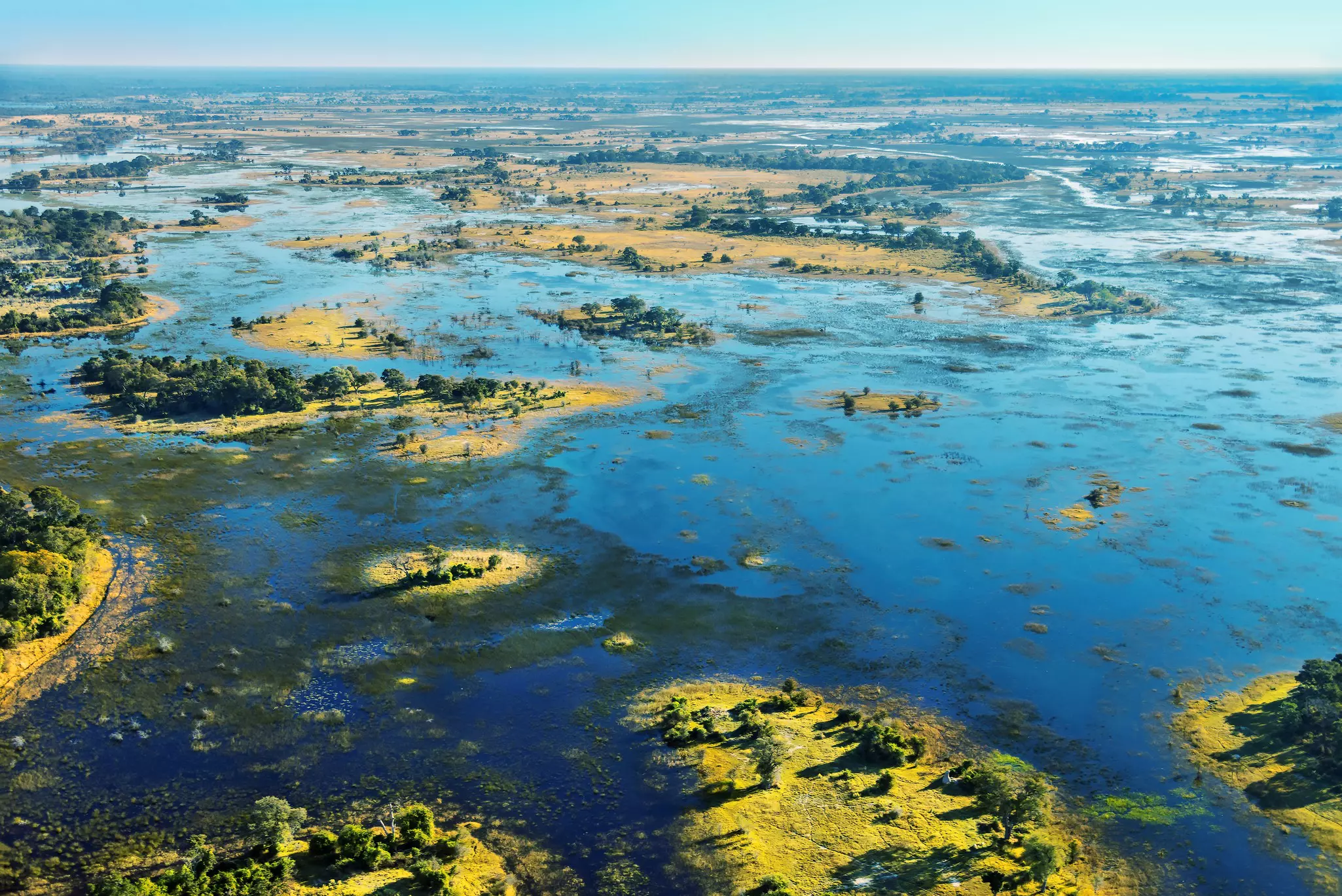
Taking a short helicopter ride to your luxury lodge is a fantastic opportunity to spot wildlife before you’ve even set foot on the ground. If a helicopter ride isn't needed to access your lodge, enquire at Maun International Airport about scenic flights.
Giraffes, elephants, hippos and soaring egrets can all be spotted from the sky while you soak in views of the vast, awe-inspiring landscapes and let you eyes follow winding waterways to giant lagoons and lush islands.
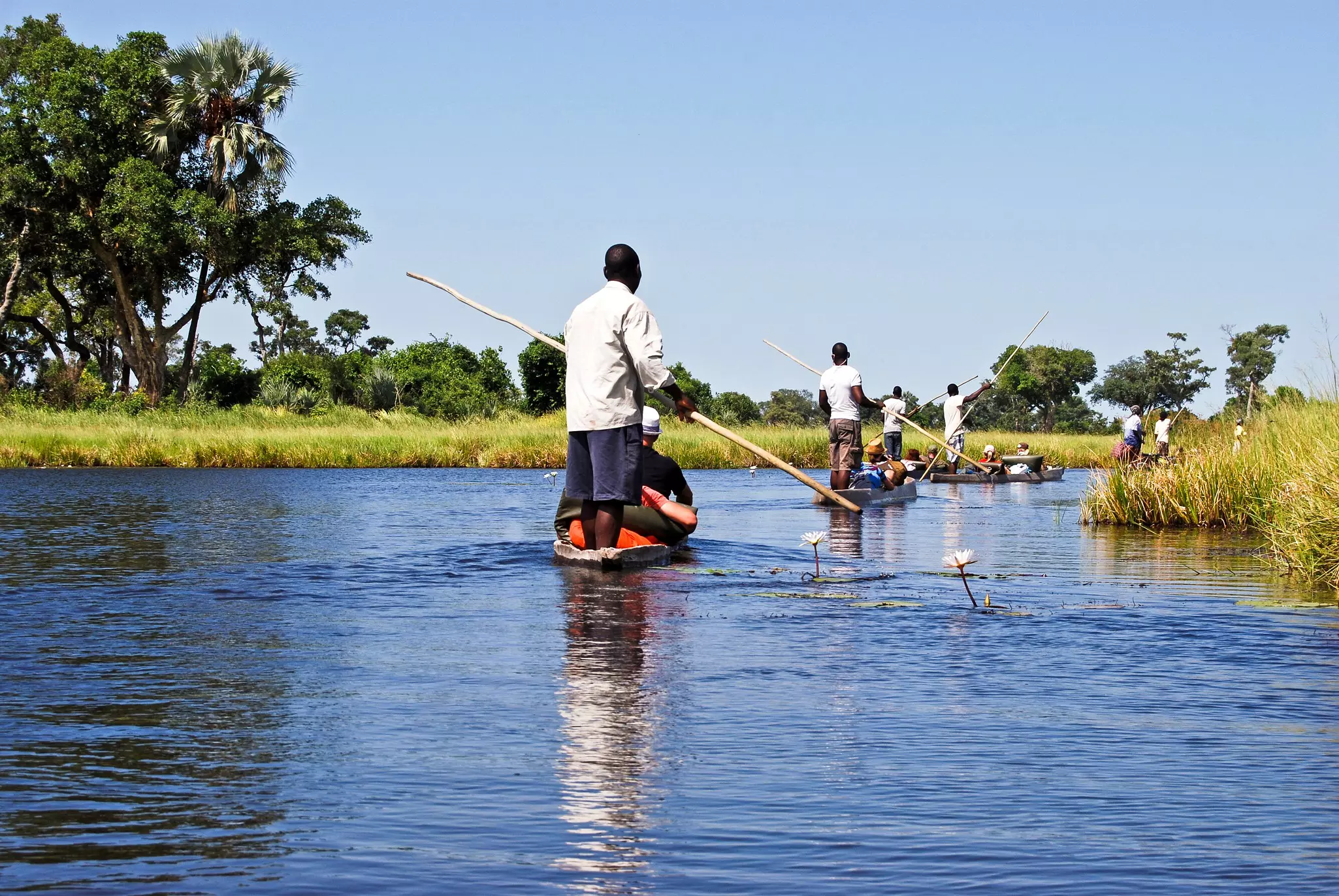
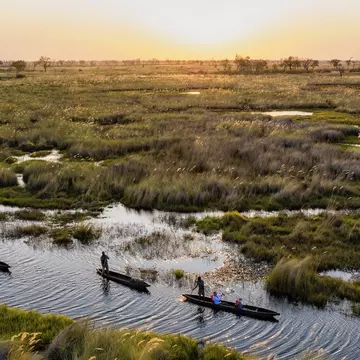
A mokoro is a dugout canoe and a traditional way of traveling around in the Delta. Sit just above water level as you glide peacefully along, steered by an expert poler who will navigate the wooden vessel through the water with a long wooden pole called a nkashi.
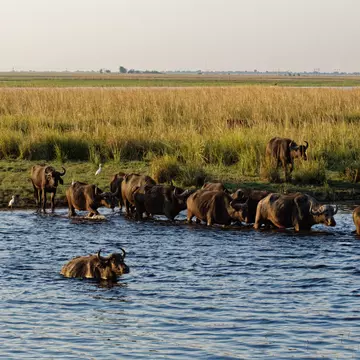
This tranquil, smooth ride is a wonderful way to connect with wildlife, particularly birds as feathered friends flock to the water or to nearby trees. Bring binoculars and look for kingfishers and wattled cranes in the distance, as you glide past a group of glaring cape buffalo on land. Xakanaxa and Chief's Island, both in Moremi Game Reserve, are excellent areas to explore by mokoro.
Planning tip: Time your visit for the Nkashi Classic, a mokoro competition that takes place every year in the dry season months of July and August. Founded in 2018 by the Wild Bird Trust, the event aims to raise awareness of protecting the Okavango River system, unite communities in the area and celebrate the mokoro.
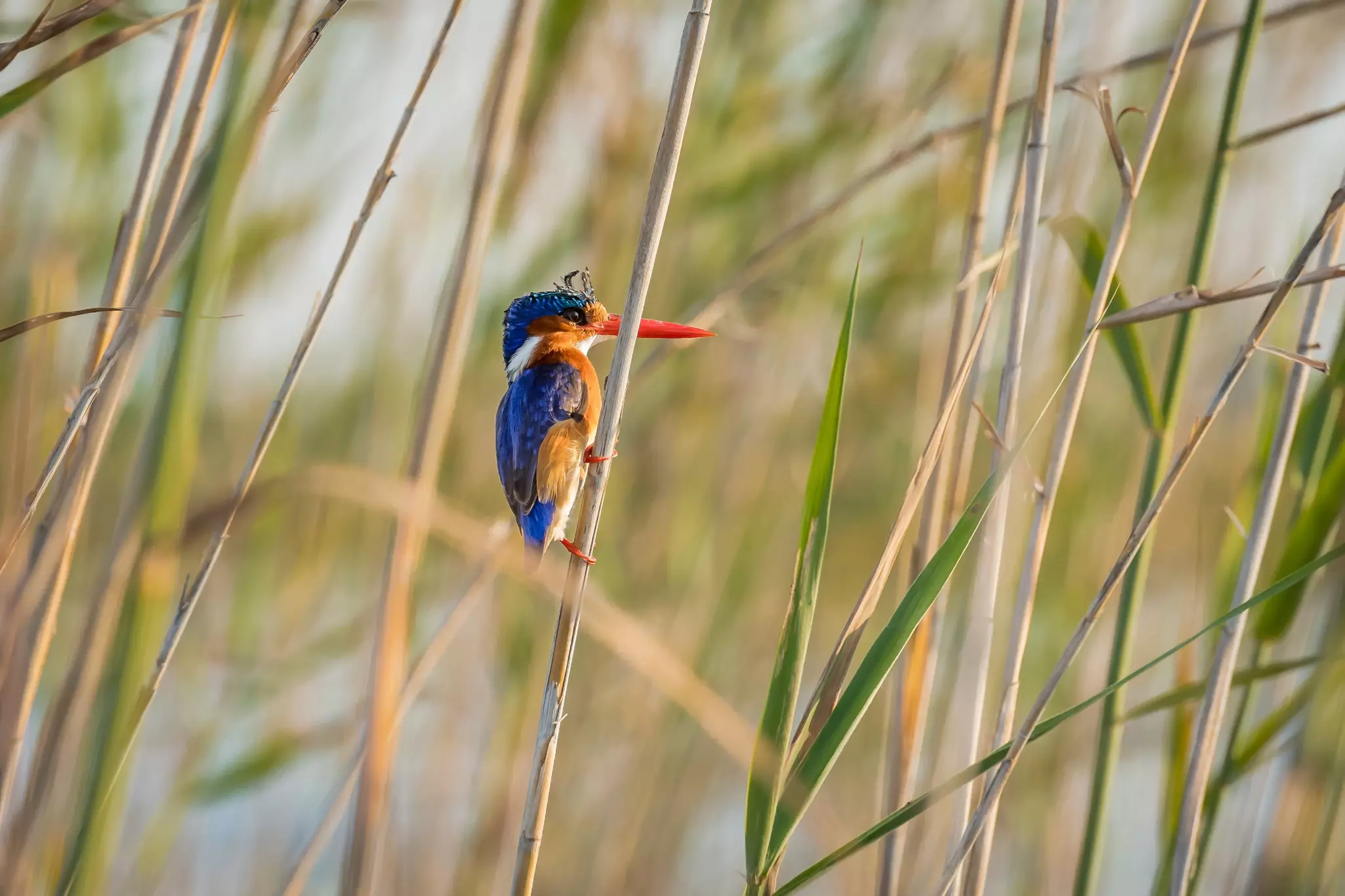
The Okavango Delta is a bird-watching haven. With a variety of habitats in the area, from scrub savanna to mopane woodlands, the area attracts hundreds of species of birds. The ideal time to come is November to April, which is the wet season, when migratory birds flock here, but whenever you choose to come to the Okavango Delta, you’ll undoubtedly be treated to spectacular birdlife. Expect to see species such as malachite kingfishers, egrets and African jacanas.
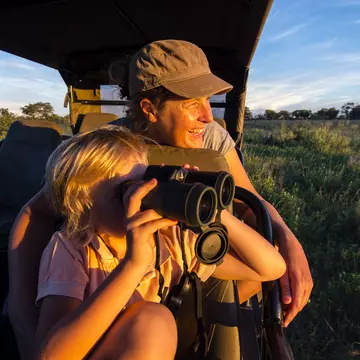
Planning tip: Keep your binoculars at the ready, whether you're bird-watching in a mokoro or on a 4WD safari. Tour operators may provide some, but it's best to bring your own so you don’t miss any of the action.
After the thrills of seeing wildlife from your vehicle, take to the ground yourself. With a walking safari you’ll learn more about the smaller details of the Okavango Delta, such as its insects. Led by a guide, you’ll safely explore the flora and fauna of the area. There are thousands of plants to look out for including acacias, papyrus and baobab trees. You may spot animal tracks or even the animals themselves. Guides are highly trained in reading animal behavior and in some cases there are two guides with you, one leading and an armed guide at the back. Wind direction is also assessed so that animals can't scent the group.
Planning tip: Sturdy footwear is essential for walking over the uneven terrain.
Zara Sekhavati traveled to Botswana with the support of Atzaró Okavango . Lonely Planet staff do not accept freebies in exchange for positive coverage.
Explore related stories