Apr 3, 20267 min read
Best Remote Lodges in South AmericaDec 18, 2025
15 MIN READ

Writer
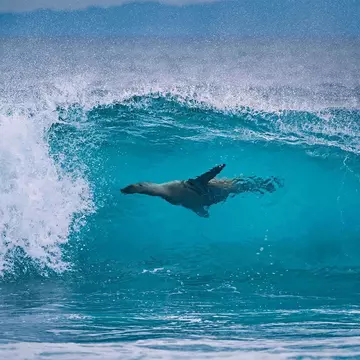
A sea lion off the shore of Isla Fernandina in the Galápagos, Ecuador. Animalgraphy/Shutterstock

Writer
Lonely Planet may earn a commission from affiliate links on our site. All recommendations and reviews reflect our own independent opinions.
A place of high drama and even higher altitudes, South America is too big for just one bite. But don’t worry, you’ll be back, because once this continent gets under your skin – and trust us, it will – you’ll return in a heartbeat. That first trip to South America quickly becomes a lifelong obsession.
From the deafening roar of Iguazú Falls to the Inca legends of the Sacred Valley, the tango milongas (dance halls) of Buenos Aires to the glacier-skimming hikes of Patagonia, gaucho estancias in Uruguay to giant tortoise encounters in the Galápagos, you are in for one epic ride. Get started with 15 of our favorite things to do in South America.
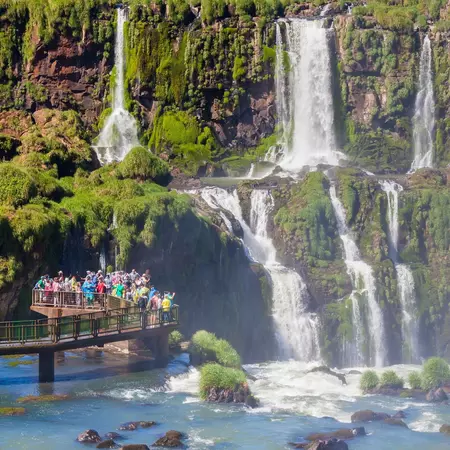
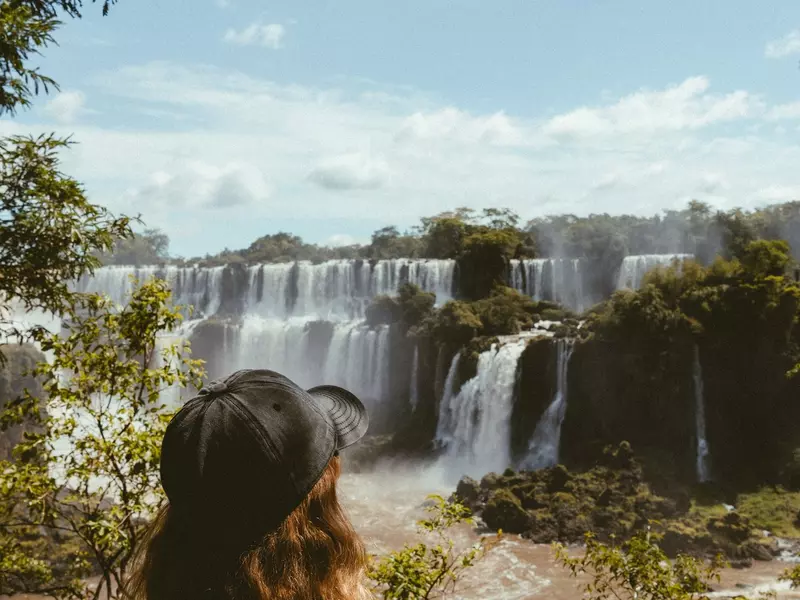
Nothing prepares you for the crash-bang spectacle of Iguazú Falls. Thundering for nearly 3km, this chain of rainbow-kissed cascades makes you gasp out loud with its echoing roar, off-the-charts beauty and smokelike plumes of spray. You’ll feel the full force of nature peering up at the falls, surrounded by subtropical rainforest on the border between Brazil and Argentina. Pray for sun and pack a poncho.
Incredible as they are, the falls are just the tip of the scenic iceberg. On the Argentine side, strap on boots to hike on trails weaving through the jungle in Parque Nacional Iguazú. From the Cataratas train station, you can strike out on a 2.3km trail to the Garganta del Diablo (Devil’s Throat), where a viewing platform hovers above a raging torrent of water. Keep an eye out for capuchin monkeys and coatis along the way.
Planning tip: You can easily get to Iguazú Falls from either side of the border or from nearby Paraguay. Don’t rush off: spend a night deep in the jungle at Surucuá reserve and eco-lodge.
If there’s one dish that screams South America, it’s ceviche – Peru’s palate-awakening, mouth-puckering national dish of raw white fish marinated in zingy lime juice with red onions, ají peppers and a pinch of salt. It is the perfect blend of acidity and spice. Peruvians are so crazy about ceviche that it even gets its own national day, on June 28, with festivals, cooking competitions and ceviche-inspired menus.
Peru’s Pacific-gazing capital, Lima, is cevichería (restaurants that specialize in ceviche) central, and even high-end chefs have wholly embraced their love for this dish. For mind-blowing flavors, try La Mar or El Mercado in the Miraflores district. Or for something simpler (and less expensive), make for hole-in-the-wall Canta Ranita in El Capullo market in Barranco.
Planning tip: Eating ceviche is an art. First, make sure the fish is brilliantly fresh. Ideally you want to taste both the fish and the leche de tigre (tiger’s milk) marinade in every bite, so use your spoon. Don’t forget the sides: sweet potato, choclo (giant corn from the Andes) and chifles (deep-fried plantain chips) add balance, texture and crunch.
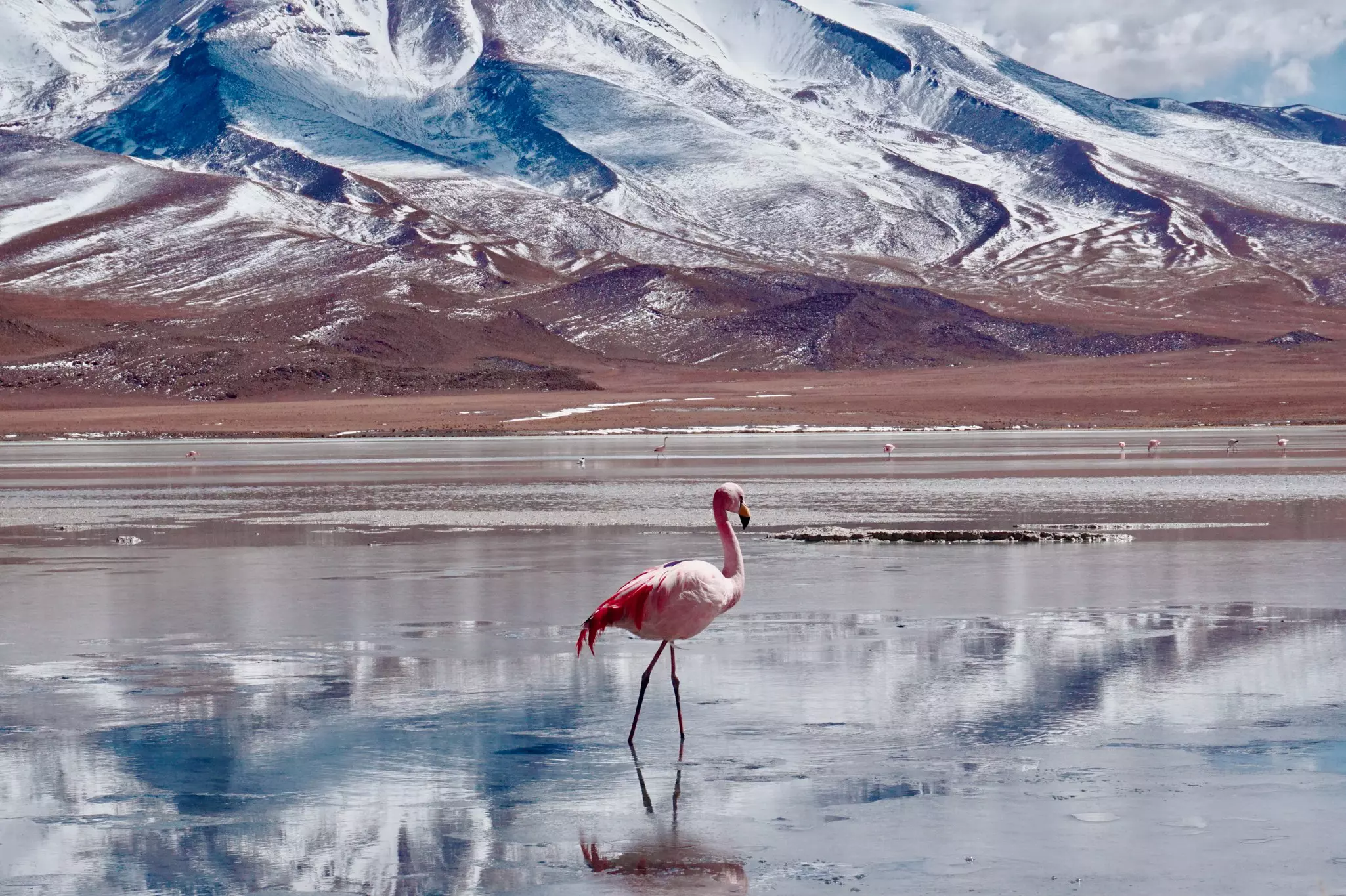
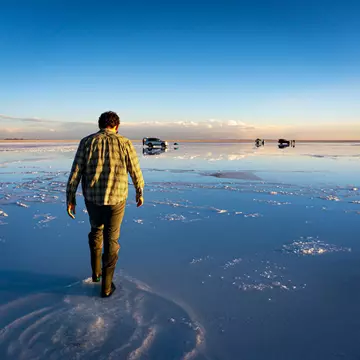
As you squint in the glare of an altiplano sun, a salt plain as white as newly fallen snow reaches seemingly into infinity. Welcome to Bolivia’s sky-high Salar de Uyuni. Spreading for a whopping 12,106 sq km and perched at an ear-popping 3653m, the world’s largest salt flat has an otherworldly beauty.
In the dry season from May to November, the whiteness of the salt is so dazzling that it forces you to pop on your sunglasses. During the wet season from December to April, rainwater creates a surreal optical illusion on the hexagonal salt tiles, holding up a mirror to the clouds and piercing blue skies. The horizon does a vanishing act. To get a true feel for the salar (salt desert) and the kind of photos that hoover Instagram likes, hike across the cactus-cloaked island at its heart, Isla Incahuasi.
Planning tip: Most people visit the salar on a tour from Uyuni. Choose your guide wisely, making sure that the vehicles have seat belts, emergency radio transmitters and first aid equipment. Fancy staying the night? Luna Salada is a luxe hotel's salt-built escape, with front-row views of the salar and starry night skies.
All the fire and passion of Argentina are wrapped up in its sultry national dance, tango, born in the working-class neighborhoods of Buenos Aires in the 19th century. Experience the form at one of the city’s milongas and you’ll quite literally be swept off your feet by a stranger. Don’t resist: within no time, you’ll be swaying across a well-polished dance floor to the melancholic strains of the bandoneón (concertina) and heartfelt songs of love, loss and longing. Slow walks, cross steps, ochos (figure eights) and giros (turns) – this dance has its own expressive language and a rhythm that’s irresistible.
All porteños (Buenos Aires residents) have their personal favorite, but a number of tango joints have stood the test of time. Get familiar with the music at tiny El Boliche de Roberto, a gorgeously nostalgic time warp of a bar; or give a beginner’s class a whirl at Milonga Parakultural. Bar Sur, in the historic San Telmo neighborhood, is another great place to learn the basics.
Planning tip: Milongas often kick off with dance lessons, but as the night wears on, the pros take to the floor to show you how it’s really done. Many places don’t get properly going until midnight.
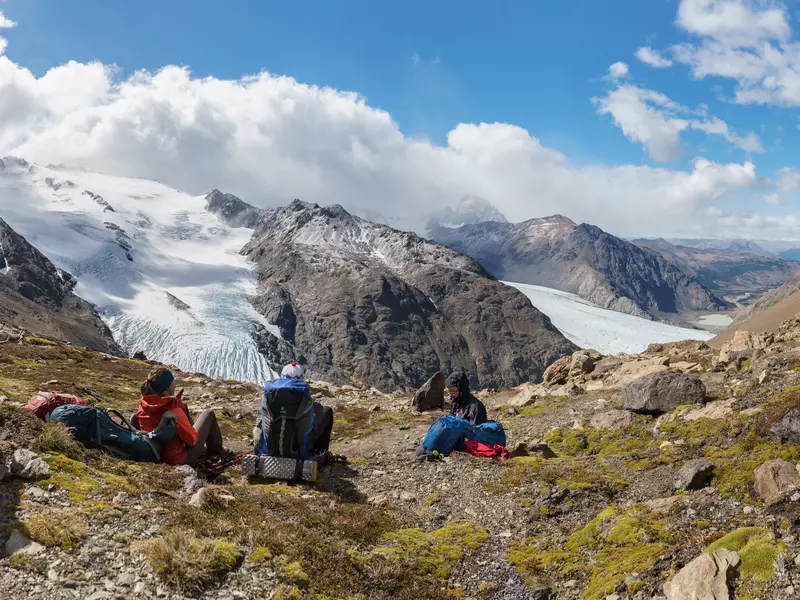
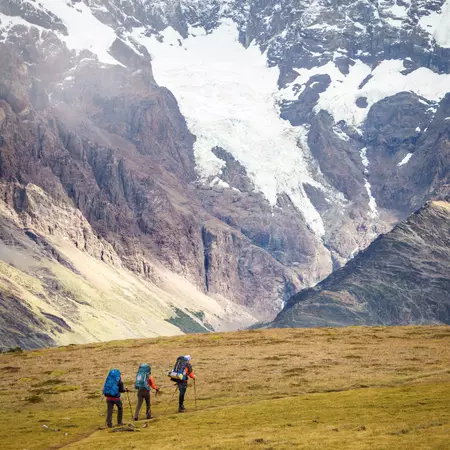
Diving deep into Argentina’s Parque Nacional de los Glaciares, the expedition-level Huemul Circuit is rightfully billed as the toughest of Patagonia’s top hikes. The 4-day trek pits you against the elements, with raging rivers to cross, crevassed glaciers to traverse and gnarly slopes to climb, often battling gale-force winds that make your bones rattle and threaten to whip your tent away. This hike will require every ounce of your strength, nerve and stamina. But the dawn to dusk hiking, bare-bones wild camping and merciless ascents are worth all the aches, curses and blisters.
It's one of the most remarkable hikes in the region – from the sudden whoosh of a condor soaring above the glacier-encrusted fangs of the Fitz Roy range to morning sunlight dancing on the turquoise Viedma lake and its immense glacier, Argentina’s biggest. Best of all is the heart-racing moment when, after a relentless 900m climb, you crest the Passo del Viento (Windy Pass) to see the Southern Patagonian Ice Field unfurl at your feet. One of the world's largest nonpolar glaciers, it’s like a frozen highway to another world.
Planning tip: Go with a reliable guide from the adventure-hub town of El Chaltén. Swoop Patagonia can help arrange the logistics. Bear in mind that you’ll need to carry your own gear.
A whopping 20 times bigger than Florida’s Everglades, the wetlands of the Pantanal, dipping into Brazil, Bolivia and Paraguay, are one of the most biodiverse places in the world. Covering 210,000 sq km, this fretwork of lakes, marshes, rivers and lagoons teems with tropical flora, including giant water lilies, and harbors a staggering array of wildlife, from giant river otters and alligators to marsh deer, caimans, capybaras and hyacinth macaws.
But the clincher is the chance to observe the rare and elusive jaguar in the wild. Sightings the world’s third-largest cat are frequent, and even a fleeting glimpse of one at close range is thrilling. Reputable operators include Pantanal Jaguar Safaris.
Planning tip: Prime time is the dry season from June to October, when the jaguars are forced to head for the riverbanks. Roads can become impassable during the wet season floods. Before booking wildlife-related activities, check the company’s eco-credentials carefully and look for conservation-focused operators.
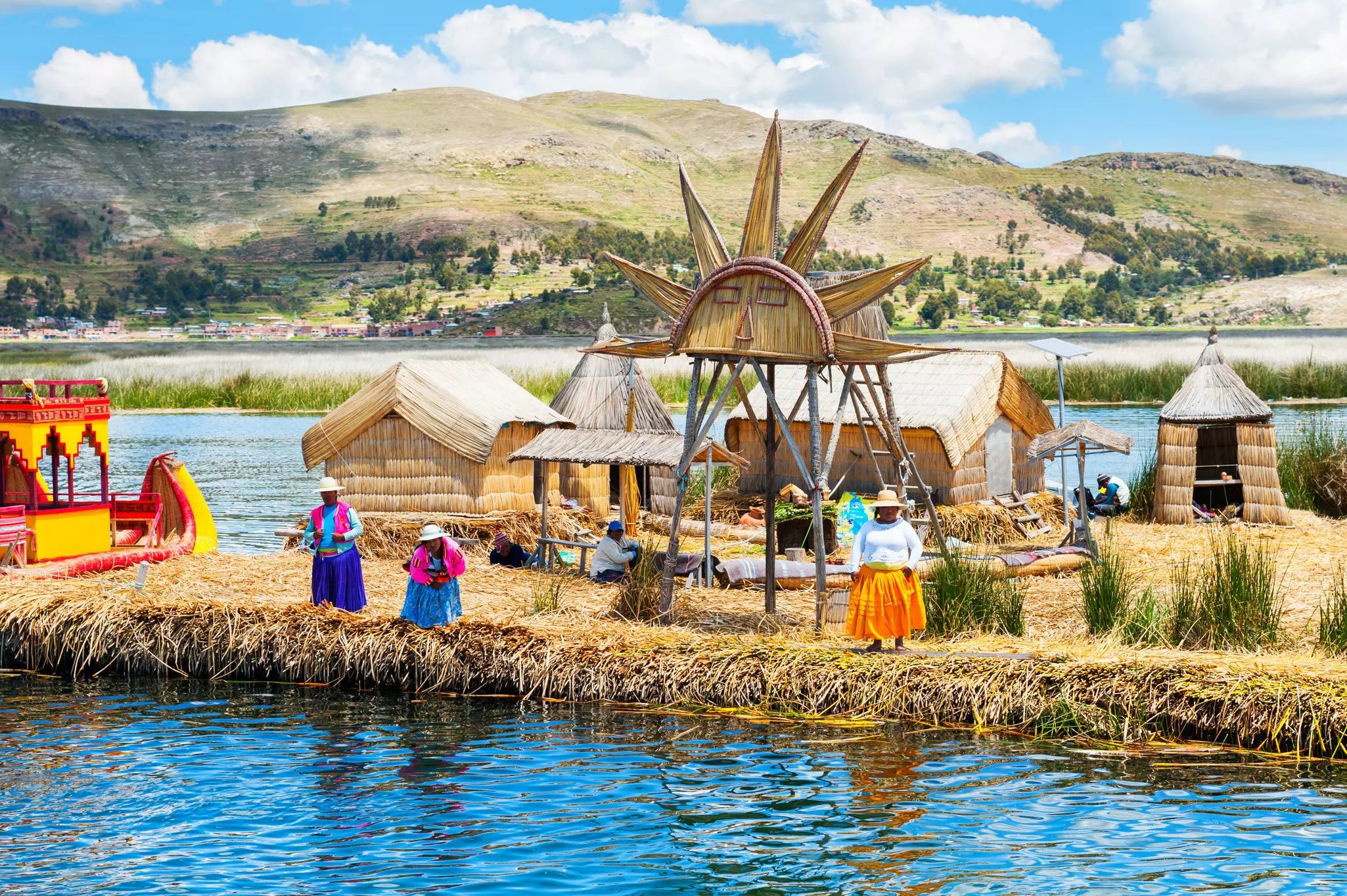
Unraveling its inky blue brilliance between the borders of Bolivia and Peru, Lake Titicaca is the largest lake in South America – and it’s a beauty. At 3812m, the highest navigable body of water in the world swirls with myth, its placid waters mirroring the flawless Andean sky. Inca legend has it that the creator god, Viracocha, rose from the lake to create the sun, moon and stars. And whether you’re boating from Copacabana to the Isla del Sol in search of ruins of early civilizations in Bolivia or kayaking from Puno to the floating totora reed islands of Islas Uros in Peru, you’ll feel that bit closer to the elements and eternity.
Planning tip: The lake’s flaming sunsets are pretty special, but the glittering night skies are better still. Remote and high, Lake Titicaca is one of the world’s stargazing hubs. You can admire the Milky Way and shooting stars with the naked eye alone, but bring a simple pair of binoculars for a better look at distant planets, nebulae and meteor showers.
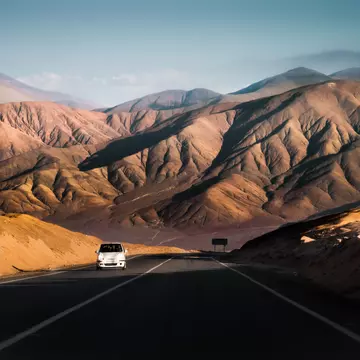
Dusty, dry as a bone and with a plateau reaching up to 4000m, Chile’s Atacama Desert is like another planet. And if you think its reddish ochre canyons, sand dunes, rock formations, volcanoes, geysers and salt pans look like Mars, you are not alone. NASA tests Mars explorations here, with rover astrobiology drilling studies. This is the driest nonpolar desert on earth, receiving just a few precious millimeters of rain a year. The elevation, views and fiery sunsets take your breath away.
A mere cluster of adobe streets snug against the Bolivian border, San Pedro de Atacama is a nicely chilled, boho-cool base for exploring the desert and getting active at altitude. From here you can take to the dunes on a sandboard or mountain bike (or by foot) to propel across the lunar landscapes of the volcano-rimmed Valle de la Luna, head off into the desert on horseback on multiday treks and marvel at distant galaxies on a guided stargazing trip.
Planning tip: Winter (June to August) brings clear skies and cold nights; summer (December to February) has warmer days and more wildlife. Come in the shoulder seasons for fewer crowds.
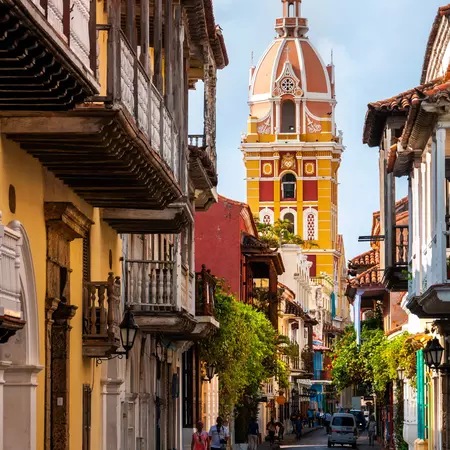
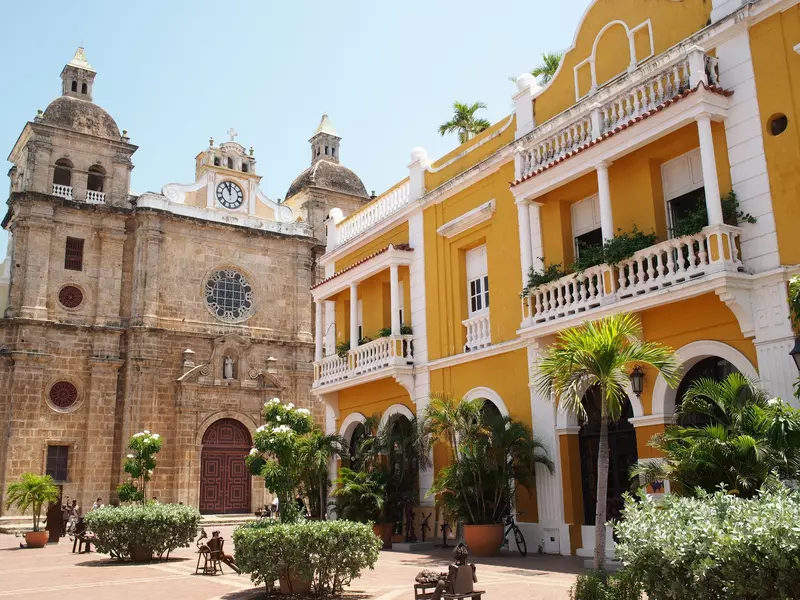
Right up there with South America’s most alluring cities, Cartagena was once one of the Caribbean’s most important ports. And this Colombian coastal stunner still wows, with South America’s most intact fortifications. A UNESCO World Heritage site, its walled, vibrantly pastel-painted center is a fantastically preserved time capsule of Spanish colonial architecture, and Afro-Caribbean influences ripple through the city’s energetic food, art and music scenes.
The best way to get a feel for Cartagena? Stride along its 11km of hefty stone walls, Las Murallas. Built high and mighty in the late 16th century after an attack by Francis Drake and in an attempt to ward off marauding pirates, the walls thrill with uplifting views out to sea. Equally unmissable is the hilltop Castillo de San Felipe de Barajas, an impregnable fortress built by Spanish colonizers in 1630.
Planning tip: Forget methodically ticking off the top sights and go for a serendipitous wander through the old town, pausing to glimpse palaces, churches and mansions hung with balconies, and stopping for drinks in plazas and for street food like arepas de huevo (a crispy cornmeal pocket filled with egg).
If you’ve ever fancied slipping into gaucho boots, here’s your chance. In the hills rippling along the Cuchilla de Haedo, Tacuarembó in Uruguay is gaucho territory, without zero fuss and tourist frippery. Press into some boots and head for the wide-open skies and rugged backcountry of this town in South America’s second-smallest country. This is bolas-slinging cattle country, so before you canter off into the sunset, stop in town to seek out an authentic parrilla (steak restaurant) to try local grilled meats.
For a deeper dive into gaucho life, stay on a farm out of town, such as Estancia Panagea, a 970-hectare working estancia, where days herding cattle on horseback fizzle into nights devouring home-cooked food and stargazing beside an open fire.
Planning tip: Time your visit for the Fiesta de la Patria Gaucha in March, a riotous 5-day festival of equestrian parades, rodeos, demos and barbecues that brings together gauchos from all over South America.
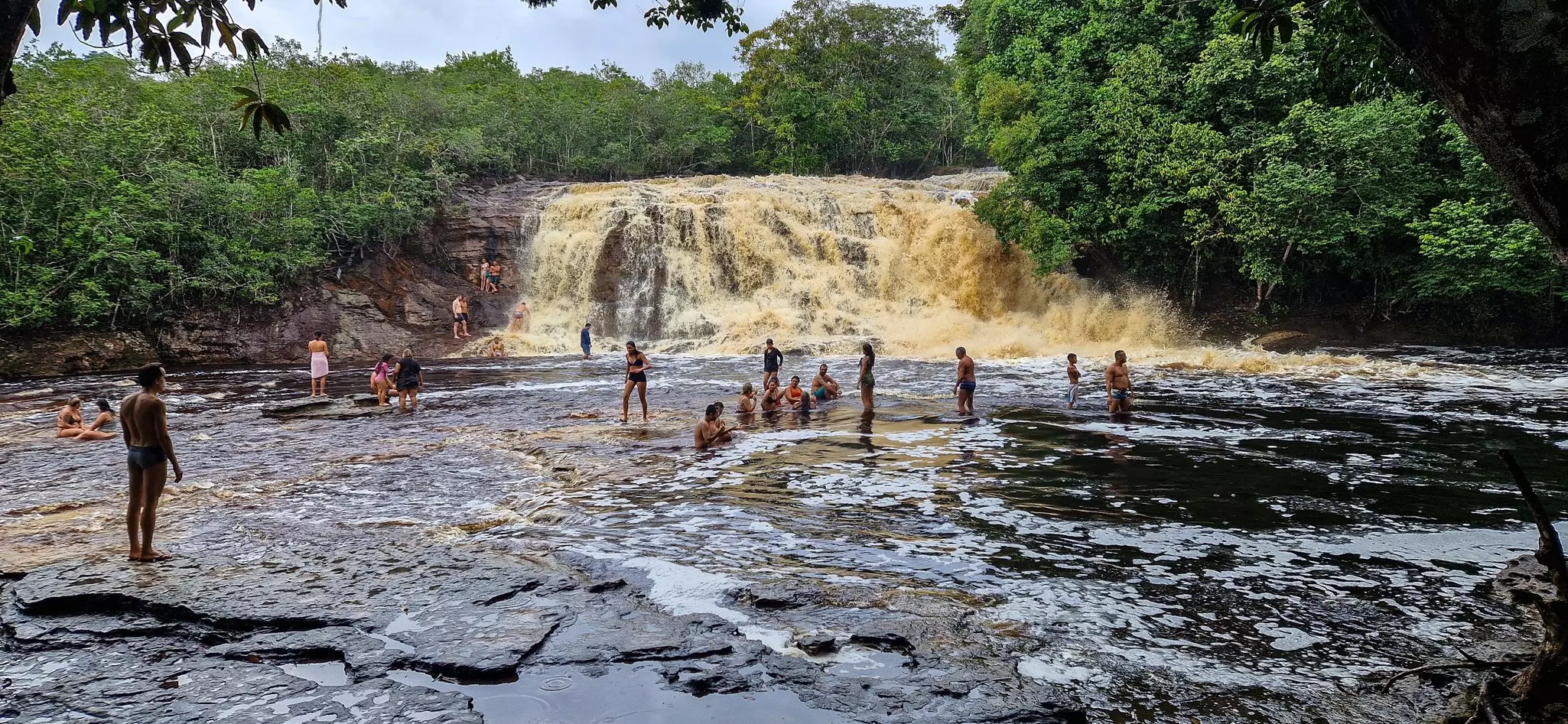
Wondrously wild, sensationally biodiverse and bristling with adventure, the Amazon is like the final frontier of the imagination – a jungle so vast that it spans eight countries. But in the world’s biggest rainforest (twice the size of India, for the record), where do you possibly begin? Perhaps right in its steamy heart in Manaus, Brazil.
The port city is the springboard for everything you’ve trekked this far to the Amazon to see. Trips on foot or by boat head deep into the jungle. Bring binoculars for the best chances of sighting wildlife, from pink and gray dolphins, monkeys, anacondas, sloths and caimans to a flurry of birds, including parrots, macaws and toucans. Many of the multiday tours along the Urubu river include once-in-a-lifetime experiences like piranha fishing, cayman spotting, jungle trekking, campfire dining and hammock sleeping while listening to the forest night. Amazon Eco Adventures and Amazon Antonio Jungle Tours are among the most reliable operators.
Planning tip: The July to December dry season is best for low river levels, clear skies, hiking and wildlife spotting. The January to May wet season brings rain, high humidity and lots of pesky mosquitoes, but nothing beats the beauty of canoeing through the flooded forest. June is a great month to visit, giving you a bit of both.
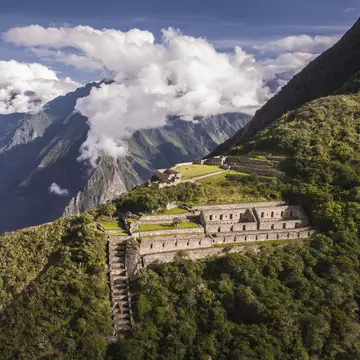
Machu Picchu is at the top of every Peru must-see list, and no matter how many photos you’ve looked at of this Inca city in the sky, seeing really is believing. Between the Andes and the Amazon, ragged, lushly green crags punch high above the cloud forest, terraced slopes and sacred ruins that pulse with the mysteries of the Inca empire. Of course, this UNESCO-listed marvel is no secret, and its popularity has soared.
Getting the most out of a visit involves clever planning and careful timing – whether you arrive on foot via the 4-day Inca Trail or hoof it up by headlamp at dawn from Aguas Calientes. If you want to dodge the biggest crowds, come during the low season (November to March). Rain showers are to be expected, but it’s much quieter then.
Detour: Below Machu Picchu, the Sacred Valley unfurls along the Río Urubamba, tossing you into the heart of ancient Andean culture at high-altitude villages, markets and off-the-radar ruins. Top billing goes to the hilltop Inca citadel at Pisac, with impressive terracing, temples and tombs, and Ollantaytambo, bookended by two massive Inca ruins.
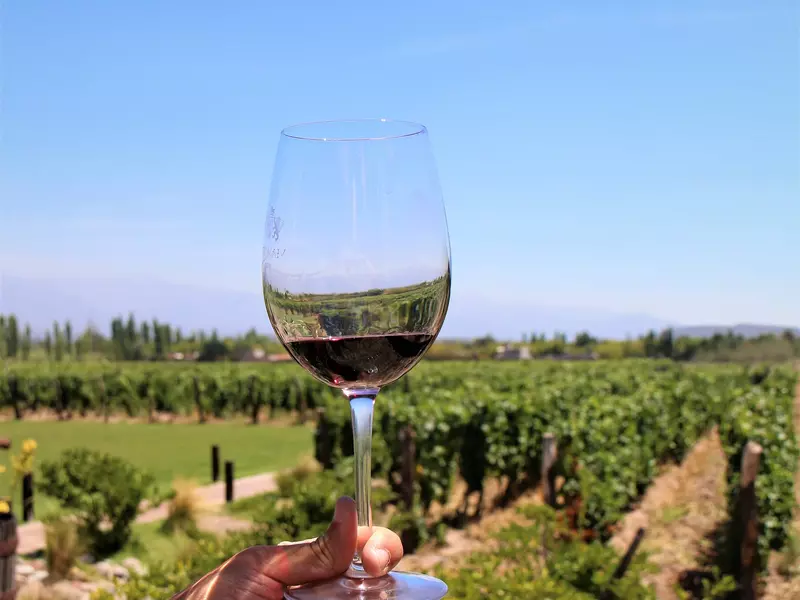
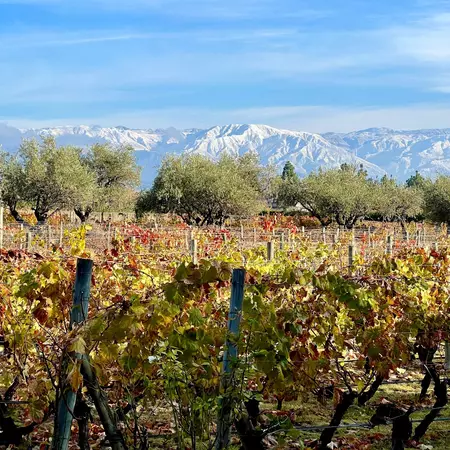
One word: malbec. The perfect accompaniment to a good rib eye steak, this spicy, ruby red vino has firmly put the elegant desert town of Mendoza in Argentina on the global wine map. And there’s nothing like sampling it at the source, where high-altitude vineyards are framed by the snow-frosted Andes.
Mendoza is right up there with the world’s most scenic wine regions, and many wineries open their doors for behind-the-scenes tours and tastings (advance booking is sometimes required). There’s malbec to try, naturally, alongside wines produced from other grapes, like cabernet sauvignon, syrah and chardonnay. The region is sprawling so it makes sense to hook onto a small group tour, such as those run by Ampora Wine Tours.
Detour: Not only the wine leaves you giddy. Mendoza is the gateway for Parque Provincial Aconcagua, capped off by the 6962m Cerro Aconcagua, the highest peak outside the Himalayas. Go to hike, ski, mountain bike and climb.
If you’re craving proper isolation, islands don’t come more middle of nowhere than Rapa Nui (Easter Island). Plunked in the mid-Pacific, 3700km west of Chile, this mystical island is like nowhere else, with Polynesian roots and monolithic moai (large anthropomorphic statues), the oldest dating back to the 1300s. Wearing topknots, these statues carved from volcanic tuff stone point to a strange and mysterious past. The island captivates looks-wise, too, whether you’re hiking or biking to extinct volcanoes and crater lakes or making for white sand beaches for snorkeling, surfing and diving.
Rapa Nui has a magnetic allure that it’s impossible to put your finger on. To really tune in to its timeless feel, factor in visits to sites like volcanic Rano Raraku, the nursery for the moai; Orongo Ceremonial Village, once the focus of an islandwide birdman cult; and moai-rimmed Ahu Tongariki, the largest ahu (burial site) ever built.
Planning tip: For solitude, avoid peak season (January to March) and guided tours, instead exploring under your own steam with a backpack and camping gear. Latam flies frequently between Santiago and the island.
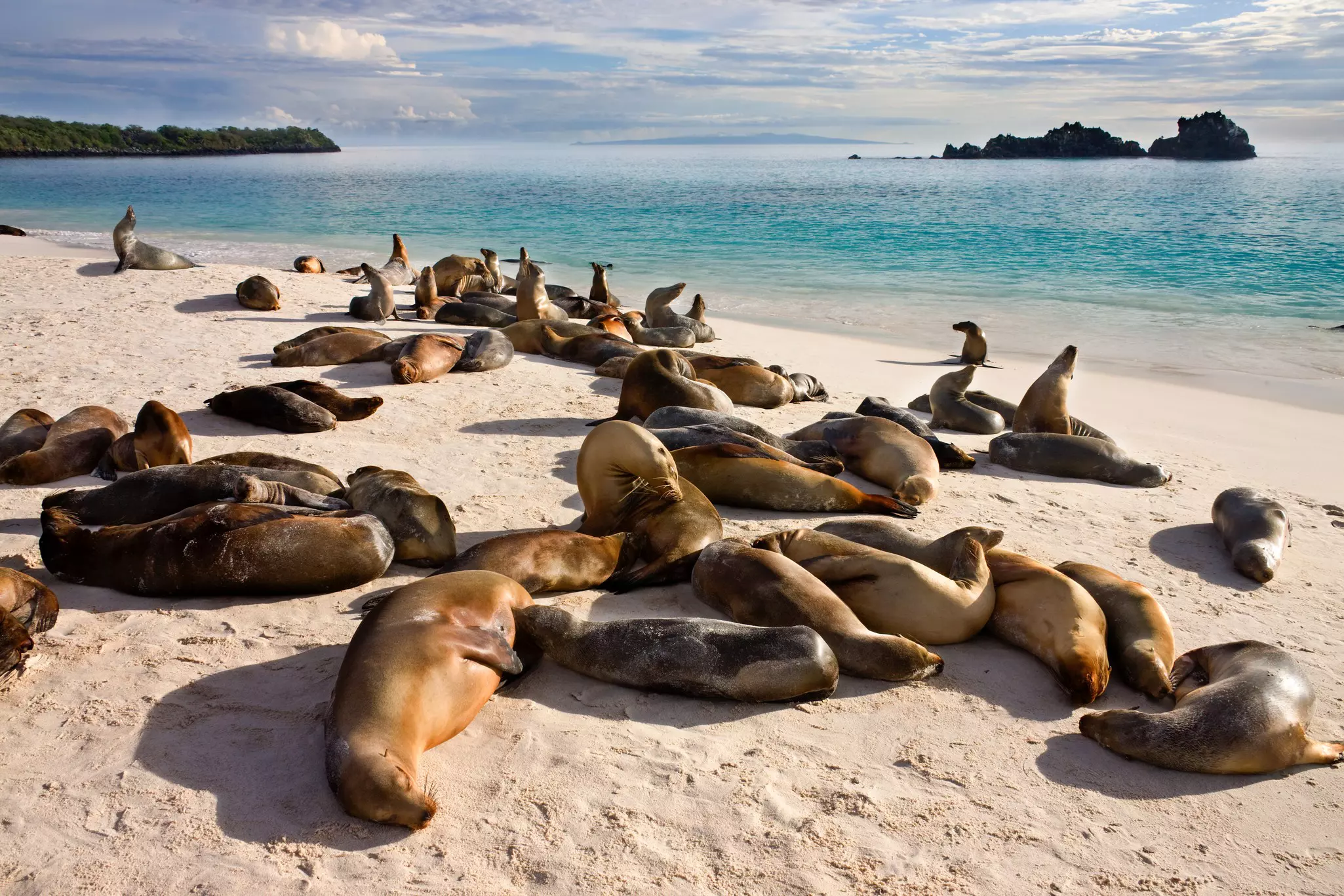
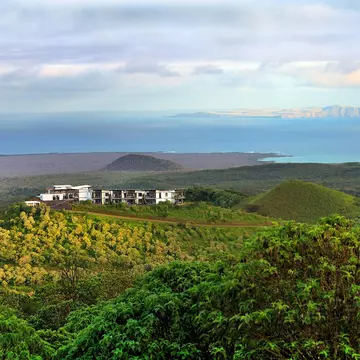
No matter how many documentaries you’ve watched, Ecuador’s Galápagos Islands are like nothing you’ve seen before nor likely will ever see again. Here, nature rules, animals are in charge, and human beings are just passing through.
Beautiful? You bet, though this remote group of volcanic isles is far from the tropical island escape fantasy. But let’s face it, you’re here for wildlife – and you won’t have to look far. Pick your island according to what you want to see most. Snorkel Los Túneles lava tunnels on Isla Isabela, keeping an eye out for sea lions, turtles and manta rays. Boat across to dramatic Isla Española for a rare glimpse of birds like the waved albatross and blue-footed boobies. Eye prehistoric-looking giant tortoises on Isla Santa Cruz. These perspective-bending islands are a spectacularly biodiverse microworld unto themselves.
Planning tip: You can explore the islands independently, but it’s often easier to go with a boat tour. Go from December to June for warmer weather and calmer seas, or from July to November for cooler water and prolific marine life.
Explore related stories