Sep 2, 202610 min read
The 17 Best Things to Do in Birmingham, EnglandJun 8, 2021
8 MIN READ

Writer
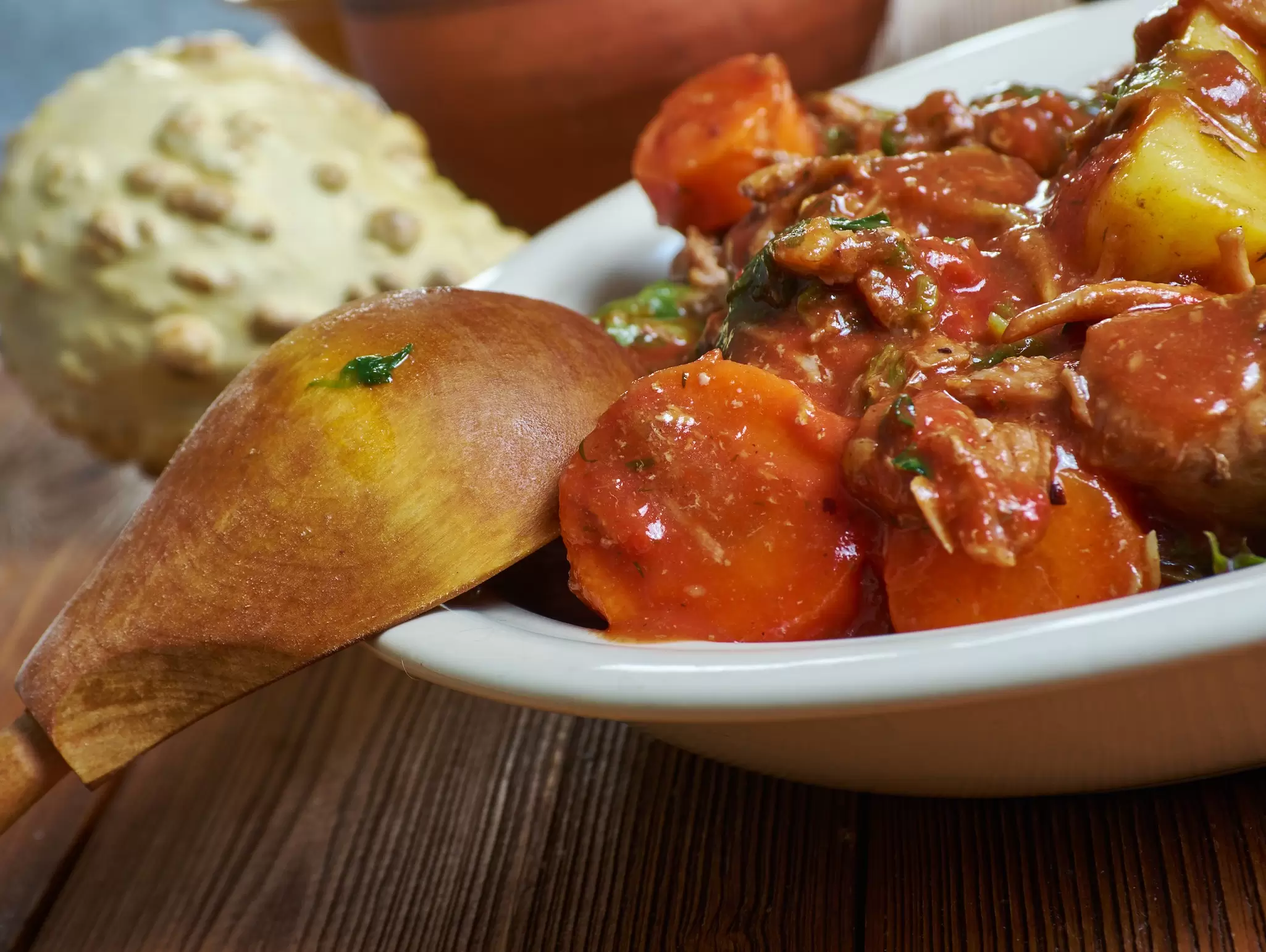
Balti curry was created in Birmingham. Fanfo/Shutterstock
Writer
Lonely Planet may earn a commission from affiliate links on our site. All recommendations and reviews reflect our own independent opinions.
Balti Triangle is an intriguingly cross-cultural neighbourhood that is not to be missed when in the West Midlands — an award-winning city-center with a dynamic food scene that plays upon ethnic flavours rather than seeking common ground. Sneha Chakraborty narrates.
Walk into the Highgate Market & Deli in Sparkbrook and you will find baguettes, Heinz canned consumables, and cottage pies, as well as fridges full of traditional brews that you would expect at any corner store. The menu on the deli wall offers a variety of fresh seasonal produce, the hard-to-find Japanese fare, and during lunchtime, you would see a few workers plating rice and flatbread with Chicken tikka masala gravy — nothing out of a place that says it’s an Indian grill on the outdoor signage. Then maybe you would notice that some shoppers who initially stumbled in looking for bangers and mash were eating what looked like small pieces of meat cooked on a skewer, wrapped in a white bun. Eventually, your eyes would find their way to a small sticker on the windowpane confirming that this store, like many others in the neighborhood, also happens to serve some of the most remarkable Balti food in Birmingham.
A few weeks ago, I was drinking coffee at a shop in Victoria Square, and a woman seated near me mentioned she was from Pakistan. I asked her if there were any Pakistani restaurants she particularly enjoyed around Birmingham. “Only in Balti Triangle, ” she said, plunking her drink with emphasis. “The small family-run shacks are where the cuisines taste like home to me.” Two days later I am at the Ladypool crossroad in front of a Balti of authentic Birmingham chicken — thick cuts of tender meat steamed with vegetables, well-coated in an original spiced curry. Side dishes surround them: baby spring vegetables braised in stock; thinly sliced mangetout for a surprising crunch; Kachumber, a salad of finely chopped cucumber with coconut, cherry tomatoes and lemon; and flatbreads splashed with garlic butter. This all arrives on an amber tray. The bright platter in front of me giving me a dopamine high.
The right way to dig in? “I like to stir the Balti to mix in the garnish, mix in some curd, and then scoop it up with my flatbread, ” says owner Jamie Smith, who started the weekends-only restaurant with his sister, chef Thea, in 2009. The Birmingham Balti has a comforting flavour. Spicy, creamy, oniony, and earthy flavours blend in with the delicate bread base, perfectly encapsulating the spice level. Yoghurt is the backdrop — of this cooking and of the cuisine itself.
Born in Birmingham, Unheard of in India
Jamie and Thea are natives of Birmingham, England’s industrial-city capital along with the network of canals dotted with establishments that are part of an up-an-coming gastronomy scene. They grew up in the city’s small Sparkbrook community where the confluence of Meethi Seviyan during Eid and endless platters of kebabs on cheat days inspired their pop-up British barbecue. The menu reflects the scope of Britain’s many intermingled societies and the myriad impacts of colonization, all while paying homage to the first generation of Pakistani immigrants who introduced Balti cooking to the Midlands in 1971.
A center of the trading route linking China (the high passes of Baltistan that later got named the Silk Route), the Gilgit–Baltistan Province of Pakistan exported several native goods until the 1800s when it succumbed to British rule. Among them was the wok that the Baltistan region shaped into a cast-iron karahi. Although the origin of Balti food in the British Isles is unclear, the reflection of its Chinese, Indian, and Parisian roots remain undeniable.
“Balti” is derived from the Portuguese word blade meaning iron pale or bucket. This term found itself in the etymology of the Indian subcontinent after early 16th century voyages between the two regions became frequent, and then travelled to the North Atlantic during British India. Flatbread, or naan, is an even more typical variation: a staple in southern and western Asia and savoured across Indonesia, Myanmar and the Caribbean made of yeasted flour and plain yoghurt. They are mixed to produce a self-raising wheat flour dough. When in Balti Triangle, the restaurants prepare naan bread the traditional way — in a cylindrical Indian clay oven in which the flattened dough is charred to perfection with an earthy scent enveloping its texture. A sprinkle of cumin, sesame, and nigella seeds, comes atop, adding crunch to its pillowy, buttery top.
Restaurants that harness the bounty of the Indian subcontinent
On Alfred Street in Sparkbrook, the Balti meal includes two notable courses — a platter of poppadoms before you place your order, a crackle to mark the beginning of an extraordinary meal — and a choice of Baltis (including bone-in goat, chicken, beef, prawns, and a vegetarian selection) whose distinct flavor come from both ghee (purified butter) and the round-bottomed, wok-like bucket that it is ultimately served in. As most establishments are owned by Muslim or Kashmiri immigrants, they often do not have liquor licenses and serve you a soda or fruit-based beverage. But if you want to experience it the classic way: do not order any beverage or cap your meal off with a dessert, savour the entirety of the Balti with nothing but naan and Indian salad.
Many of the places in Balti Triangle’s menu follow a similar format: Baltis are paired simply with an assortment of naans (dipped in garlic butter or tandoori) or matched with rice. A side of chutneys employs the spicy Balti meat/vegetables to balance the heat and helps replace the burn with a thrilling smoulder. I would hanker for this most on weekend nights after very long weeks of eating salads and meals that I prep in advance.
On my second date with Balti food, I decided to dive into the appetizers menu which leans towards finger food that is popular in unpretentious eateries across India. Nibble on a crispy Samosas filled with potatoes and mashed pulses while David, an Irish chef training for culinary school disappears into the kitchen to cook mushroom pakoras and roasted sweet potatoes. For dessert choose Shufta, a version of traditional Kashmiri dessert that is made from sugar-coating nuts and spices, and Noon chai made from leaves originating from the Kashmir Valley.
Pioneers of Balti ageing with grace
Established in 1977, Adil's long-stand restaurant also claims to be the first to bring Balti food to the UK. Inside, there is a mashup of interior design styles, retaining the original charm that is majorly inspired by the food it serves but also have a touch of modernity. Reservation is recommended to avoid the overflow of the lunch crowd that comes for the small but much-loved biryani menu. Adil's partner with plenty of delivery businesses, but I liked sitting down immediately to eat some of the call-ahead dishes listed under the menu’s “chef's special” section; most of them served in stages and better enjoyed steaming hot. Potohari Chicken (pronounced pot-ha-ri) is the most compelling one to request. The word has Pakistani origins, but the meal thoroughly evokes Northern India: It is a feast wrapped in the aroma of fenugreek. In the seafood platter, king prawn melted to utter submission; fish baked and then bathed in coconut milk; and a bed of dips: David carefully arranges all these elements together on a cast iron sizzler plate and then turns up the heat one last time before serving. The sputter when you reach for a shrimp releases the bottled-up sweet-spiced butter that makes you want to double-dip.
Birmingham shares some culinary traits with South India. The flavours in the Achar Gosht Balti that I tasted at a food truck a few weeks later reminded me of my dear friend Sakshi, an incredible cook in London who is originally from India’s north-western state of Punjab, which sits very close to the border of Pakistan. I know from her to ditch the fork for this meal, squeeze a full lemon and mix in the Balti, before picking it up with naan or roti. "Don't be afraid of the velvet red curry, embrace the spice and the heat before getting involved with the yoghurt. The Achar Gosht Balti is as controversial as its parent cuisine, predominantly a Punjabi staple, it has a shared history with the Awadhi cuisine of Uttar Pradesh.
Balti Triangle brings about a flavour that I have only ever tasted growing up, during my ye old days of travelling through India. The secret ingredient is not the garam masala or regional vegetables but the style of community cooking that aims to bring people together regardless of geography. It imparts a sense of community that represents an ethnic group of people but also invites admirers from all walks of life for enjoying a plate of food that has no other reference. It is my favourite thing that defines Asian food: comfort and togetherness. Balti Triangle was an accidental discovery that I am grateful I made; I may have gone teary when I took the first bite of the naan. I did not expect that the cooking that this neighborhood offers would taste like home to me, too.
Book your England trip with Lonely Planet Journeys
See England how it's meant to be seen
Accommodations, activities and ground transportation all taken care of, so you can focus on the fun part. Tell us what your dream trip to England looks like, and our local experts will build it from scratch. Or start with one of our itineraries and make it your own.


Explore related stories