Sep 23, 20268 min read
12 Must-Do Activities in NYC This FallMay 22, 2026
12 MIN READ
Writer
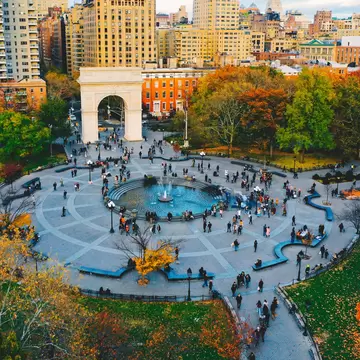
Washington Square Park in New York City. Jon Bilous/Shutterstock

Writer
Lonely Planet may earn a commission from affiliate links on our site. All recommendations and reviews reflect our own independent opinions.
With more than 8 million people crammed into five boroughs, New York City is a boisterous metropolis that famously refuses to sleep. Its riot of sights and sounds can vary so much from one block to the next – let alone from borough to borough – that you could take a full month to visit a different part of town each day, and you’d still merely scratch the surface.
Home to Times Square, Rockefeller Center, the Empire State Building and the Theater District, Midtown is an obvious destination for first-time visitors. But don’t stop there – an endless amount of urban life exists to discover after you’ve crossed those icons off your list.
Here are eight New York City neighborhoods to take time to explore.
Best for Black culture
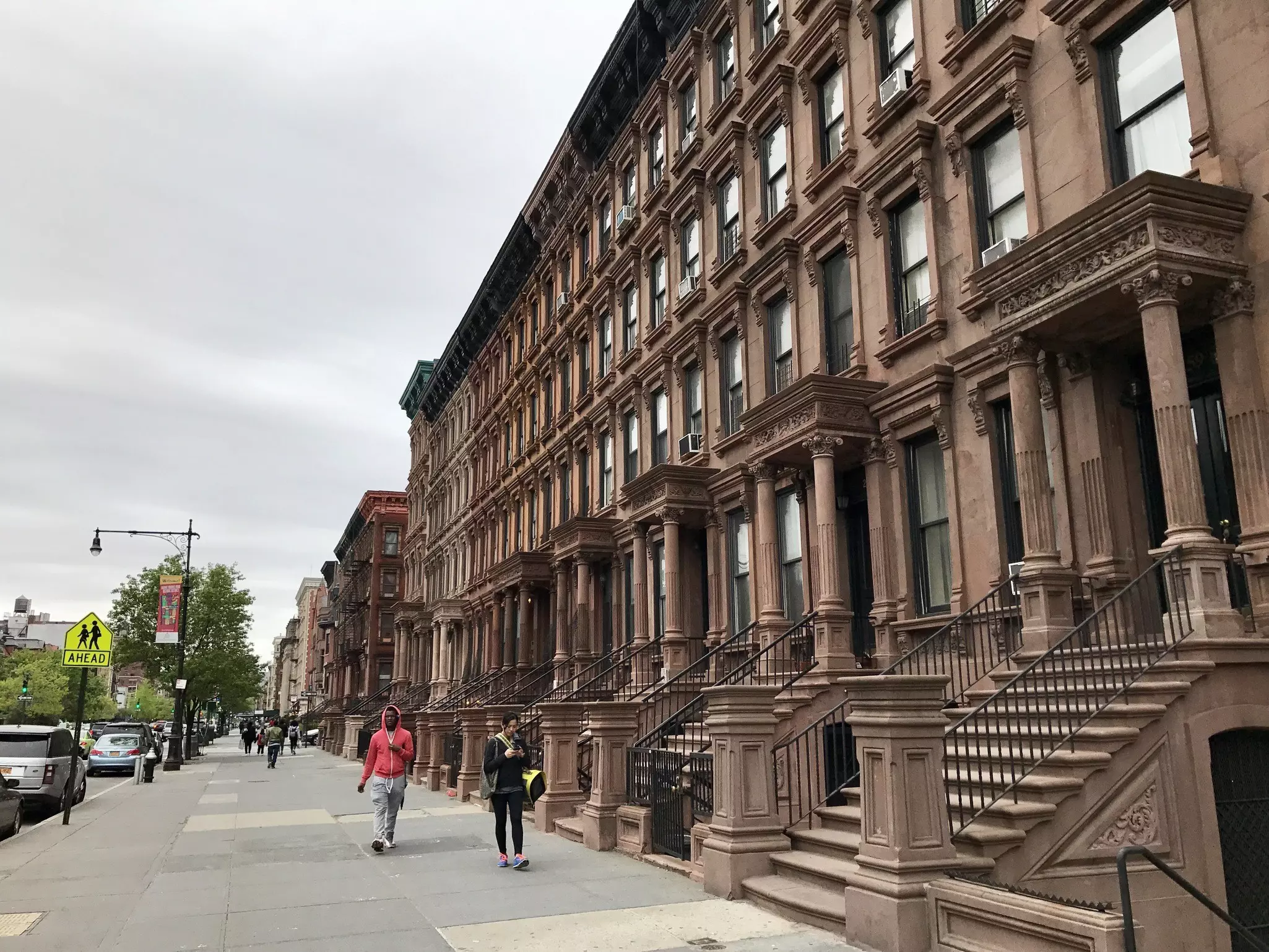
Harlem has been the epicenter of Black culture in America since the early 1900s – an efflorescence that truly took off in the 1920s, when the Harlem Renaissance kicked off a decade of unparalleled artistic expression.
Spanning the worlds of politics, music, literature, art and dance, luminaries including Marcus Garvey, Langston Hughes, Louis Armstrong, Zora Neale Hurston and Duke Ellington took the spotlight, laying the groundwork for the Civil Rights movement and paving the way for such creative forces as James Baldwin, Maya Angelou, Miles Davis, Charlie “Bird” Parker and Dizzy Gillespie.
Anyone interested in this uptown Manhattan neighborhood’s history has plenty of options. At the New York Public Library’s Schomburg Center for Research in Black Culture, selections from the personal collections of prominent artists and activists are available to the public, while the National Jazz Museum pays tribute to the genre’s past and present.
Langston Hughes’ former home on East 127th St has been listed on the National Register of Historic Places since 1982, while the Sugar Hill Children’s Museum of Art & Storytelling offers workshops and programs to keep the little ones entertained.
You can also spend an evening at Minton’s Playhouse, where jazz greats from Ellington to Ella Fitzgerald once performed, or opt for something a bit more of the moment at the iconic Apollo Theater (its famous amateur night has been an incubator of new talent for decades).
Where to stay in Harlem: Sample brownstone living in Northern Lights, a historic guesthouse in Harlem’s core.
Where to eat in Harlem: Red Rooster chef Marcus Samuelsson has created a Harlem institution that honors the diverse flavors that have shaped the neighborhood. Come for the comfort food and stay for the live music and community events.
Best for restaurants
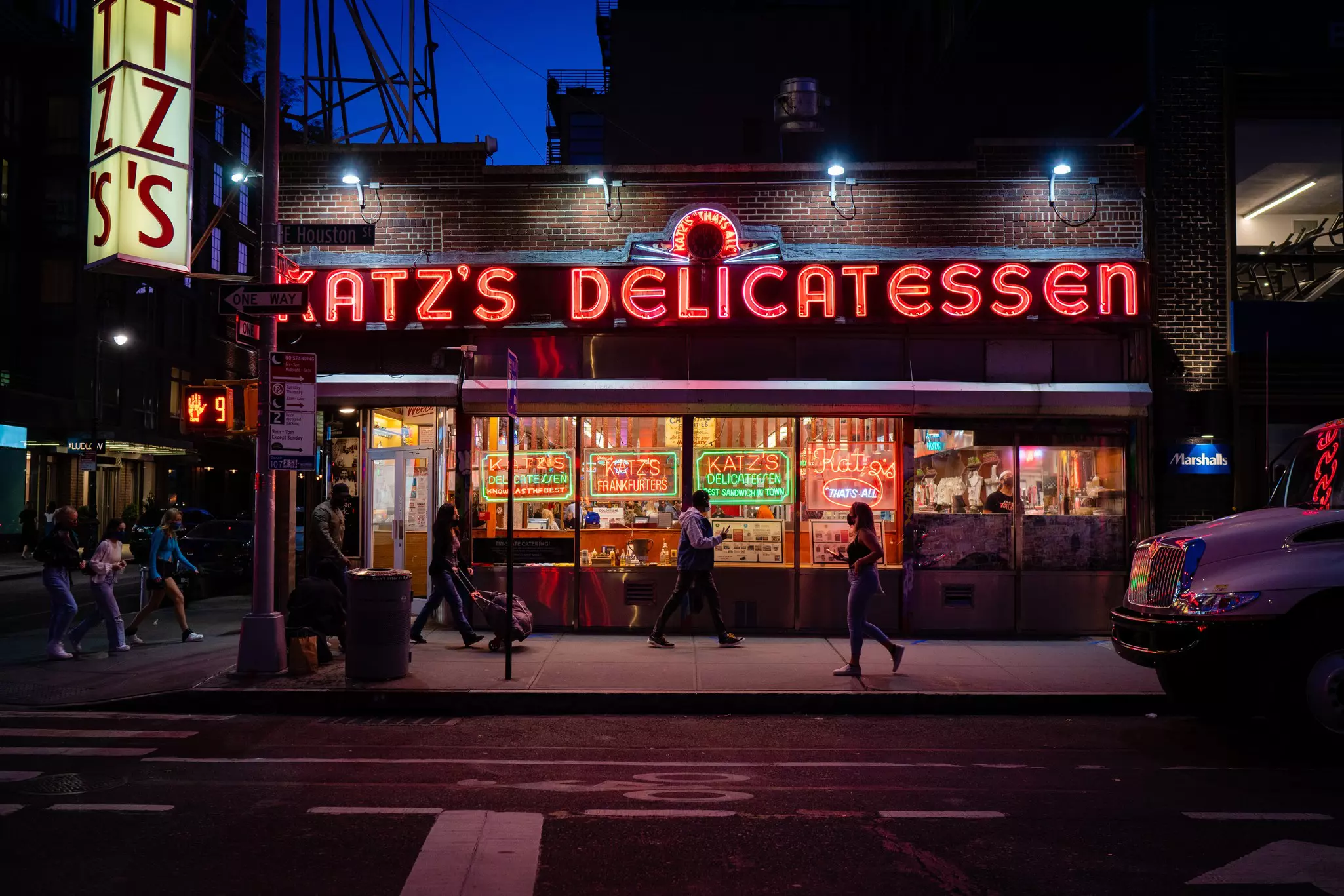
South of 14th St and east of Bowery are the East Village and Lower East Side, once celebrated for a grungy punk-rock scene but now better known for stylish haunts. The neighborhoods retain a hint of an edge, but thanks to the plethora of restaurants, bars, shops, theaters and concert venues that have sprung up in the past couple decades, it’s just a bit harder to see the grit.
St Marks Place is one of the East Village’s main drags. You’ll find plenty of tacky stores and bargain vendors here, as well as some real gems hiding in plain sight, especially as you travel further east toward Tompkins Square Park; we love the Moroccan-inflected Cafe Mogador and speakeasy Please Don’t Tell.
Yet no matter which block you stumble down, it’s hard to go wrong. And everywhere, you’re sure to find something tasty, whether it’s blintzes and pierogi from the legendary Veselka, a cardamom bun from La Cabra, a delicious bowl of Thai noodles from Soothr or cheeseburger tacos and spicy cucumber margaritas from Empellón al Pastor come happy hour.
On the other side of Houston and stretching down toward Chinatown, the Lower East Side is a neighborhood molded by immigrants, a fascinating history best experienced at the superb Tenement Museum on Orchard St. The New Museum and the International Center of Photography Museum are also nearby.
On Houston itself, two institutions nod to the area’s Jewish roots: Katz’s Delicatessen, equally beloved for its smoked pastrami and its appearance in the “I’ll have what she’s having” scene from When Harry Met Sally; and Russ & Daughters, known for its caviar, knishes and smoked fish.
Further south on Orchard, Scarr’s Pizza grinds its own stone-milled flour to make the perfect unpretentious slice, while Dirt Candy on Allen St serves ultra-creative vegetarian food. To sample a little bit of everything, check out Essex Market, which features vendors from around the neighborhood and across the city.
Where to stay in the East Village and Lower East Side: Citizen M is cool without breaking the bank. It has an art-filled stairwell that pays homage to the city’s street art.
Where to eat in the East Village and Lower East Side: Head to Bar Kabawa, a buzzy spot helmed by Bajan chef Paul Carmichael, for a vibrant menu of Caribbean drinks and snacks.
Most photogenic
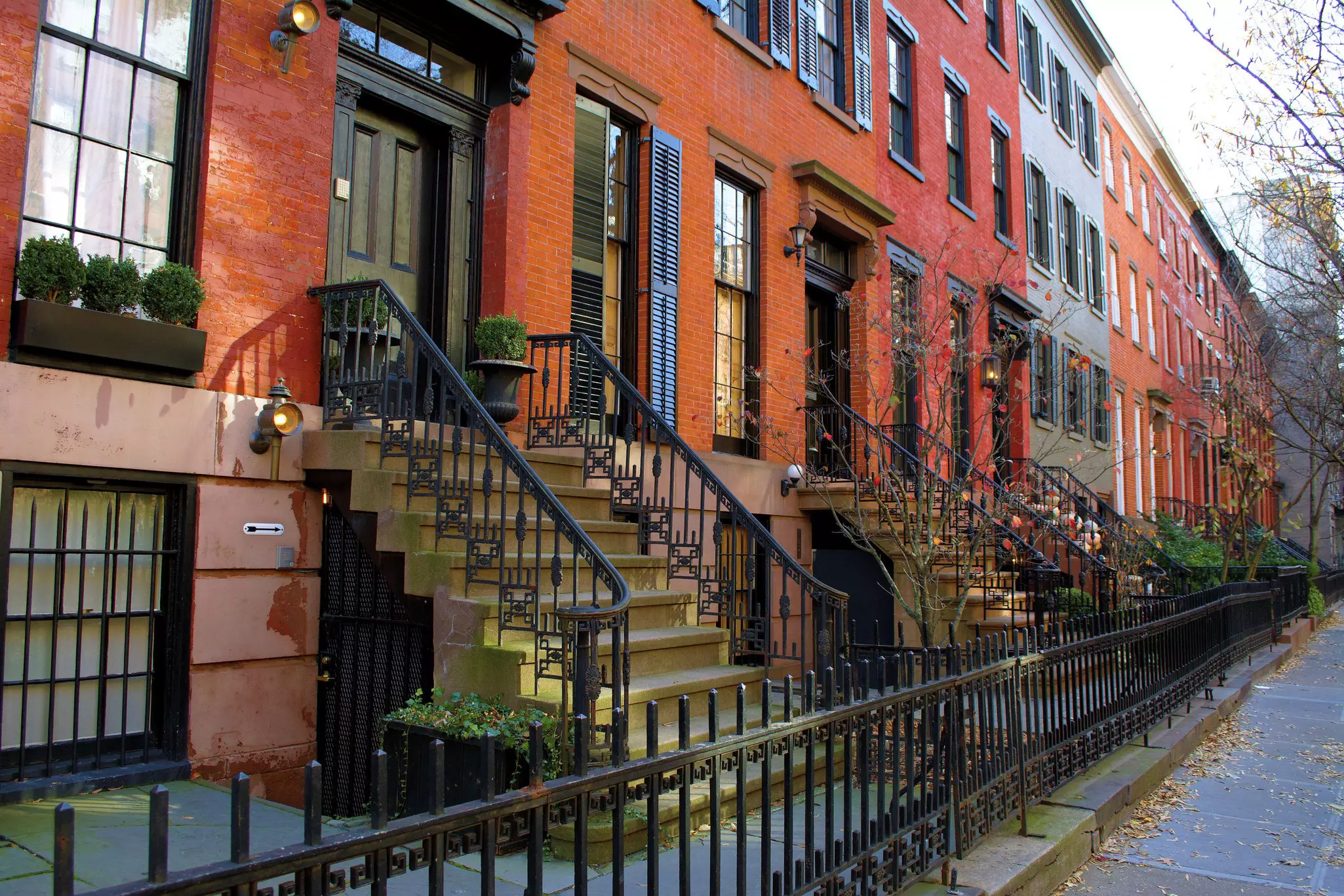
You might have seen New York a few times in movies. And while every corner of the city is photogenic in its own way, one neighborhood seems to get star billing more frequently than anywhere else: the West Village, south of 14th St to Houston and west of Sixth Ave. Given its shady blocks, well-maintained brownstones and chic boutiques, bars and restaurants, it’s easy to see why it’s been the home of so many memorable fictional characters.
The neighborhood is best seen on foot, so grab a latte from one of the many local coffee shops (we’re partial to Bonsignour), put on your best paparazzi-repelling sunglasses and prepare to lose yourself in the picturesque streets.
Follow the tour buses to 64 Perry St, which served as the stand-in for Carrie Bradshaw’s apartment on Sex and the City (even though Carrie was meant to live on the Upper East Side; go figure). Walk a few blocks south to 90 Bedford St, where you’ll find the Friends apartment. Further east, Mad Men’s Don Draper kept an apartment at 104 Waverly Pl, by ever-active Washington Square Park.
The park itself is a celluloid stalwart, too, having appeared in films from Ghostbusters II to Inside Llewyn Davis. The legendary town commons of the Village is also a celebrity favorite itself: none other than David Bowie called it his favorite place in New York.
Where to stay in the West Village: The High Line Hotel is in a former dorm for seminarians at the General Theological Seminary, which spans two of Chelsea’s loveliest streets.
Where to eat in the West Village: Go to Anton's for a martini, pasta and the classic West Village vibe. It’s not as hard to get into as other popular nearby Italian restaurants like Via Carota and Don Angie.
Most multicultural
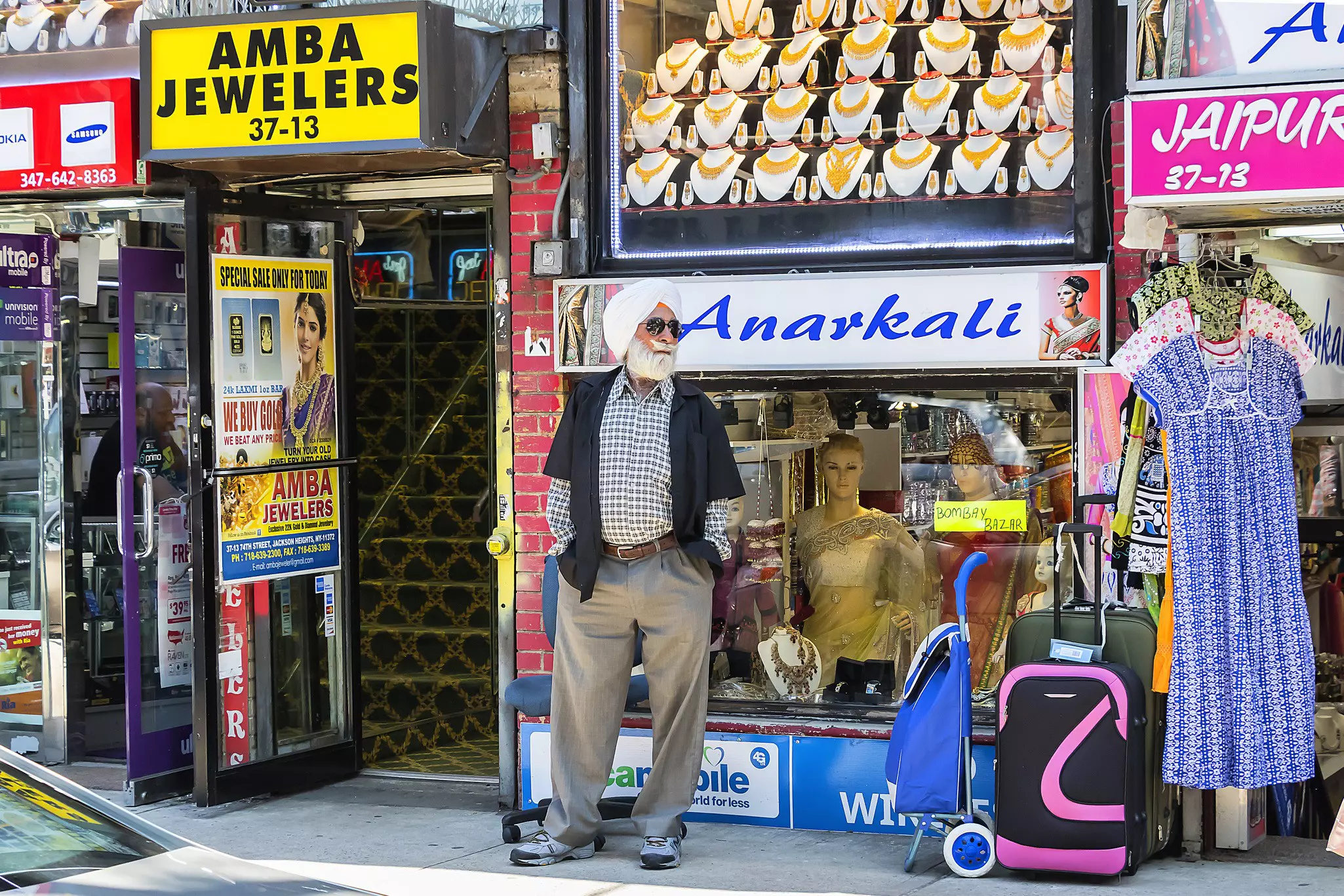
Located in north-central Queens, Jackson Heights is said to be the most diverse neighborhood in the most diverse borough in New York City. Some 60% of the neighborhood’s 180,000 residents were born outside the US, and 167 languages are reportedly spoken here.
The area is primarily Latino, with representation from Mexico, Colombia, Peru and Bolivia, as well as Nepal, Tibet, India, Pakistan and Bangladesh. Jackson Heights also has one of New York’s most vibrant LGBTQ+ communities, and it hosts the Queens Pride Parade each June.
With the 7 train rumbling overhead, Roosevelt Ave comes off a bit scruffy, but its lineup of Tibetan, North Indian and Colombian fare makes it well worth a stroll, as does its assortment of stellar taquerias. But to get a real feel for the neighborhood, head north to family-oriented 37th Ave, where you’ll find dosas and arepas alongside Uruguayan sweets and Brazilian boutiques, among other mom-and-pop shops catering to the ultra-diverse residents.
Where to stay near Jackson Heights: Boro Hotel does a minimalist luxe vibe, with quality linens, plush robes, tubs in the suites and glittering skyline views.
Where to eat in Jackson Heights: Cozy Phayul specializes in Tibetan cuisine like momos, egg soup and noodle and rice dishes.
Best for LGBTQ+ travelers
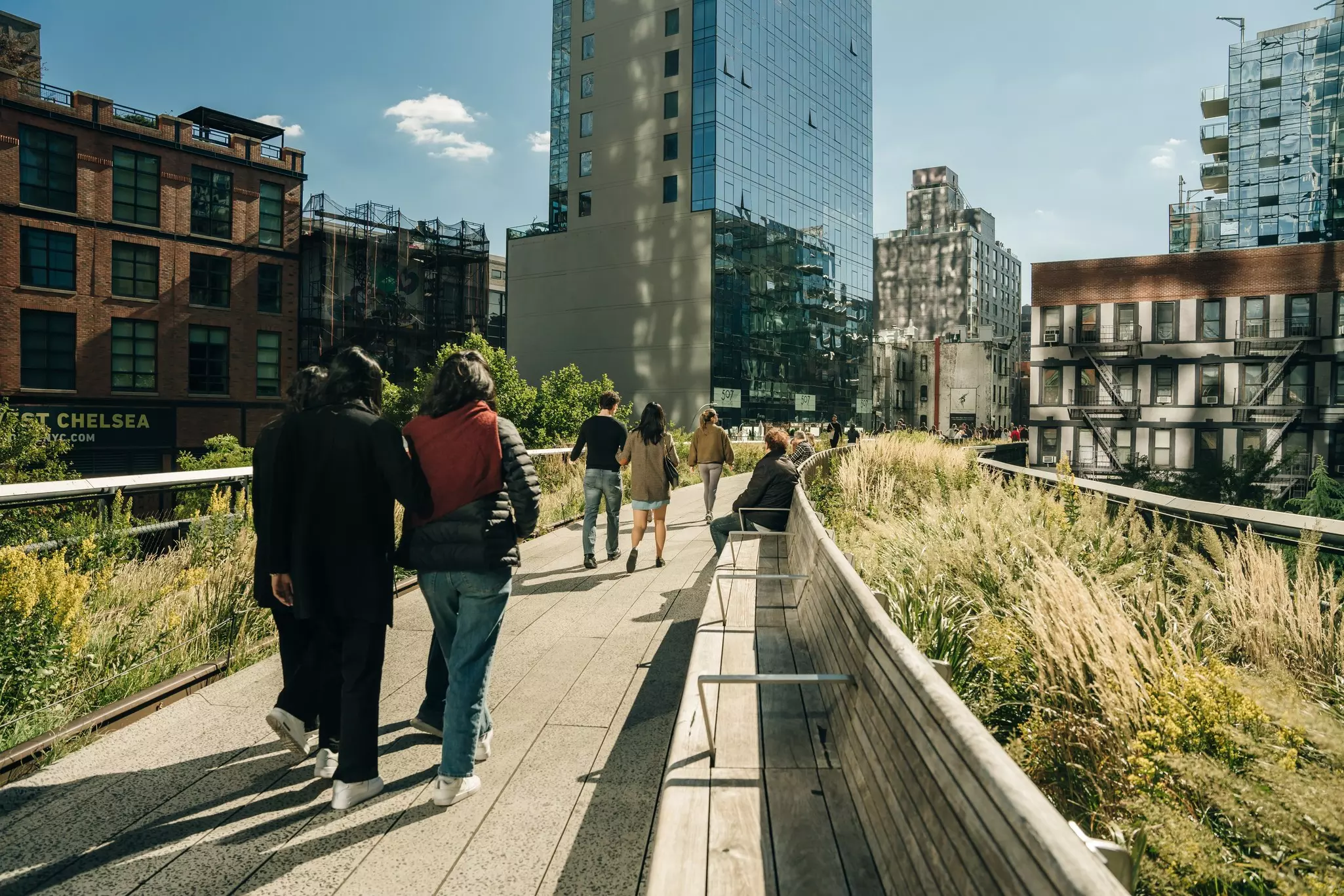
Greenwich Village has been a hub of LGBTQ+ life in New York for centuries (a pilgrimage to the Stonewall Inn, where supporters in 1969 sparked a revolution in civil rights, is rewarding for human beings of all sexual identities), and stalwart venues like Julius’, Marie’s Crisis and Cubbyhole continue to draw queer folk to the area.
Yet Chelsea, just to the north, might have the edge.
Spanning the blocks from 14th to 23rd Sts and Sixth Ave to the Hudson River, Chelsea is home to queer-owned and -run shops, galleries and restaurants, as well as gay bars galore. At Barracuda, you’ll find drag shows and two-for-one drinks, while the Eagle hosts a leather scene unlike any other.
In between cocktails, soak up some culture with a gallery hop (there are countless spaces in the area, most of which are free), then get some fresh air with a stroll along the High Line. This former freight railway turned elevated park offers a different and thoroughly enchanting perspective on the neighborhood.
Where to stay in Chelsea: The list of notable creative types who resided behind the giant neon sign announcing the Chelsea Hotel simply astonishes: Jackson Pollock, Dylan Thomas, Bob Dylan, Robert Mapplethorpe, Jimi Hendrix – Leonard Cohen and Janis Joplin even had an affair there.
Where to eat in Chelsea: Shukette serves the most innovative Middle Eastern food in town. Make sure you order the frena (an herby flatbread roasted with whole garlic cloves) and the fish in a cage.
Best for museums
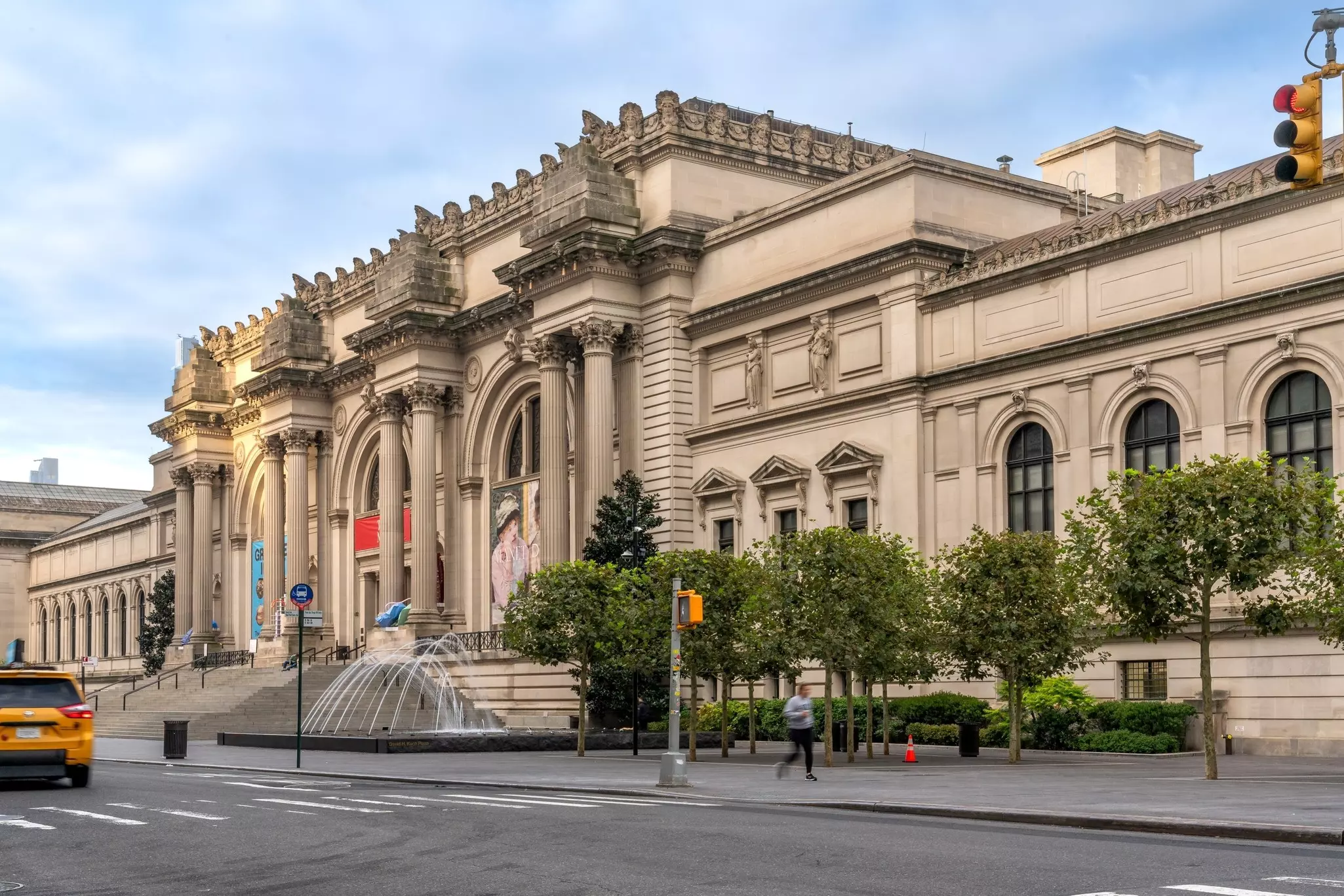
The Upper East Side's air of quiet sophistication makes it feel like a whole different city, from its gracious beaux arts buildings to its (relatively) peaceful, tree-lined streets north of 59th St between Central Park and the East River.
It’s a mix of Michelin-starred restaurants and fancy cocktail bars butting up against burger joints and dive-y sports bars; moneyed families, young professionals and blue-collar workers sharing sidewalk space; and upscale boutiques facing nationally known chains.
For visitors, museums are the main attraction here: the area boasts the highest concentration of cultural institutions in the city. In the shadow of Central Park, Fifth Ave’s Museum Mile stretches from 70th St, at the elegant Frick Collection; past 82nd St and the world-famous Metropolitan Museum of Art; and to the lesser-known El Museo del Barrio, at 104th. In between, there’s the Jewish Museum, the Museum of the City of New York, the Guggenheim and the Cooper-Hewitt Smithsonian Design Museum.
Where to stay in the Upper East Side: If for no other reason, stay at The Carlyle for Bemelmans Bar, where bartenders in red smoking jackets pour Manhattans, pianists tickle the ivories under a 24-karat gold ceiling and guests melt into chocolate-brown banquettes, carefully sipping from high balls.
Where to eat in the Upper East Side: JG Melon is a go-to burger place that’s been around since the 1970s; the patties are best enjoyed with a brew and a side of cottage fries. The decor is appropriately melon-inspired, and the wood-paneled walls and green-and-white tablecloths have never changed.
Best for budget travelers
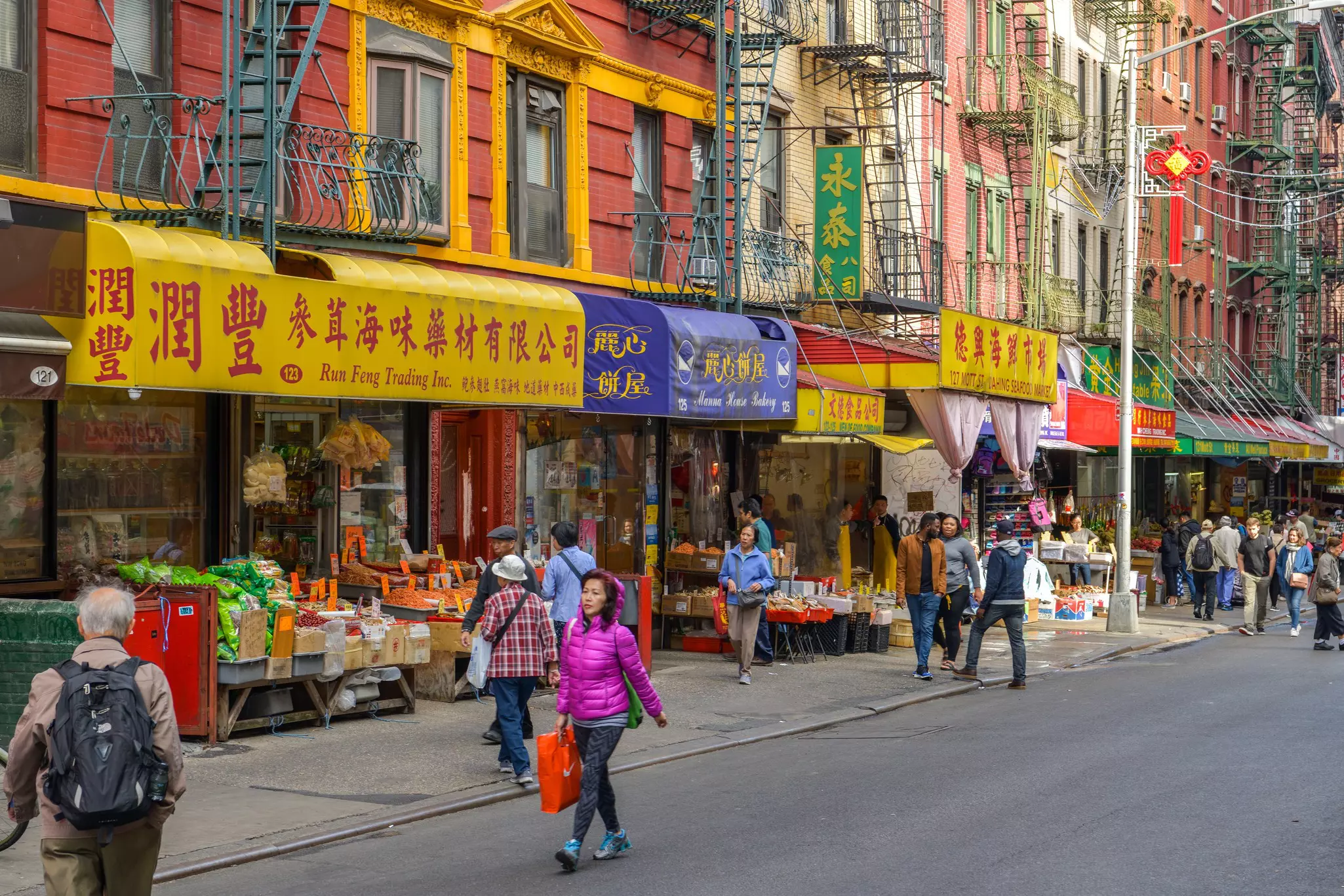
Bordered by Little Italy and the Lower East Side, Chinatown has heavily trafficked streets and sidewalks packed with fruit-and-vegetable stands, vendors pushing designer knock-offs and swarms of people in every direction.
It is one neighborhood where you’ll have no problems sticking to a budget, courtesy of the inexpensive souvenir shops and, most importantly, the inexpensive dining at dim sum parlors, pho joints, hot-pot spots and ice cream shops. Bakeries sell sesame balls, custard tarts and pork buns. Holes-in-the-wall sling hand-pulled noodles, thin-skinned dumplings and crisp-skinned roast duck. Just be sure to bring cash, as many places in the neighborhood won’t take cards.
Where to stay in Chinatown: The Hotel 50 Bowery is a boutique property with a great rooftop bar.
Where to eat in Chinatown: An adorable little wine bar, Lei does Chinese American bites. "Emphasis on small," says Senior Director of Content Brekke Fletcher, "so be ready to pivot elsewhere if the line’s out the door."
Best for live music
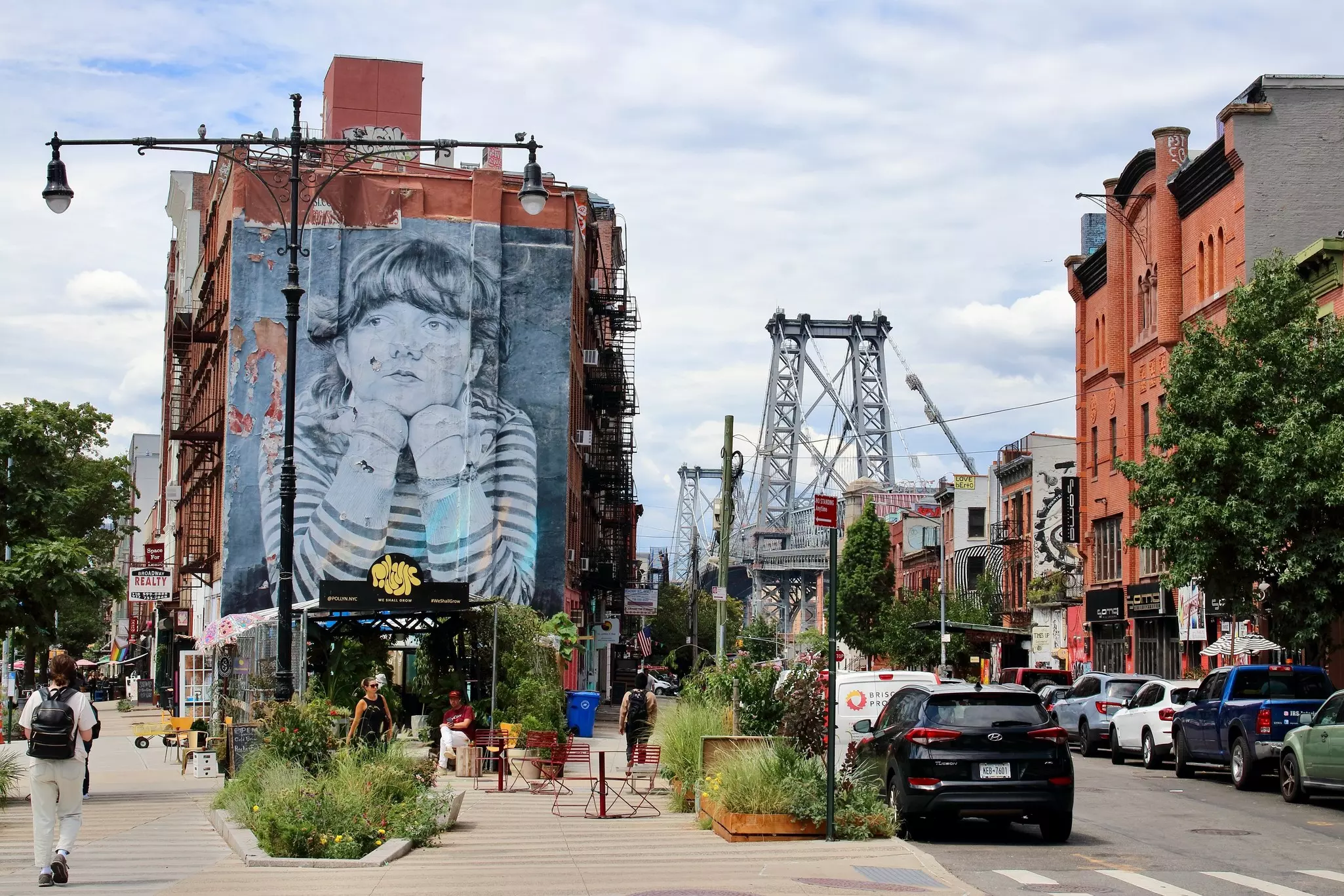
Brooklyn's hipster haven of Williamsburg isn’t exactly an under-the-radar destination – it’s been luring people across the East River for decades now, and even as it’s gone mainstream, the area still appeals. The neighborhood is peppered with stylish boutiques and restaurants, and its music scene is one of the best in town.
On North 6th St, indie favorites take the stage at the Music Hall of Williamsburg, while a few doors down, the innovative performance space National Sawdust provides an intimate setting for a diverse range of talent, from string quartets and experimental artists to established stars like David Byrne and Liz Phair.
On Wythe Ave is Brooklyn Bowl – part bowling alley, part concert venue – and on Bedford is the Williamsburg Music Center, a Black-owned jazz club that’s been around since 1981, which is practically an eternity in New York’s ever-shifting nightlife landscape.
If Williamsburg is the elder statesman, Bushwick to the east is the young up-and-comer, full of stylish spots (often in former warehouses) to drink, dance, see a show or simply mingle with the good-looking crowds. To tear it up on the dance floor, hit Jupiter Disco, Lot 45, Mood Ring or the Bossa Nova Civic Club; to catch your favorite band, try Elsewhere, Alphaville or Market Hotel.
Where to stay in Williamsburg: Rooms at Penny have kitchenettes, and there’s a cute rooftop restaurant and bar. Pets stay for free.
Where to eat in Williamsburg: It’s not necessarily easy to get a reservation at St Anselm, but it’s definitely more doable than other viral neighborhood hot spots. This steakhouse is just what you need after a long day of walking around.
Explore related stories