Sep 8, 202615 min read
The Best Things to Do in BaliApr 27, 2026
9 MIN READ
Writer
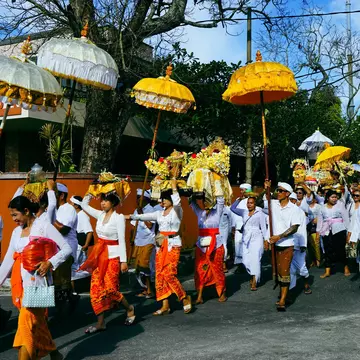
A Melasti procession during Nyepi at Jimbaran in Bali. James Pham/Lonely Planet

Writer
Lonely Planet may earn a commission from affiliate links on our site. All recommendations and reviews reflect our own independent opinions.
One of the most unique New Year’s celebrations in the world, Nyepi is primarily observed on the island of Bali in Indonesia, where approximately 85% of the population practices Balinese Hinduism, a mix of Hinduism, Buddhism, animism and ancestor worship.
In contrast to the firework-fueled parties seen in many countries, Bali goes quiet for its traditional New Year festival, which typically falls in March or early April. For 24 hours, the entire island shuts down, including shops, beaches, markets, restaurants and even the airport (although police and fire stations and hospitals remain open). Even local television and internet services shut down for Nyepi, also known as the “Balinese Day of Silence."
The goal is to trick evil spirits into thinking the island is deserted. No one goes out onto the streets, all businesses are shuttered, there are no hotel check-ins or check-outs, and no lights are turned on that can be seen from outside the home.
This might sound inconvenient if you're planning a trip to Bali, but some travelers actually make a point of traveling to the island during Nyepi. While other cultures ring in the New Year with loud partying and merrymaking, in Bali, Nyepi is a time for introspection, family and purification, making it an intriguing time to visit.
If you feel like seeing this tropical island without the usual bustle, here are seven ways to put together a meaningful Nyepi-themed trip to Bali, gaining deeper insights into the island's rich religious traditions.
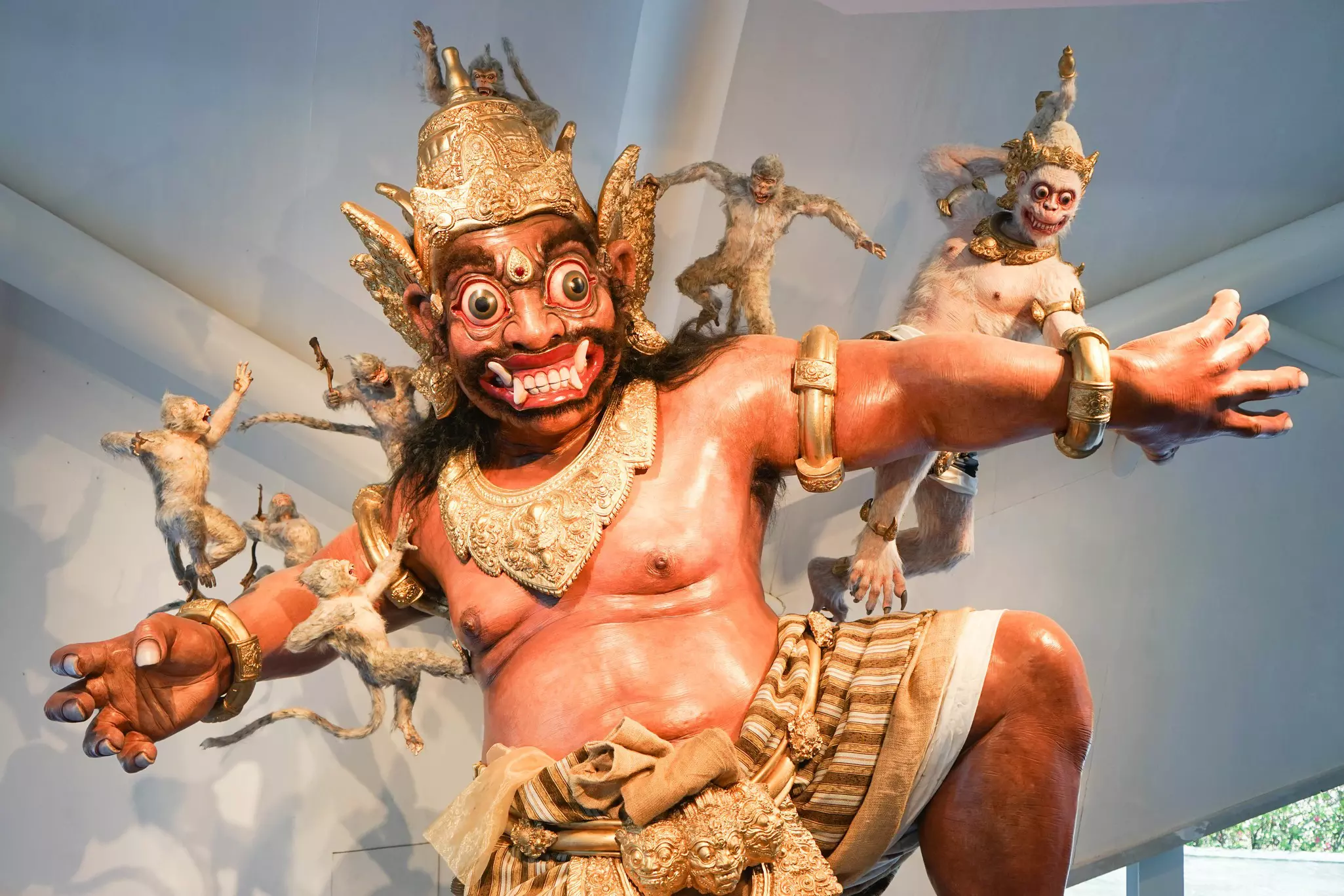
Nyepi is the first day of the year according to Bali's Saka calendar – a lunisolar calendar originally from India but adopted and adapted in Bali to determine the timing for religious ceremonies, festivals and other important days.
The superb SAKA Museum in Jimbaran educates visitors on Bali’s spiritual and artistic traditions through historical documents and artifacts and informative short films. Highlights include fearsome–looking ogoh-ogoh statues – including the island’s tallest – and displays on subak, Bali’s sustainable cooperative water management system.
Tantri Arihta, Visitor Engagement Manager at the SAKA Museum, says that her favorite things to see in the museum include the copper reliefs along the walkway linking the 1st and 2nd floors, illustrating the three schools of Balinese art, and the SAKA Dome, a 360-degree, immersive audiovisual installation where visitors can watch a time-lapse of the night sky during Nyepi.
Planning tip: If you need a rest stop, Arihta recommends sitting in the museum café with a cup of Balinese coffee, looking out over the water, which plays an integral role in life on the island.
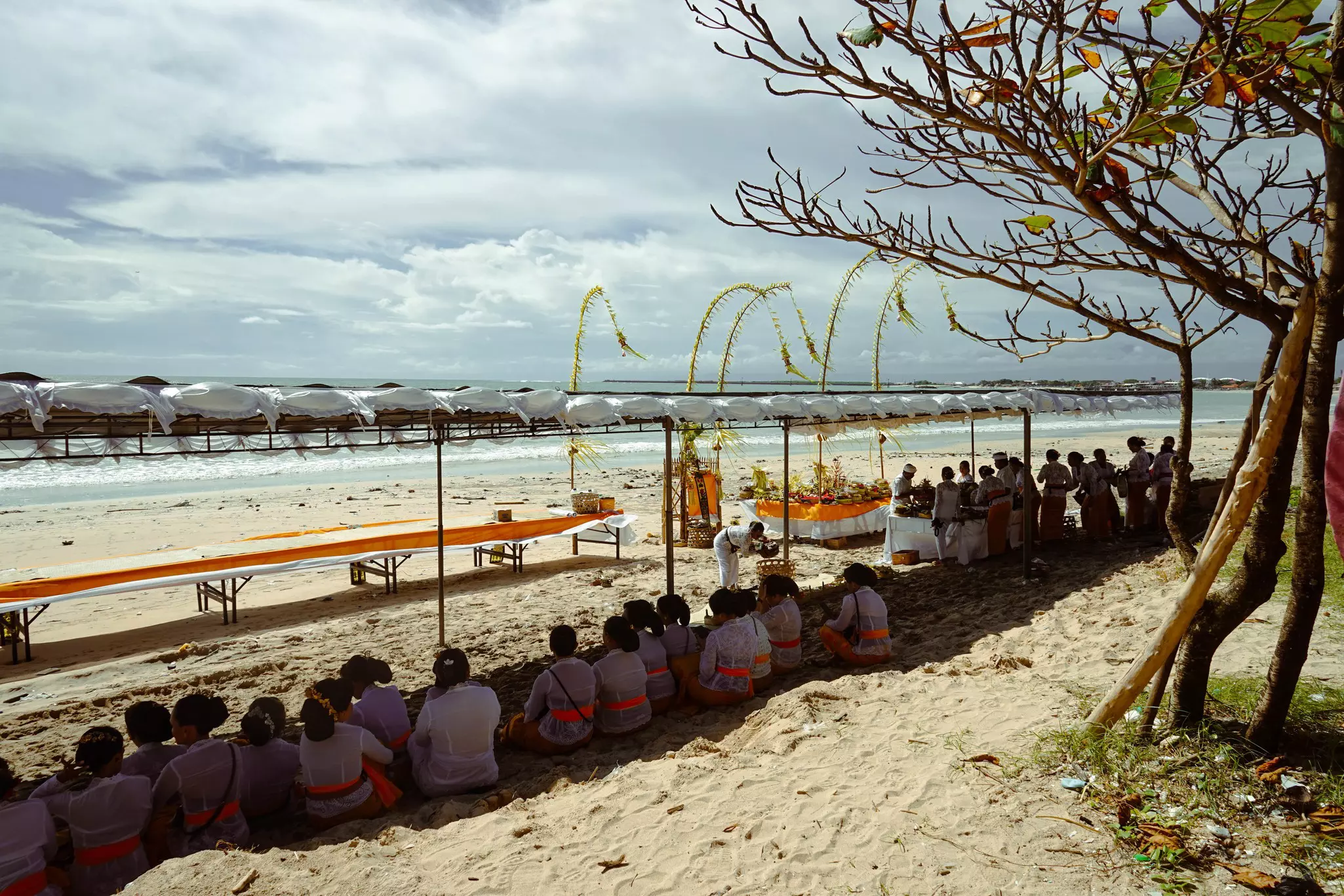
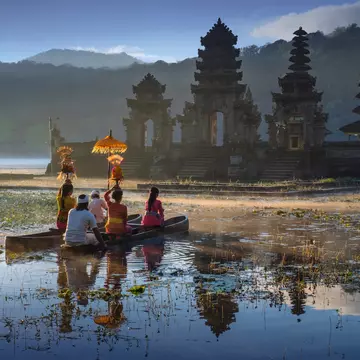
Nyepi isn't just a time for silence. A few days before the island falls quiet, sacred statues and effigies from local temples are taken in procession to nearby water sources such as beaches, lakes and springs to be cleansed before the New Year - a ritual known as Melasti.
Many people in Bali's towns and villages turn up in their finest garb to join the processions, backed by drummers and other musicians. When the sacred images reach the water, prayers are offered to Sang Hyang Baruna, a deity connected to the ocean, to restore balance between natural forces.
Each banjar (local district) in Bali organizes its own Melasti procession, so it can be tricky to find information on where these events are taking place. Your best bet is to ask someone originally from the community where you’re staying for information.
Planning tip: Be persistent – I ended up observing a Melasti ceremony at Queen Beach in Jimbaran, but I only found out where to go after asking five or six people, including a few who said there was no Melasti happening in the area. Another tip is to look for road closures near main temples and water sources.
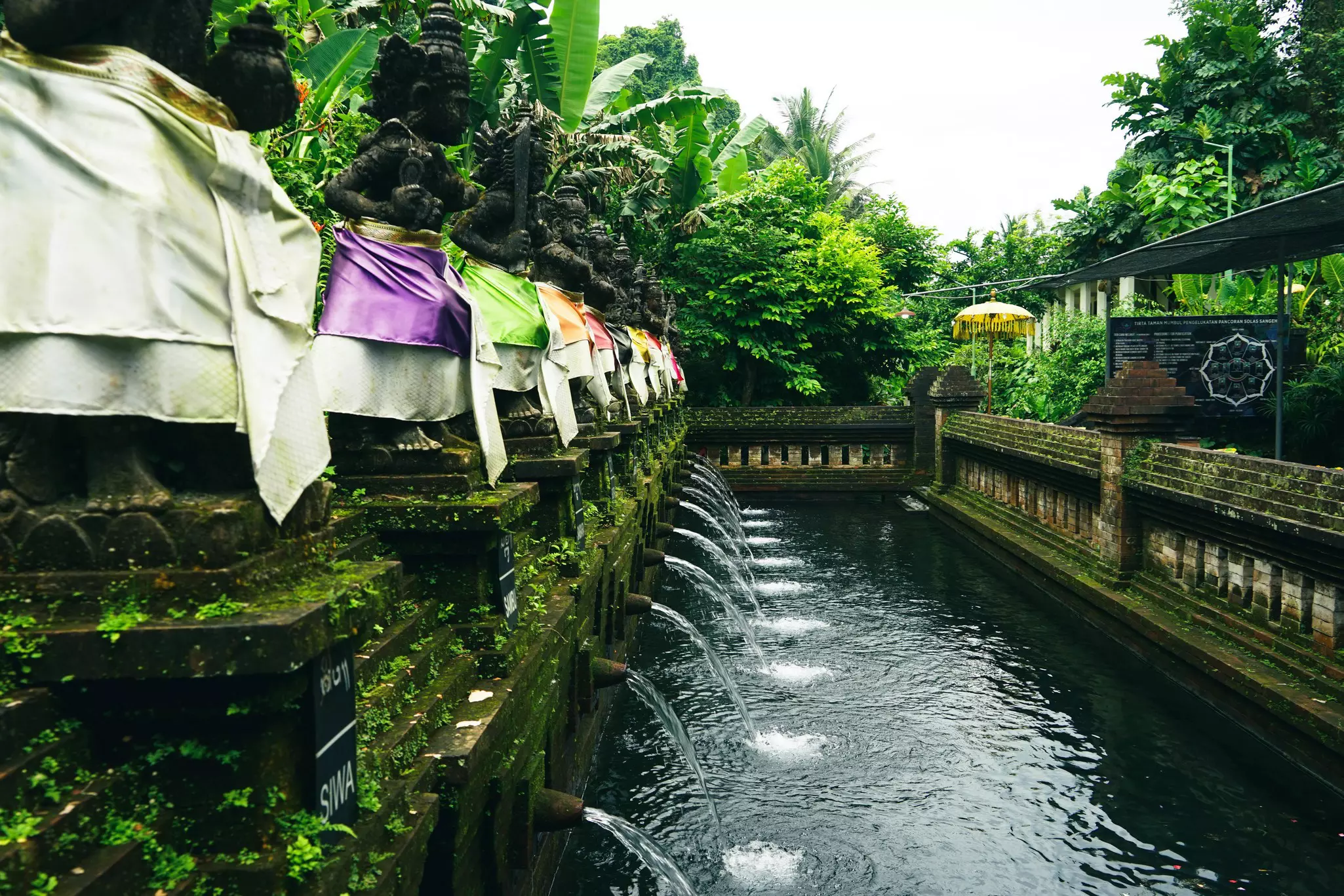
It’s not only sacred objects that are purified ahead of Nyepi. The Balinese often visit pura tirtas (water temples) to cleanse themselves of negative energy, emotional burdens and spiritual impurities. Activities include making offerings, praying, gargling or drinking the holy water and washing your face and body.
The Pura Tirta Empul temple is one shrine that allows foreign visitors to participate in ritual bathing, but for a more modern take on the ancient purification ritual, Bali’s spas are world-renowned for blending traditional healing, natural ingredients and modern science.
The Illume Room at The Healing Village Spa at the Four Seasons Resort Bali at Jimbaran Bay incorporates light, sound and color into its treatments, as well as a heated quartz-sand bed made of crushed crystals – perfect for sessions with surround sound technology and alchemy crystal singing bowls.
In contrast, the therapy sessions at The Fitness Hub at the Four Seasons Resort Bali at Sayan near Ubud include cycles of ice baths and steam treatments, followed by some relaxing time recovering in an infrared zero-gravity lounger.
Planning tip: While Pura Tirta Empul is Bali’s most famous water temple, other lesser-known pura tirtas offer a less-crowded yet equally contemplative experience. Try Pura Tirta Taman Mumbul in Ubud with its underground-spring-fed water, meditative grounds and park-like gardens with koi ponds.
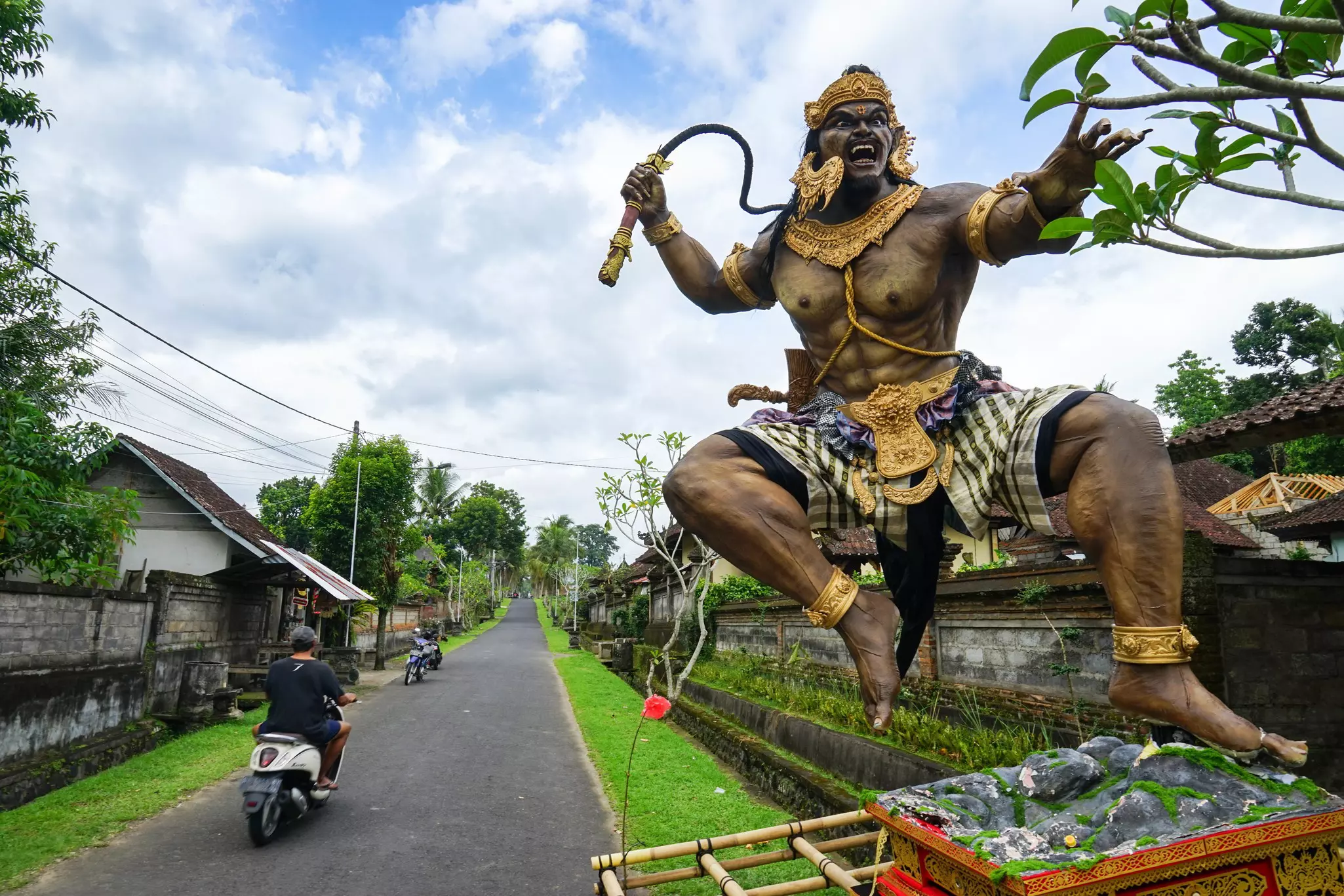
Held on the eve of Nyepi, the ritual Pengerupukan parade features giant demon-like ogoh-ogoh statues, which are carried through the streets accompanied by music from gamelan ensembles, fire and lots of noisy merrymaking. The statues are traditionally burned afterward, so new ogoh-ogoh are constructed every year.
Intended to scare away negative forces, the ceremony is the complete opposite of the silence that follows the day after. Traditionally built from bamboo and papier-mâché, and designed to look as terrifying as possible, ogoh-ogoh statues today incorporate LED lights, metal frames and even hydraulic mechanisms for movement.
The biggest parades happen in Denpasar, Bali's busy capital city, but smaller-scale events are organized across the island, with banjars often competing with each other for the most spectacular ogoh-ogohs.
Planning tip: Larger parades can get chaotic, with many road closures, so be patient, arrive early and be prepared to stand for 2–3 hours. Larger resorts may hold their own mini-parade, offering a hassle-free taste of Pengerupukan.
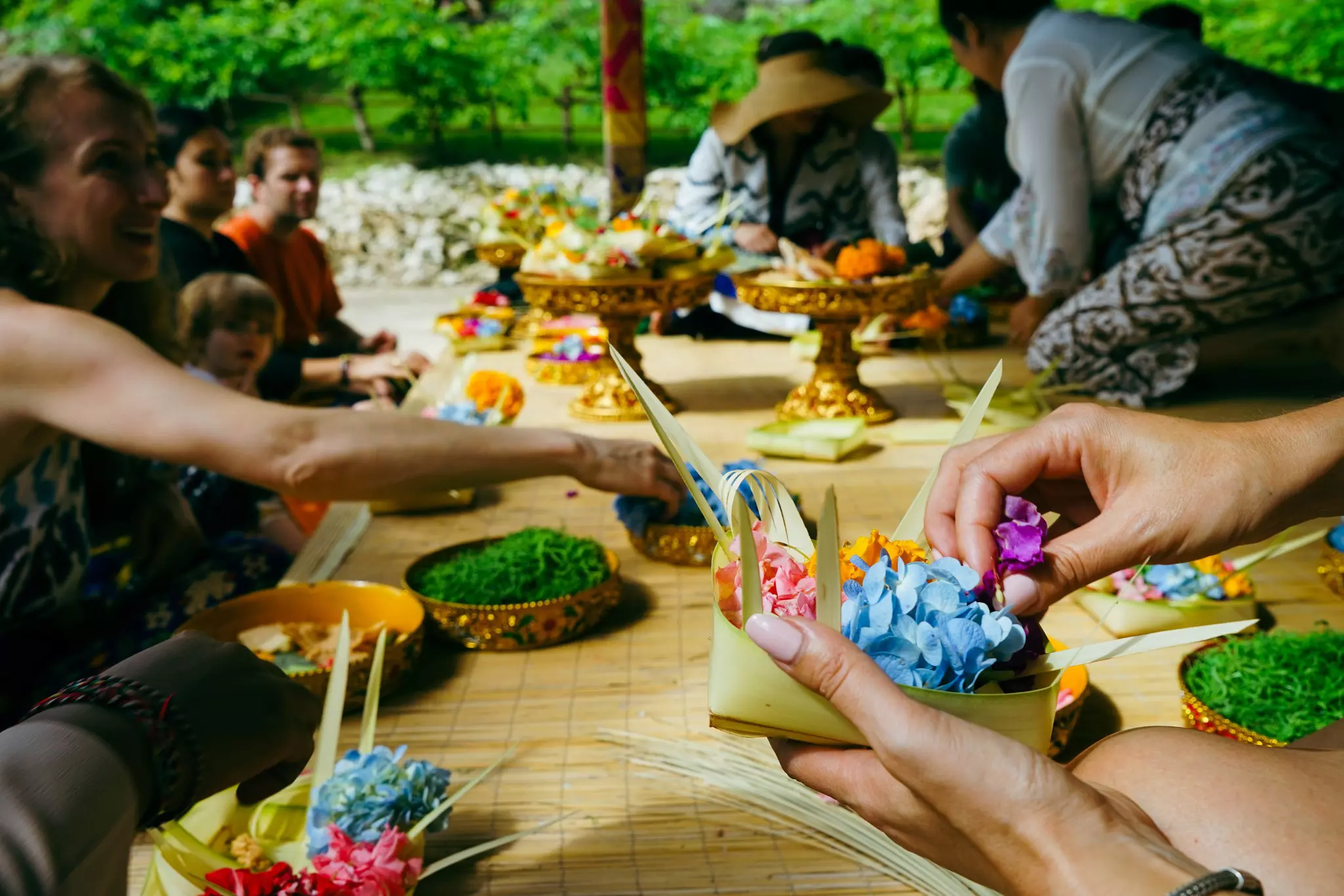
During the 24 hours of silence for Nyepi, the island strictly follows the so-called "Four Abstinences" – no work, no travel, no entertainment and no fire or lights. These rules are relaxed somewhat for travelers within the grounds of Bali's hotels; there’ll likely still be internet, television and meals, although perhaps a more limited menu as some of the Balinese hotel staff will be off work.
Lights can still be turned on (though there will be fewer of them, and the lighting will be dimmer) and windows will most likely be blacked out with curtains in deference to the local community. Consider staying at a hotel with larger grounds and a wider range of on-site activities; otherwise, you might find yourself stuck around the pool with all the other guests, wondering what to do.
Planning tip: The right hotel can really set the mood for a meaningful Nyepi observance. The Four Seasons Resort Bali at Jimbaran Bay offers complimentary workshops on how to make canang sari, woven leaf trays filled with colorful flowers, food and other symbolic items (you'll see these offerings everywhere in Bali, on sidewalks, shrines and doorsteps). There are also lectures on the meaning of Nyepi held at the resort’s 15th-century temple.
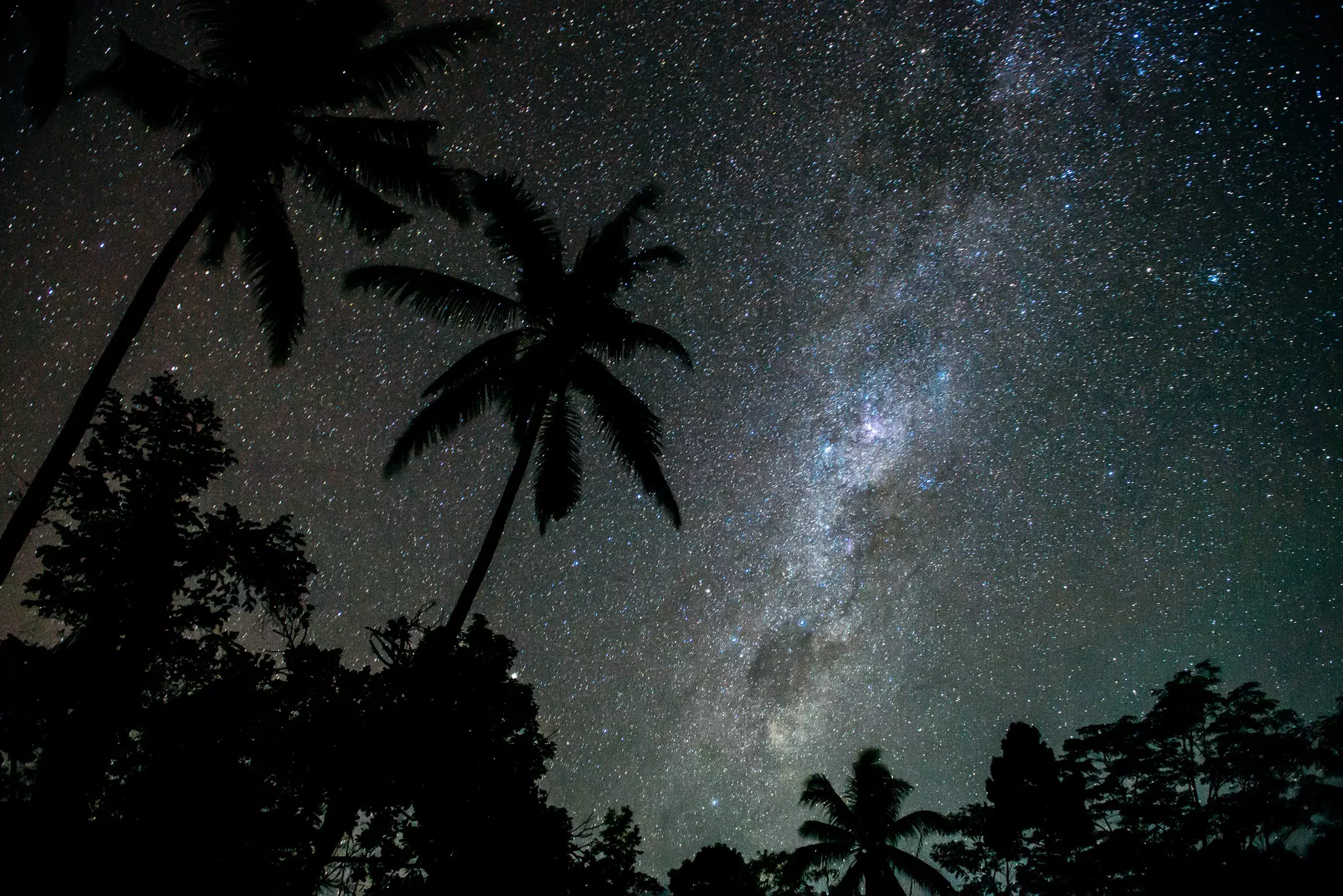
The silence of Nyepi is less about emptiness and more about contemplation. Most Balinese families will spend the day fasting, meditating and praying. For visitors, Nyepi offers a rare opportunity to detox and commune with nature, especially if your hotel has quiet spaces and inspiring views of the sea or the jungle.
It’s also the one day of the year that’s perfect for stargazing, as the entire island goes pitch black, reducing light pollution to almost zero, making the stars appear even brighter and practically within touching distance. Free from car lights, streetlights and traffic noise, the setting couldn’t be more perfect for seeing the stars in sharp clarity.
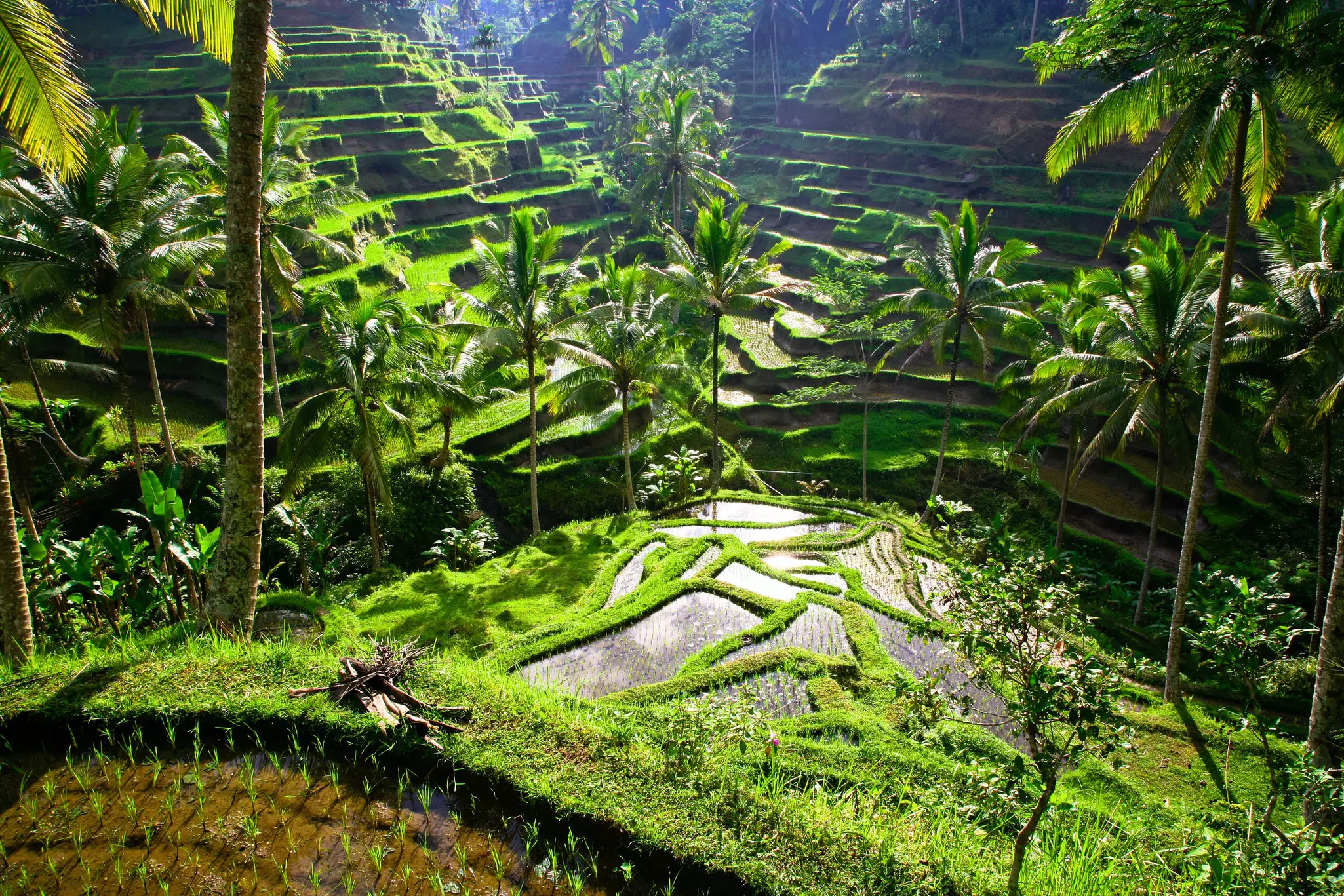
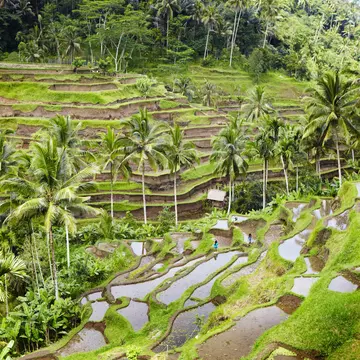
Bali is famous for its terraced rice fields, including those at Tegalalang near Ubud and UNESCO-listed Jatiluwih in central Bali. These exist in large part due to Bali’s centuries-old subak irrigation system, where water is channeled from mountain springs and rivers, then distributed via canals and terraces and fairly shared among farmers.
There’s also a close connection to Nyepi. “Nyepi falls in Kasanga, the 9th month, a time of purification and pause,” explains Tantri Arihta. “The month that follows, Kadasa, is when farming communities gather to give thanks for the harvest. This is all part of one continuous cycle: purify, renew, cultivate, give thanks."
"The Balinese way of life is guided by Tri Hita Karana, the principle of harmony among the divine, the community, and the natural world. In subak, you see all three at once: water temple rituals, farmers working collectively, and land tended with genuine care.”
The beachfront Four Seasons Resort Bali at Jimbaran Bay is located at the southwestern tip of the island and it offers stylish accommodation in thatched-roof villas, treatments in the 2000-sq-meter Healing Village Spa, and grounds dotted with some 300 palinggih, or Hindu shrines. The resort has a strong commitment to sustainability, including a beach-cleaning robot, on-site waste management and recycling, and monthly clean-up events.
In Ubud, guests can arrive at the riverside Four Seasons Resort Bali at Sayan via a 2-hour rafting trip or by crossing a bridge to a stunning rooftop lotus pond. Located in the Ayung River Valley and set amid towering trees, tiered rice paddies and lush gardens, this hillside sanctuary is a true oasis just 6km from central Ubud. Wood-trimmed rooms offer abundant views over palms and greenery.
James Pham visited Bali on the invitation of Four Seasons Bali. Lonely Planet does not accept freebies in exchange for positive coverage.
Explore related stories