Sep 24, 202610 min read
A Book Lover’s Guide to IndiaSep 7, 2026
13 MIN READ

Writer
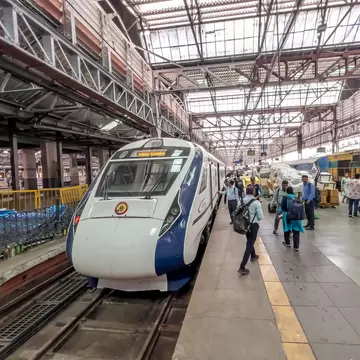
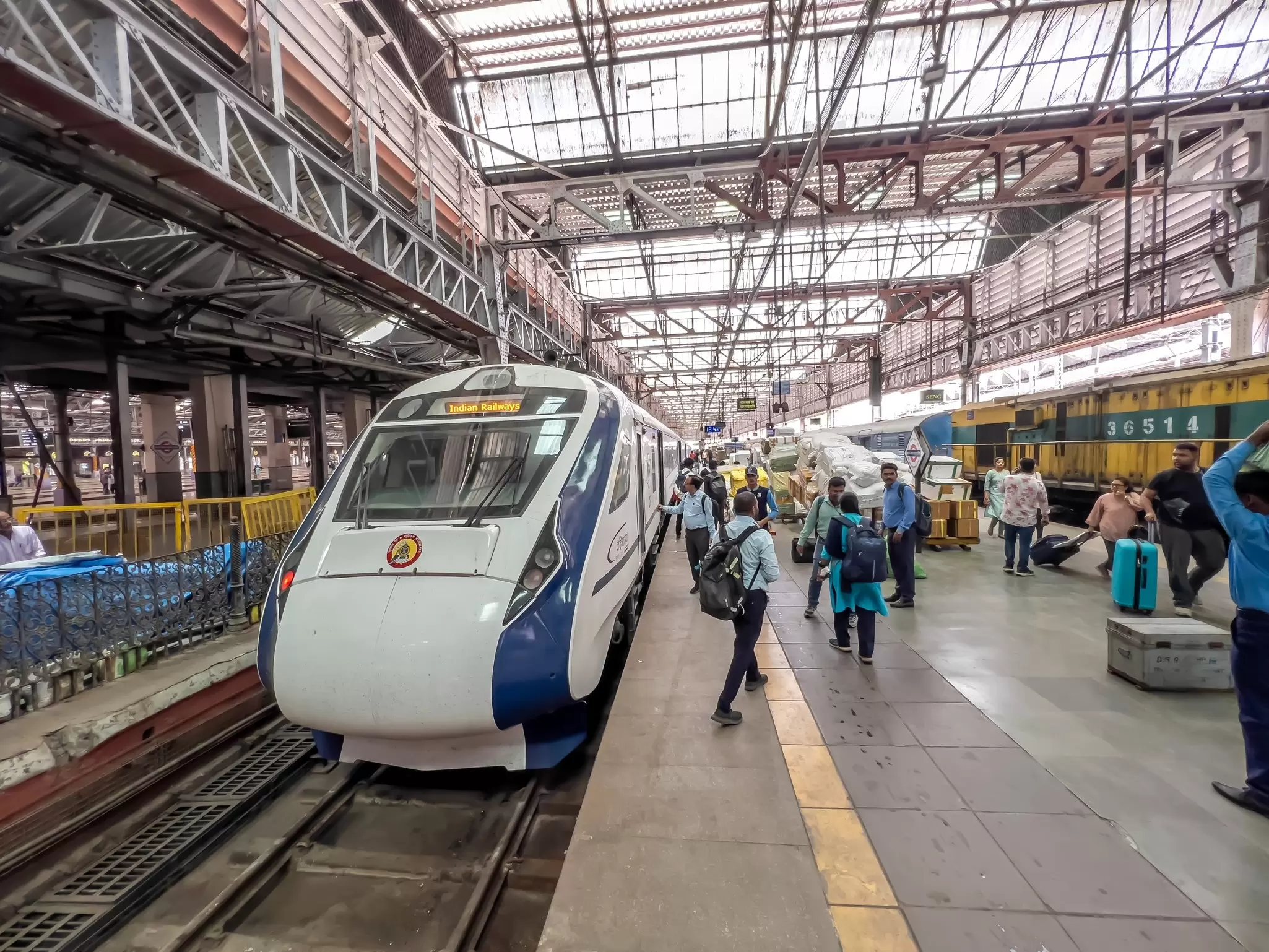
A high-speed train at Mumbai's Chhatrapati Shivaji Maharaj Terminus. Dinesh Hukmani/Shutterstock
Writer
Lonely Planet may earn a commission from affiliate links on our site. All recommendations and reviews reflect our own independent opinions.
Many people fly from Delhi to Mumbai, but the trip is infinitely more rewarding by train. There’s no experience quite like train travel in India: the buzz of conversation in myriad languages; the singsong sales pitch of the snack vendors and chai-wallahs (tea sellers) who wander through the carriages; the views of villages and temple spires sliding past the windows.
Flying from Delhi to Mumbai takes just over 2 hours, but it feels the same as flying anywhere else in the world. Having traveled between the two cities many times by train, I would recommend the trip to anyone – a 16-hour odyssey that will immerse you in the sights, sounds and scents of the subcontinent in a way that would never be possible traveling by plane.
Among other things, the train journey from Delhi to Mumbai is staggeringly good value. Fares for a reserved seat start from around 650 rupees (₹) – not much more than the cost of an airport sandwich in many countries. In exchange, you’ll get to enjoy a cinematic view of India through the train windows, as vendors keep you plied with tea and spicy snacks.
Then there are the environmental considerations of this carbon-efficient means of transport, and the convenience factor of being able to board in the center of Delhi and disembark in the heart of Mumbai, within walking distance of the most famous landmarks.
But booking a train seat in India can be a bit of a learning curve for the uninitiated, so here’s everything you need to know about taking the train from Delhi to Mumbai.
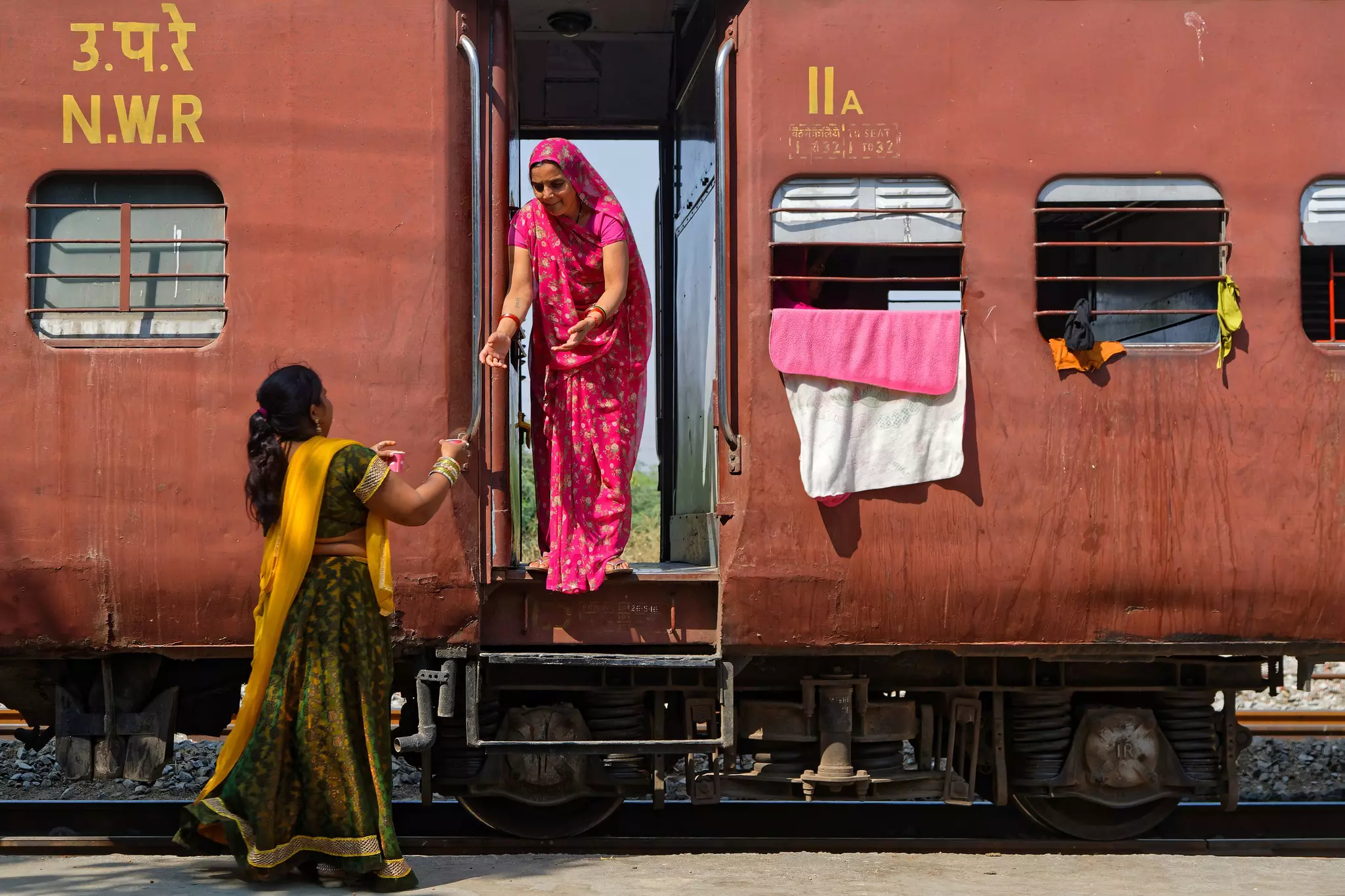
The first thing to know about train travel in India is that every city, town and village has a railway station. Traveling from A to B by train can involve stopping at just a handful of major junctions, or pausing at dozens of smaller stations dotted around the countryside. This can have a big impact on the journey time – traveling from Delhi to Mumbai can take anything from 16 hours to 28 hours, depending on which train you take.
The most direct route from Delhi to Mumbai – the route followed by fast Rajdhani and Duronto Express trains – covers 1386km, connecting through Vadodara Junction in Gujarat and Kota Junction in Rajasthan. However, other routes are possible, weaving through Uttar Pradesh, Madhya Pradesh, Gujarat, Rajasthan and Maharashtra.
When booking a train in India, it's always helpful to know the name of the train, its number, and the station codes for the start and end stations. Both Delhi and Mumbai have multiple train stations, so it’s important to be clear about where your journey starts and begins.
In Delhi, the main stations for trains to Mumbai are New Delhi Railway Station (NDLS), just north of Connaught Place, and Hazrat Nizamuddin (NZM) in the Nizamuddin area, south of the center near Humayun’s Tomb. Do not confuse New Delhi Railway Station with Delhi Junction (DLI) on the north side of the old city.
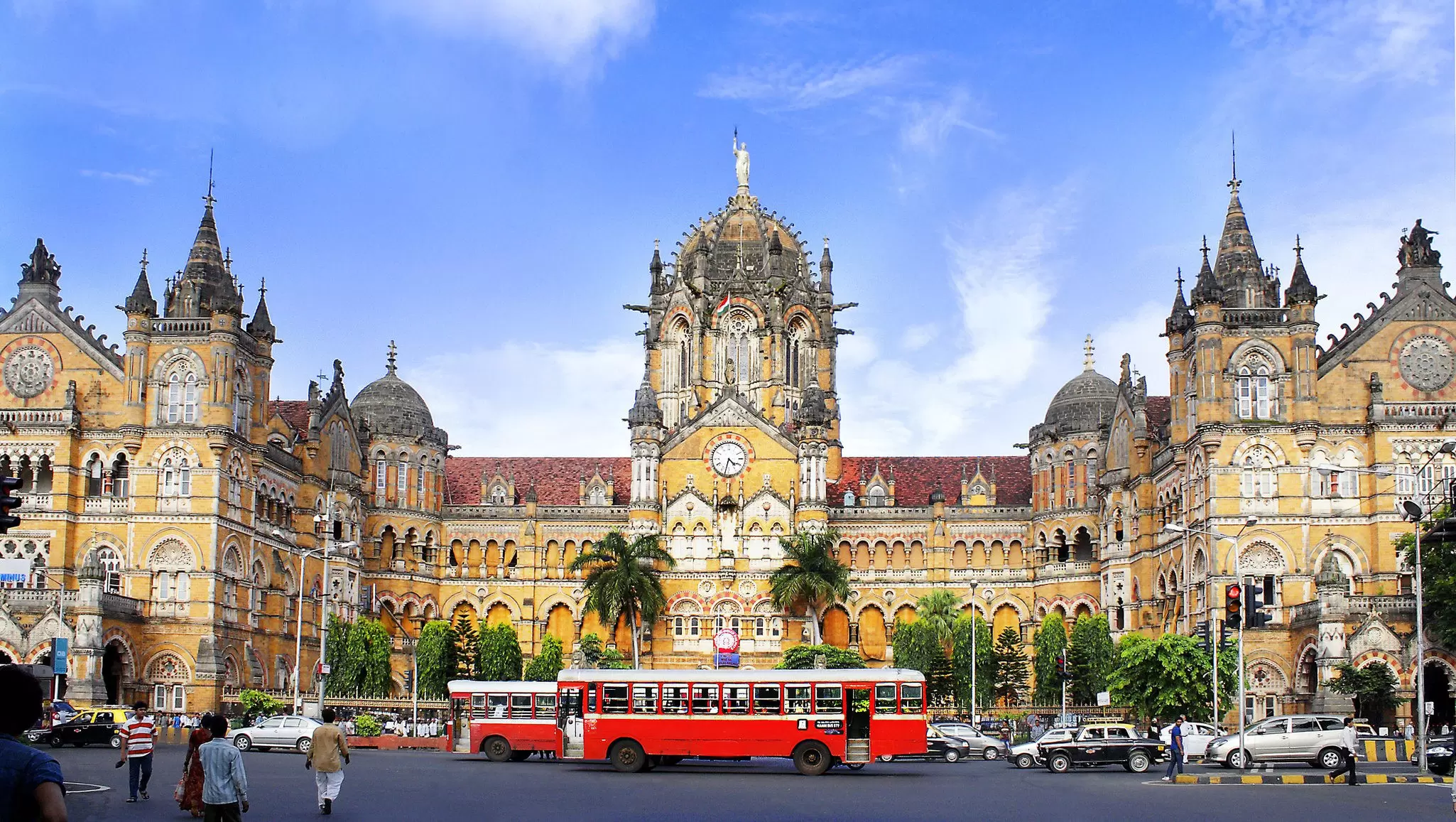
At the other end of the route, trains arrive at Mumbai Central (MMCT) station, technically in South Mumbai but quite a long way north of the area most tourists focus on, or the historic Chhatrapati Shivaji Maharaj Terminus (CSMT), more conveniently located close to Fort and Colaba in the south of the city. If you are heading to the northern part of Mumbai, some trains also stop at Bandra Terminus (BDTS).
Armed with this information, you can use the “Reserved Train Between Stations” search function on the Indian Rail website to find trains between the specific stations you want to travel to and from.
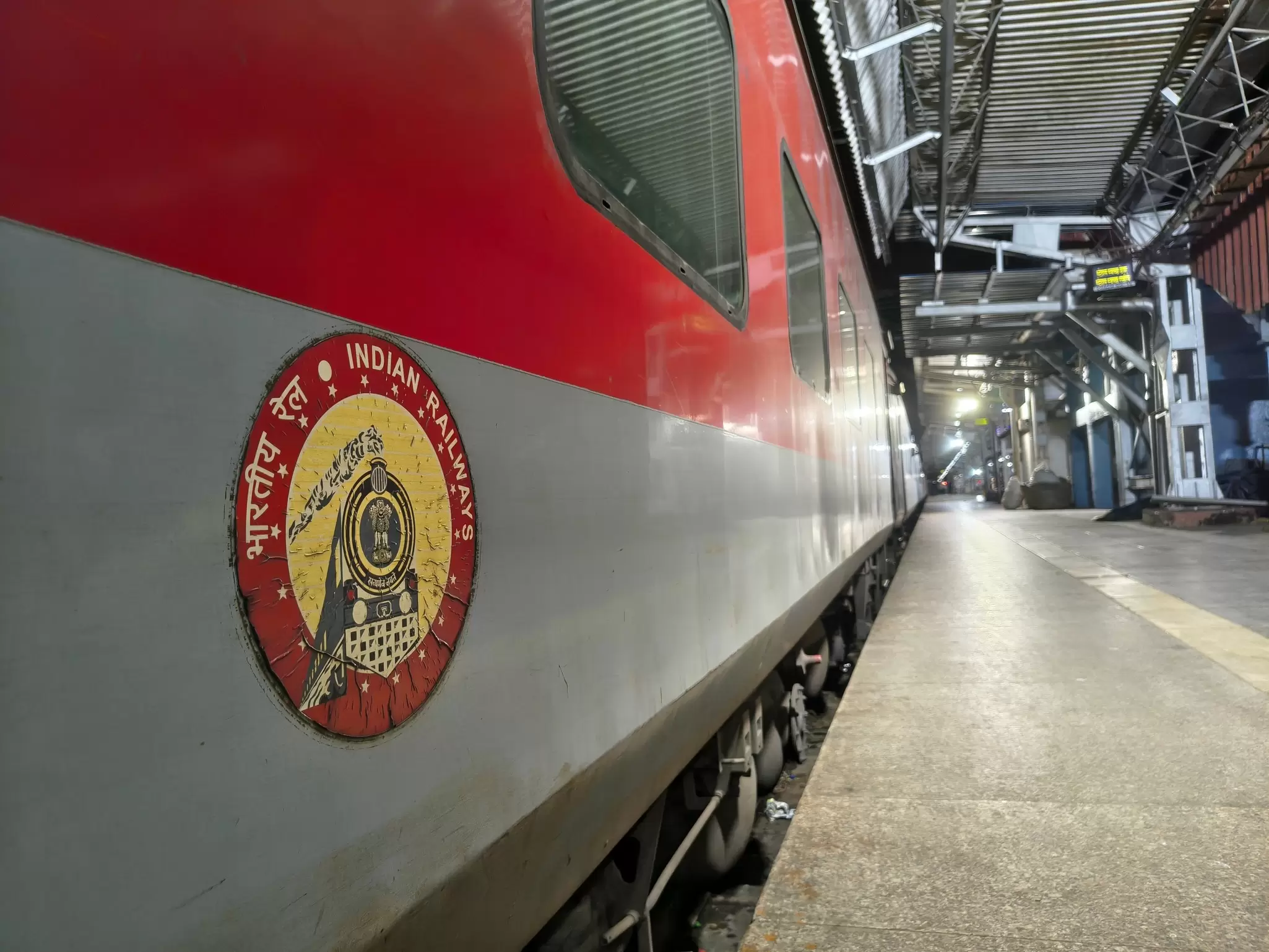
The most convenient overnight train on the Delhi–Mumbai route is the daily New Delhi–Mumbai Central Tejas Rajdhani Express (train number 12952 from Delhi, or 12951 from Mumbai). It leaves in the afternoon from either end of the route, and arrives the next morning, about 16 hours later, giving you plenty of time to check into your hotel and enjoy a day of sightseeing.
The twice-weekly Hazrat Nizamuddin–Mumbai Central Duronto Express leaves Delhi in the evening and arrives in Mumbai the next afternoon. Another good option if you prefer to travel by day to admire the scenery is the Golden Temple Mail (12904 from Delhi, 12903 from Mumbai), which leaves from Hazrat Nizamuddin early in the morning and arrives at Mumbai’s Bandra Terminus late in the evening.
There are fewer convenient daytime trains running from Mumbai to Delhi; the daily Paschim Express (12925) leaves Bandra Terminus in the late morning, but it’s a slow service that arrives at New Delhi Railway Station the following morning.
If money is no object, the Maharajas' Express resembles a luxurious hotel on rails, offering a 7-day tour between Delhi and Mumbai, stopping at Agra (home to the Taj Mahal) and destinations across Rajasthan, including Ranthambhore National Park, Jaipur, Bikaner, Jodhpur and Udaipur. The Deccan Odyssey train offers similar luxury tours that also visit destinations in Maharashtra, such as Aurangabad and the Ellora Caves.
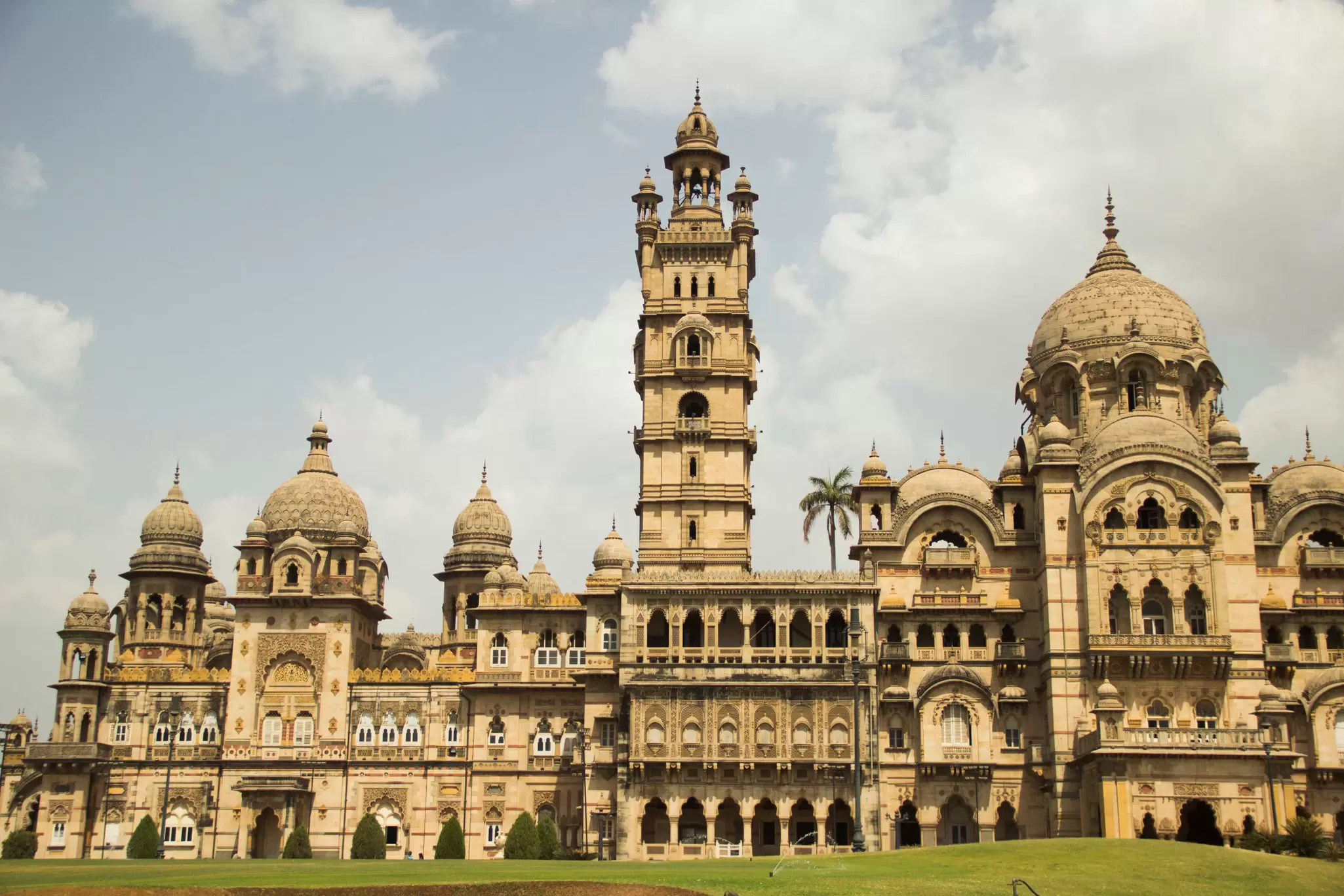
If you feel like breaking the journey, trains between Delhi and Mumbai frequently stop at Vadodara (Baroda) in Gujarat. This typical Gujarati city is home to the appealing Maharaja Fatesingh Museum, set on the sprawling campus of the Lakshmi Vilas Palace – the world’s largest private home (still occupied by the descendants of the Gaekwad dynasty).
Many trains also make a stop at Kota in Rajasthan. The city is an interesting detour, with a mural-decked royal palace museum, a Disney-esque riverside park full of giant sculptures, and boat tours to spot wildlife on the banks of the Chambal River. Even better, the delightful town of Bundi, with its stunning royal palace and fort ruins, is just 45 minutes away by bus.
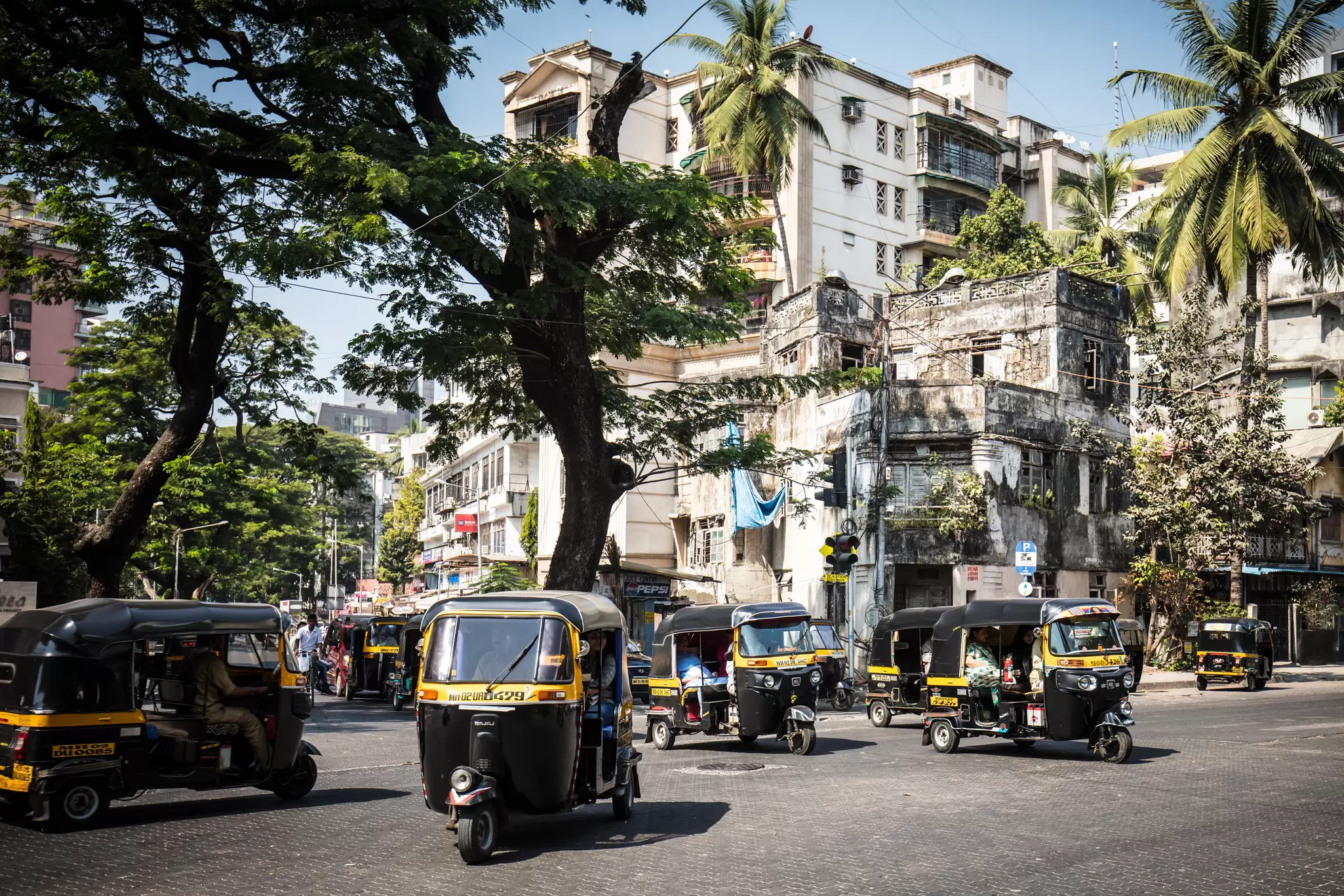
In Delhi, New Delhi Railway Station can be reached easily and inexpensively from Indira Gandhi International Airport on the Delhi Metro. The station is also a short walk or autorickshaw ride from the hotels of Connaught Place and the Paharganj area; the metro, buses, autorickshaws and taxis can get you to other parts of the city. To reach Hazrat Nizamuddin station, go by autorickshaw or take the metro to Sarai Kale Khan/Nizamuddin station.
In Mumbai, Mumbai Central (MMCT) is the closest station to Chhatrapati Shivaji Maharaj International Airport, which is most easily reached by taxi or rideshare. If you arrive at Chhatrapati Shivaji Maharaj Terminus or Bandra Terminus, suburban trains, taxis, autorickshaws and rideshares run all over the city.
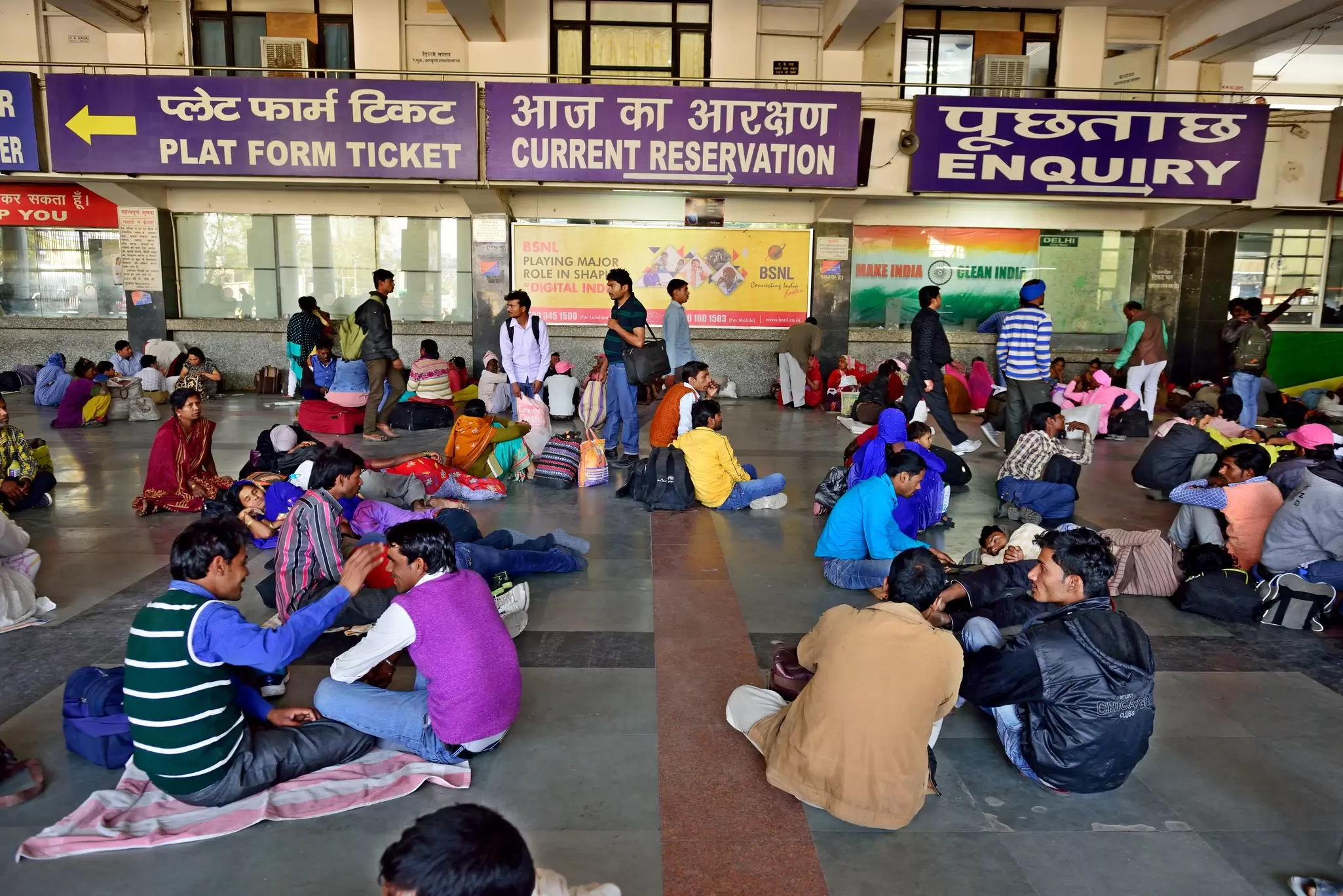
The first step to booking a train seat in India is understanding the different classes of travel. The Man in Seat 61 website provides a detailed overview, but here are the key classes:
Unreserved/General: Cannot be reserved in advance; very cheap and very busy.
Chair Car: Airplane-style seating in an air-conditioned carriage; for daytime journeys only.
Sleeper: The cheapest berth for overnight trips; seats convert to simple padded bunks with no bedding in fan-cooled compartments.
2-tier AC and 3-tier AC: Berths with bedding in air-conditioned carriages, arranged in compartments of four or six berths; tickets may include a meal served at your seat.
First AC: Berths with bedding in lockable 2-berth or 4-berth compartments; meals are often included.
Even for daytime travel, a seat in a sleeper or air-con carriage is the best option for the journey from Delhi to Mumbai. The trip will be more comfortable and you’ll have the reassurance of knowing there’s a seat waiting for you in a particular carriage – useful information in a country where a train can be dozens of carriages long. Toilets are found in every carriage, but cleanliness can vary, so keep hand sanitizer handy.
The best seats are usually the lower and upper berths marked “side.” These are across the aisle from each compartment and are always a pair, even in 3-tier AC, so you get more personal space and privacy. If you book any upper berth, you may be able to use it as a bed all day, but you won’t be able to see out of the window from your berth.
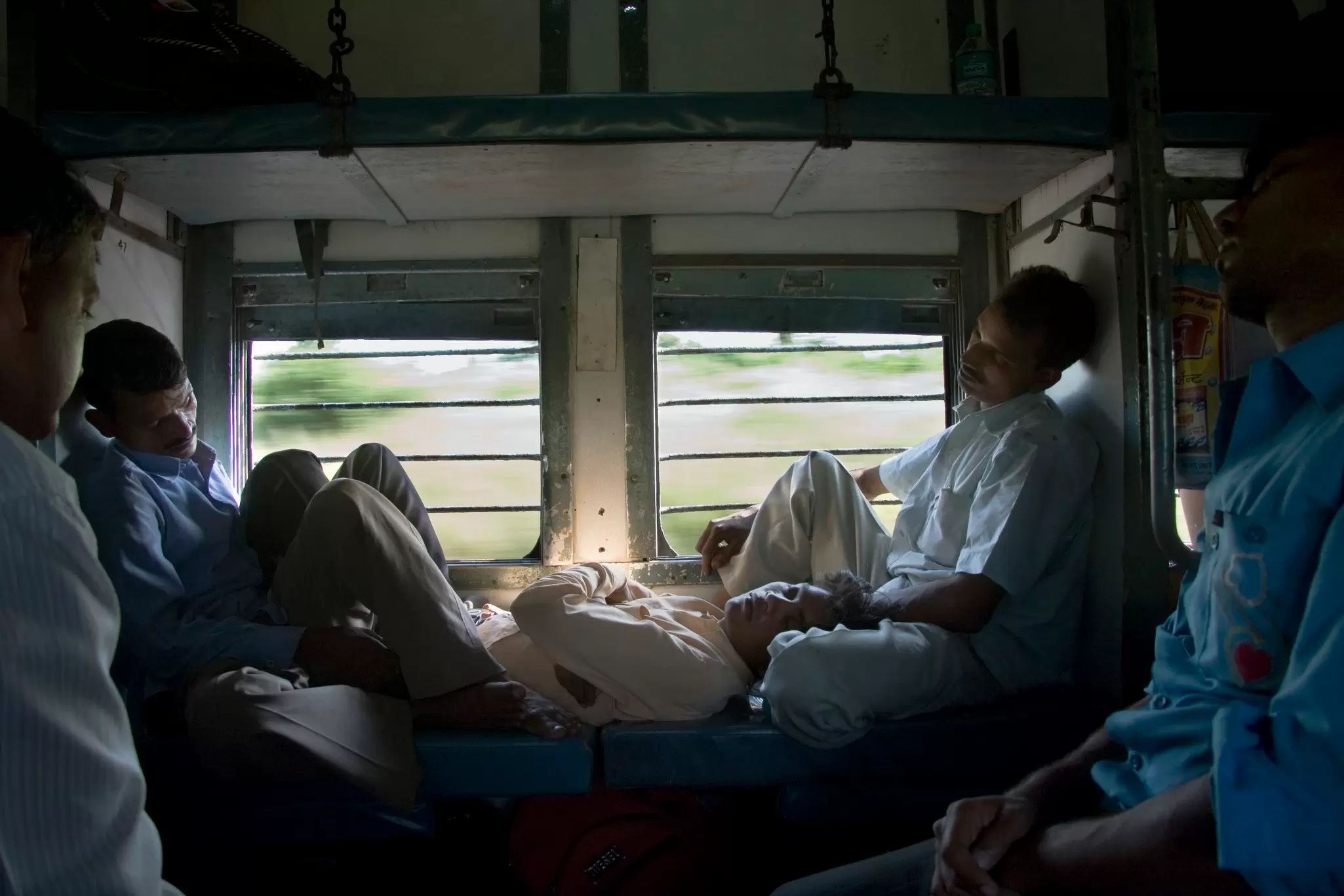
Traveling in unreserved class from Delhi to Mumbai is not recommended as there is no guarantee you will get a seat, but the journey is perfectly comfortable in fan-cooled sleeper class, where prices start from around ₹650. For more comfort and space, air-con berths start at around ₹1800 in 3-tier AC class (₹3000 on fast Rajdhani services).
If the trains are busy and your chosen class is full, you may be able to buy a wait-listed ticket. Indian trains are frequently overbooked, and if enough passengers cancel, you may get a seat. This will be confirmed a few hours before departure – you can check your status on the Indian Rail website using your PNR number.
During the journey, a conductor will come by to check tickets (or your digital booking confirmation). Conductors are almost always friendly and helpful; if you happen to have boarded the wrong carriage or are sitting in the wrong seat, the conductor will help guide you to your proper place.
You’ll have the widest choice of trains if you register to use IRCTC, India’s official train booking portal. The registration process is a little complex, but once you have an account, you can book, change and cancel tickets online, and travel with an electronic record of your journey in place of a paper ticket. An IRCTC account will also let you book tickets through Indian travel booking websites such as MakeMyTrip and Yatra.
You can also book tickets at the reservation windows in India’s railway stations, but queues can be long and you’ll need to know the station codes and train number.
If you're on the ground and want to book in person, another option is to use the dedicated booking desks for "Foreign Tourist Quota" tickets at New Delhi Railway Station or Mumbai’s Chhatrapati Shivaji Maharaj Terminus, though this is a more expensive option and you'll need to show your passport.
Whichever way you book, your ticket will come with a Passenger Name Record (PNR) number that you can use to check up-to-the-minute train information on the Indian Rail website.
With a reserved ticket, you can change or cancel the booking (for a full or partial refund) either via station reservation desks or the IRCTC website. However, no refunds are granted if you cancel less than 4 hours before departure, or after the “chart has been prepared” – the local name for the process of confirming final seat allocations before departure.
If you need to get to Mumbai quickly, discount airline IndiGo often has cheap deals on seats between Delhi and Mumbai on its website. As a fallback option if trains and flights are full, deluxe bus companies offer sleeper buses between Delhi and Mumbai, taking 30 hours or more, but you may be better off taking a train to a city near Mumbai such as Surat or Pune, then transferring to a bus.
If you are new to train travel in India, here are answers to some of the questions you may have about the trip.
On departure, be sure to arrive at the station 45 minutes early, so you have time to find your train. You may need to cross multiple platforms and navigate crowded stairways and escalators, and you’ll need to give yourself time to find the place on the platform that corresponds with the train carriage you have booked (marked on the platform display boards).
You’ll also need to pass your luggage through an X-ray security check to reach the platform. Be realistic about how long it will take you to reach the station – in heavy traffic, even a short journey can take an age. If you arrive early and have time to kill before the train leaves, the stations have kiosks selling chai and coffee, hot and cold snacks, and books and magazines.
Suitcases, backpacks and other luggage can be stored under the seats (which double as the lowest berth in a sleeping carriage). Metal loops allow you to secure your bag with a padlock for peace of mind, but make sure you have the key handy or know the combination for the lock, as stops can be brief.
With so many people getting into and out of carriages at every station, theft is a minor risk, so keep small bags containing valuables with you in your seat or berth. Keep bags closed and pop them behind your pillow or put an arm through the straps while you sleep.
When boarding or disembarking from the train, porters in red uniforms can help you with your luggage for a fee. Be wary of autorickshaw and taxi drivers offering to help you with your bags on the platform – you may pay a higher fare than if you summon a rideshare or flag down a moving taxi or autorickshaw outside the station.
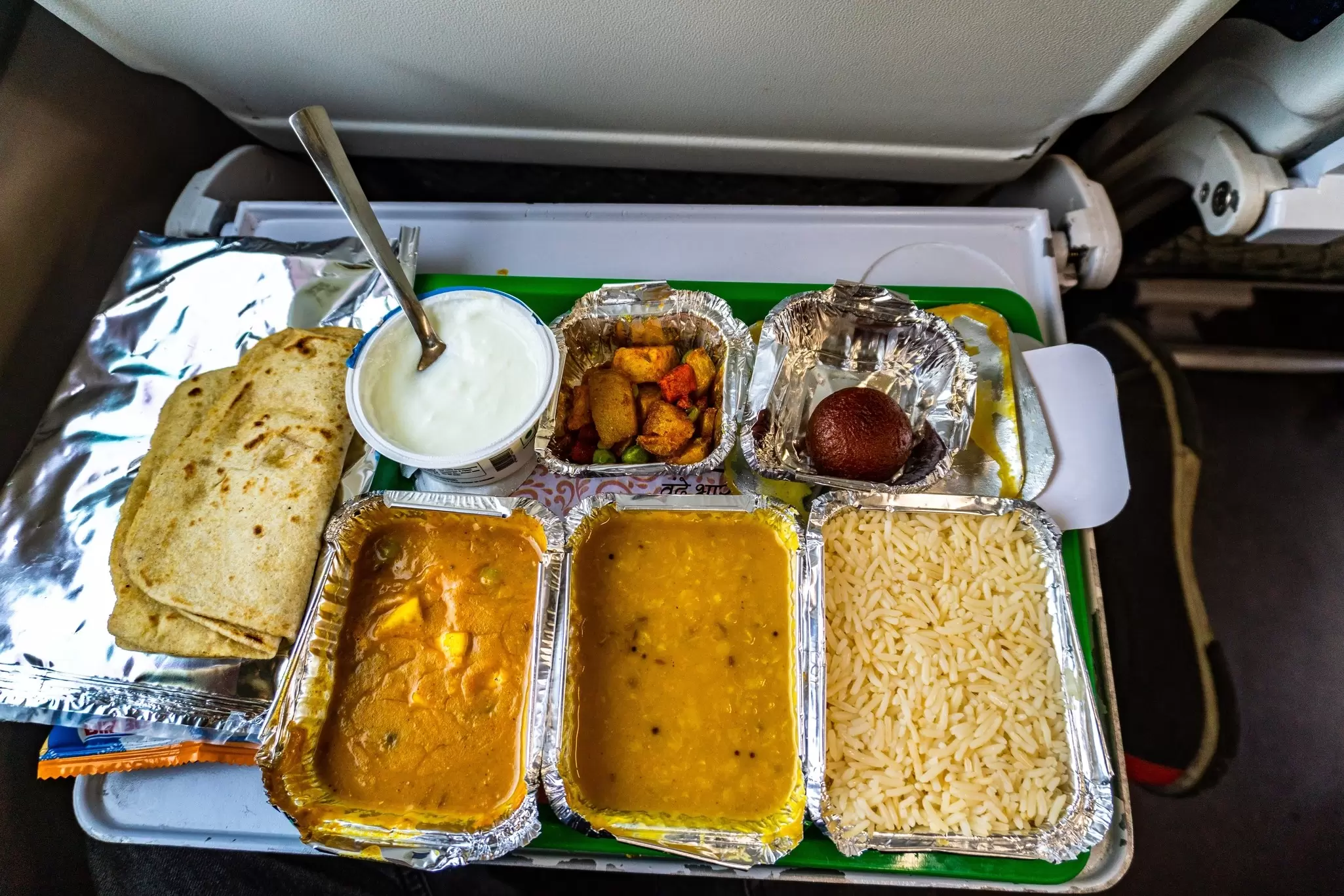
Indian trains do not have a dedicated dining car in the same way as trains in Europe or America. Instead, a (usually delicious) meal may be included as part of your ticket in more expensive air-con classes. Your meal will be delivered to your seat, but train tables usually only have space for the passengers sitting closest to the window, so you may have to eat on your lap.
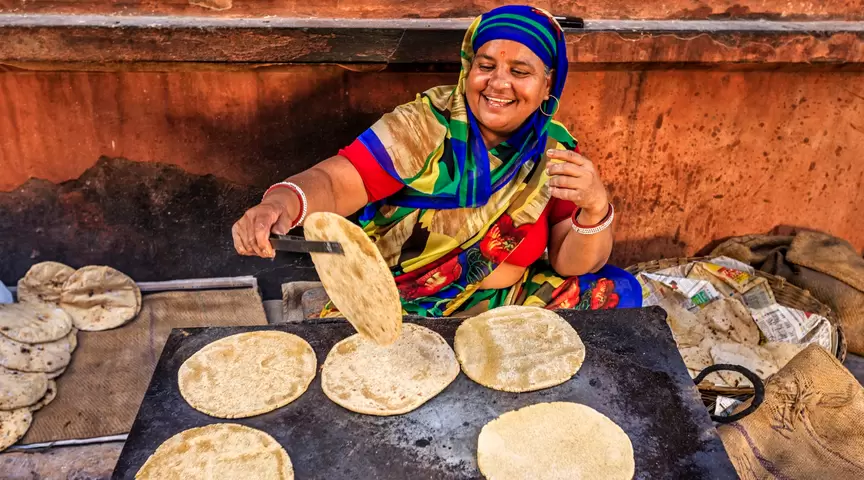
Expect chicken or vegetable curries, rice and/or chapatis, pickles, curd (yogurt), dhal (curried lentils) and perhaps even a dessert. Breakfast may consist of toast and jam, an omelette or a South Indian dish such as idli – steamed rice and lentil flour cakes dipped in spicy sauce.
If you need refreshments, vendors selling chai, coffee and water wander the carriages throughout the journey (alcohol is officially prohibited, though travelers have been known to surreptitiously sip from a hip flask). In sleeper and 3-tier AC class, vendors also sell packed meals and snacks such as kachori (fried vegetable pasties) and samosas (fried dough triangles stuffed with curried veg).
Another option is to buy food to go on the station platform. Stations typically have kiosks all along the platforms selling drinks, snacks, and pre-packaged foods such as chips and biscuits. Most stations also have a dedicated passenger restaurant serving inexpensive hot meals.
You may see passengers jumping off the train to grab snacks from kiosks when trains make longer stops, but unless you speak the local language and are sure you have enough time, this is a gamble. A safer alternative is to order a takeaway restaurant meal via the IRCTC eCatering Food on Track app, or third-party food delivery apps such as Zoop or RailResto, to be delivered to you on the train.
An insider tip: don’t wear white for train travel in India. The curry sauces served with meals are rich in turmeric, and with the lack of table space and cutlery and the motion of the train, there’s a strong chance your clothes will be stained yellow by the end of the trip.
Book your India trip with Lonely Planet Journeys
See India how it's meant to be seen
Accommodations, activities and ground transportation all taken care of, so you can focus on the fun part. Tell us what your dream trip to India looks like, and our local experts will build it from scratch. Or start with one of our itineraries and make it your own.

Explore related stories