Aug 4, 20266 min read
Tiny islands in Europe that you can only reach by ferrySponsored by
Aug 4, 2026
6 MIN READ

Writer
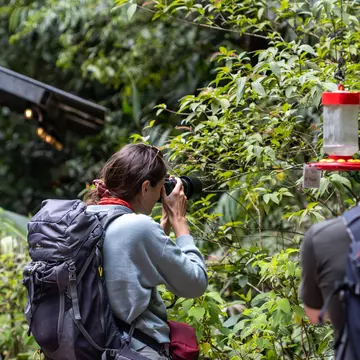
Taking photos in Monteverde, Costa Rica. Carlovis/Shutterstock

Writer
Whether you’re breaking away from using your phone to take vacation snapshots, a novice looking to bump up your game or even a seasoned pro sharpening your skills, today’s camera market is saturated with choices. Many buyers make a beeline for the trendiest new body or sharpest new lens, but equally important is making sure you buy gear suited to what you’ll mostly be shooting, whether that’s wildlife, urban street photography, night skies or all your favorite restaurant dishes.
Too many people buy a highly touted camera only to come away disappointed when they realize it doesn’t suit their needs. Here are some tips to help you make a sound decision.
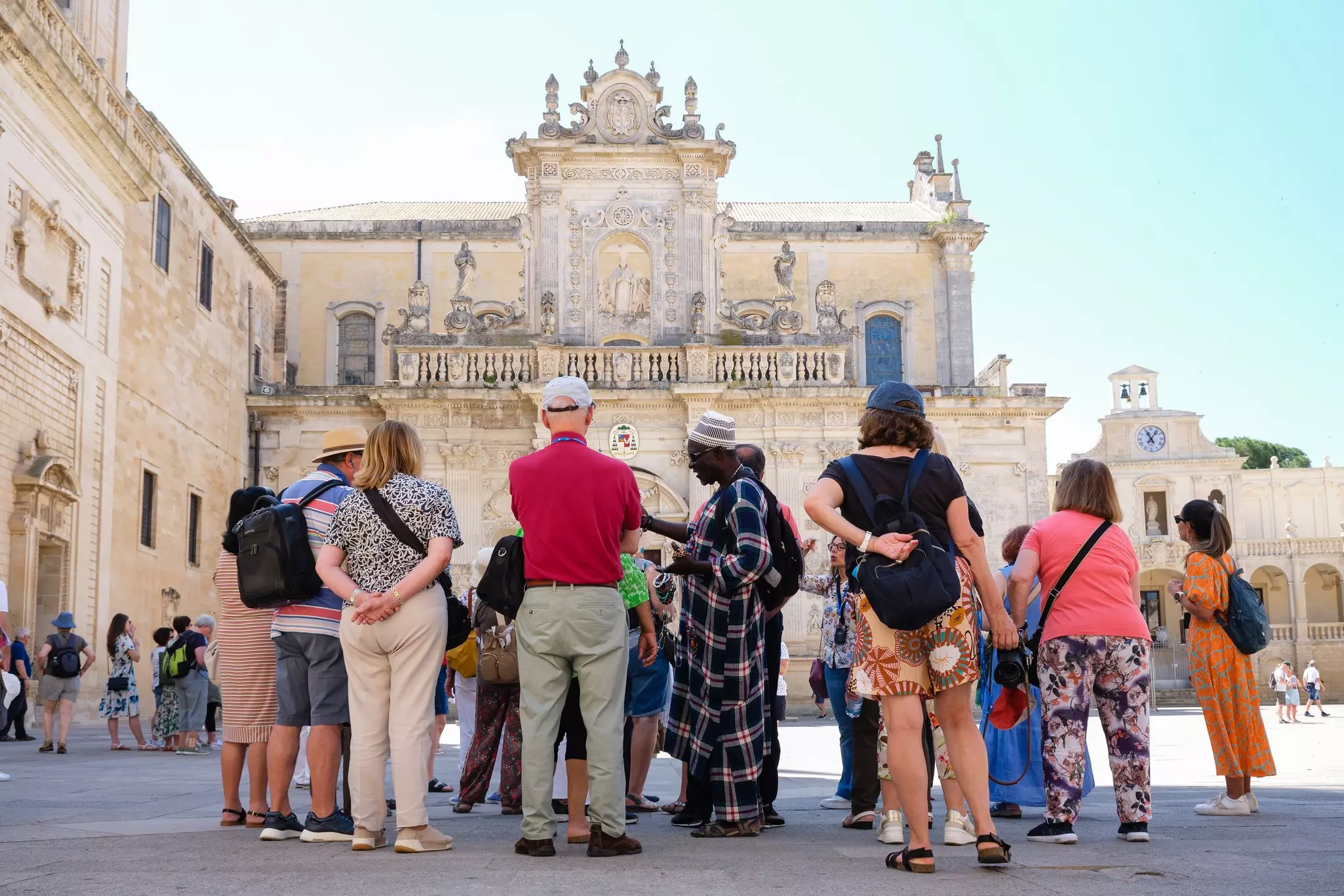
If you want to shoot in crowds, get sharp portraits during your city stay and take photos of all the architecture and fine food you’re enjoying, you’ll need something versatile. For street photography, compact and unobtrusive is better, and good low-light capability is essential indoors. The Ricoh GR IV features an f/2.8 28mm-equivalent lens and can handle all the above, packing 25.7 megapixels into a 9.2-ounce body that fits into your pocket like a phone. It connects easily to smart devices, as does the Fujifilm X100VI, which boasts a 40-megapixel sensor. Both are point-and-shoot cameras, but they take small, fast, sharp and connected to a new level. Snap these up: Ricoh GR IV, Fujifilm X100VI, Nikon Zf
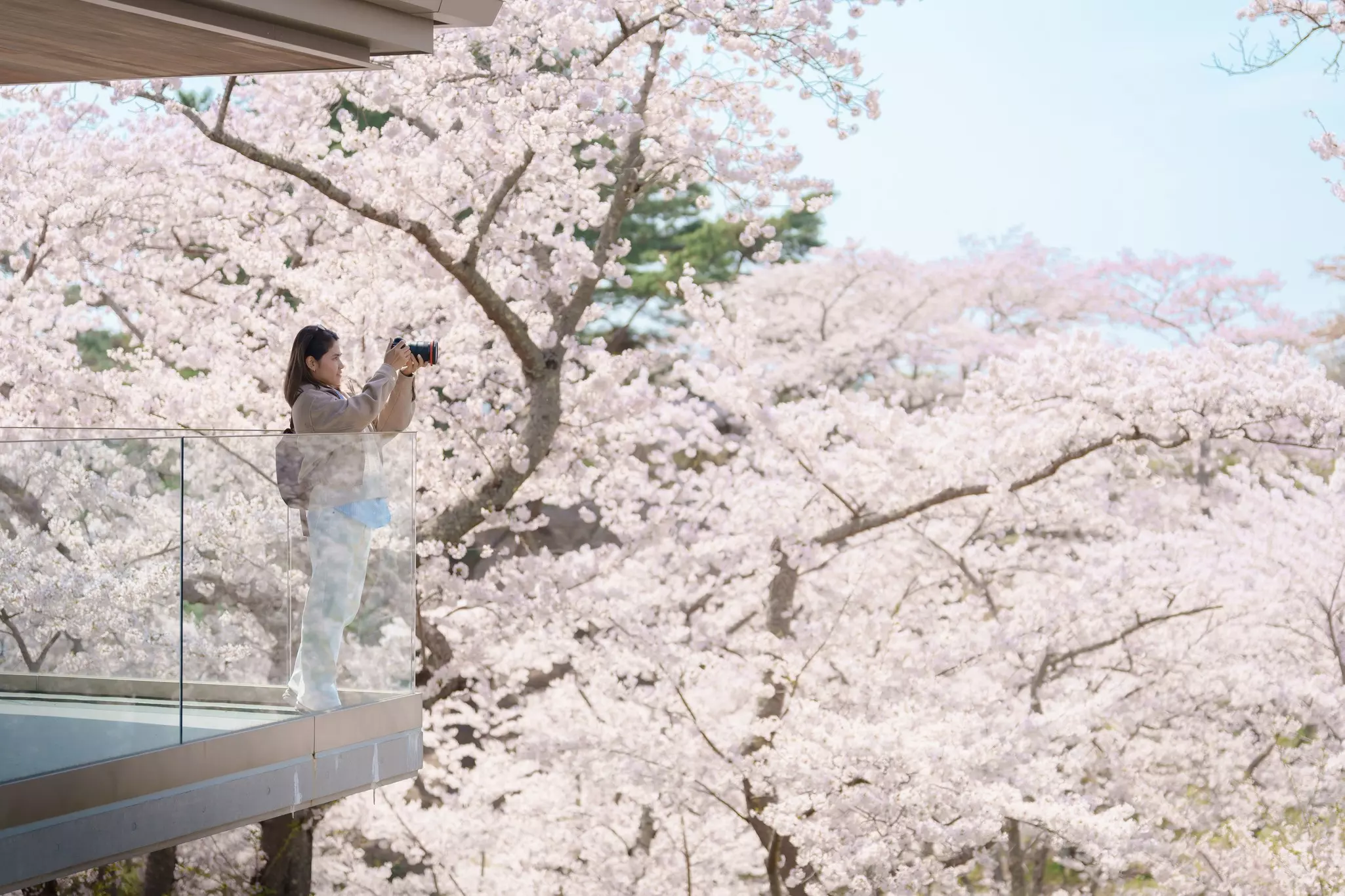
If you’re primarily shooting landscapes, wide-angle lenses around 24mm are often the way to go. However, if you plan to trek miles from your vehicle, weight comes into play, as does weather sealing when you’re spending time in the elements. Sony’s Alpha A7C II has a full-frame sensor, image stabilization and dust and moisture resistance, and can be paired with its classic FE 24–105mm f/4 G OSS lens. This setup, though, might be too much to carry on a multi-day outing.
For my five-month, 2,650-mile Pacific Crest Trail hike, I sacrificed carrying a full-frame camera for a Sony Cyber-shot RX100 VII, which features a 24–200mm-equivalent Zeiss lens in a compact 10.7-ounce body, perfect for capturing landscapes without taking over my pack. The more budget-friendly OM SYSTEM Tough TG-7 would be my choice for harsher conditions: it’s freezeproof to 14°F, shockproof from drops of up to 7 feet and crushproof under up to 220 pounds of pressure. The key is deciding whether you mainly want daylight landscape shots or plan to focus on sunrises, waterfalls or low-light scenes, which require more sophisticated and often heavier gear. Snap these up: Sony Alpha A7C II, Sony Cyber-shot RX100 VII, OM SYSTEM Tough TG-7
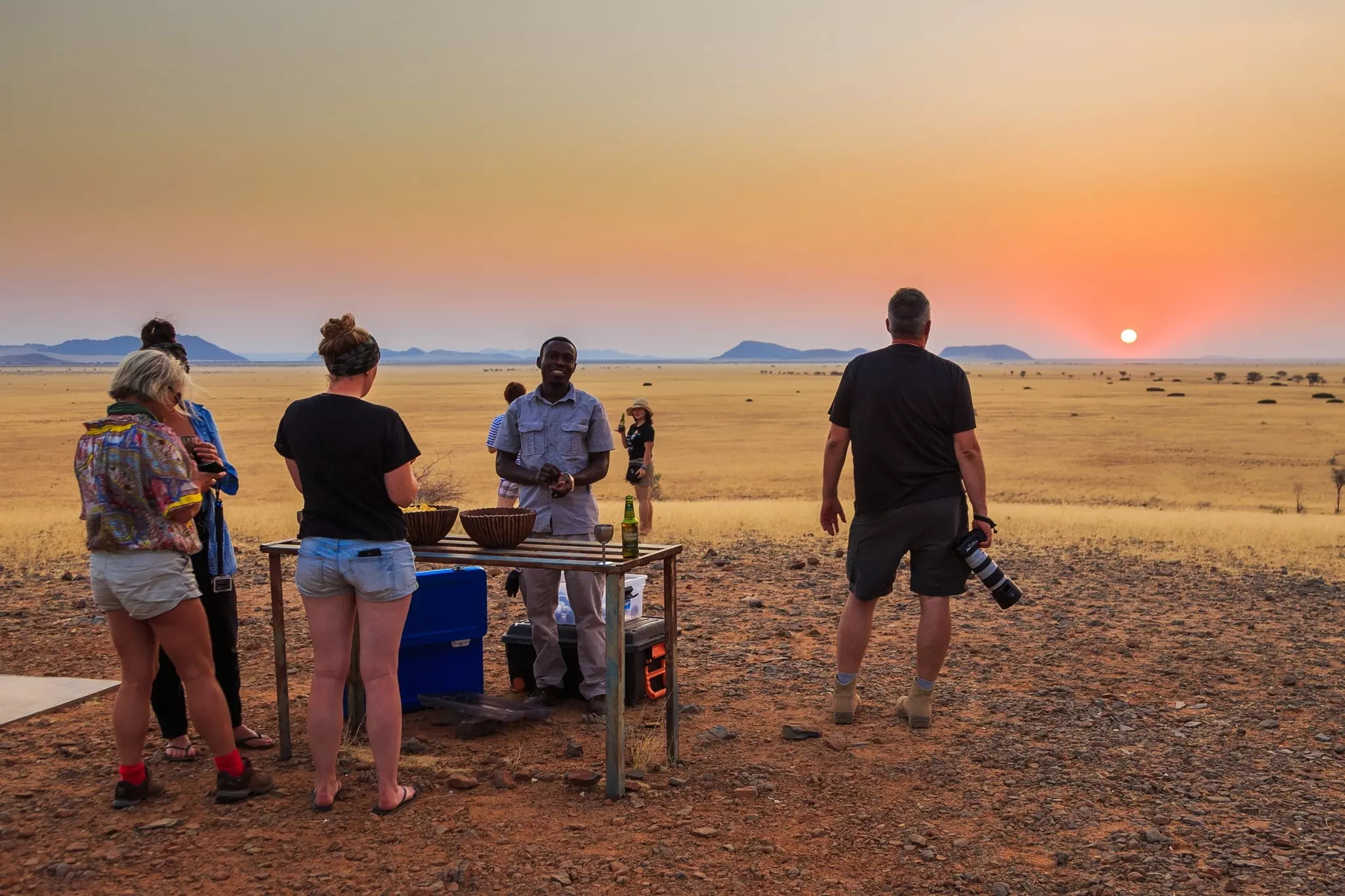
Whether it’s the Big Five or tiny hummingbirds, the most important consideration for wildlife photography is a long telephoto lens, preferably one with image stabilization. You’ll also want a camera body with fast burst shooting and subject-detection autofocus so you can stay locked onto moving subjects. Strong battery life is vital, too, because you don’t want to run out of charge while sitting in a wildlife blind or tracking lions and elephants on the savanna. The Sony A1 offers burst speeds of up to 30 frames per second with continuous autofocus, and it can be paired with third-party lenses from Sigma or Tamron. A lens such as the Sigma 150–600mm lets you capture birds in flight, while the Canon RF100–400mm is a strong option for safari outings or larger mammals. Snap these up: Sony A1, Sigma 150-600mm, Canon RF100-400mm
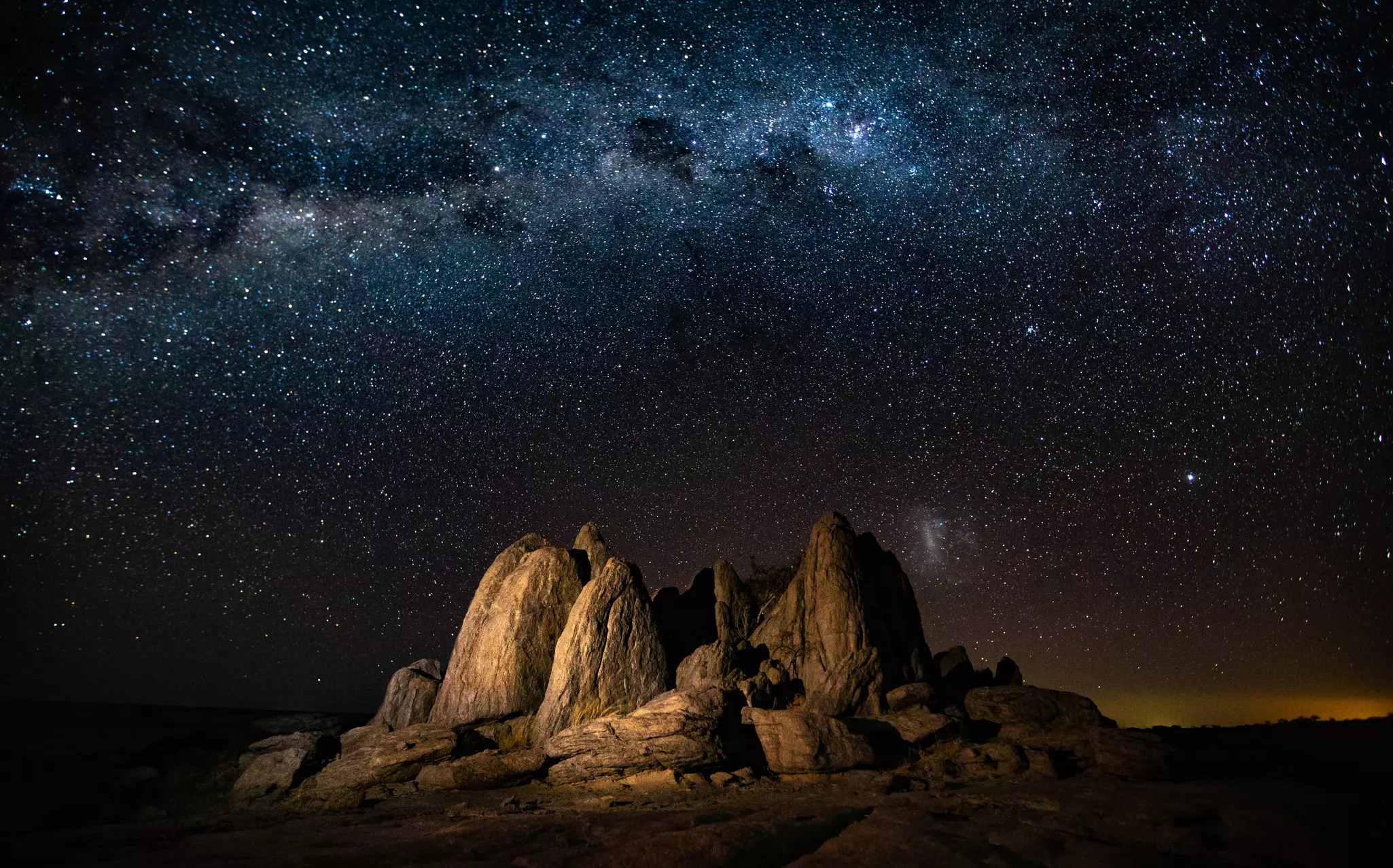
Shooting star trails and the Milky Way is one of my favorite photography pursuits, but I’ve had to be realistic on longer backpacking trips because I don’t want to carry the extra weight this activity entails. If this will be one of your main photography modes, you’ll need a tripod. Peak Design’s carbon-fiber Travel Tripod and the Gitzo Traveler are good lightweight choices. You’ll also want a large sensor and fast wide-angle lens to capture the detail of the sky and stars, along with good manual exposure controls and time-lapse features if that’s what you’re after. If you can afford them, the Nikon D850 and Canon EOS 5D Mark IV can deliver stunning results, while a body such as the Nikon Z50 II comes at a more pocket-friendly price. Snap these up: Nikon D850, Canon EOS 5D Mark IV, Sony Alpha A7C II

If family trips and get-togethers will be the focus of your photography, look for something with a useful range of focal lengths, good face and eye autofocus and a choice of automatic shooting modes. You’ll also want enough battery life to last through all those special moments, plus phone connectivity so you can send everyone immediate copies. The Sony Alpha A6100 features strong autofocus with face and eye tracking, while the Nikon Zf works well in low light and is compact enough not to intimidate your subjects. Snap these up: Sony Alpha A6100, Nikon Zf, Sony Cyber-shot RX100 VII
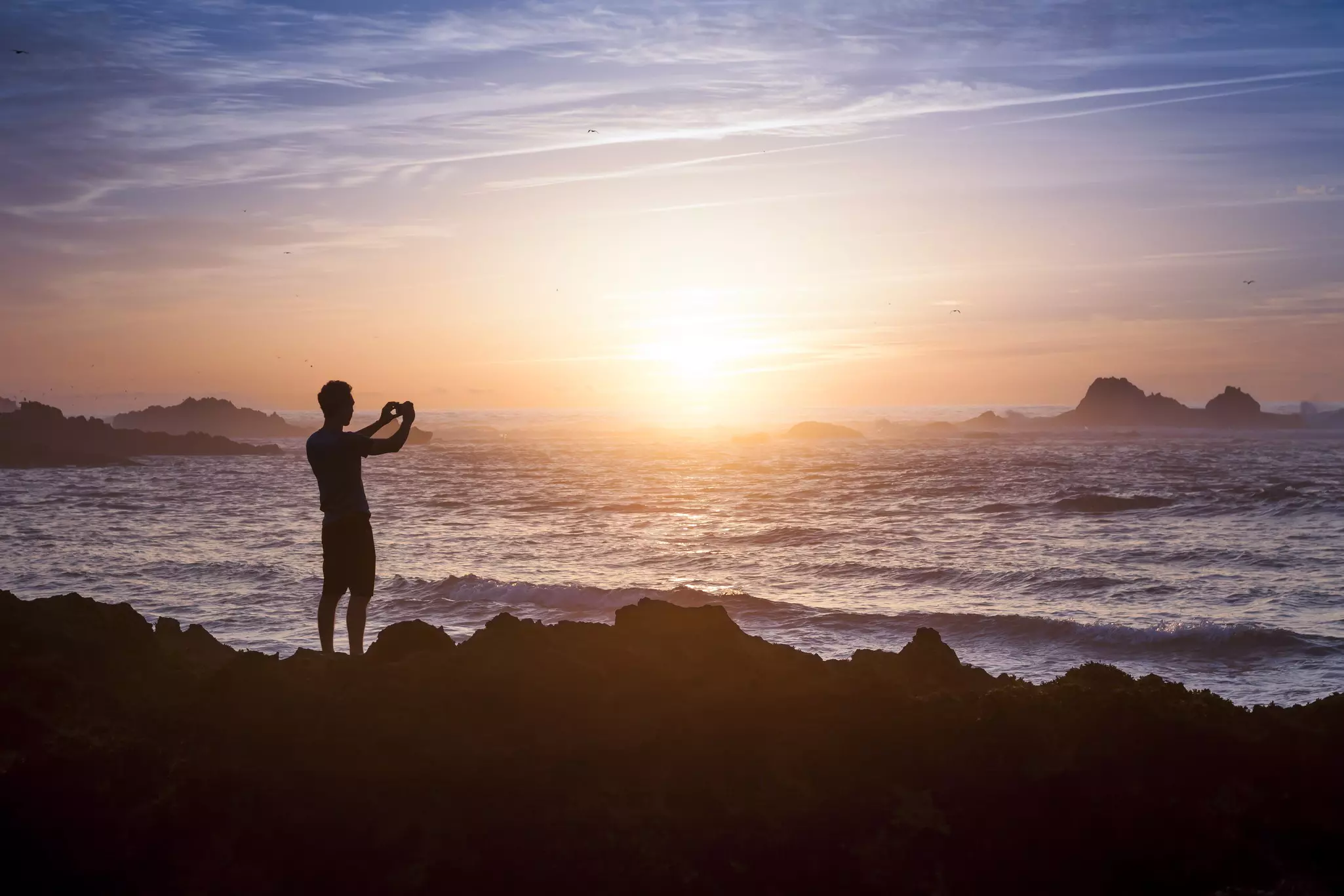
Lenses on smaller and less expensive cameras have advanced considerably, meaning you can now get sharp images from top point-and-shoot models such as the Ricoh GR IV and Sony RX100 VII. However, the advantages of ultralight weight and doing little more than pressing a button come with trade-offs. Smaller sensors may not perform as well in low light, and fixed-lens cameras don’t let you swap lenses or experiment with different focal lengths. Point-and-shoots can be less expensive, though, and you save by not buying separate or multiple lenses.
If you’re choosing between a DSLR and mirrorless camera, the differences go beyond the lack of a mirror. Mirrorless cameras generally offer advanced subject-tracking autofocus, electronic viewfinders that preview exposure and silent electronic shooting, which is handy in quiet public spaces or when you want to be less obtrusive. Many are lighter than DSLRs, although large lenses can erase that advantage. DSLRs are often cheaper on the used market and usually offer better battery life, while newer autofocus and video advances are increasingly concentrated in mirrorless systems.
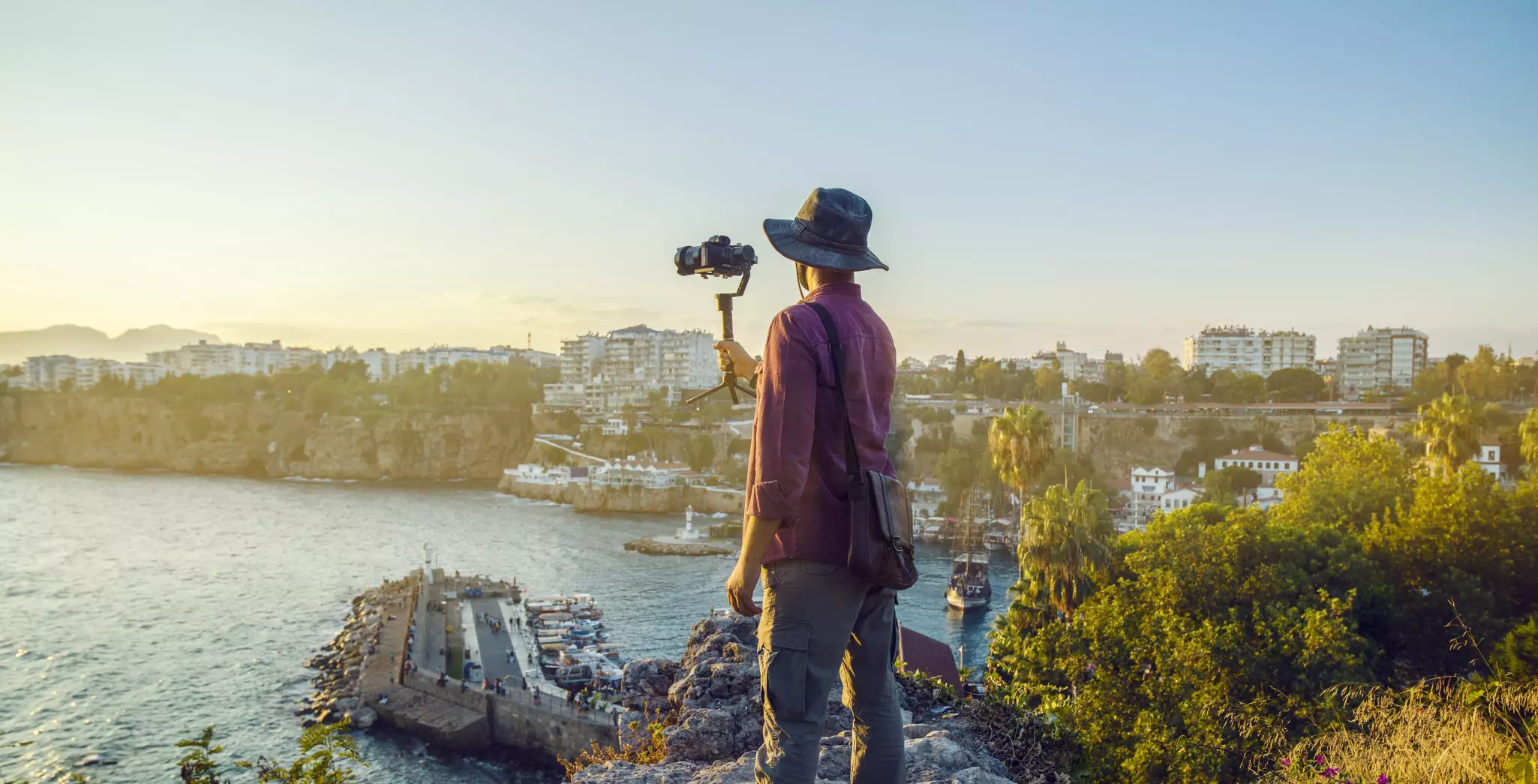
If the sky were the limit, every photographer would have a body, lens and accessories in the closet for every situation. But for most of us, the trade-offs are real. I love taking wildlife photos, but my big wildlife trips are few and far between, and shooting birds in the Amazon will be a rare event. I won’t splash out for a 500mm zoom lens, but I can get by with a 200mm zoom on a high-resolution body for the wildlife shots I do take.
If you love getting creative and want more options, by all means consider an interchangeable-lens camera. If you’re happy getting sharp images with one click, by all means go for a compact point-and-shoot. Don’t forget the accessories, whether that’s a mini tripod for low-light shots, extra batteries for a colorful festival, a good camera bag or a portable lens-cleaning kit. Even a good old dust cloth will help rid your lenses of smudges.
Also consider that quality lenses and bodies can retain some value. If you decide a year later that you want to unload that unwieldy zoom, you may be able to recoup part of your expenditure through a retailer such as MPB and put it toward new gear. The best kit isn’t the most expensive one. It’s the one that fits the way you travel and photograph.
Explore related stories