Sep 1, 20269 min read
Where to Stay in Tokyo: Best Areas and HotelsAug 3, 2026
8 MIN READ

Writer
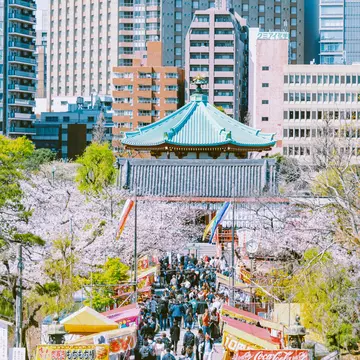
Benten-dō in Ueno-kōen, Tokyo. Rintaro Kanemoto for Lonely Planet

Writer
Highlights
Tokyo-based writer Rob Goss shares 18 tips on timing, safety, transit and food.
Visit in autumn for cooler weather and fewer crowds than spring's cherry-blossom rush.
Keep quiet and skip food on commuter trains; on the shinkansen, bentō and beer are fine.
Never stab chopsticks in rice or pass food between them – these are funeral gestures.
Lonely Planet may earn a commission from affiliate links on our site. All recommendations and reviews reflect our own independent opinions.
Neon lights and ancient temples, tranquil gardens and hedonistic nightlife, world-class dining and incredible hospitality – Tokyo is a cultural powerhouse, and any visit to Japan's capital is an unforgettable experience. I’ve lived here for 20 years and still can’t imagine being bored.
While the city often appears on lists of the safest and best destinations in the world, a trip here can present challenges. How long to stay? What to wear? What about earthquakes? Will you encounter discrimination? Are there any tips to make travel easier? To answer those questions and more, here are some of the essential travel tips you should know before heading to Tokyo.
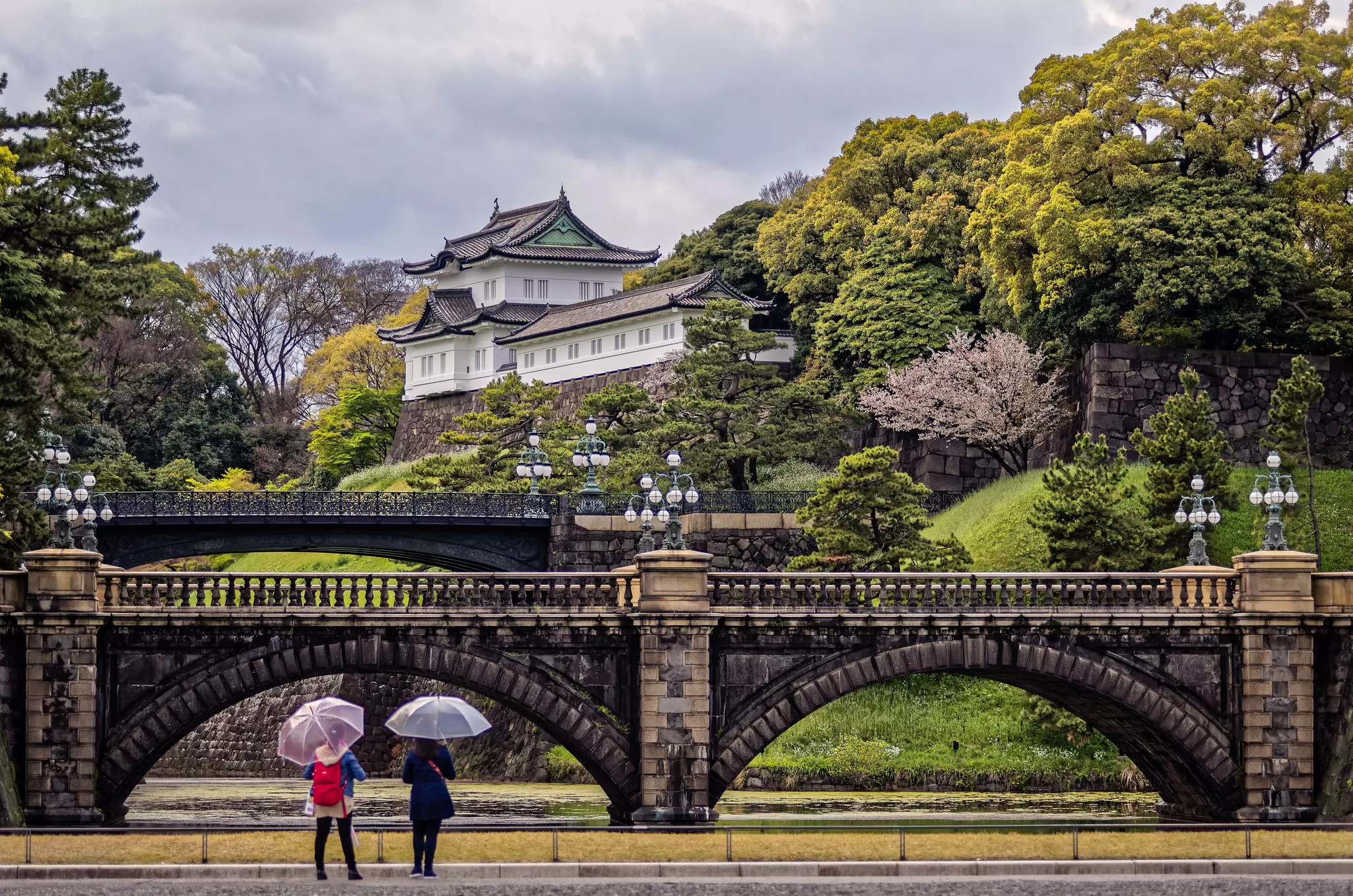
You can have a great 48 hours in Tokyo, but scheduling a week means you can slow down for a more immersive experience and add side trips.
From big-ticket sights to hands-on experiences, there’s no shortage of things to do in Tokyo before heading off on day trips to the historic temples and shrines of Kamakura, the World Heritage sites of Nikkō or the hiking trails at Takao-san.
Peak travel season is between late March and early April, when travelers from across the globe come to see the cherry blossoms, and booking accommodation months in advance is required. In the summer (June through August), Tokyo’s heat and humidity make even short outdoor activities nearly unbearable. But as autumn rolls around, cool weather and fewer tourists make it the perfect time to visit and take long walks while exploring the city.
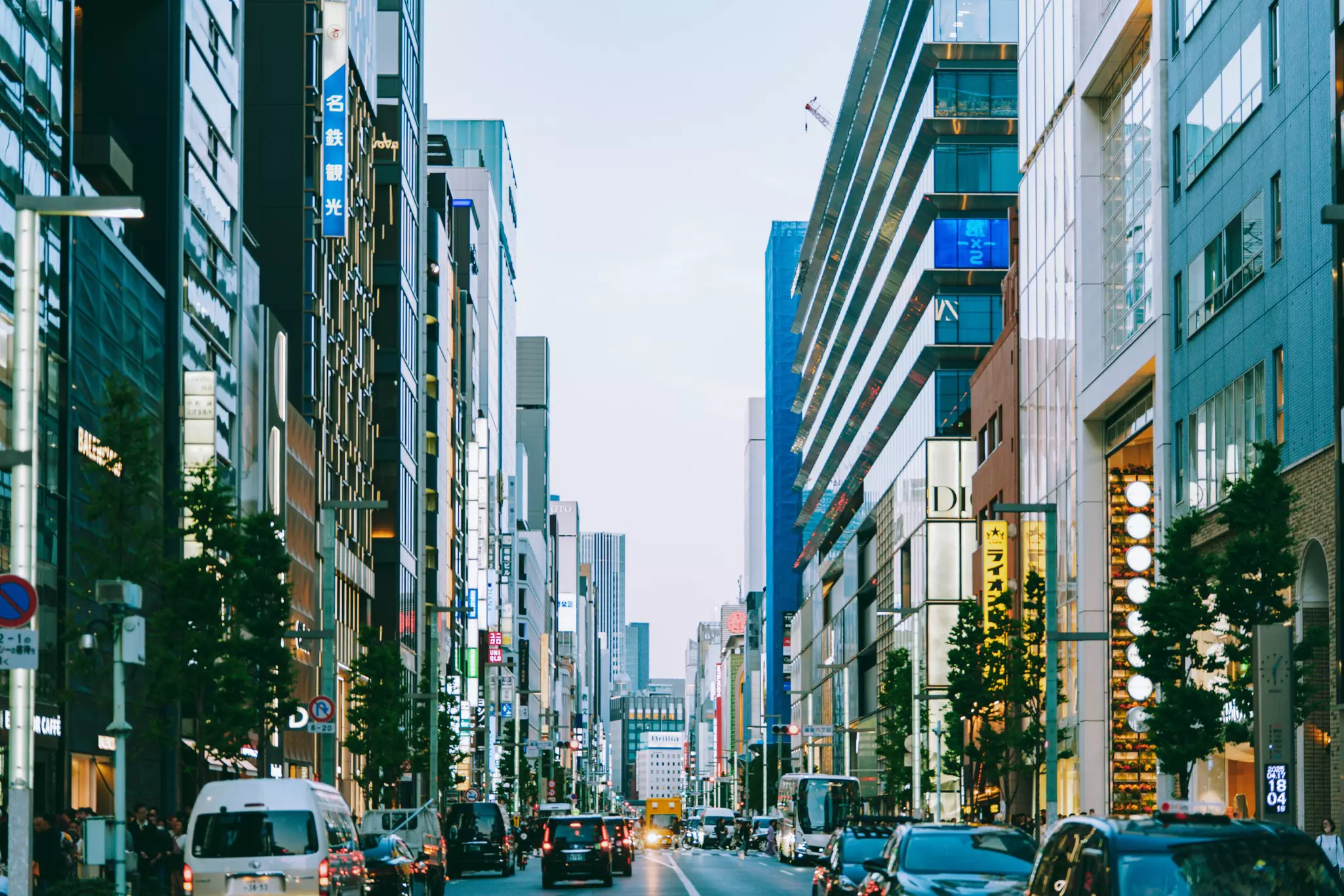
Ginza, Shinjuku and Shibuya are all easy to get to, and around in. You can find more peace and quiet relatively close by in Tomigaya (a 20-minute walk from Shibuya) and Yoyogi (a 15-minute walk from Shinjuku).
Knowing what to wear in Tokyo is often more about being sensible than following fashion – pack for the weather. The summer heat and humidity are especially draining, and you’ll see lots of locals in hats, shorts and T-shirts, though it’s very uncommon to see anyone showing much skin on their upper body. In the spring rainy season, an umbrella is better than a rain jacket, as the humidity can turn even Gore-Tex into a sauna suit.
In terms of fashion, outside of a work environment, anything goes in Tokyo – just look at the vibrant fashions of Harajuku or the cosplayers of Akihabara.
Double-check that your meds are legal in Japan. Anything containing Adderall, for example, isn’t. There are also limits on the amount of medications you can bring. The US embassy in Japan has a useful page detailing what medications are and aren't permitted
You can buy almost anything in Tokyo, but it often won’t be the same brand you have at home, and the packaging is unlikely to be printed in English. Rather than going on a wild goose chase, it’s a lot easier to bring baby products, over-the-counter medications, prescription drugs and any other essentials from home.
For getting around Tokyo by public transit, download Japan Travel by Navitime. It has a route-planning function, plus info on weather forecasts, renting cars and exchanging currency.
For peace of mind, Safety Tips is another handy, free app. It sends emergency alerts and has info on everything you need to know in the event of a quake, typhoon or tsunami, as well as how to find an English-speaking doctor. A translation app such as DeepL could also be handy.
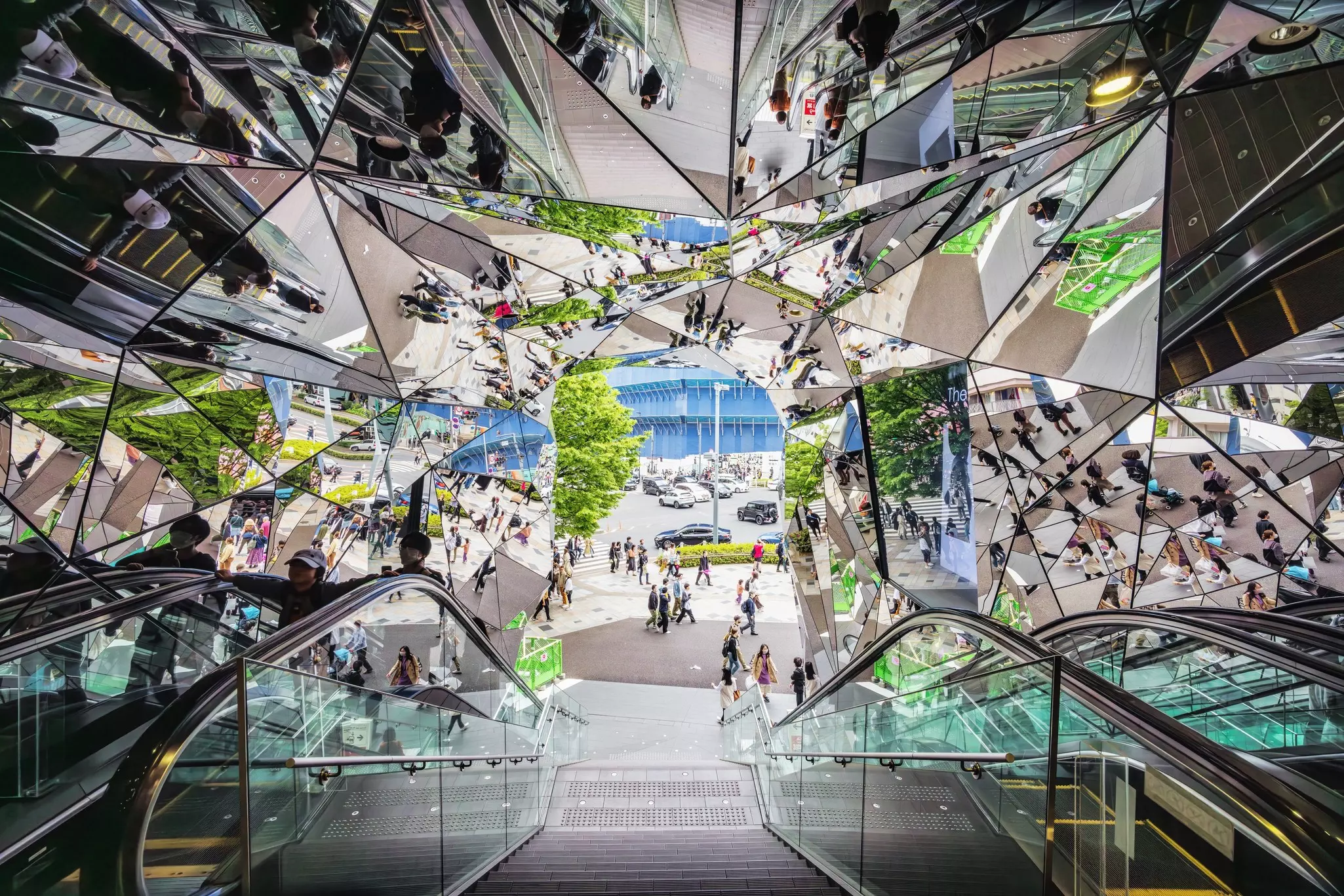
Crowd shots aside, it’s bad manners to take photos of people in public spaces without asking. Snapping photos of children could even land you in trouble with the police. Also keep an eye out for no-photo signs in shops, temples and other attractions.
There are a number of customs associated with visiting shrines; nothing is obligatory, but they can add to the experience and serve as a sign of respect. On your left just before the final torii (gate), there’s a font where it’s customary to rinse your hands before entering the inner sanctuary. At the main sanctuary, you can join visitors in greeting the kami (Shintō gods) with bows, hand claps and a small offering.
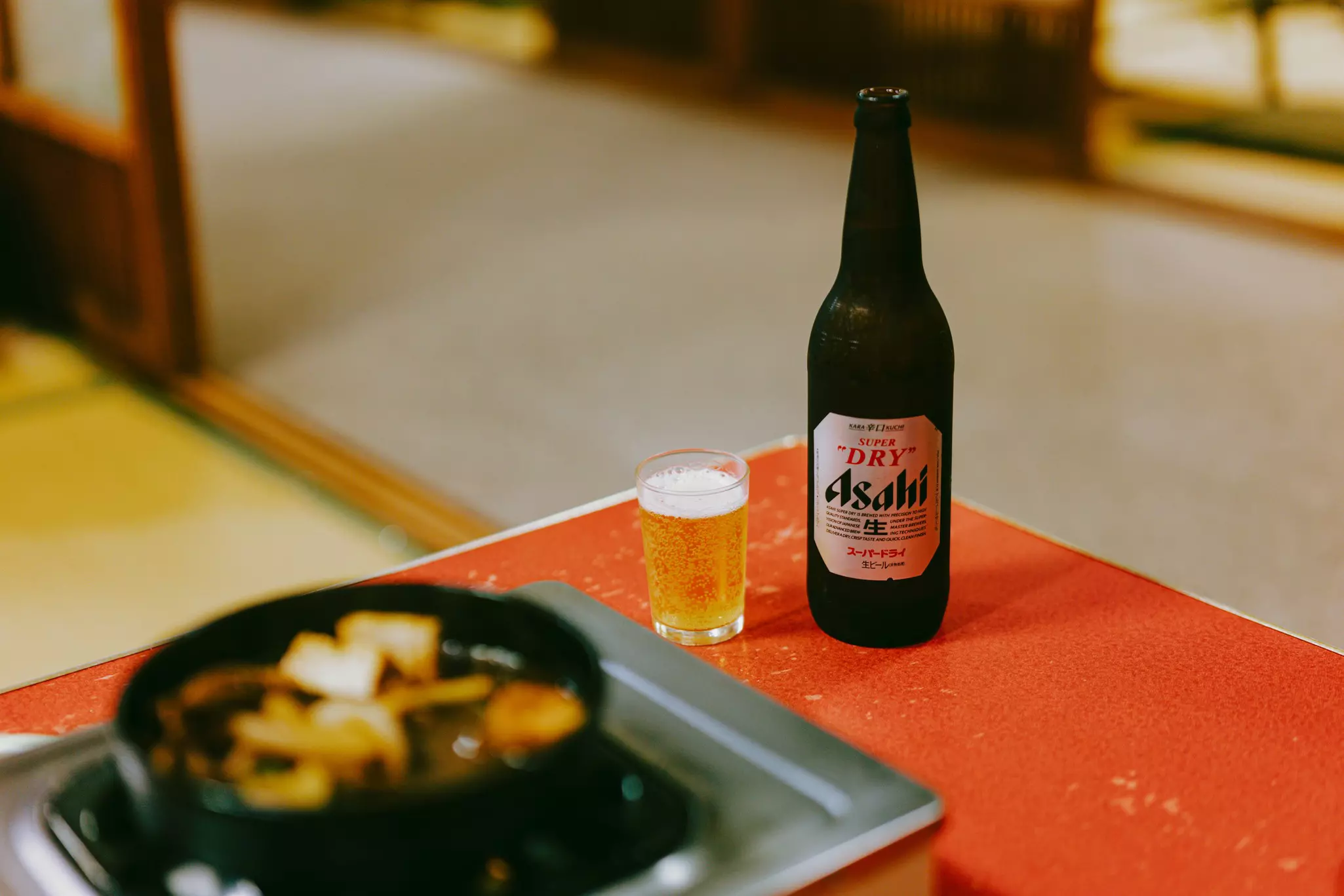
Let’s start with the good news. If you like beer in the park, drinking outside is legal – as long as you are at least 20 years old (the legal age for drinking and buying alcohol). Just be aware of manners when doing it: don’t make too much noise and always clean up after yourself.
Recreational drugs, however, are a different matter. Japan has a zero-tolerance policy on marijuana and other drugs. One exception is CBD products, which are trendy right now. However, they legally cannot contain any THC (the component that gives marijuana its high).
For a country that is in many ways very conservative, it can be a surprise to see how public sex work is in Tokyo. It comes in many forms, from hostess and host clubs where clients go to drink and flirt (and spend a fortune) to bathhouse brothels called soaplands.
Pornography is censored to a degree (with genitalia blurred out), but soft porn is still on display at child height in many stores, and animated versions often cover distressing fantasies. Sex work also has strong ties to the yakuza.
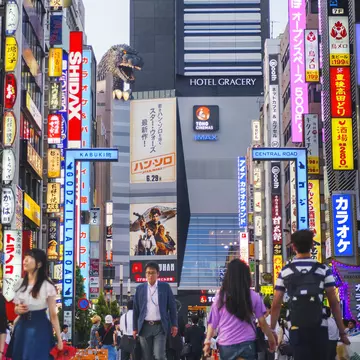
Although you can safely walk past venues in red-light areas like Shinjuku’s Kabukichō (also home to lots of regular bars and restaurants), avoid going in any bar or club with touts outside offering female company or anything that seems too good to be true. In addition to the exploitation of the people working in these places, you could easily end up with a spiked drink, cloned credit cards or an exorbitant bill.

With about 1500 measurable earthquakes in Japan every year and thousands more minor tremors, the locals are used to quakes. Thankfully, around 90% of structures in Tokyo are earthquake-resistant, including everything built after stricter laws were enacted in 1982.
You might also encounter a typhoon if you visit between May and October. The south and west of Japan typically bear the worst of the typhoons as they initially hit land, with Tokyo often receiving less powerful forces.
Still, typhoons are disruptive. Expect public transportation to be badly affected for a day and businesses and attractions to close. Do as locals do and wait it out inside. With any natural disaster, keep up to date by turning on public broadcaster NHK or checking the Safety Tips app.
Japan tends to both accept and discriminate quietly. It’s unlikely that you as a traveler will be turned away from a bar or restaurant for being foreign unless it’s in a red-light area, but it can happen, especially if you are from Southeast Asia or Africa.
There are no laws against same-sex relationships and, with Shinjuku-nichōme, Tokyo has one of the largest and most vibrant LGBTQ+ districts in Asia. There’s also an annual Tokyo Pride festival.
Japan is still lagging, however, in gender equality, ranking 118 out of 146 countries on the World Economic Forum’s Gender Gap Report. Trains and subways have women-only carriages in the morning rush hour – highlighting how common sexual harassment and abuse toward women is.
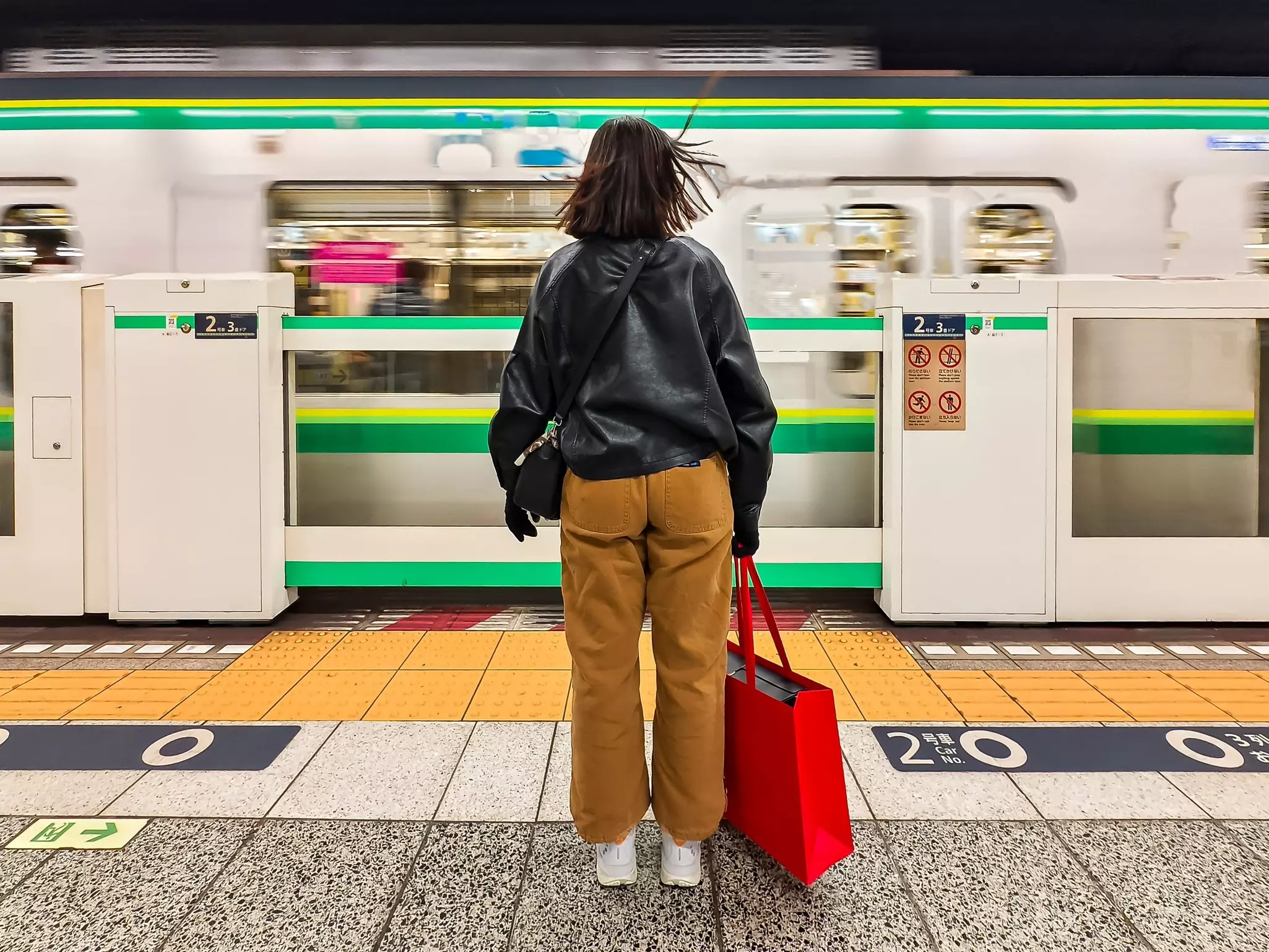
Speak softly when you are on public transportation. Talking on the phone in public is generally frowned upon. Ride the escalator on the left and leave the right side open for people who might want to keep moving.
On trains, the metro and buses, there are clearly labeled priority seats for older adults, patrons with mobility issues, pregnant passengers and parents with small children. While it’s not uncommon to see locals who don’t fall into any of those categories using these seats, you really ought to leave them open.
Don’t eat anything or try drinking a piping hot coffee on commuter trains and the metro. If you are on a longer distance train like the shinkansen (bullet train) or the express service to Nikkō, however, feel free to get stuck into a bentō and a beer – if your seat comes with a tray, it’s all good.
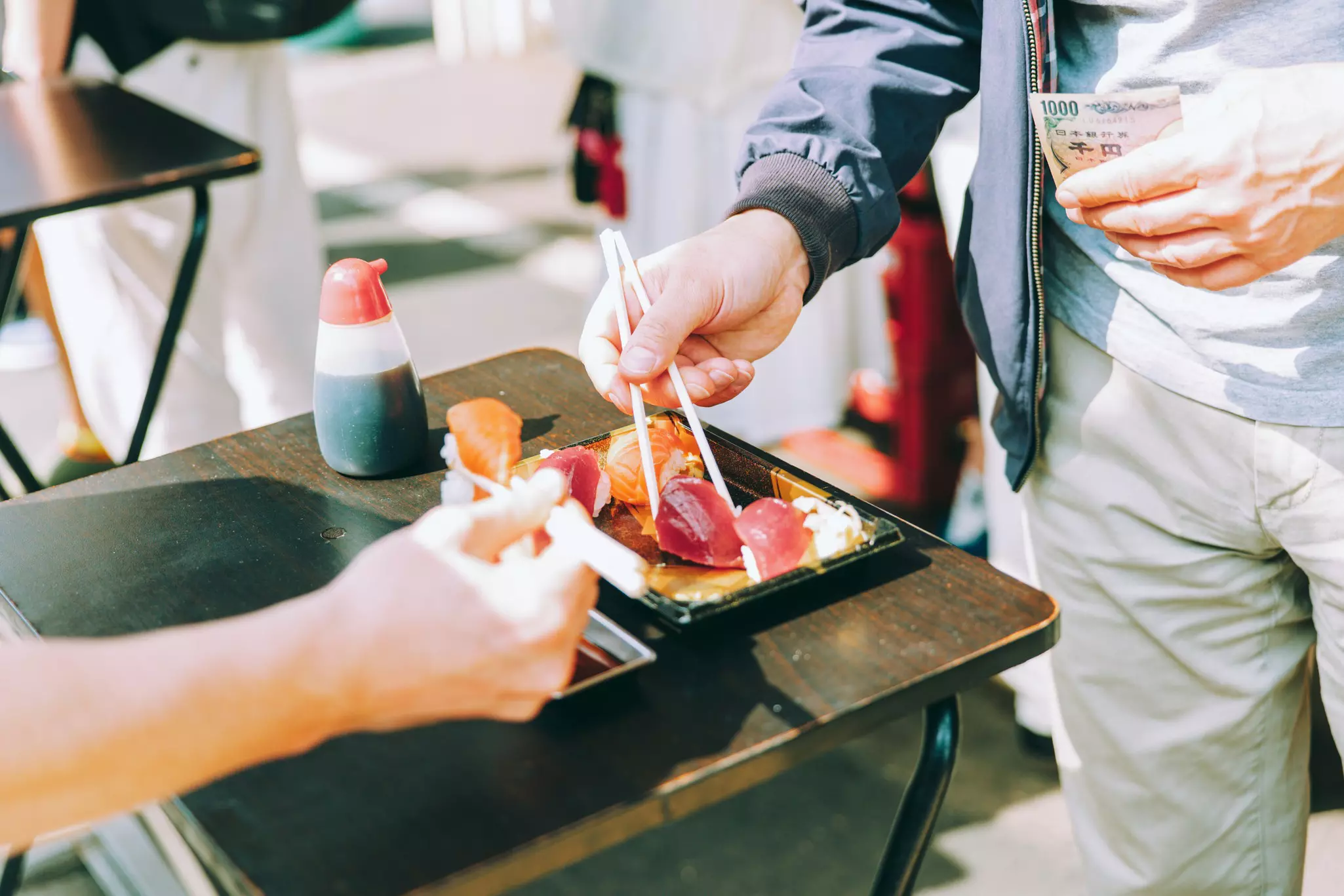
Chopsticks are the universal utensil at all Japanese restaurants – you will rarely even find spoons, meaning miso soup can be sipped straight from the bowl, as you would drink from a cup. Use chopsticks however you’re comfortable maneuvering them, but when you are done, don’t stick them upright in your rice bowl or use them to receive food from another person’s chopsticks; both gestures are only performed as part of funeral rites.
When it comes to sushi, use either your hands or chopsticks even at high-end spots. Dip the sushi in soy sauce (fish first), then pop the whole thing in your mouth – it’s meant to be eaten in one bite.
If you are going to a high-end restaurant, dress smartly. If you're eating sushi, don’t wear any perfume or cologne as that can interfere with the subtle flavors and is considered bad manners – in fact, it’s never a bad idea to go light on aromas at any restaurant. If you are going for a tea ceremony, make sure you are wearing something loose enough for kneeling on the tatami, then slip off any rings or bracelets just beforehand to avoid damaging the teacups.
Explore related stories