Oct 12, 20269 min read
3 Days in Tokyo: The Ultimate ItineraryMay 21, 2026
12 MIN READ

Writer
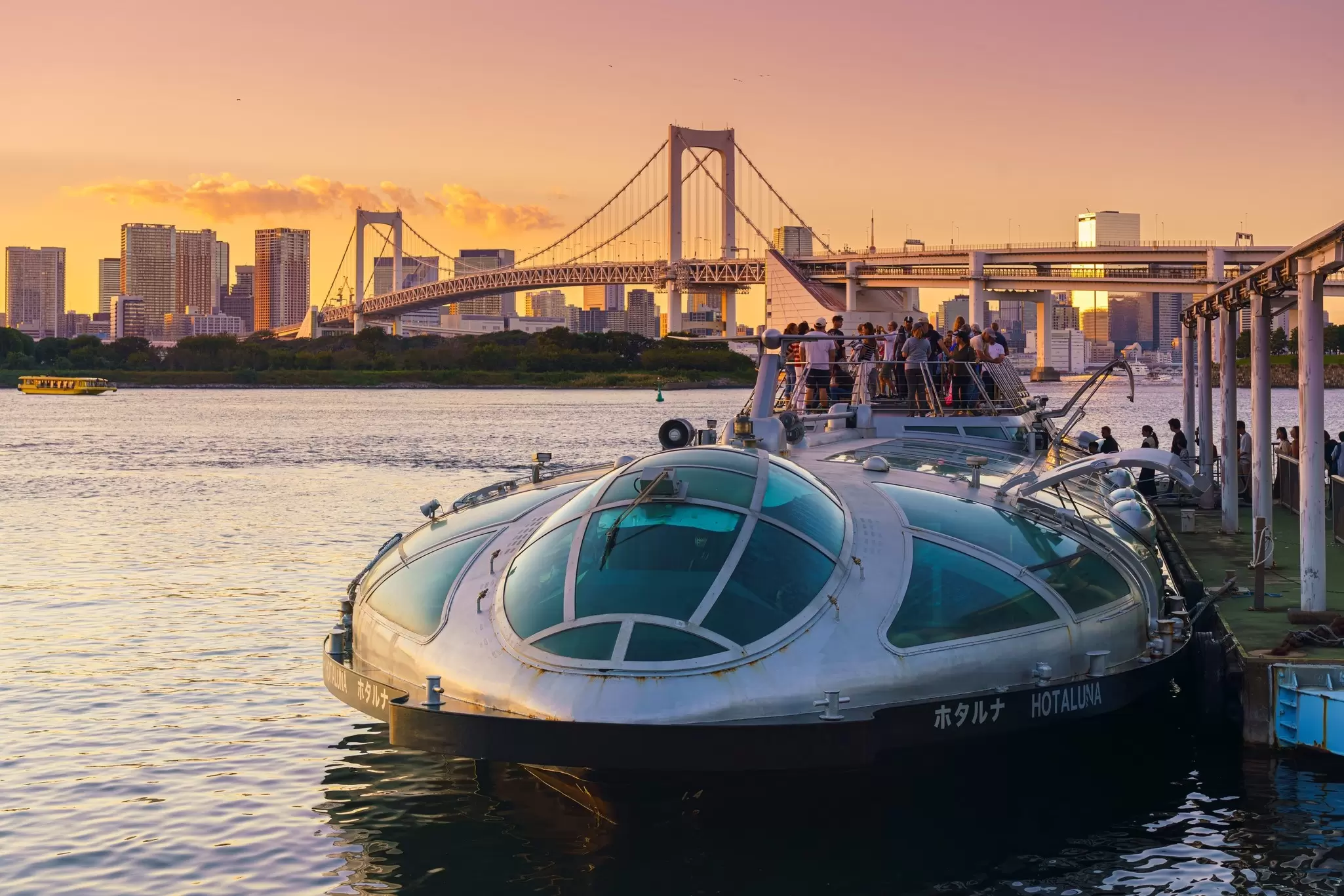
A water bus by Odaiba Island, Tokyo. Sergey_Bogomyako/Shutterstock
Writer
Highlights
Tokyo-based writer David McElhinney breaks down how to get around Tokyo.
Tap a Suica or Pasmo card on Tokyo's color-coded subway and JR rail lines.
Buses suit outer suburbs; the beetle-like water buses connect Asakusa to Odaiba and Tokyo Bay.
Flag a taxi when trains stop at midnight; fares jump 20% after 10pm.
Lonely Planet may earn a commission from affiliate links on our site. All recommendations and reviews reflect our own independent opinions.
Greater Tokyo has the most people of any metropolis on earth, and its transport system moves tens of millions of people around daily. Which means it’s no surprise that public transportation in Japan’s capital is efficient, reliable, clean and safe, and that getting around is a breeze.
Travelers will likely favor the train and subway system. While the network is huge and complex, with multiple private and public operators, English signage and color-coded lines have helped make things easier for visitors to navigate. Do keep in mind that some large stations – we’re looking at you, Shinjuku – are maze-like and sprawling, almost small cities unto themselves.
Beyond the rails, Tokyo’s buses are smooth and punctual, and can be useful for short journeys in neighborhoods outside the city center. The city’s relatively flat topography also means cycling and walking allow you to explore neighborhoods you won’t see underground. And if you want to combine your commute with sightseeing, set off on one of Tokyo’s beetle-like water buses, which travel between the mainland and the reclaimed islands of Tokyo Bay.
This is everything you need to know about getting around Tokyo.
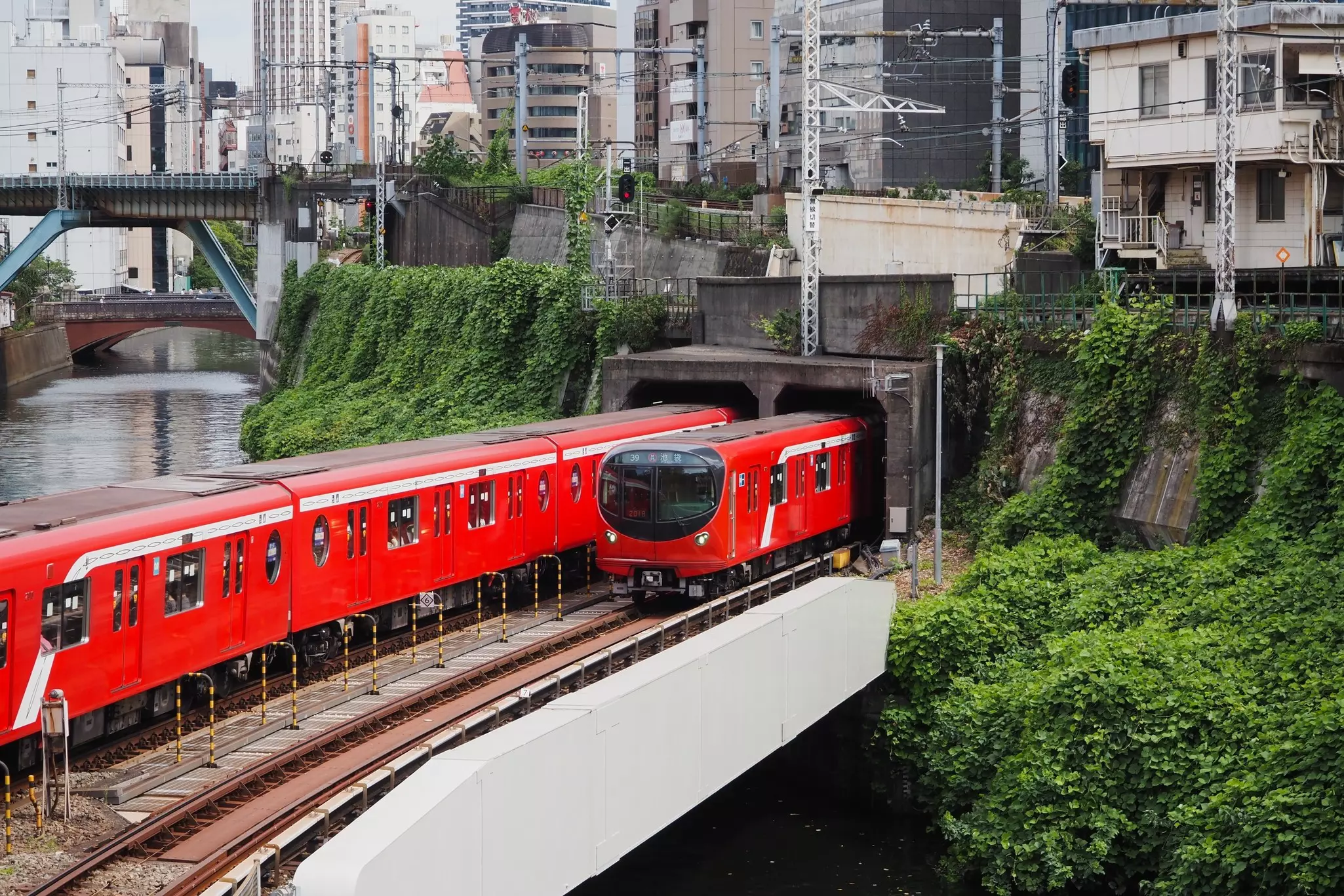
Tokyo’s extensive rail network includes Japan Railways (JR) lines, a public subway system (run by two different operators) and private commuter lines that fan out from the center city in every direction like spokes on a wheel. Journeys that require transfers between lines run by different operators cost more than those that use a single operator’s lines. Tickets start at 180 yen, increasing depending on how far you travel.
Major transit hubs include Tokyo, Shinagawa, Shibuya, Shinjuku, Ikebukuro and Ueno stations – all connected via the core JR Yamanote Line, a loop with the Imperial Palace, the heart of the city, at its center. The Chūō–Sōbu (central) line is also useful for travelers. Beyond the city, the JR network covers the whole country and includes the shinkansen (bullet train).
Tokyo has 13 subway lines, nine of which are operated by Tokyo Metro (a public-private partnership) and four by Toei (a government entity). The lines are color-coded, making navigation fairly simple – although a transfer ticket is required to change between the two networks. A Pasmo or Suica card makes transferring seamless (see below), but a journey involving more than one operator does come out costing slightly more.
Trains arrive and depart on time and are generally clean and pleasant, though they get uncomfortably crowded during rush hours and late at night. (For a short window in the morning and early evenings, many trains have women-only carriages.)
The city's trains stop running between midnight and 5am (give or take an hour, depending on the line) – even though many bars, clubs, karaoke rooms and izakaya (gastro pubs) stay open until the wee hours or even 24/7. It's wise to check when your last train departs or be prepared to find another (more expensive) means of transport home.
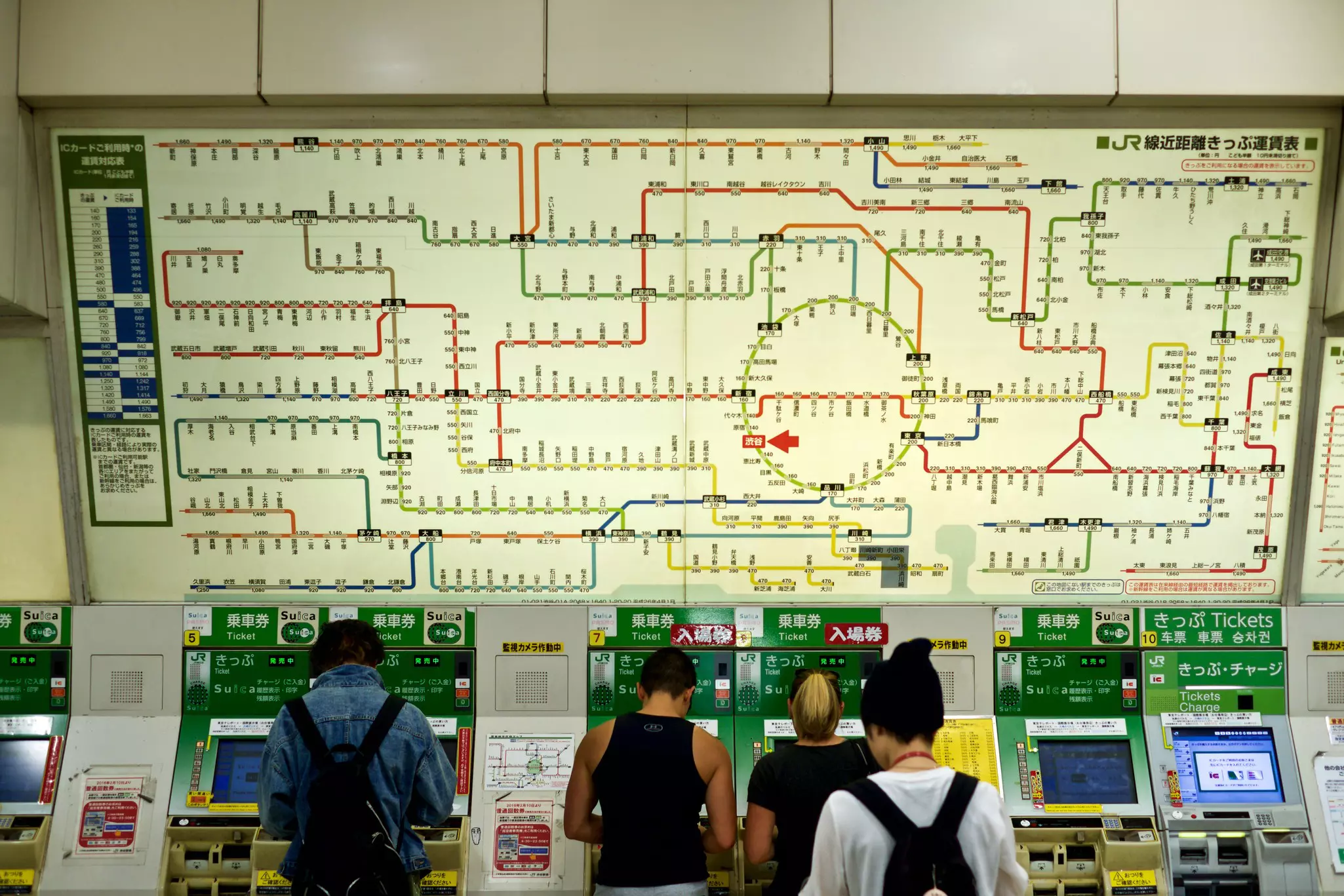
Referred to generally as IC (integrated circuit) cards or IC passes, prepaid rechargeable Suica and Pasmo cards work on all city trains, subways and buses. (You can also use passes purchased in other regions of Japan, such as Icoca from western Japan or Kitaka from Hokkaidō.)
You can buy either of these cards from any touch-screen ticket vending machine in Tokyo, including those at Haneda and Narita airports; most have an English option. The cards are interchangeable: JR stations sell Suica, and subway and independent lines sell Pasmo.
Both require a ¥500 deposit, which is refunded (along with any remaining balance) when you return the pass to any ticket window. Both passes can be topped up at any touch-screen ticket-vending machine (you can top up a Pasmo, for example, at a JR station) in increments of ¥1000. Users of iPhones can use a digital IC card through Apple Pay.
Tourist-specific cards are available at the airports. These have a much shorter expiration date than the regular cards – 28 days versus 10 years. If you still have an IC card from your last trip to Tokyo, it will work fine if it’s less than 10 years old.
Using IC cards is simple: just tap them at the reader on a ticket gate upon entering and exiting. Fares for pass users are slightly less (a few yen per journey) than for paper-ticket holders.
If you’re planning a packed day, you might consider getting an unlimited-ride ticket. The Tokyo Subway Ticket (available only to travelers on a tourist visa) allows unlimited rides on both Tokyo Metro and Toei subway lines, with 24-hour, 48-hour and 72-hour options available. Since it doesn’t cover trips on JR, you’ll need to determine whether the trains you plan to use will be largely JR or metro to see if this option makes sense for you.
Toei runs an extensive bus network in Tokyo, though it’s only more convenient than the subway when you’re in the outer suburbs or making short inner-city jaunts. The number 06 bus may be useful, as it connects the popular and cosmopolitan neighborhoods of Shibuya, Hiroo and Azabujuban.
Fares are ¥210 for adults and ¥110 for children; there are no transfer tickets. Pay by IC pass or deposit your fare into the box as you enter the bus. If your pass is out of credit, you can top it up at the front of the bus. (The word for “charge” is cha-ji.) There’s also a change machine by the driver’s seat that breaks ¥1000 notes.
Most buses have digital signs that switch between Japanese and English; otherwise, listen for your stop. Signal the bus to stop in advance of the approaching stop by pushing one of the buttons near your seat.
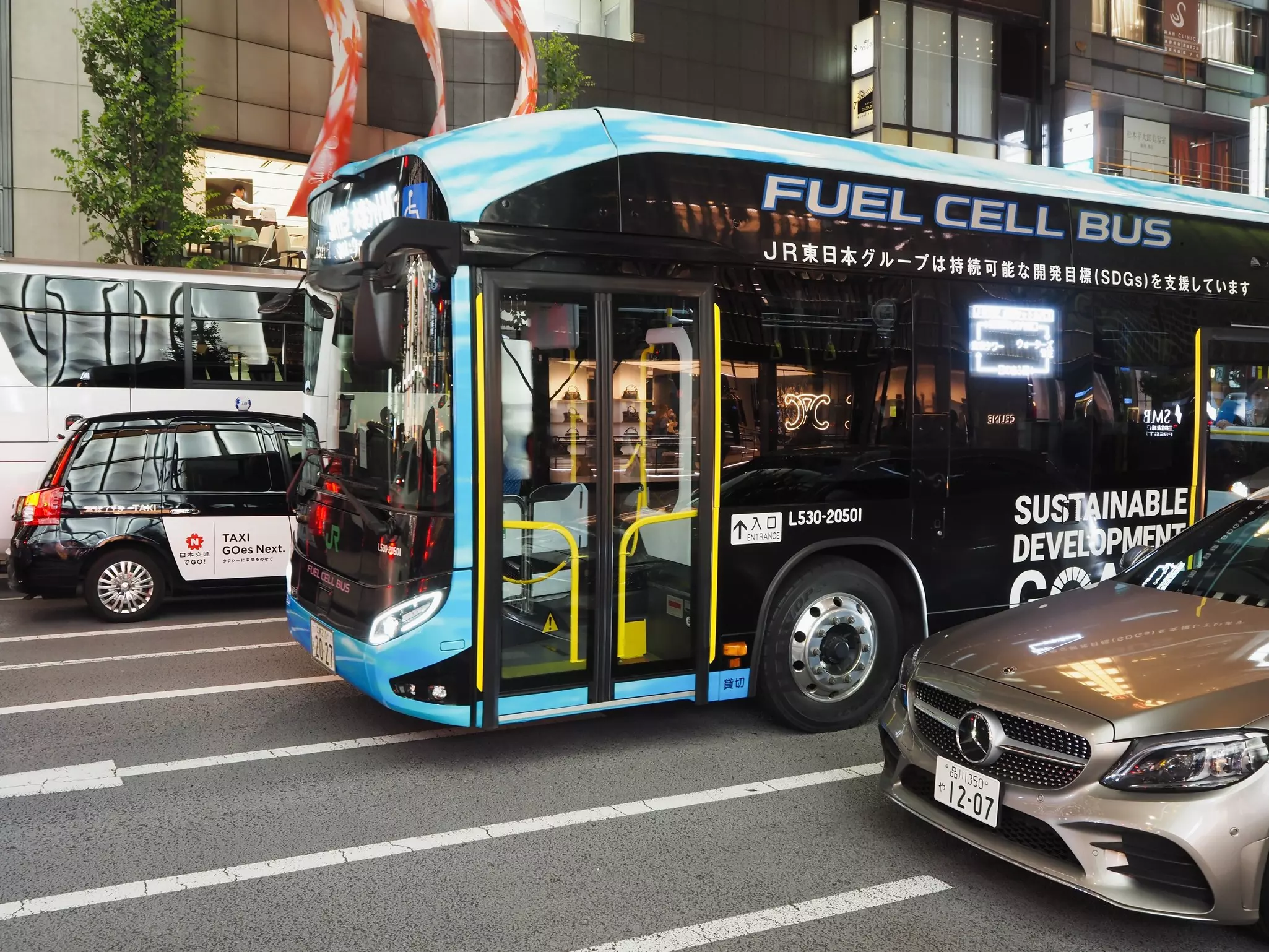
Japan is a global leader in hydrogen energy, one of the world’s cleanest power sources, emitting only wastewater (even if some question the technology’s cost-effectiveness). Hydrogen-fuel-cell buses have been in operation in Tokyo since March 2021, traveling primarily between Tokyo Station and the Tokyo Big Sight convention center in Ariake, passing through the popular Yurakucho, Ginza and Tsukiji neighborhoods. The local government is aiming to have more than 300 hydrogen buses in operation by 2030.
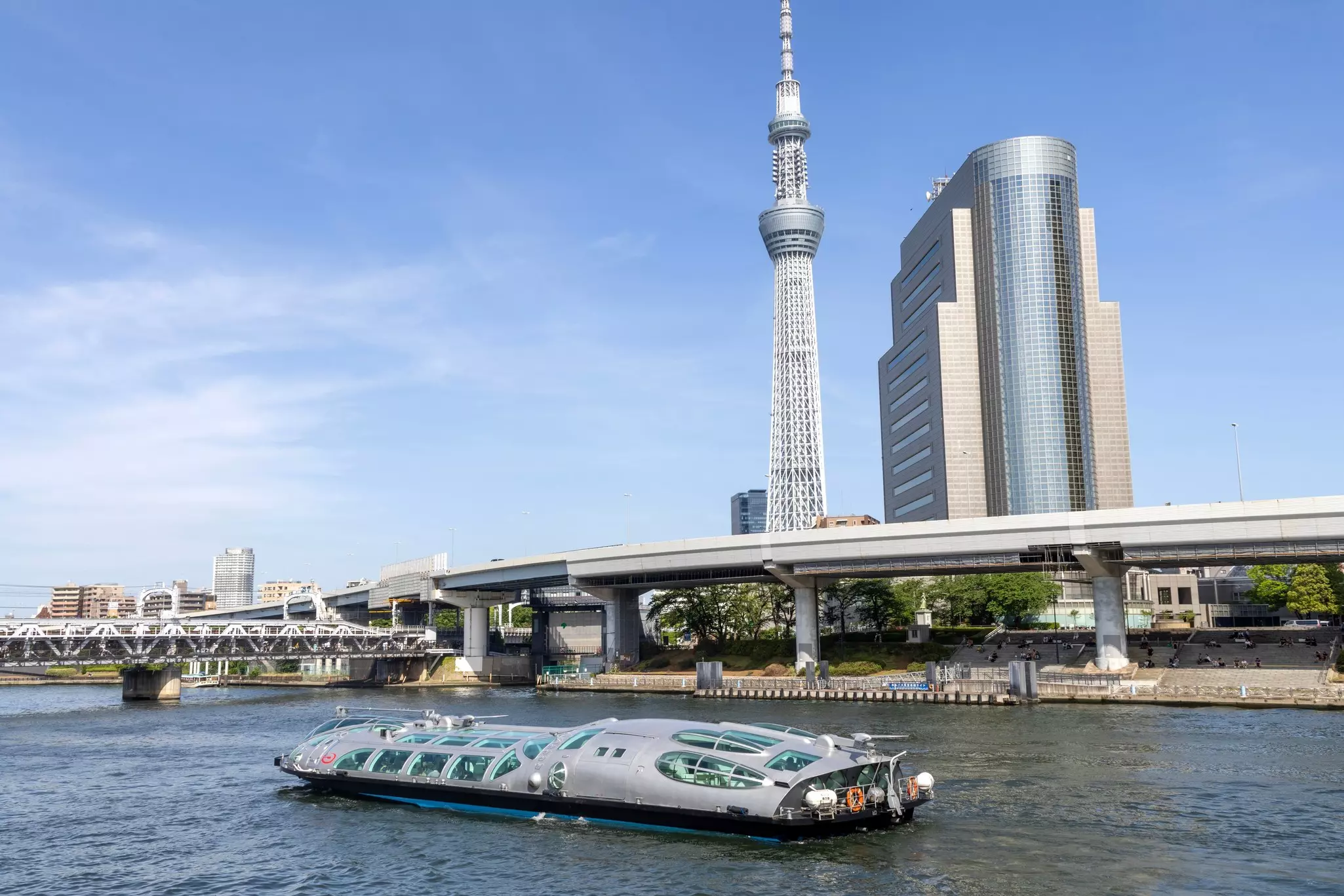
Tokyo’s water buses look like robotic beetles skimming across the placid waters of its eastern river networks. Thanks to their glass-walled exteriors, they’re a great option for taking in the sights of Tokyo Bay while traveling between Asakusa and such areas as Odaiba, Toyosu and Hama-rikyū Gardens.
Journeys will cost between ¥1000 and ¥2600, depending on distance. The vessels are generally more comfortable than their terrestrial public-transport counterparts.
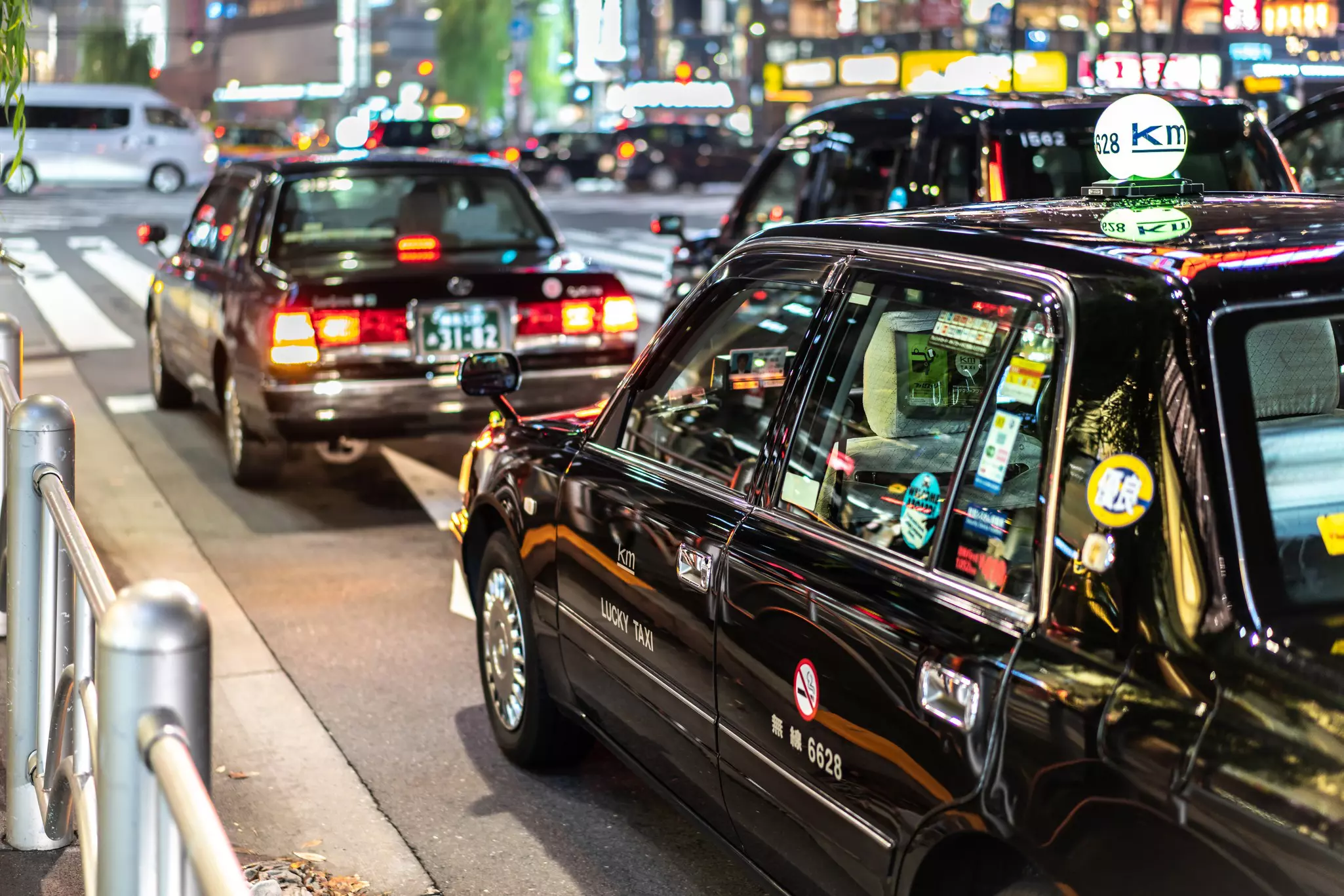
Getting a pricey taxi in Tokyo only makes economic sense for short distances or when in groups of four – unless you’re stranded during the lull in nightly train operations.
All cabs run by the meter, with fares starting at ¥500 for the first 2km then rising by ¥100 for every 255m traveled or for every 90 seconds spent in traffic.
When traveling longer distances, this starts to add up at a rather alarming rate, especially when you factor in the nighttime surcharge of 20% between 10pm and 5am, as well as potential highway tolls.
Drivers rarely speak English, though most taxis have navigation systems. Have your destination written down in Japanese – or, better yet, a business card with an address.
Most taxis now also take credit cards and IC passes; since the pandemic began many have introduced automated payment systems attached to screens on the back of the main passenger seat.
Train stations and hotels have designated taxi stands. In the absence of a stand, you can hail a cab from the street by standing on the curb and sticking your arm out.
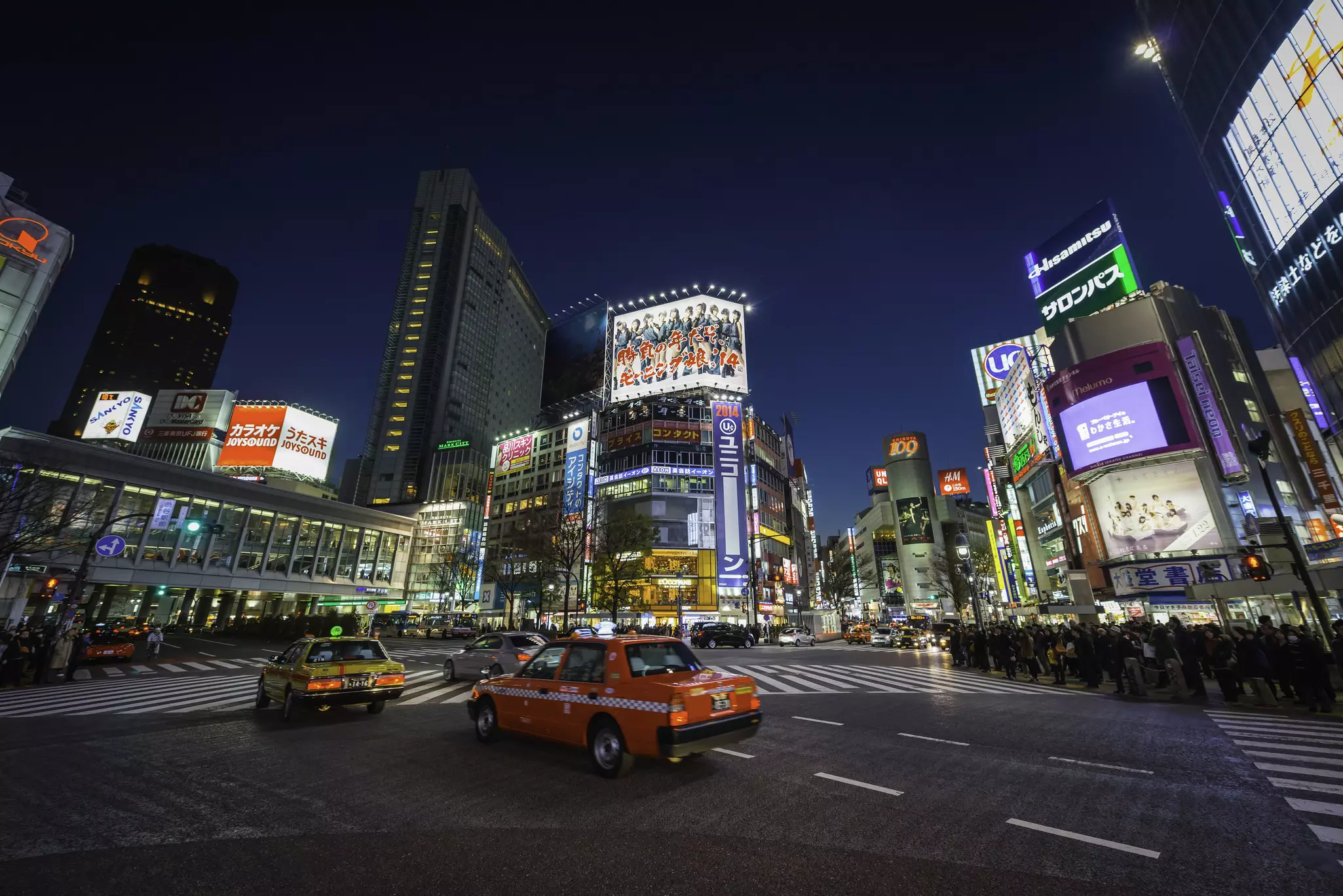
Japanese cab doors are automatic, and many visitors find themselves struggling with self-opening doors. Be patient.
Once in the taxi, you’ll notice how difficult Tokyo’s streets are to navigate, even for locals. Only the biggest streets have official names, and they don’t figure into addresses. Instead, addresses are derived from districts, blocks and building numbers.
Central Tokyo is divided first into ku (wards – Tokyo has 23 of them), which in turn are divided into chō or machi (towns), and in turn into numbered districts called chōme. Subsequent numbers in an address refer to blocks within the chōme and buildings within each block.
Since it’s nearly impossible to find your destination using the address alone, smartphones with navigation apps have been a real boon.
Many restaurants and venues also have useful maps on their websites. If you get lost, police officers at kōban (police boxes) have maps and can help with directions, though few speak English.
At the very least, they should be able to steer you back to the nearest train station from where you can try again. Many businesses have also started using the What3Words app, which has divided the world into grids to help users pinpoint a specific location.
Uber arrived in Tokyo in May 2018, though its flagship chauffeur service, Uber Black, dates back to 2015. The rideshare company has partnered with three local taxi operators to provide rides in Tokyo’s central business district and other busy areas.
Even with Tokyo’s strict regulation of rideshare apps, other competitors are entering the market, such as the city’s premier taxi app, Go.
Given Uber’s unpredictable availability and a pricing structure similar to that of street cabs, we recommend sticking to traditional taxis.
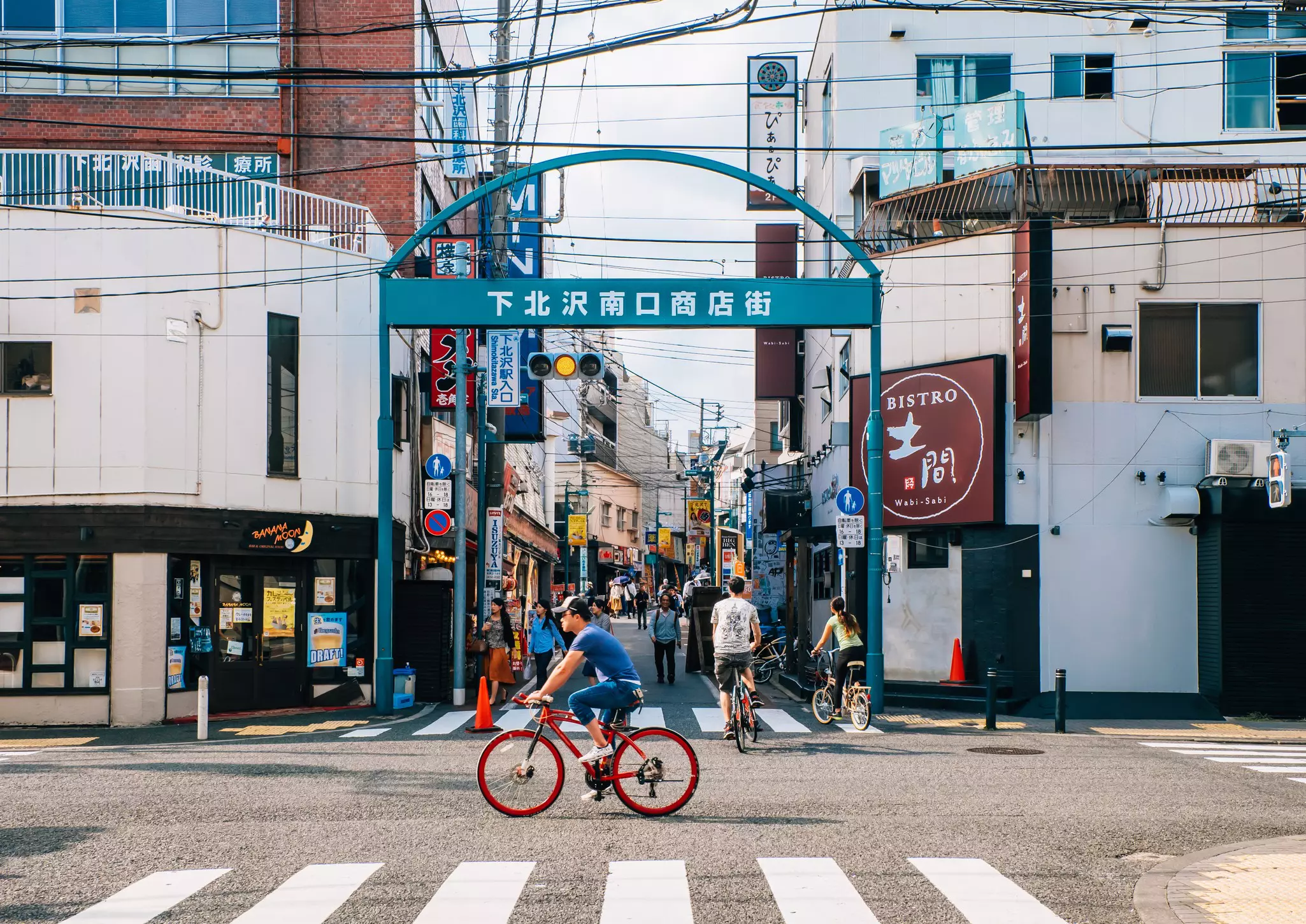
At first glance, Tokyo doesn’t seem like a bicycle-friendly city. Dedicated lanes are almost nonexistent on major thoroughfares, cyclists often come up against pedestrian overpasses that need to be scaled (though a few do have ramps for walking bikes up and down), and you’ll see no-parking signs for bicycles everywhere.
Despite all this, you’ll also see plenty of pedaling locals. This is because Tokyo is a largely flat city – and one that is actually quite bike-friendly when you pick a route that takes you through city parks, residential neighborhoods, river promenades near Tokyo Bay and the maze of backstreets.
Docomo Cycle is a bike-sharing system with ports around the city, including at some hostels. Despite instructions in English, the system is a little complicated to use: you’ll need to download an app, register a credit card and have a wi-fi connection on the go to sync with the ports.
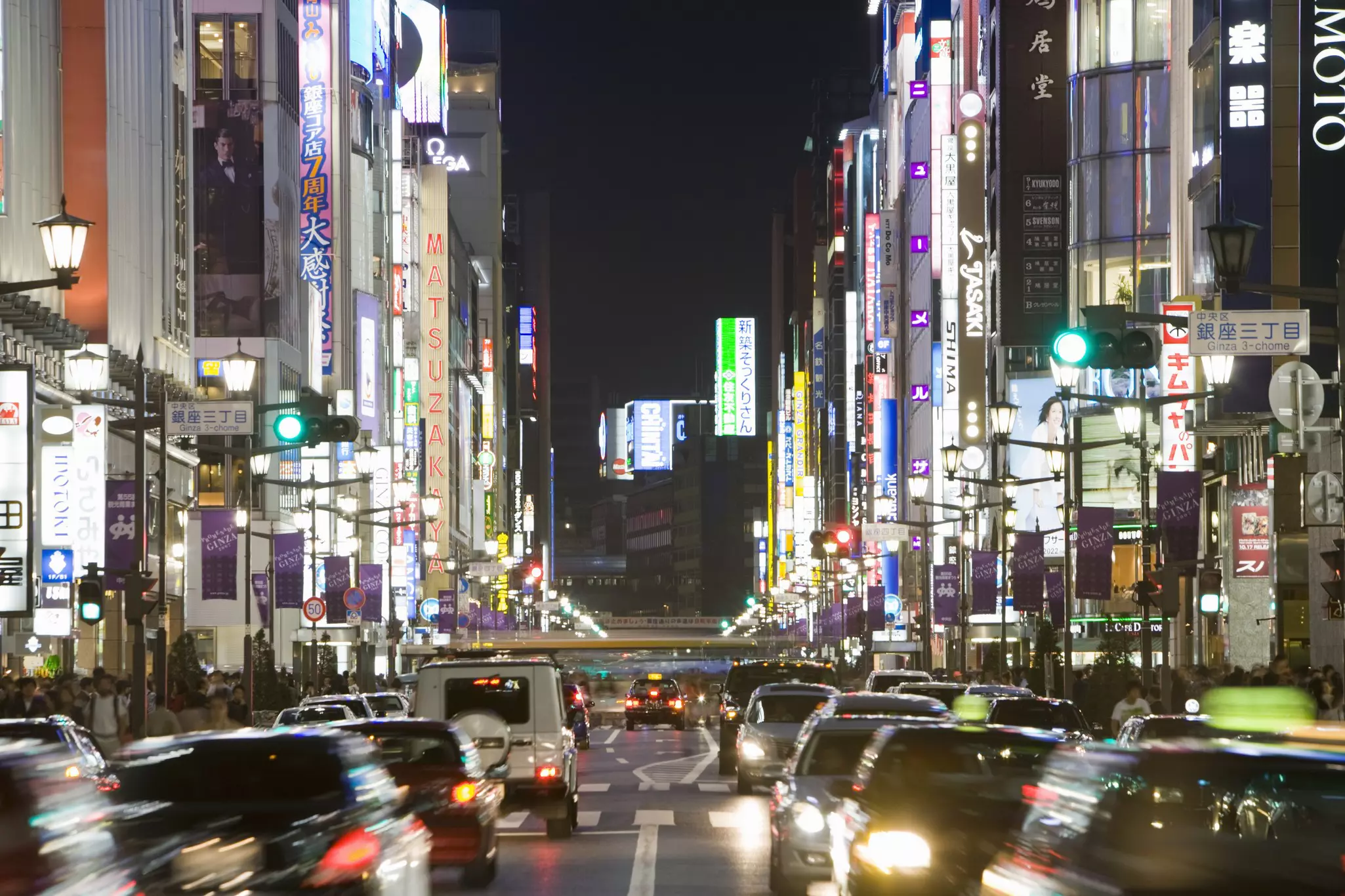
Considering the traffic, the confusing and often excruciatingly narrow roads, the ridiculous cost of parking and the difficulty in finding addresses (see above), we do not recommend driving your own car around Tokyo. Few locals bother owning a vehicle.
Day trips can easily be done by public transport – though it’s true that renting a car will expand your options and allow you to explore regions rarely visited by the masses.
For rentals, you will need an International Driving Permit, which must be arranged in your own country before you leave. Certain conditions must be met; see the Japan Automobile Federation website for further information.
Rental companies with branches around the city include Nippon Rent-a-Car and Toyota Rent-a-Car.
Rental cars are generally affordable, especially when the cost is split among passengers. They are also economical with respect to gas mileage.
That said, highway tolls in Japan can be exorbitant. Driving to Osaka and back, for example, would cost over ¥29,000 in tolls alone – not much less than the round-trip fare on the shinkansen.
Be sure to pay the extra fee for damage insurance. If you are in an accident, no matter how small, you must first call the police to record the incident before you return the vehicle, or you’ll risk incurring hair-raising financial penalties.
Rental operators are generally unsympathetic to those who don’t follow these rules. It’s worth bringing a translator to go through the small print to avoid any such mishaps.
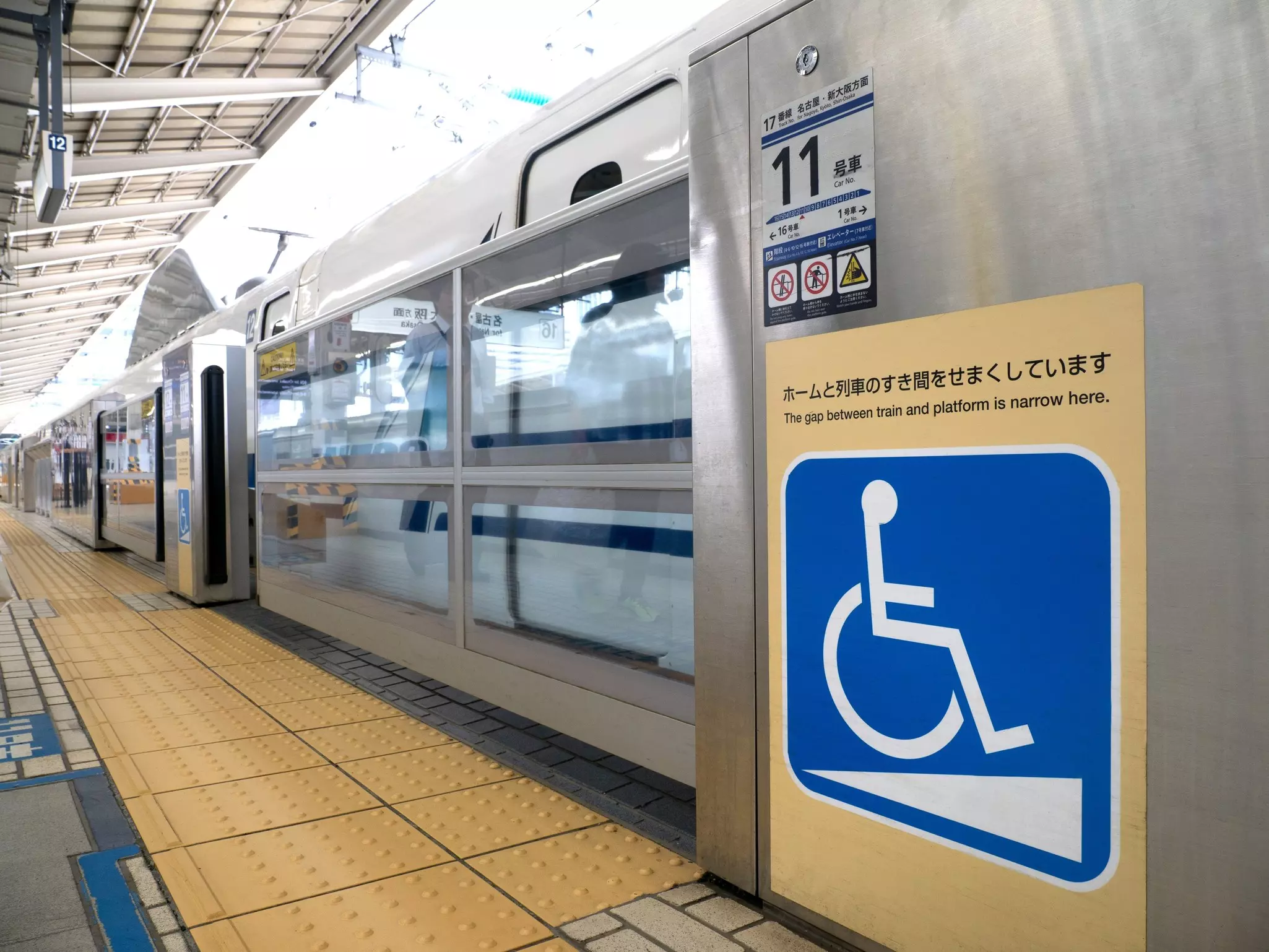
Tokyo is working hard to improve universal access – or bariafurī (“barrier-free”; バリアフリー) in Japanese. It’s estimated that at least 95% of Tokyo’s approximately 700 train stations have step-free facilities and accessible toilets, with a similar percentage of buses also wheelchair accessible.
Newer buildings have wheelchair-access ramps, more and more subway stations are introducing elevators (look for signs on the platform, as not all exits have them). Yellow braille lines direct visually impaired passengers through major stations and guide them safely along platforms. Train-station staff will also help wheelchair users on and off trains with a temporary ramp.
A fair number of hotels, from the higher end of midrange and up, offer a barrier-free room or two (be sure to book well in advance). Note that what constitutes “barrier-free” is not always consistent, so check the details carefully.
Larger attractions, department stores and shopping malls tend to have wheelchair-accessible restrooms. If you need a wheelchair (車いす; kuruma isu) while in Tokyo, hotel staff can help you rent one.
Accessible Japan is the best resource for accessible travel. The organization also produces an ebook with lots of detail.
Explore related stories