Aug 1, 20269 min read
A Guide to Accessible Travel in Tahiti and the Marquesas IslandsAug 1, 2026
9 MIN READ
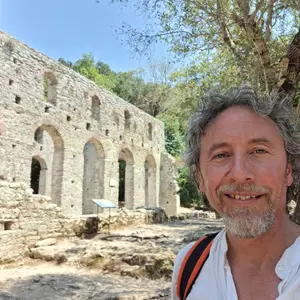
Writer
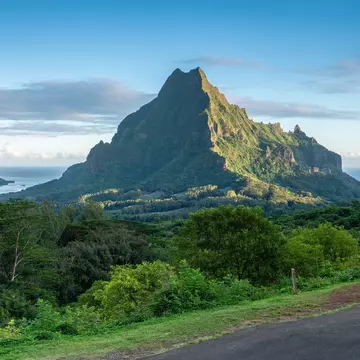
Mt Rotui at sunrise on the island of Moorea. mapman/Shutterstock

Writer
Highlights
Writer Matt Dennis maps accessible travel across Tahiti and the Marquesas Islands.
Book the Aranui cruise ship to reach all six Marquesas with three accessible cabins.
For local flavors, try Heimata Hall's food tour of Mo'orea or Lindsay's Polynesian immersion tour.
Join 4WD excursions across 'Ua Pou and Nuku Hiva for dreamlike viewpoints and island villages.
Lonely Planet may earn a commission from affiliate links on our site. All recommendations and reviews reflect our own independent opinions.
A large 4WD pulls up next to me, and a round, smiling face looks out, elbow on the door, cool black sunglasses covering his eyes. “Do you need a lift? Are you going to the dock?” It is around 90°F, and although the road is concrete and perfectly flat, I’m feeling a little tired, and my hands are sore from my crutches. I jump in next to Tehau, and we start chatting. “Welcome to our atoll.” His wide smile supports the warmth in his voice. “I’m the local policeman.” A look at him, he’s dressed in black board shorts, flip-flops and a dusty, rusty red Tahiti Porinetia t-shirt. He doesn’t look like your typical cop.
“Do you get much crime?” I ask. I’m on Fakarava, 430km deeper into the Pacific than Tahiti. It’s a paradisiacal atoll home to fewer than 1000 people. He chuckles, “No, no. I help with other jobs to keep busy. Sometimes with the bins, sometimes on the harbor. Whatever needs doing.” This is island life at island speed.
There are two reasons I reflect on this conversation. The first is that islands like this in the Tuamotu Archipelago – and then the Marquesas, even further into the Pacific – are almost unimaginably small communities where everyone knows each other and where the sense of community is part of their interwoven nature. The second is that the sense of community fosters the caring and thoughtful nature of the locals, something that I will come to experience again and again throughout my small odyssey. For a traveler with a disability, that instinct to help is worth more than you might imagine. Here, community is infrastructure.
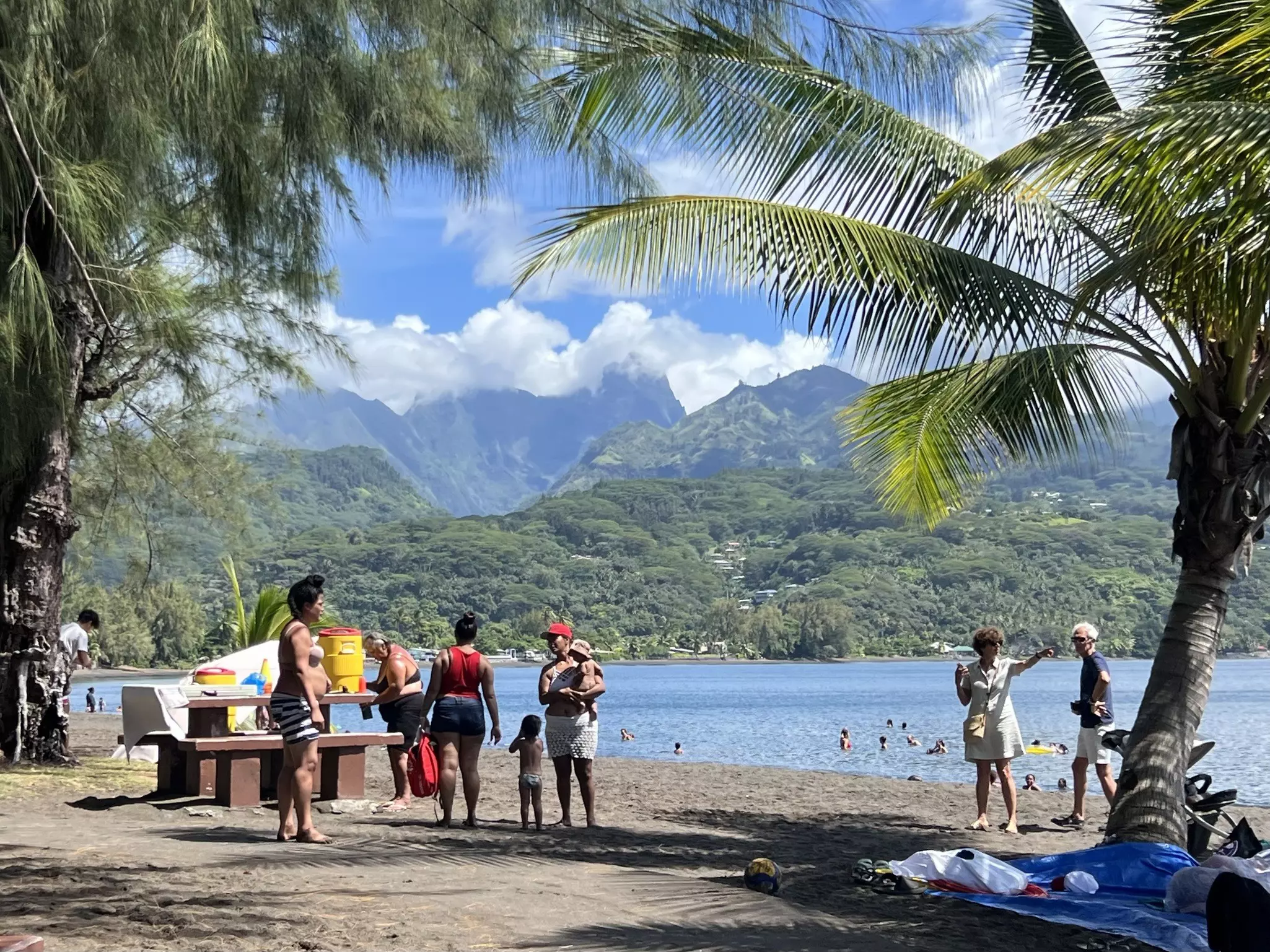
I travel on crutches, and my paralyzed leg has taken me to some pretty remote places. Few have made me think as deeply about what "accessibility" actually means. It is worth considering just how far away Tahiti and the Marquesas are from anywhere! The islands are approximately 4000km east of Australia, 8000km west of Chile and 4000km south of Hawai'i, a thought both wonderful and scary.
One afternoon, I got the opportunity to interview Nathalie Salmon-Hudry, author, disability advocate and Interministerial Delegate for Disability in the French Polynesian government. Severely disabled since birth, Natalie has seen the changes that have taken place in Tahiti and the islands. Between the fits of laughter that we find ourselves in, she talks about how strong, supportive and caring the communities of the islands are.
“There is solidarity of communities and care. You can experience this wherever you travel here.” She reflects that attitudes are almost too caring and can be suffocating, but that there is always support. Infrastructure in Pape'ete is strong, with drop curbs, accessible crossings and elevators, and the ferry port is fully accessible.
Salmon-Hudry, working closely with Moetai Brotherson, the president of French Polynesia, has been taking action and putting plans in place to meet the challenges of mobility by 2035. While that might seem a long way off, it’s worth considering that French Polynesia is made up of 118 islands, 67 of them inhabited, and strong progress has already been made, particularly on Tahiti and Mo'orea (Tahiti’s nearest neighbor, a 30min ferry ride away).
Flexibility becomes the most important part of your kit on this adventure. It won’t be required in all locations, but the nature of this adventure means that you will be taking lesser-traveled routes. Traveling with a companion will help. If you rely on a motorized wheelchair and cannot change into a smaller manual chair, less will be accessible to you. This is changing, but it’s worth managing your expectations.
Tahiti Faa'a International Airport has standard accessible facilities; arrange mobility support with your carrier in advance. There are two options to get to the Marquesas. First, smaller planes are available from Tahiti, but only serve four of the six inhabited islands. These are small planes, but lifts have recently made them more accessible.
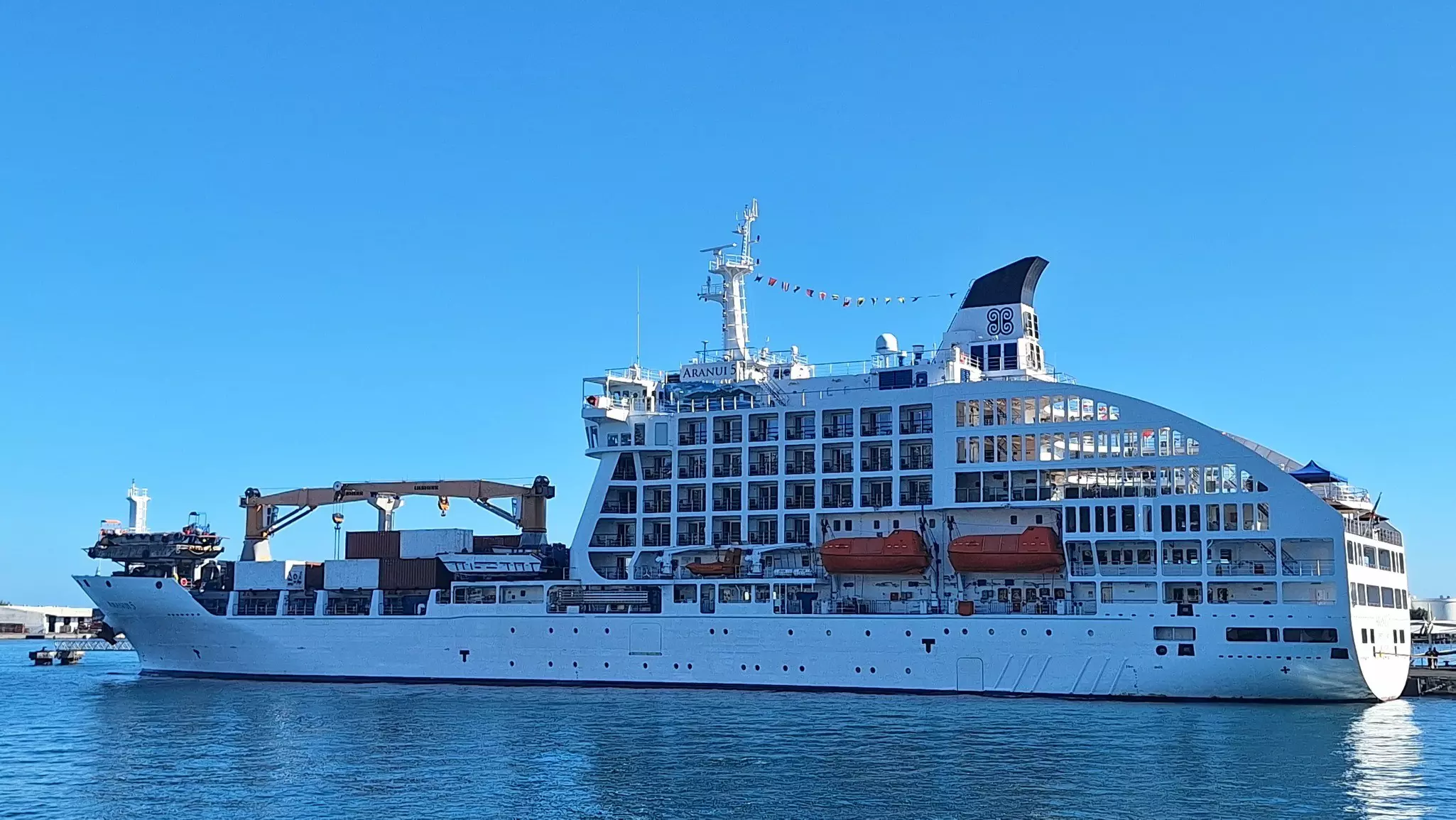
The second option is the Aranui cruise ship. To get the most from your experience, this is the best way to see the Marquesas Islands. It’s part cargo and part cruise ship. The exceptional crew is almost exclusively recruited from French Polynesia. Within a day of boarding, it seemed that crew members had all learned the names of each passenger and were never too busy to advise or just to chat. The ship offers wide accessibility, with a restaurant, bar areas and two sundecks accessible to wheelchair users. There are three cabins specifically designed for passengers with limited mobility, each incorporating low-level beds, ample space, step-free showers (with a seat), support rails and a raised sink. The Aranui visits six of the Marquesas islands: Hiva Oa, Fatu Hiva, 'Ua Pou, 'Ua Huka, Nuku Hiva and Tahuata. It also stops at Fakarava, Bora Bora and Rangiroa.
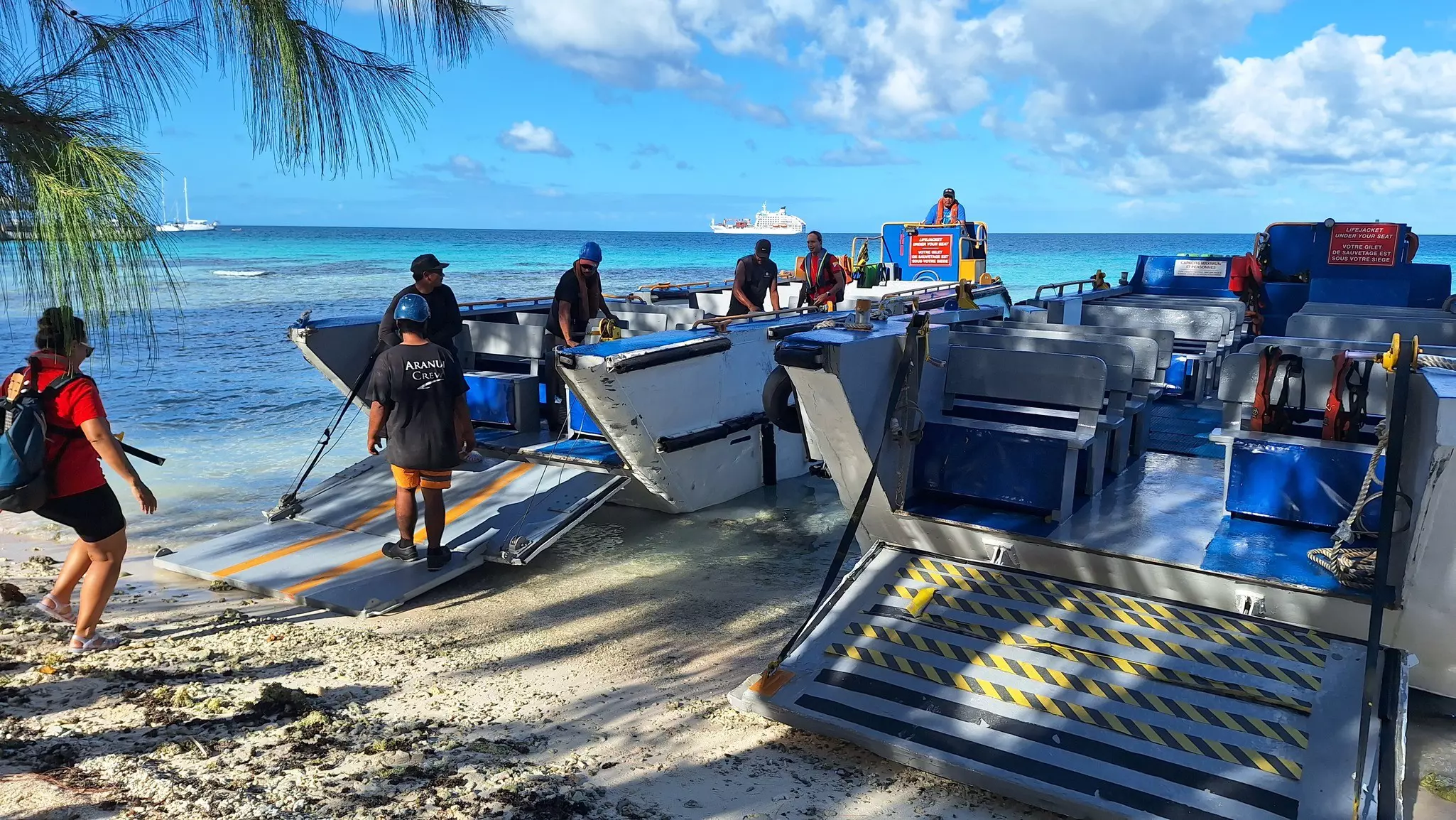
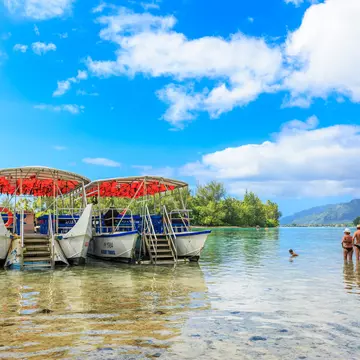
The biggest challenge with the Aranui is getting to shore. It’s worth noting that at 51 years old, I was among the youngest 10% of the passengers. The Aranui does dock at several islands, but on other islands, passengers are taken ashore on barges. When docked, a stepped gangplank with handrails leads ashore. When boarding the barge, there’s a steep set of stairs and then a barge to board, which is also moving with the swell. It’s in these moments that we must be most flexible and engage our adventurous mindset. This is not a pool holiday; it’s an expedition. The staff is more than happy to assist passengers on the stairs, carrying where necessary, but you must be willing for this. My fierce sense of independence was tempered by a stumble on my first transfer to the barge. I accepted the support and help provided after that and was much happier.
I ask Cpt Arnaud Pichard of the Aranui 5 about the challenges, and he’s optimistic. “Sometimes our guests might have to change plans, but we have successfully hosted guests with electric wheelchairs. Look, we are also a cargo ship. We will make it work.”
The Aranui 5: To get the most out of the Marquesas in a given period and to ensure you have support on your journey, speak with the Aranui team. They are adaptable, professional and thoroughly welcoming.
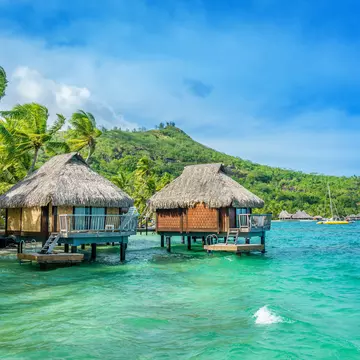
Cook's Bay Hotel & Suites: An excellent hotel on Mo'orea Island. The restaurant is accessed via a footbridge over the most tranquil azure waters and coral.
The Intercontinental Tahiti Resort and Spa: Accessible rooms and bungalows. It also includes a sea turtle rescue center.
Maitai Express Tahiti: A more affordable option with three accessible rooms in the heart of Pape'ete.
A note about guesthouses: All the islands have a range of guesthouses available, but very few specify the level of accessibility. Tahiti Tourisme recommends these guesthouses, but be sure to speak with each before booking and discuss your requirements.
The Islands of French Polynesia are small and very community-based. There are few specialist tour operators, but the willingness to support travelers with extra requirements is strong. Speak with your tour operator beforehand.
Many tours are conducted in 4WDs or people-carrier vans, so the ability to sit in an unadapted seat and accept help in and out will open many more experiences. Communication is of the utmost importance.
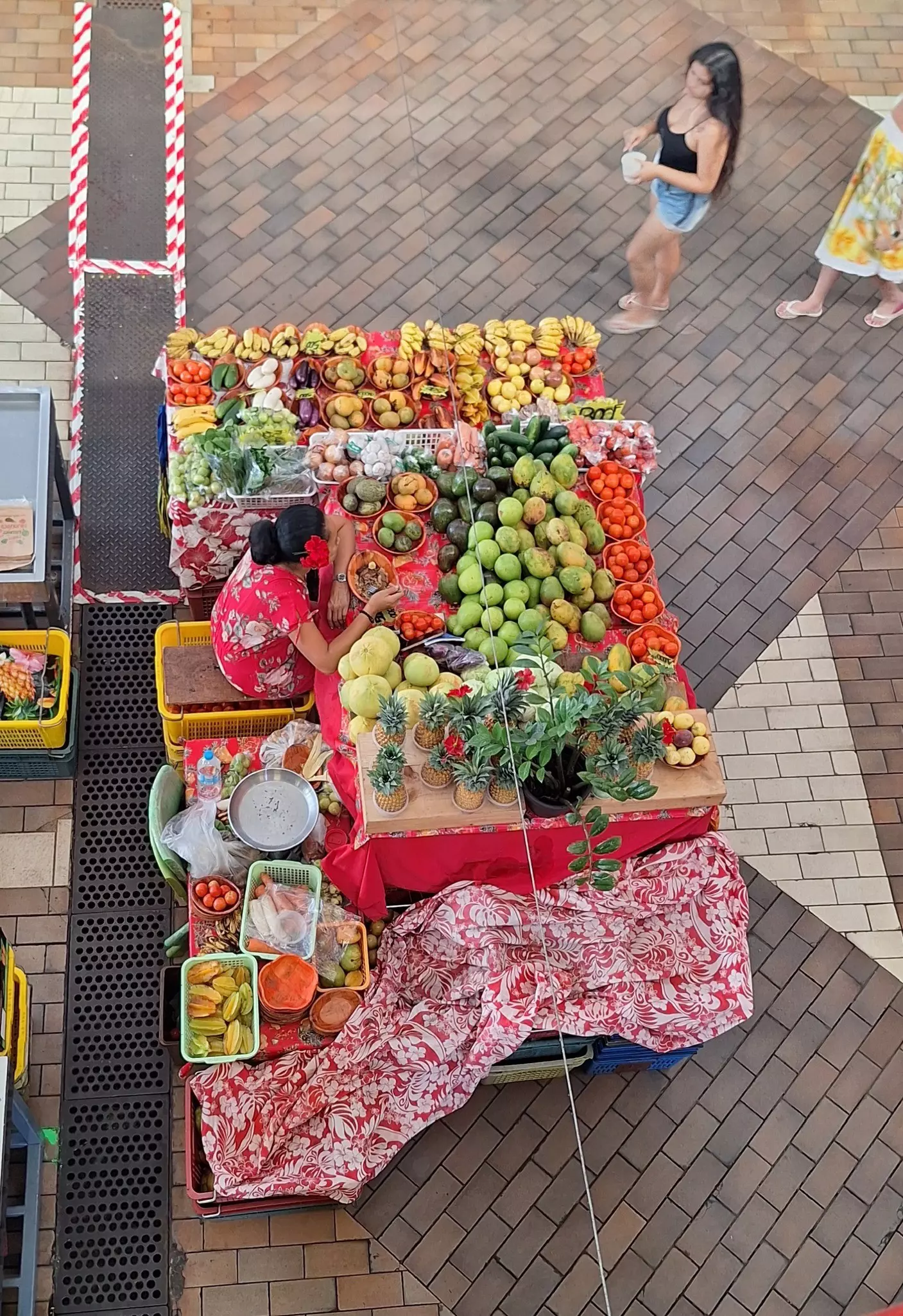
There’s a lot to see in Pape'ete, from the charming old Market to the Pearl Museum and the Presidential Palace. Tickle your taste buds with the local cuisine. (Try the Poisson cru raw tuna or mahi-mahi marinated in lime juice and coconut milk, served with vegetables and rice.)
Heimata Hall leads an exploratory trip around Mo'orea or Tahiti, sampling local cuisine at local food hotspots. It’s a real chance to taste the flavors of French Polynesia.
Lindsay leads her team, mostly of family and friends, on an experience of true Polynesian life. Make shell bracelets, learn to drum with local legends, weave palm hats, and share a meal with the family at her home.
Marie-Jeanne, great-granddaughter of Charles Nordhoff, author of Mutiny on the Bounty, circumnavigates the island, visiting the waterfalls, botanical gardens, caves and much more. She also invites you for a family lunch and an experience that is truly heartwarming for its hospitality.
This museum takes a dynamic and fascinating look into Polynesian culture and history, set in a purpose-built space.
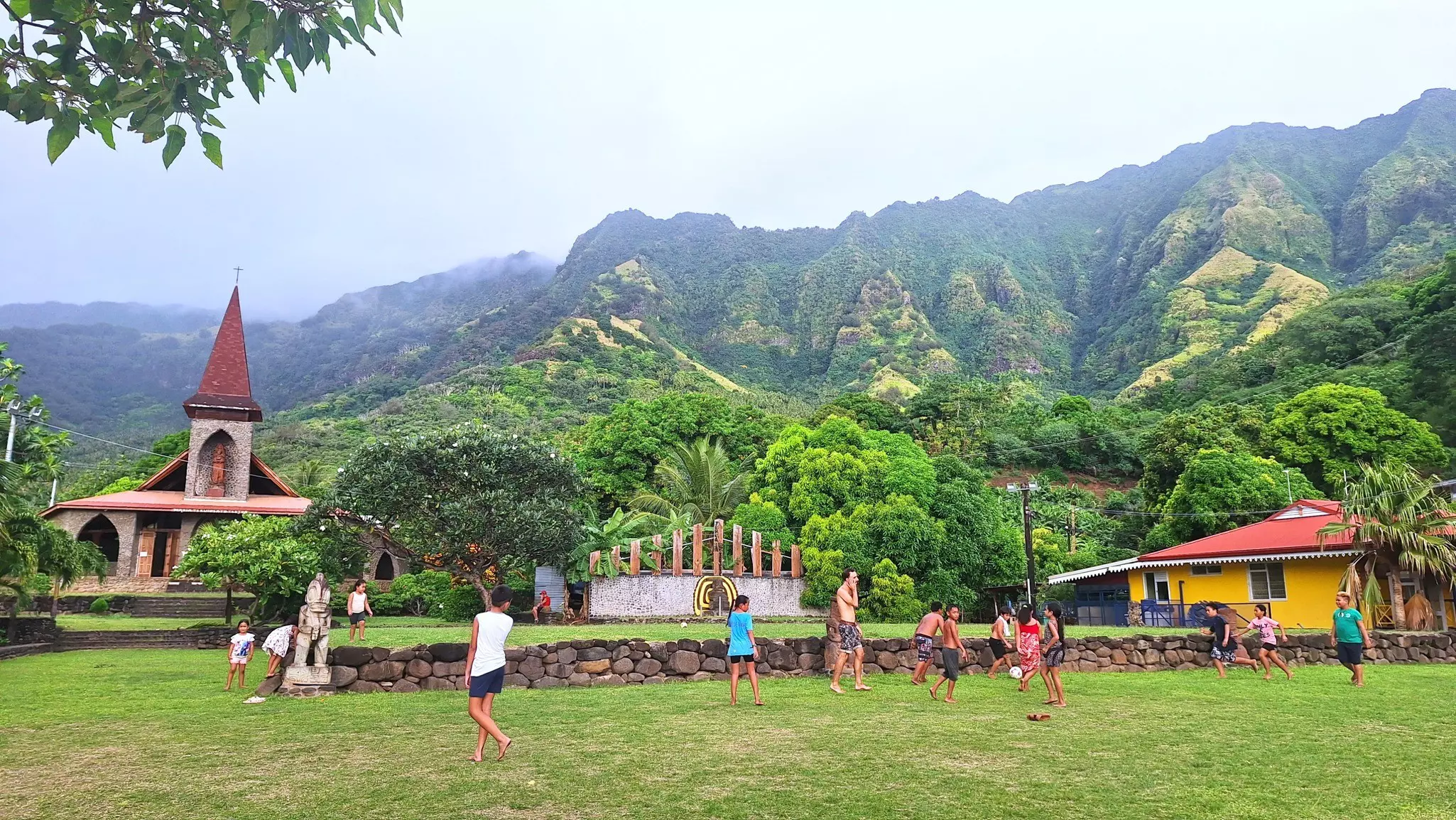
When visiting the Marquesas, there is a mix of activities on each of the islands. Take time to explore craft workshops and island villages. Often these will have cathedrals, traditional places of celebration and worship. If you’re aboard the Aranui, arrivals are generally met with music, markets and lots of locals. If you’re able, you may even get roped into a game of soccer by the youngsters of Tahuata.
There are excursions across 'Ua Pou, Nuku Hiva and some of the other Marquesas that allow you to get out into the island. Getting to smaller villages, dreamlike viewpoints and cultural experiences set in fantasy-like backdrops.
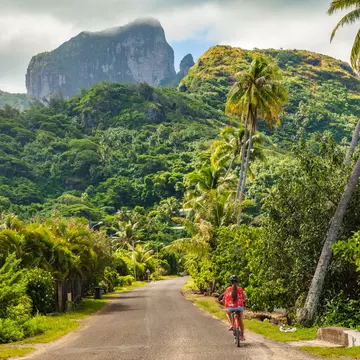
The islands are stunning and each quite distinct. There are some hikes organized by the Aranui and local providers for different abilities. If you’re not traveling on the Aranui, then speak with your accommodation provider for local advice on trails. If you’d prefer, you can follow the very quiet concrete roads through the villages and into the hills.
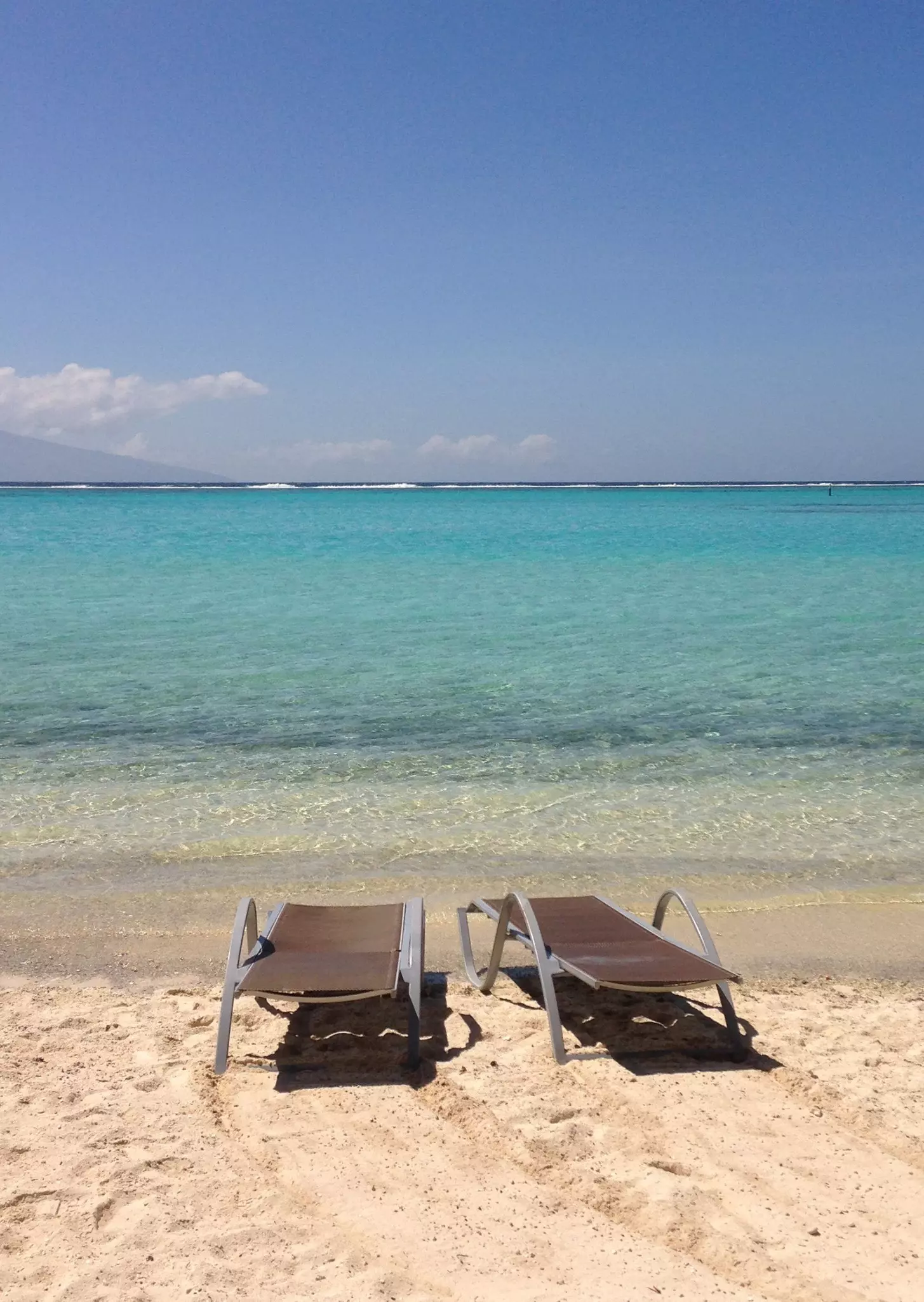
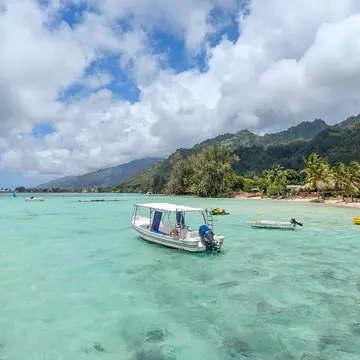
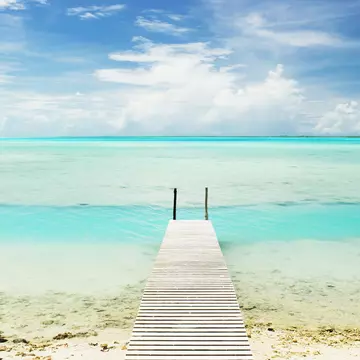
The oh-so-clear water of the South Pacific is enticing. Although the beaches are not wheelchair-friendly, if you are happy to accept help, most people can enjoy the coral-white or volcanic-black beaches.
French Polynesia is mid-transformation. Go now, and you’ll witness what the place is becoming. There is a concept in Polynesian culture called mana, a life force that flows through people, places and the natural world. You don't acquire it by summiting a volcano or paddling a double-hulled canoe. You feel it in a police officer who stops his truck because the road is hot, and your hands look sore. You feel it in a government delegate who laughs until she cries, talking about how much her islands have changed, and how much further they intend to go. You feel it aboard a cargo ship in the middle of the Pacific, where a captain shrugs and says, "We'll make it work," and means it. Tahiti and the Marquesas will ask things of you: patience, flexibility, a willingness to be helped when pride says otherwise. But what they give back is proportional to the distance you traveled to get there. And that distance, it turns out, is the point.
Explore related stories