Sep 26, 202610 min read
Where to Stay in BostonAug 3, 2026
9 MIN READ

Writer
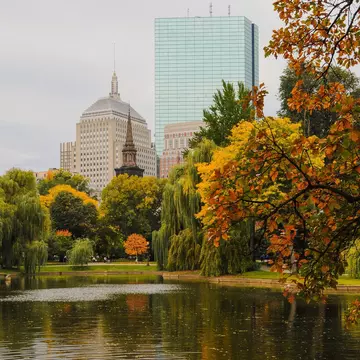
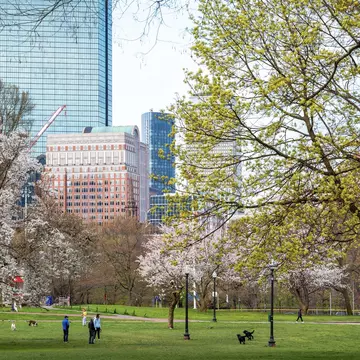
The Public Garden in Boston. Tatiana Bidon/Shutterstock

Writer
Highlights
Writer Mara Vorhees shares 17 Boston tips on timing, transport, etiquette and food.
Book Red Sox tickets a month ahead – popular restaurants fill weeks out, too.
Leave the rental car at home – Boston is walkable, and the T handles the rest.
Order raw Cape Cod oysters at cocktail hour, and look for US$1 happy hour deals.
Lonely Planet may earn a commission from affiliate links on our site. All recommendations and reviews reflect our own independent opinions.
Here’s the scene: I'm visiting my future husband’s family in Boston for the first time. His mother asks if I want a tonic. It seems like an odd offer, but it sounds refreshing, so I accept. Then she brings me an orange soda. What?
You’ve probably guessed that "tonic" is the word for soda in Bostonese – just one of many quirky regionalisms that still permeate local conversation. After living here for more than 20 years, I think I’ve finally got them down, and I’ve learned a few other things too.
Whether you're navigating the city streets or social dynamics, here are the top tips for traveling to Boston.
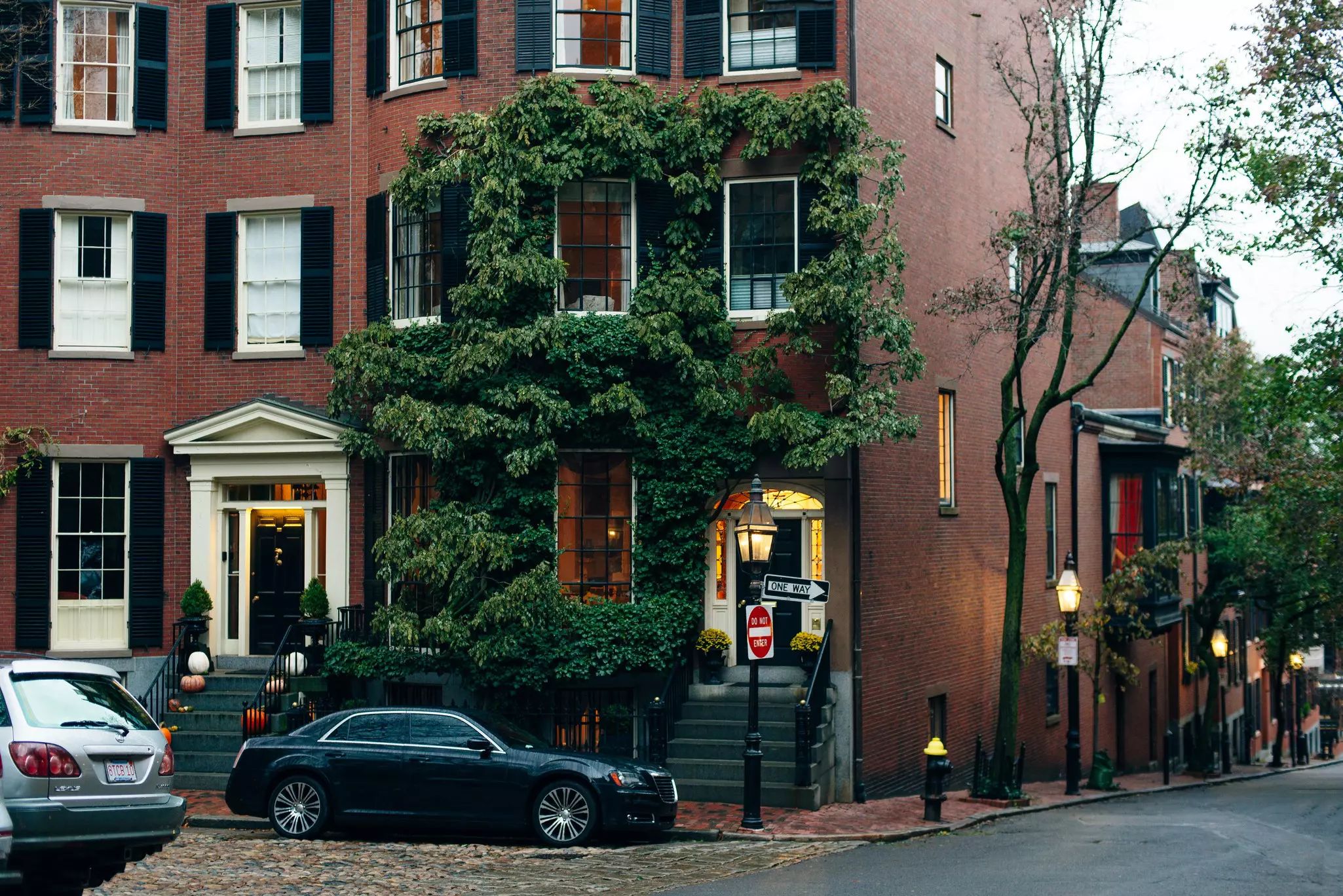
A 3-day visit is enough to spend time around Beacon Hill and the North and West Ends, take a whale-watching tour or look at some art in the Seaport District, and cross the river to Cambridge to poke around Harvard Sq.
October is beguiling, with New England's fall foliage display and a calendar bursting with events. April and May come into full flower at college graduations and music festivals. Both are delightful times to visit Boston, and the city is packed.
June and September are brief shoulder seasons when temperatures are mild and crowds are lighter. From November to March, winter days are short, and the weather is cold.
For a short visit, staying in the Back Bay neighborhood keeps you fairly close to the action. The Sheraton Boston has the added bonus of a heated indoor saltwater pool – the pool area even has a retractable roof.
Boston's weather has been fooling meteorologists for ages, and it can fool your weather app, too. Conditions fluctuate from day to day and even hour to hour. It never hurts to bring both your umbrella and your sunglasses, as the weather may very likely change while you’re out.
Cool weather is always a possibility, even in summer, so bring a jacket for the evening – even if you’re hot during the day.
If you travel to Boston during the high season, you will quickly discover that you are not the only one. To find a decent selection of seats and prices for events, buy your tickets to the theater or the Red Sox (or any professional sporting event) at least a month in advance.
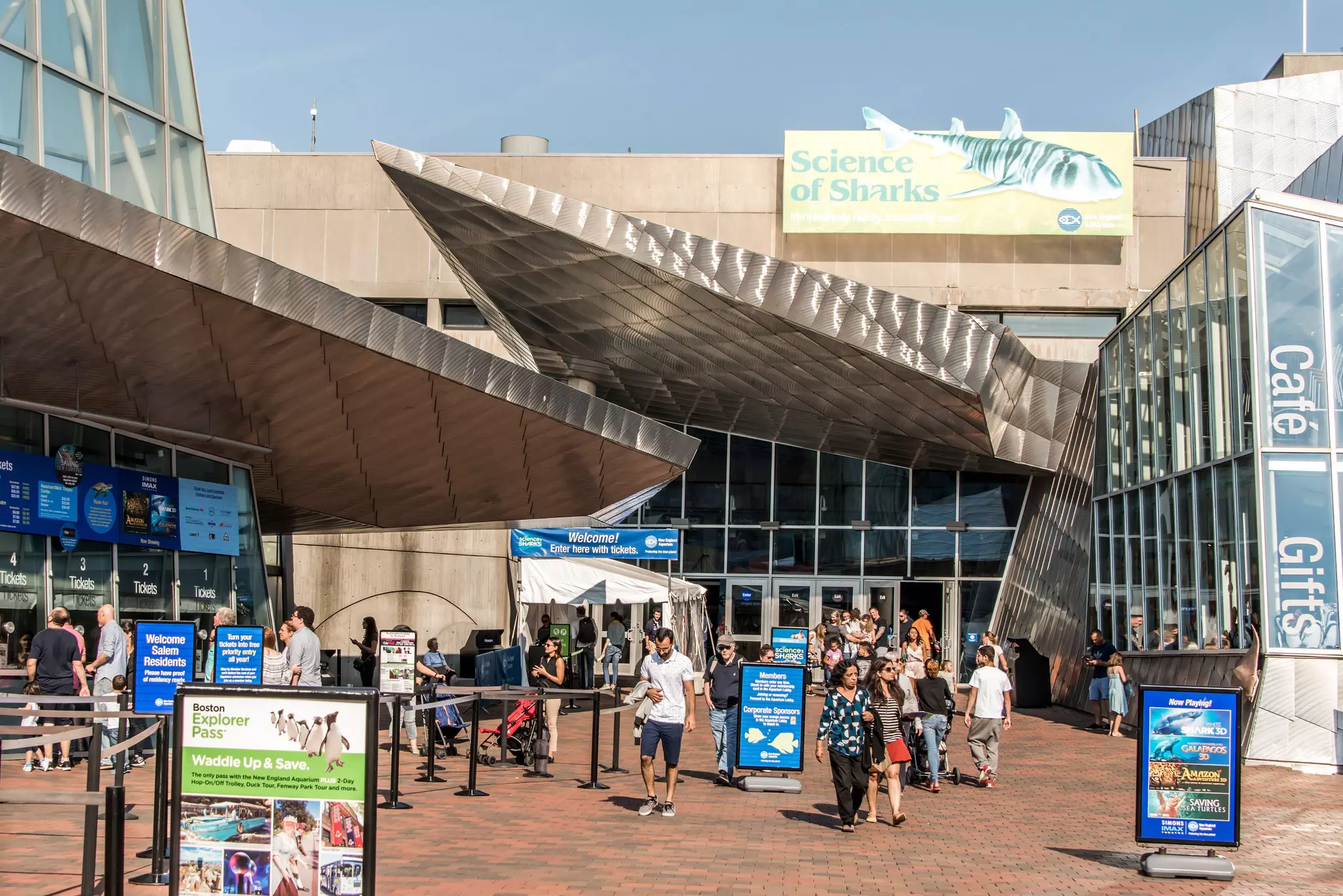
You’ll also do well to purchase advance tickets for popular sights like the New England Aquarium. Buying just a day or two ahead of time will guarantee your admission and save you the hassle of waiting in line on arrival.
If you have your heart set on eating at a particular restaurant, try to reserve your table a week or two before, especially for a weekend night. Some of the hottest restaurants in Boston may require reservations several months in advance.
One thing you don’t have to book in advance is your rental car – because you don’t need one! Driving and parking are a huge hassle in Boston, so you’re better off without a car. Be sure to pack comfortable walking shoes, as this compact city is best explored on your own two feet.
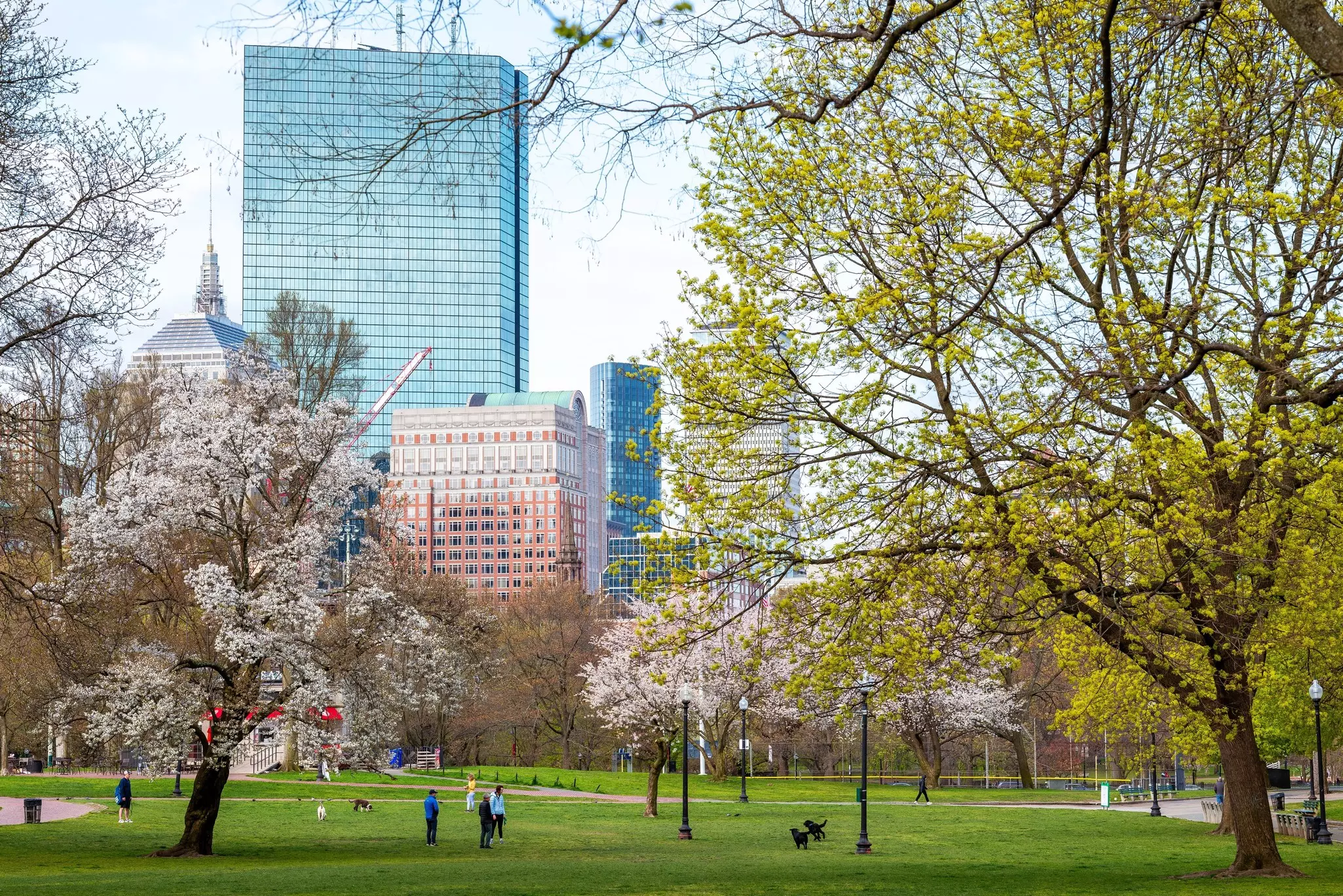
Longtime Bostonians have their own way of saying things, and while many of these regionalisms are fading from use, there is some essential local vocabulary you should know.
Bostonians love their Dunkies – that’s our term of endearment for the ubiquitous coffee chain Dunkin’ (it dropped the “Donuts“ and embraced the mononym in 2018). Dunkin’ is everywhere in Massachusetts, with about 60 outlets in Boston alone.
The city’s central park is the Boston Common. It is the oldest public park in the USA, and there is only one. Please do not refer to it as “the Commons.”
When we’re not walking somewhere, Bostonians take the T, not the subway, not the metro – the T. It is short for MBTA (Massachusetts Bay Transportation Authority), and all the stations are marked with a big T sign.
Wicked is an all-purpose modifier for "extremely." So something might be wicked expensive or wicked funny.
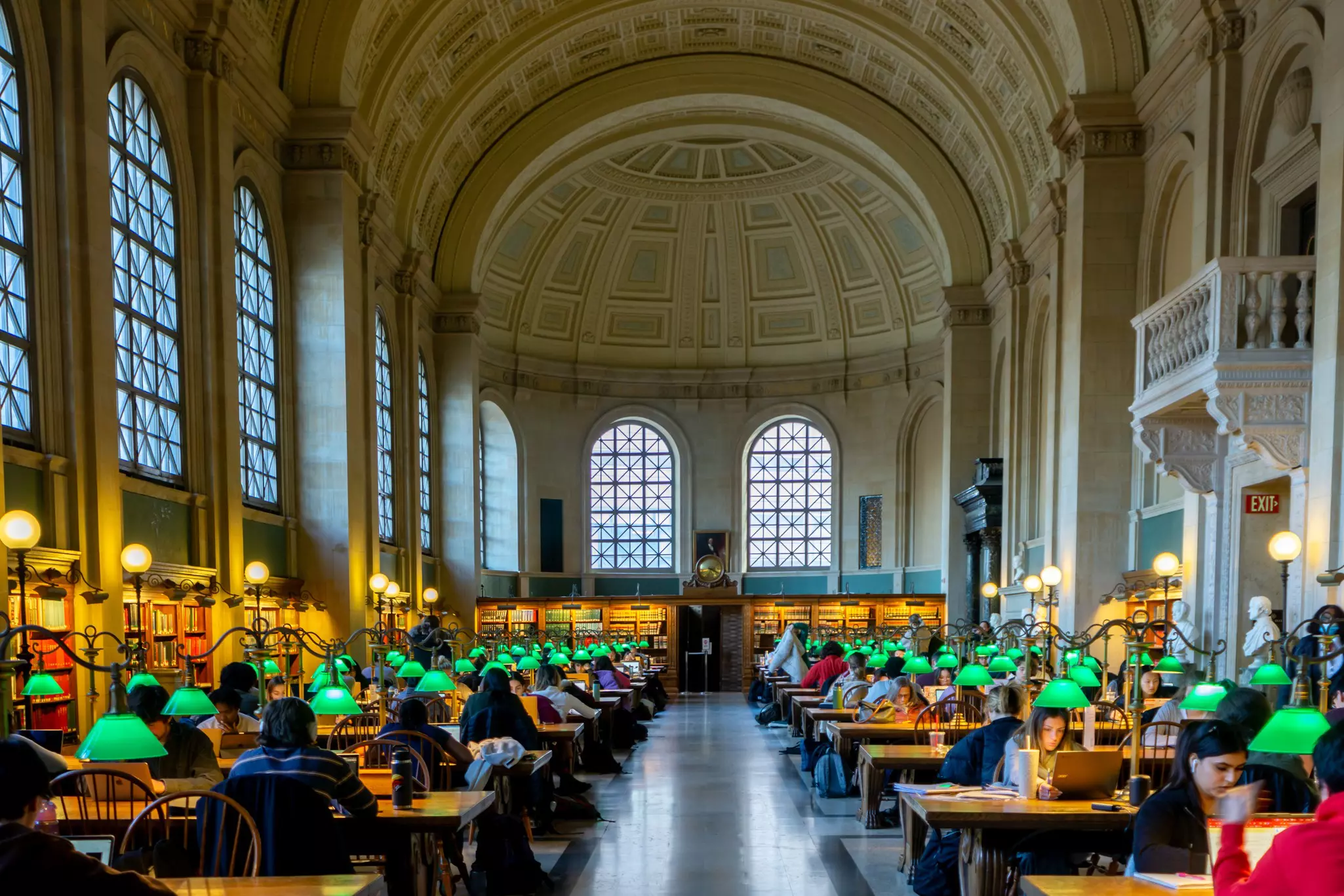
Bostonians do not normally greet strangers on the street or strike up conversations on the bus, so we probably won’t greet or converse with you either. Please don’t be offended by this customary reserve. That said, most Bostonians are more than happy to answer a question or give directions if you need help, so don’t be afraid to ask.
In the US, it’s customary to tip restaurant servers and bartenders, not because patrons here are so generous but because the waitstaff depends on these tips for their livelihoods. Servers and bartenders receive significantly reduced hourly wages on the assumption that most of their income comes from tips from customers. So in Massachusetts, the minimum wage is 15 US dollars (US$) per hour, but the tipped minimum wage is way below that, at US$6.75 per hour.
Most restaurants do not include a service charge on bills, except under special circumstances, like for large parties. So it’s up to you, dear customer, to tip generously – 15% minimum, 20% for good service, 25% for exceptional service.
If you’ve seen Good Will Hunting, you know about the Boston accent. (And if you haven’t seen the movie, you should!) The accent is characterized by its dropped r’s after a vowel (“smaht kids go to Hahvahd”) and the added r sound at the end of words that end in a vowel (“a slice of pizz-er”).
The Boston accent is not as widespread as it used to be, but it’s still common, especially in working-class communities. As with any accent, it’s not appropriate to mock or mimic. In fact, there’s really no need to comment at all.
And please don’t say, “Pahk the cah in Hahvahd Yahd” – cars aren’t even allowed in there.
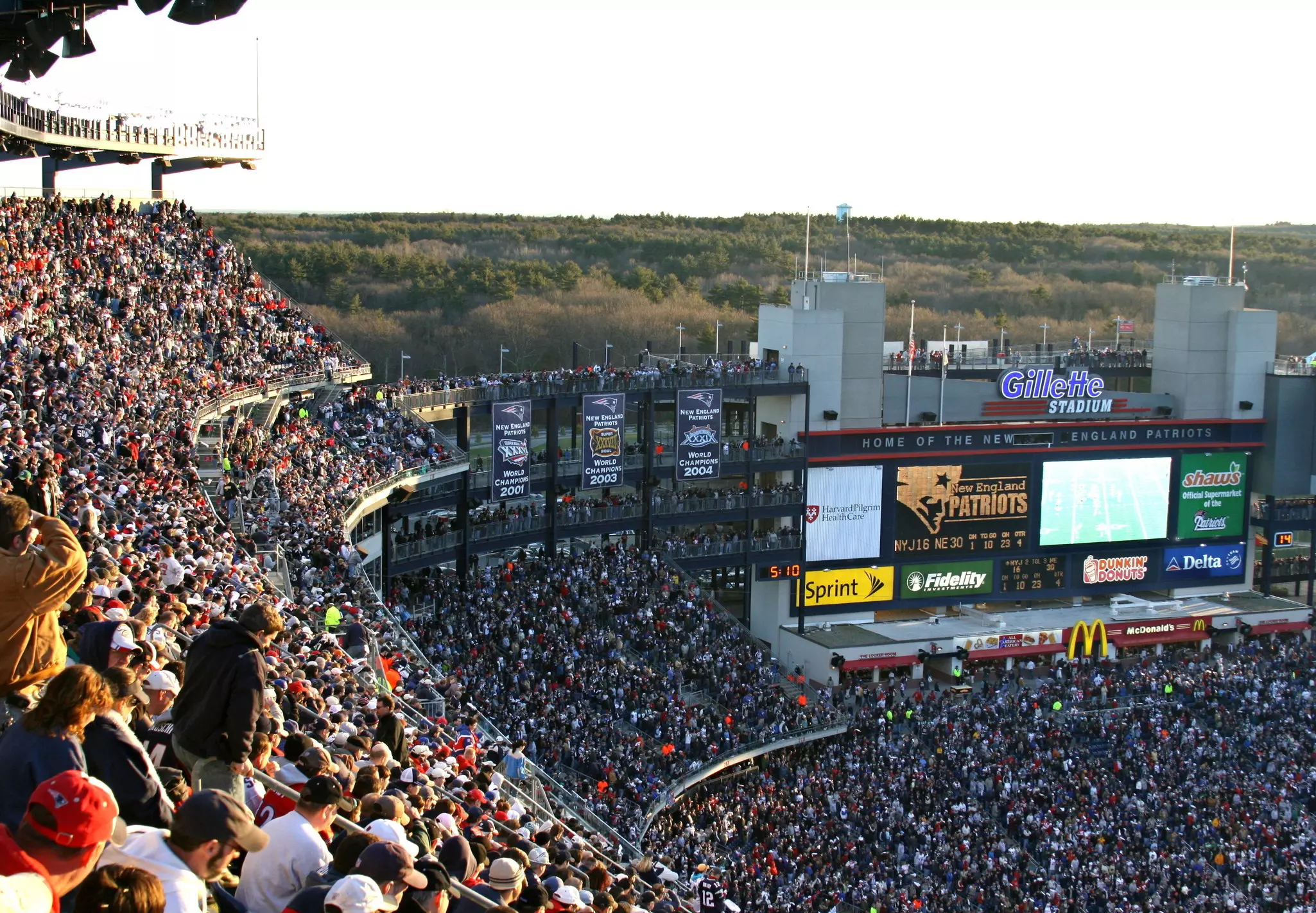
If you manage to crack that Yankee reserve, you’ll discover a friendly, engaging population that is passionate about politics and sports. Bostonians are not shy about expressing opinions, which are mostly liberal when it comes to politics and mostly loyal to Boston teams when it comes to sports. If you beg to differ, be aware that the conversation might get a little fiery.
And trash-talking former New England Patriots quarterback Tom Brady is not recommended.
Despite its leftist leanings, Boston has long had a reputation for being inhospitable and even hostile to people of color, especially Black folks. Harassment and racial slurs are more common than you would expect in a progressive city.
More than half of Boston's population self-identifies as part of an underrepresented ethnic, social or racial group. However, the city and schools are still largely segregated (despite attempts to integrate schools in the 1970s). Moreover, power structures have been dominated by white men until very recently. It was only in 2021 when Bostonians elected the first woman and first person of color, Michelle Wu, as mayor of the city.
Cannabis is legal for recreational use in Massachusetts, and dispensaries are in place all over Boston. There are still a lot of rules, however, so be sure you know the code before you consume.
It is legal for adults age 21 and over to purchase and possess up to 1oz of marijuana (or up to 5g of marijuana concentrate). However, it’s illegal to use marijuana in any form in public places. Parks, beaches and sidewalks are all off-limits, and there are no social consumption sites such as cannabis cafes yet. As with alcohol, driving under the influence is against the law.
Cigarettes and tobacco products are also legal for adults age 21 and over. However, they are prohibited in any workplace, which includes restaurants, bars and hotels, as well as public transportation and taxis. Smoking and vaping are also not allowed at any Boston parks or beaches. The only exception is designated smoking bars, which possess a special license.
Call 911 in case of an emergency. Call 311 for information about municipal services and facilities or to report a nonemergency problem in Boston.
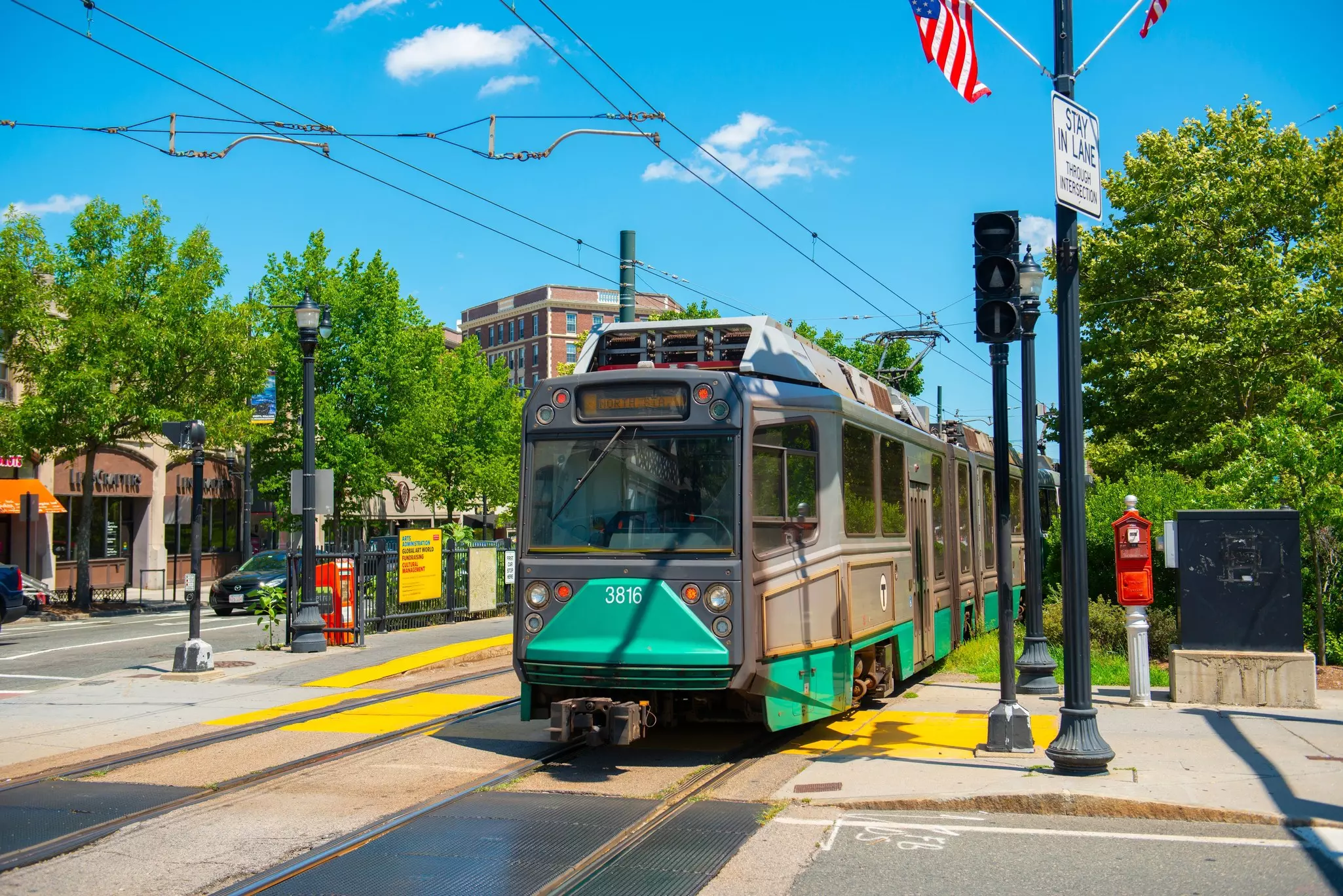
The T is a convenient and user-friendly way to get around the city. The trains do get crowded, particularly during commuting hours, so it’s important to know the local courtesies.
On escalators, stand on the right, walk on the left.
When the train arrives in the station, stand to the side and let passengers exit before entering.
Offer your seat to children and older adults, as well as anyone who is pregnant, has mobility issues or just looks like they need it more than you.
Talk among yourselves, but don’t feel the need to strike up a conversation with the stranger next to you.
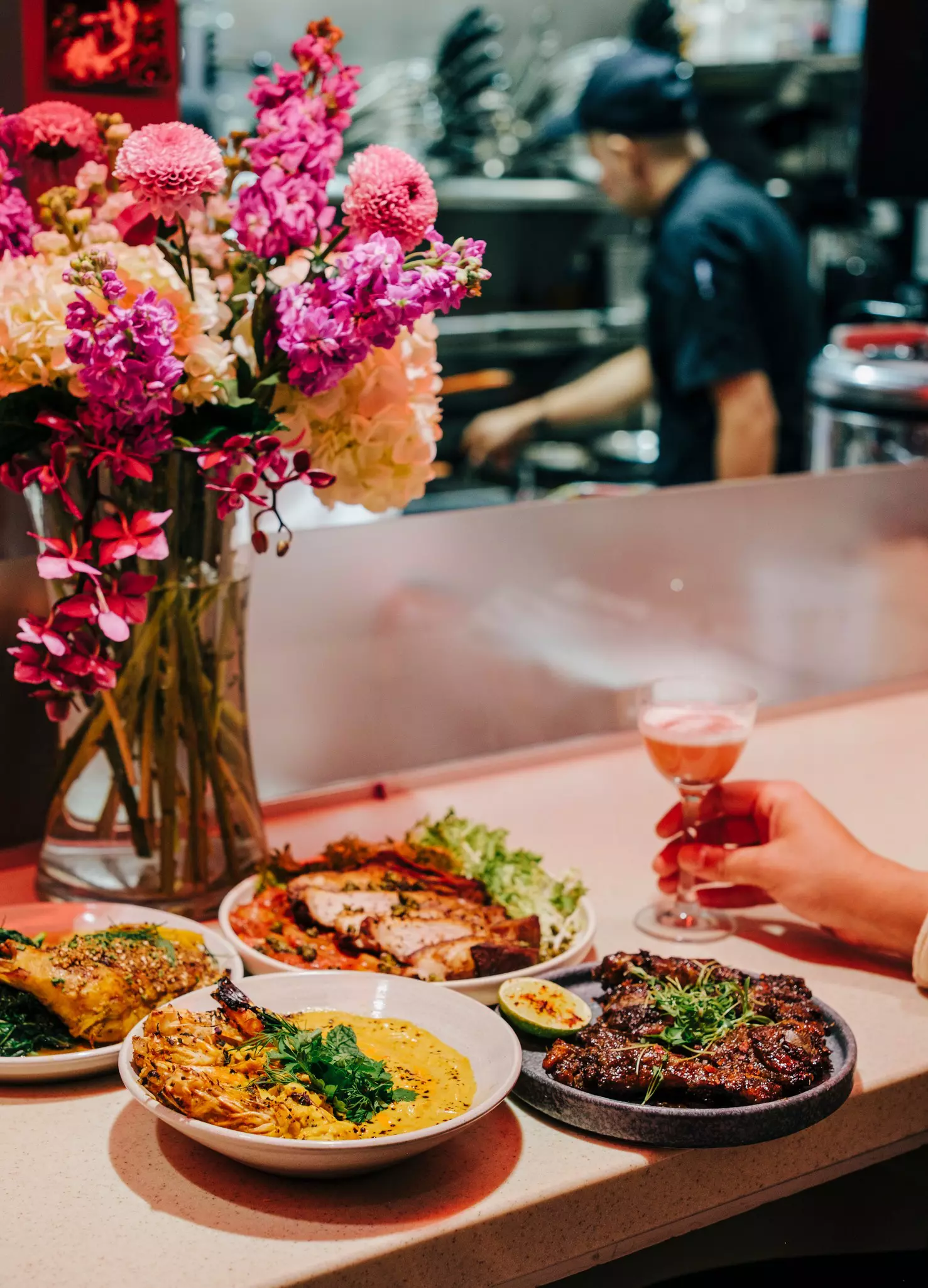
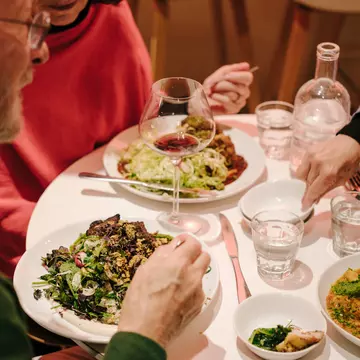
Bostonians like their oysters raw, on ice and with a pre-dinner cocktail, whether that's a classic martini or something bright and bubbly. A crisp white wine is nice, too. Ask for whatever oysters are freshest from Cape Cod, Martha’s Vineyard or southeastern Massachusetts. Check for happy hour deals that can sometimes bring oysters down to US$1 apiece. Besides oysters, raw bar favorites include cherrystone and littleneck clams
Boston's lingo is especially ingrained when it comes to food:
Frappe is a cold drink made with milk, syrup and ice cream (aka a milkshake elsewhere in the US), while a milkshake in Boston is ice cream-free.
Quahog is a hard-shell clam (pronounced kow-haag).
Jimmies are the chocolate bits scattered over ice cream, otherwise known as sprinkles.
Explore related stories