Sep 19, 202616 min read
Spain's Classic One Dish WondersSponsored by
This article was paid for and produced with Spain Tourism Board. Paid content is produced separately from Lonely Planet's editorial coverage. Product availability and terms are subject to change; please verify details directly with service providers.
Sep 19, 2026
12 MIN READ

Writer
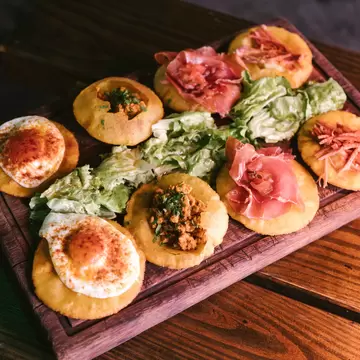
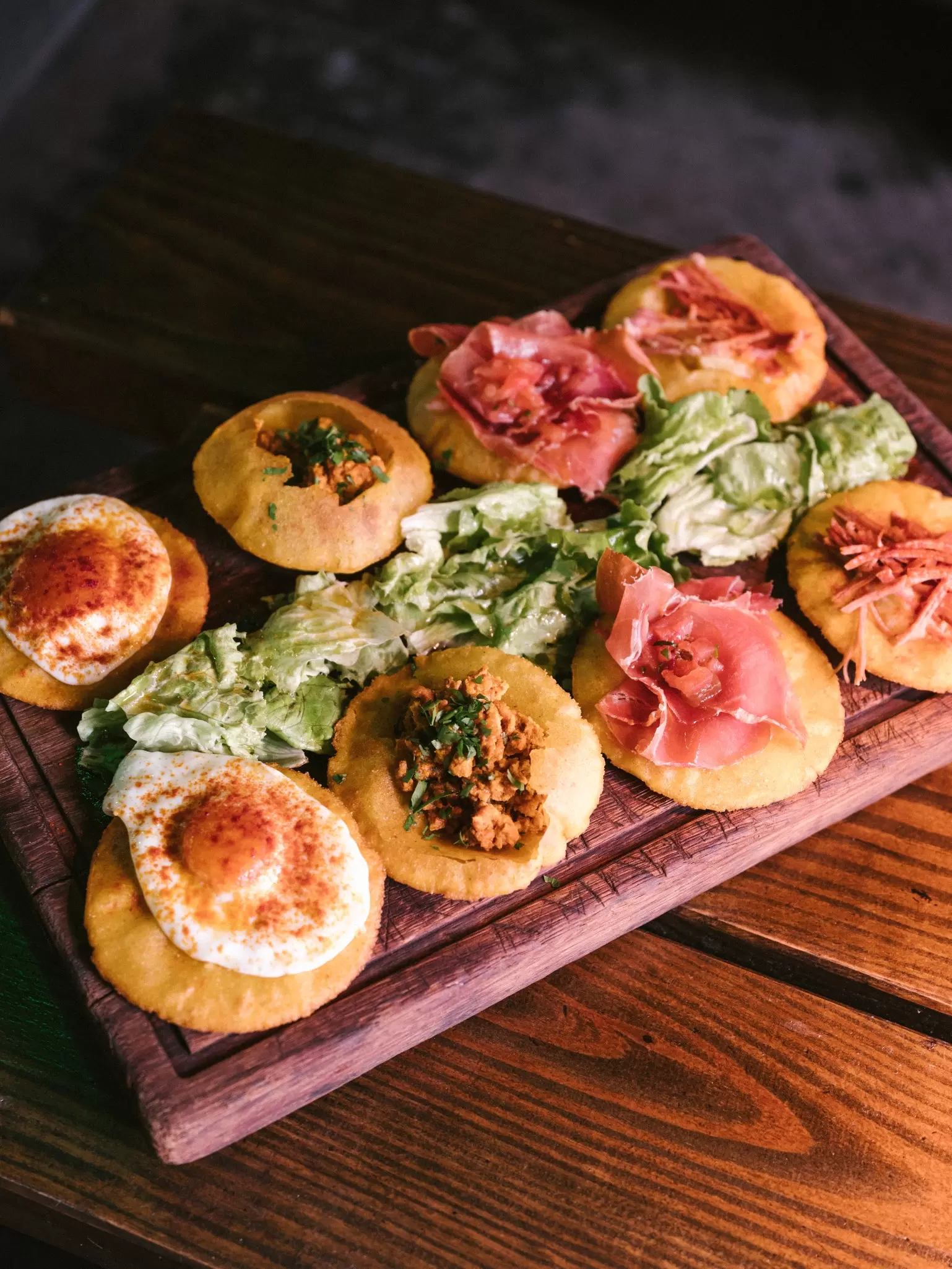
A wooden board of tortos (corn fritters) in Asturias, Spain. Coke Bartrina for Lonely Planet.
Writer
Tapas, Spain’s most famous export, can be found on menus from Singapore to Seattle, but the truth is that if you haven’t sampled tapas in Spain, you haven’t truly had tapas.
That’s because tapas are more than just small plates. They are a means to an end, a way to socialize from the afternoon into the wee hours of the morning. Whether you sample an earthenware dish of shrimp sizzling in garlicky oil or a simple platter of the world’s best ham, tapas (and the obligatory accompanying drink) are social glue for Spanish people of all ages – a favorite pastime and a backdrop for conversation and relaxation that helps keep Spain sane.
I’ve spent more than 15 years eating tapas all over Spain, and I’ve even written a book on their sibling, the pintxos of northern Spain. This guide includes both tapas and pintxos, because they serve the same purpose, but there are some important differences. Tapas are sometimes served free with a drink; pintxos never are. A tapa is traditionally a small serving of a single item, engineered for communal eating; pintxos, meanwhile, are more elaborate creations, meant to be eaten by one person in just a couple of bites.
If you’re ready to try tapas, here is everything you need to know to enjoy these delicious small plates (and navigate their unspoken rules) like a pro. Remember, the food will be good, but the whole point is having fun with friends, and maybe even making a few new ones along the way.
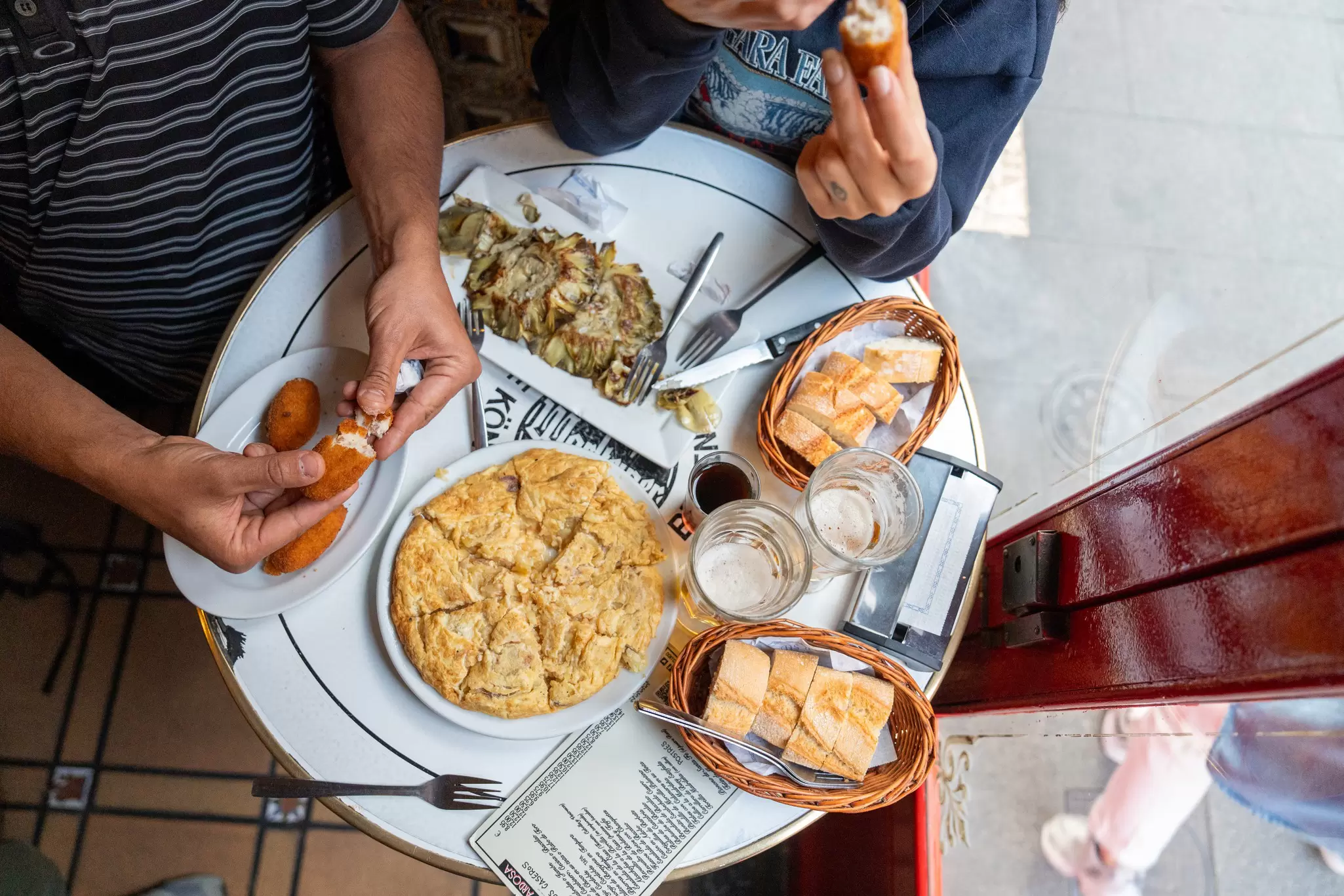
The world of tapas is, thankfully, almost infinite. From fried snacks to carefully sliced jamón ibérico (Spanish-style ham), the list of tiny bites to order in Spain is enough to keep you full for a lifetime. Some tapas are national, found on nearly every bar counter, while some are highly local and only served in a single bar. Tapas range from rustic and traditional bites to works of miniature culinary art that would be equally at home on a white tablecloth. Here's an introduction to the main types of tapas.
Spain is well known for its premium produce and the skill of its food-makers when it comes to canning, conserving and curing. This tapas category includes conservas (canned items), embutidos (cured meats) and encurtidos (pickles), usually served without any adornment at all. Plates could include anything from tinned seafood – like salty anchovies, plump mussels and rich tuna belly – to chorizo, cured pork loin, blood sausage, and of course jamón ibérico. This category also includes cheeses such as the famous Manchego, olives, pickled peppers and other preserved vegetables.
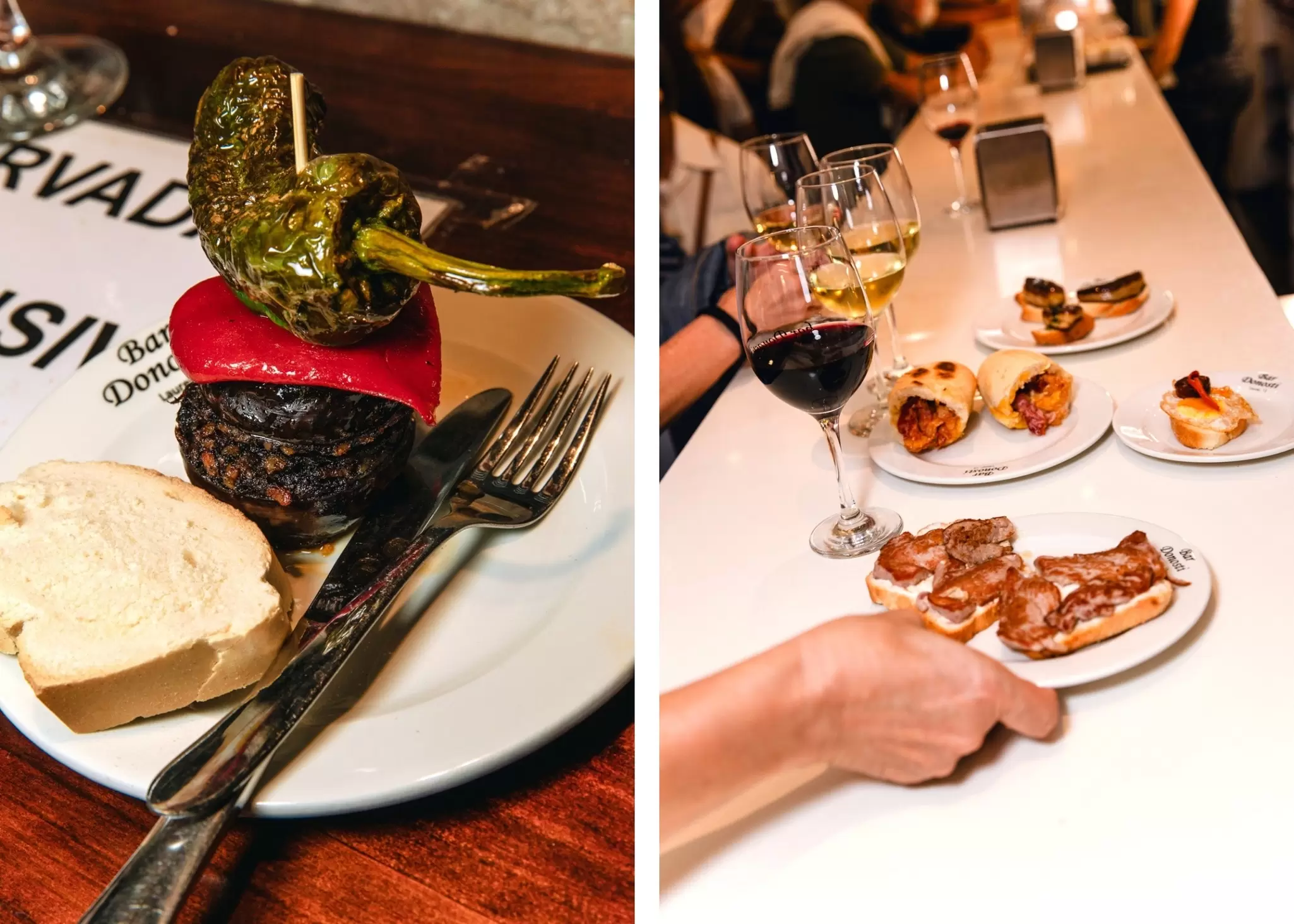
This category of tapas requires no cooking, or features items that can be cooked in advance, so the tapas can be displayed on the bar. These dishes are intended to be eaten at room temperature. Common items include the famous tortilla Española (Spanish omelet), montaditos – tiny sandwiches with all manner of fillings – and banderillas, consisting of several ingredients held together by a toothpick.
These are dishes that either come straight from the kitchen or are heated ready for serving. Popular items include fried fritters, stews and slow-cooked dishes, often served in earthenware dishes known as cazuelas. You'll even find haute-cuisine-worthy bites like the ones created in the Michelin-star-studded Basque Country.
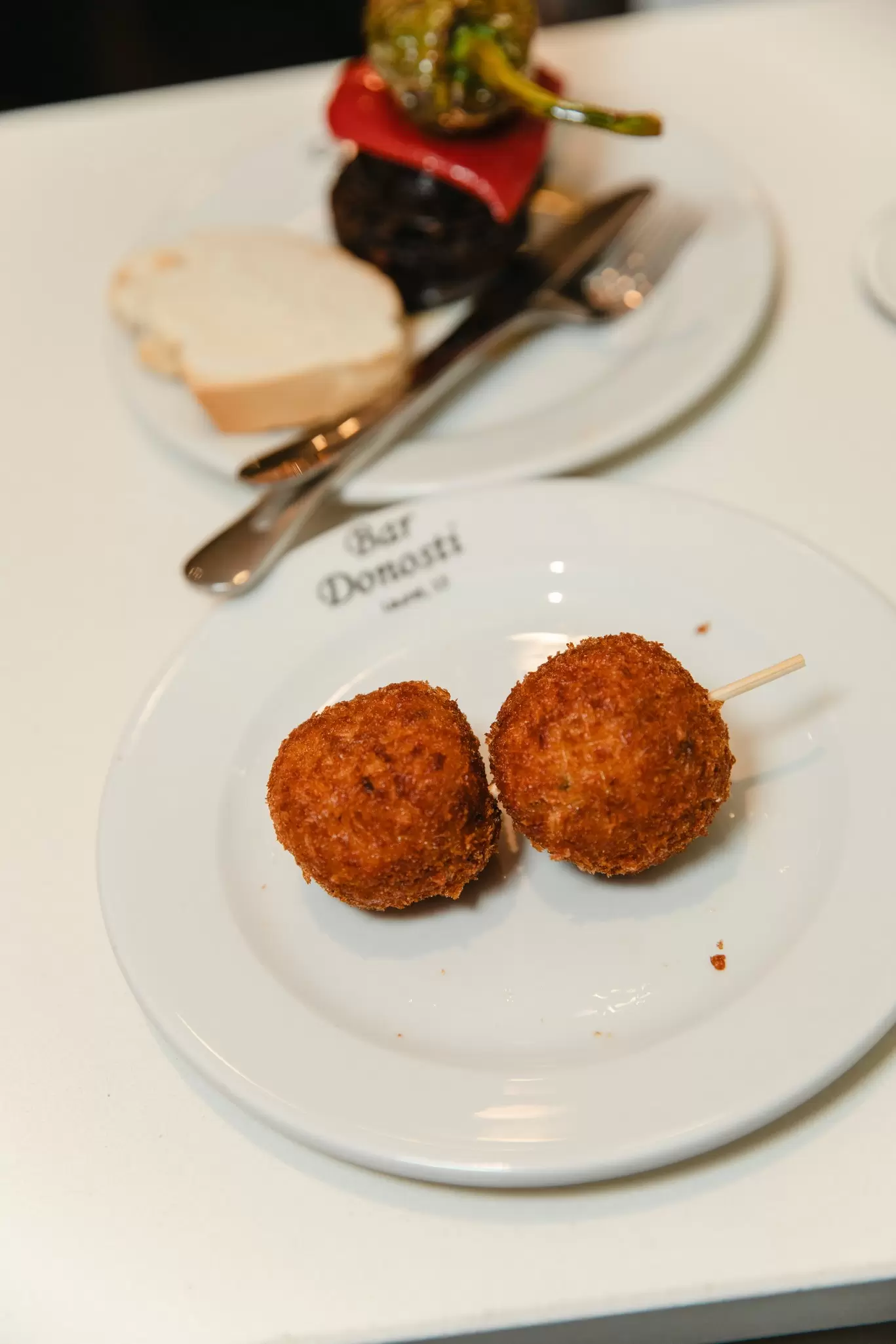
The following list of essential tapas experiences offers a good introduction to the different categories of tapas, centered on the hotspots for these tasty little plates. I've focused on the Basque Country with its famous pintxos, Andalucía with its classic tapas, La Rioja with its tradition of hopping from bar to bar enjoying tapas with local wine, and Valladolid, the self-anointed tapas headquarters of Spain, where the most important national competition – the Concurso Nacional Pintxos y Tapas – is held every November.
Croquetas (deep-fried, breadcrumb-coated bites) are the building blocks of the tapas world. Every city in Spain has a bar that locals insist makes the best croquetas. In Valladolid in Castile and León, Bar Ceyjo has been run by the same family since 1974, and it's famed for its croquetas. Try any of the four flavors – ham, hard-boiled egg, cod or garlic shrimp.
Insider tip: You’ll likely see the brothers Alejandro and David behind the bar, so be sure to say hola and ask their recommendations for other tapas to try in Valladolid.
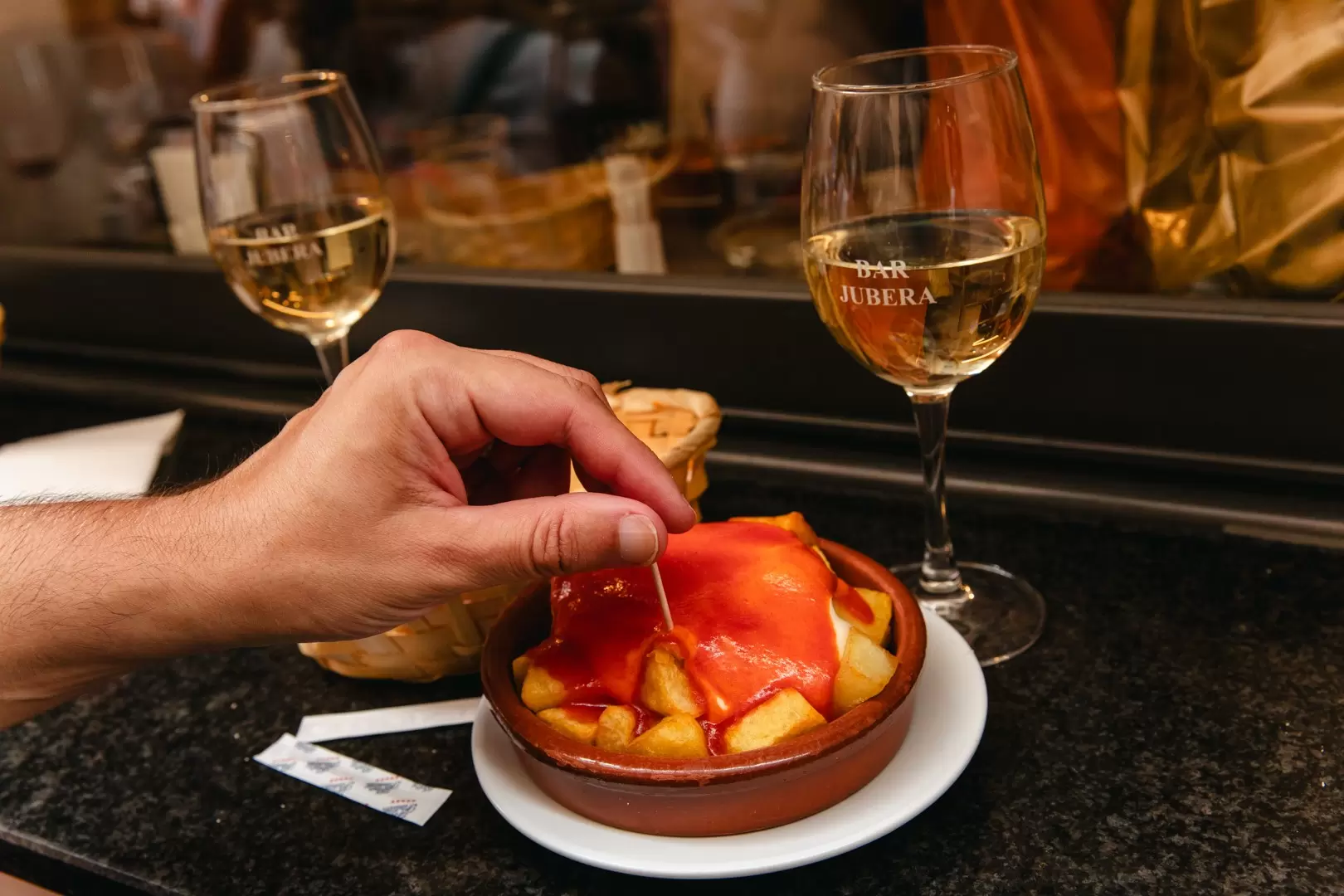
Patatas bravas – fried potatoes in a paprika-rich sauce – are another of Spain’s most popular tapas dishes, and you'll find them everywhere. At Bar Jubera in Logroño, they are homemade with high-quality potatoes, then topped with a spicy tomato sauce and served with a light mayonnaise.
Insider tip: This is the only tapa the bar serves, so you know it’s going to be good!
Urban legend places the birth of the pintxo at Casa Valles, founded in 1942, in the center of San Sebastián. While that’s not strictly true, it is true that the gilda was christened here, and this combination of pickled green pepper, an olive and a Cantabrian anchovy skewered together on a toothpick is divine.
Insider tip: The gilda is the perfect appetite-opener, so make Casa Valles your first stop on a pintxos crawl of San Sebastián.
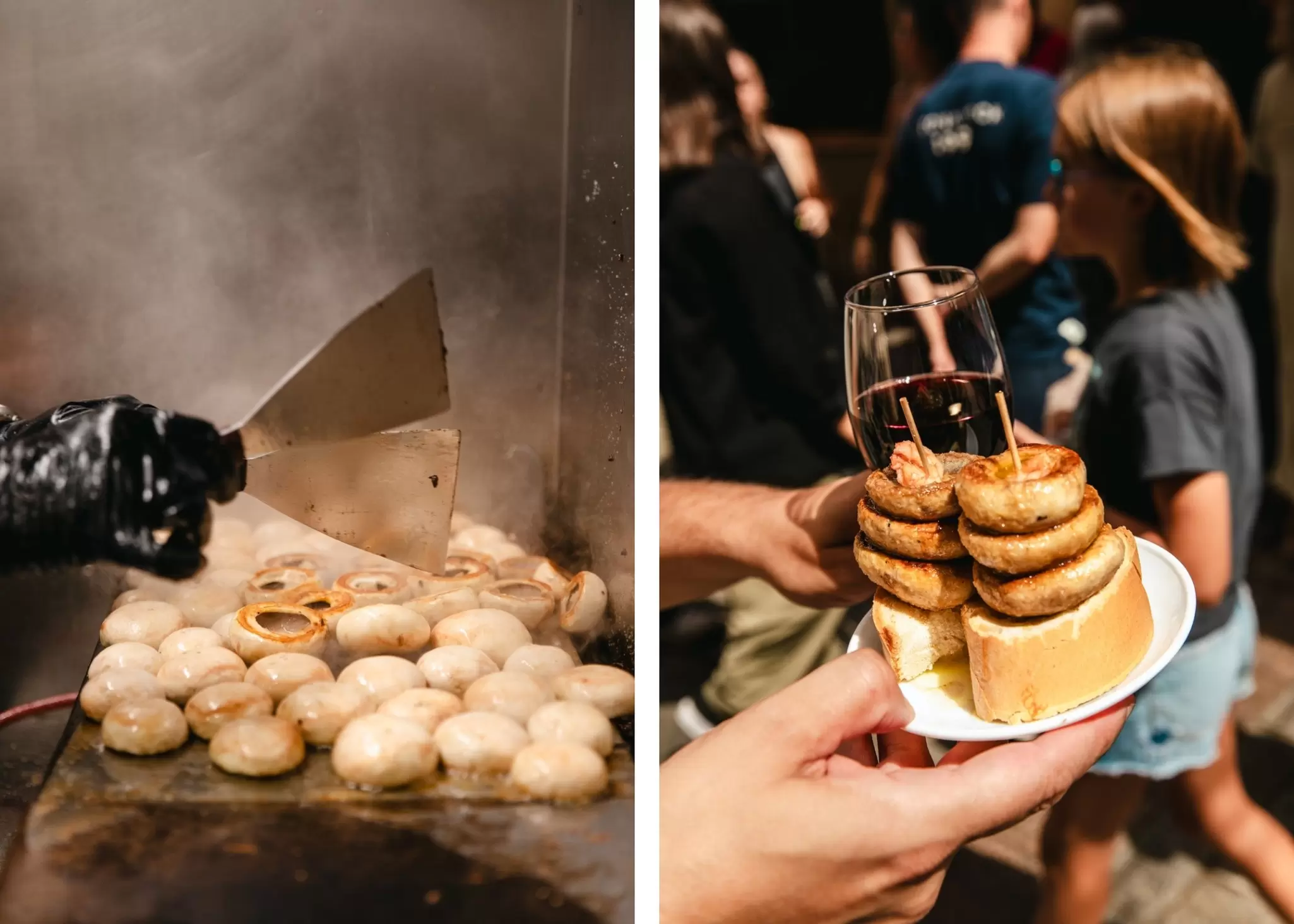
Logroño has the obligatory Spanish cathedral and museum, but its most famous landmark is Calle Laurel, a single street packed with tapas and pintxos bars. Bar Soriano has been one of its most famous since 1972, and they serve up the single most well-known variety of pintxo around: champis, short for champiñones al ajillo (garlic mushrooms). You'll get three mushrooms, cooked on a flat-top grill, with a shrimp and secret sauce, all perched on a bit of bread.
Insider tip: In Logroño, the one-and-you're-done tapas rule is especially important because there are so many spots to try, so visit Bar Soriano as part of a multi-bar tapas and pintxos circuit.
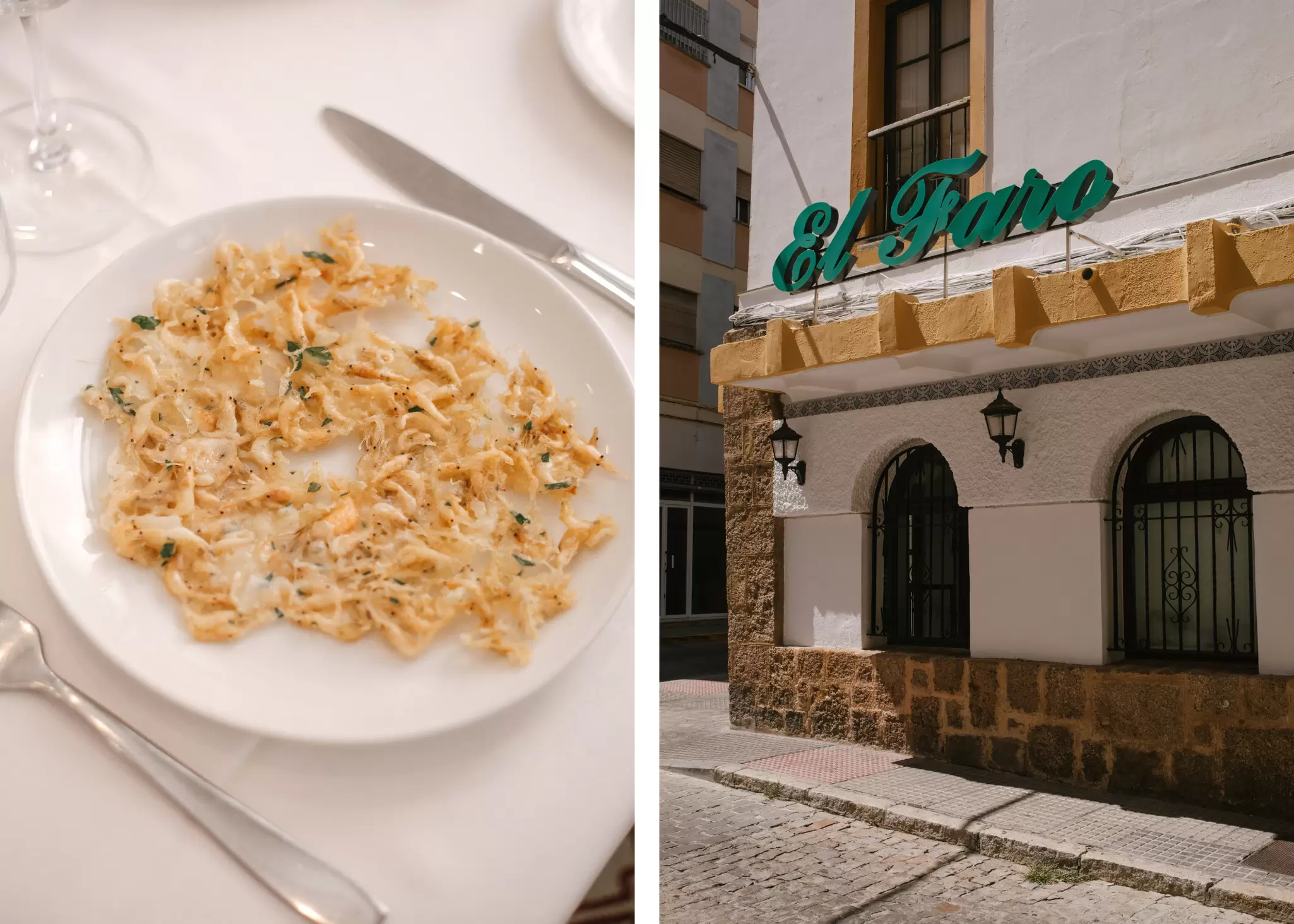
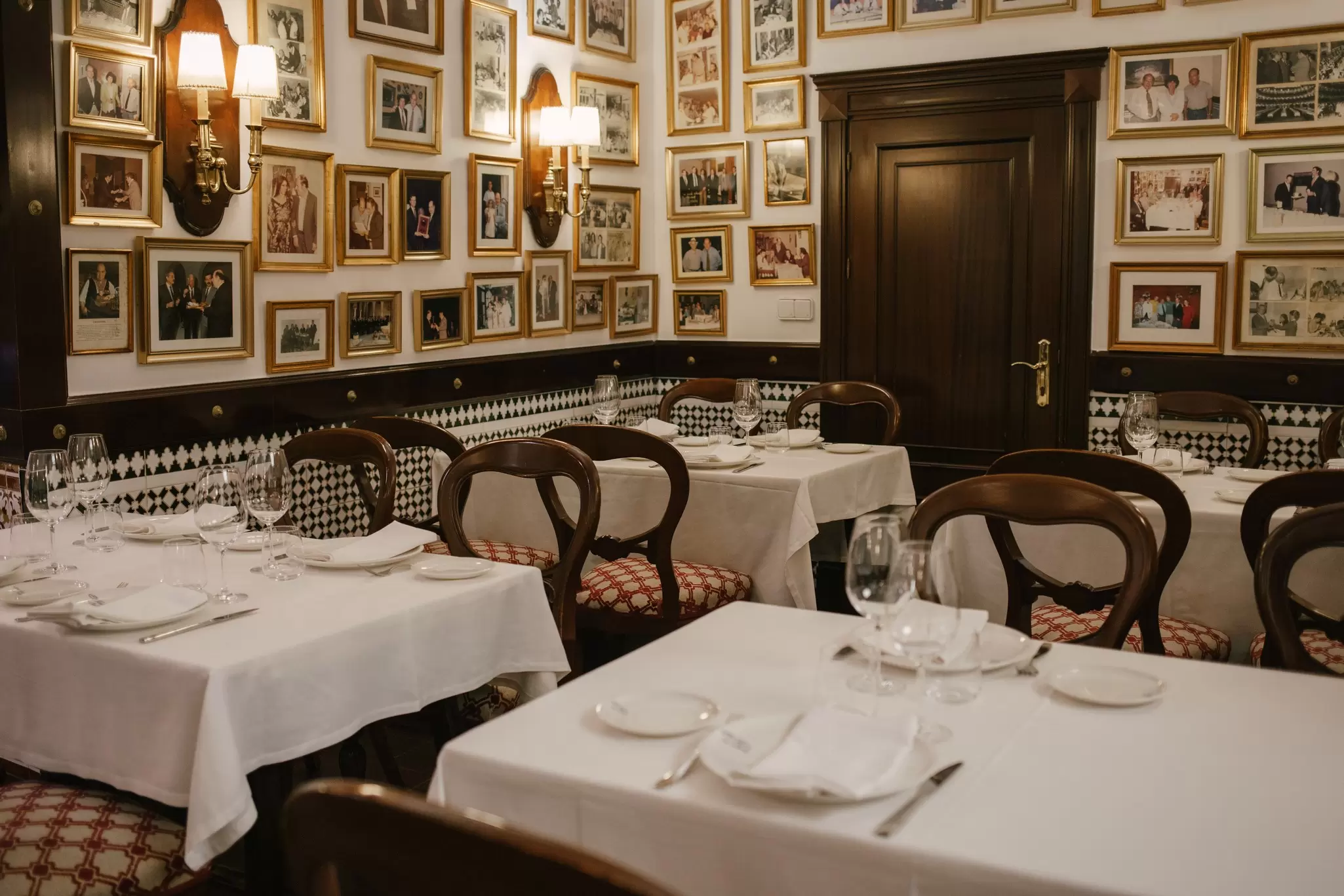
There’s a saying that Andalusian women could fry the wind, and the skill they have with light, greaseless fried tapas is on full display at El Faro de Cádiz in Cádiz, where crispy, lacy tortillitas de camarón – baby shrimp fritters – were the only thing on the menu for many years.
Insider tip: This bar is the perfect example of a rule of thumb that has always worked for me when trying tapas: the brighter the lighting, the better the tapas.
In 1999, the world of pintxos and tapas changed forever when La Cuchara de San Telmo opened its doors in San Sebastián. They introduced haute cuisine, and its plating, sauces and techniques, to the pintxo world. Before carrilleras (stewed beef cheek) was everywhere, it was here, and La Cuchara de San Telmo is still one of the best places to try it.
Insider tip: This cozy bar is very small and popular, so try to come early or late to get in.
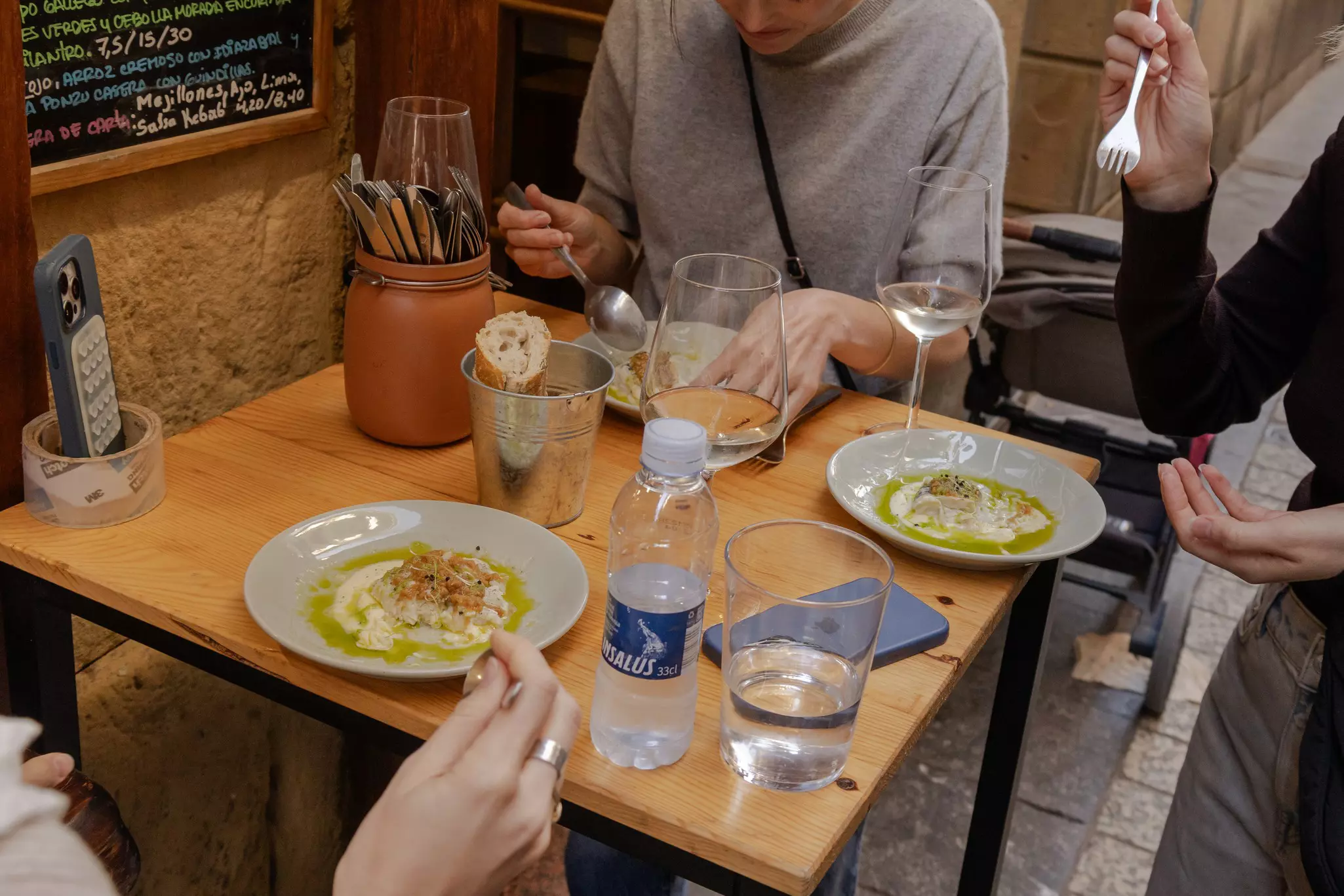
The pride of Bilbao, El Globo's most famous pintxo is a slice of bread topped by a mound of cooked spider crab, crowned with a silky brandade (a blend of salt cod, potato and olive oil) that’s been gratinéed to gorgeous effect. This dish would feel quite at home in a fine dining restaurant instead of on the bar, but that’s the Basque Country for you!
Insider tip: All of the pintxos at El Globo are excellent, part of a style that dominated the pintxos scene in the 1990s, so sample a few of the elaborate creations served at the bar.
This tapa is cleverly designed to resemble a classic sweet that many Spanish people remember from childhood, but it actually includes morcilla (black pudding) cream, cheese, caramelized onion and suckling pig skin. Tigretostón is a fine example of Spain's new wave of tapas, and Valladolid's Los Zagales won the best-in-show award for it at Spain’s biggest competition, the Concurso Nacional Pintxos y Tapas competition in Valladolid.
Insider tip: Expect higher prices for these avant-garde creations; at Los Zagales, tigretostón costs
5.50 euros (€) at the bar, or €5.95 at a table.
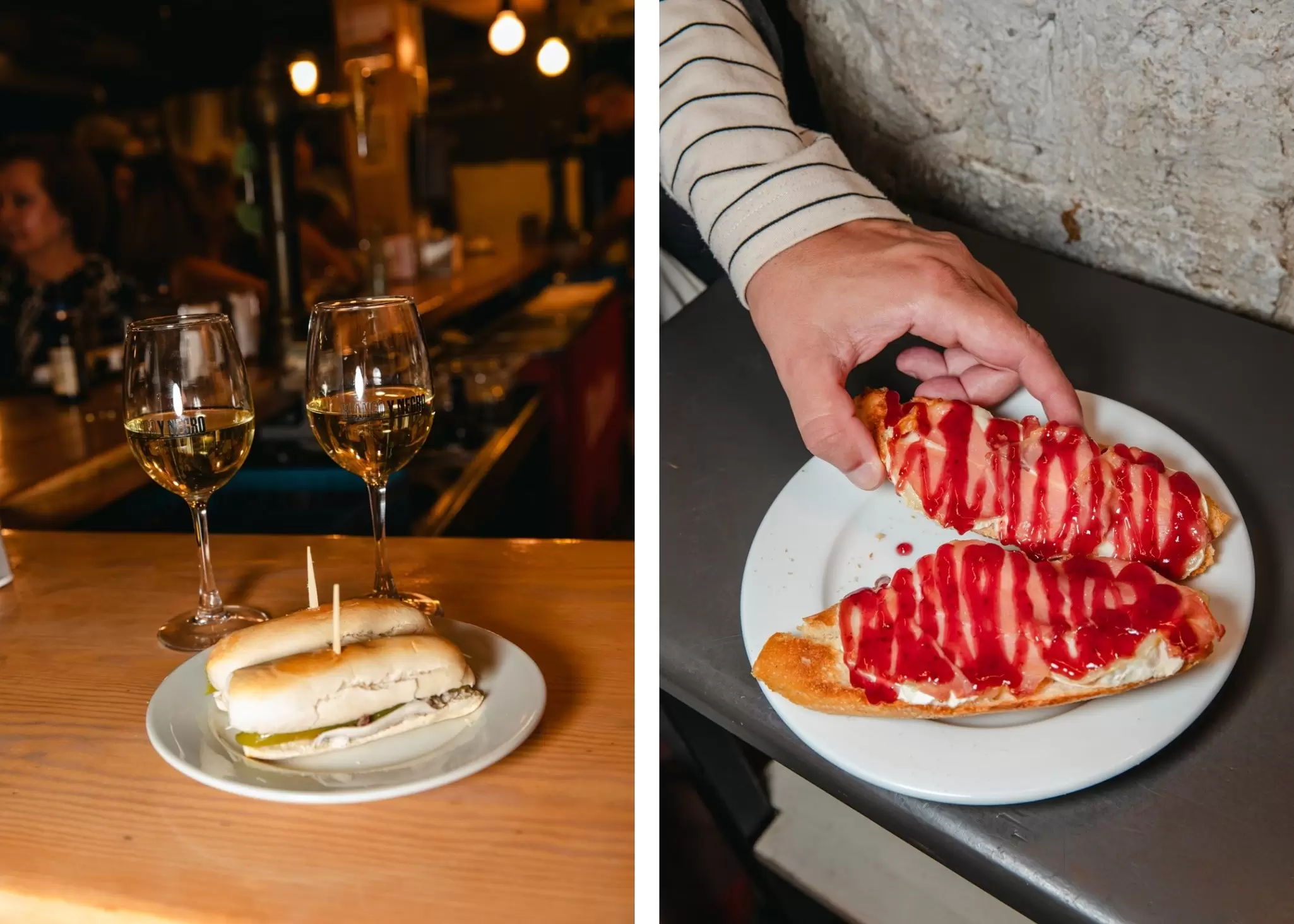
Despite its modern appearance, you should know that Blanco y Negro in Logroño is over 100 years old. The bar's house special, matrimonio, is a study in simplicity – a salt-cured anchovy, a vinegar-cured anchovy (that’s the "matrimony" part) and a strip of green pepper served on a small slice of bread.
Insider tip: The goat's cheese, ham and raspberry sauce tapas is a close second favorite here, if you have room for another bite.
Made with tomato, garlic, olive oil and bread, salmorejo is the chilled soup gazpacho wishes it could be, and you can try what is regularly celebrated as some of the best in the world in tapas form at Taberna Salinas in Córdoba, where the dish was born. This bar is over a century old and its salmorejo follows the classic recipe: thick, savory, and topped with hard-boiled egg and jamón ibérico.
Insider tip: If, for some reason, you’ve chosen to visit Córdoba during the hot summer months, you can take refuge in the cooler interior dining room.
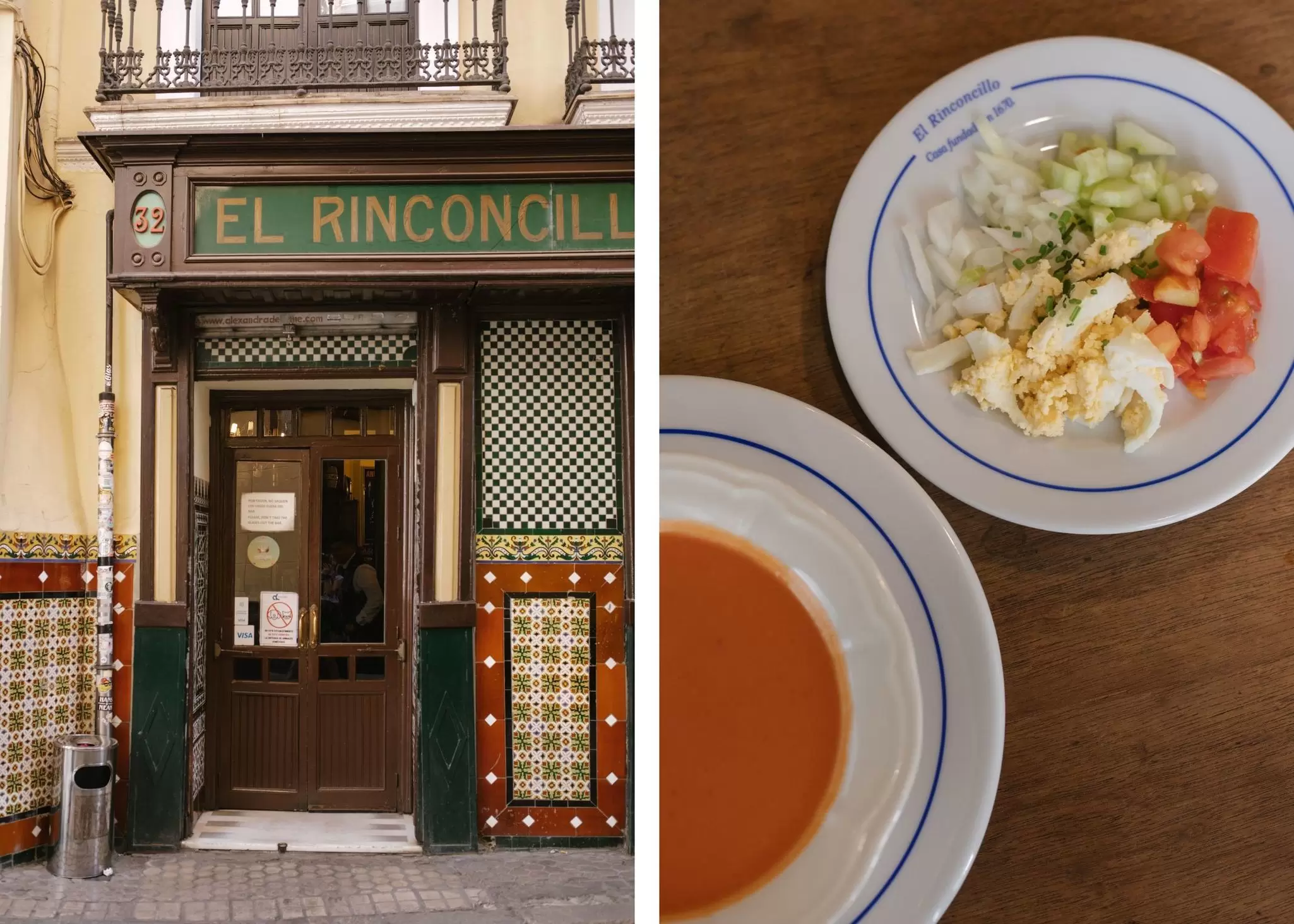
Seville is one of the tapas capitals of Spain, and this combination of silky, fragrant spinach with garbanzos (chickpeas) is one of its most delicious traditional dishes. You’ll find everyone’s favorite at El Rinconcillo, which opened in 1670 and is purported to be the oldest bar in Spain.
Insider tip: Skip reserving a table, as some will encourage, and pull up at the mahogany bar, just like they did in the 17th century.
Sometimes tapas can be simple, and a great example of this is the torrezno – just a plate of fried pork rinds. Although, as you should know by now, in the world of tapas, simple isn't always the same as easy. Slices of pork are cooked confit-style at a low temperature before being fried to crisp up the outside of the skin. At Valladolid's Castivera, the heirs of the city's indisputable torrezno kings continue with their family’s much-loved secret recipe.
Insider tip: The torrezno recipe at Castivera closely follows the original conceived at Bar Alarcón, originally owned by the same family but now a franchise and no longer in the family’s hands.
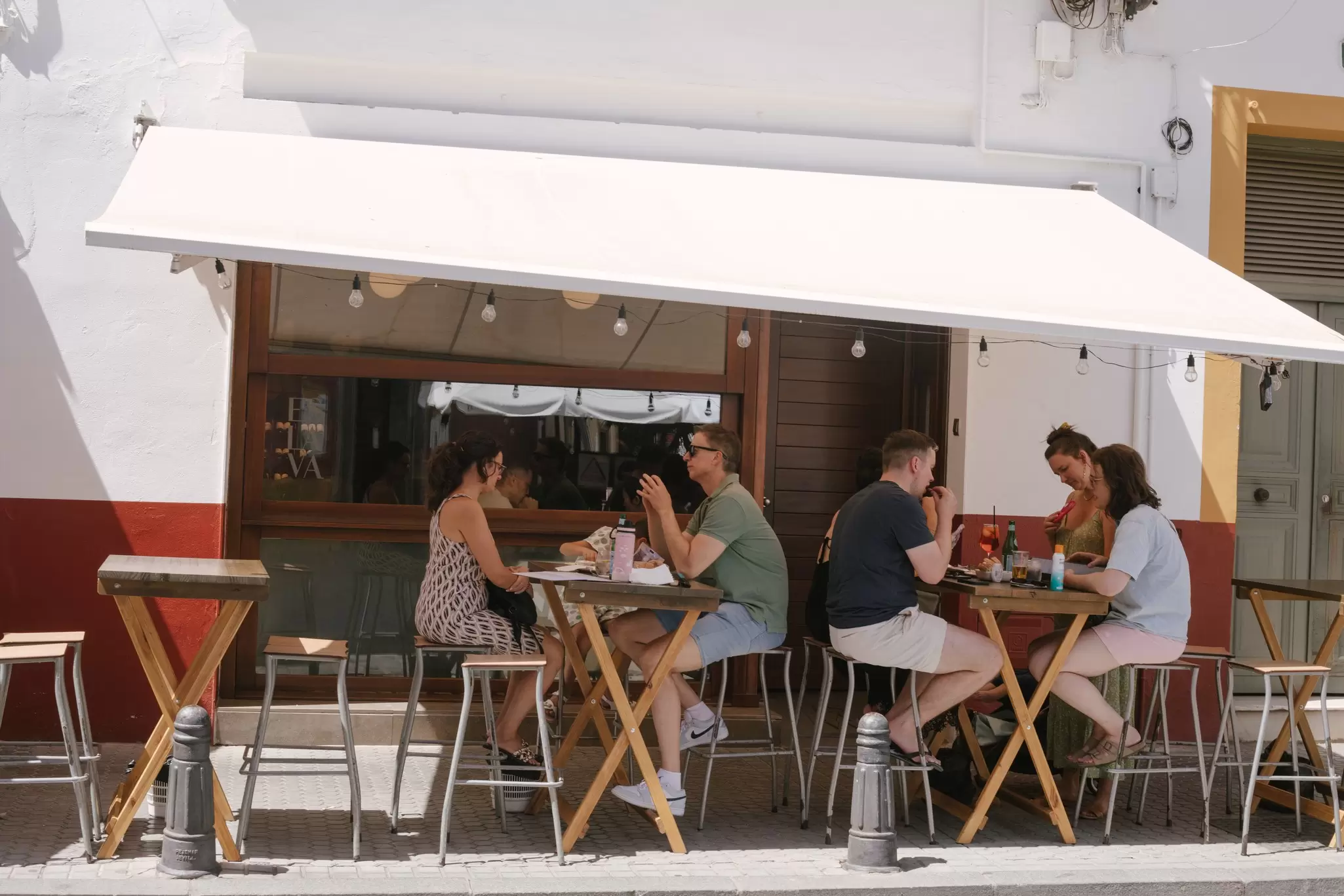
The best method for going out to enjoy tapas varies regionally, but there are some basics worth knowing if you are ready to embark on a “tapas crawl” in any part of Spain. Start by remembering that this isn’t a bar tour or pub crawl, or an activity designed to get you drunk or even full. This is a ritual based on savoring the experience, and a way ordinary Spaniards often eat.
The best time to sample tapas varies regionally, but the sweet spots are usually between 1:30pm and 3pm, and between 8:30pm and 10pm, though the serving schedule is usually longer. In the north, the window begins and ends sooner; in the south, as well as in Madrid, tapas time starts later and ends later.
The most common way is to approach the bar and order from the bartender. Greet them with a hola, rather than raising your hand or relying on eye contact. If you are standing at the bar to eat, that’s all you need to do. In regions where tapas are free, you are usually given one tapa with each drink you order.
If you plan to sit at a table or outdoors, even Spaniards have to ask if there is table service, as this varies from bar to bar. Always ask if you are unsure. Don’t be surprised if a small surcharge appears on your bill if you’re seated at a table.
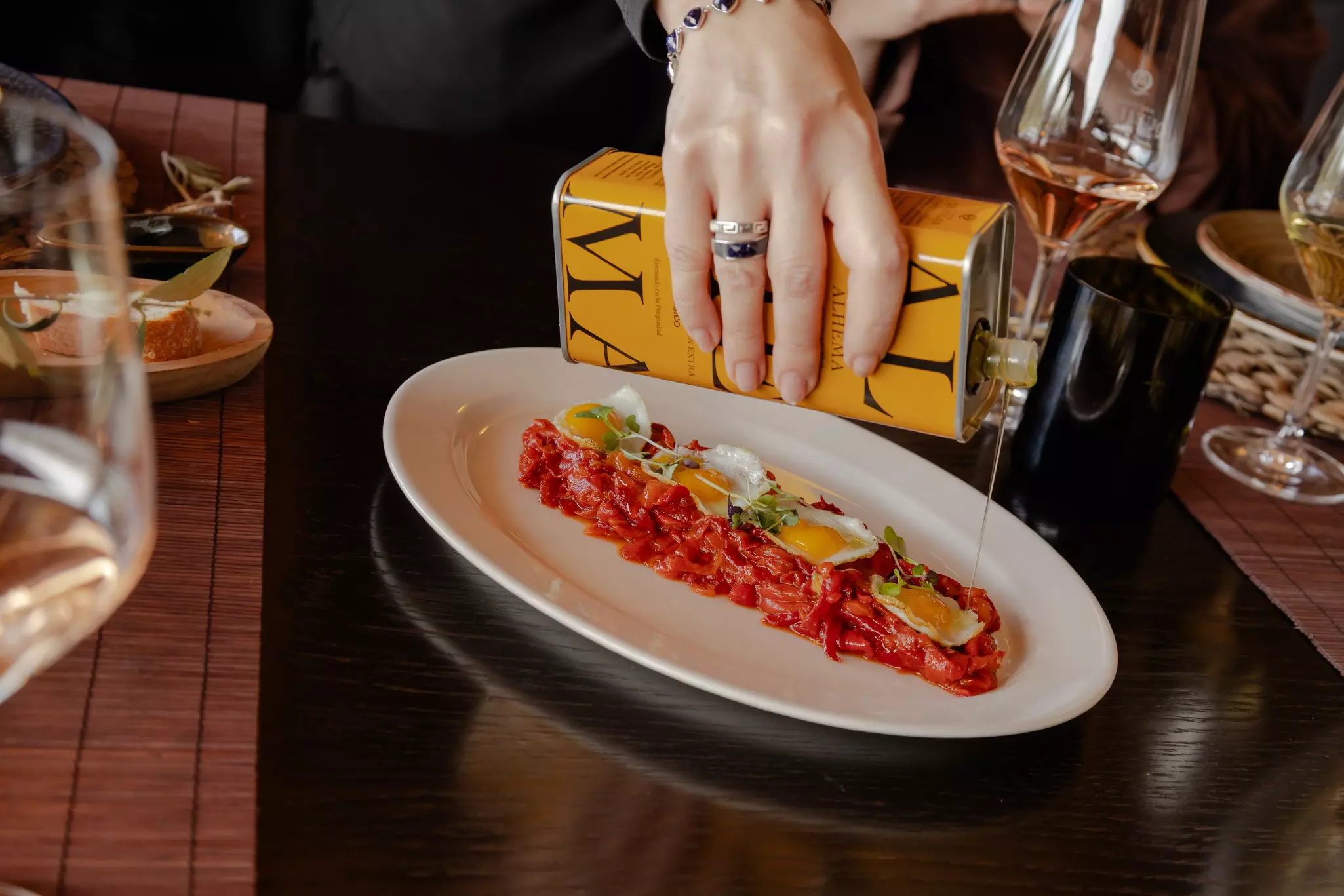
Usually, you settle up when you’re ready to leave, but occasionally, you may be asked to pay when you order. Prices for a pintxo or tapa – where it doesn't come free with your drink – range from €2 to €6, though seafood can be more expensive.
That was delicious, right? Well, there are plenty more tapas spots to try, so don't feel obliged to linger. The unwritten rule of going for tapas is to move from bar to bar, enjoying one or two tapas before moving on to the next venue.
For years, a glass of wine was the norm, be it red, white or a sherry, but a caña, or draft beer, is an increasingly popular choice. Alternatively, ordering vermut (vermouth), especially on your first stop or two, is a tapas rite of passage. It's usually served neat over ice, with an olive and orange slice.
Book your Spain trip with Lonely Planet Journeys
See Spain how it's meant to be seen
Planned by local experts and tailored to you, Lonely Planet Journeys handles the logistics so you can just enjoy the trip. Tell us what you want and we'll build your Spain itinerary from scratch, or browse our bookable trips to get inspired.


Explore related stories