Jul 14, 20265 min read
The Ultimate Week in LaosJul 14, 2026
5 MIN READ
Writer
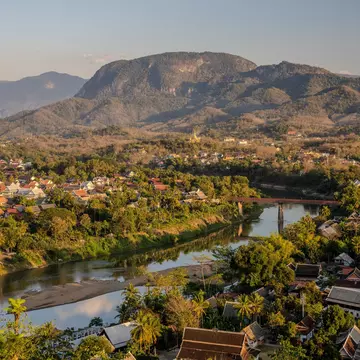
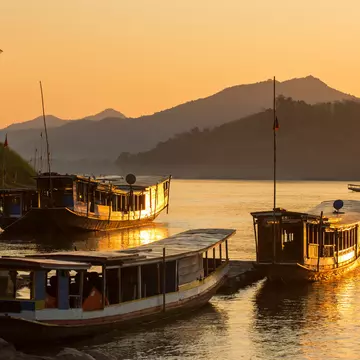
The Mekong River in Luang Prabang. Mazur Travel/Shutterstock

Writer
Highlights
Writer Kylie McLaughlin maps a seven-day Laos route from Vientiane to Luang Prabang.
Vientiane's Pha That Luang and Wat Si Saket reward two days, ending with Mekong sunsets.
In Vang Vieng, tube the Nam Song River and zip-line over jungle with Green Discovery.
Head to Luang Prabang for wats, Tat Kuang Si waterfall and sunset from hilltop Phu Si.
Lonely Planet may earn a commission from affiliate links on our site. All recommendations and reviews reflect our own independent opinions.
Puttering down jungle rivers, scaling mist-laced mountain roads, zip-lining across treetops and sitting roadside with a steaming bowl of noodles: you can do it all during a week in lovely Laos, an under-visited gem of Southeast Asia. What’s more? No matter how much you pack into your itinerary, you’ll always feel that special sense of calm the country brings.
In 7 days, you can take in the country’s relaxed capital of Vientiane, outdoor-activities haven Vang Vieng and stunning UNESCO World Heritage city Luang Prabang – all within easy reach of one another by high-speed train.
Here’s how to spend the ultimate week in Laos.
When to arrive: Laos promises a tropical climate throughout the year, with average daytime temperatures ranging between 25–35°C (77–95°F). During the “winter” months of November to February, Laos cools down a smidge; thanks to a lack of rain clouds, the nights can get comfortably chilly. Any local would say this is the best time to visit.
Getting around: In 2021, a high-speed railway entered service, cutting through Laos en route to Kunming, China. The train connects Vientiane to Luang Prabang (via Vang Vieng) in just 1 hour 45 minutes, starting at US$17 per person. (Book tickets using the official app, for iOS and Android.) Phonsavan is about 5 hours by bus from Vang Vieng.
Where to stay: Generally, accommodation is cheap and of a lower standard compared to Vietnam or Thailand, though quality tends to increase in tandem with price. Most rooms in cities and at resorts will have a private bathroom with some form of hot water. In rural locations, homestays or farmstays, you should expect the bare minimum. (It’s part of the experience, after all.)
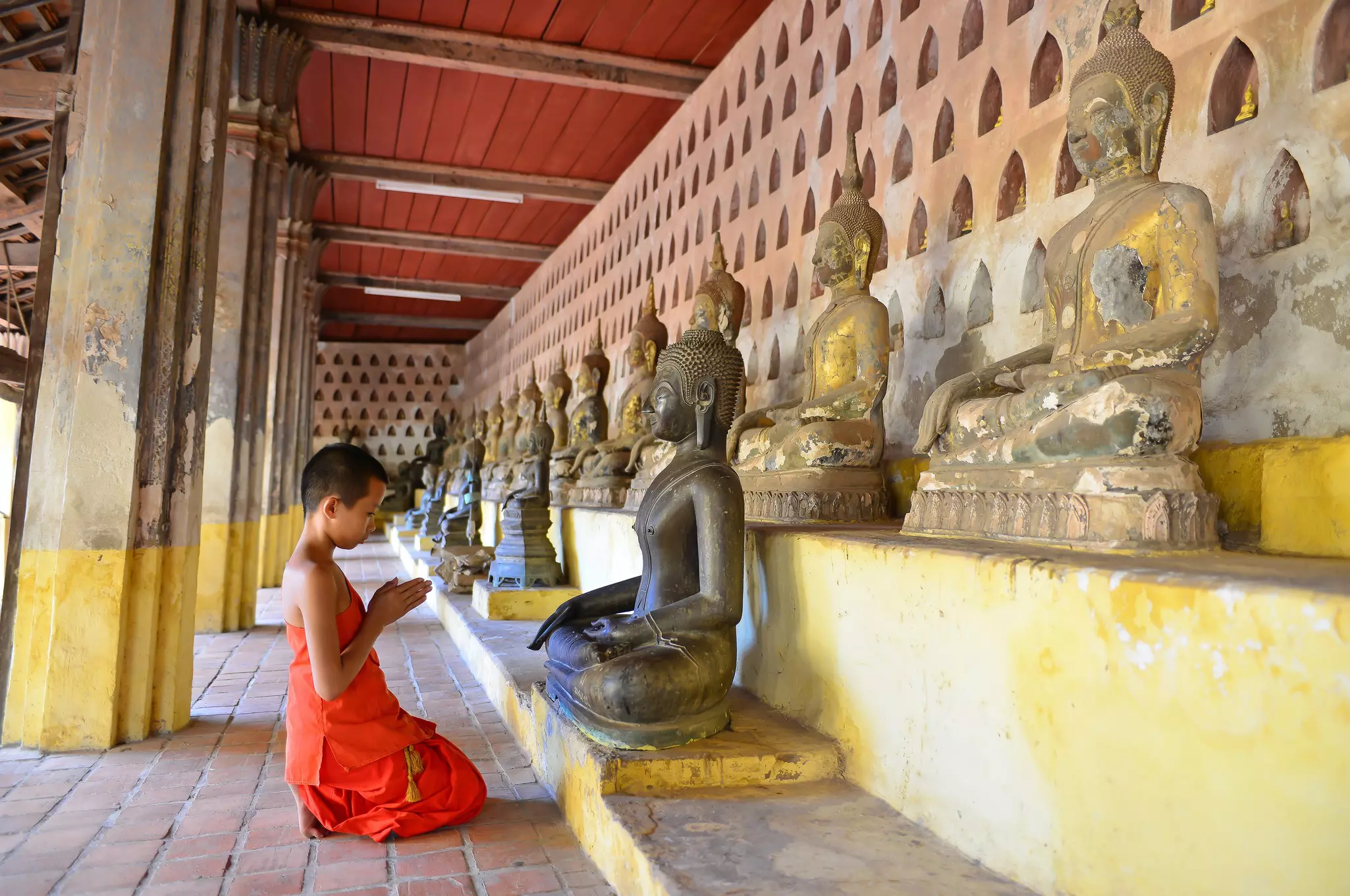
In the nation’s friendly capital of Vientiane, you can visit Laos’ most important national monument, Pha That Luang (Golden Stupa) and take in the surrounding temples. As the temperature rises, head closer into town to scope out the beautiful temples of the inner city, such as Wat Si Saket, with some cafe stops in between. At sunset, join the rest of Vientiane’s city folk for a stroll along the Mekong River. Come evening, the old quarter beckons, with its range of tasteful restaurants at affordable prices.
On day two, you can get close to the less-touristed parts of Vientiane with Tuk Tuk Safari, a brilliant tour outfit with a community spirit that takes you by tuk-tuk through Vientiane’s neighborhoods. In the company of a friendly local, you’ll witness a silversmith at work, go behind the scenes at a restaurant that helps street kids, and see the inspiring COPE center, which supports victims of unexploded ordnance.
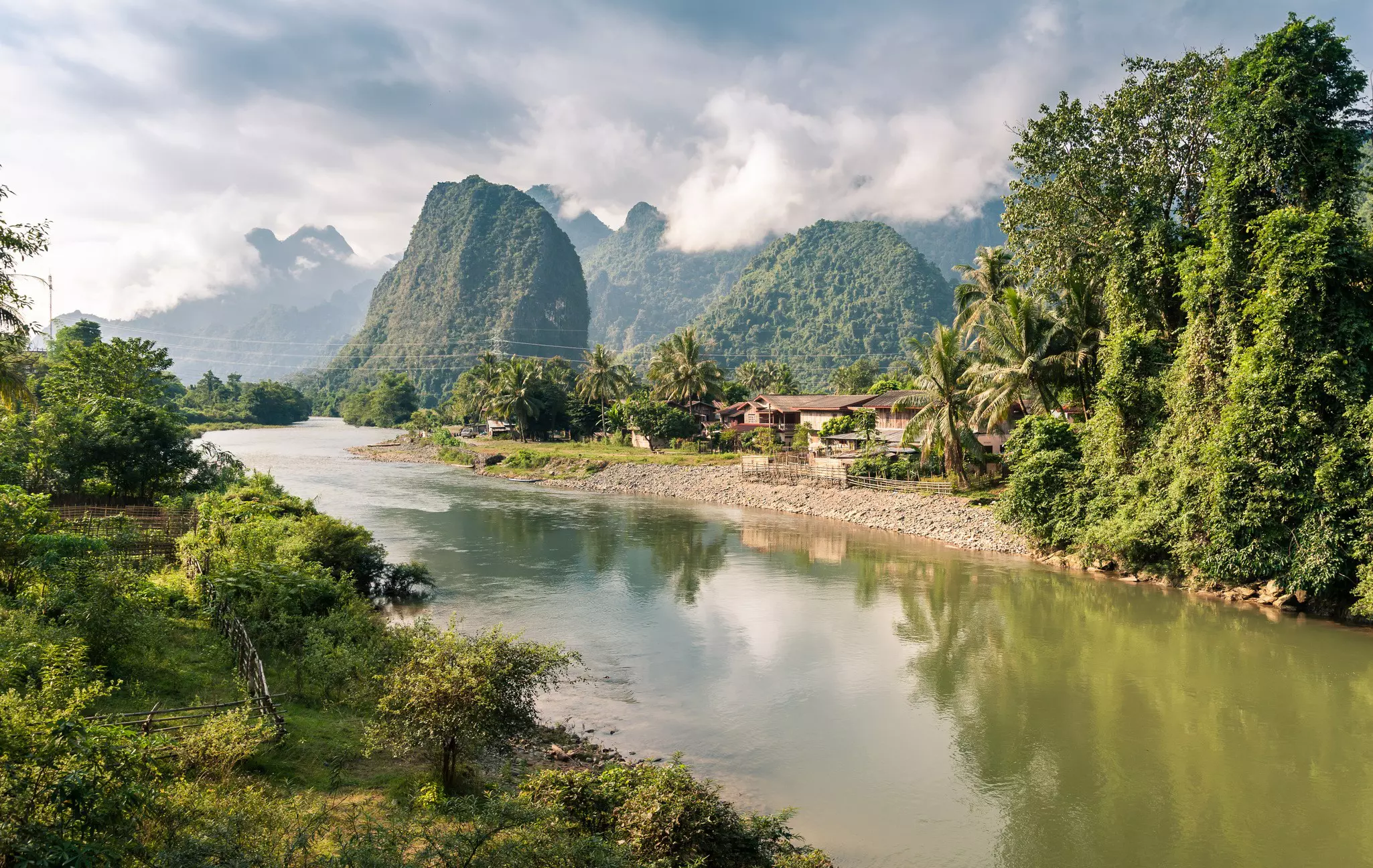
Perched on the pretty Nam Song (Song River) and backed by soaring jagged karsts, the former party town of Vang Vieng is one of the most stunning places in Laos. It’s popular for kayaking, caving and climbing – and, of course, relaxing.
Enjoy the peaceful Nam Song on an inflated inner tube, long a rite of passage for foreign visitors to Laos. Expect a blissful couple of hours floating downriver past jungle, cliffs and rice fields. Head out early to save the second half of the day for another activity; if you’re here in October just after the rainy season, be aware the river flows fast – so stay alert. Come afternoon, try zip-lining, which will whisk through the canopy over river, valley and jungle. A host of companies organize; Green Discovery is a good choice.
An hour onward by train is delightful Luang Prabang, a highlight of any visit to Laos. When you arrive, head straight to the peninsula to see some of its 33 wats (temples), wander the riverside, stop at cafes and marvel as the sun sets over the mellow Mekong. In the evening, enjoy a stroll through the Night Market, where such Laos-made handicrafts as quilt covers and silk can be picked up for a steal.
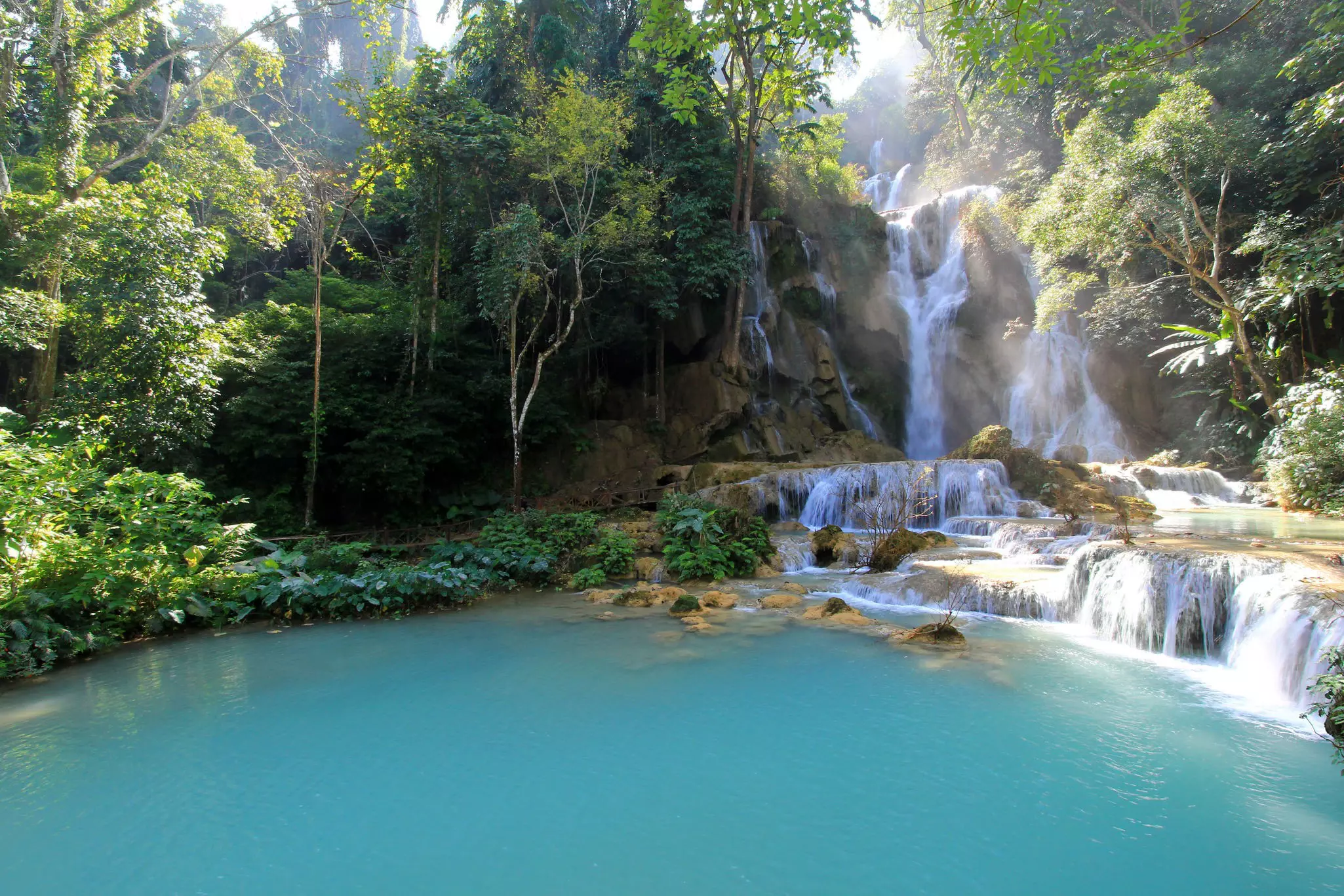
The next morning, take a dawn yoga class with Luang Prabang Yoga before breakfast at Le Banneton, which has the best croissants in the city. Then, head off by tuk-tuk to Tat Kuang Si, Laos’ most spectacular waterfall, where you can take a dip in the cool menthol-green pools at the base of the cascade. On your way in, don't miss the Kuang Si Bear Rescue Center, a sanctuary for Asiatic black bears that have been rescued from the illegal pet trade. In the evening, head to the river and watch the sun go down with a Beerlao in hand.
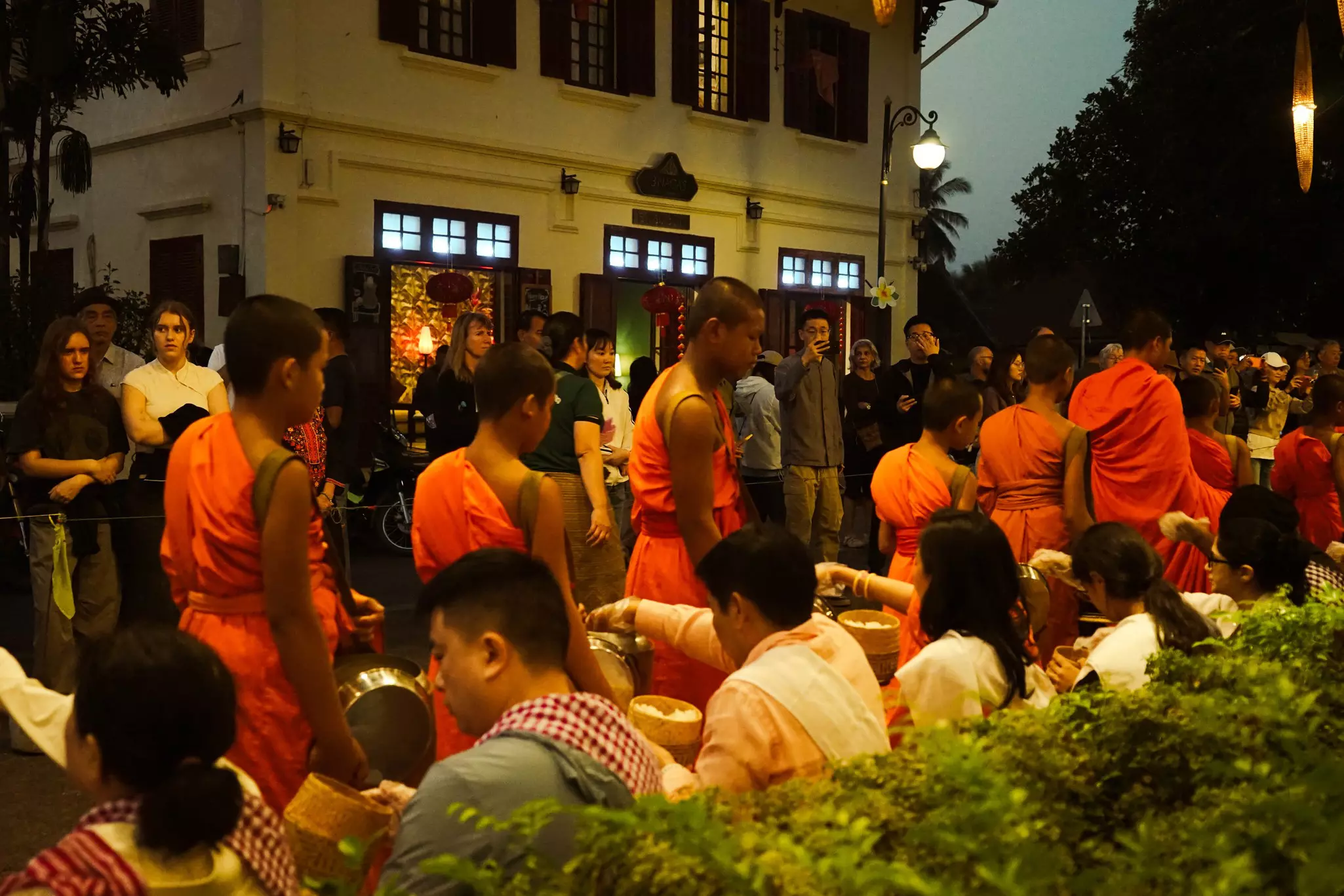
On the last day of the trip, get up at dawn for the monk’s procession (tak bat), keeping a respectful distance between you and the monks. Next, take your time to explore the many exquisite and famed temples of the city; when you’re templed out, hop on a ferry and cross the Mekong to visit the village of Ban Xieng Maen. Just be sure to make it back in time to catch the sun setting over Luang Prabang from hilltop Phu Si.
In the evening, take yourself off to the intimate Garavek theater for a traditional hour of storytelling and Lao mythology accompanied by music, before finishing the night with a cocktail at bohemian Icon Klub.
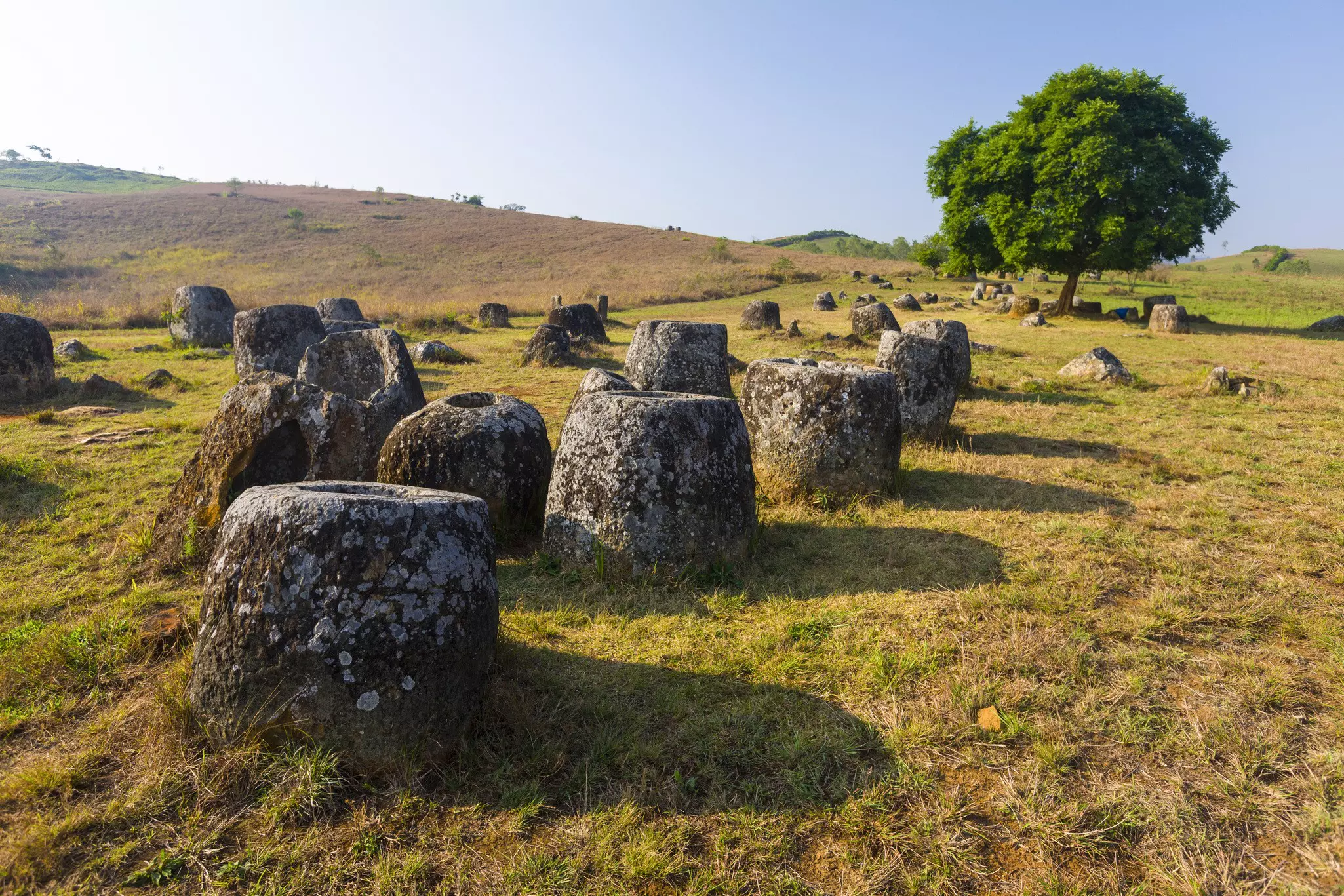
If you’re a war-and-history buff and with more time on your itinerary, add on a visit to Phonsavan (from Vang Vieng) and wonder at the mysterious ancient burial ground known as the Plain of Jars. On arriving in Phonsavan, make for the UXO Information Center to learn about Laos’ continuing struggle with unexploded bombs from the Vietnam War. Organize a tour for the next day taking in all three main Plain of Jars sites (the final two have more picturesque settings; the first is the largest).
Note that the area still has unexploded bombs, so take care when walking to stay within designated areas – only the three main Plain of Jars sites are considered reasonably free of UXOs.
Explore related stories