
Advertisement
Arizona
USA

Man trekking through Oak Creek Canyon on the West Fork trail in Arizona, between Flagstaff and Sedona surrounded by beautiful red rock and lush green forest
Overview
Arizona's ancient beauty reminds you that human affairs are short-lived. Navigate the state's many showstoppers by car and you'll never forget the long, romantic miles under endless skies.
Lonely planet’s trusted travel insurance provider
Dreaming of Arizona? Protect your trip
Travel with confidence. Protect your trip and your wallet.
We don’t represent World Nomads, we receive a fee from quotes using this link. This is not a recommendation to buy travel insurance.
Take your United States (USA) trip with Lonely Planet Journeys
Pick one of our ready-to-book trips or fully customize your own with help from our local experts.
bookable trip
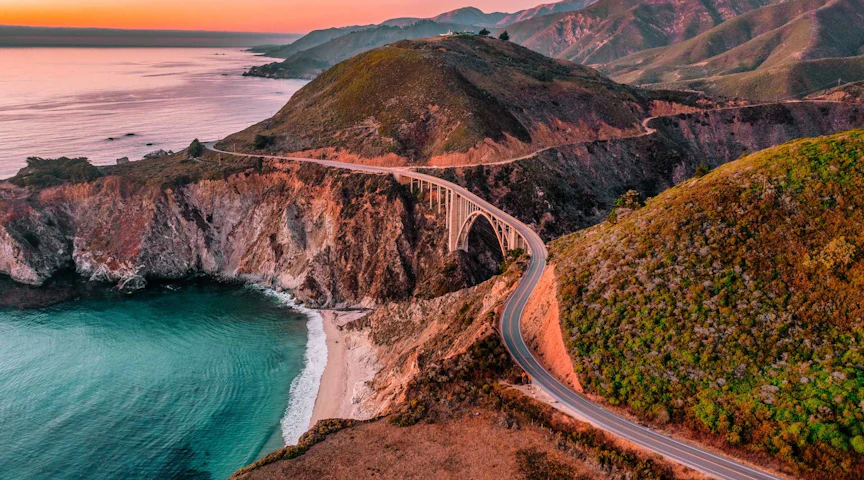
From Bayside to Coastside: California's San Francisco Peninsula in 10 Days
10 days / 9 nights
highlights
- 1Scouring for offshore whales at one of the world’s tallest lighthouses
- 2Hiking Monterey Bay’s sprawling coastal trails for dramatic waterfront views
- 3Touring an organic farm with a local farmer specializing in sustainable, small-scale agriculture
from $4,940
per person

Explore more trips
Explore more trips
 The USA
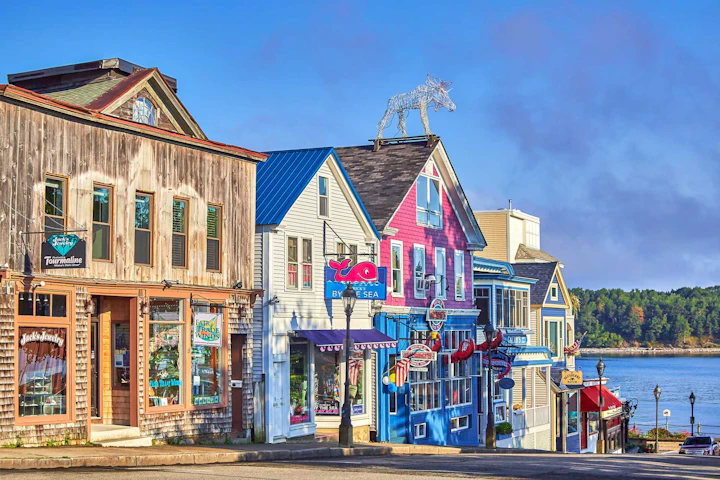
10 days / 9 nights
Maine's Marvelous Coastline: 10 Days in Acadia, Bath, Bethel, and Camden
See Trip DetailsFROM $3,795
per person
The USA
10 days / 9 nights
Maine's Marvelous Coastline: 10 Days in Acadia, Bath, Bethel, and Camden
FROM $3,795
per person
Must-see attractions
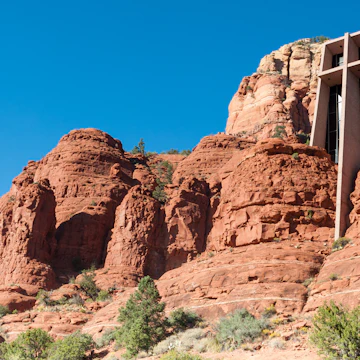 Attraction in SedonaChapel of the Holy Cross
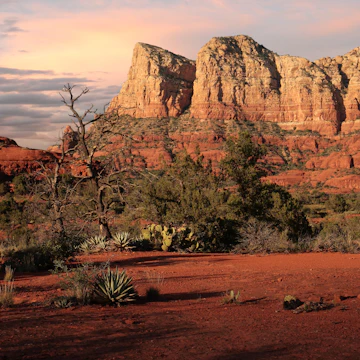 Attraction in SedonaRed Rock State Park
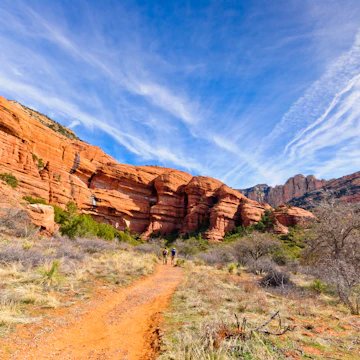 Attraction in SedonaPalatki Heritage Site
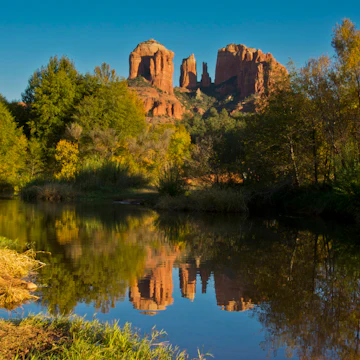 Attraction in SedonaRed Rock Crossing
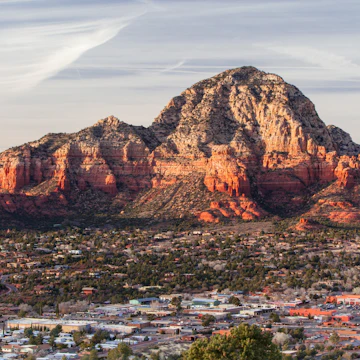 Attraction in SedonaAirport Mesa
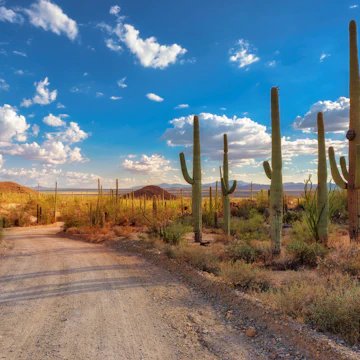 Attraction in TucsonSaguaro National Park
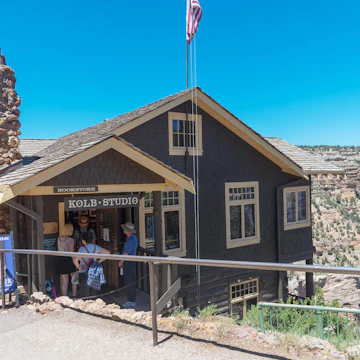 Attraction in Grand Canyon National Park South RimKolb Studio
 Attraction in Grand Canyon National Park South RimDesert View Watchtower
Advertisement
Planning Tools
Expert guidance to help you plan your trip
Best Things to Do
Here are the essential trails, rafting spots, attractions and more no visitor to Grand Central National Park should miss.
Read full article
Best Places to Visit
Arizona’s desert landscapes draw visitors from all over the world. Yet the Grand Canyon State offers far more than just stunning nature.
Read full article
Best Time to Visit
Find the ideal time to visit Arizona in this seasonal guide to what's happening throughout the year.
Read full article
Transportation
Cars rule the road in the Grand Canyon State, but there are alternatives – here are the best ways to get around.
Read full article
Free Things to Do
Deciding what to see in Arizona can take some planning if you're traveling on a budget. Here are the top free things to do in the Grand Canyon State.
Read full article
Best Road Trips
From major national parks and historic roads to incredible culture and charming small towns, these are the 7 best road trips in Arizona.
Read full article
Advertisement
in partnership with getyourguide
Book popular activities in Arizona
Arizona and beyond
 destinationGrand Canyon National Park
 destinationGreater Phoenix
 destinationPhoenix
 destinationGrand Canyon Region
 destinationGrand Canyon National Park South Rim
 destinationFlagstaff
 destinationTucson
 destinationSedona
Advertisement