Apr 14, 20268 min read
8 of the Best Places to Visit in SlovakiaJul 16, 2024
7 MIN READ

Writer
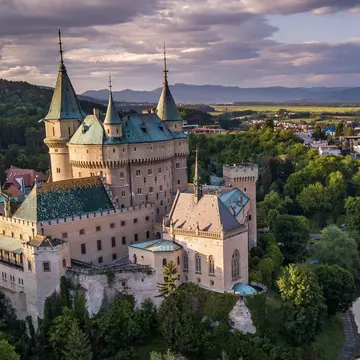
Fairy-tale castles (like the one at Bojnice) dot Slovakia’s countryside. Shutterstock

Writer
Highlights
Writer Petra Loho rounds up nine Slovak adventures, from Bratislava to the High Tatras.
Hike Slovenský Raj's gorge trails or glide through Domica Cave's underground river by boat.
In Bratislava, try bryndzové halušky; castle-hoppers should head to Bojnice or Orava Castle.
Hike to the High Tatras' glacial Štrbské Pleso lake, then unwind in Piešťany's thermal springs.
Lonely Planet may earn a commission from affiliate links on our site. All recommendations and reviews reflect our own independent opinions.
An independent country only since 1993, Slovakia nonetheless is steeped in history, evident in its ancient towns, medieval castles and deep-rooted traditions.
With just over 5 million citizens, the diminutive nation bursts with lesser-known treasures that promise to surprise and delight even the most seasoned travelers. From subterranean wonders to majestic mountains, fairy-tale castles to inspiring national parks, Slovakia offers a wealth of adventures and unique cultural experiences.
Here’s our list of the best things to do in this Central European gem.
Slovakia is one of the best countries to visit next year. See our full list of Best in Travel 2025 winners.
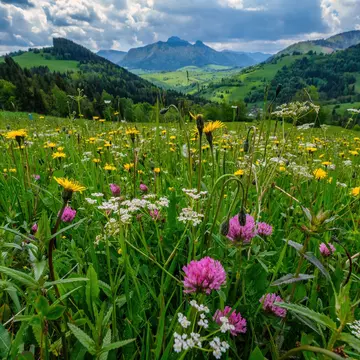
Its name translating to “Slovak Paradise National Park, ” this reserve is a haven for nature enthusiasts. Its network of hiking trails meanders through dense fir forests, filling the air with a sweet fragrance and a touch of woodiness that reminds you of your Christmas tree. The trails weave through deep gorges and past cascading waterfalls, often requiring you to navigate ladders and chains, adding an element of adventure to your trek.
Detour: While exploring the park, don’t miss the nearby Dobšinská Ice Cave, one of the largest such caverns in Europe, where glistening ice formations and ethereal blue hues create a surreal underground world. Open from mid-May to mid-September, this cave offers a cool retreat from the summer heat.
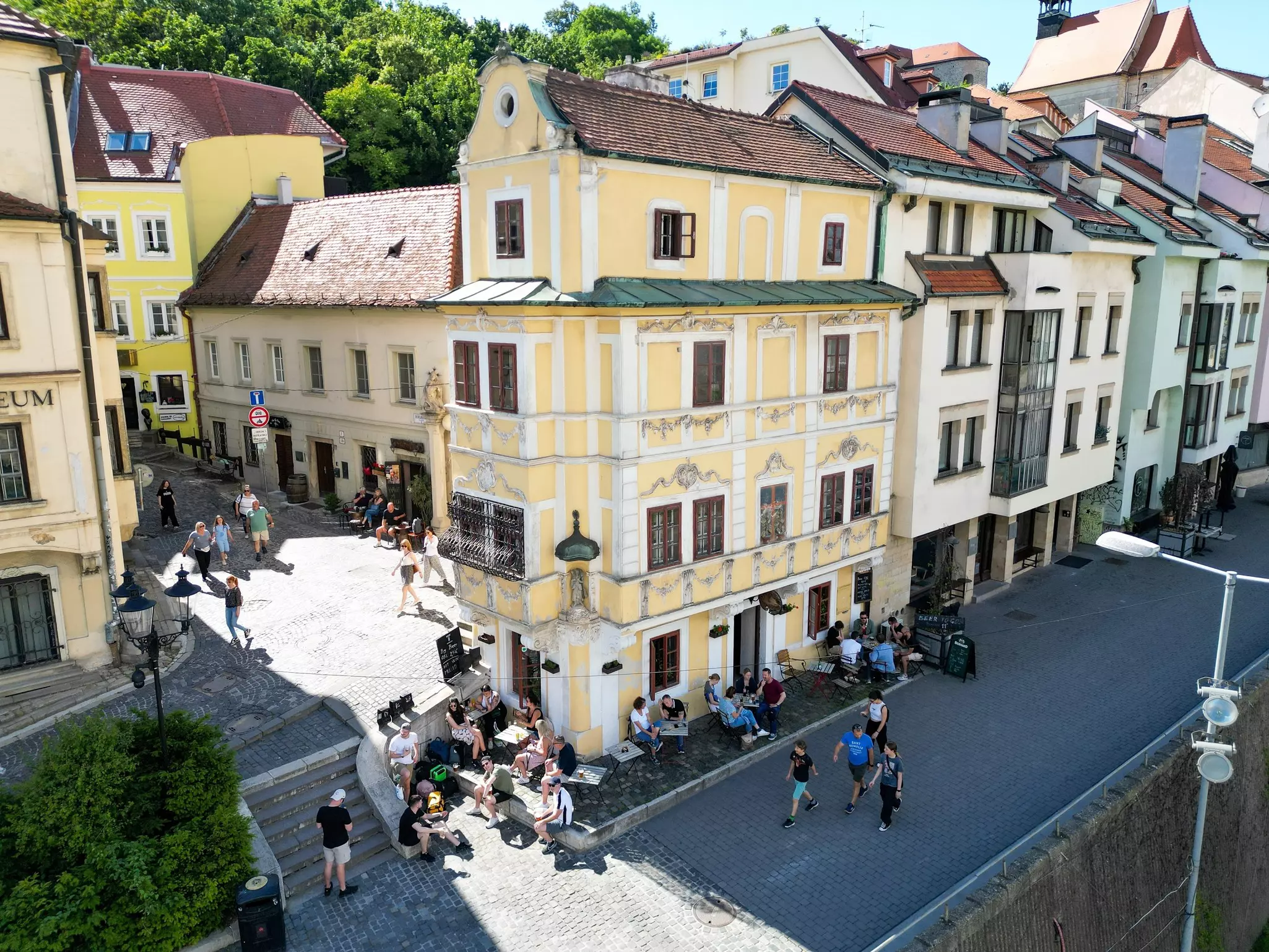
Adjoining both Austria and Hungary, Bratislava is the only capital in the world that borders two other sovereign states. Yet the variety of structures within its city limits make this city unique.
In the Old Town (Staré Mesto), cobblestone streets lead to architectural delights like the Gothic St Martin’s Cathedral, the art nouveau Blue Church and the neoclassical Primate’s Palace. While exploring the historical landmarks of the Main Square (Hlavné Námestie), enjoy stunning views of the city from the Old Town Hall tower (Stará Radnica). After all the sightseeing, seek out a traditional restaurant to tuck into traditional Slovak dishes like bryndzové halušky (potato dumplings with sheep cheese) and kapustnica (sauerkraut soup).
Detour: The UFO Observation Deck on the SNP Bridge boasts the best panoramic views of the old town, Bratislava Castle and the Danube. You can savor fine dining in its restaurant while waiting for the sunset; the adventurous will love the thrilling 85m(180ft)-high skywalk.
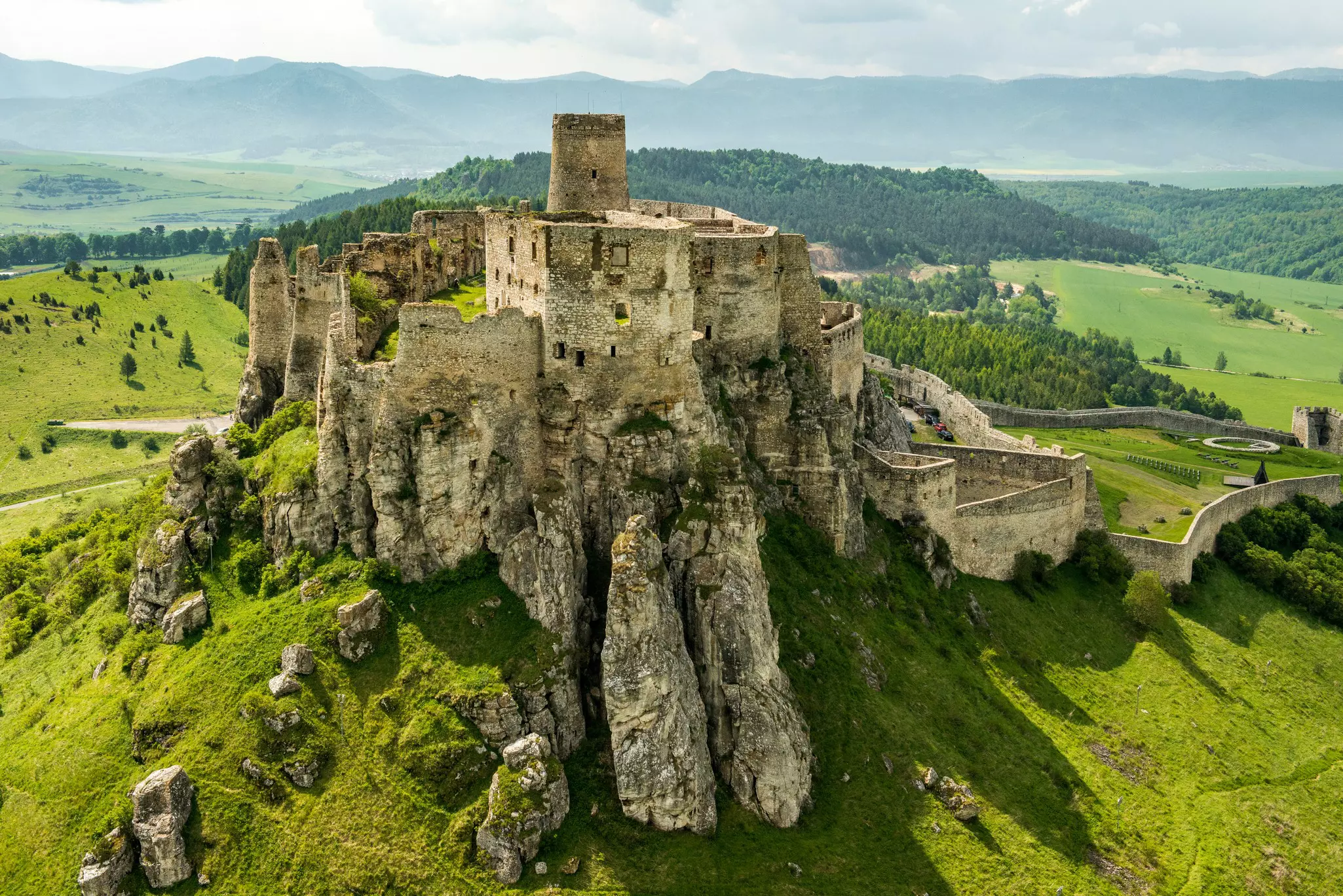
Slovakia beckons medieval and Renaissance architecture enthusiasts with its wealth of castles, chateaux and manor houses. Dating back to the 12th century, Spiš Castle in the east is one of Central Europe’s largest and most impressive complexes.
With its fairy-tale ambience, Bojnice Castle is especially enchanting when covered in snow in winter. Lush gardens surround this romantic, neo-Gothic pile; it even boasts a zoo, making it a perfect family destination.
Another must-see is Orava Castle, built on the site of an older wooden fort after the Tartar invasion in 1241. Perched on a high rock above the Orava River, it offers remarkable views across rolling hills, forests, charming villages and distant mountains.
Planning tip: The castles come to life during many annual events and festivals, such as the International Festival of Ghosts and Spirits at Bojnice, held during April and May.
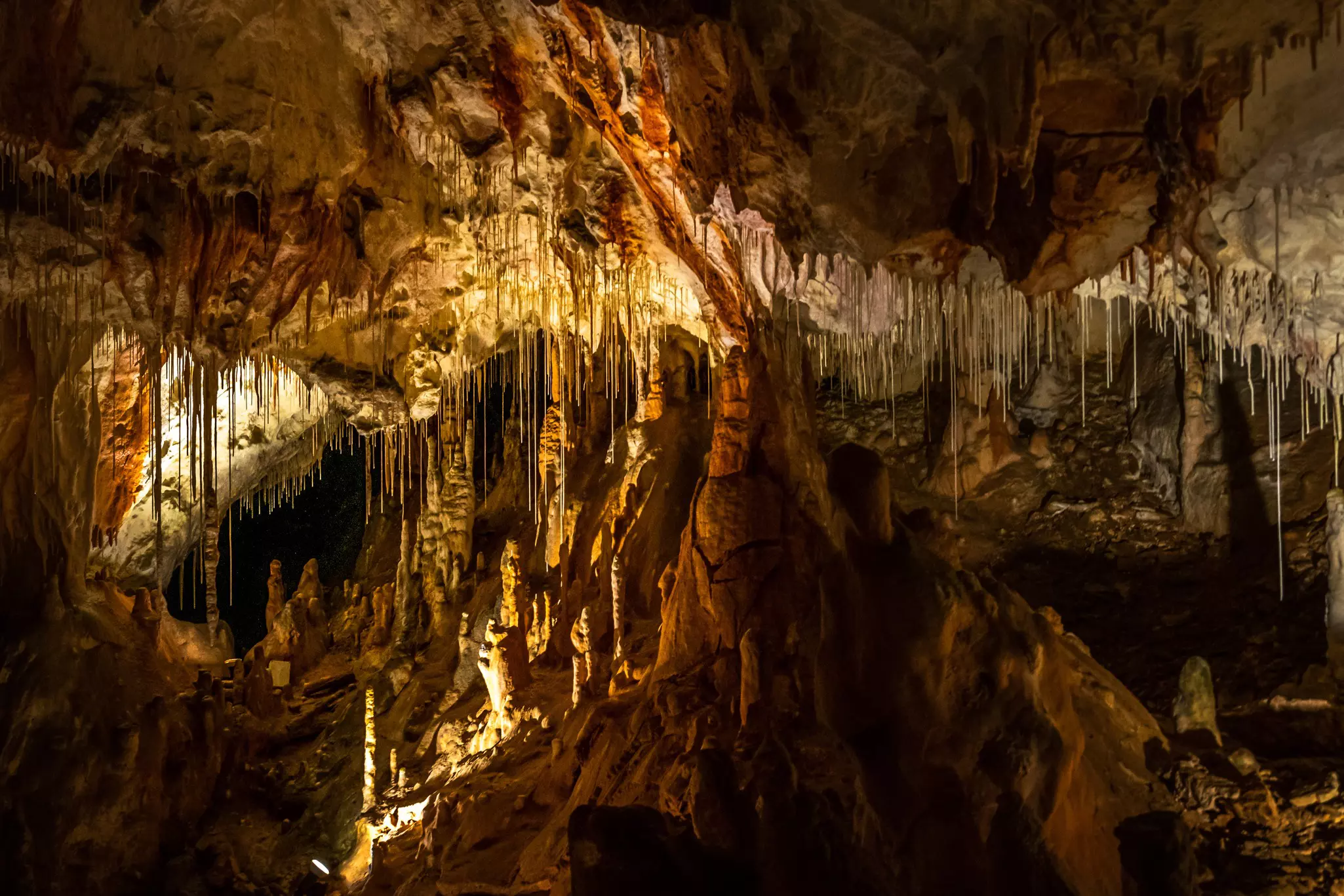
Slovakia is a delight on the surface – but more gems are hidden underground. There are in fact over 7000 caves within Slovakia, and 45 of them are currently freely open to the public, most of them in Slovak Karst National Park.
Domica Cave, part of a 15km(15.5-mile)-long cave system that ends in Hungary, is famous for its stunning stalactite formations and underground river, which you can explore by boat. Ochtinská Aragonite Cave is one of only three caves featuring rare and almost sculptural Aragonite formations, offering a surreal underground experience.
Harmanecká Jaskyňa cave boasts bulky domes, chimneys and abysses shining in rare white soft sinter (also called “rockmilk”). So far, explorers have discovered 2763m (9065ft) of cave corridors here; the sightseeing route is just over 1km (.6 miles) long and takes about 60 minutes.
Planning tip: Wear comfortable shoes and a jacket, as the caves maintain a cool temperature year-round.
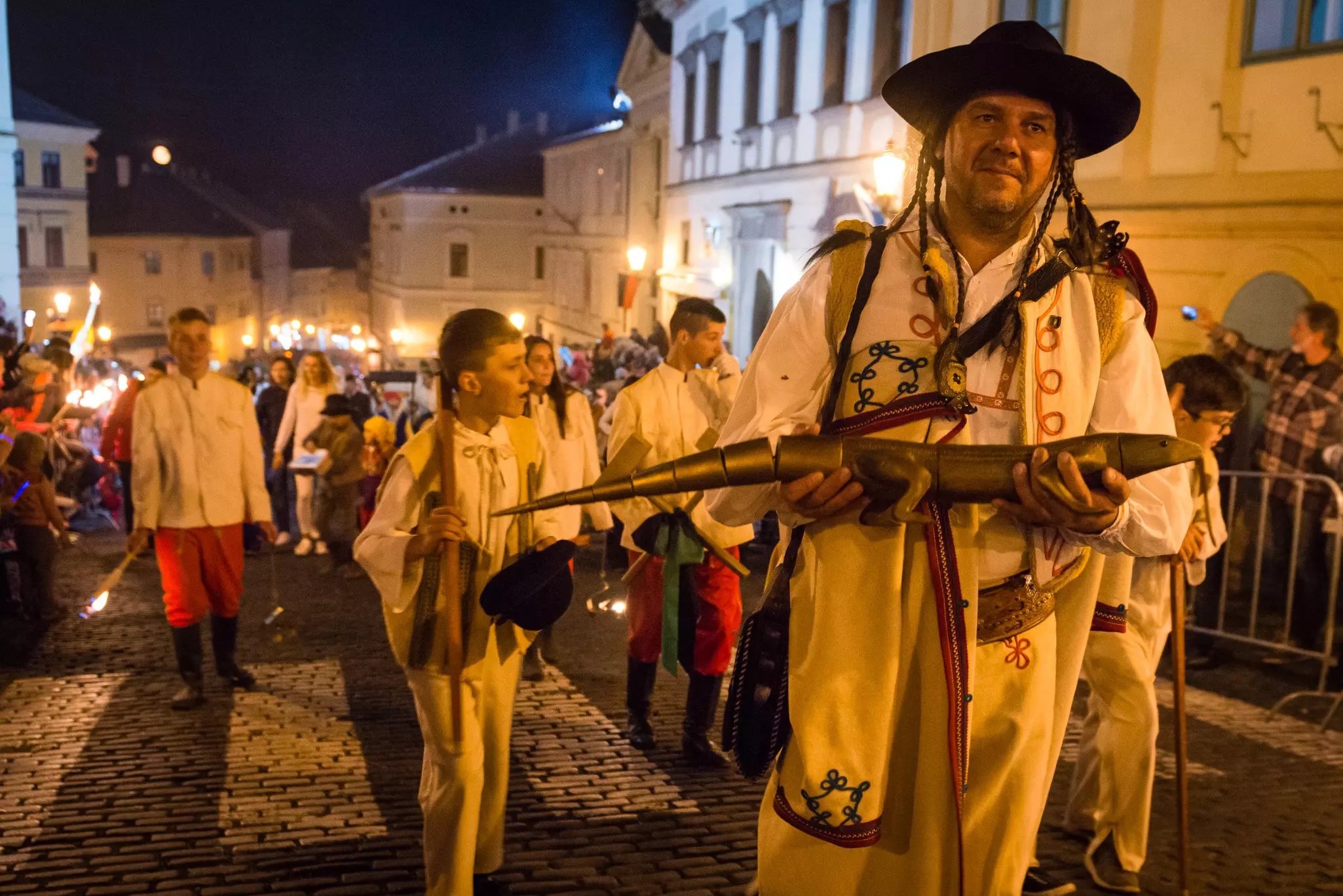
Nestled in the hills of central Slovakia, Banská Štiavnica boasts a rich gold- and silver-mining heritage dating back to the 12th century. Its narrow, winding streets lead to charming squares and hidden courtyards, while historical buildings, including elegant townhouses, churches and public buildings with colorful facades and ornate frescoes, showcase its architectural beauty.
The world’s first technical university, the Mining Academy, opened here in 1762, significantly advancing knowledge related to mining and metallurgy. Don’t miss out on exploring the tajchy, a sophisticated system of artificial water reservoirs built to support mining operations – a stellar example of town’s unique charm and ingenuity.
Detour: Climb Calvary Hill for a rewarding view of the town. Its slopes are dotted with chapels and crosses, creating a serene and spiritual atmosphere.
With its 12 viticultural zones, the Small Carpathians Wine Region is a must-visit for anyone who appreciates fine reds, whites and bubblies. In the heart of the region, the vineyards of Modra produce grapes that go into the spicy Veltlínske Zelené (Grüner Veltliner), the crisp green apple and citrus notes of Rizling Vlašský (Welschriesling) and the earthy, minerality of Frankovka Modrá (Blaufränkisch). Along the region’s wine route, you can enjoy guided tours and tastings that truly showcase the best of Slovakia’s oldest wine region.
If beer is more your style, seek out a few of Slovakia’s acclaimed microbreweries. In particular, don’t miss Erb Brewery in Banská Štiavnica, featured in Lonely Planet’s Global Beer Tour.
Planning tip: During the harvest festivals every September, expect lively celebrations that bring together music, food and wine. The autumn vineyards offer up glorious colors – from golden yellows to fiery oranges, deep reds, persistent greens and earthy browns – all set against the natural landscape.
You’ll also see locals adorned in vibrant folk costumes with intricate patterns. Women don embroidered blouses, wide skirts and colorful headscarves, while men sport embroidered shirts, broad belts and trousers with decorative trim.
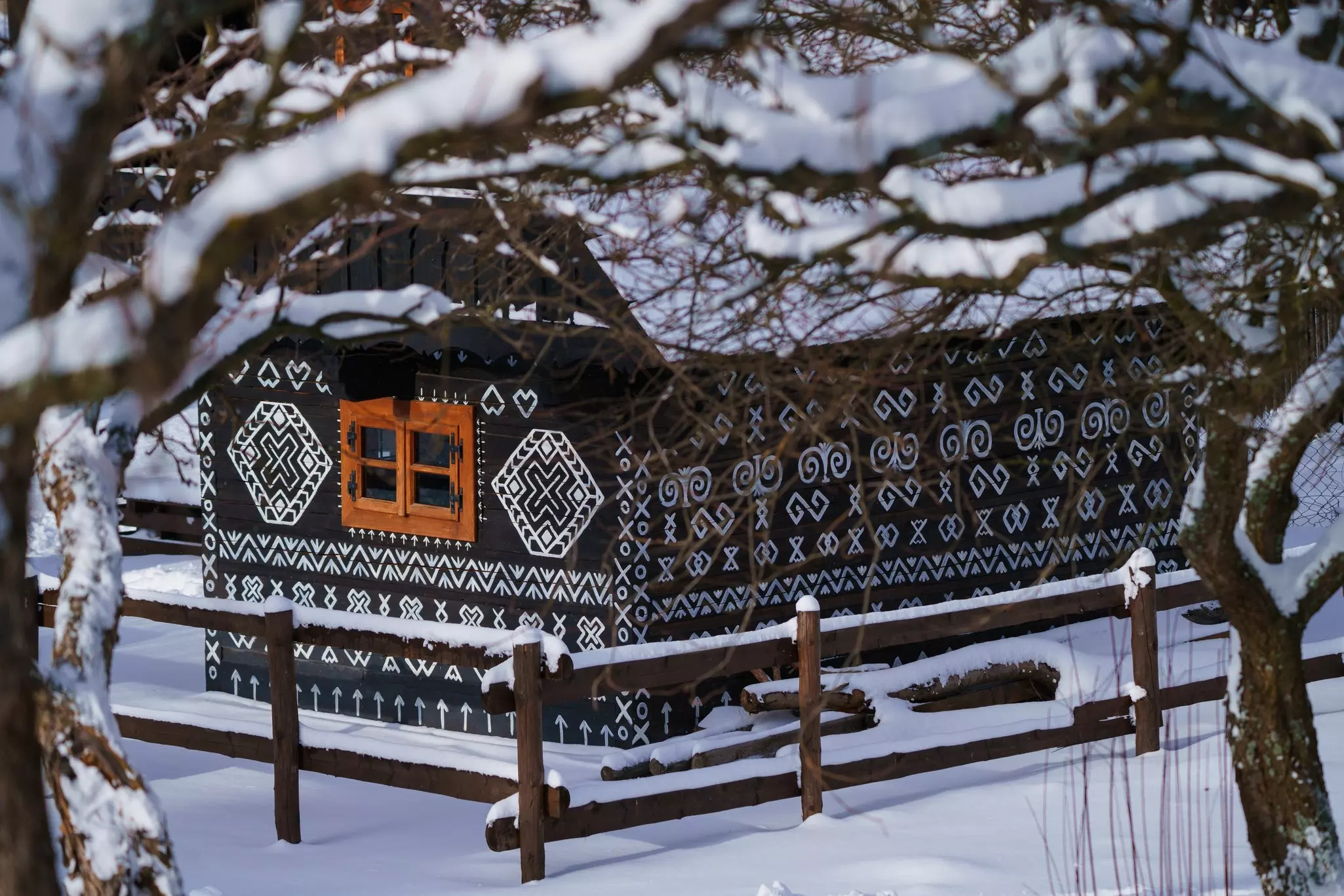
Nestled in the hills of northern Slovakia’s Žilina region, Čičmany is a picturesque village renowned for its unique “Chichman pattern” that can be seen on beautifully preserved wooden houses, some over 200 years old. This intricate design originates from traditional folk art and decorates textiles, clothing and household items as well as house exteriors.
Artisans uphold this practice by crafting various items such as embroidery, garments, pillows and bedspreads, highlighting the pattern’s enduring beauty through generations. Explore the local museum to uncover the history and significance of these decorations.
Planning tip: Visit during Čičmany’s summer folk festivals, which feature traditional music, dance and crafts – then explore the tranquil countryside, ideal for hiking.
For a relaxing retreat, head to Piešťany, a spa town renowned for its therapeutic thermal springs and mud baths. After long days of hiking in the Tatras, you can savor the healing properties of the mineral-rich waters amid beautifully landscaped parks. The spa’s geothermal water soothes muscles and promotes relaxation, while the sulfuric scent mingles with fresh air, enhancing the therapeutic ambience.
Planning tip: To ensure availability, book treatments in advance, especially during peak season.
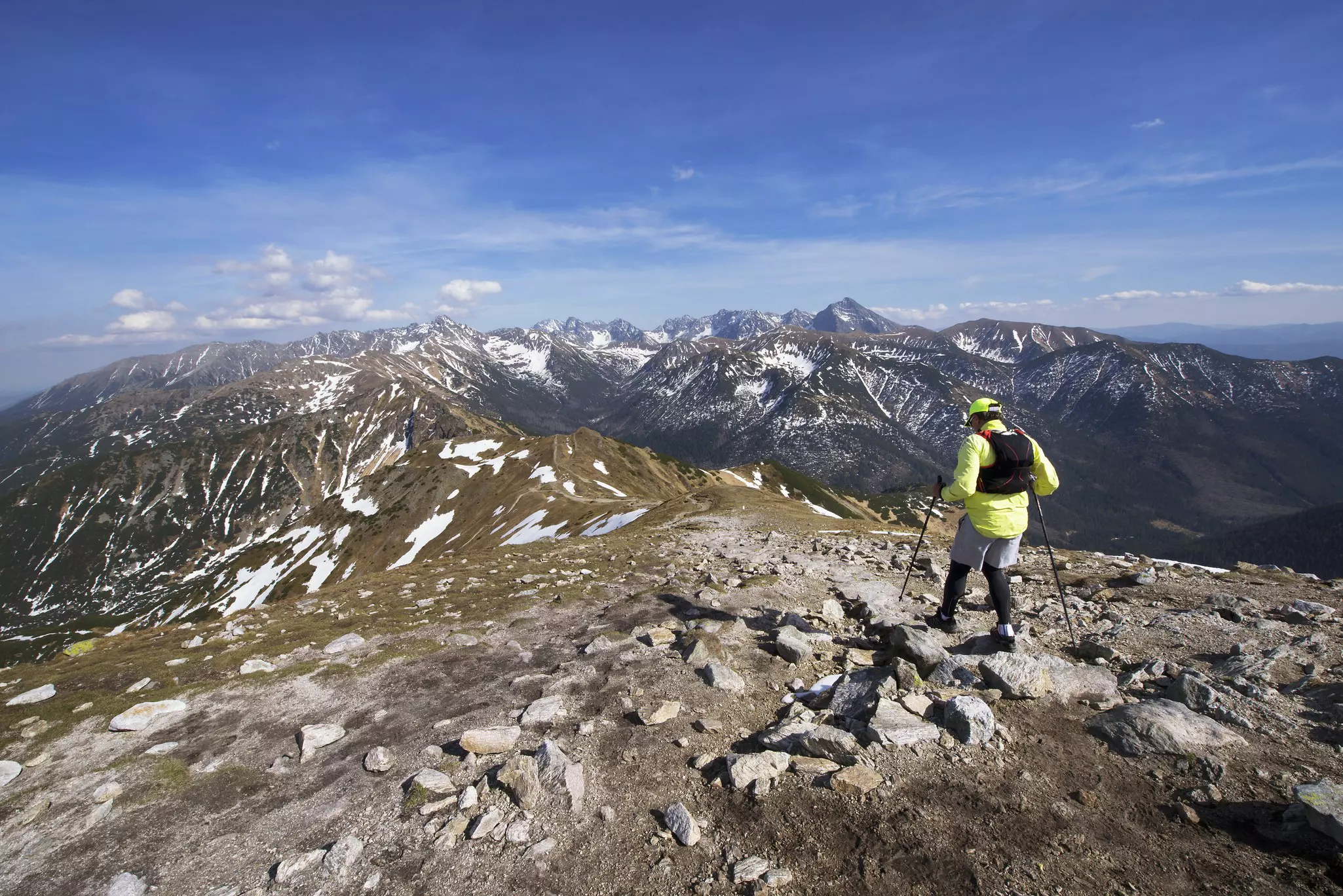
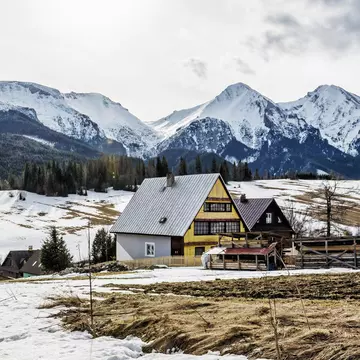
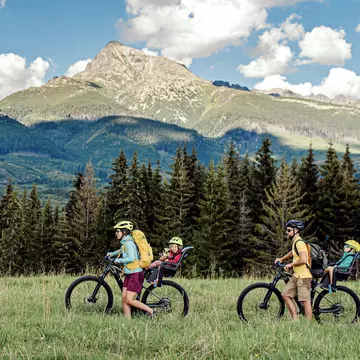
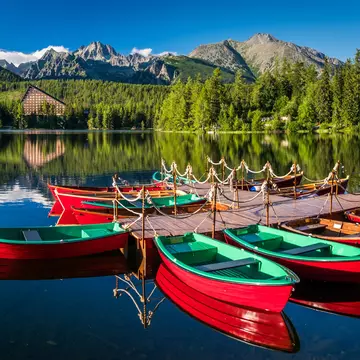
Slovakia’s tallest mountain range, the High Tatras are a paradise for outdoor enthusiasts. Whether you’re into hiking, skiing or simply soaking in magnificent views, these mountains offer year-round activities, mountain scenery, clear alpine lakes and abundant wildlife. The network of hiking trails caters to all levels, from gentle walks to challenging ascents. A must-do hike is to the glacial Štrbské Pleso lake, a serene spot surrounded by dramatic peaks.
Planning tip: For a quieter experience, consider visiting in late spring or early autumn, when the trails are less crowded and the weather is ideal for hiking. You might even spot a foraging bear.
Explore related stories