Mar 19, 20269 min read
8 Things to Do in Siem Reap, CambodiaMar 19, 2026
9 MIN READ

Writer
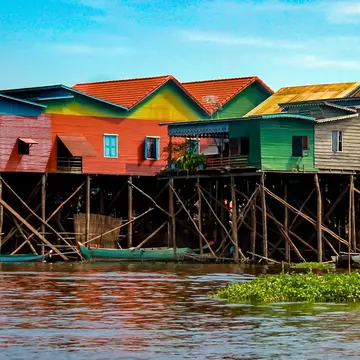
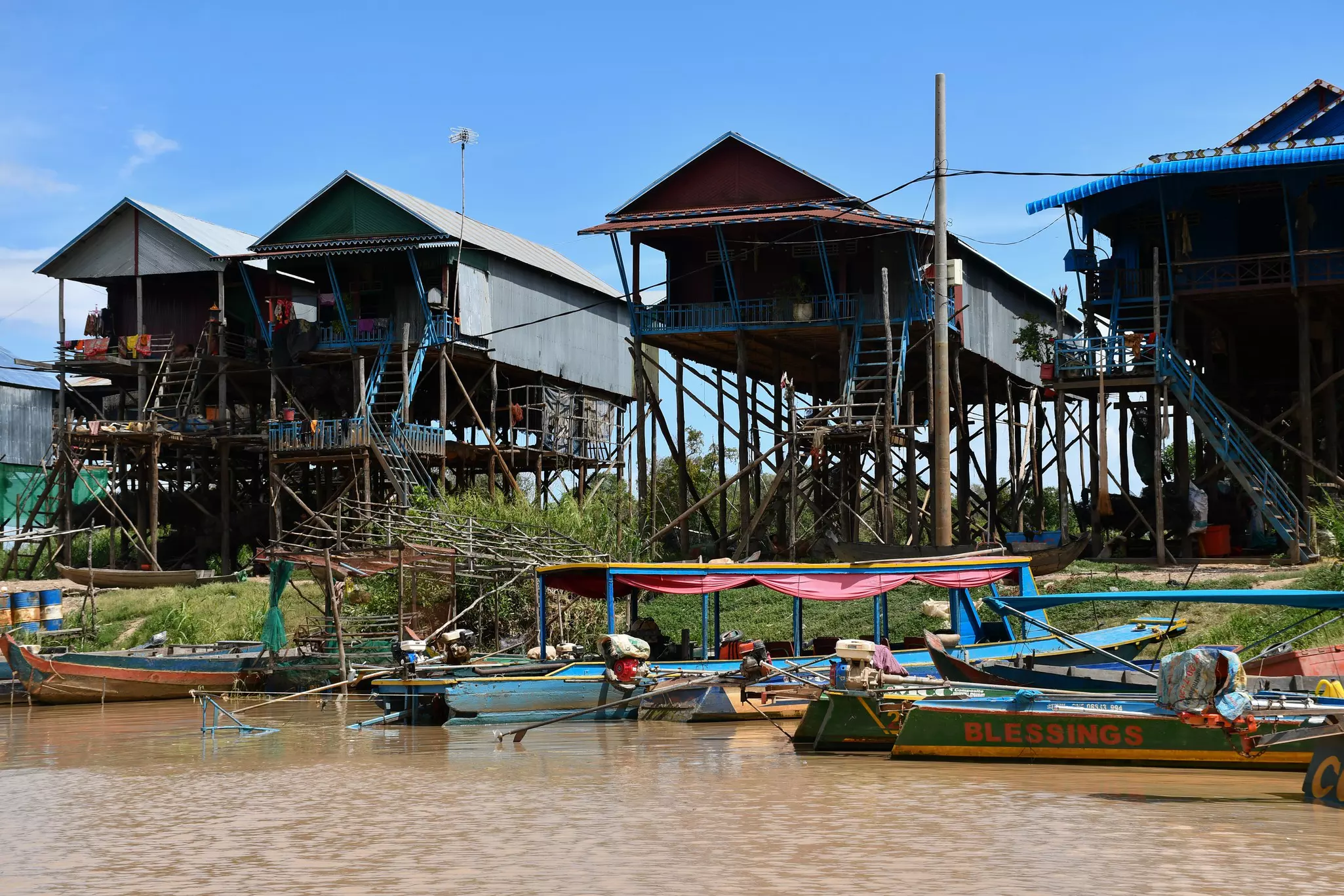
Stilt houses in the village of Kompong Khleang. Kylie Nicholson/Shutterstock

Writer
Lonely Planet may earn a commission from affiliate links on our site. All recommendations and reviews reflect our own independent opinions.
While Siem Reap is well-known as the gateway to seeing the ancient temples in Angkor Archaeological Park, it’s growing in popularity as a destination on its own. From the Angkor National Museum to nightlife on Pub St and the floating villages of Chong Kneas and Kompong Khleang, a visit to Siem Reap perfectly blends history, culture and natural beauty. With a refreshed reputation as Cambodia’s chic center, Siem Reap also offers loads of opportunity for excellent food, lovely spas and hip hotels. Let this list help you map out a Siem Reap itinerary (three to five days should suffice), studded with the best there is to do in this dreamy destination.
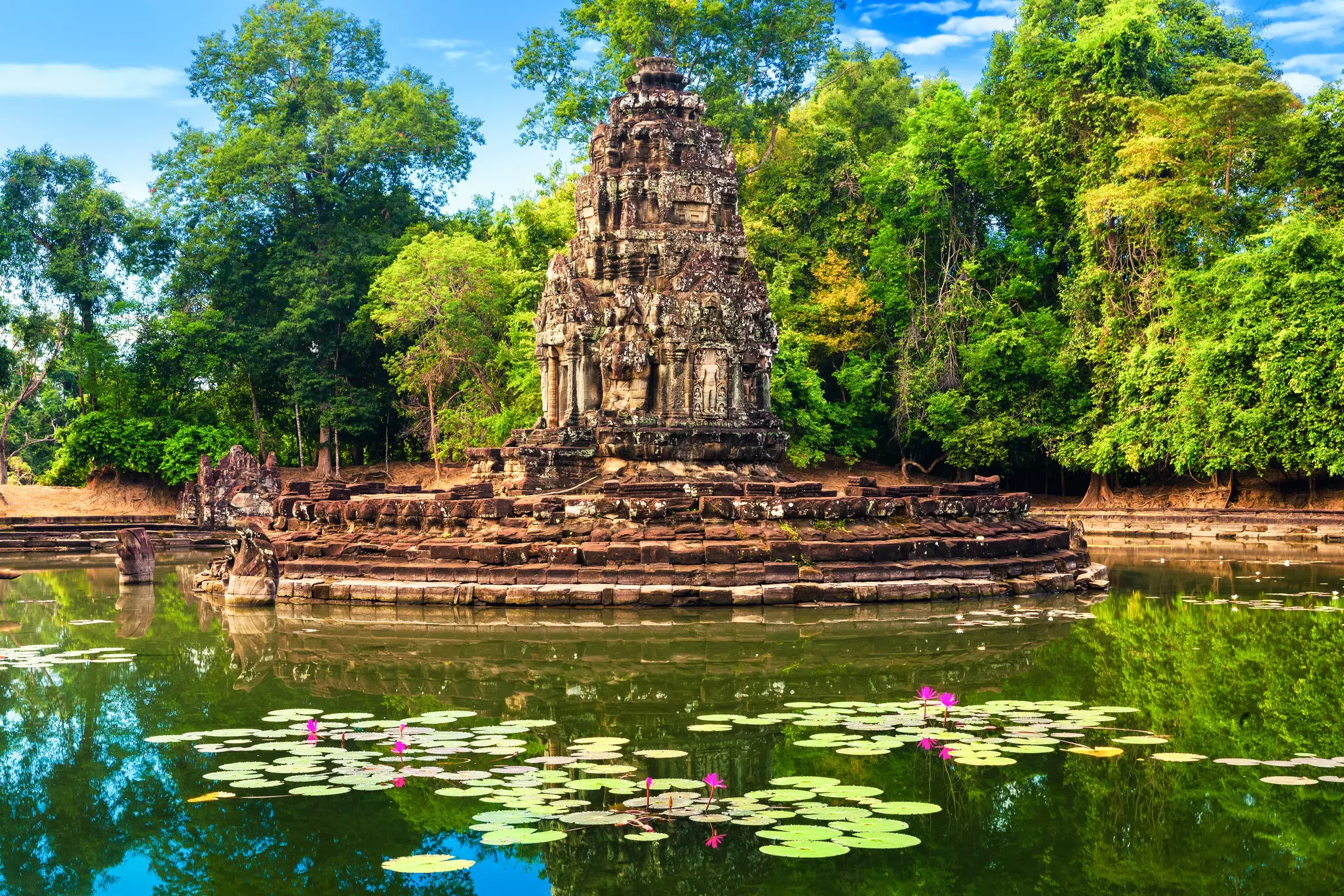
Built over hundreds of years, the incredible complex of temples at Angkor Archaeological Park is located about 7km from downtown Siem Reap. Get there by bicycle, motorbike, tuk-tuk or car, and allow for at least two hours to explore the spectacular Angkor Wat, including 800m worth of bas-reliefs and a 55m towering lotus. You'll need at least a half day to explore the other major temples like Angkor Thom, and more if you want to do the Small Circuit and Grand Circuit, or visit the temples of Roluos and the mountain temple of Phnom Krom.
The Roluos temples are located about 12km southeast of Angkor and are reached and explored by local transport because they're so wide-reaching. Phnom Krom overlooks the Chong Kneas floating village and the Tonlé Sap Lake. It can be reached by motorbike or car, but the summit road is far too winding for a tuk-tuk.
Local tip: If you aim to decipher the bas-reliefs at Angkor Wat, hire a tour guide and climb to the upper level at Bakan. Alternatively, enter via the eastern causeway and avoid the crowds that show up for an early sunrise visit.
One highlight of the road to Angkor is a stop at the Angkor National Museum, a state-of-the-art showpiece on the Khmer civilization and the majesty of Angkor. Pieces in the museum's impressive galleries are organized by era, religion and royalty. The Zen-like Gallery of a Thousand Buddhas is worth a look, while other exhibits include the pre-Angkorian periods of Funan and Chenla; the great Khmer kings; Angkor Wat; Angkor Thom; and deciphering the inscriptions.
Pieces to look for include an early-13th-century seated Buddha sheltered by a naga (mythical serpent-being), a 7th-century standing Vishnu from Sambor Prei Kuk in Kompong Thom and a stunning 10th-century lintel from the beautiful temple of Banteay Srei. For a more comprehensive experience, use an audio tour to wind yourself through the museum rooms. Wheelchairs are available free of charge for visitors with mobility needs. The museum also houses a small shop and café.
Local tip: The museum is air-conditioned, so a midday visit is perfect for sidestepping the sweltering heat of Angkor.
An unexpected surprise on the edge of town, Phare the Cambodian Circus is a fun highlight to any Siem Reap visit. Cambodia’s answer to Cirque du Soleil, Phare the Cambodian Circus emphasizes performance art blended with social messaging behind each performance. As the country's leading circus, theater and performing-arts organization, Phare Ponleu Selpak opened its big top for nightly shows in Siem Reap in 2013 and has drawn crowds ever since. You simply can't miss it.
Several generations of performers have graduated through Phare’s circus school and many have moving personal stories of hardship, making their talents a triumph against the odds. This is an inspiring night out for families with young children and adults, too. Animal lovers will be pleased to note that no animals are used in any performance.
Local tip: Since evening performances start at 8pm, hit some of the pop-up street food stalls nearby, which open around 5:30pm. There is also a small bar with a mix of soft and harder drinks. If you splurge for the Phare Insider ticket option, you'll have a chance to go backstage before the show for the inside scoop on the lighting, costume, props and even get to meet a performer.
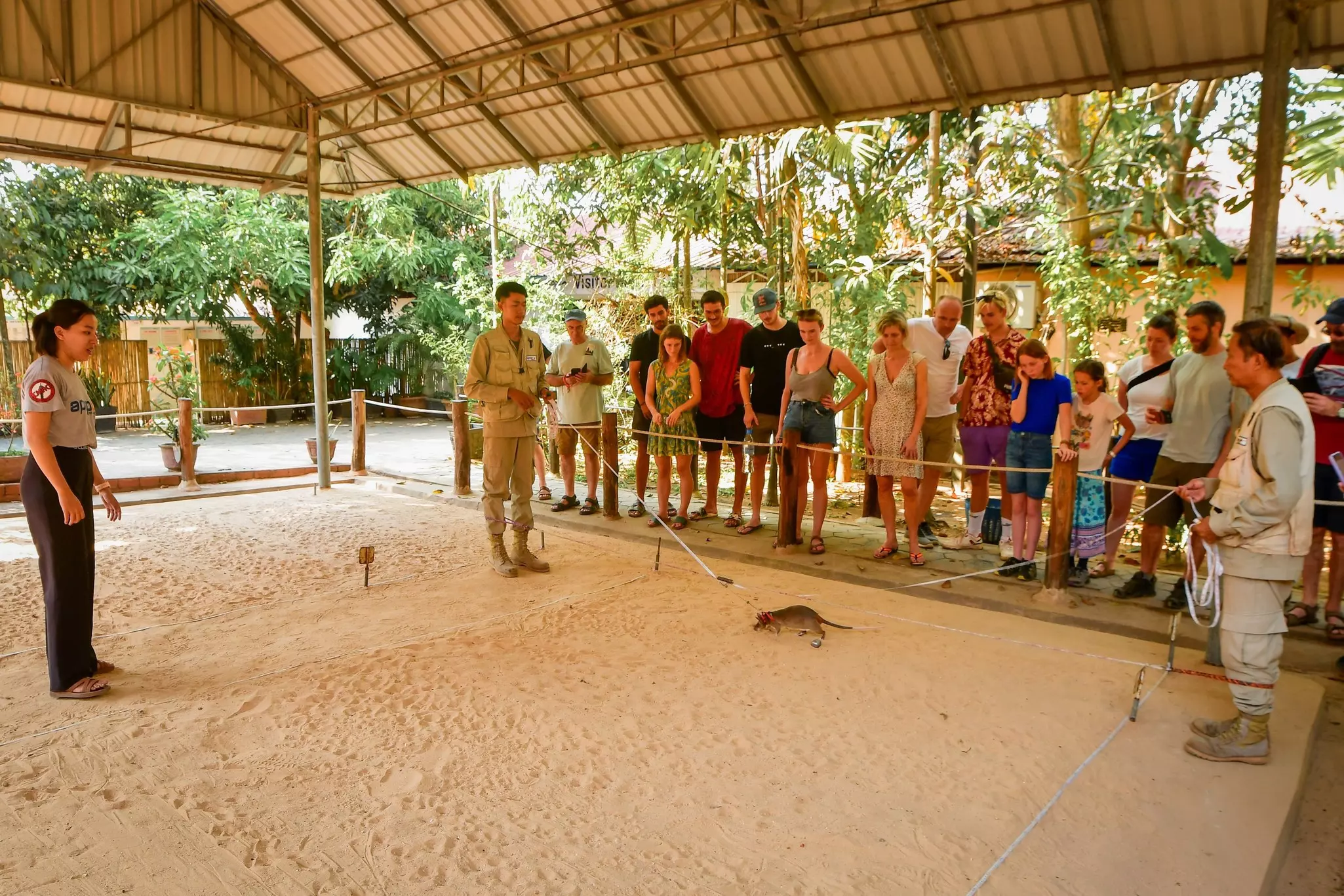
A 10-minute ride from downtown Siem Reap, the Apopo Visitor Centre is dedicated to fostering an effort to clear landmines in Cambodia. This life-saving work centers on training highly sensitive, almost-blind Gambian pouched rats to sniff explosives, which dramatically speeds up the detection of mines in the countryside. A typical visit here provides background on the work of Apopo, with a short video and the chance to meet the hero rats themselves. In 2020, one of these Cambodia-based rats, Magawa, won the PDSA Gold Medal for "life-saving devotion to duty," the animal equivalent of the George Cross or a Purple Heart.
A staple of Siem Reap's nightlife for more than two decades, Pub St holds the promise of a fun night out with bars and pubs lining the lanes around it, too. A few to try include Asana Wooden House, a traditional residence-turned-bar with homemade rice wine and creative cocktails; Red Piano, one of the first bar-restaurants to open in Pub St and home to Angelina Jolie's Tomb Raider cocktail; and Beatnik Speakeasy, a corner spot that confirms hipsters existed in the 1950s, only without the beards.
Local tip: If you've got nothing to wake for in the morning and can manage a late sleep, the rooftop X Bar or Sok San Rd rumble on until sunrise.
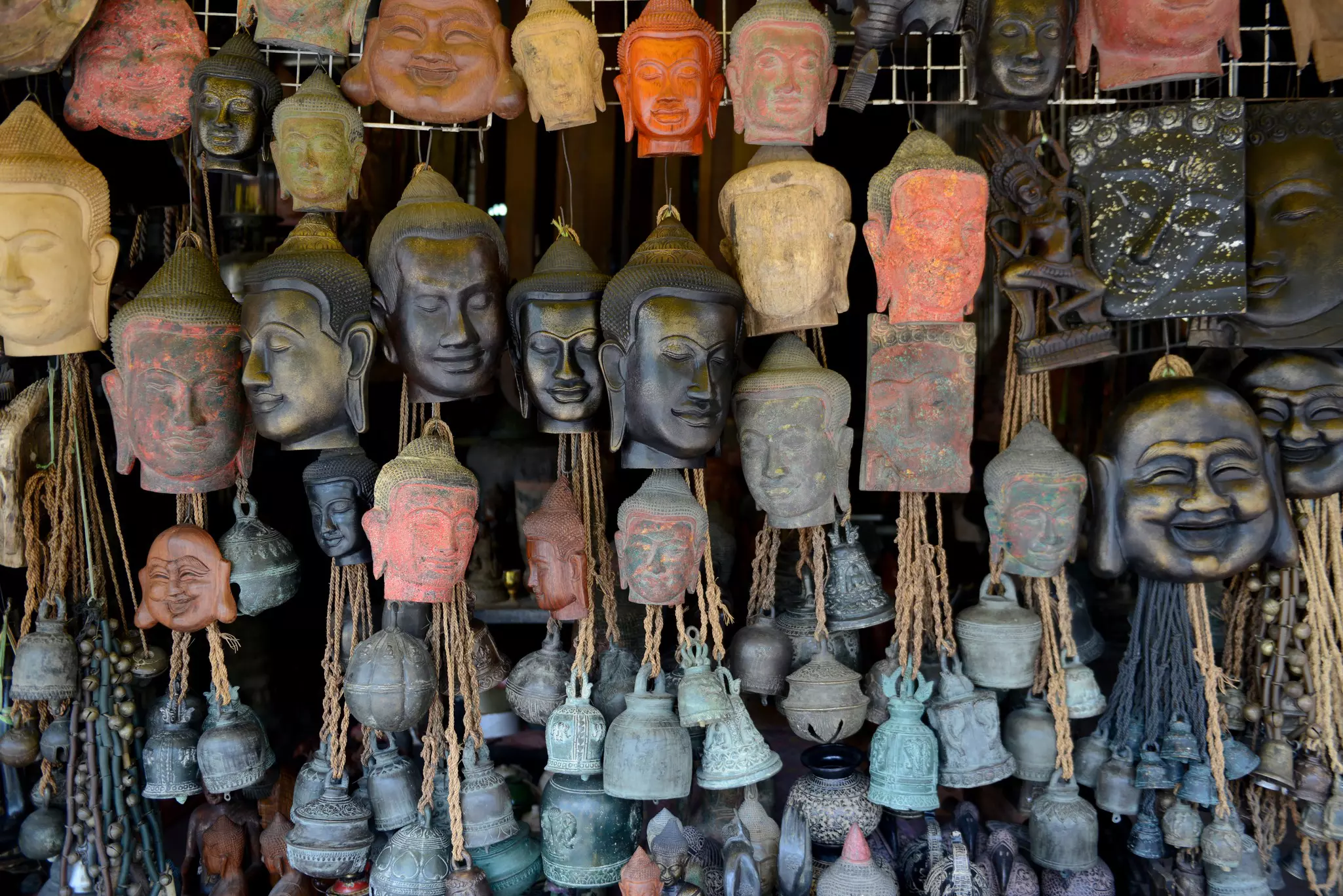
Psar Chaa (Old Market) is the oldest shopping mall in Siem Reap, with one half of the vendors selling fresh produce and homewares, and the other with handicrafts, fake antiques, textiles and clothing. Start on the northwestern side of the market at the Scales of Justice: a pair of weighing scales are placed here to settle any disputes between vendors and customers over the precise weight of an item. Head deeper into the market and discover the fresh produce section, where colorful heaps of fruit and vegetables, both familiar and foreign, are piled high. (This is a great spot to buy a treat to enjoy while exploring the temples.) Opposite the food area, find cheap accessories such as shoes and backpacks, some fake, some the real deal. The jewelry quarter is a separate shop within the market, that leads into the clothing section, where seconds from the garment factories turn up. On the southern side of the market, look for handicrafts sold to support women's development across the country. For souvenirs, stop at Artisans Angkor, the city's orginal handicraft training center.
Local tip: Close to the market, in downtown Siem Reap find loads of inexpensive, but excellent massage outfits, often costing as little as 5 US dollars per hour.
The famous floating village of Chong Kneas is incredibly scenic, though it has become overrun with throngs of tourists and tour groups happy to make money from the crowds. Get there by moto or taxi from Siem Reap, which should take about 2 to 3 hours. If you want a longer adventure, rent a bicyle and make the leisurely 11km-ride through lovely villages and rice fields. There’s an entrance fee of US$7 to join a small group boat, while charter boat prices are fixed at US$28 for one to five people. Avoid the crowds by asking your boat driver to take you down some back channels. Switch to smaller rowing boats (usually costing another US$6 per person) to explore the heart of the floating village without the bigger boats chugging around. These boats are all paddled by local women from the village as part of a cooperative arrangement.
In-the-know travelers opt for harder-to-reach but more memorable spots such as Kompong Khleang, one of the largest communities on the Tonlé Sap. Kompong Khleang is about 50km from Siem Reap and is not difficult to reach, via an all-weather road through the town of Dam Dek. The trip takes around an hour by taxi (it’s a longer ride by tuk-tuk).Most of the houses in Kompong Khleang are built on towering stilts to allow for a dramatic change in water level. Take a boat trip around town and to the lake, which also includes a glimpse of the unique flooded forest that fringes the Tonlé Sap in this part of the lake. Fewer tourists visit here compared with the floating villages closer to Siem Reap, and there are a handful of homestays in Kompong Khleang for those who want to stay the night.
Like a Hollywood film set, the village of Kompong Pluk is an otherworldly place where houses are built on soaring stilts about 6m high. The most popular way to get here is via the small town of Roluos by taking a combination of tuk-tuk/taxi and then boat. Aptly enough, some scenes from the 2023 movie The Creator were shot here. Nearby is a flooded forest, inundated every year when the lake rises to take the Mekong’s overflow. It is best visited from July to December when there is high water in the lake and exploring by wooden dugout is very atmospheric. It’s a different scene in the dry-season months of January to June, although it is still rewarding to explore the dry flooded forest on foot, as it looks like something out of Grimm’s Fairy Tales.
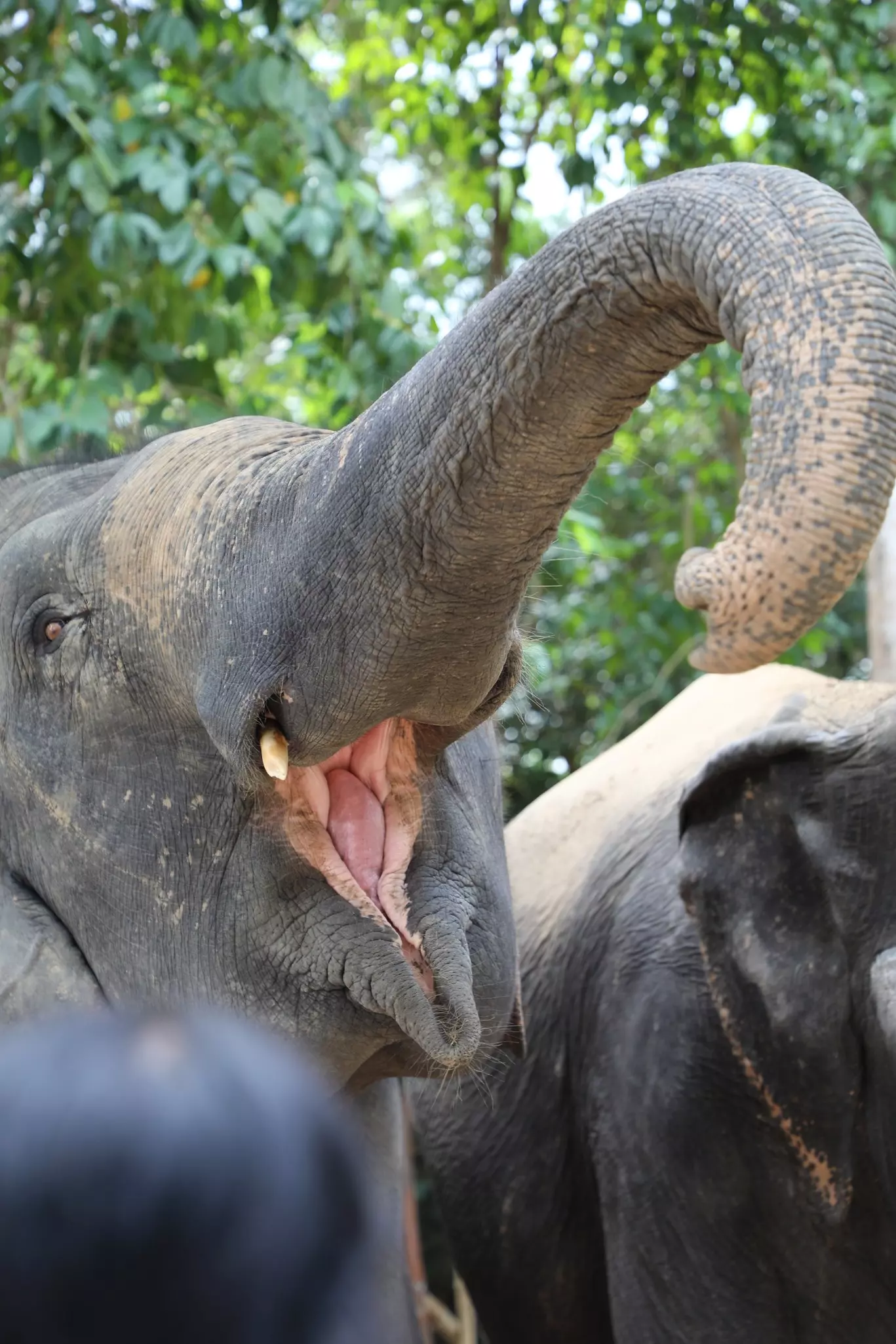
To the east of Siem Reap are a couple of wildlife experiences that are popular with families. Providing a retirement home for the former working elephants of Angkor that used to give rides to temple visitors, Kulen Elephant Forest is a peaceful place to walk with the herd and learn about the lives of elephants at leisure. It’s set in the Bos Thom Community Forest, where the 12 resident elephants have more than 1000 hectares to roam. Limited numbers of visitors are welcome to spend the morning or afternoon with these majestic creatures, observing their relationships and behavior. Lunch is included in the experience at a beautiful wooden house that doubles as a visitor reception.
Local tip: Heading back towards Siem Reap on NH6 between Dam Dek and temple town is the Angkor Wildlife & Aquarium, designed to showcase the best of Cambodia’s invisible freshwater giants lurking in the muddy waters of the Mekong. Here, you'll find the giant Mekong catfish and the giant Mekong stingray (the latter believed to be the largest freshwater fish in the world), as well as reef sharks, eagle rays, the much smaller "river monster" (the freshwater puffer fish), as well as tigers, bears and crocodiles.
Explore related stories