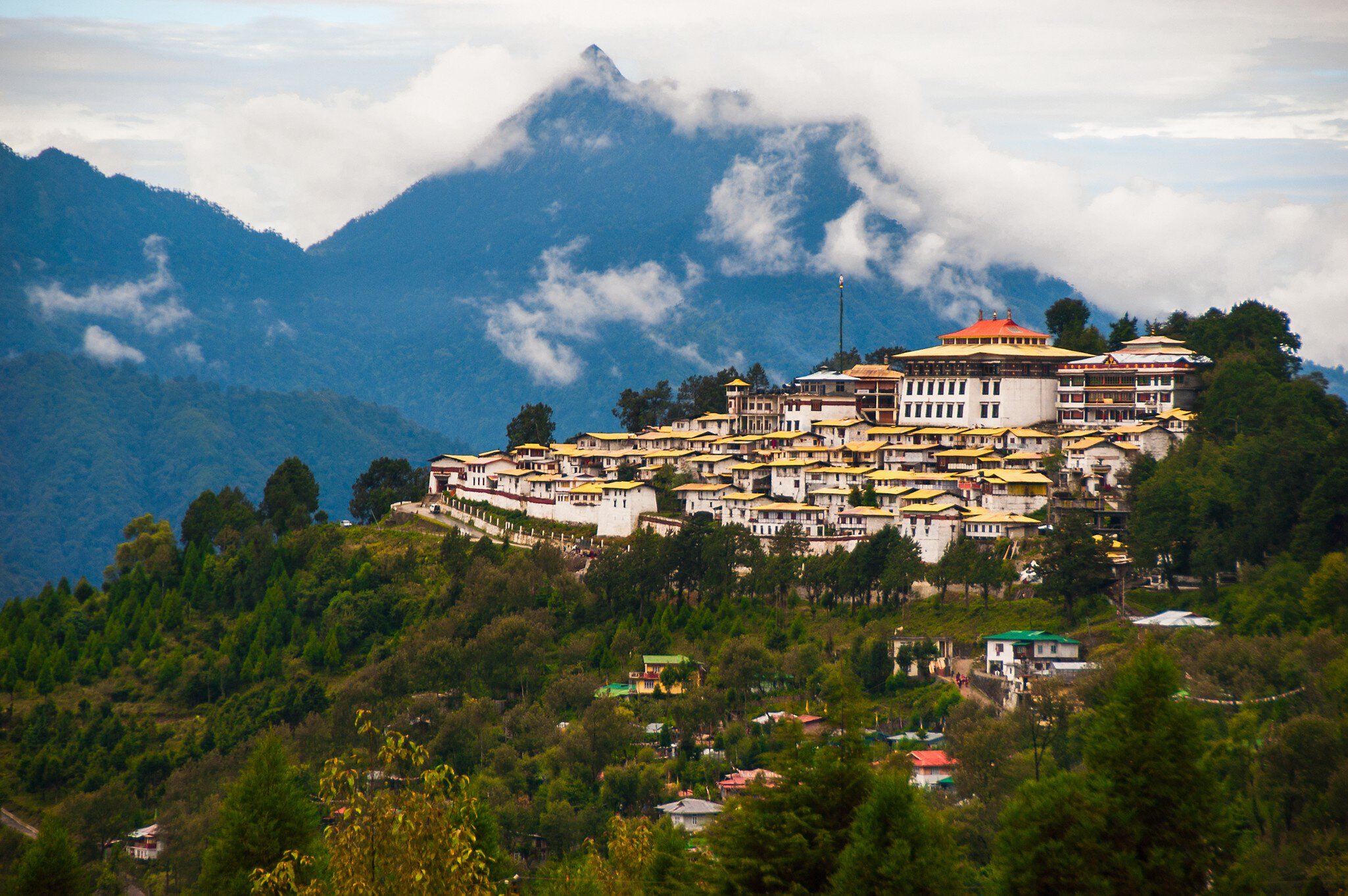
Arunachal Pradesh is known for its extensive forest cover, pristine beauty, delicious food, and numerous tribes, much like many parts of the Northeast. It is called the land of the rising sun or dawn-lit mountains (literal translation of the state’s name owing to its location in the east) and is relatively untouched by mass tourism, making it an ideal destination for experiential travelers who want to go off the beaten track. Ila Reddy recalls a vacation in Arunachal Pradesh.

The journey is as beautiful as the destination

My mother and I visited Arunachal Pradesh in the summer of 2019. We opted for an unconventional itinerary that would allow us to experience the state’s landscape and culture in a meaningful way. It took us two and a half days and four modes of transport to get to Mechuka valley in Shi-Yomi district (earlier known as West Siang), but I dare say it was worth it. We started our journey in Delhi and flew into Guwahati on a Saturday morning in June. The same evening, we took an overnight train from Kamakhya station to Jonai near Pasighat. From Pasighat (a 40-minute auto-ride from Jonai), we proceeded to Aalo (formerly known as Along) in a shared sumo taxi. After a night halt at a picturesque homestay overlooking rice fields, a pond, and an orange orchard, we took another shared taxi to Mechuka. Commuting in an 11-seater non-air conditioned shared sumo on bumpy roads was not fun, but we took it in our stride. Pit stops at local shacks and roadside village markets peppered the long and arduous journey. We were fortunate to have skilled drivers who drove carefully and were also kind enough to offer free rides to villagers who couldn’t afford to pay whenever there were seats available.

The route from Aalo to Mechuka was particularly scenic. Majestic waterfalls at every bend of the winding roads, lush green fields, and trees of every shade and size — it felt like a perfect blend of Himachal and Kerala, and we hand’t even reached Mechuka yet.

Best kept secret of the East

Mechuka sits at 6,000 feet above sea level and has a military presence due to its proximity to the McMahon (Indo-Chinese) border. We were greeted by light rain and quiet streets on arrival, as it was the day after the state election results and there was curfew. In retrospect, this wasn’t the best time to visit Mechuka (there were sporadic incidents of violence that morning), but we missed checking the election schedule prior to departure. Luckily, everything went fine. We stayed at a homestay run by a local school teacher, Khandu ji, and his family. Khandu ji was traveling on work so we missed meeting him, but we enjoyed the company of his mother, the oldest member of the Memba tribe in the village, and his cheerful teenage daughter. Through their stories and guided walks, we experienced life in Mechuka.

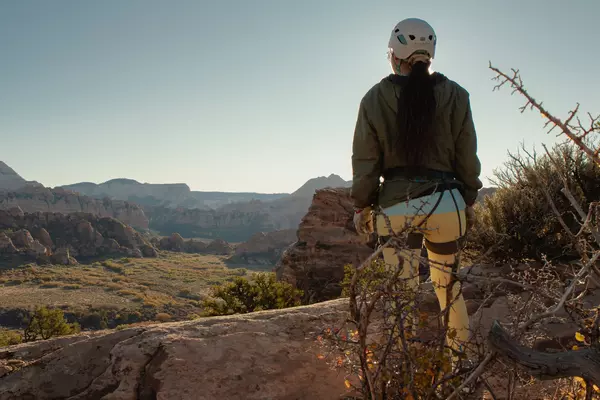
Mornings began with a hot cup of butter tea and toast. When the weather permitted, we packed noodles and momos and set off on a hike to the Mechuka point (Hollywood-style inscription of ‘Mechuka’ on the mountain). Although it looked like a hill from the valley, the climb was steep and tough, very different from what I was used to in Uttarakhand and Himachal Pradesh. We halted every few minutes to catch our breath, but also to take in the views of the Mechuka valley below. On the other side were endless hillocks covered in grass, reminding me of Dzokou valley in Nagaland. We enjoyed our picnic on the mountain and even got a chance to take a nap — my favorite activity on a hike. The warmth of the sun, gentle breeze, and complete silence provided much-needed respite from the hustle-bustle of city life.

We spent the rest of our days walking around the valley. It was the beginning of the monsoon and the landscape looked like a postcard from Switzerland: lush green fields surrounded by mountains covered with dense forests. Misty clouds hung in the air while Buddhist prayer flags swayed with the wind. Brown and white horses dotted fairytale farms with wooden houses, while children came out to play football in the rain.

Local Attractions

We were told about a temple and a gurudwara nearby, the main attractions for local tourists, but we decided to give these a miss. Instead, we spent time by the Siang river — watching the water flow past us, playing with colorful pebbles, and admiring the natural beauty around us. At night, our host made momos and soup, sometimes rice and chicken curry. Due to curfew, there was limited food supply and no alcohol, so we missed trying the traditional pork dishes and rice beer. Nevertheless, we devoured every meal, accompanied by conversations about our host’s family and Memba culture.

There are 36 tribes in Arunachal Pradesh — each with its own culture, traditions, attire, cuisine, and religious beliefs. We learned that the Memba tribe originally migrated from Tibet and settled here centuries ago. Their religious practice revolves around the Mechuka Gompa and most families reside around it in the village. One morning we had the opportunity to accompany our host for her morning prayers. She walked around the gompa while counting her beads and reciting her prayers, while we followed; an experience made possible only by virtue of staying with such lovely people who let us into their lives. We did not get to interact with the members of the other tribes living in Mechuka but the time spent with our hosts made us realize how much more there is to see and learn about the people of Arunachal Pradesh!

Recently, a direct flight connecting Pasighat and Guwahati was launched by FlyBig airlines. This will cut down travel time significantly, sparing travelers the overnight train journey from Guwahati to Jonai, and is likely to boost tourism in Arunachal Pradesh. The road travel that follows cannot be avoided at this point, but despite being stuck for seven hours due to a landslide on our way back, I’ll maintain that it was every bit worth it. My Northeastern friends tell me that Mechuka looks very different in the winter when it is covered in snow and makes for an equally beautiful experience. That gives me one more reason to head back here when it is safe to travel again!

Ila Reddy is a content writer and photographer. She combines her passion for travel, writing, and photography to tell compelling stories. You can read more about her travels on her blog and newsletter. Follow her on Instagram / Twitter.

Take your India trip with Lonely Planet Journeys

Time to book that trip to India

Lonely Planet Journeys takes you there with fully customizable trips to top destinations – all crafted by our local experts.
Explore related stories