Aug 13, 202610 min read
The Top 10 Places in England for Literature LoversMar 13, 2026
11 MIN READ
Writer
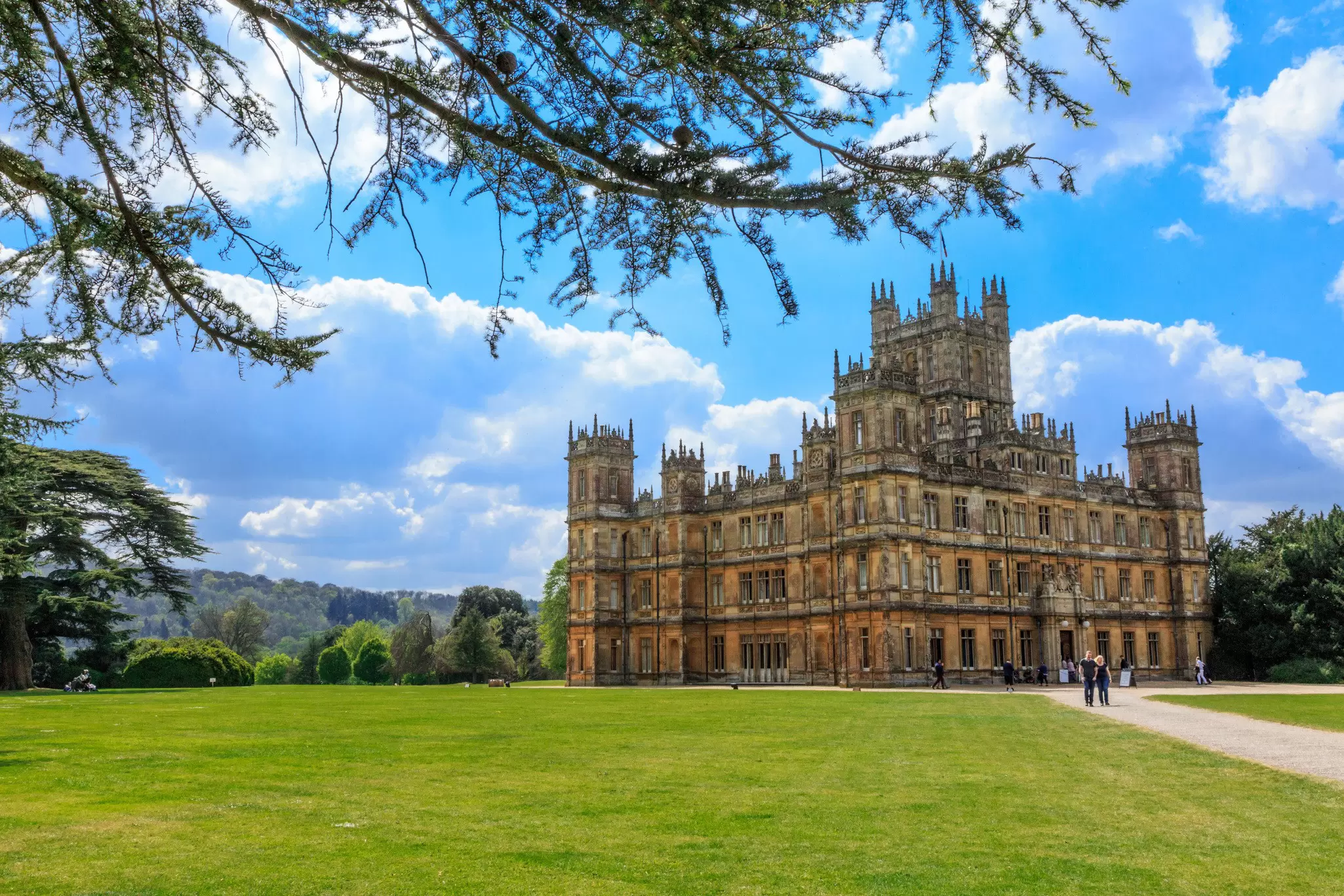
Exterior of Highclere Castle on a sunny day. Emily Marie Wilson/Shutterstock
Writer
Highlights
Writer Lynn Brown picks 18 English manors for a Bridgerton-style country escape.
Castle Howard starred in Bridgerton; Chatsworth and Lyme Park both stood in for Pemberley.
Visit Highclere Castle for Downton fans or Blenheim for Baroque grandeur and Churchill history.
Stay at Cliveden House for the Thames, or Hambleton Hall for Michelin-starred lakeside dining.
Lonely Planet may earn a commission from affiliate links on our site. All recommendations and reviews reflect our own independent opinions.
If the Netflix series Bridgerton has you dreaming of lavish dinners, scenic walks through the English countryside and life in a grand British manor, you're in luck. You don’t need a time machine to experience the elegance of the past; England has hundreds of well-preserved manor houses, many open to the public.
Manor houses aren’t just large, luxurious homes like mansions – they are historic estates that once formed the heart of the “manorial” system, where a lord managed the property and the peasants worked the land. While a mansion can be part of a manor, a manor is defined by its role in this feudal structure. Typically larger than ordinary homes, manors were designed to showcase the wealth and status of their owners, often surrounded by sprawling estates. These homes were designed to serve as residences and symbols of authority, with features like grand facades, extensive grounds and ornate gardens.
While the exact number of manor houses in England is difficult to determine, these 23 estates – functioning as private homes, museums or hotels – offer visitors a taste of the past and that Bridgerton lifestyle.
Highclere is one of England's most famous manor houses, thanks to Downton Abbey. Fans will recognize its grand exterior and interior settings.
The Carnarvon family privately owns the estate (the 5th Earl of Carnarvon famously funded the discovery of Tutankhamun’s tomb). Located in Hampshire, the house is a Victorian-era mansion built in the Jacobethan style. Highclere is only open to the public for tours on select dates throughout the year, and booking several months in advance via the Highclere website is recommended.
Detour: Avebury Manor is about 35 miles away in Wiltshire. It’s a 16th-century Tudor-style property in historic Avebury village.
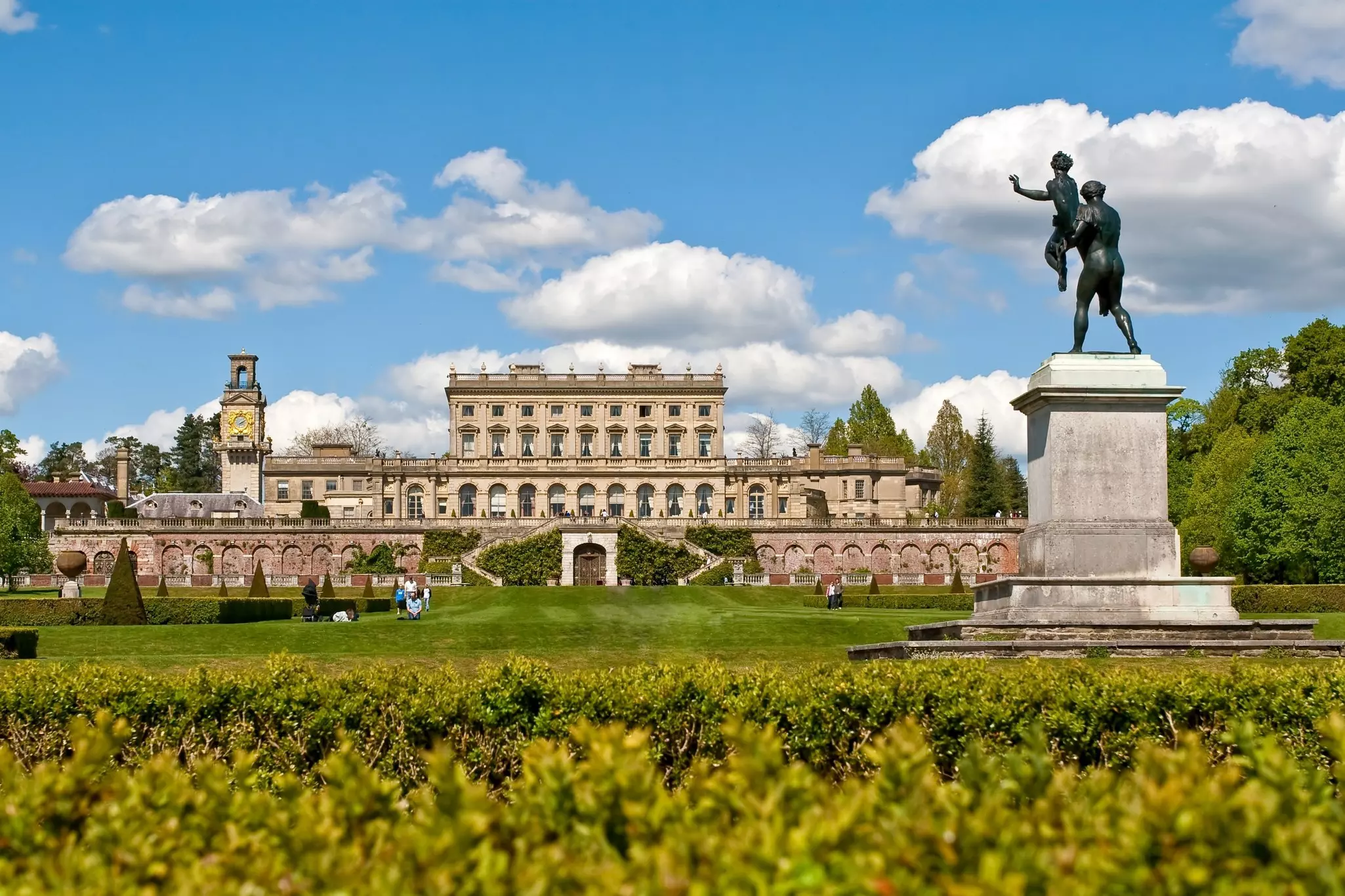
Located just an hour outside of London, this stunning Victorian mansion was built in 1851 and has served as home to both the second Duke of Sutherland and the American millionaire William Waldorf Astor. Today, it’s a 47-room hotel run by the National Trust.
Visitors can dine at two on-site restaurants. Also, two restored vintage boats are available for guests who want to explore the surrounding countryside or picnic on the Thames for an additional cost. While Cliveden House is usually only open to hotel guests, the National Trust sometimes runs tours for the public. Check their website for tour dates and times.
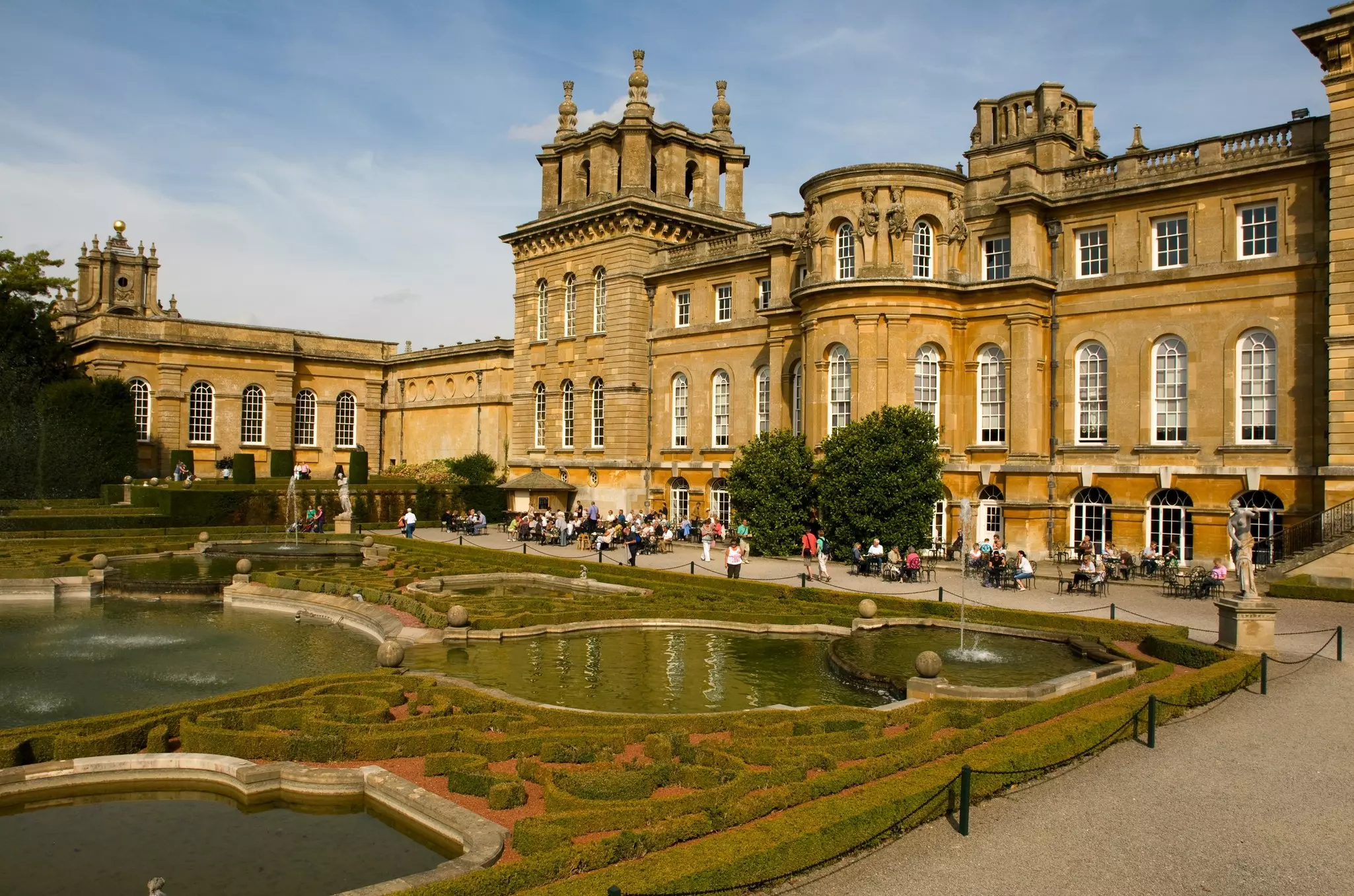
Blenheim Palace is a designated UNESCO World Heritage site, known for its stunning example of English Baroque architecture and for being the birthplace of Winston Churchill.
Built in the early 18th century to celebrate the Duke of Marlborough's victory over the French at the Battle of Blenheim, its grandeur, elaborate interiors and expansive landscaped grounds – designed by famous English landscape gardener Lancelot “Capability” Brown – make it one of England's most intriguing estates.
Blenheim is open most days and often holds themed events, such as the annual jousting tournament in May.
Detour: If you want more history, Sulgrave Manor, a Tudor-style house built in the mid-1500s in Northamptonshire, is the ancestral home of George Washington's family. It’s located about 30 miles north of Blenheim Palace and tends to close during the winter season; Sulgrave normally reopens to visitors in March.
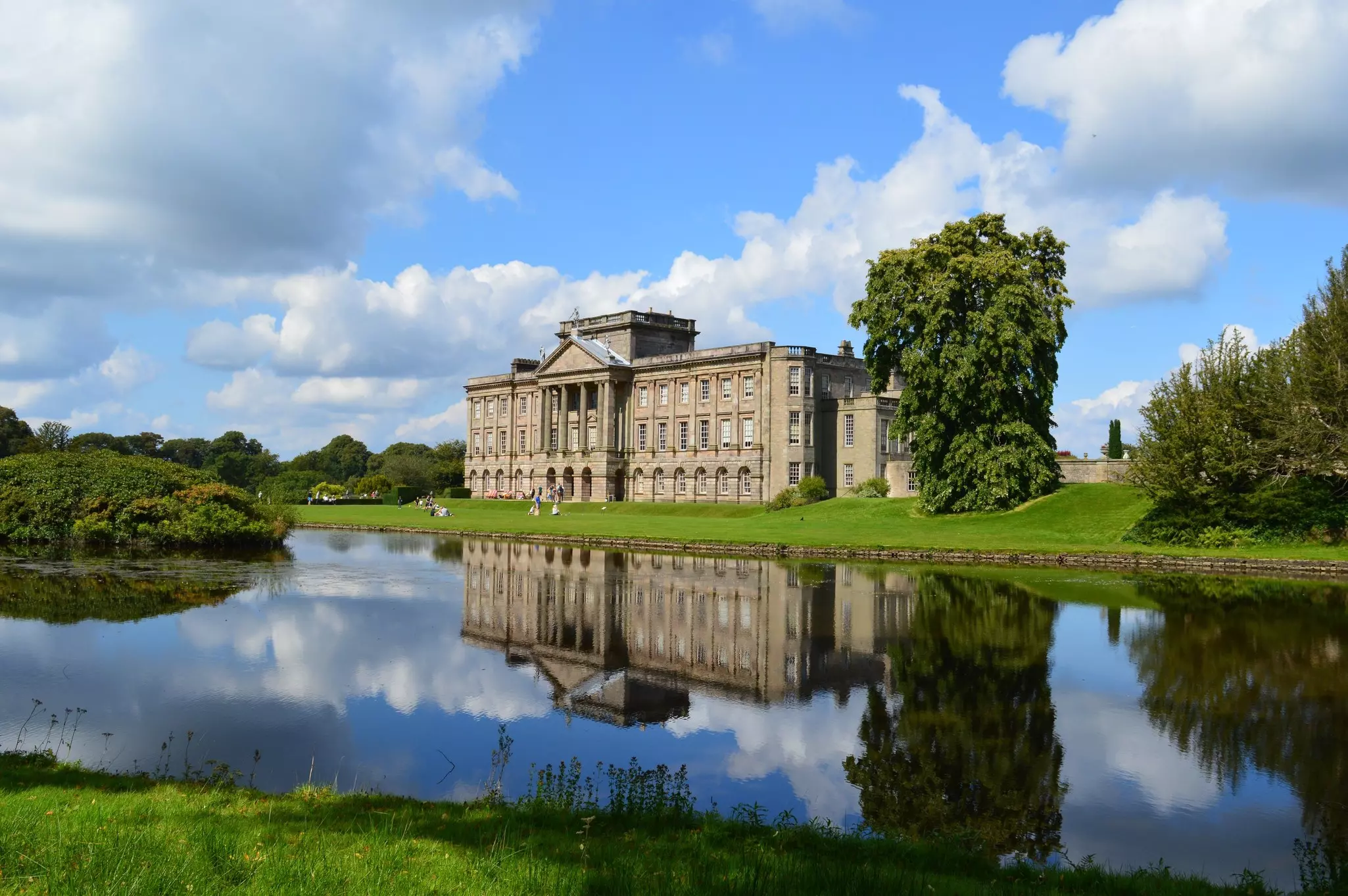
In the scenic hills of Cheshire, Lyme Park was initially built as a hunting lodge for medieval lords in the 14th century, eventually growing into a grand estate with an Elizabethan exterior and elegant Regency-style rooms decorated with intricate plasterwork, antique furniture and classic artwork.
The estate gained fame as the fictional home of Pemberley in the 1995 TV adaptation of Jane Austen’s Pride and Prejudice. Visitors can explore its beautiful 1400 acres filled with formal gardens, lakes, woodlands and special spots like the orangery and rose garden. You can also tour the servants' quarters and play dress up in the Regency room.
Planning tip: National Trust members receive free entry. If you're planning to visit a lot of their properties, it may work out better value to purchase a 12-month membership.
Originally built in 1866, Beaverbrook derives its name from its most well-known resident, Lord Beaverbrook, a publisher, politician and former Minister of Aircraft Production for Britain during WWII.
In 2011, his home and two of the surrounding buildings were transformed into a hotel and restored to reflect the period when the politician would have lived here. Artwork abounds in and outside of the home, including a sculpture of the British single-seat fighter aircraft known as a Spitfire, which Beaverbrook doubled the production of during WWII. There’s also a spa, multiple restaurants, a private cinema (purported to be the first home cinema in Britain) and an activities program that includes a survival skills academy.
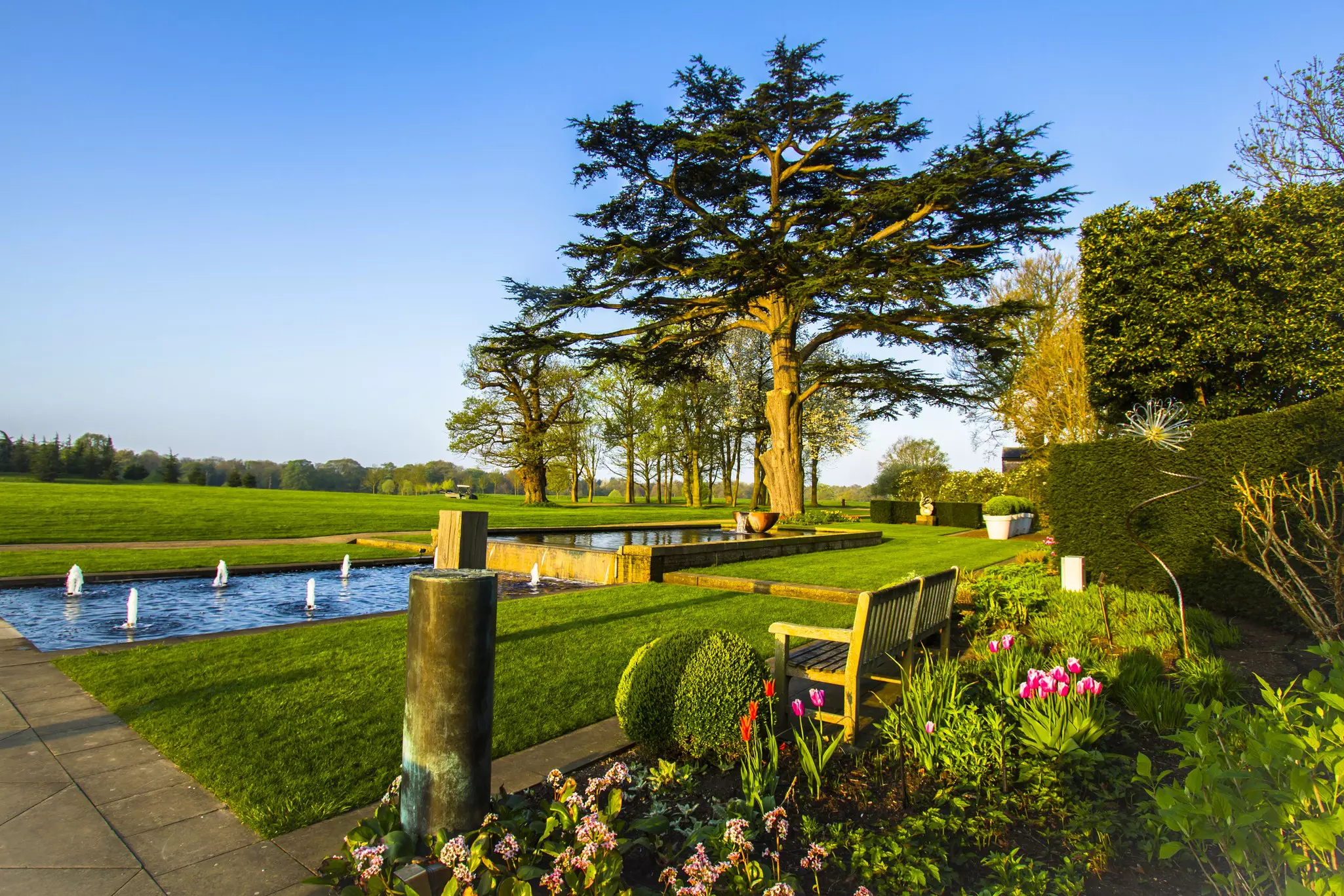
The history of the Grove dates back far before the construction of the beautiful Georgian manor that houses the present-day hotel. Archeologists have found artifacts on the grounds dating to 3000 CE.
Formerly the home of the Earls of Clarendon, the interior of the hotel is quite modern. Even so, there are plenty of activities here to transport you to a bygone era. Take advantage of activities like clay pigeon shooting, hawking, archery, horseback riding and other fun attractions typical of the era when the manor was built.
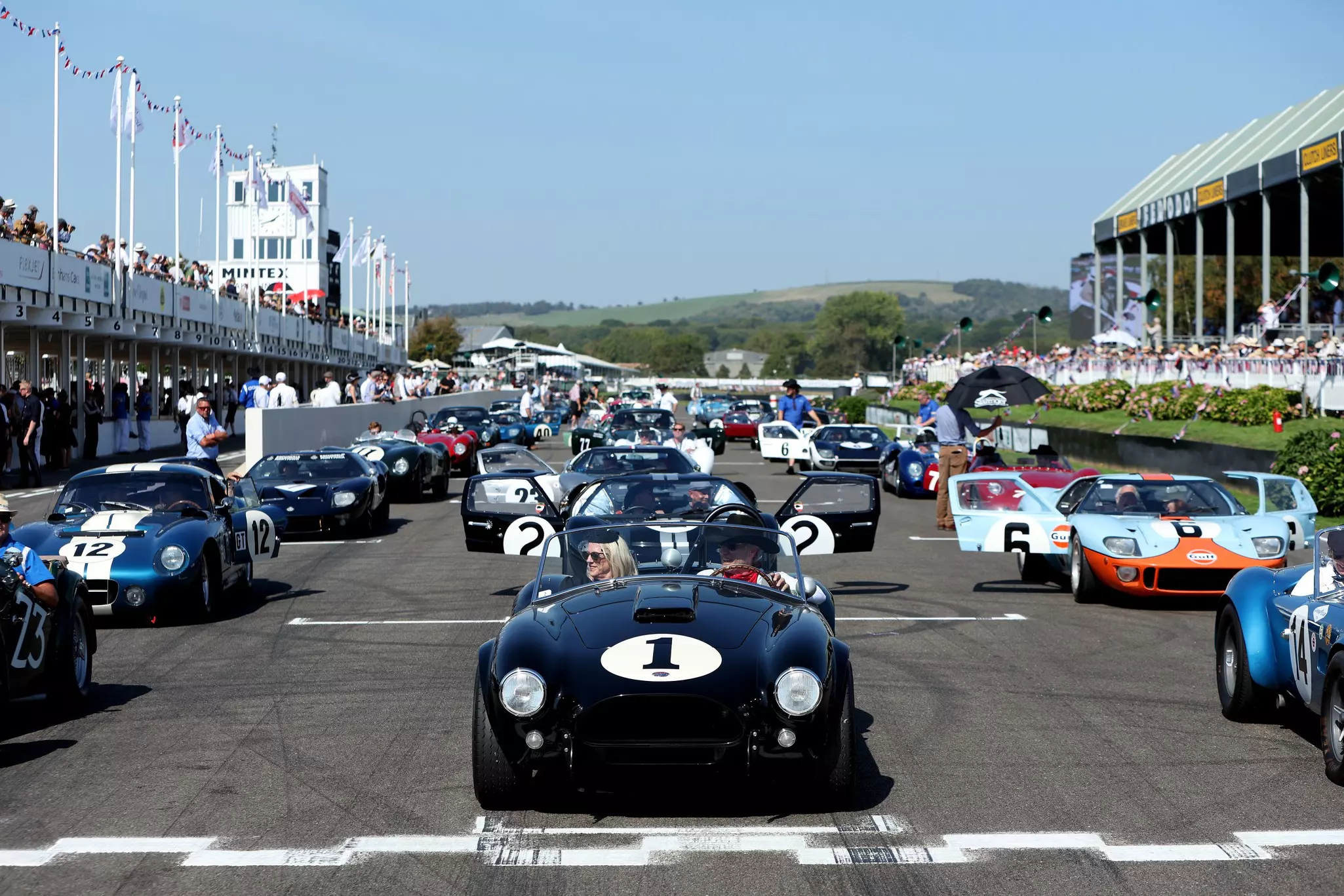
The estate at Goodwood has been home to the Dukes of Richmond for hundreds of years. In fact, the 11th Duke of Richmond and Gordon owns the property to this day. The Duke and his family live in Goodwood House, while guests stay in the hotel portion of the estate.
The Goodwood Hotel offers stylish rooms and four restaurants. It's also a great option for adventure seekers as it’s the location of several motorsport and horse racing events, and offers flying and race car driving experiences to guests for an additional cost.
Planning tip: The Goodwood Festival of Speed is an incredibly popular event during the summer – book your tickets well in advance if you're keen to attend.
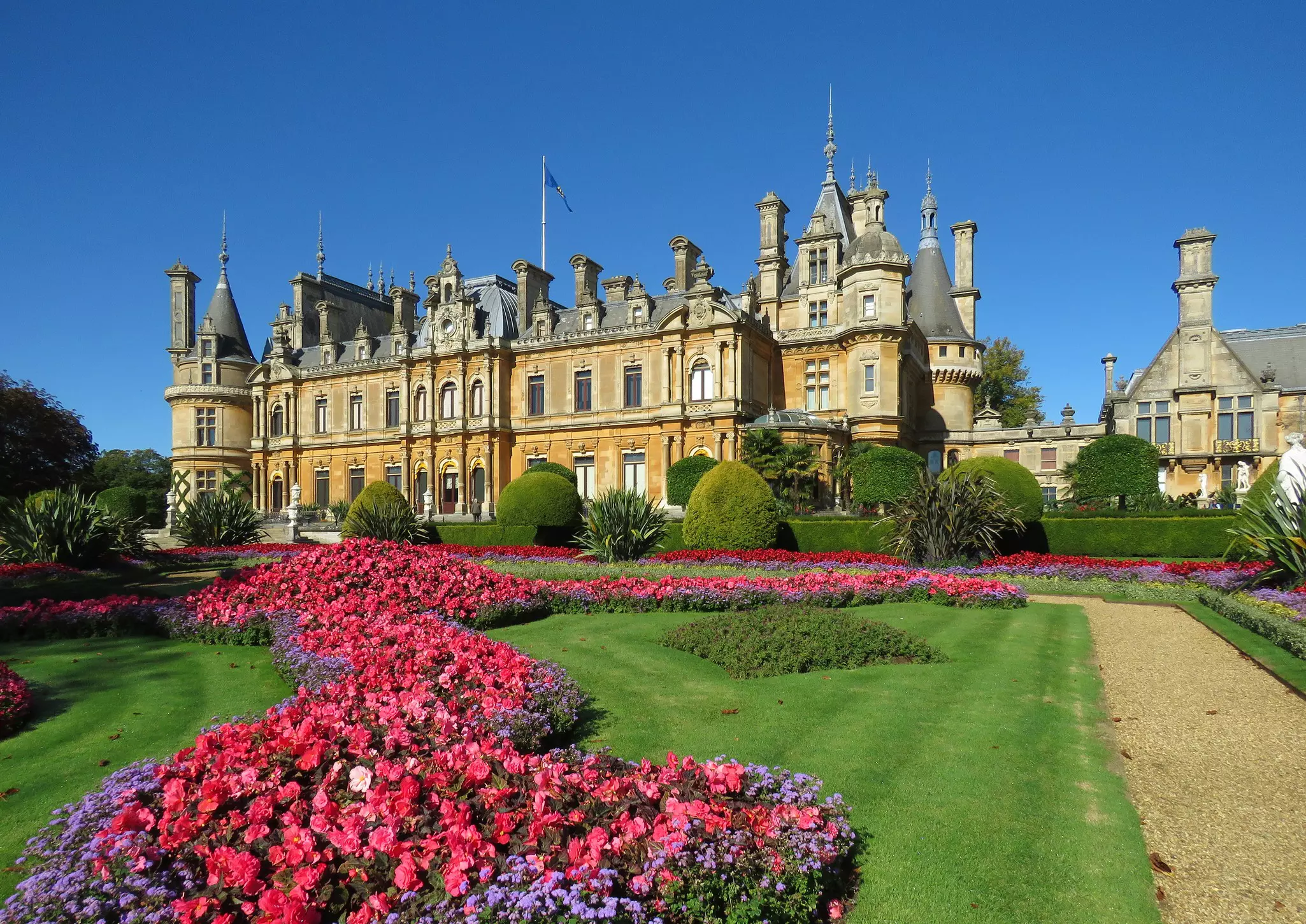
Baron Ferdinand de Rothschild built Waddesdon Manor, a French-inspired château in Buckinghamshire, in the late 19th century. Known for its lavish French Renaissance style, exquisite art collection and gardens with ornate fountains, the National Trust manages the property, but it remains in the Rothschild family’s care.
Waddesdon’s fairytale appearance draws many visitors and it has been featured in various historical documentaries. National Trust members can purchase reduced entry tickets.
Planning tip: The grounds of the estate are open during winter for walks but the house closes for the season until March each year for routine maintenance.
This medieval property dates back to 821 CE, when King Coenwulf of Mercia gave Snowshill Manor to Winchcombe Abbey. However, the current building dates to the 16th century. It was purchased in 1919 by Charles Paget Wade, an artist, architect and avid collector. Wade updated the property extensively, but Snowshill Manor is best known for its fascinating variety of objects that Wade collected from all over the world. Some items include antique Samurai armor, musical instruments, clocks, toys and bicycles.
Planning tip: Snowshill Manor is only open on select days and closes during winter. Check the National Trust website for opening times.
This luxurious Victorian mansion is renowned for its charming lakeside location and Michelin-starred dining. Built in 1881 by Walter Gore, Hambleton Hall began as a private hunting lodge and today is a prestigious country house hotel. The interiors reflect classic English elegance with cozy fireplaces, antique furnishings and beautifully decorated rooms, each offering views of the surrounding countryside or Rutland Water. Guests can enjoy the meticulously landscaped gardens, take scenic walks around the lake and savor world-class cuisine prepared by celebrated chefs.
Planning tip: An outdoor pool with loungers is open for guests during the summer months.
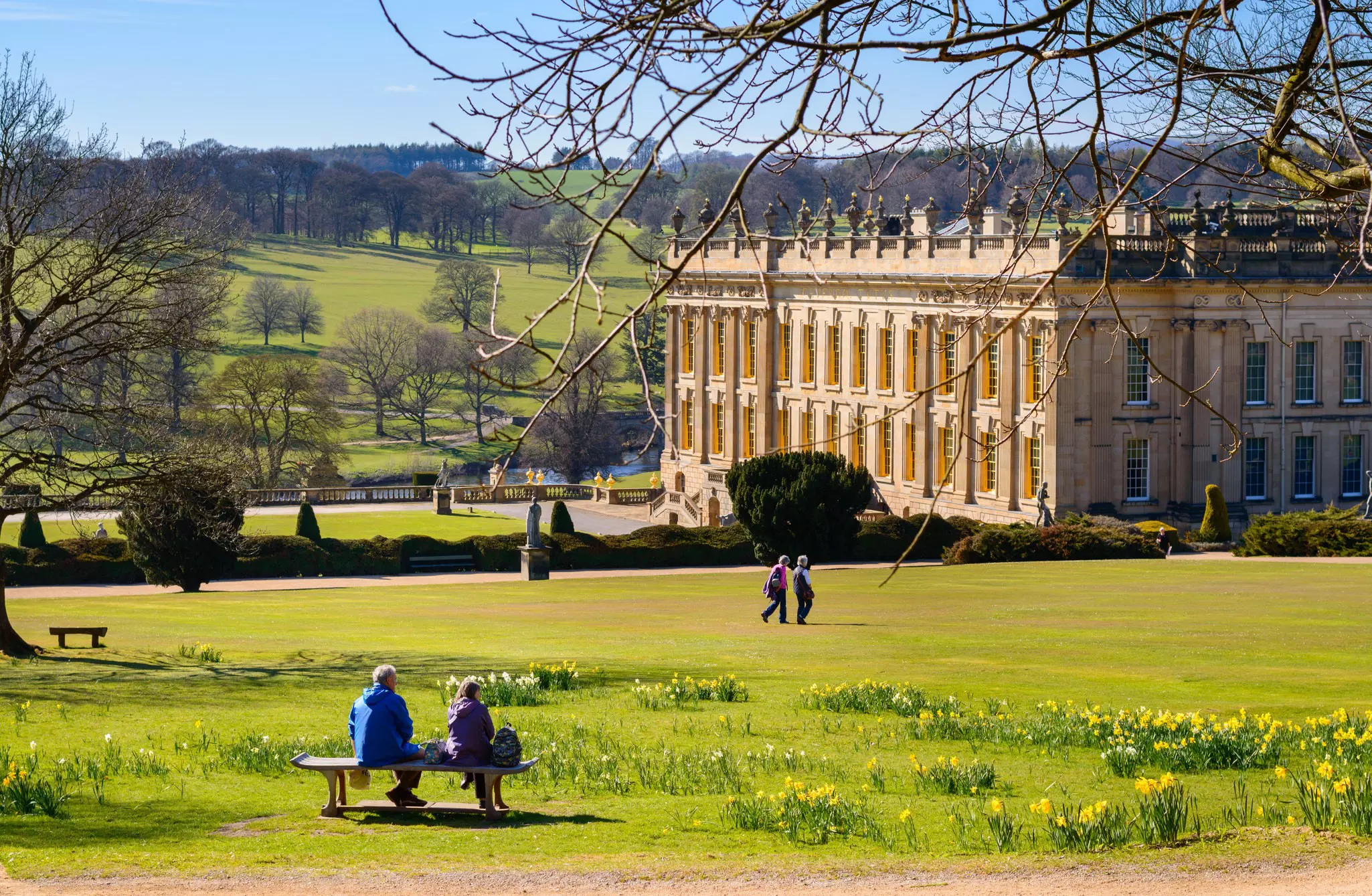
Set in Derbyshire’s Peak District, Chatsworth House is the historic seat of the Duke of Devonshire and a prime example of English Renaissance architecture. Its elegant rooms, extensive art collection and lush gardens draw thousands of visitors yearly, making it one of England’s most popular manors.
While it’s an impressive manor house with extensive history – such as serving as a prison for Mary Queen of Scots – visitors are primarily drawn due to its casting as the fictional Pemberley in the 2005 film adaptation of Pride and Prejudice.
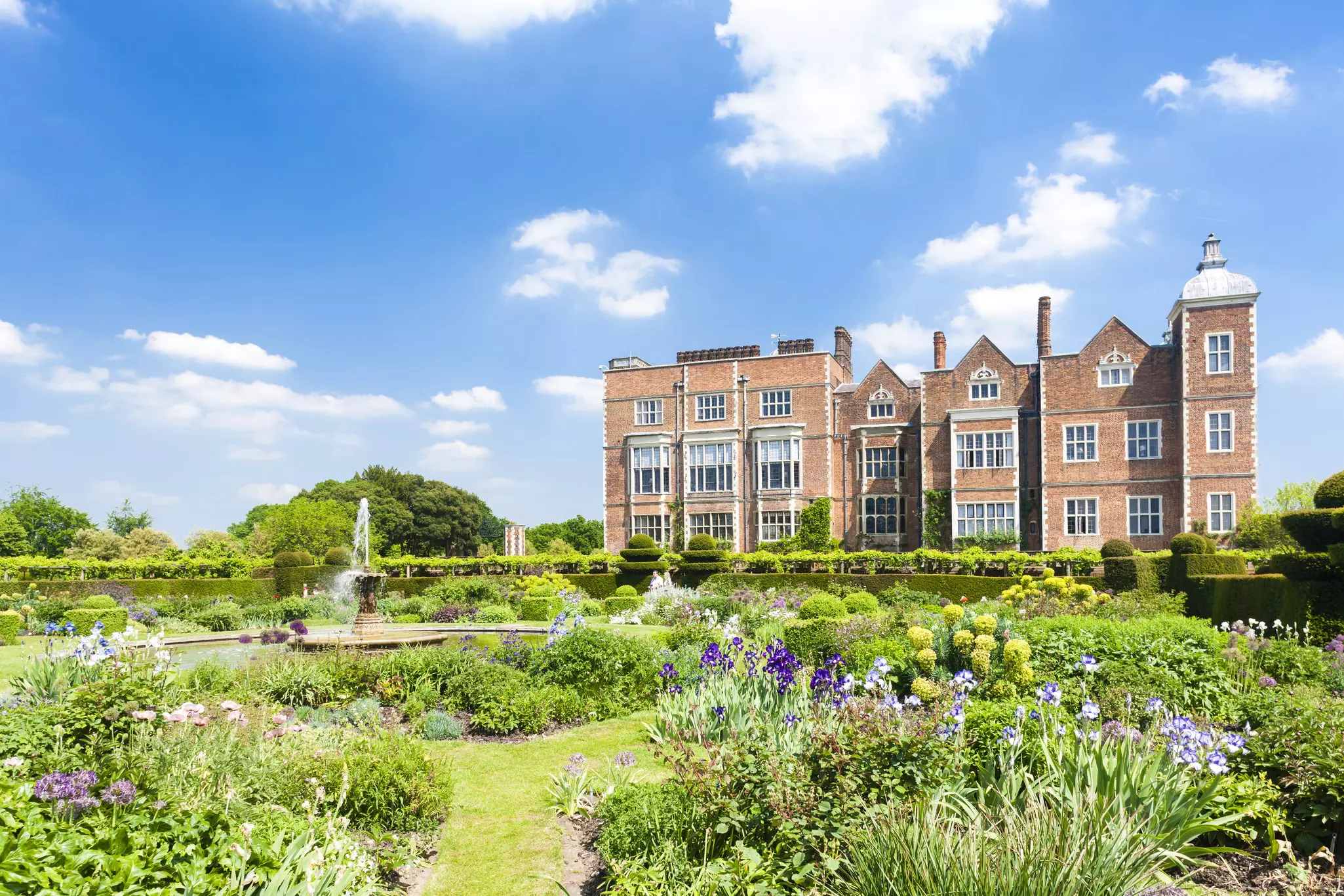
This Jacobean estate has a rich history dating back to the early 17th century. It was built by Robert Cecil, 1st Earl of Salisbury, and is famously associated with Queen Elizabeth I, who lived in the older palace on the grounds as a child. Hatfield House features stunning interiors and extensive gardens and has appeared in films and shows like The Favourite, the 1989 Batman movie as Wayne Manor, The King’s Speech, and Queen Charlotte: A Bridgerton Story.
Owned by the National Trust, this Jacobean and Georgian house has 90 acres of gardens and parkland designed by famous landscape architect "Capability" Brown, all within 40 miles of London. In the early 19th century, French King Louis XVIII spent five years here, in exile with his wife and court. The historic interior and service can leave guests feeling like they’ve stepped back in time, while the on-site spa and innovative restaurant offer the comforts of the modern world.
Detour: Visitors to the incredibly popular luxury outlet destination, Bicester Village, often use Hartwell House as a base for their retail therapy. Guests can access VIP services at the village for no extra cost.
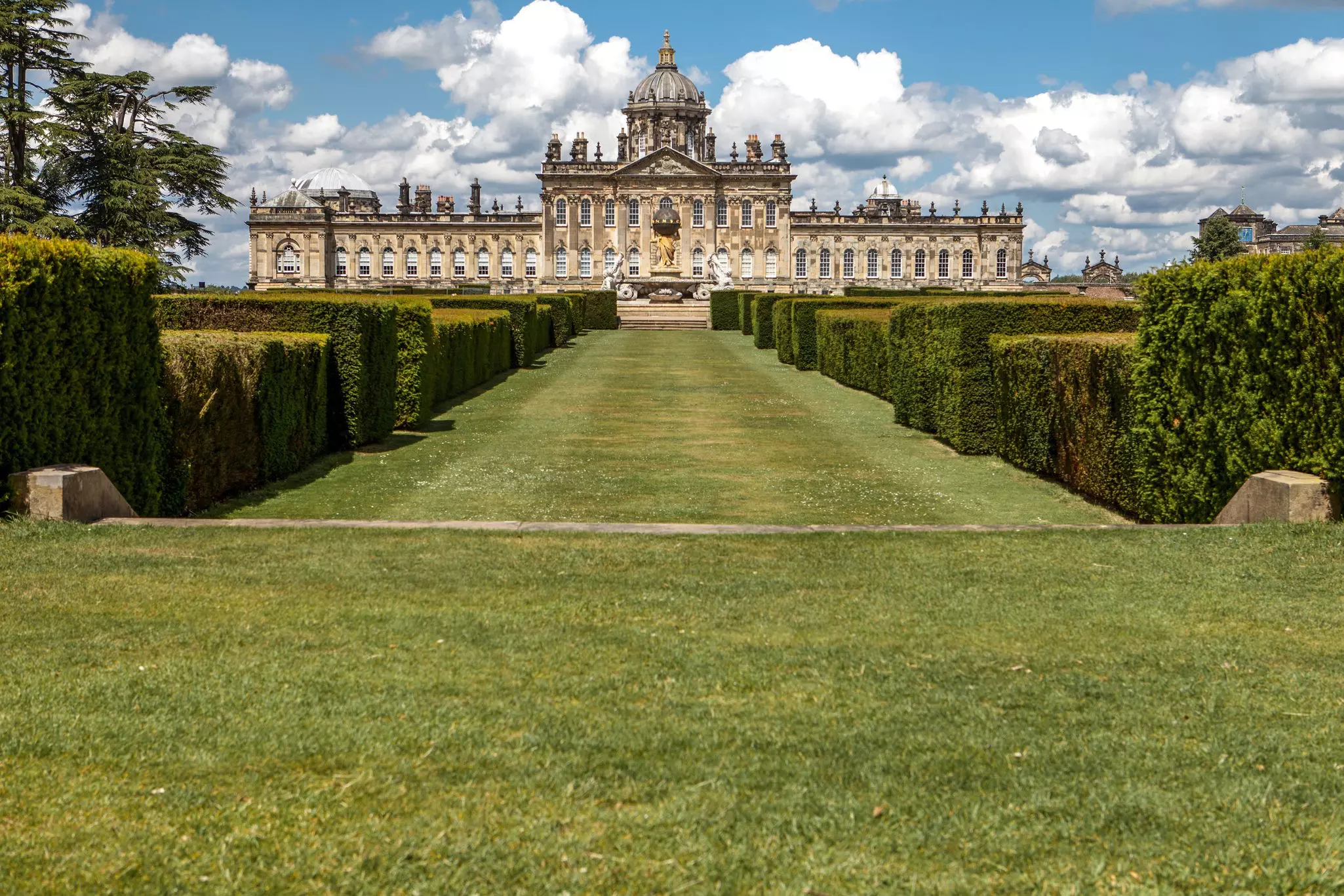
Castle Howard is a striking baroque estate dating from the late 17th century. It took 100 years to complete and is known for its lavish interiors, opulent gardens and extensive art collection. It gained fame as a filming location for Brideshead Revisited and, more recently, the Bridgerton series.
Planning tip: Castle Howard remains privately owned by the Howard family and is open to the public, with frequent themed events. It’s best to pre-book visits via their official website.
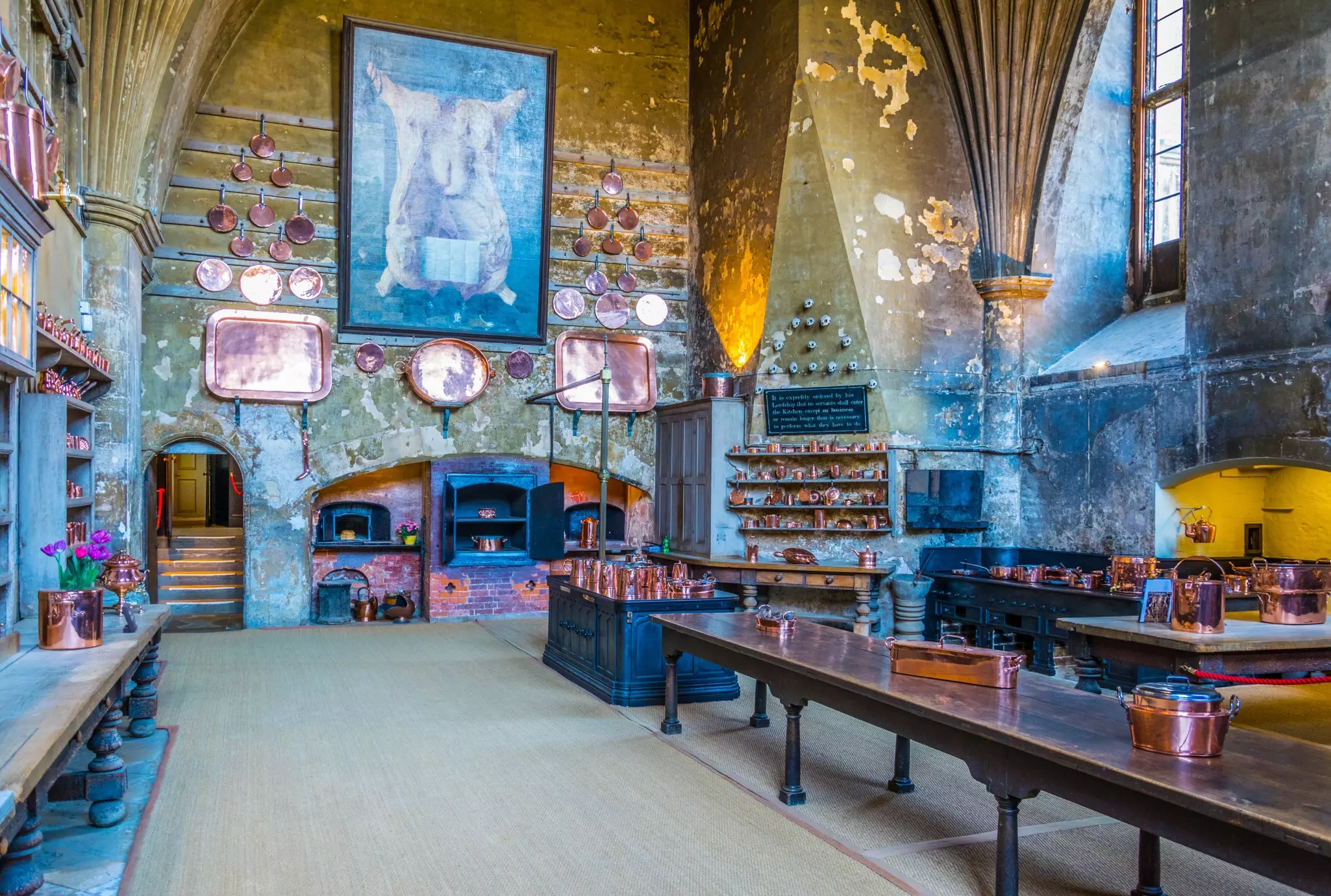
Constructed between 1555 and 1587 by Sir William Cecil, Lord High Treasurer to Queen Elizabeth I, Burghley House is one of England's finest examples of Elizabethan architecture. The manor contains 18 state rooms open to the public and is filled with art and treasures, including floor-to-ceiling murals painted by Antonia Verrio.
Planning tip: The Burghley House Preservation Trust manages the property, and tickets to tour the house and gardens are available at a 10% discount when you purchase them online.
This estate was completed in the late 16th century for the formidable Elizabeth, Countess of Shrewsbury, known to many as Bess of Hardwick and one of the era's most powerful and wealthiest women. Hardwick Hall is a masterpiece of Elizabethan architecture. The manor contains impressive glass windows – a symbol of wealth at the time – as well as lavish furnishings and tapestries.
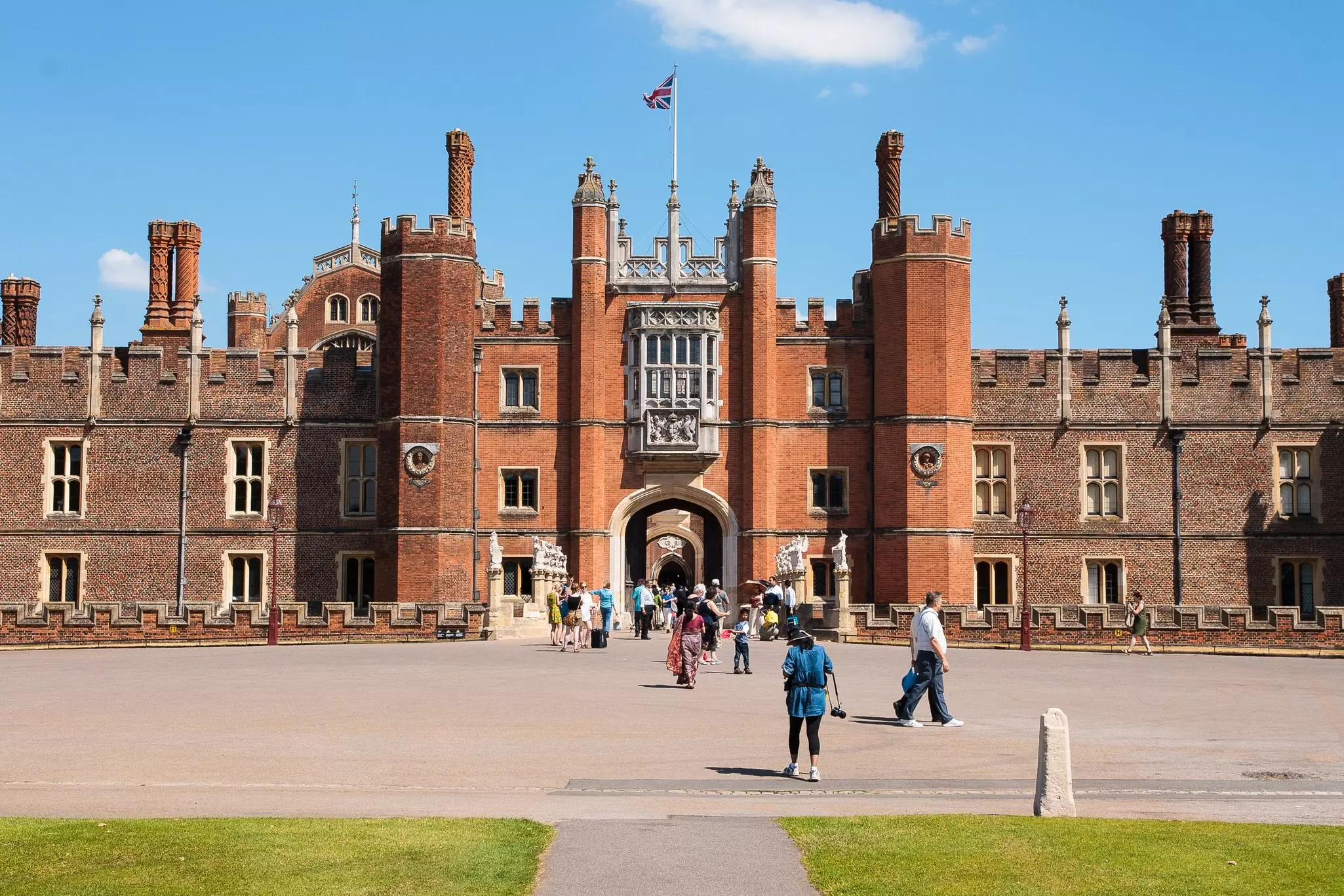
Originally a grand medieval manor, Hampton Court Palace evolved into one of England’s most famous royal palaces under King Henry VIII. Though initially designed as a private home for Cardinal Thomas Wolsey, King Henry transformed it into a magnificent Tudor palace, complete with opulent banquet halls, large kitchens and a theater.
Later, under King William III and Queen Mary II, the palace was expanded with Baroque architecture and formal gardens in an attempt to rival France’s Palace at Versailles. Visitors can wander through its blend of Tudor and Baroque interiors, explore 60 acres of formal gardens – including the famous hedge maze – and visit the Tudor kitchens, where feasts were prepared for the royal court.
Planning tip: The Historic Royal Palaces manages the property, another organization that may be worth membership if you plan on visiting two or more palaces in the UK.
In South Yorkshire, Wentworth Woodhouse is the largest manor house in the UK, with over 300 rooms and a massive 606ft-long front. The main house took 25 years to build in the mid-18th century and features two different architectural styles, Palladian and Baroque.
Planning tip: The Wentworth Woodhouse Preservation Trust manages the property, and the manor is open to the public on most days throughout the year except Mondays. You can tour the property or book afternoon tea on the weekends.
Book your England trip with Lonely Planet Journeys
See England how it's meant to be seen
Accommodations, activities and ground transportation all taken care of, so you can focus on the fun part. Tell us what your dream trip to England looks like, and our local experts will build it from scratch. Or start with one of our itineraries and make it your own.

Explore related stories