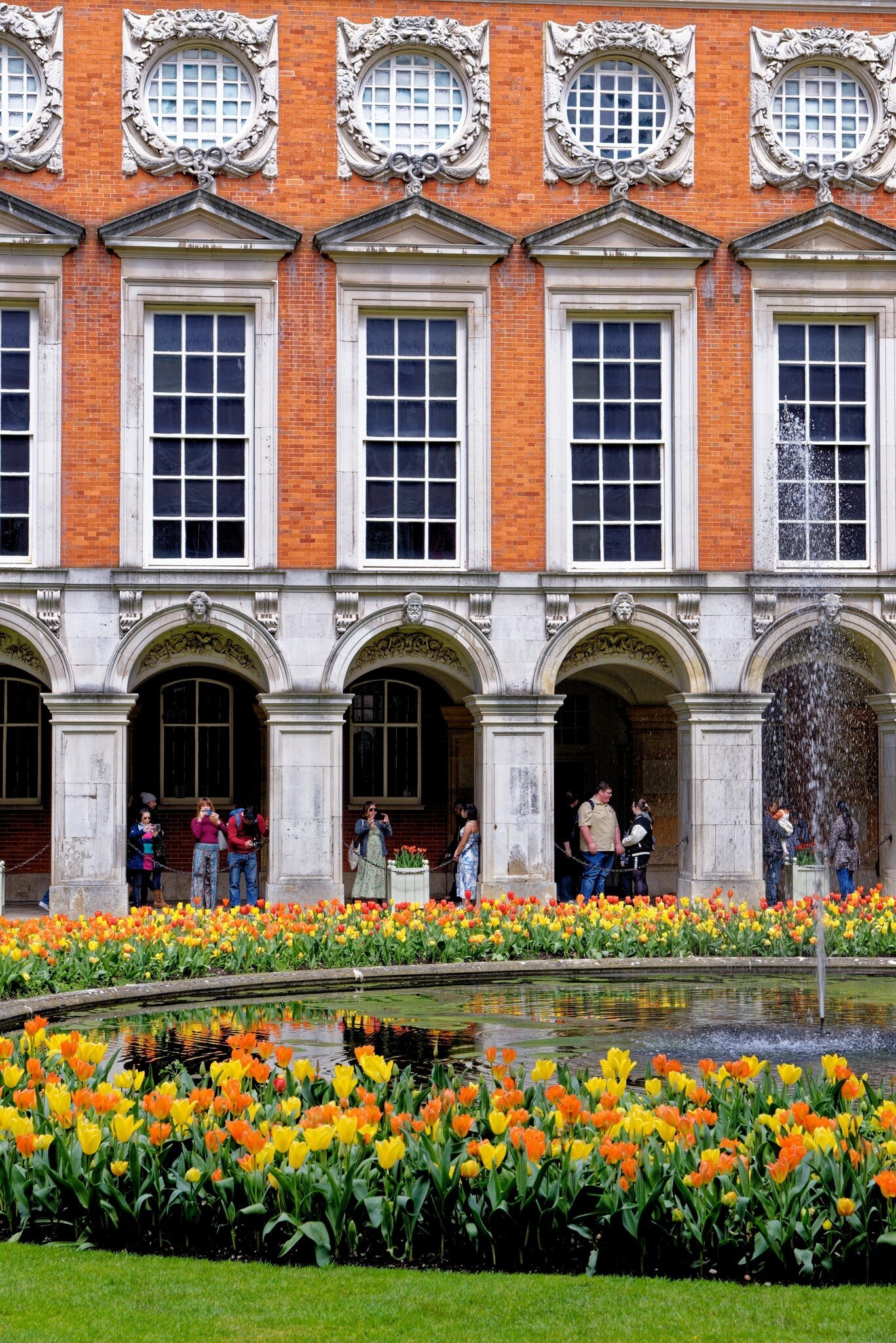
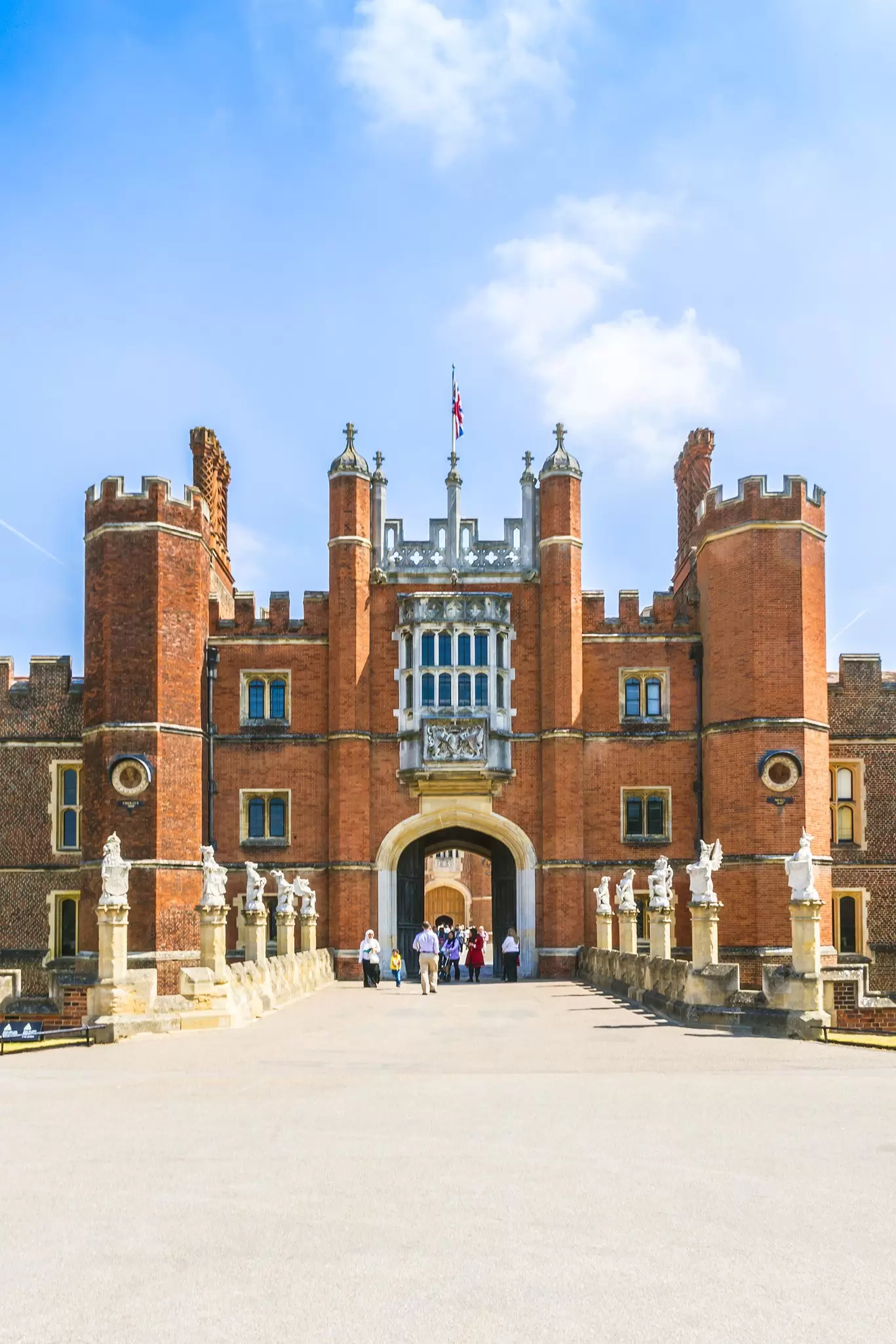
Henry VIII’s favorite residence, Hampton Court Palace, is a Grade I-listed royal structure with lavishly decorated gardens.
The king’s extravagant court life demonstrated might and wealth, and Hampton Court Palace (hrp.org.uk/hamptoncourtpalace) still captivates tourists five centuries on. Planned to rival the French Versailles, it's one of England's grandest castles. Henry brought all six of his wives to the palace, and the ghost of one of his executed wives still reportedly haunts its grand halls.
The Palace
Abundant in luxury, Hampton Court Palace houses various spectacular constructions and is one of London's best examples of Tudor architecture. It was built by Cardinal Thomas Wolsey at the beginning of the 16th century in an unsuccessful bid to maintain favor with King Henry VIII. After his failure as Lord Chancellor in the daunting mission to obtain Henry VIII's divorce from Catherine of Aragon, it was taken by the king. Additions followed from Henry VIII, Sir Christopher Wren in the 17th century and subsequent Georgian kings and princes.
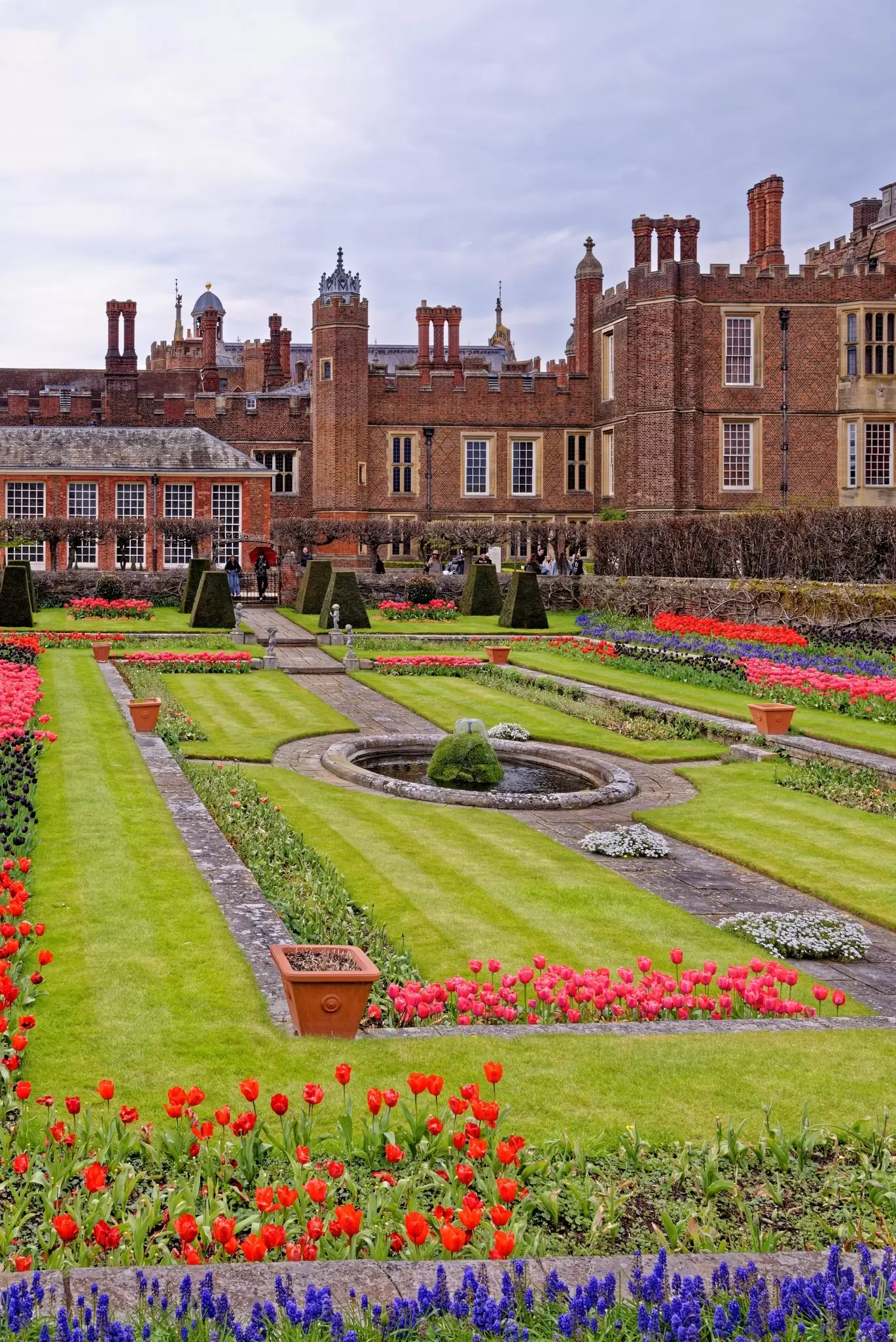
When Queen Victoria opened the palace to the public in the first half of the 19th century, it immediately became a destination for millions of visitors. In less than 50 years, more than 10 million people came to view the palace.
Fit for a King
Cardinal Wolsey wanted to build a palace fit for a king, and he turned an ordinary country house into a spectacular property with extravagant decorations and unique artwork. It became even more valuable and spectacular as each monarch put their own stamp on the estate throughout the centuries. The meticulous craftsmanship shines through in the Chapel Royal, where the timber and plaster ceiling, adorned with blue and gold vaulting, was initially destined for Christ Church, Oxford, but found its home here.
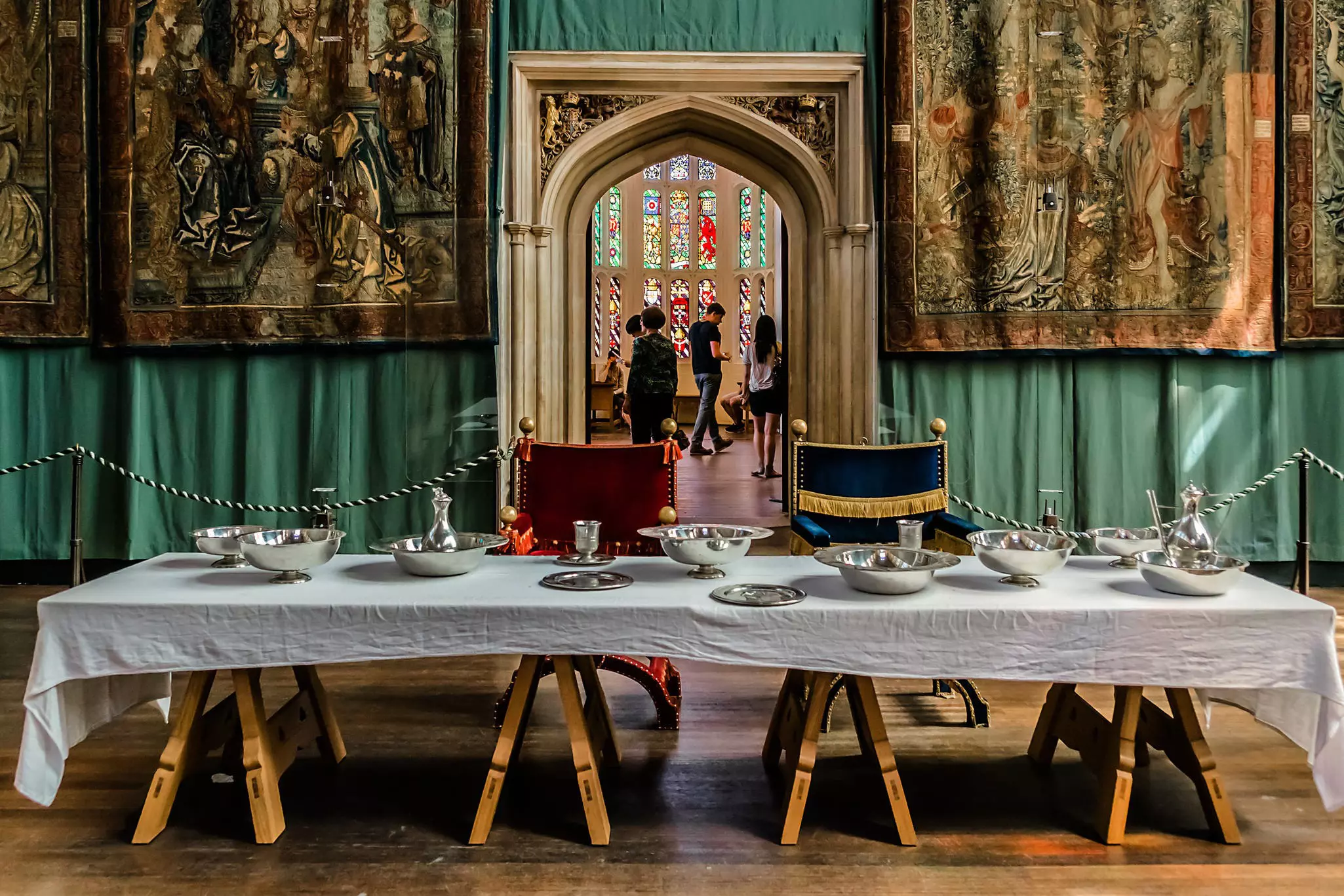
Additionally, the grand dining hall, known as the Great Hall, boasts exquisite tapestries and stained-glass windows, defining the palace's grandeur. The audio tour, with its interesting tales, is more than useful when touring the castle.
Shakespeare Was Here
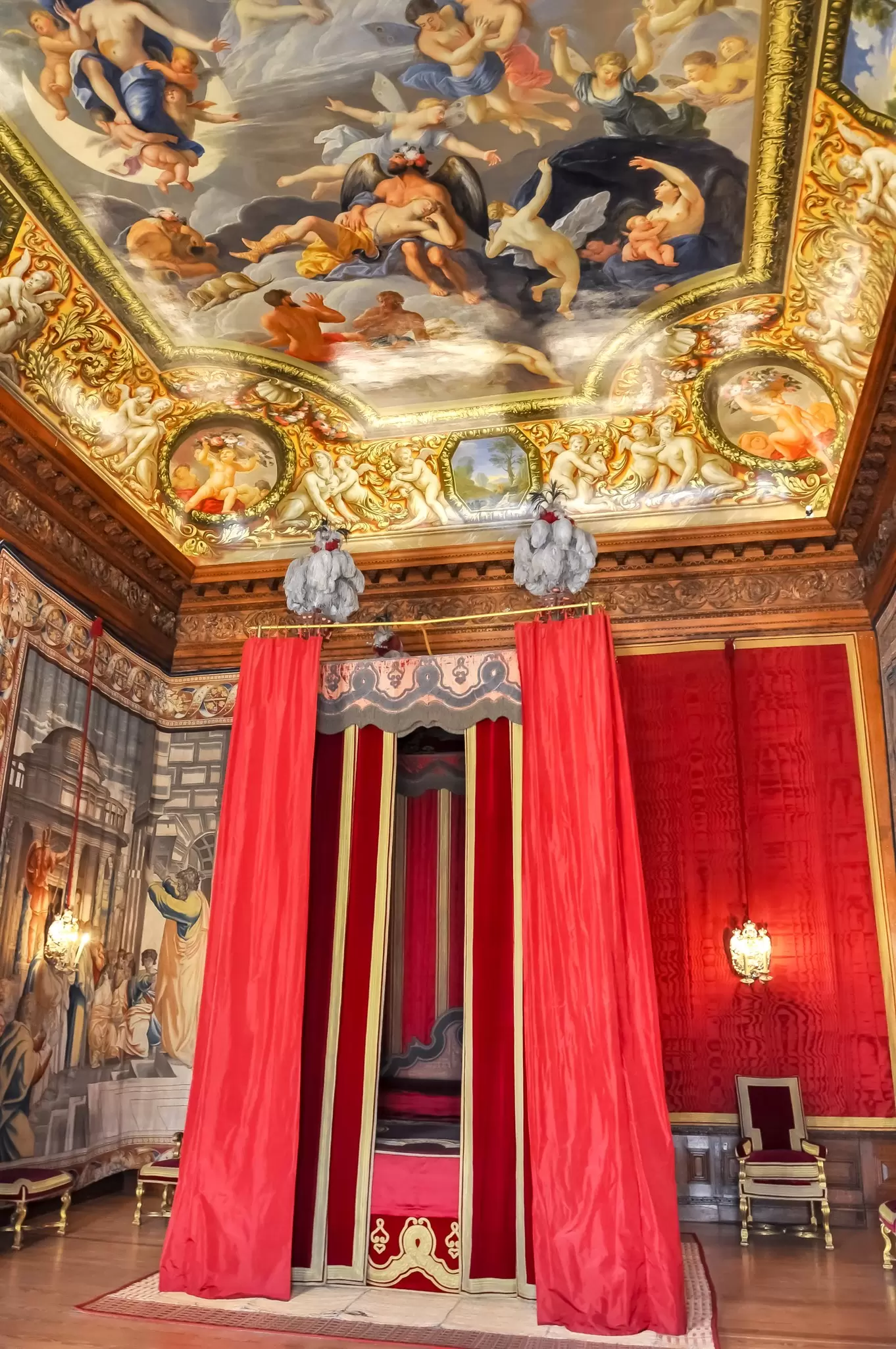
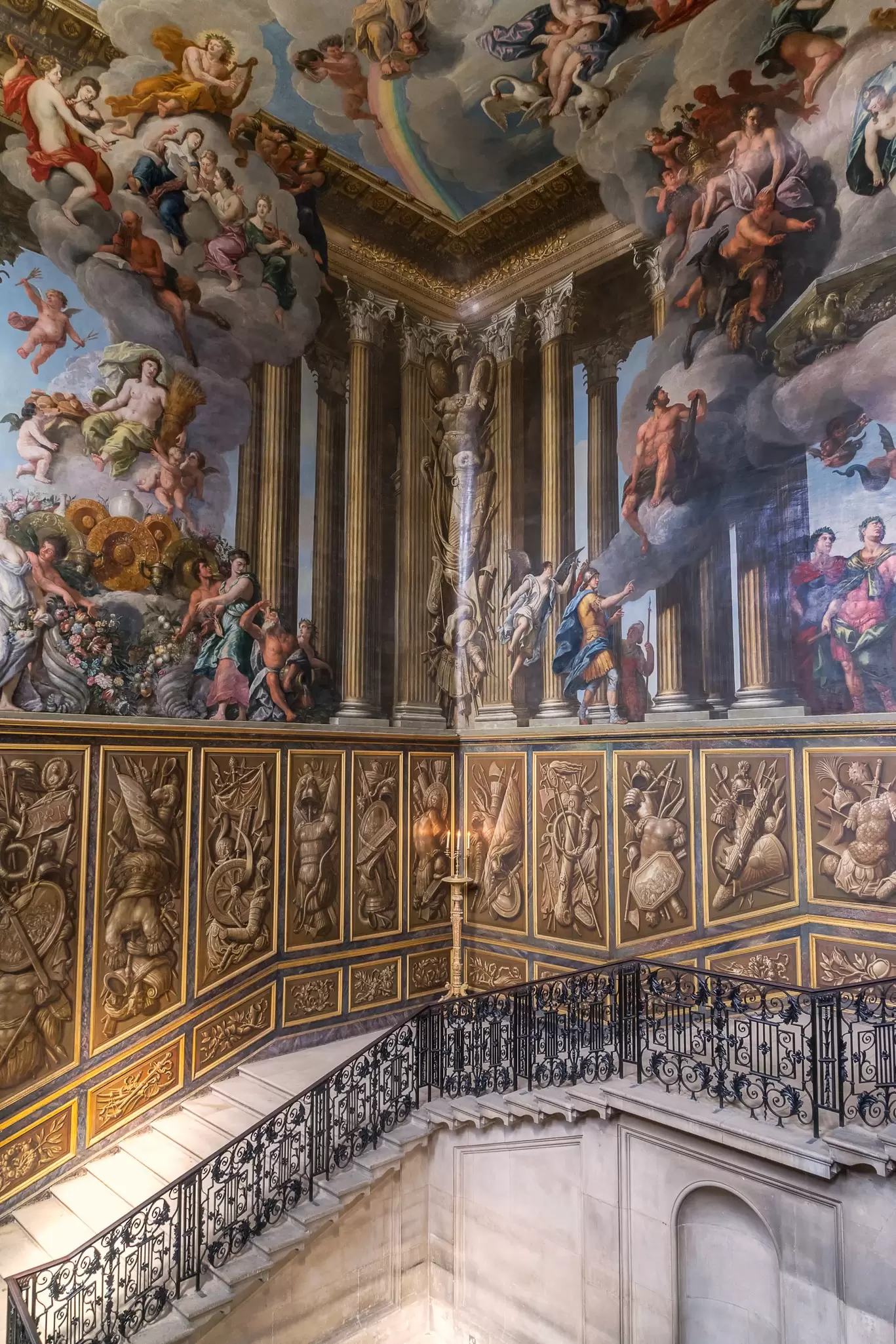
A highlight of any visit is the State Apartments, offering a glimpse into Henry VIII's day-to-day life. In King William III’s apartments, take notice of the delicate 17th-century wood carvings – the king didn’t sleep in the Great Bedchamber, but it's where he dressed each morning. The Great Hall is the greatest medieval hall in England, and it was turned into a famous theater, where Shakespeare’s group performed in 1603.
Feast Like a Royal
At a time when it was fashionable to carry a few extra pounds, given the vast appetite of the king himself, Hampton Court Palace employed 200 cooks, grooms and pages, and they were responsible for preparing up to 800 meals a day. The famous Tudor kitchens were built in 1530, and they now provide a glimpse into the variety of specialties that were served and enjoyed at the castle.
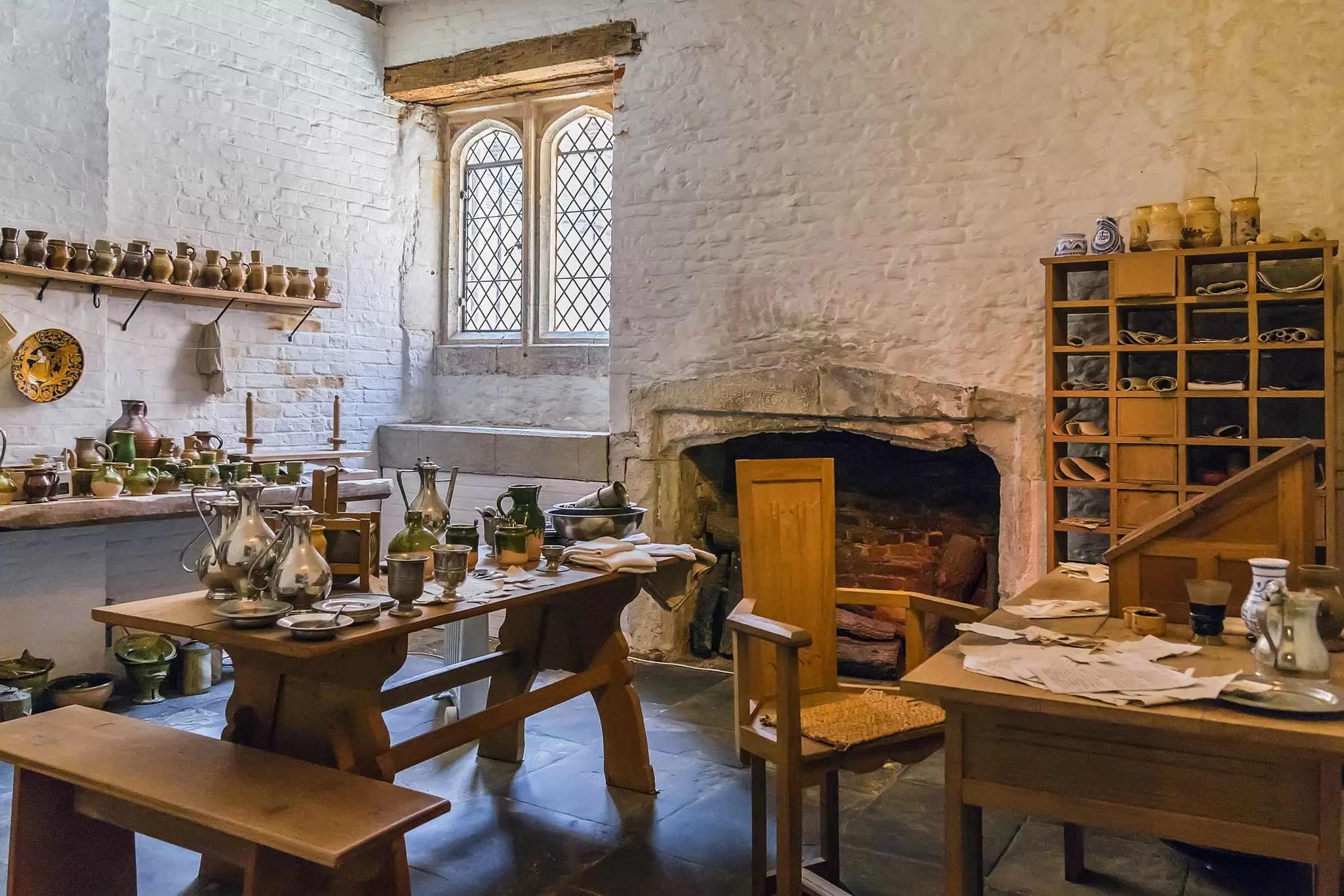
One activity visitors can participate in is unearthing the experience of working in the royal kitchens during the 16th century. History cooks unravel the secrets behind crafting authentic Tudor cuisine such as hearty roasts, flavorful stews and intricate confectionery delights. By the end, you’ll discover what it means to eat like a king. The Tudor Cookery and Roasting opportunity is included in your general admission ticket, but is only available on weekends.
Predicting the Thames Tides
In the palace’s central area, a fascinating astronomical clock is to be found facing the inner court. This marvel was installed for Henry VIII in 1540 and is connected to a set of three bells. Impressively tall at 4.5m, it can tell the time, the date, the position of the sun, the phases of the moon, when the moon crosses the meridian and the age of the moon in days. Because of this, it can even predict the Thames’ tides.
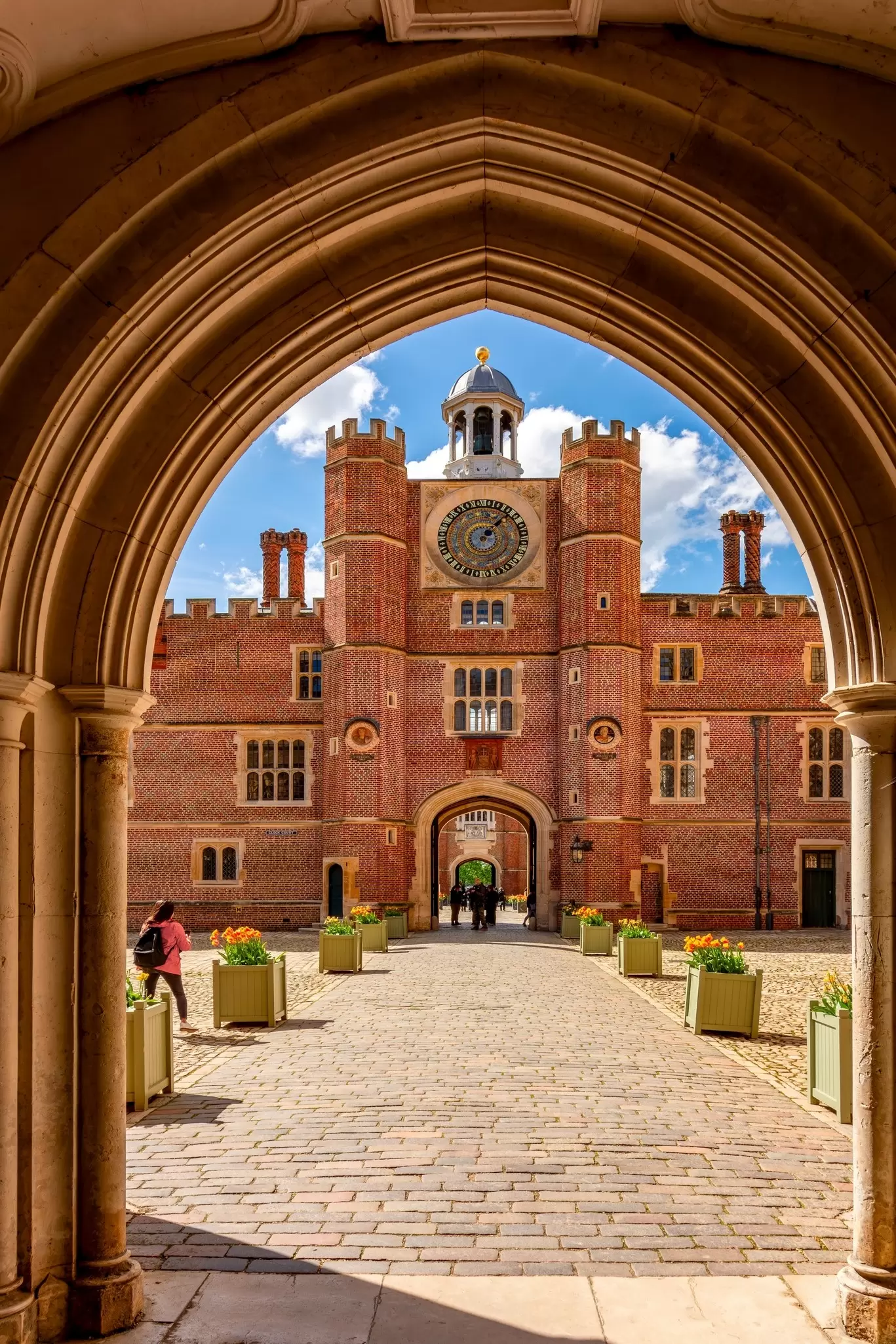
The astronomical clock can be seen when visiting the Base Court, the palace's first large courtyard inside the West Front. Thirty apartments were situated here, accommodating the palace's most significant guests. Upstairs from the Base Court, there are also paneled rooms and arched doorways in the Young Henry VIII's Story that provide a rewarding introduction to the place. Be sure to check out the Tudor graffiti on the fireplace.
A Screaming Queen
Take a walk from Henry VIII’s private apartments towards the chapel and you’ll get to see the famous Haunted Gallery in the State Apartments. This area is especially interesting given its one-time spooky popularity. At the beginning of the 20th century, the most common postcards of the palace featured faked photographs that presumably displayed a ghost roaming around the old premises. The lingering tales suggested that the ghosts of at least two of the king's wives haunted the place. Jane Seymour, his third wife, died during childbirth in 1537, and Catherine Howard, his fifth wife, was executed five years later. Jane, the only one of Henry's wives to be buried beside the king, was believed to appear on the Silverstick Stairs.
When Catherine was arrested, they say that she ran along the Haunted Gallery screaming and begging Henry for mercy. The king was praying in the chapel at the time, and the guards just took her away. Legend has it that she now screams in the gallery for eternity.
Private Dining Room
Take note of the dining room in William III's private apartments, where he really lived and organized small dinner parties reserved exclusively for his male friends. After dinner, the shutter would be lowered, ensuring the king and his companions enjoyed total privacy. Try to guess what was on the menu or imagine the atmosphere during these elegant evenings.