Sep 18, 20265 min read
The 5 Best Jazz Bars in HanoiMar 1, 2026
9 MIN READ
Writer
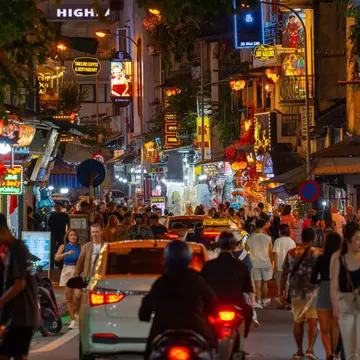
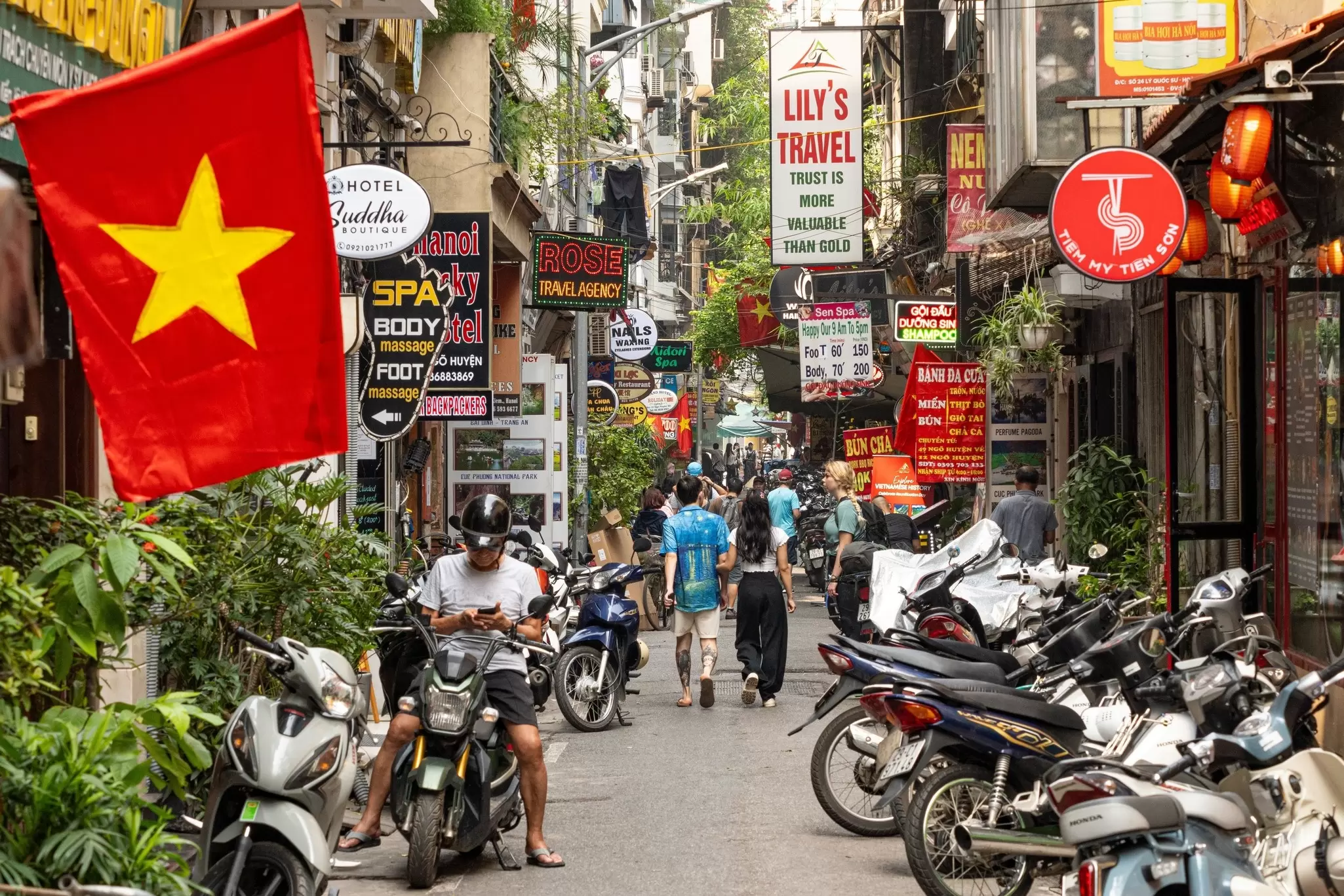
A busy street in Hanoi, Vietnam's capital city. Sanne Dost/Shutterstock
Writer
Lonely Planet may earn a commission from affiliate links on our site. All recommendations and reviews reflect our own independent opinions.
I feel lucky to live in Hanoi. I love my hometown even more when I take morning bike rides around West Lake, stand on the sidewalk and eat an ice cream from Trang Tien in winter weather, or happen upon a charming cafe hidden in a small alley while wandering through the Old Quarter.
Hanoi has long been a key destination in Vietnam. However, many visitors are still unsure how to explore the city for the first time. Here are some tips to help you better plan and enjoy your visit.
Hanoi is a dynamic capital city, but tradition still remains in the form of ancient, moss-covered temples and pagodas tucked between modern buildings. Well-preserved French-era houses have been repurposed into museums, exhibition spaces and heritage centers. There are approximately 1350 craft villages in Hanoi, including 337 officially recognized ones like Bat Trang pottery village, Van Phuc silk village and Chuong conical hat village.
Even young people are increasingly interested in reconnecting with traditional values. They are spearheading the movement to preserve ancient scripts, restore traditional costumes, and learn traditional crafts from artisans. Ancient art forms (like water puppetry and ca trù singing) are still popular. Some of them are performed not only in theaters, but also on streets in and around the Old Quarter. Traditional Hanoi cuisine, especially dishes for holidays and festivals, is being elevated and incorporated into the menus of fine-dining restaurants by young chefs.
Contrary to popular belief, not all parts of Vietnam enjoy warm tropical weather year-round. Summer in Hanoi (June to August) is very hot, with temperatures often reaching 38°C (100°F) or higher, and thunderstorms sometimes occurring late afternoon. Cotton or linen clothing is best; wear a hat, sunglasses, and apply sunscreen before going out. Remember to drink plenty of water and avoid strenuous activities between 11am and 3pm.
Temperatures in winter (December to February) can drop below 10°C. Jackets, sweaters, thermal shirts, gloves, socks and scarves are essential items. Spring (March to May) is warmer, but there’s drizzle and high humidity, so pack waterproof clothing and moisture-proof bags for electronic devices.
The most beautiful season is autumn (September–November), which brings pleasant weather with warm sunshine, gentle breezes and blue sky. Temperatures average around 23–28°C (73–80°F). Bring clothing that can be layered with a long-sleeved cardigan or jacket for the occasional chilly evening.
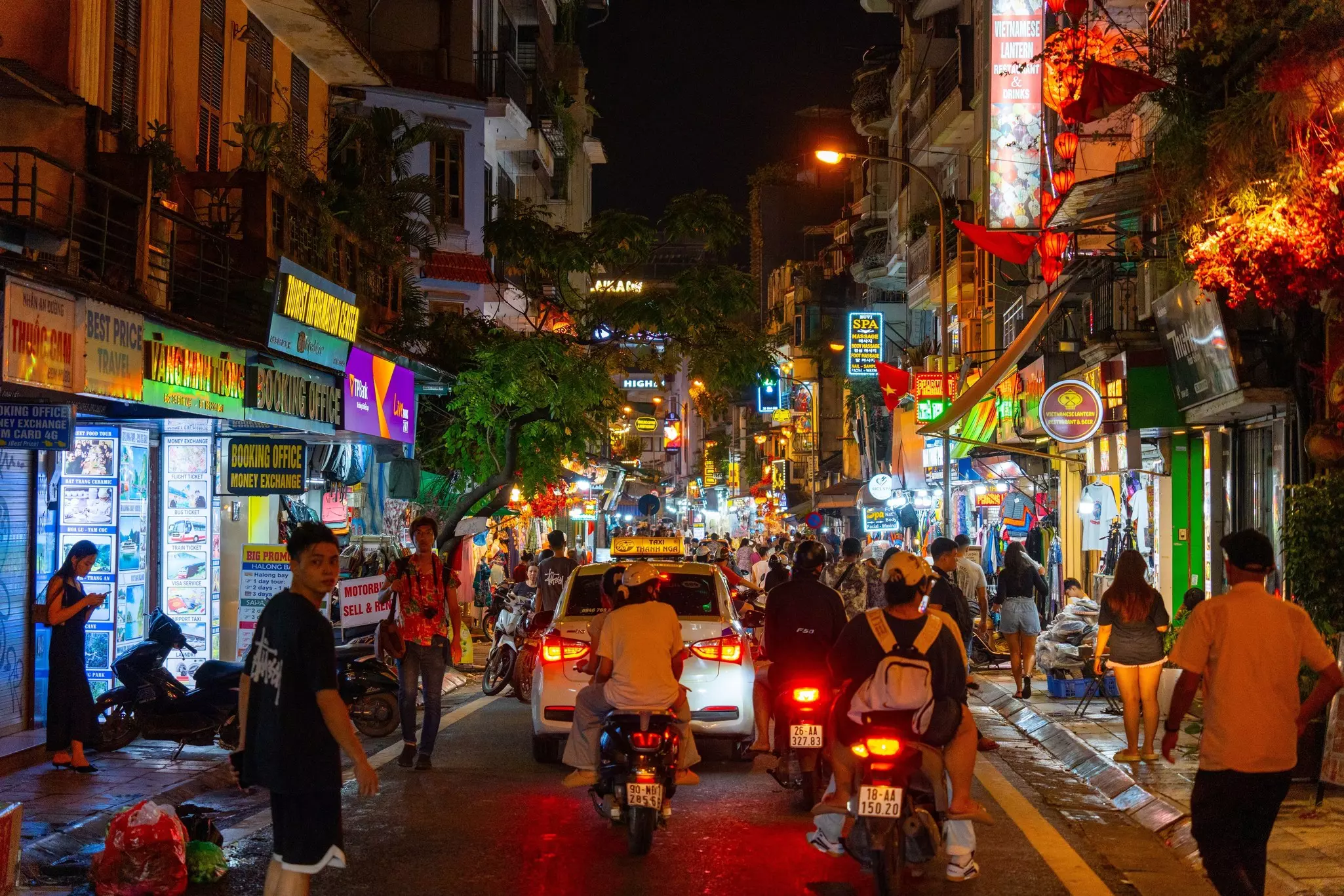
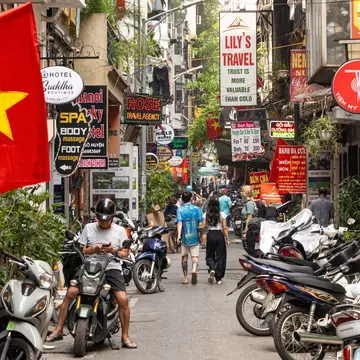
Hanoi’s Old Quarter and city center are very crowded, especially during rush hour because many offices, schools, and shopping centers are clustered in this area. Narrow streets are filled with motorbikes and cars, some even parking on sidewalks.
Leave 30 minutes to an hour early to avoid traffic jams. Stay alert in all directions, and walk slowly when crossing streets. Use pedestrian bridges where available, and do not try to walk against traffic.
Although some petty thefts like bag or phone snatchings still can occur, violent crime is rare in Hanoi, making the city generally safe for travelers. Many locals are friendly and approachable.
LGBTQ+ visitors are also welcome. Tourist-friendly areas such as the Old Quarter and around West Lake offer many places for this community – from cafes and bars to creative spaces. Activities – like Hanoi Pride (held annually since 2012) – are widely supported by both locals and international visitors.
However, all visitors should moderate public displays of affection, as locals tend to be quite reserved in their relationships.
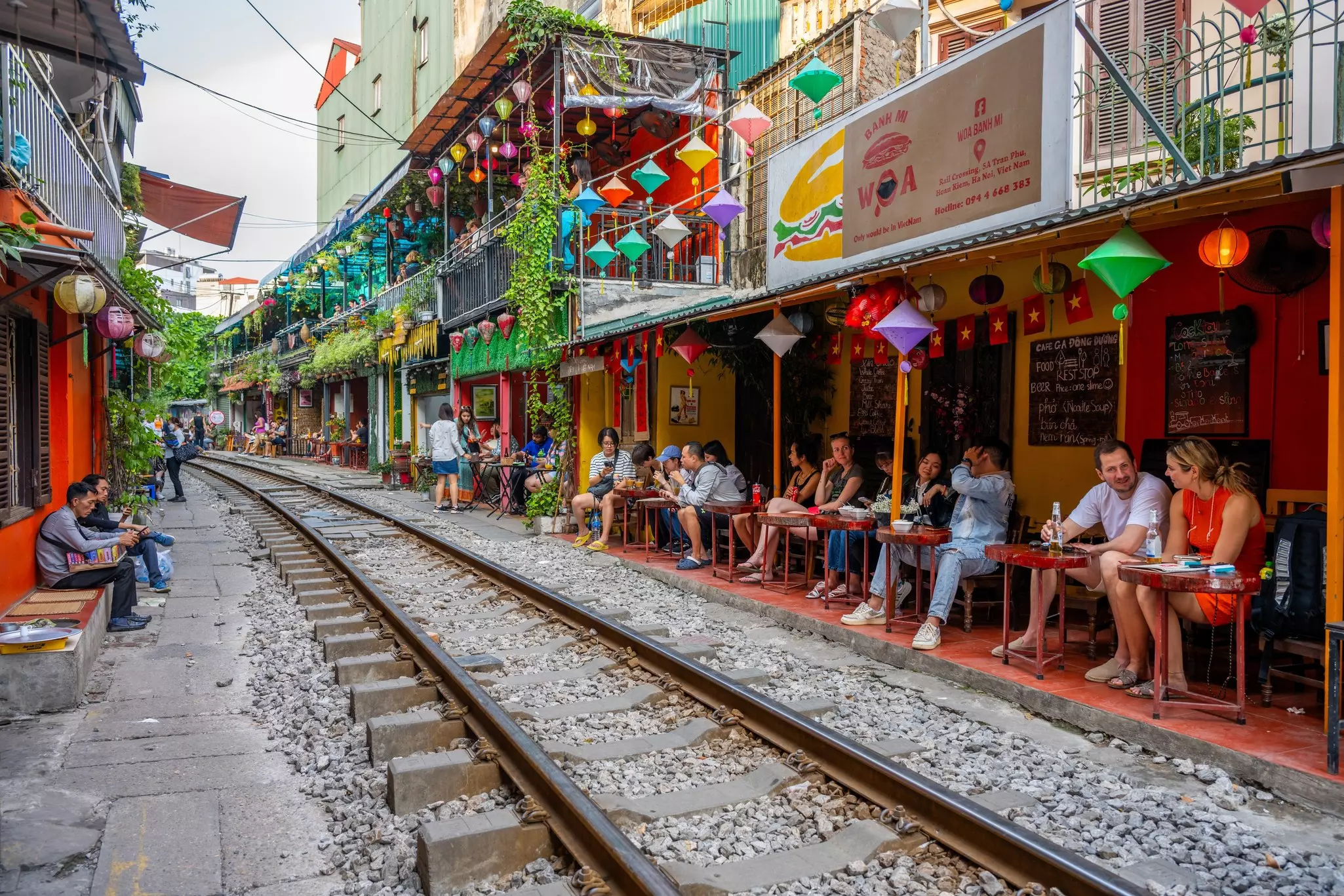
Minor tourist scams include taxi drivers hiking up prices (rigged meters) or not using the meter at all. You may be approached by touts selling services (like tour packages, show tickets and car rentals) from unreliable companies. And some souvenir shops and food vendors charge tourists several times the going rate.
Though the situation has improved in recent years, it pays to remain vigilant by using official apps or websites to book hotel rooms or buy tickets. Grab and Xanh SM are popular ridesharing apps. Compare prices across vendors before buying goods, and keep a close eye on your personal belongings.
The Old Quarter is Hanoi’s historical and cultural center, with trading activities dating back to the 11th century under the Ly Dynasty; it remains a bustling area to this day. You’ll find shophouses, temples, pagodas, and French-style buildings alongside markets selling everything from household appliances and handicrafts to food, both raw and ready-to-eat.
This is also the city’s culinary paradise with countless delicious dishes, restaurants, bars and cafes. From 6pm on Friday to midnight on Sunday, some streets here (including Hang Ngang, Hang Dao, Hang Buom) transform into a pedestrian zone, hosting the Old Quarter Night Market and street art performances for a vibrant scene.
The streets are narrow, so the best way to experience it is by walking, which allows you to take in everything at a manageable pace. Hanoi Free Walking Tours is a nonprofit organization that provides tours around Hanoi, guided by young local students.
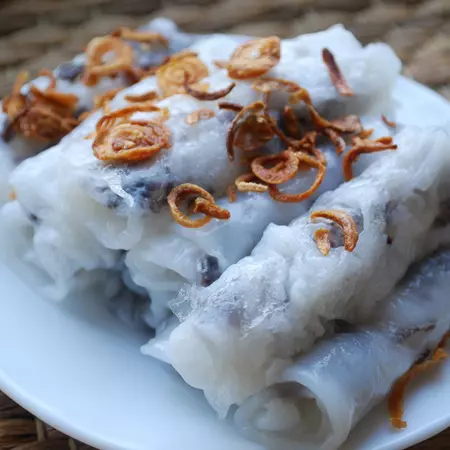
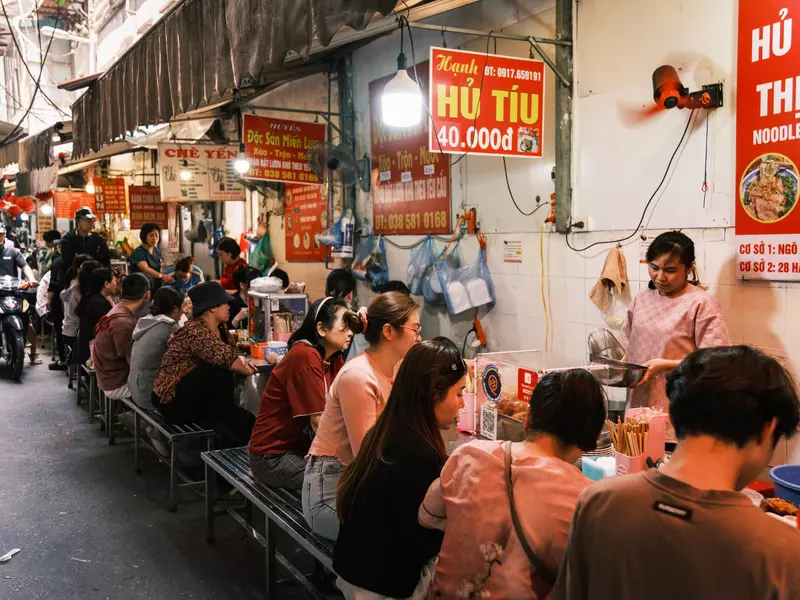
Hanoi offers a wide range of street eats – not just in the Old Quarter area, but practically down every small alley.
These make excellent snacks or even a full meals. Phở (noodle soup with beef or chicken), bánh mì (Vietnamese baguettes filled with meats and vegetables), and bún chả (noodles served with grilled pork and herbs) are the most popular choices. Other options that you should try include bánh cuốn (steamed rice rolls), nem rán (fried spring rolls), sweet desserts like chè (sweet soup) and various local cakes. Prices are reasonable, ranging from 20,000–60,000 Vietnamese dong (VND) for each dish. Taking a street food tour is a great way to sample and learn more about local food culture.
When the weather isn’t great, museums are ideal destinations. The Vietnam National History Museum attracts visitors not only with its vast collection of artifacts about Vietnamese history from prehistoric times to present, but also with its beautifully preserved French colonial era building. The Vietnam Military History Museum (at a new location since November 2024) uses modern technology – including 3D mapping, virtual reality, touchscreens and audio guides – to present the Vietnamese people’s long struggle to protect the country. Art lovers can head to the Vietnam Fine Arts Museum, which displays Vietnamese artistic traditions such as lacquer paintings, folk paintings and Cham sculptures, alongside works by generations of Indochinese fine arts painters.
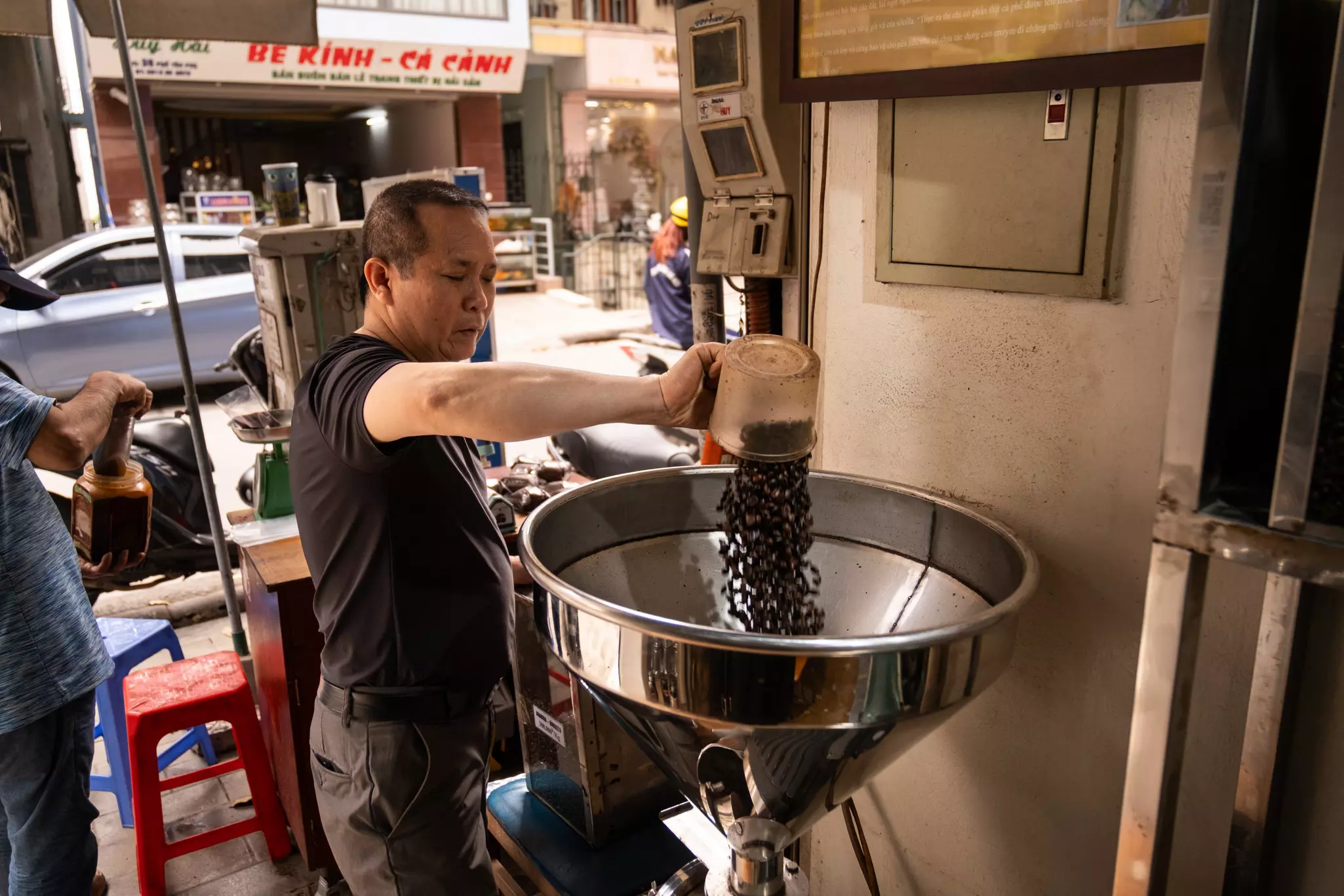
Coffee was introduced in Hanoi in the mid-19th century. Locals love drinking coffee at sidewalk cafes while watching the streets. Cafes here are often informal meeting points to discuss work, share ideas or just to chill (because houses tend to be small).
Hanoi coffee is primarily made from robusta beans – known for their bold and strong flavor, with a long aftertaste. In traditional cafes, coffee is usually brewed in an aluminum filter, including popular Hanoi coffee styles such as black coffee and iced milk coffee. Egg coffee – made from hot black coffee, sweetened condensed milk, and topped with a creamy egg-based foam – was invented in 1946 at Café Giảng, one of Hanoi’s oldest family-run cafes.
In recent years, many specialty coffee shops and roasters have been founded by young entrepreneurs, creating a diverse “coffee map” across the city. You'll find small family-run cafes tucked down narrow streets serving filter-brewed coffee and large-scale brands focused on modern brewing techniques.
Clearly indicated exchange rates at banks and licensed currency-exchange counters are the safest places to change money. There are bank branches spread across the city and ATMs are easy to find. While you may be able to find higher exchange rates at gold shops or even with touts on the street, the risk of receiving counterfeit money isn’t worth it.
Payments using QR codes, cards or bank transfers are common in Hanoi, but cash is still useful for smaller amounts like eating at street food stalls or tipping staff.
Small denominations (20,000VND, 50,000VND or 100,000VND) are preferred. Keep your money in different places (like a second wallet or a jacket pocket) to avoid theft.
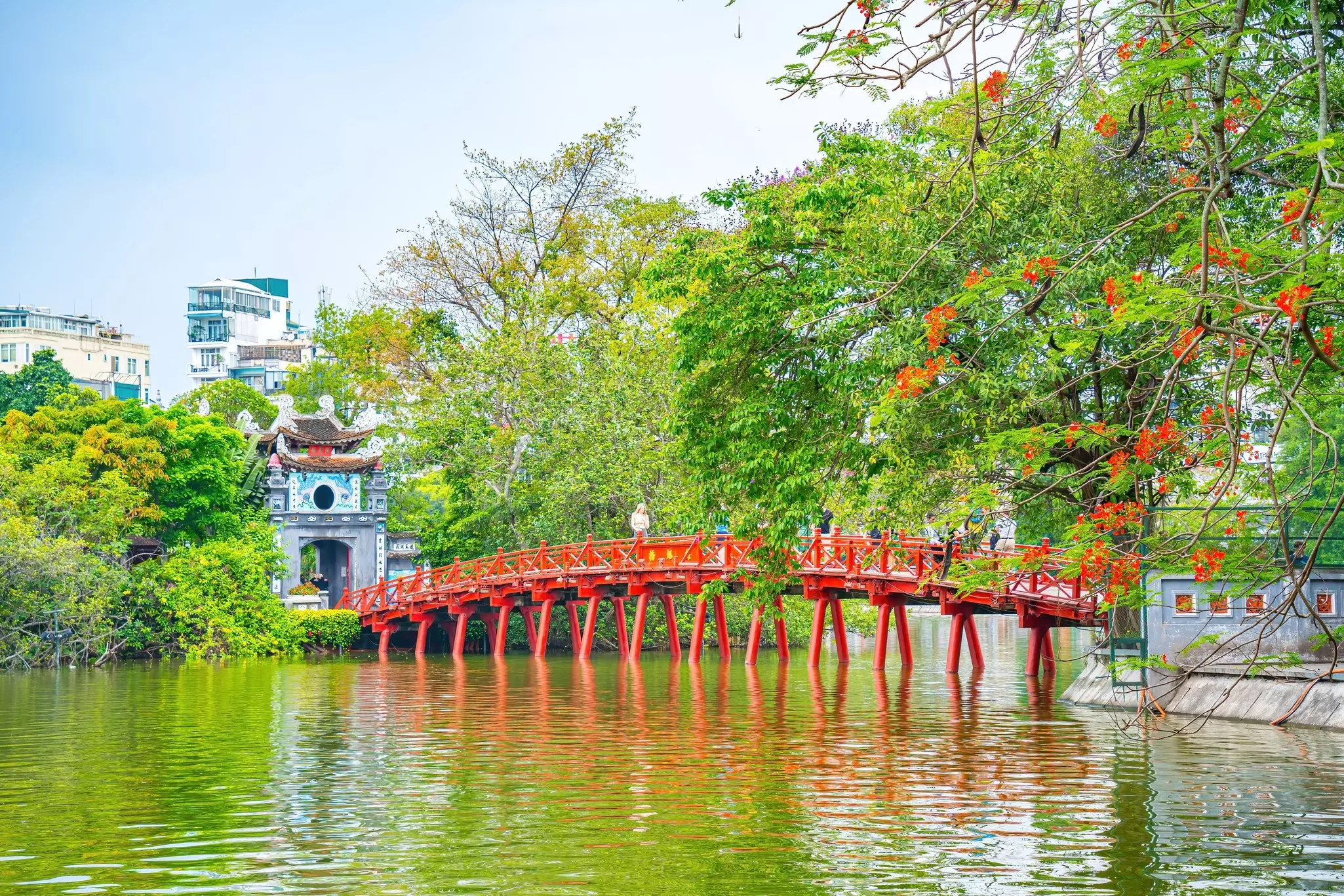
Explore the Old Quarter and surrounding landmarks (Hoan Kiem Lake, Ngoc Son Temple and The Huc bridge) on your first day, finishing off by watching a water puppet show. The second day can be dedicated to learning about the city’s history and culture by visiting museums, historical relics, and heritage conservation centers.
On the last day, discover the city in your own way. Bring a map, wander through the streets, stop for lunch at a charming restaurant, or have a coffee at a quiet cafe.
From Hanoi, you can easily travel to many famous destinations in Northern Vietnam, including Halong Bay, Sapa and Ninh Binh. Most travelers opt for bus or train, but private cars (with driver) offer more flexibility. The city is also the main pick-up and drop-off point for most Northern Vietnam tours.
Lunar New Year is the biggest and most important holiday of the year in Vietnam, falling around late January to February. During this period, government offices close and streets become quiet as city residents head back to their hometowns. Many shopping malls, museums, and restaurants may also close. You should check operating hours in advance through official websites. Hotel concierge desks are also a useful source for up-to-date information.
Explore related stories