Feb 4, 202611 min read
The 10 Best Things to Do in Northern VietnamFeb 4, 2026
11 MIN READ

Writer
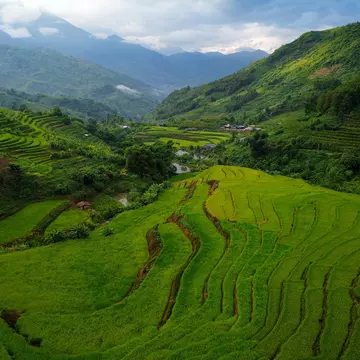
Lai Chau province in northern Vietnam. Alex Sheal

Writer
Highlights
Writer Alex Sheal picks 10 adventures across northern Vietnam, from trains to terraces.
Ride Vietnam Railways overnight from Hanoi, then tackle remote Lai Chau by motorbike.
Sleep in a hill-tribe homestay, browse craft villages and mingle at a mountain market.
Mu Cang Chai's terraces glow gold at harvest; Halong Bay, festivals and wild swims follow.
Lonely Planet may earn a commission from affiliate links on our site. All recommendations and reviews reflect our own independent opinions.
From the misty mountains of Lai Chau to the shimmering South China Sea (East Sea), northern Vietnam entices adventurous travelers. On a single day you might find yourself climbing lush rice terraces, browsing at a hill-tribe market or drifting along a river beneath jungle-clad peaks. Given a week or two – and some advance planning – you’ll be able to venture deep into the wild heart of a region opening up to the world.
Indeed, it’s easier to get around Vietnam's northern provinces than ever. Transportation infrastructure and amenities have improved dramatically in the past decade, English is more widely spoken, and online maps help you along the way. No longer do you need to stuff a cumbersome road atlas and a Lonely Planet phrasebook in your backpack. And yet beyond crowd-pleasers like the Ha Giang loop, Sapa town and Ninh Binh, the region's staggering natural scenery and rich ethnic cultures remain relatively unexplored.
May these 10 tips set you on the road to some unforgettable experiences in Vietnam’s north.
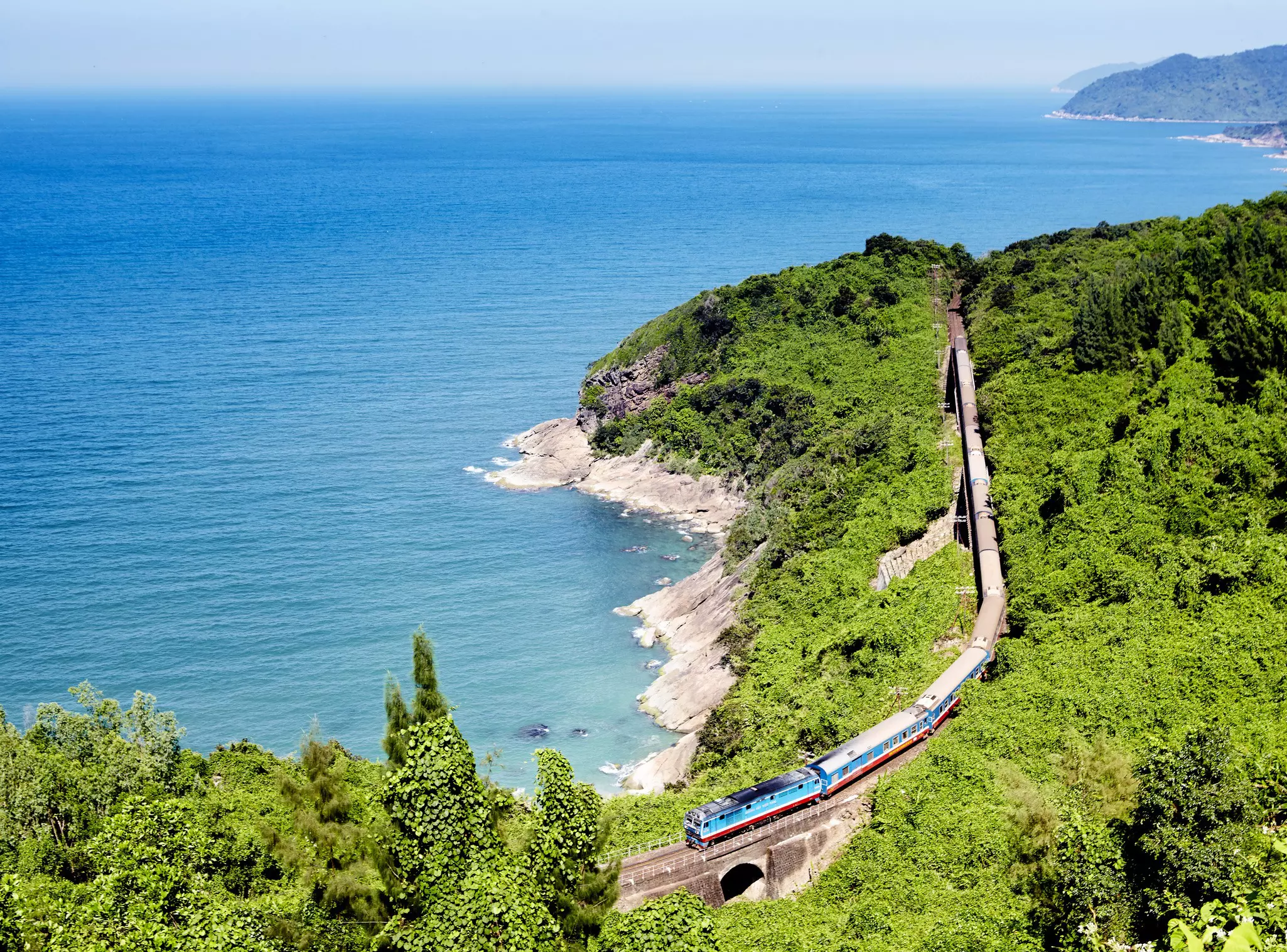
There’s nothing quite like a train to kick off an epic journey, and Vietnam Railways is efficient, comfortable and pleasingly vintage. With Hanoi as your starting point, you can ride south to the karsts of Ninh Binh or east to coastal Hai Phong, or hop on the night express to Lao Cai, your gateway to the mountains.
Yes, the train is slower than going by road, but it is much more comfortable and an experience in itself. Watch the villages and rice paddies of rural Vietnam roll past your window, get to know your fellow passengers over a ca phe nau da (iced coffee), or enjoy some Indochine vibes in a boutique carriage. Taking the sleeper to Lao Cai also saves you a day’s travel, and you’ll be up bright and early to hit the hiking trails the next morning.
Tickets can be booked directly on the railway's website, while upmarket providers with blinged out carriages include Chapa Express.
Planning tip: To reach provincial capitals without train service, try a surprisingly plush (and affordable) overnight bus, including those operated by Nha xe Thanh Ly (to or from Cao Bang) and Hai Van (to or from Dien Bien).
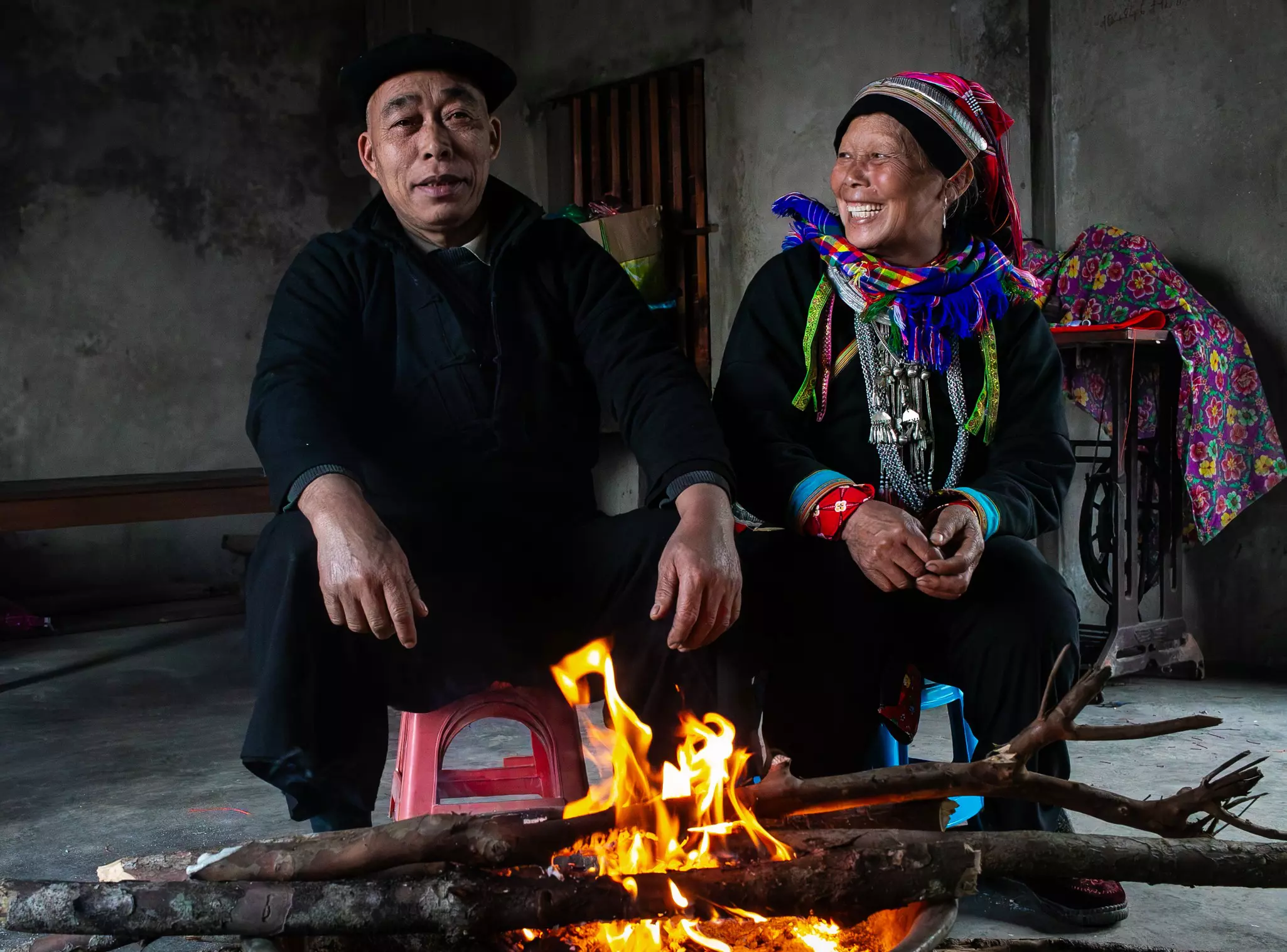
Once upon a time, your choice of lodging in Vietnam's northern mountains boiled down to local motels or a homestay with a hill-tribe family. Accommodation options have diversified, but the homestay experience is still a must-do.
In a traditional homestay, you spend the night with a family from one of the country’s tribal groups, sharing a dinner of delicious local specialities and home-brewed wine (ruou) before sleeping under the same roof. The style of house varies between ethnic groups, but the materials are typically carved wood and bamboo, your bedroom a floor mat with a blanket and mosquito net, your morning alarm the rooster under your window. It’s a joy, an education and a very human experience. As tourism infrastructure modernizes throughout the north, traditional homestays have become increasingly rare, so enjoy one while you can.
Planning tip: Many eco-lodges and budget hotels describe themselves as a homestay while providing private rooms, bungalows or restaurants. Such amenities may be welcome, but for the full experience, seek out the traditional option.
Since Ha Giang became the scene that launched a million moto-tour convoys, the search has been on for a new loop. Cao Bang is having a little moment of its own, but the vast province of Lai Chau tops the lot.
Easily accessible by road from Sapa, Lai Chau is home to sublime mountain scenery, seldom-encountered tribal groups and a thrilling frontier vibe. Like the Ha Giang of old, you’ll need to acquire permits from the local police to travel in border areas, and occasionally you’ll be sent back the way you came, but that’s all part of the fun. Spend a night or two in Sin Suoi Ho, a Hmong village once blighted by opium addiction but now reborn as a sustainable tourism project. Get off-grid in the gorges and secluded hamlets of the Phong Tho district. West of Muong Lay, try a backcountry loop through Vietnam’s most remote region, taking in Muong Nhe, A Pa Chai and Muong Te.
Planning tip: Accommodation options are sparse in the far northwest, and not all hotels and homestays host foreign guests. Look out for a government-run nha khach (guesthouse) in towns, and always carry a photo of your passport ID and visa pages.
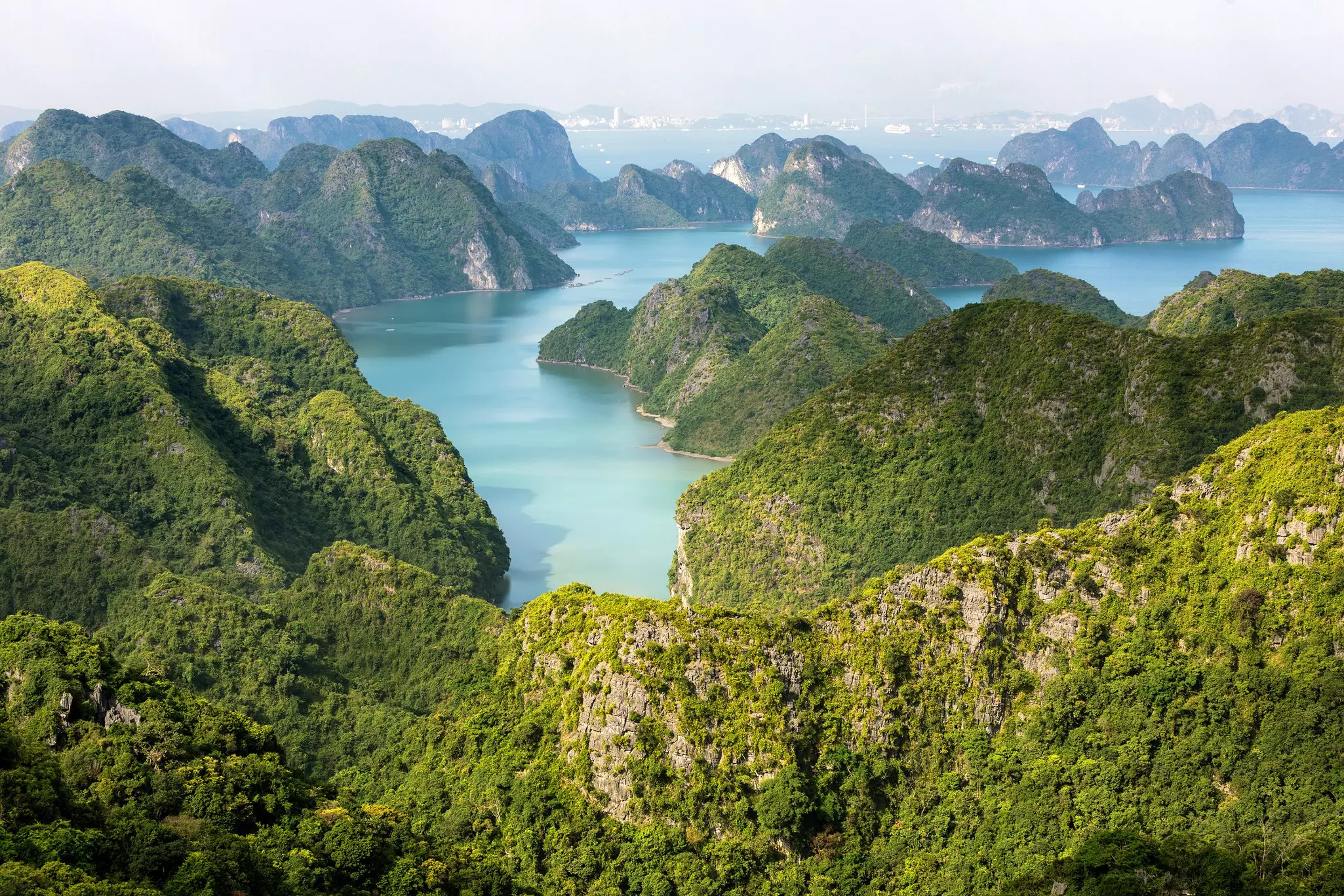
Yes, Halong Bay and its surrounds are overexploited, overcommercialized, overhyped…but still hard to pass up. Drifting among those jungle-clad karsts is always surreal, fantastic and movielike, along the lines of Indochine, Kong: Skull Island, even Avatar. There are cruises for all budgets, from luxury private junks to floating hotels and everything in between.
However, actual itineraries are limited to a couple of routes, so the only differences tend to be comfort level, and this can be hard to distinguish online. For those with more time and less need for pampering, island-hopping via public ferry is the perfect way to take in the views while sampling local life. Catch a slow boat from Tuan Chau to Cat Ba, or from Cai Rong port, on Van Don, to the coral beaches of Quan Lan or Co To.
Detour: Grab a gull’s-eye view of Halong Bay by prop seaplane with Hai Au Aviation.
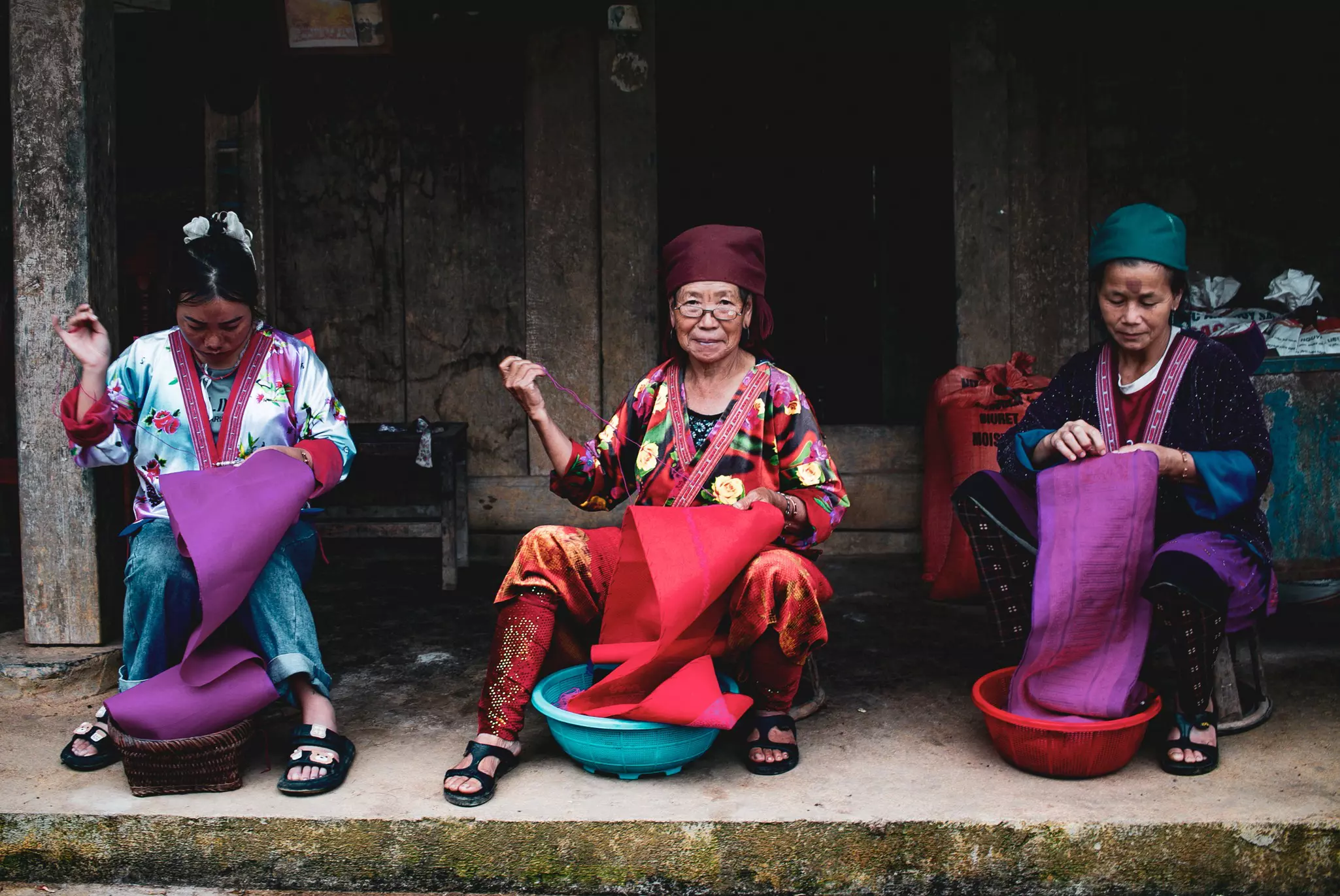
Hanoi’s red incense and ceramic villages have become major attractions, but the north boasts many such communities practicing age-old crafts. From Hmong knifesmiths in Lai Chau and silkworm farmers in Thai Binh to families in Cao Bang manufacturing everything from leaf hats to votive paper, artisans at these craft villages (lang nghe) open a portal to the preindustrial past.
While our mass-produced world obsesses over speed and scale, these craftspeople work with inspiring devotion to detail and heritage. Wander into a craft village and you’ll be welcomed by hosts eager to share their cottage industry – and perhaps even be invited to do a shift. There are hundreds of fascinating craft villages across the north, but standouts include Lung Ri, a ceramic tile-making hamlet in Cao Bang; Co Chat silk village in Nam Dinh; and Tho Ha, a riverside community producing rice paper in Bac Ninh.
Planning tip: Some craft communities are self-supporting – some might do a roaring trade – but many rely on government funding. Most face a fight to preserve their heritage. Where there’s no sustainable tourism infrastructure, you can pay your way by purchasing a few of the products or leaving a tip for the hosts. Sharing your experience and promoting these communities online also helps them thrive.
Throughout Vietnam, markets are not only places for trade but also social hubs. Nowhere is this more true than the northern highlands, where tribal communities are often spread across vast distances and wild terrain. To reach the big weekly market, villagers may have to walk, ride or catch a lift along precipitous trails through dense forest and across rivers and high passes. No wonder they’re keen to make it worth the trip. On top of the usual hustling and haggling, these rotating markets (cho phien) put on all sorts of additional entertainments: rooster fighting, buffalo auctions, drinking dens and street kitchens purveying the finest tribal specialities. Get there early, as the fun usually wraps up by lunchtime.
Planning tip: While markets in more developed areas follow the western calendar – Sunday being the most popular day – you can still find very traditional markets running on a lunar cycle. One of the best is Lung Phin in Ha Giang, held on the days of the monkey and the tiger.
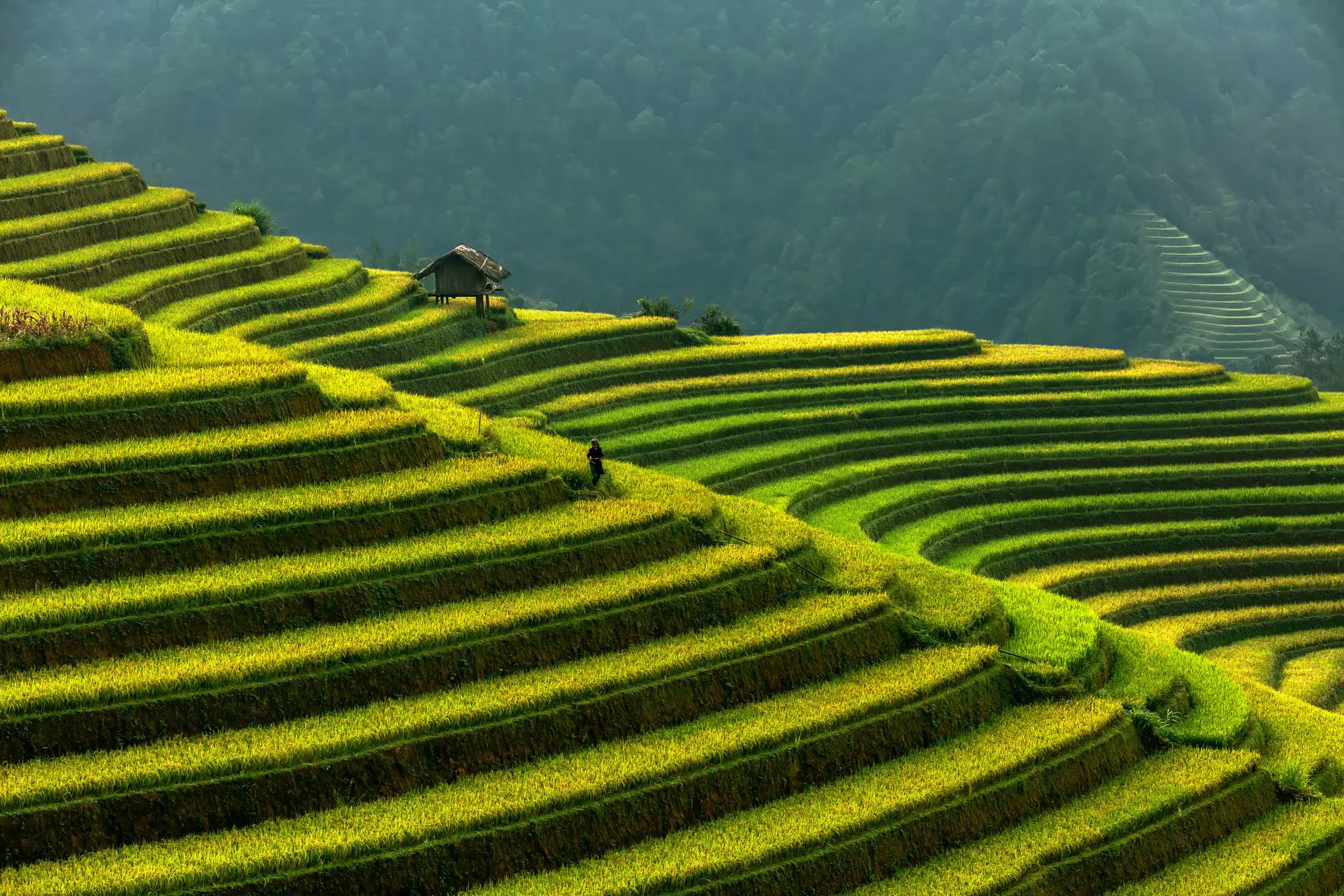
For generations, the Hmong farmers of Mu Cang Chai have sculpted towering geometric rice terraces out of the region’s hills. Beauty born of necessity, these rice terraces turn a lush green in summer, then gold as the rice ripens in autumn. It is perhaps the most iconic of northern Vietnam’s many alluring landscapes, and the area draws visitors both domestic and foreign.
Popular viewpoints like Mam Xoi can get overrun in peak season, but there are plenty of alternatives. Take a wander along the ridges of La Pan Tan, or explore the terraced hills around Lao Chai. If you don’t have your own wheels, local motorbike taxi drivers are often on hand; otherwise, make sure to pack your walking boots.
Outside of harvest time, it’s worth visiting Mu Cang Chai during the Season of Pouring Water in May, when the first rains of summer turn the paddies into dazzling, sky-reflecting mirrors. In any season, enjoy it all from above on a breathtaking flight with the paragliders of Mebayluon.
Detour: The less-visited Hoang Su Phi district, near Ha Giang, is also blessed with beautiful rice stairways, many near the town of Thong Nguyen. Book a stilt bungalow with a view right over the main attraction at Hoang Su Phi Binh Minh.
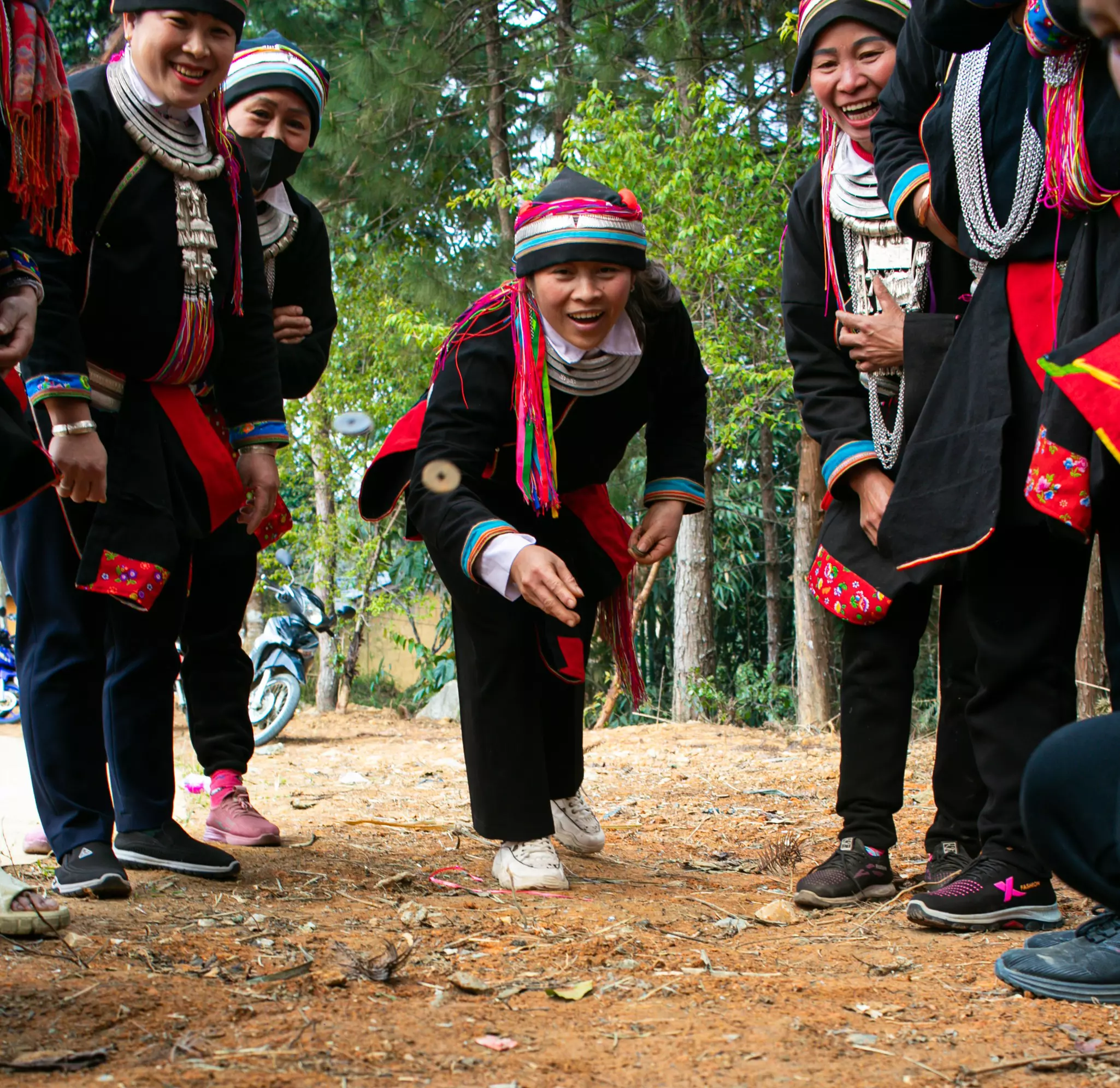
Starting around the third day of the new lunar year (usually in late January or February), communities all over the north get together to eat, drink and make merry. Spring festivals often involve contests like tug-of-war, boat races and tightrope walking along a bamboo pole. In the Nam Dam part of Ha Giang, you may find yourself cheering on a football match between traditionally attired Red Dao women or spinning tops with the village kids. At the Ba Be Lake festival, you might join a game tossing hoops into a duck pen, then wonder what to do with your quacking prize.
These are local festivals for local people, so arrangements are often made at short notice and scarcely advertised. Still, if you’re in the north at the start of the lunar year, you’re bound to stumble onto a celebration of some sort. Inquire locally for a schedule.
Planning tip: Festive options at other times of year include Moc Chau's Love Market (September 1) and Bac Ha's Horse Racing Festival (usually in June).
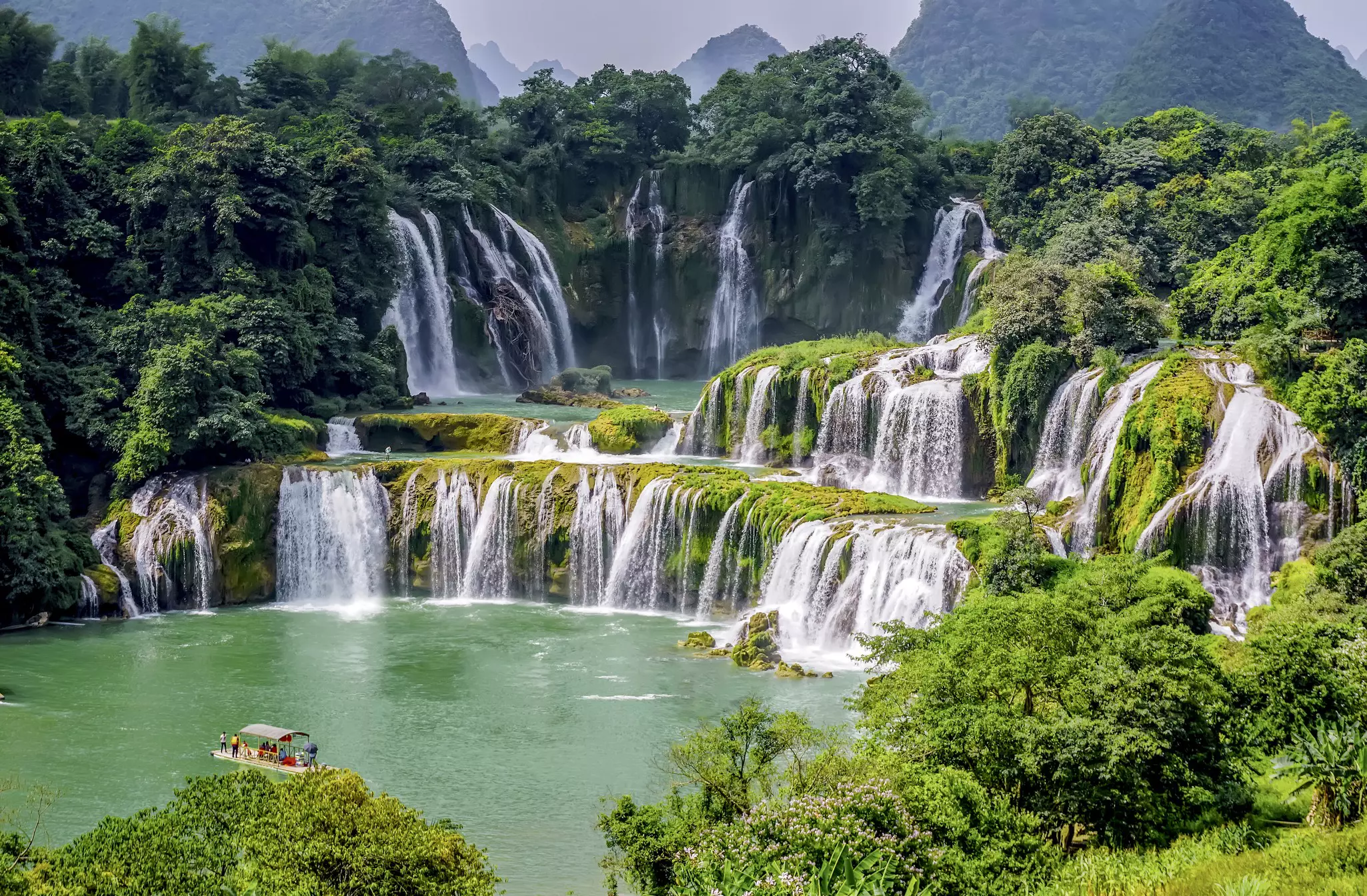
Travel most places in Vietnam's northern mountains – with the notable exception of Ha Giang’s dry rocky plateau – and you’ll find water, water everywhere. Ban Gioc Waterfall in Cao Bang province might be Vietnam’s most spectacular cataract, but it’s just one of many stunners in the region. The best waterfalls also double as blissful, rejuvenating swimming holes, like Khe Kem Waterfall in Nghe An and the seven-level Chieng Khoa in Moc Chau.
If you don’t plan to chase waterfalls, pack your swimming gear anyway. From May to October, the rivers and streams of the north provide a fresh, relatively clean respite from the heat. You’ll also find plenty of local hot springs (suoi nuoc nong) around, often with basic facilities.
Planning tip: Look out for where the village kids are swimming (you’ll hear them screaming and cannonballing from afar) and enjoy with caution, especially near rapids and waterfalls.
Carmageddon may be looming in the cities, but rural Vietnam is still the land of the motorbike, not least in the north. Locals transport everything on two wheels, from family and friends to farm animals – often at the same time. For you, a road-trip by motorbike means access to places that cars or buses have trouble reaching, plus the freedom to make your own way. Skilled mechanics can be found everywhere, and locals often have enough working knowledge to help you out in the event of trouble. Likewise, rental shops abound in tourist hubs like Sapa and Ha Giang.
While motorbiking in Vietnam is a joy, it’s also undeniably dangerous. Rules can be confusing and other drivers unpredictable. In the north, road quality has improved in the past decade, but expect to encounter giant potholes, dirt tracks, fallen rocks and wandering buffalo…all within a 10-minute ride. It’s not for beginners, and you need the correct license for both legal and insurance purposes.
Planning tip: Try to get off the main routes and onto the village roads. Yes, it takes longer to get from A to B, but you’ll see more of local life and explore places less-frequented by other travelers. Thanks to your favorite map app and all the friendly, helpful people along the way, you won’t regret it.
Explore related stories