Aug 19, 20268 min read
11 Best Places to Visit in PortugalJun 16, 2026
8 MIN READ
Writer
Douro River near Ervedosa do Douro, Portugal. Brekke Fletcher/Lonely Planet

Writer
Lonely Planet may earn a commission from affiliate links on our site. All recommendations and reviews reflect our own independent opinions.
Few things are as intimidating to me as being alone in the woods. I was raised on horror movies of the Blair Witch Project variety, and if I learned anything from popular culture, it’s that women shouldn’t go outdoors, into the bush, onto the trail or swimming in the sea, alone. Someone (or something) will “get” you.
So unsurprisingly, when I agreed to join Macs Adventure on a week-long trip to Portugal in late March, including 4 days of solo walking through the Alto Douro, or as it is more commonly known, the Douro Valley, I was a little scared. Thankfully, the team at Macs assured me that while I would be trekking solo through geometric terraced vineyards and roaming remote trails, I’d be tracked and guided by their pre-downloaded route and map every step of the way.
If you’re curious about whether you’d enjoy a self-guided walking tour, read on as I share highlights and impressions from my recent experience. (Spoiler alert: It’s probably one of the best things I’ve ever done).
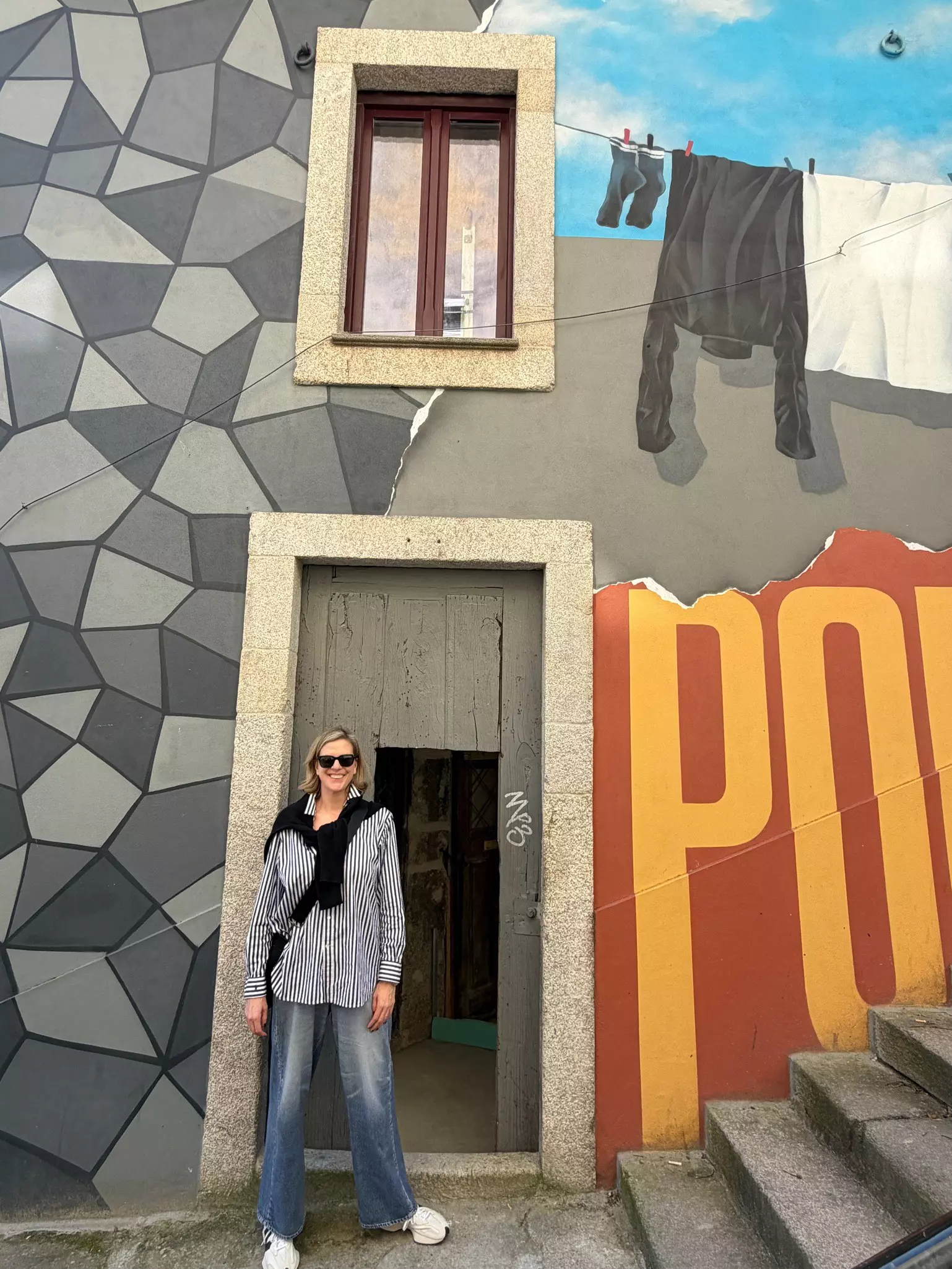
Armed with the Lonely Planet app, I landed in Porto on a Sunday morning ready to go. Expecting a driver, I was delighted to be greeted instead by Paulo Lopez, a local partner of Macs Adventure, who'd planned my itinerary.
On zero sleep and fueled by anticipation and determination, I followed Paulo's lead on what can only be described as an extra-long yet perfect day in Porto:
Begin by rambling along Cais da Ribeira
Climb seemingly endless stairs towards Rua das Flores for a quick Pastéis de Nata or Crista de Galo (and a much-needed coffee) at Mercearia das Flores
Amble around Centro Historico to see local landmarks like Sé do Porto (Porto Cathedral), Livraria Lello, Palácio da Bolsa and Igreja do Convento de São Francisco
Have lunch of octopus rice with a glass of Vinho Verde at Adega São Nicolau
Cross the famous Ponte de Dom Luis I into Gaia to take in views of either side of the Douro River
Visit one of the Port warehouses and WOW (World of Wine) in Gaia
Wind your way up up up to reach The Yeatman for a quick white Porto and soda on the terrace
Leisurely stroll back to the other side of the river
Drive to Matosinhos to dine at Restaurante O Alves for fresh seafood with a view of the Atlantic Ocean
Walk along the beach path to see Piscina das Marés
Return to central Porto for a nightcap at Torto Bar & Cocktails
Sleep like a newly-minted Portuguese baby at locally-owned Pestana Porto - A Brasileira
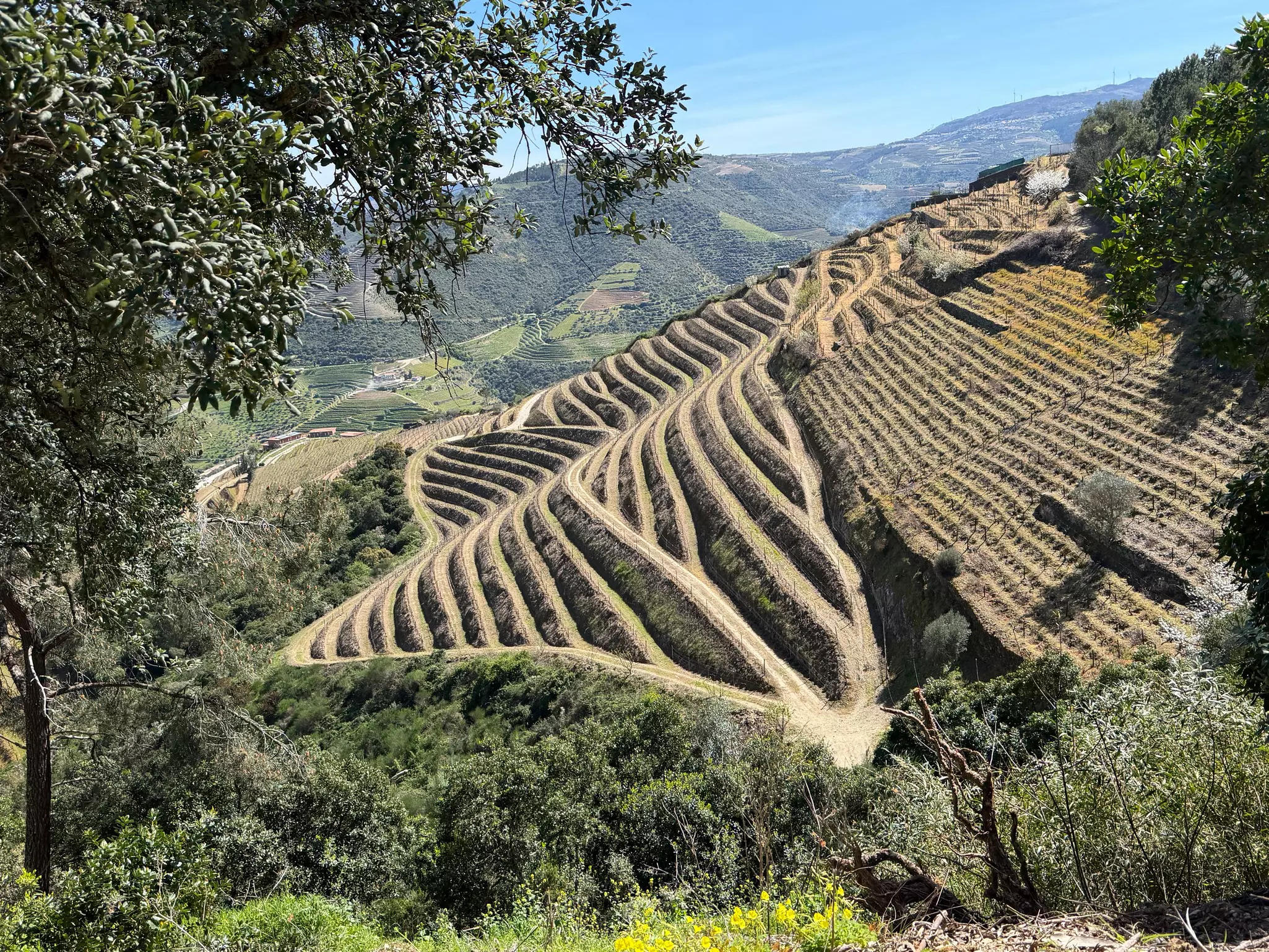
Short answer: it’s an easy, hour-long drive. But for those who prefer a slower scenic route, the best option is the Douro River boat (seasonal service) or the train (limited service). Transportation once you’re in the Douro is limited, so sooner or later you’ll need a car or driver.
Since my visit wasn't well-aligned with either boat or train schedules, Macs arranged a local guide to drive me from my Porto hotel to Quinta do Vallado, where I'd spend my first few nights in the Douro.
It’s mostly a straight shot on a highway, whizzing past majestic mountains, small towns and spectacular scenery. My driver, a history buff, regaled me during the hour-long drive about the region’s lengthy and textured history: the 200 years of Roman rule, Portugal's gaining independence, the development of viticulture and the emergence of Port wine as the region’s biggest export.
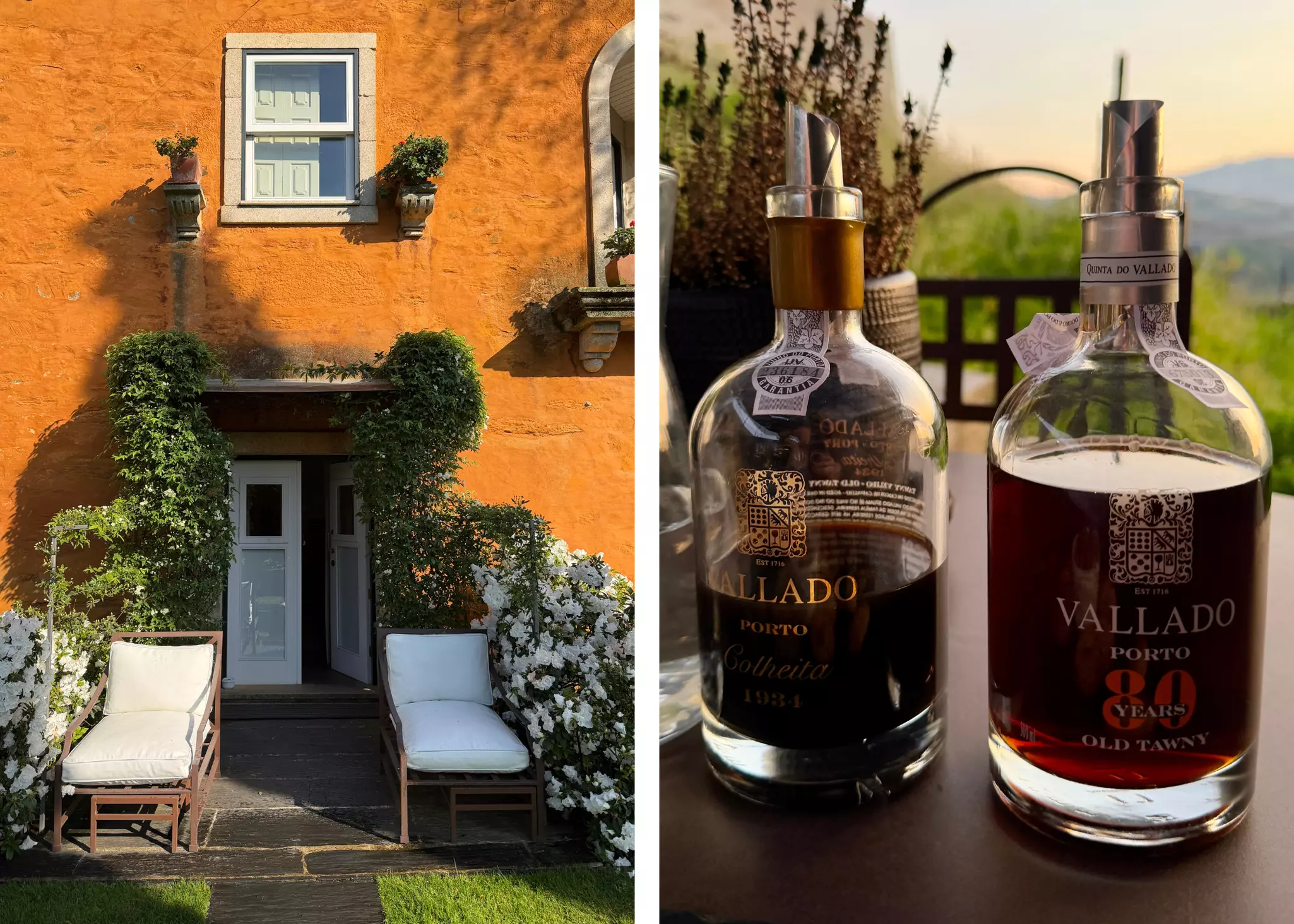
Shortly before arriving at Quinta do Vallado, a 300-year-old, family-run wine estate that would be my home for the next three nights, my driver explained that the vineyards of the Douro Valley are called quintas, a word tracing back to the 17th century, when tenant farmers owed their landlords a fifth of every harvest. I learned this only a few hours before enjoying a sunset wine- and port-tasting on a quiet terrace.
Quinta do Vallado was founded in 1716 on the banks of the Corgo River in the Douro Valley, once belonging to the legendary Dona Antónia Adelaide Ferreira (a pioneer of Portuguese winemaking). The property is still run today by her descendants.
Before meeting with 6th generation co-owner, Francisco Ferreira, to taste the wine and Port made from their vines, I toured the estate's wine-making operation, learning the ins and outs of how Port is made, a long, complex process, like most viticulture.
Writing about wine is not my strong suit, but here goes. First, I tasted four of their excellent red wines, but couldn't decide on a favorite. Then Francisco moved to his Port. I tasted a white and ruby, the most entry-level of ports. Then, I sipped from a 1934 bottle of Vallado Porto Colheita Tawny Port, and I was transfigured by its deep woody flavor with a hint of dried fruit. I held it in my mouth to savor the complexity before swallowing, followed by an audible, “Oh my god.” (Which, of course, is a technical term.)
I enjoyed more wine at a lovely dinner at their in-house restaurant, where you place your meal order in advance (there are two options). Finished with one more glass of tawny Port and slept like the dead in my gorgeous farmhouse room.
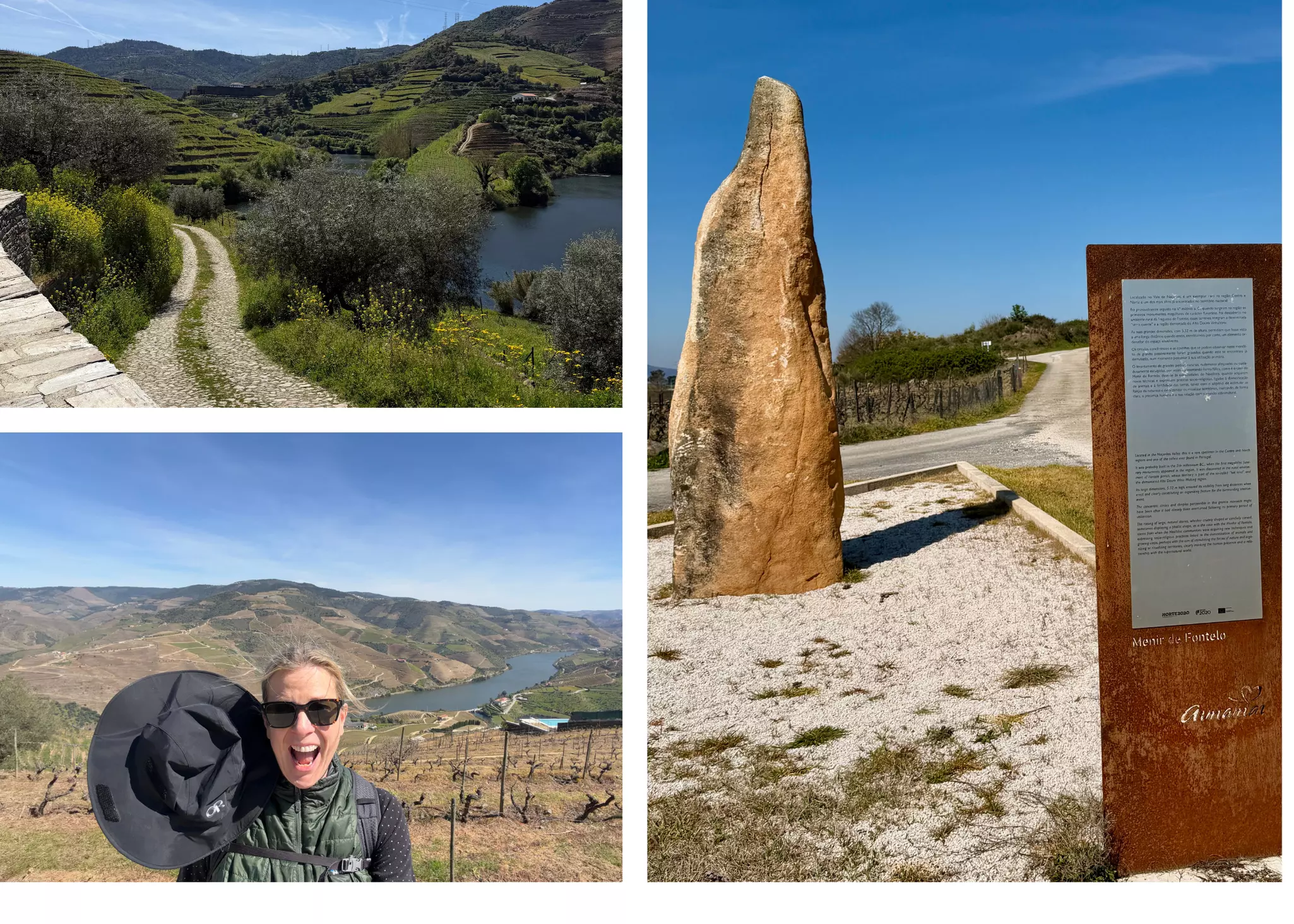
After a hearty breakfast, a driver picked me up and drove 20 minutes to my drop-off location for my 6km walk from Valdigem to Aldeia de Baizo, a tiny winery. I climbed up the side of a fairly steep hill, literally passing through a vineyard, stopping occasionally to refer to the map and route on the Macs' app.
I got confused between the paths, as there was some dead-ending and some continuing so close together. I had to walk a bit before realizing I’d made the wrong choice. I told myself this was all part of the adventure; but I hadn’t really trained for an uphill climb, so I was also a bit breathless. I pressed on and up, up, up, then wound down the other side.
The silence, save for the birds and the breeze, was something my body and mind desperately needed, but hadn’t sought out in a long time. I did not wear headphones, listen to music or podcasts. I only once turned on the speaker on my phone that first day, but only to listen to a Robert Frost poem to its completion:
Two roads diverged in a wood, and I—
I took the one less traveled by,
And that has made all the difference.
I ambled along the dirt paths, occasionally walking on the road, coming across a Neolithic obelisk-like stone monument that, according to a mounted placard, was erected sometime in the 5th century BC. I was gobsmacked.
Onward I continued, momentarily accosted by a rag-tag crew of aggravated and barking dogs, who legitimately frightened me. In the end, they were harmless, and I was paranoid. Before I knew it, I’d arrived at my destination and met my hosts, José and Anabela, the proprietors of Quinta do Outono, with whom I instantly bonded.
I tasted their wines, gobbled up cheese and sausages, then hopped in their jeep to see the extent of their vineyards and catch sight of the Douro River.
The remaining three days of walking continued in similar fashion: more vineyards, more dirt paths, some charming hillside villages, very few people and Port tastings. Day two, I walked from Vila Seca to Quinta do Tedo, where I joined a group of Australians touring the facilities and tasting Port.
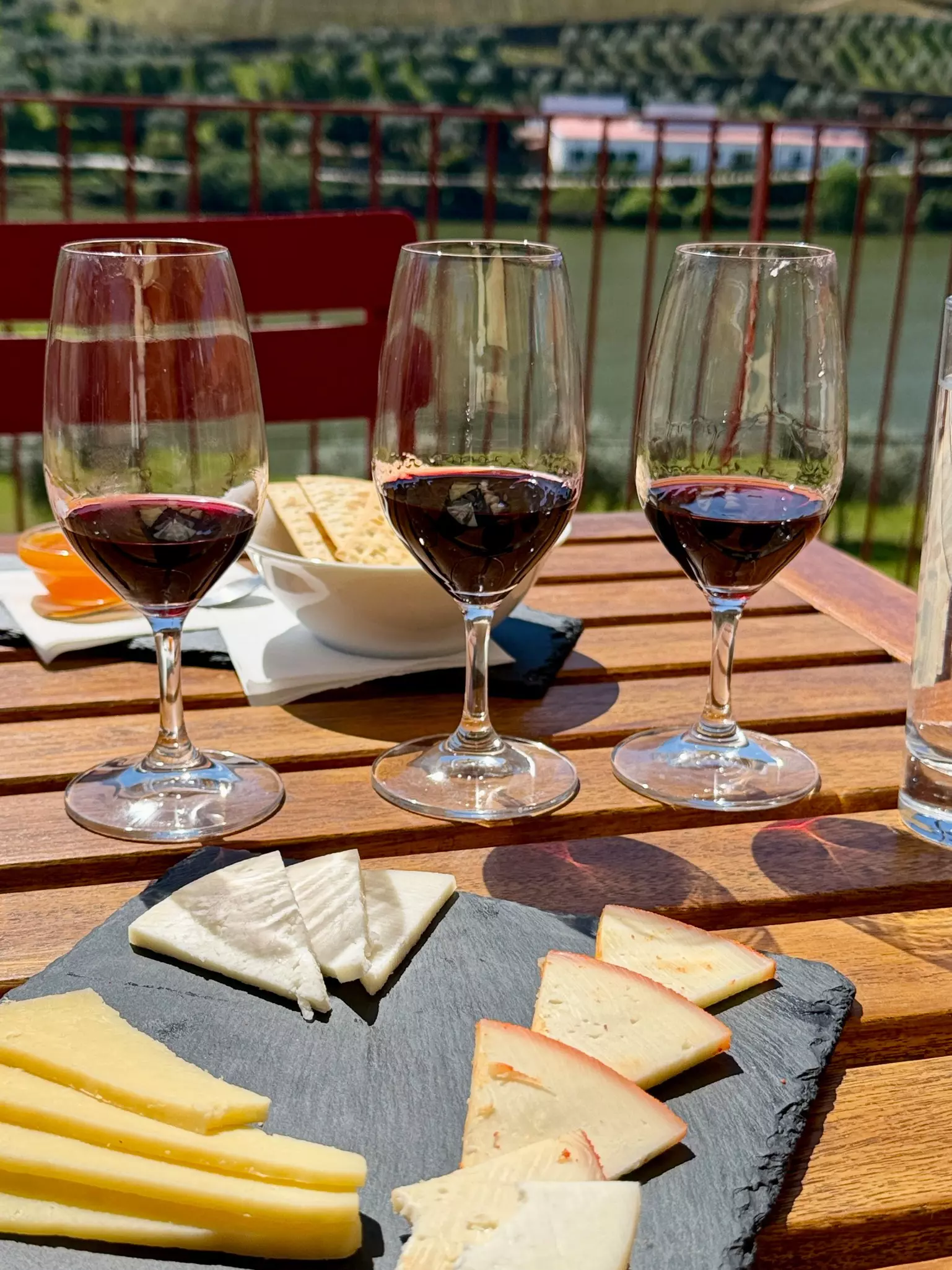
Days three and four, I walked towards and around Pinhão, where I spent my last two nights at the gorgeous riverside Vintage House Hotel. My final Port tasting was the most idyllic: I sat on the terrace beneath a pergola laced with wisteria, facing the breathtaking Douro River, at the nearby Quinta do Bomfim. I also sampled a delicious variety of Portuguese cheeses, and watched boats float by.
Macs provided a detailed packing list, and I carried daily essentials in a small backpack: a hat, sunscreen, a first-aid kit, an extra charger (because running out of power would compromise my ability to navigate) and mini-packs of tissues. When I switched hotels, Macs moved my luggage for me. I thankfully never had to pee or anything, but it would have been easy enough to duck behind a bush.
I had perfect, sunny weather, but Macs recommended I come armed with waterproof gear. As it was early spring, the vines were just starting to show their leaves, but cherry blossoms were everywhere. This, unfortunately, triggered my allergies: runny nose, watery eyes, sneezing, so those tissues ended up coming in handy.
I encountered only one real obstacle: a rockslide blocked my path, but somehow I rambled over the craggy mess. The waterproof hiking shoes recommended by my colleague, Jess, worked better than I could have expected, even walking through mud!
In fact, everything was better than I could have imagined. I went with trepidation and finished with confidence and clarity. I had several conversations with myself about my life, my direction (literal and figurative), my blessings and my health.
I routinely uttered the word, “beautiful.” I captured hundreds of photographs and videos, though none can adequately capture how good I felt during those hours of introspective walks. Memories and impressions from this experience will be with me forever. I learned that being alone does not mean being lonely or afraid; I discovered that something as simple as a walk can change your perspective.
Explore related stories