Aug 19, 20268 min read
11 Best Places to Visit in PortugalFeb 4, 2026
12 MIN READ
Contributors
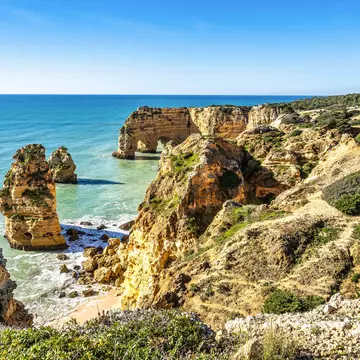
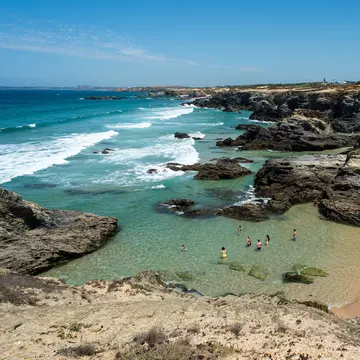
Head to Arrifana for eyecatching landscapes. Serhiy Stakhnyk/Shutterstock

Contributors


Austin Bush, Lonely Planet Editors
Highlights
Writer Austin Bush picks nine beach towns across Portugal's coast and islands.
Nazaré delivers the classic Portuguese beach experience; Peniche suits surfers and island-hoppers.
Ericeira suits surfers and kitesurfers; Comporta offers designer hotels and secluded beaches.
Porto Santo in Madeira offers golden-sand solitude; Tavira is the Algarve's quieter alternative.
Lonely Planet may earn a commission from affiliate links on our site. All recommendations and reviews reflect our own independent opinions.
With nearly 2000km of coastline, if you include its idyllic offshore islands, Portugal is a playground for beach lovers. There are cozy family coves sheltered from the waves, and big bays exposed to the spectacular surf of the Atlantic Ocean. There are busy urban beaches and secluded, empty, cliff-backed strips. But where are the best beach towns in Portugal to base yourself for a holiday by the sand?
Your first decision is whether to opt for the beautiful beaches of Portugal's long Atlantic coast or the sands sprinkled around Atlantic islands such as the Azores and Madeira. Alternatively, you might prefer the short, sheltered coastline of the Algarve, where things feel a little more Mediterranean.
To help you on your beach journey, here are some of the best beach towns in Portugal, from well-loved tourist hotspots to calmer getaways where you can escape the summer crowds. Vamos à praia?
Best for the classic Portuguese beach experience
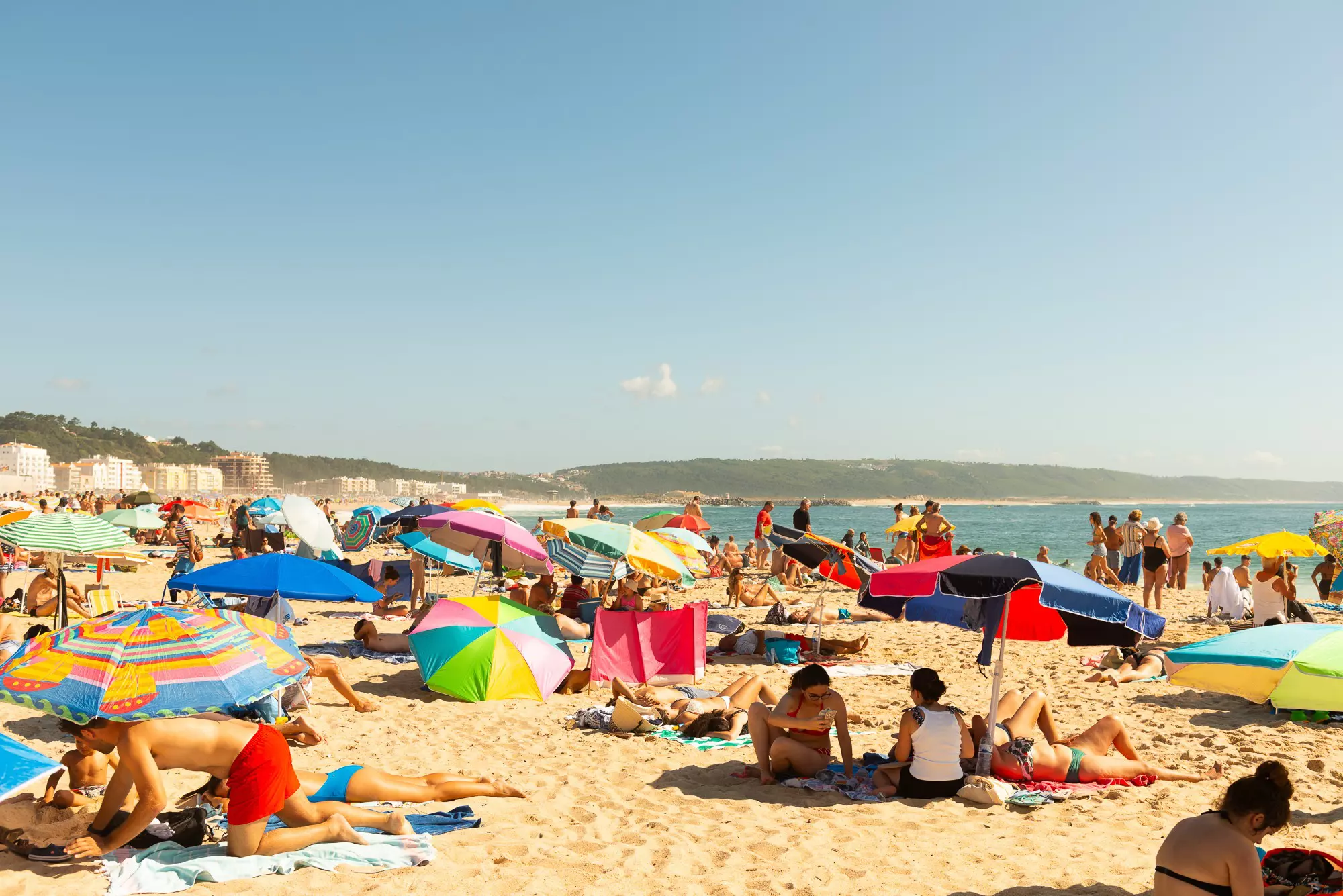
South of Porto on the Costa de Prata (Silver Coast), Nazaré is centered on a 1.5km-long beach that lures tens of thousands of sunseekers every summer. This is arguably the best beach town for travelers looking for a classic family holiday in the sun, with plenty of accommodation, dining and tourist infrastructure to guarantee an easy-going beach break. You're also well placed for some of the best surf breaks in Portugal.
In summer, near the colorful grounded fishing boats in the middle of the beach, aged vendors sun-dry fish and seafood on racks, selling their wares from stalls along the boardwalk. You’ll also find a veritable village of barracas – traditional wood-and-cotton sun bathing tents – adding to the vacay mood. Add in plenty of restaurants, ice cream stalls and souvenir shops, and you’ve got the dictionary definition of a Portuguese summer beach experience.
Activities: Climb (or take the funicular) to Sítio, atop the massive cliff that looms over Nazaré. The lighthouse here is a lookout point where you can watch surfers tackling those unbelievably big waves you may have seen in online surfing videos.
Where to eat: Taberna d’Adélia, an upscale-feeling restaurant located in the center of Nazaré, is the place to sample the fish you saw drying on the beach.
Where to stay: If you’re on a budget, Hotel Ribamar fronts the beach and has a charming, retro vibe.
Planning tip: Visit between October and March to witness Nazaré’s legendary waves performing at full power.
Best for sand, surf and island-hopping
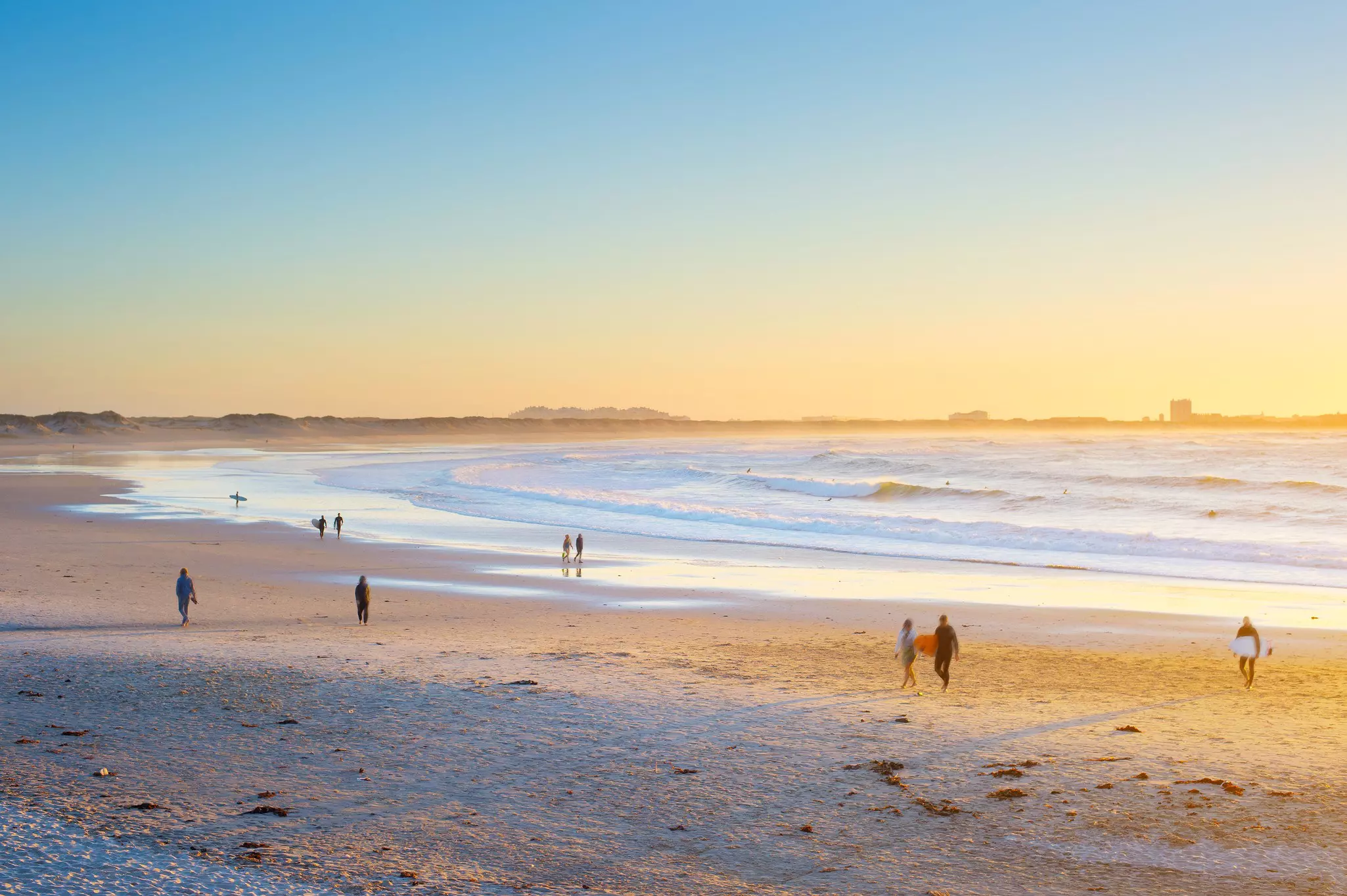
Perched on an elevated, rocky peninsula jutting out into the Atlantic, Peniche has a historic center that’s dense and charming, and the city is flanked by wide, handsome beaches that draw surfers in droves. Peniche is also a jumping-off point for one of mainland Portugal’s best island destinations, so it works for many kinds of travelers.
Located 10km off the coast of Peniche, the Berlinga Islands have been attracting visitors since Phoenician times. Tickets for boats, fast and slow, are sold by vendors at Peniche’s pier, and the trip takes from 45 minutes. Make your way to Berlenga Grande, a dry and rocky island that’s home to a small beach and abundant birdlife, as well as some easy, clearly marked hiking trails.
Activities: Mix up beach basking with tackling the surf breaks – legendary Supertubos delivers powerful barrels for pros, while the gentler breaks around Baleal to the north of Peniche are ideal for learners. On Berlenga Grande, duck into rock-framed Praia do Carreiro do Mosteiro, or follow the causeway to Forte de São João Baptista, where you can even stay overnight in the old cells.
Where to eat: Portuguese day trippers and food writers alike are fans of Tasca do Joel, which has been tempting palates in Peniche since 1982. Pick your fresh fish from the counter, and don’t miss the encharcada, a traditional dessert with an almost comical amount of cinnamon.
Where to stay: Surfers Lodge Peniche, located at Baleal, just north of Peniche, is steps from the beach and has an attached surf school.
Planning tip: May to September is the best window for novice and intermediate surfers. For experts, Supertubos delivers pure power from September to November.
Best for lounging in the sand
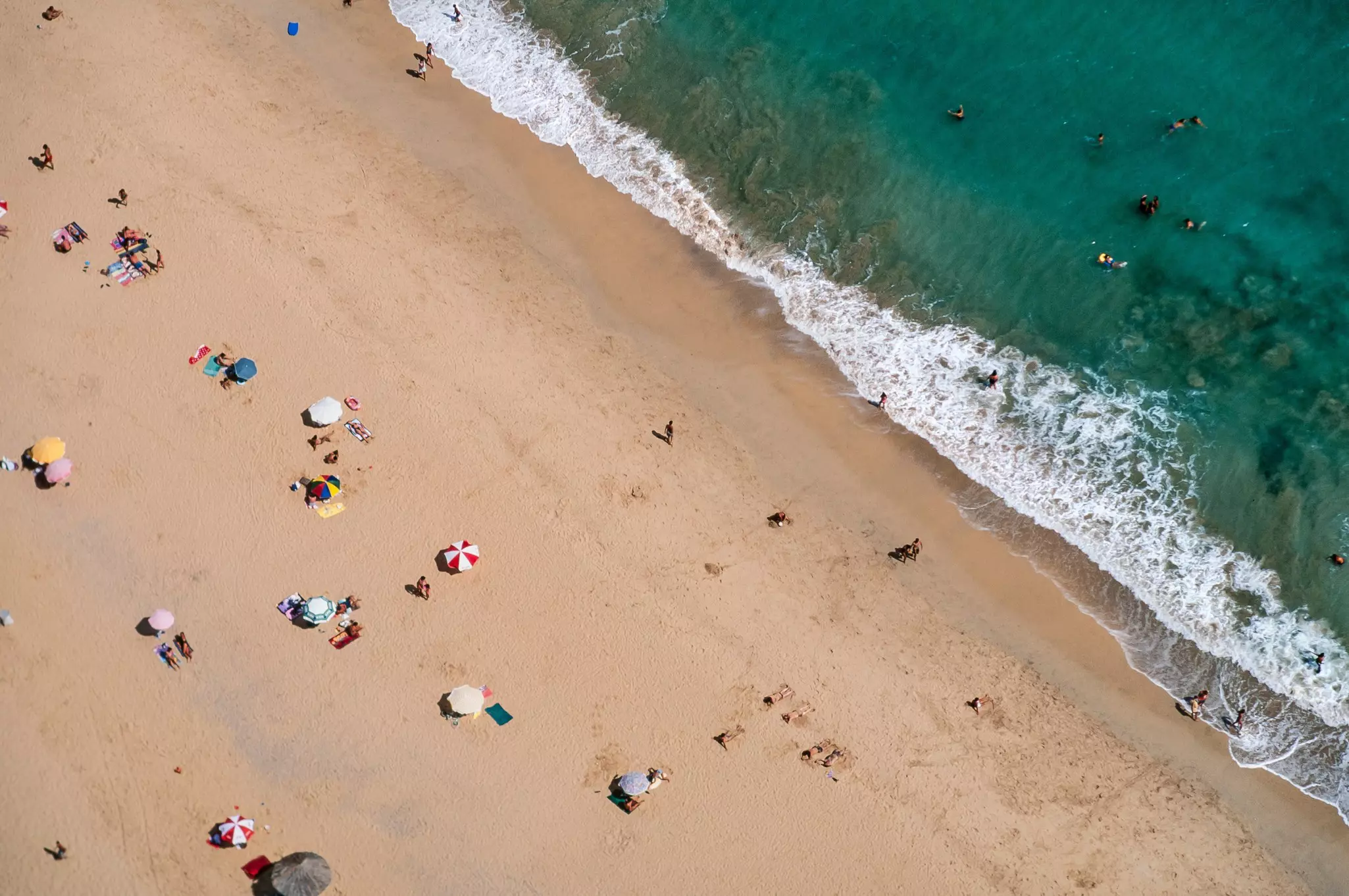
Porto Santo is one of the four main islands that make up the Madeira archipelago, floating far out in the Atlantic, some 800km from mainland Portugal. A blissful, 7.5km-long, golden-sand beach is the reason most people head to Madeira's little sister.
Extending from the ferry port to the island’s southernmost point, Praia do Porto Santo is nothing short of spectacular – it's regularly voted one of the best stretches of sand in Europe. The large grains are tiny fragments of coral (the remains of reefs dating back 20 million years), and are considered to have therapeutic properties for the skin.
Gently shelving into the cooling Atlantic and backed by Porto Santo’s extinct volcanic cones, the beach has relatively little development and retains a wild feel – perfect for kicking back and relaxing.
Activities: If you fancy a break from the sand, whale- and dolphin-watching cruises run year-round, with the best chances of sightings from April to October. Alternatively, consider tackling the 5.4km-long Vereda do Pico Branco e Terra Chã trail for epic views over the island.
Where to eat: Mercado Velho has taken over the former market space in Vila Baleira – the island’s largest settlement – and it boasts a menu that functions as an encyclopedia of local dishes.
Where to stay: Hotel Porto Santo & Spa, southwest of Vila Baleira, is located just steps from the beach, and it has a funky ‘70s vibe.
Planning tip: In summer, Porto Santo attracts Portuguese families escaping the heat of the mainland. Visit outside of this time, and you’ll have the island to yourself.
Best for dramatic views while you sunbathe or surf
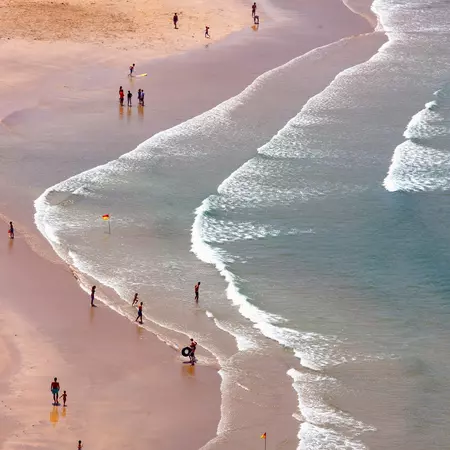
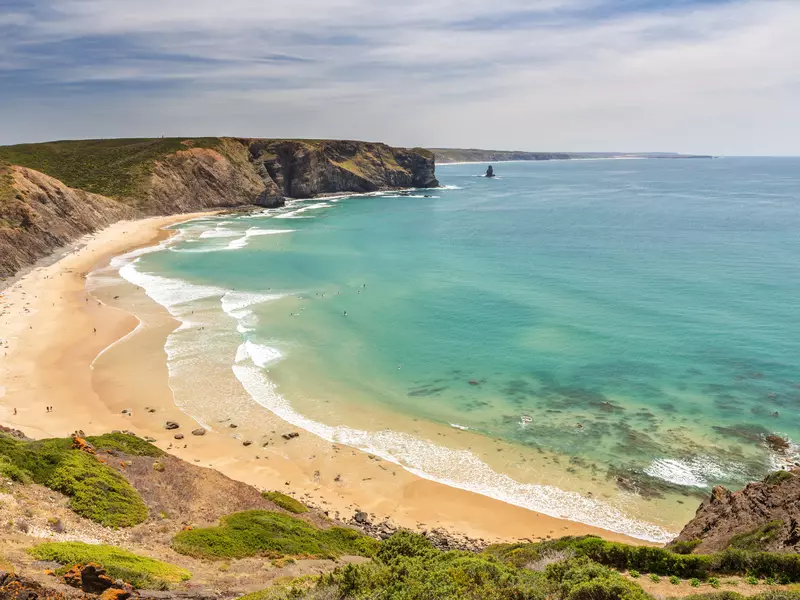
Part of southern Portugal’s Costa Vicentina, the village of Arrifana on the western side of the Algarve, has garnered a reputation as a prime surfing destination. But an even greater draw is its elevated position, with astounding views over sheer cliffs and an isolated fishing port, as well as the opportunity to explore some of the area’s best beaches.
Arrifana’s main beach draws a steady stream of surfers, with several popular surf schools, including beginner-friendly Arrifana Surf School, and the surrounding coastline is one of the country’s best spots for beach-hopping. Rent a car, head south and explore vast, beautiful, sparsely-populated beaches such as Praia da Bordeira and Praia da Cordoama; even at the peak of high season, you’ll find plenty of room to pitch your towel.
Activities: If you're here for the surf, the beach break on Arrifana's main sands is consistent and good for learners. The right-hand reef break at the north end of the beach is for stronger surfers only.
Where to eat: O Paulo is perched at the edge of a cliff at Arrifana, and it combines amazing views with delicious grilled seafood.
Where to stay: Book in advance for the Beco da Liberdade Beach Houses, a small knot of traditional-style houses overlooking Arrifana’s beach.
Planning tip: Combine a trip to Arrifana with a day out in Aljezur, a historic town with Moorish vibes and a ruined 10th-century castle, or take a scenic walk in the nearby Parque Natural do Sudoeste Alentejano e Costa Vicentina.
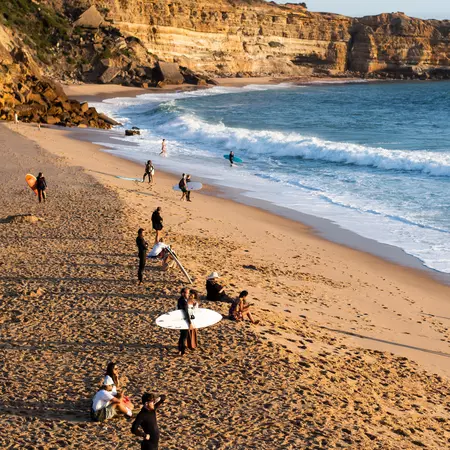
Best for an active beach stay
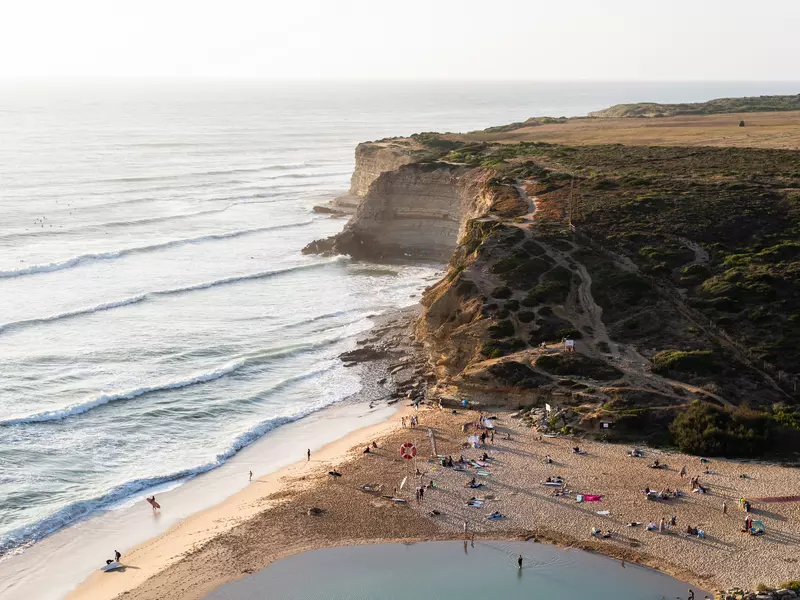
Located just north of Lisbon, the charming beachside town of Ericeira has earned a strong reputation for active pursuits and the foreign visitors (and residents) who love them. It's a favourite haunt of lisboêtas enjoying a weekend break from the Portuguese capital. Many visitors focus on the seafood, sea views and surfing, but there are plenty of other ways to keep busy.
Sand-lovers are drawn by the string of beaches hemming the coast near Ericeira, from surfer faves such as Ribeira d’Ilhas and Praia dos Pescadores to busy Praia do Sul (Praia da Baleia), right in the heart of Ericeira. With kids in tow, Praia do Sul has a saltwater pool as an alternative to the rolling surf, while Praia dos Pescadores has an inflatable water park in summer.
Activities: Ericeira’s waves draw surfers by the score, alongside kitesurfers, stand-up paddlers, sailing enthusiasts and swimmers. On land, you can enjoy bike rides, beach volleyball games, hikes, skateboarding, adventure parks and 4WD and ATV tours.
Where to eat: Locals know to head to the tiny, nearly hidden Snack-Bar Clube Naval da Ericeira for the most Portuguese of meals: grilled fish sprinkled with salt and drizzled with olive oil.
Where to stay: For a seaside base, consider a stay at Hotel Vila Galé Ericeira, bookending the curve of sand at Praia do Sul.
Planning tip: Ericeira’s kitesurfing season is between May and October, when consistent winds blow at beaches such as Praia da Foz do Lizandro.
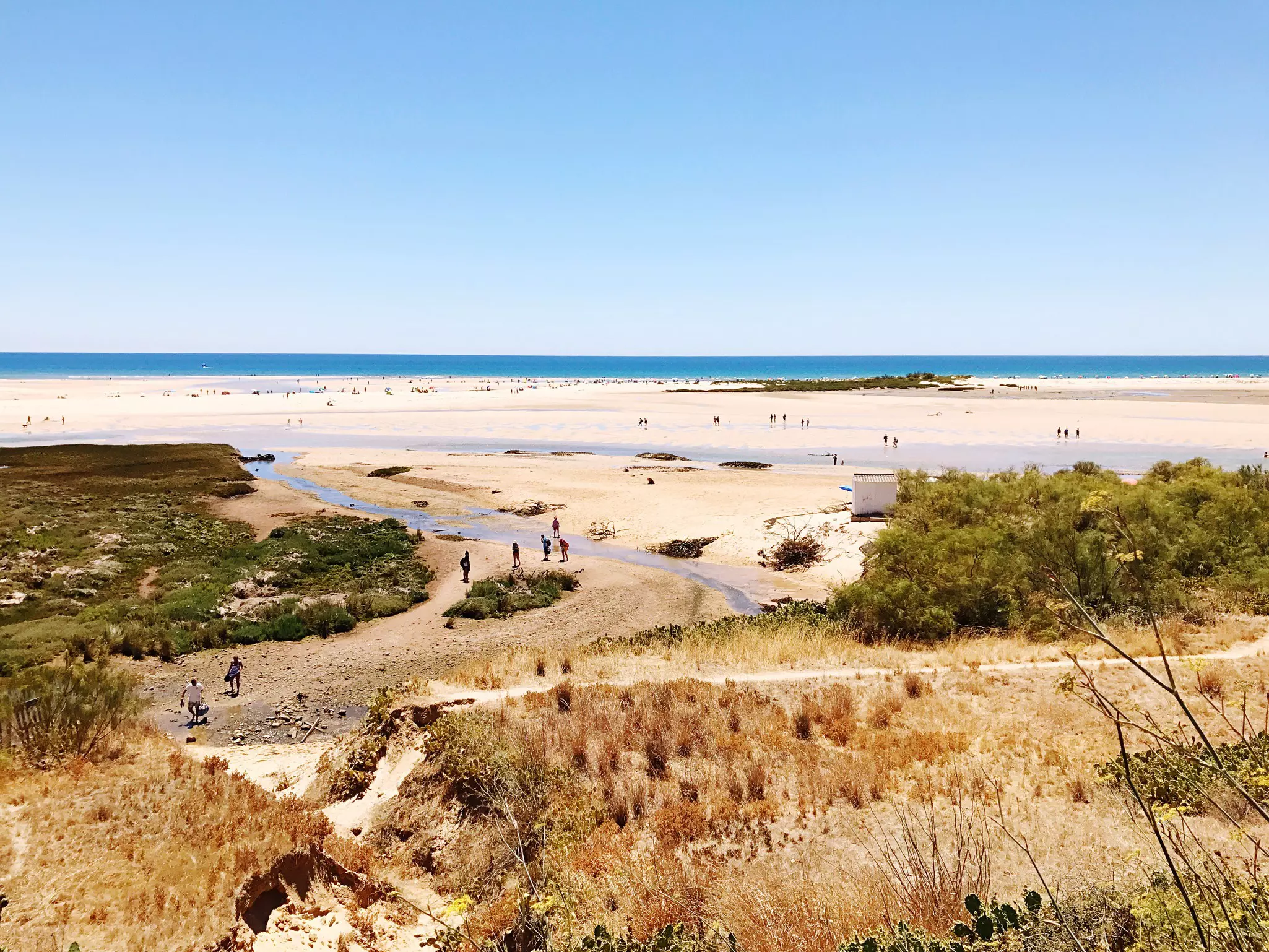
Best for experiencing the quiet side of the Algarve
The Algarve, the country’s southernmost region, is the first place that comes to mind when people imagine a sandy beach break in Portugal. Sadly, many of the region’s most famous beaches suffer from overdevelopment and overcrowding. But Tavira, an ancient, riverside town a short distance from the ocean, offers easy access to some of the Algarve’s less-visited beaches.
Just offshore from the coast here is Ilha de Tavira, one of the five barrier islands that form Ria Formosa Natural Park. The island can be accessed by a water taxi from Tavira or by footbridge from the coastal village of Santa Luzia, and is home to a unique “anchor graveyard” and an 11km-long beach that’s considered one of the best in the region.
Activities: The countryside surrounding Tavira contains some of Portugal’s most famous salinas (salt pans) – marshy channels where flaky sea salt is still harvested by hand. Explore these historic structures on foot or by bicycle, following the lanes leading to Cabanas or the Cais das Quatro Águas ferry jetty at the mouth of the Gilão River.
Where to eat: The nearby fishing village of Santa Luzia is known for octopus, and local restaurants such as Casa do Polvo (House of Octopus) specialize in tasty octopus dishes.
Where to stay: Pousada Convento Tavira is located at the edge of Tavira’s historical center, in a former convent dating back to the 16th century.
Planning tip: To explore the salt pans, rent a bike from Abilio Bikes near the north end of the Ponte Romana.
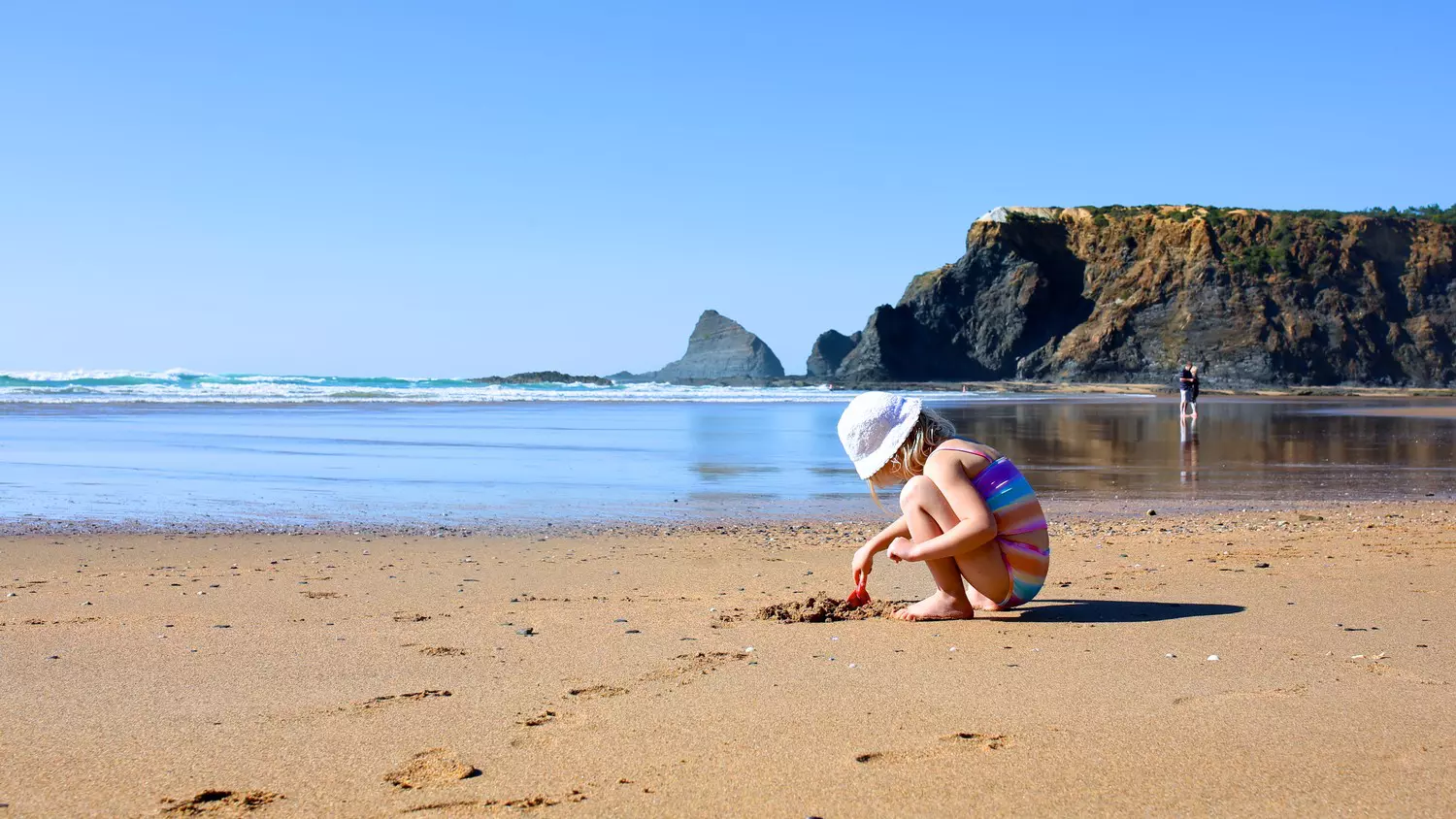
Best for a local-style beach escape
Every August, locals vacate Portugal's largest cities, filling up the beaches of Portugal's gorgeous coastline. Those in the know escape to the beachside village of Odeceixe, south of Lisbon, where the vibe is refreshingly unhurried and family-friendly.
The beach at Odeceixe takes the form of a peninsula with the Seixe River on one side and the Atlantic on the other. There’s a kids-come-first vibe here, with opportunities for stand-up paddleboarding on the river, a surf school on the Atlantic shore, and a knot of restaurants and accommodation tucked in between.
Activities: With a car, it’s easy to explore hidden beaches north of Odeceixe, such as Praia da Amália, as well as excellent wineries such as Vicentino.
Where to eat: Näperõn, Odeceixe’s most upscale dining option, is recognized by Michelin for its creative tasting menus.
Where to stay: Just south of Odeceixe, Amaria offers rooms in a chic, whitewashed compound a short walk from the rugged shore.
Planning trip: Odeceixe is highly seasonal, and many of the village’s restaurants are closed outside of summer. Visit between July and August for the biggest range of activities and the finest weather.
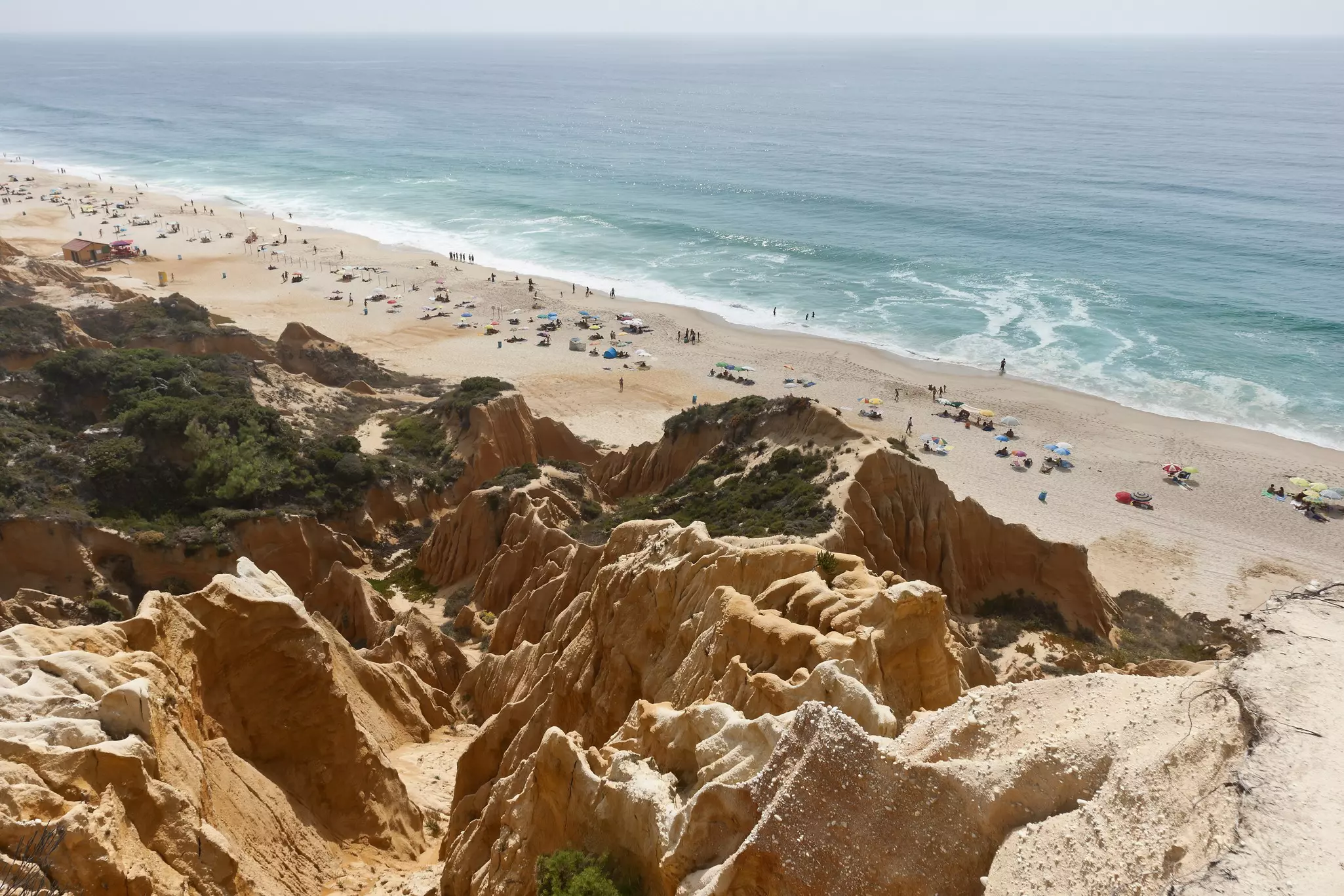
Best for a chic beach getaway
Located just southeast of Lisbon, Comporta has emerged as the “Hamptons of Portugal” in recent years. And with its designer hotels, restaurant openings and famous clientele, the moniker is justifiable. It’s also simply an excellent beach destination, with some of Portugal’s premier sandy beaches just next door.
Comporta is located at the base of the Tróia Peninsula, a slender strip of land with a chain of beaches on its west side. The main access road along the peninsula is located just a short walk over hills and dunes from the best of the beaches, lending them an appealingly isolated feeling. Follow the beach strip north along the isthmus to Praia Tróia Mar, where ferries leave for the thriving port town of Setúbal.
Activities: For a memorable experience, Cavalos na Areia lets you gallop along the beaches of Comporta on horseback, following in the footsteps of Madonna, who rode here back when she lived in Portugal.
Where to eat: Just down the road, Canalha Comporta is the recently-opened branch of a lauded Lisbon restaurant helmed by one of Portugal’s most respected chefs.
Where to stay: Given the area’s chi-chi vibe, this is the place to splurge on a design hotel such as Sublime Comporta.
Planning tip: Comporta itself is located in a marshy area known for rice farming; it’s a fun place to explore by bicycle or car.
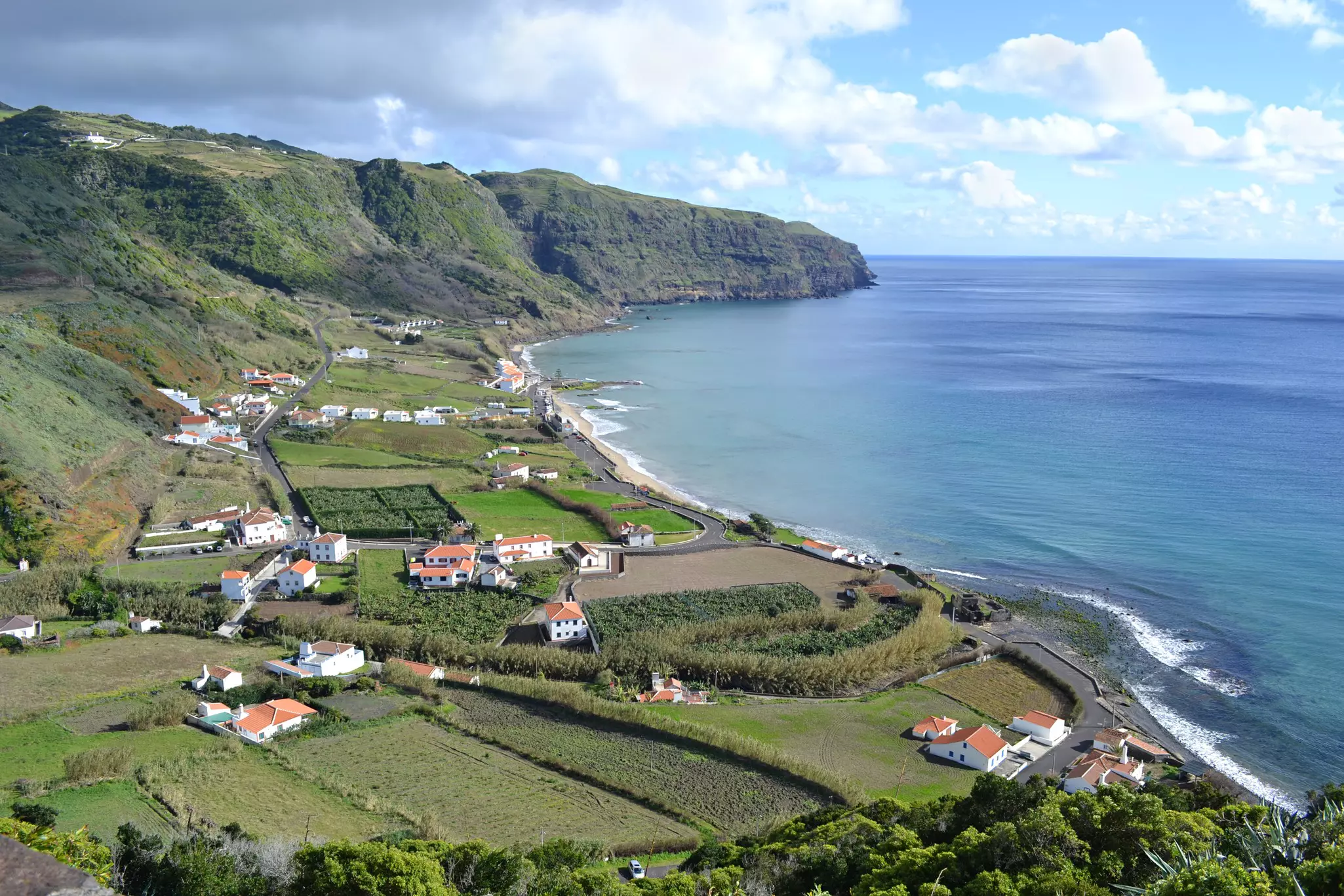
Best for a peaceful island escape
A remote archipelago of nine Portuguese-administered islands far out in the Atlantic, the Azores have plenty of coastline, but the islands mostly lack white-sand beaches, thanks to their volcanic origins. Praia Formosa, near Almagreira on the southern shore of the island of Santa Maria, is a rare exception.
Located on the island’s south shore, this delightful, secluded beach is approximately 1km long, home to campgrounds and a hilltop viewpoint, with places to stay and eat both in Almagreira and by the shore at Praia Formosa. The inviting sand and warm, clear, shallow water make the beach an ideal place for families, while the offshore waves can be surfed year-round.
Activities: Almagreira's surf rolls in all year, but the best conditions are from September to November. Bring a wetsuit for surfing in this cooler period.
Where to eat: O Paquete, a simple Portuguese restaurant shaped like a boat, offers great sunset views over Praia Formosa.
Where to stay: Villa Natura is an attractive three-bedroom house for rent located just west of Praia Formosa.
Planning tip: Visit Praia Formosa in August for Maré de Augusto, Portugal’s longest-running summer festival.
Book your Portugal trip with Lonely Planet Journeys
See Portugal how it's meant to be seen
Planned by local experts and tailored to you, Lonely Planet Journeys handles the logistics so you can just enjoy the trip. Tell us what you want and we'll build your Portugal itinerary from scratch, or browse our bookable trips to get inspired.

Explore related stories