Sep 24, 20269 min read
Taking the Train from Rome to Florence (What You Need to Know)Sponsored by
Sep 20, 2026
14 MIN READ

Writer
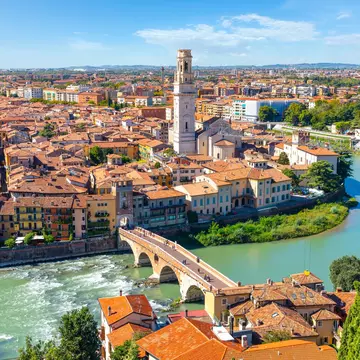
A view of downtown Verona. imagoDens/Getty Images

Writer
Denying Venice's outstanding grandeur is futile; there's nothing like it on Earth and, for that reason, the city is justifiably popular... and inevitably overcrowded. Wonderfully less so are its surrounds – the region of Veneto, one of Italy's most diverse regions.
For me, waking up among the extraordinary, jagged peaks of Veneto's Dolomites around Cortina d'Ampezzo, meandering down through world-class wine regions like Prosecco Country or Valpolicella, and on into a patchwork of former city-states annexed by Venice in the 15th century, makes for one of Italy's most perfect days.
Architecturally refined Padua (Padova), cosmopolitan Vicenza and canal-lined Treviso are decidedly tourist-light by comparison; and even Romeo and Juliet-obsessed Verona, while not crowd-free, serves up a refreshing and refined sense of serenity among its charming, bougainvillea-draped alleyways. Inland from La Serenissima, a land of intense beauty and storied history unravels: razor-sharp peaks, bucolic, vineyard-blanketed hillsides and inviting timeworn towns lie in wait.
For trip inspiration straight from the source, Veneto's own tourism site, veneto.eu, is a handy companion as you plan.
The best time to visit Veneto depends on what you want to do when you get here. As for the rest of Italy, the summer is the busiest time of year, as travelers spill out from Venice to the cities of the south, or roam north for outdoor adventures in the mountains. However, prices peak, crowds surge, and summer storms can bring bursts of rain in August.
However, the most enjoyable time to visit lowland cities and vineyards of Veneto is probably the spring, from March to May, when wildflowers paint the countryside, prices fall, and crowds thin out. The early fall, from September to October a great time to experience the Dolomites, with lingering summer warmth giving way to colorful foliage, lower prices, and fewer people on the mountain trails.
Winter is the time for winter sports in the ski resorts around Cortina d’Ampezzo, but the south can be wet and chilly, with lots of fog and acqua alta floods drenching the streets of Venice. Prices are high in winter in the mountains, but low in Padua, Verona and other southern cities.
That all depends on how much Venice you want in the equation. If you are starting in the canal city, you’ll want to set aside at least 3 days before moving on Padua, Vicenza and Verona, which each warrant a couple of days of exploring.
For the mountains, the topography lends itself to slow travel, and this is something Italy specializes in. If you want to get out into nature, give yourself at least 5 days in the Dolomites, basing yourself in or around Cortina d’Ampezzo, and heading deeper into the mountains by rental car, by bike or on foot.
Venice is the most popular gateway to Veneto, with huge numbers of visitors arriving by plane and cruise ship. However, considering Venice’s problems with overtourism, you may wish to bypass the city and start on the mainland in Verona or Treviso, both served by plenty of budget airlines. If you do start in Venice, pick up a rental car at the airport or in Mestre on the mainland.
Alternatively, take the train – Trenitalia services run from across Italy to Venice, Treviso, Padua, Verona and Vicenza. To explore the countryside the vineyard-covered hills of the Colli Euganei, Valpolicella and Prosecco Hills, or to head deep into the mountains, a rental car is the best option. Rentals are easy to arrange in cities across Veneto, including at the railway stations in Verona and Padua.
The closest train station to Cortina d’Ampezzo is 35km south at Calalzo di Cadore, so getting here by public transportation will involve using buses for at least part of the journey. Coming by hire car is the easiest option, and it will give you the freedom to drive out to hiking trailheads. There is a direct bus from Mestre to Cortina.
If you do explore Veneto by hire car, pay attention to local road rules and areas closed to traffic in the historic centers of cities such as Padua and Verona. In the Dolomites, cableways and chairlifts run to winter ski slopes and summertime viewpoints and trailheads dotted across the mountains around Cortina d'Ampezzo and beyond.
The best things to do in Veneto range from tours around elegant Palladian villas to hikes in the Dolomites.
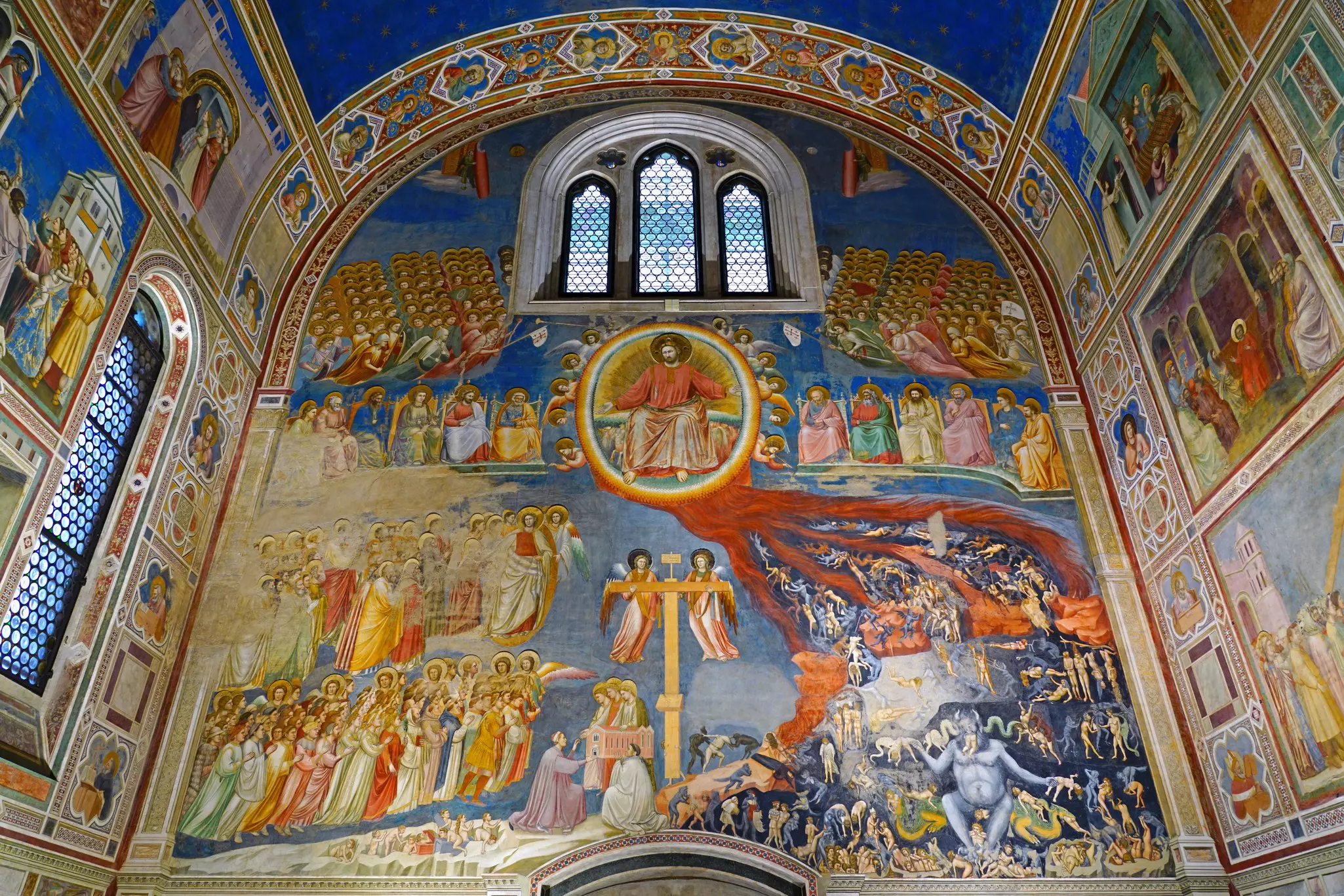
Though less than an hour from Venice, Padua (Padova in Italian) feels a world away, with its medieval marketplaces, WWII-era facades and hip student population. As a medieval city-state and home to Italy’s second-oldest university, Padua once challenged both Venice and Verona for regional hegemony.
Padua’s most famous sight is the Cappella degli Scrovegni, whose lavish, fresco-covered interior – painted by the great Giotto – rivals the Vatican’s Sistine Chapel, which it predates by 200 years. Book ahead as you can only visit in a pre-allocated time slot.
Also swing by Padua’s World Heritage–listed Orto Botanico, the world’s first formal botanical garden, planted in 1545 by Padua University’s medical faculty. Then there are the city’s palazzi, including the Palazzo Mantua Benavides, a 16th-century oasis that today functions as an elegant heritage hotel. Inside its doors is a 9m-high statue of Hercules, said to be the largest statue in Europe.
As a student town, Padua is known for its friendly and lively nightlife, take time to sample a spritz or a glass of local wine at one of its buzzy student bars. While Veneto is famed for its wines, the local craft beer scene is also rapidly evolving – sample local brews at the Padua taproom of the CRAK Brewery.
Close to Padua, the Euganean Hills, or Colli Euganei, hide Roman-era spa towns, misty vineyards, hilltop medieval castles and a series of extremely well-preserved walled towns. The area is a popular cycling destination; check out the 63km-long Anello dei Colli Euganei route from Monselice to Lozzo Atestino.
Village-hopping by car makes for a great day out too. In the tiny hilltop enclave of Monselice, the Complesso Monumentale Rocca di Monselice conjures up centuries of Italian history with its medieval towers and 16th-century Venetian embellishments.
In Este, robust walls are all that remain of the once formidable Castello Carrarese di Este, raised in 1050 CE. You can explore the town’s rich history at the excellent Museo Nazionale Atestino. Then there’s Montagnana, just south of the Euganean Hills proper, whose magnificent 2km-long medieval defensive walls wrap around atmospheric streets that are ripe for wandering.
It's not the only fortified gem in this corner of Padua province, either – the elliptical-shaped ramparts of Cittadella, another well-preserved walled town, make a worthwhile stop if you're touring the area's historic strongholds.
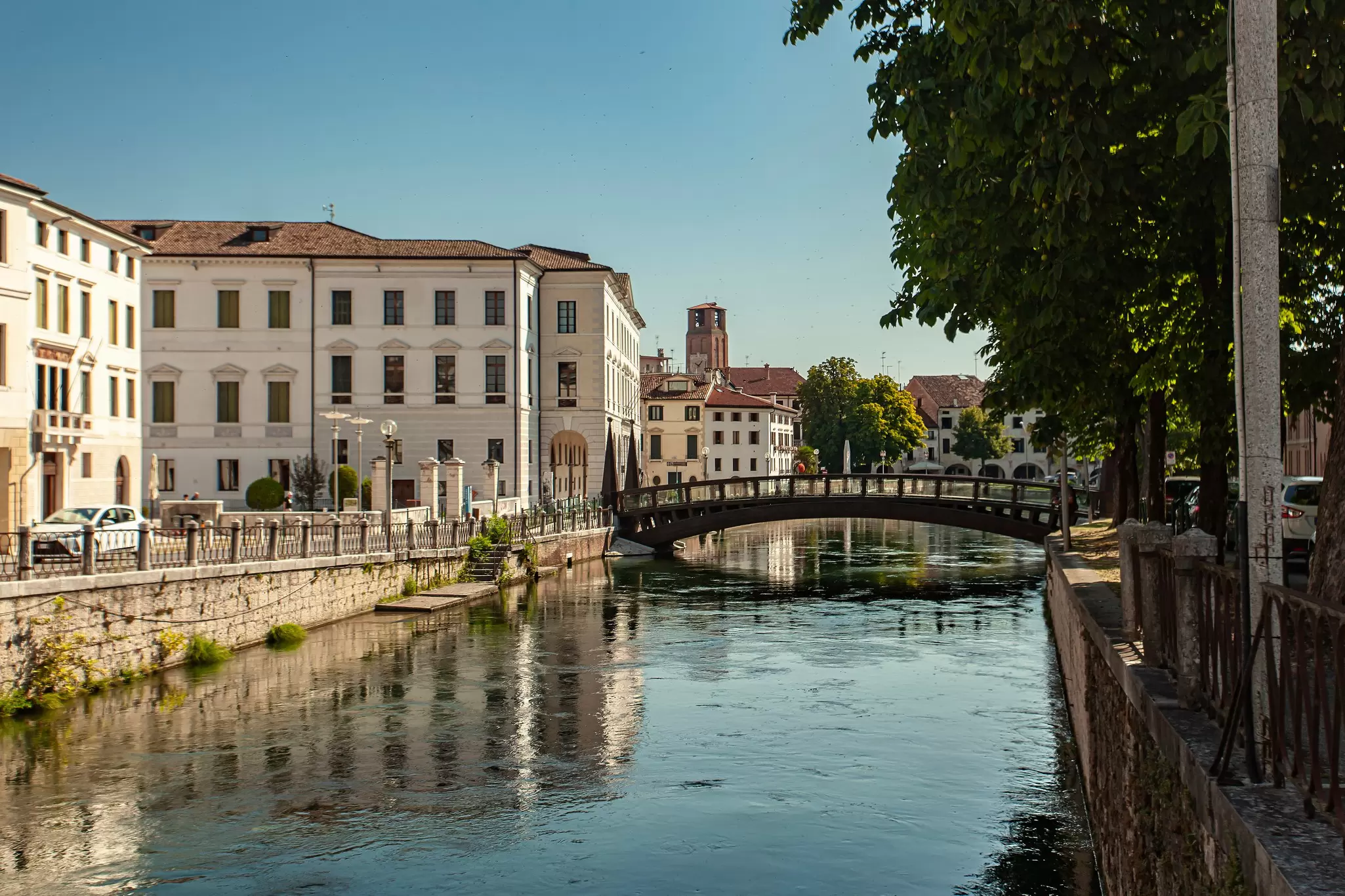
Wandering among picturesque canals punctuated by weeping willows and fresco-painted palazzi in the walled center of Treviso is pure joy. Most of the waterways are east of Treviso’s main square, Piazza dei Signori, behind which you’ll find the Palazzo dei Trecento’s curious Fontana delle Tette, featuring a nude whose breasts once spouted wine!
Treviso is just 40km north of Venice, and other gems in this charming medieval town include the photogenic bridge off Piazza San Vito, Treviso’s island-set fish market, and – inside the Chiesa di Santa Margherita – the ever-changing Museo Collezione Salce, a treasure trove of vintage Italian advertising posters.
There’s 19th-/20th-century art at Museo Luigi Bailo, and you can also try Italy’s original tiramisu, which, according to a notarial deed filed with the Accademia Italiana della Cucina, first appeared on the menu at Le Beccherie in 1972. Treviso is also a handy base for exploring medieval villages such as castle-crowned Asolo, about 35km northwest.
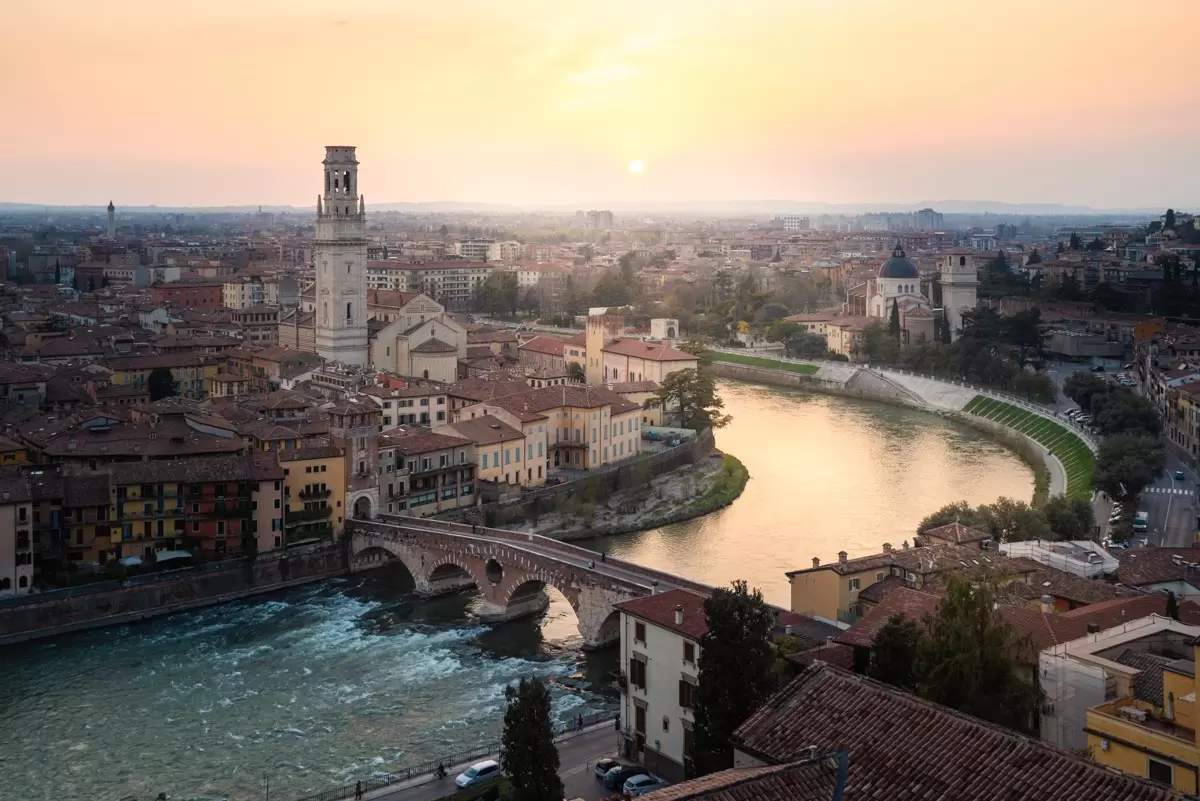
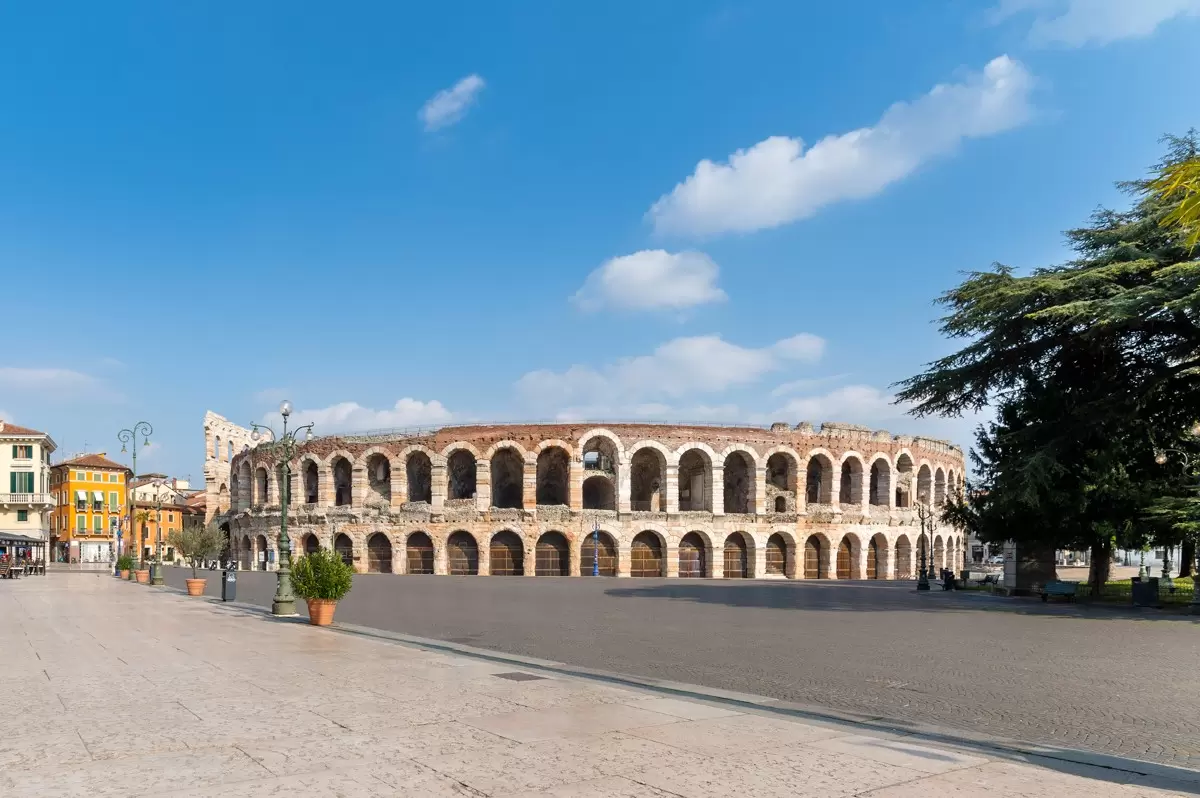
Best known for its Shakespeare associations, the city of Verona lures plenty of visitors in search of romance, Romeo and Juliet, and others drawn by its real-life history, Renaissance architecture, and well-preserved 1st-century amphitheater.
With countless churches, architecturally fascinating bridges, delicious regional wine and food from Veneto hinterland, and some impressive art, Verona shapes up as one of northern Italy’s most attractive cities.
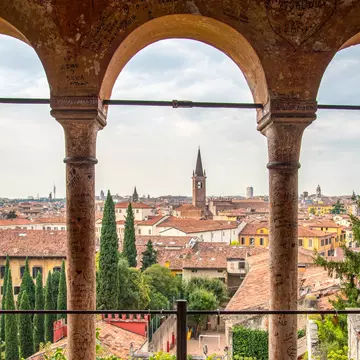
While the touristy Casa di Giulietta was not, in fact, the home of the fictional Juliet, you’ll find real romance in the UNESCO-listed center and on the hilltop terraces of Castel San Pietro. Alternatively, make your heart go pitter-patter on a thrilling whitewater-rafting run along the Adige River with Adige Rafting.
History fans will be wowed by the remarkably intact Arena di Verona – some 14,000 people pack the Roman-era stands on summer nights from June to September for the Arena di Verona Opera Festival. Art lovers shouldn’t miss the superb Galleria d’Arte Moderna Achille Forti, and Veronese industrialist Luigi Carlon’s extraordinary art collection at the elegant Palazzo Maffei.
After a stint studying ruins in Rome in the 1540s, Padua-born architect Andrea Palladio returned to his adopted city of Vicenza, filling the city with buildings in his signature style. His tour de force is the Villa La Rotonda, a landmark mansion on a hill overlooking the city, but you can also marvel at his work at the Teatro Olimpico and Basilica Palladiana in the center.
For architectural wonders in a different style, the baroque Palazzo Leoni Montanari has a wonderful collection of Italian art and Russian icons. Afterward, take yourself on a foodie tour: head to Babu Dolce e Salato for pastries, Il Ceppo Sòtobotega for wine tastings and bacalà (salted cod) in the cellar, or for an authentic local pasta dish at one of the city's osterias.
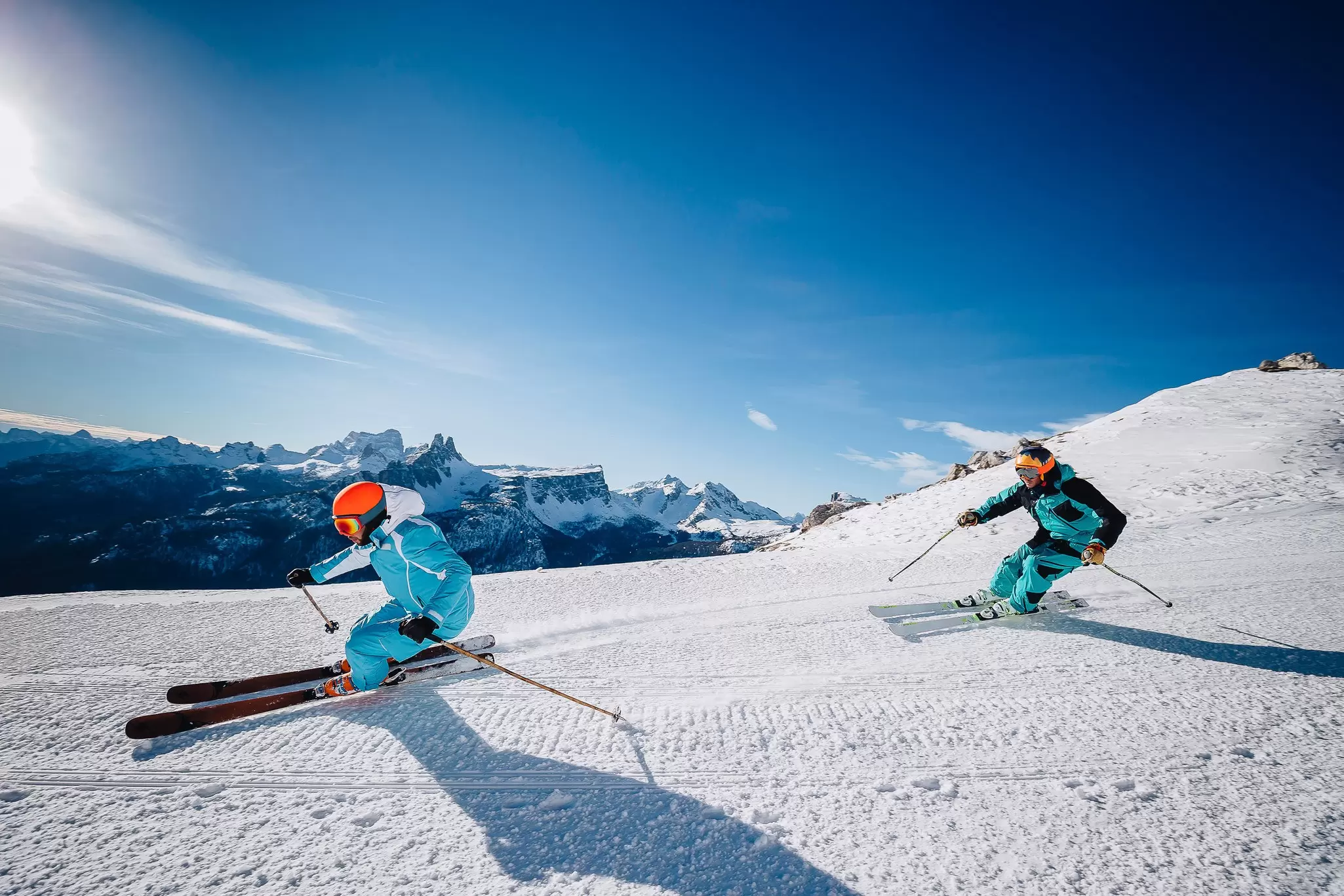
All eyes were on the Milano Cortina Winter Olympics in February 2026, but Veneto’s diamond-class ski resort, Cortina d’Ampezzo, has long been the favored stomping ground of supermodels, snow bunnies and assorted Italian winterati. Nestled in the heart of the Dolomites, this winter sports playground features a whopping 13 black slopes, including the legendary Staunies mogul run, which starts at 3000m.
Cortina d’Ampezzo forms part of the Dolomiti Superski system – a common ski pass that covers skiers for 12 ski resorts across the Dolomites, including slopes in Veneto and Trentino-Alto Adige (Südtirol). The pass gives access to 450 lifts and some 1200km of ski runs, many of which offer snow parks and night skiing.
The Cortina d’Ampezzo resort has nearly 120km of downhill runs, alongside 70km of cross-country routes, with more than 30 lifts. There are facilities for kids and families, but the focus of attention is on the resort’s black runs. Perched at 1224m, the town itself is a scenic base, with several museums and good restaurants and bars for après-ski.
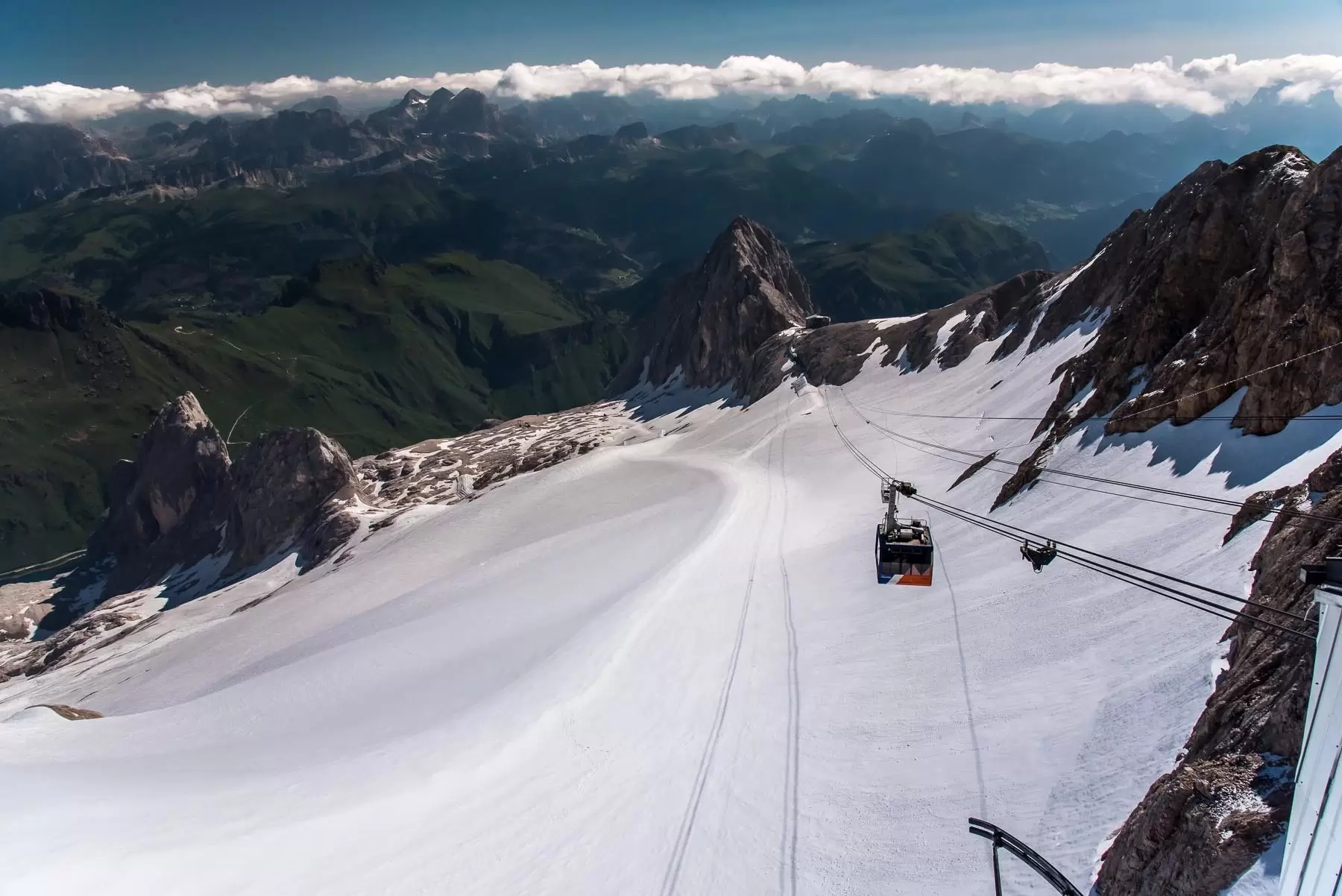
Cortina is far from the only base for exploring Veneto Dolomites: Arabba and the Marmolada glacier, the lakeside resort of Alleghe beneath Monte Civetta, and the Zoldo Valley around Falcade all offer their own slopes and a quieter, more local alternative to Cortina's glitz.
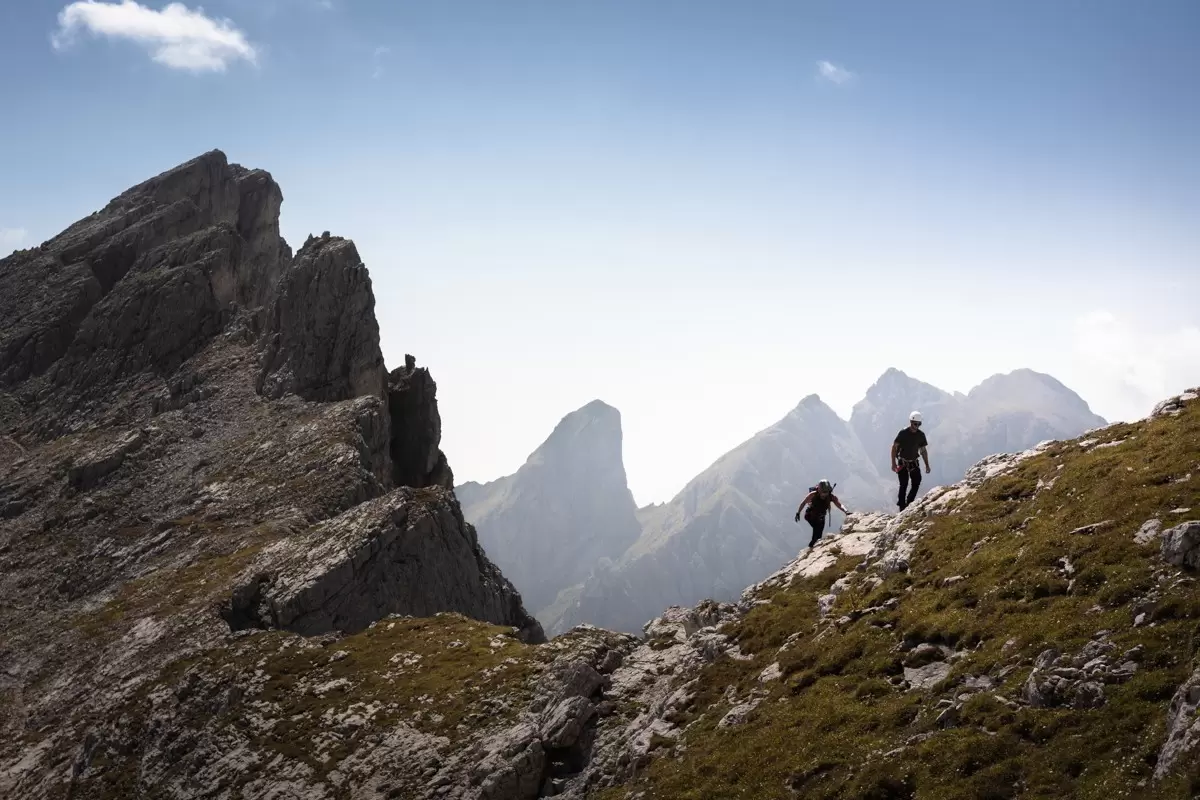
Don’t overlook the area around Cortina d’Ampezzo when the snow melts. As conditions warm up, the slopes become a playground for hikers and other lovers of the great outdoors. Before setting out on foot, take a ride on the Cortina Skyline cable car, which offers incredible views on the 15-minute ride between Tofane (Son dei Prade) and Cinque Torri (Bai de Dones).
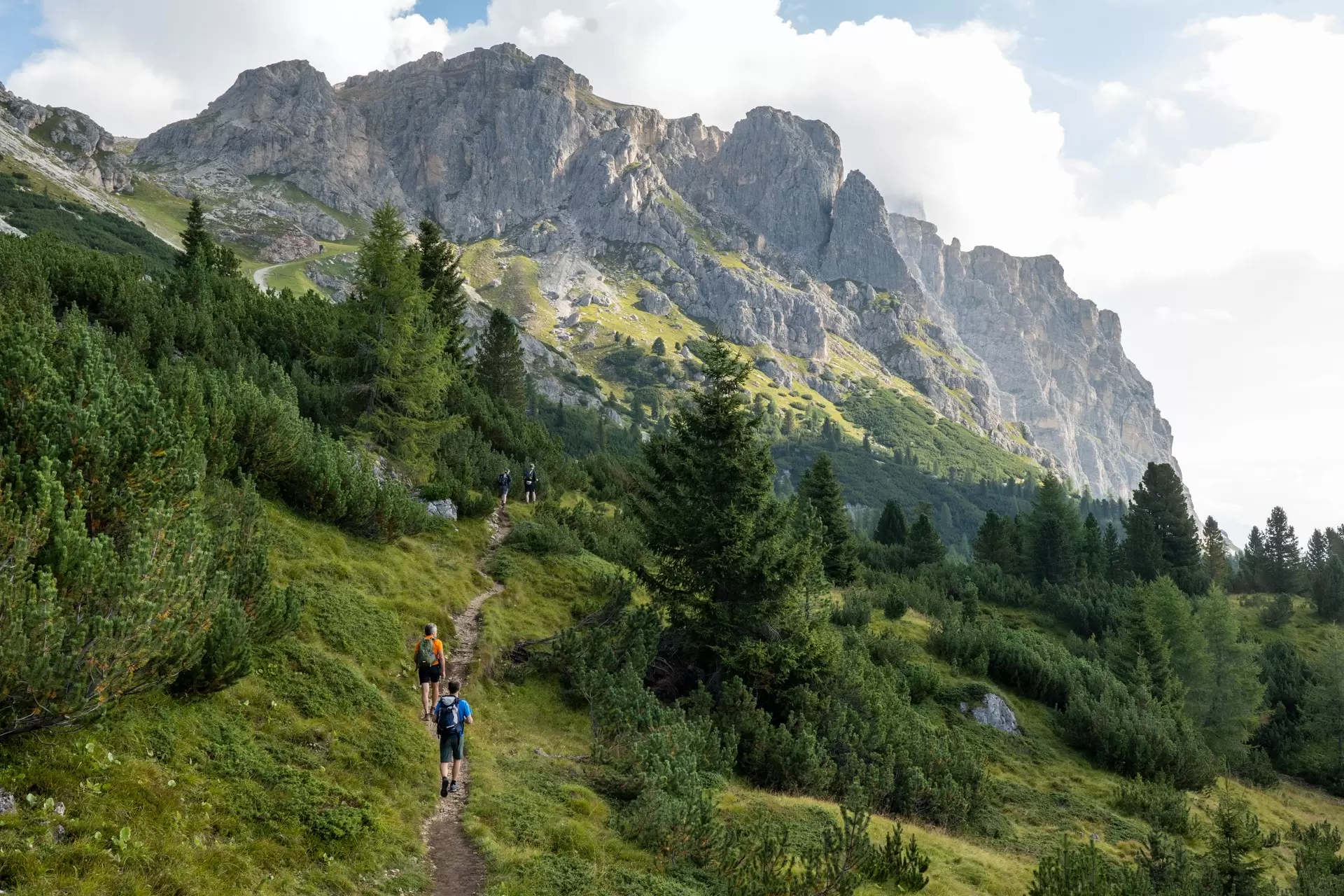
Hiking options around Cortina d’Ampezzo include glinting mountain lakes, lofty lookouts, shady forest trails, paths along the flanks of mighty carbonate spires and vertiginous via ferrata routes following sheer rock walls. Starting at the refuge in Auronzo, the 10km-long Tre Cime di Lavaredo hike takes in some particularly dramatic scenery as it circles three towering peaks.
Beyond Cortina, the wider Belluno Dolomites offer just as much reward: the trails around Alleghe and Monte Civetta, the Agordino valleys near Arabba, and the Cadore area around Auronzo and Misurina all make excellent bases for hikers looking to escape the crowds. The website visitdolomitibellunesi.com is a great resource for mapping out routes across the wider area.
Other activities on offer in Veneto's Dolomites include mountain biking, rock climbing and canyoning along narrow gorges. Or you can always take shorter wildlife-spotting walks from the trailhead car parks dotted through the mountains, looking out for marmots, chamois, ibex, deer and soaring golden eagles.
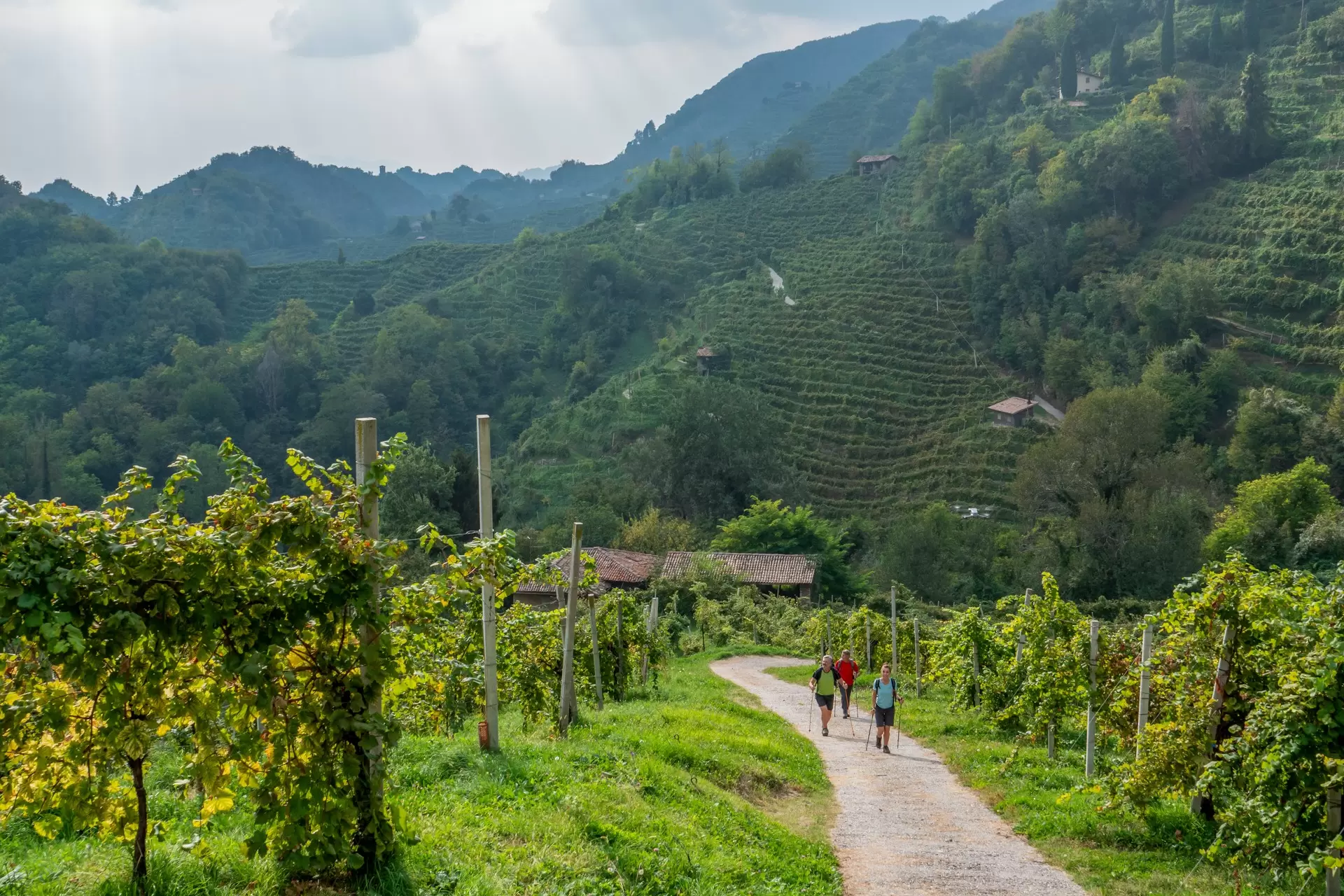
Around the Veneto towns of Conegliano and Valdobbiadene, one of Italy’s most beautiful wine regions announces itself with waves of diving “hogback” hills, known as ciglioni in Italian, draped with Crayola-green vineyards. Welcome to the Prosecco Hills, source of Italy’s most famous sparkling wine.
La Strada del Prosecco is Italy’s oldest wine route and it covers 120 producers between Conegliano and Valdobbiadene. If you’re up for a tasting tour, prosecco counts for half of the 16 varieties at Prosecco Toffoli, whose modern techniques create prosecco with an intense apple, pear and lemon nose.
At Bisol1542 in the hills of Valdobbiadene, the Bisol family has been producing some of the world’s best prosecco since 1542. At Adami, you can book a guided tour to learn about the winemaking process to enhance your tasting experience, and sleep off the bubbly with vineyard views, too.
Veneto’s Valpolicella wine region, northwest of Verona, is home to more of northern Italy’s most respected vineyards. Its highly prized amarone is one of the world’s most coveted red wines, prepared using the appassimento process, where grapes are air-dried over several months, increasing the wine’s flavor and alcohol content.
Of all of Italy's powerhouse red wines, Amarone ("Big Bitter"), produced around Veneto's Valpolicella DOC wine territory just 20 minutes or so north of Verona, is by far my favorite. Amarone winemaking remains a mostly family affair, produced by small wineries according to fiercely traditional appassimento methods – the kind of places where you might trip over the family Jack Russell on your way to knocking on the tasting room door unannounced!
Savoring the food and wine throughout this incredible region is one of Veneto's great pleasures; yet, in a country where storybook wine regions beckon around every turn, Valpolicella still feels like discovering something new.
With Venice and Cortina d’Ampezzo in the picture, Veneto can be one of the more expensive parts of Italy to visit, especially for winter sports, but prices drop once you move away from these two hubs. With a hire car, you can roam through rural towns and villages where life is much more affordable.
Plan on spending upward of 150 euros (€) per day staying in budget hotels or rural agriturismi (homestays), and twice that if you want to stay in heritage accommodations. If you’re traveling on a shoestring budget, hostels are plentiful in Padua, Verona and Vicenza, though there are none in Cortina d'Ampezzo. In the Dolomites, a rifugio (an alpine refuge or trekking lodge) is typically a cheaper – and more atmospheric – alternative to a hotel.
Here are some sample costs for Veneto:
Double room at a hotel in Venice: from €130
Double room at a hotel in Padua: from €75
A meal in a Verona restaurant: around €30 per person
A slice of focaccia or pizza to go from a Treviso deli: from €3
A cup of espresso taken standing in a Vicenza cafe: €1.20
A craft beer in Padua’s CRAK Brewery & Taproom: around €4
Entry to Vicenza’s Villa La Rotonda: €15
If you fly or take the train to Venice to start your trip to Veneto, you’ll first arrive in Mestre on the mainland, so there’s no need to visit the islands of Venice unless you feel the inclination. If you do roam out onto the lagoon, trains to Padua and other cities in Veneto run directly from Venice’s Santa Lucia Station, or trains, taxis and shuttle buses can transport you to Mestre to pick up onward transport.
Explore related stories