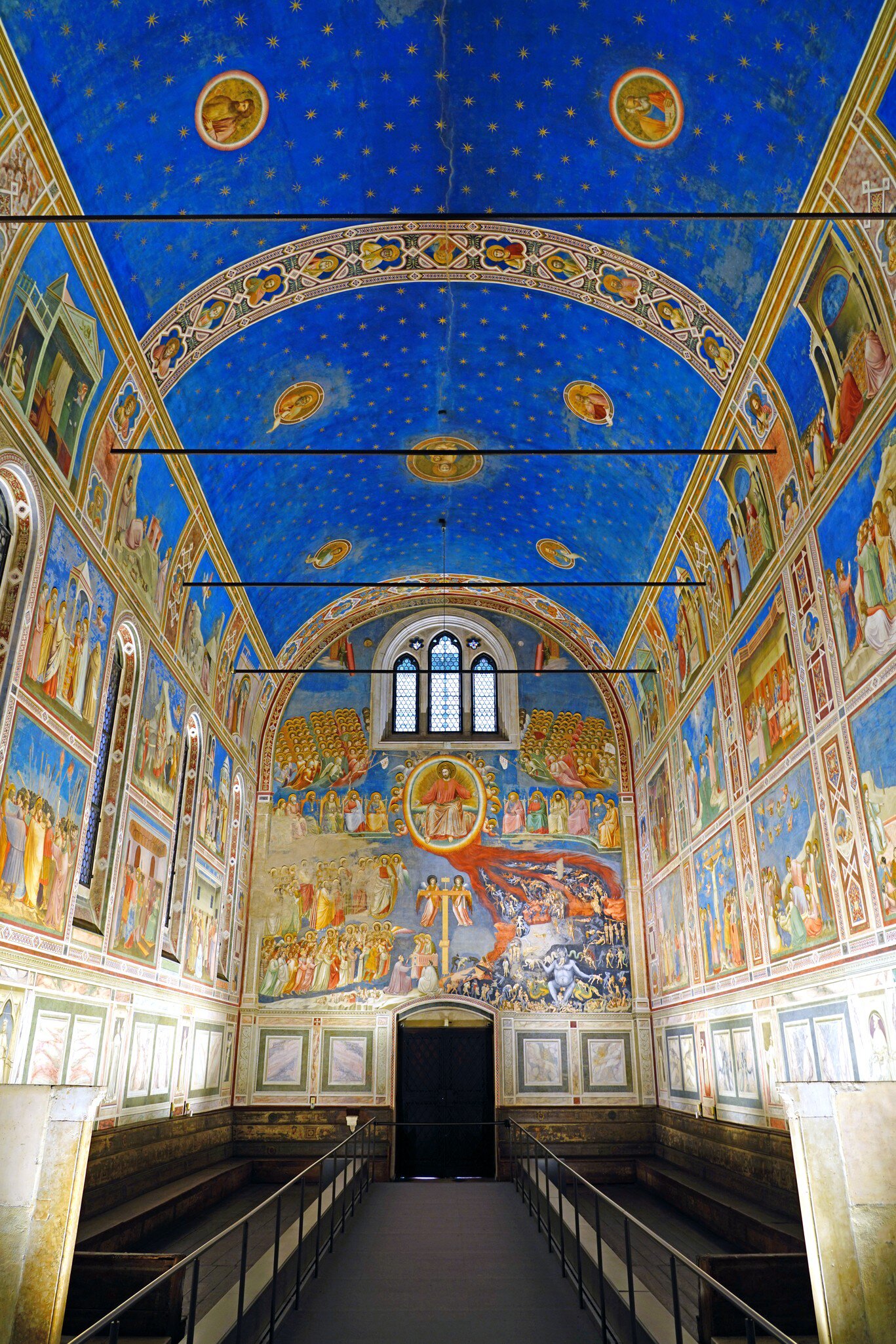
Padua's Cappella degli Scrovegni, painted by Giotto two centuries before the Sistine Chapel, helped spark the Renaissance. By portraying biblical figures as real people in familiar settings, Giotto transformed how people saw themselves and revolutionized Western art.
Vassals to Vessels
Prior to Giotto's unprecedented fresco cycle, medieval churchgoers had been accustomed to blank stares from enthroned saints. Giotto's humanisation of divine characters inspired people to no longer see themselves as lowly vassals, but vessels for the divine.
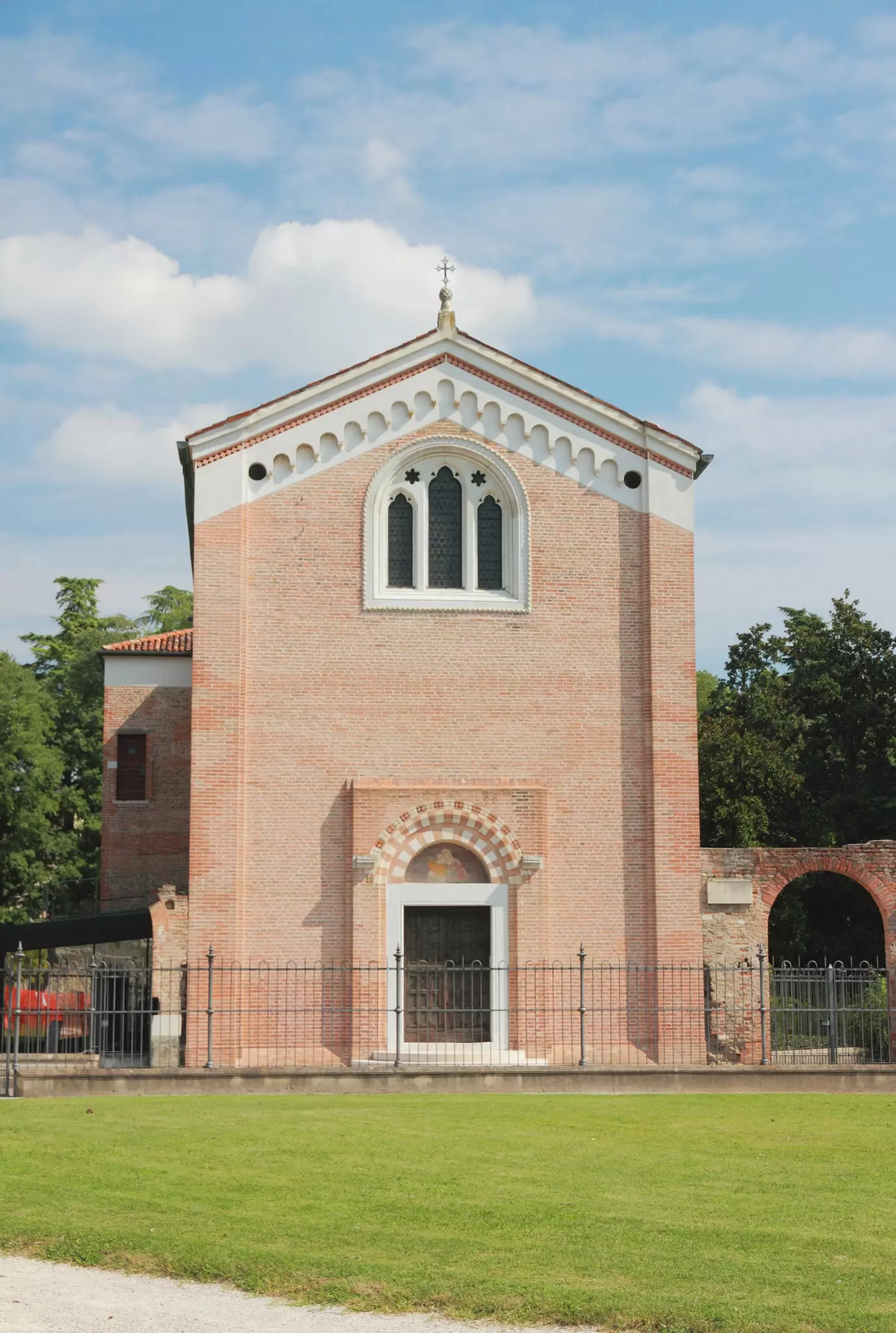
Giotto's moving, modern approach holds no less power of captivation today than at its 1305 unveiling. Before you enter the chapel itself, a 10-minute video brings the comprehensive historic context to present day.
New Techniques, Visual Enlightenment
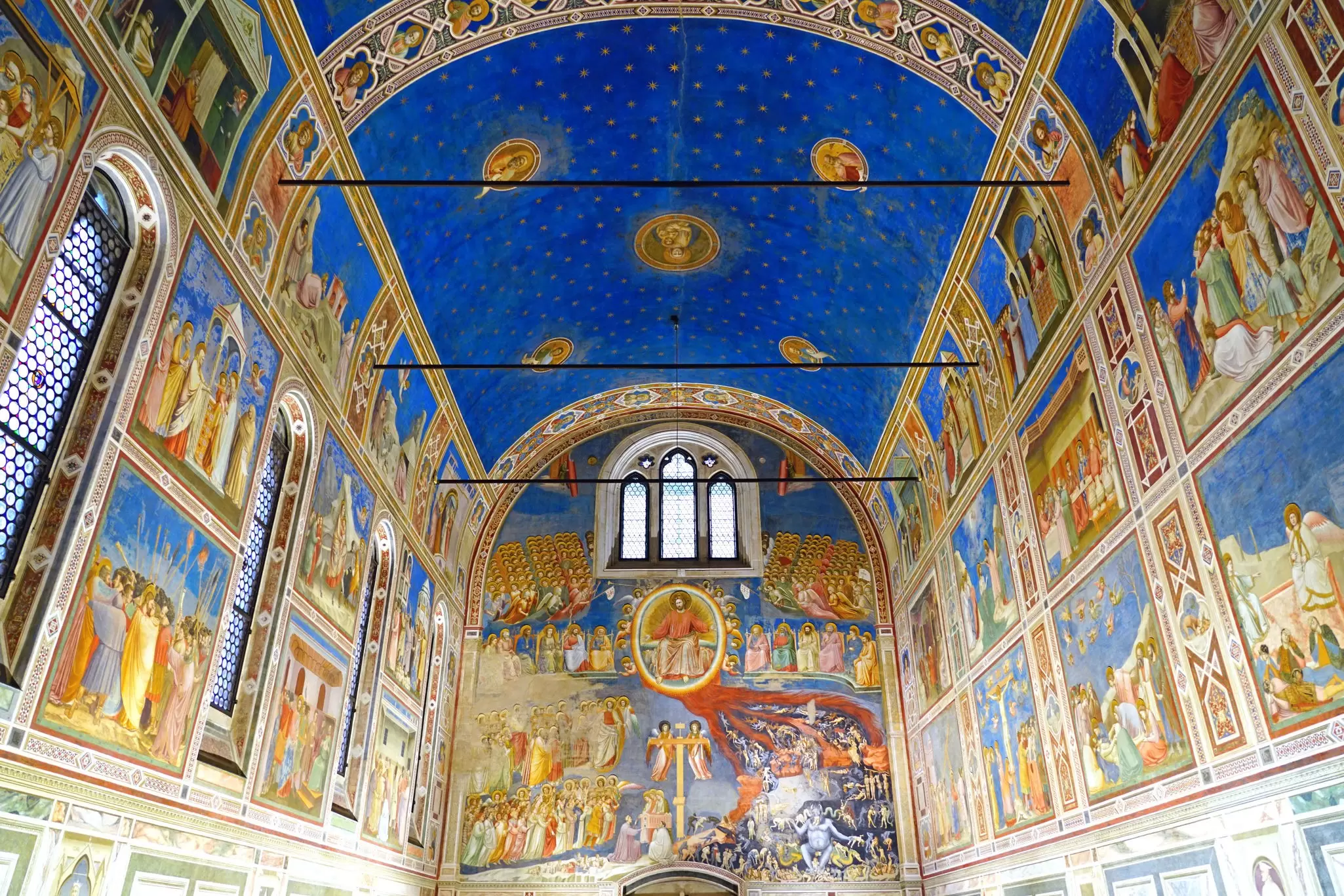
Telling the story of Christ from Annunciation to Ascension in impressively large and comprehensive detail, the fresco's chromatic vibrancy remains stirringly whole. Giotto also used unusual techniques such as impasto, building paint up into 3D forms. You'll get 15 to 20 minutes in the chapel itself – nowhere near enough, but sufficient to bear witness to one of the most important masterpieces of Western art come to life under Giotto's starry sky.
Giotto Sotto Le Stelle
From late March to early November (and other select days throughout the year), it's possible to book double the normally allotted time (40 minutes instead of 20) as part of the World Heritage Site's night-visit program between 7pm and 10pm (giottosottolestelle.it).