Sep 20, 20267 min read
Guide to the Route Napoléon in FranceSep 20, 2026
7 MIN READ

Writer
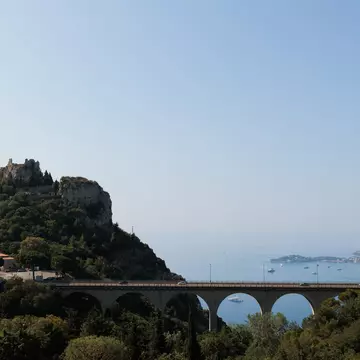
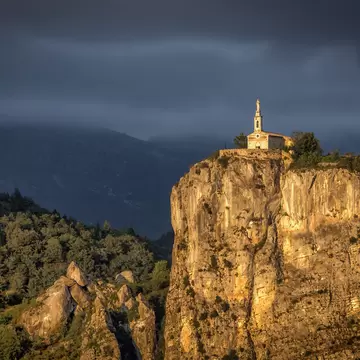
Roc de Castellane, on the Route Napoléon. Dave Knibbs/Shutterstock

Writer
Lonely Planet may earn a commission from affiliate links on our site. All recommendations and reviews reflect our own independent opinions.
Yes, it’s anachronistic, but if Napoléon Bonaparte had been asked if he was traveling for business or pleasure when he landed back on French soil on March 1, 1815, he would have surely ticked the box for business. After all, he’d managed to escape the Italian island of Elba, where he’d spent 10 months in exile, and had one goal: a return to rule in France.
But first he had to make his way from the Côte d’Azur, where he’d arrived by boat alongside 1100 troops, to Paris. And the first steps involved a 6-day march from the coast to Grenoble, in the French Alps. The Route Napoléon was established in 1930 to commemorate the path that he took to Grenoble. While it doesn’t follow the exact course (as parts involved mountain walking tracks), the road passes through the same villages and towns that he and his troops did.
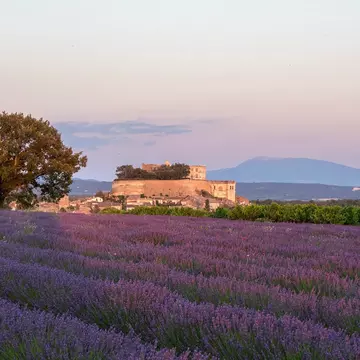
And what a stunner the route they took is. Napoleon may have meant business, but today this is one of France’s most pleasurable road trips through a variety of landscapes: fragrant hillside towns with Mediterranean Sea views, the vast lavender-scented plateaus of the Provence hinterland and wild alpine scenery toward Grenoble.
Ready to buckle up? Here’s what you need to know before you set off.
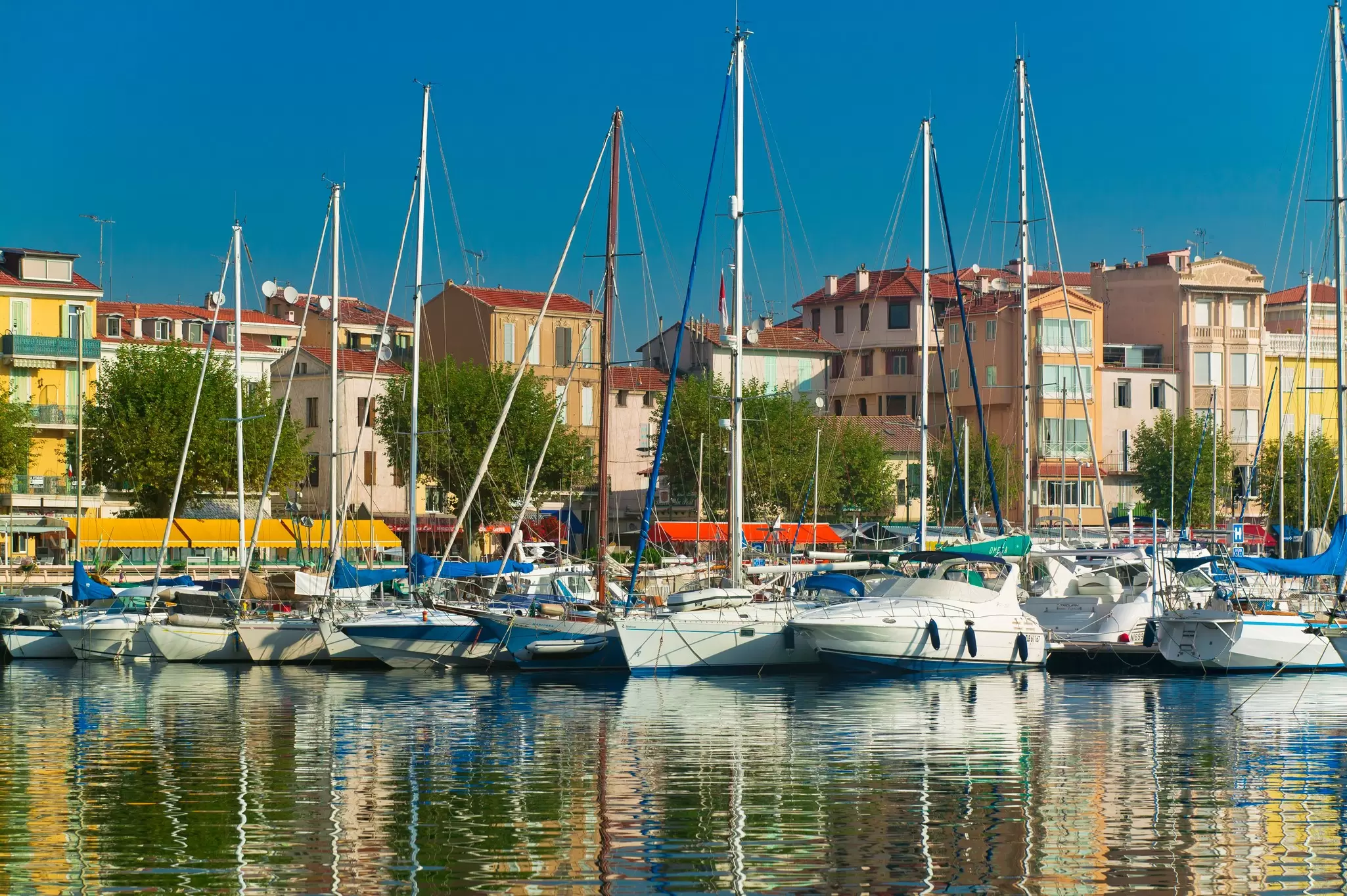
If you’re following in the emperor’s footsteps, the Route Napoléon begins on the beach in Golfe-Juan on the Côte d’Azur and finishes in Grenoble – although there’s nothing stopping you from reversing the direction.
There’s surprisingly little fanfare to mark the start of the road trip on the beachfront, although the town does reenact Napoleon’s arrival on the first weekend of March as part of annual celebrations. You’ll also find that the route gets lost in the urban sprawl of Cannes and Mougins, and lacks clear signposts. Once you reach Grasse, the Route Napoléon hits its stride, as the Mediterranean Sea disappears into the rearview mirror and the wide plateaus stretch out ahead.
It might have taken Napoleon 6 days to march the distance, but at 314km long, you can drive the Route Napoléon in less than a day (nonstop, it would take around 6 hours). But why rush one of France’s classic road trips? Driving for 3–4 days is the sweet spot, allowing you the time to not only see the places that Napoleon passed through but also pursue some worthwhile detours.
You can feel Napoleon’s presence all along the route. Markers commemorate where he sat, such as on Place de l’Apié in St-Vallier de Thiey, behind Grasse; and where he slept, such as the Auberge Marchand in Gap. A plaque also marks the Hôtel du Bras d’Or, the inn where he ate in Sisteron.
A statue on the Prairie de la Rencontre in the village of Laffrey, outside Grenoble, commemorates arguably the most crucial moment of Napoleon’s march: when he was met by royalist soldiers sent to block his passage. Instead of stopping him, the soldiers put down their arms and shouted, “Long live the Emperor!" Other tokens, such as the noble house where he slept in Séranon on day two of his march, are little more than ruins but make for a fun challenge to locate in the Mediterranean shrub.
History buffs will particularly appreciate the Citadelle de Sisteron, which towers above the town of Sisteron, at roughly the halfway point of the route. Alongside a small museum dedicated to Napoleon’s quest, engaging audio commentary in the bastion makes you feel like you’re marching alongside him and his troops.
Beyond the “Napoleon was here” spots, this route is a chance to see Provence from various angles. Vallauris, next to Golfe-Juan, is the potter’s village where Picasso learned his craft. Amid the ceramic studios, the Musée National Picasso ‘La Guerre et la Paix’ is testament to his talents with the medium. Pause in Grasse to tour the trio of perfumeries in the world’s fragrance capital: Fragonard, Molinard and Galimard. Perhaps you might like to try your hand at blending a signature scent of your own?
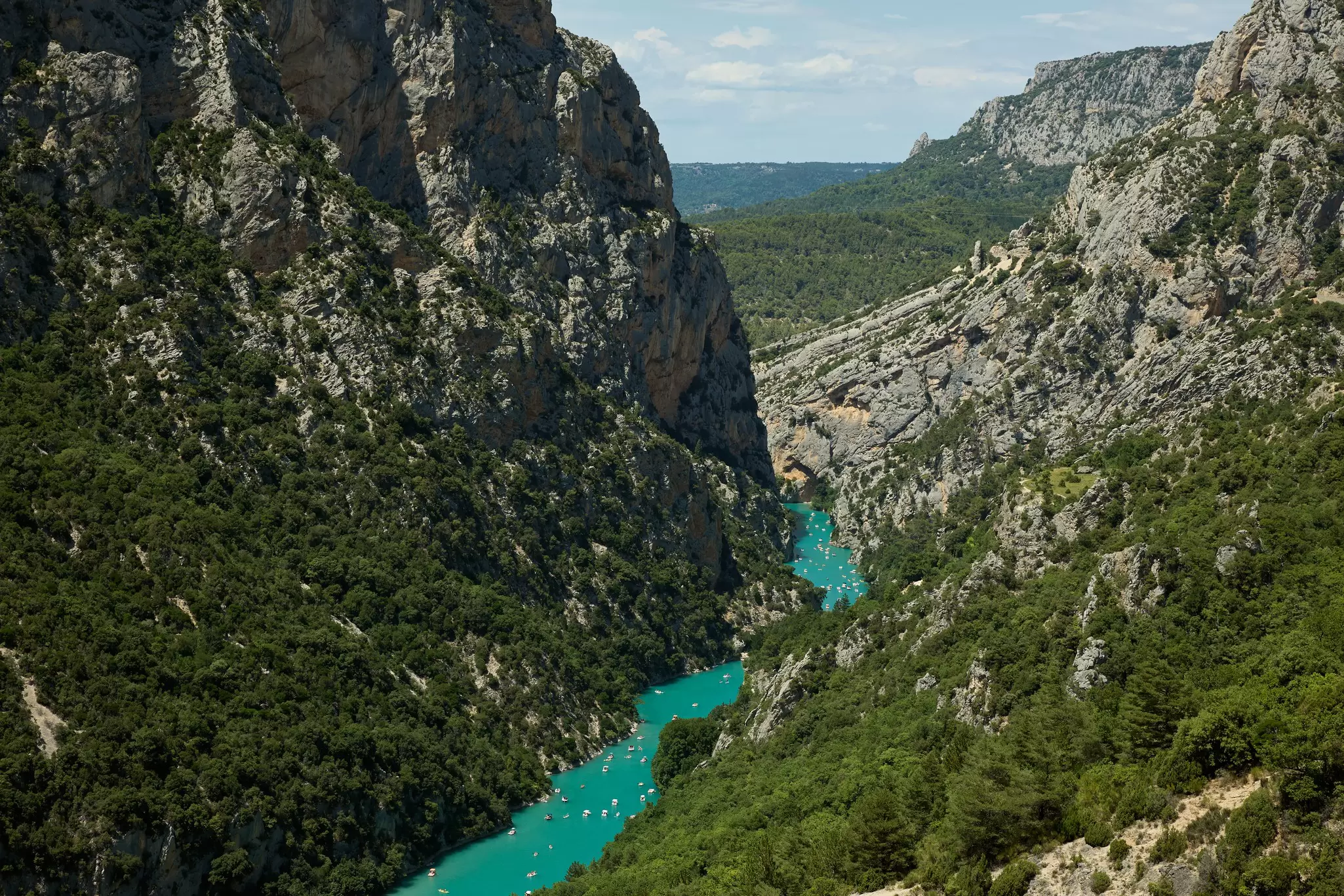
High on the plateau of the Parc naturel régional du Verdon is Castellane, a village huddled beneath the towering Roc de Castellane rock face. Castellane is the gateway to the Gorges du Verdon, a deep limestone canyon that’s a hub of adrenaline-fueled adventure, from rafting to canyoning and hiking.
Digne-les-Bains is a spa town with layers of history, starting with the Dalle aux Ammonites, an immense 320- sq-meter exposed slab containing over 1500 fossilized ammonites. It was also the beloved home of Alexandra David-Néel, the trailblazing 20th-century adventurer considered the first European woman to visit the forbidden city of Lhasa in Tibet in 1924. Her house, the Maison Alexandra David Néel, is another recommended stop, filled with treasures from her travels and studies.
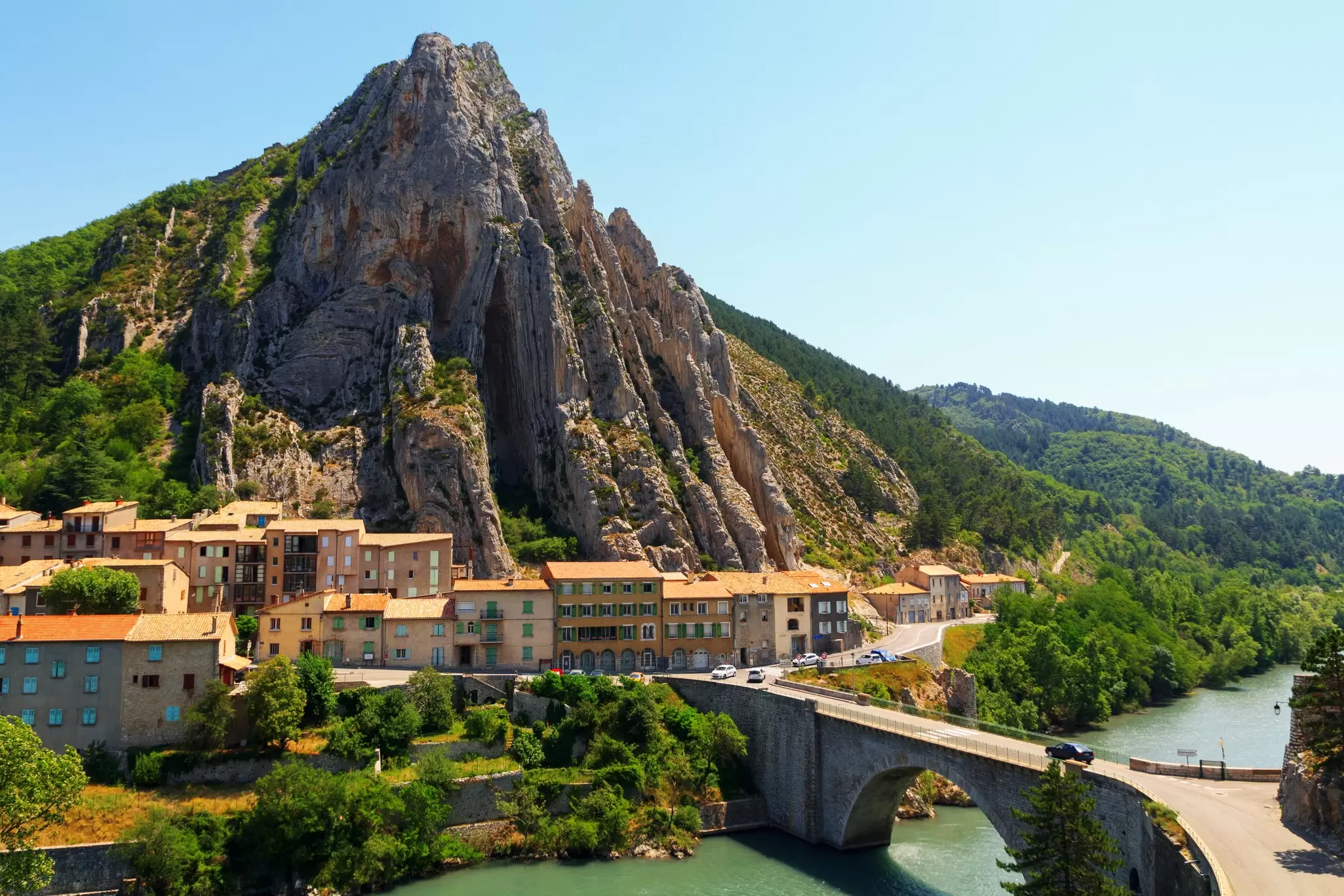
Sisteron’s citadel sits atop the old town, with its cluster of buildings huddled across the Durance River from the Rocher de la Baume, an incredible rock relief that’s become the emblem of the town. In Gap, Domaine de Charance's hiking trails are a chance to stretch your legs among fragranced rose gardens. From here, you enter proper alpine country of mountain passes and dramatic scenery. Before reaching Grenoble, stop at Domaine de Vizelle, a castle turned museum dedicated to another period of French history – the French Revolution; its shaded landscaped park is home to deer and bird life.
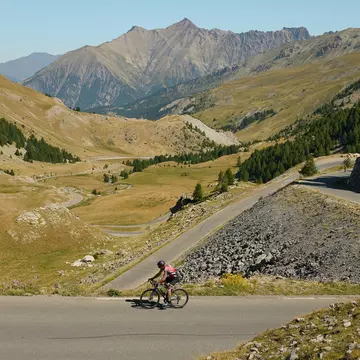
Motorcyclists also love the Route Napoléon for its sweeping bends and panoramas, but you can complete parts of the route on foot or even on horseback. The Route Napoleon à Pied is a Grand Randonnée, meaning that it is classified as one of France’s long-distance hiking trails. Known as the GR 406, the trail stretches 165km between Grasse and Sisteron, although some hiking experience is recommended as the terrain can be challenging in parts. The Route Napoleon à Cheval connects Grasse with Vizelle for equestrians.
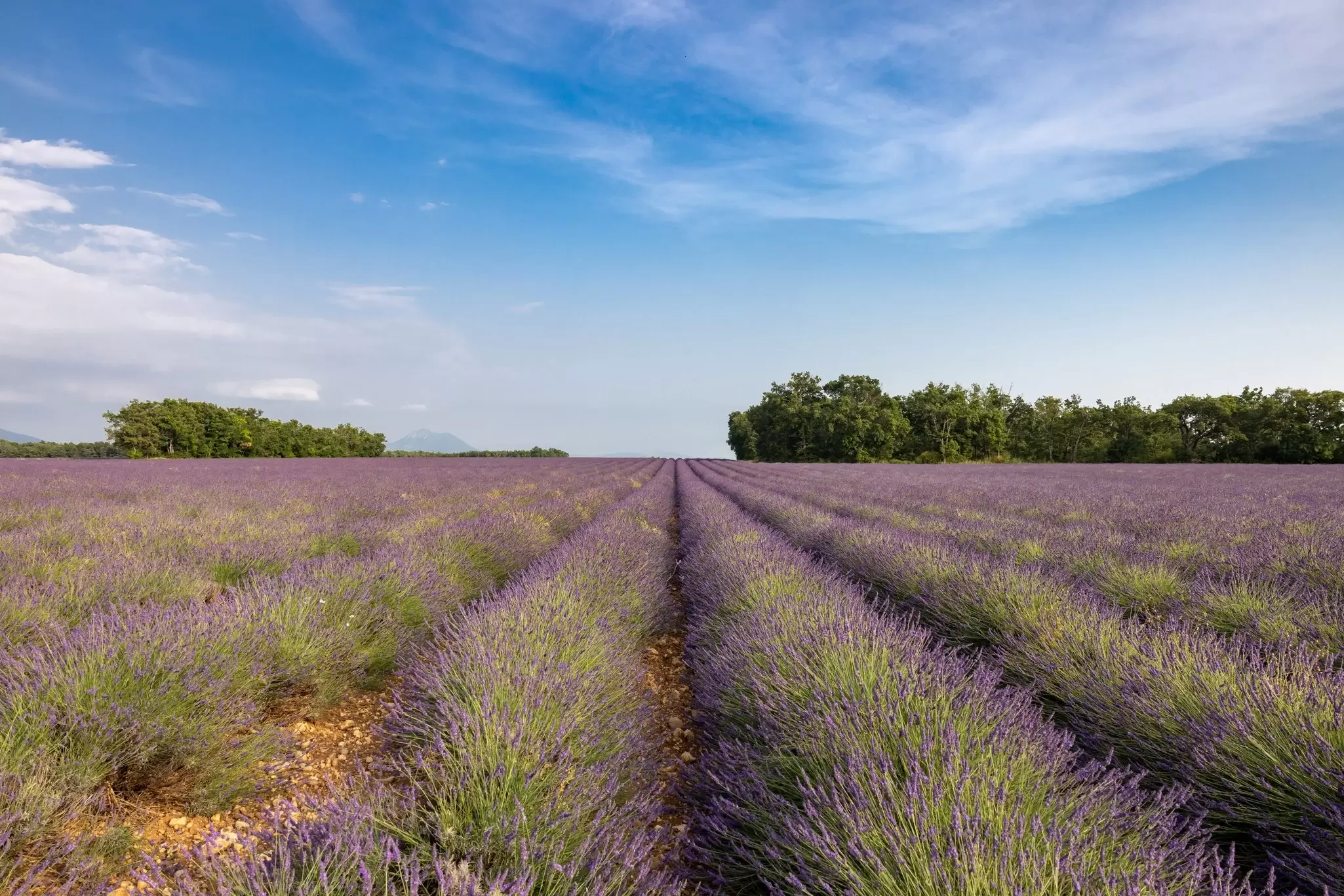
Sources tell of how Napoleon and his troops trudged through – even set up camps in – deep snow. Modern travelers have the good fortune of picking their season: April to June and September to October are the best time to visit for spring or autumn landscapes, typically cooler temperatures than high summer and fewer cars on the road. In June, there’s the additional bonus of lavender fields in bloom. Expect hotter temperatures and more traffic in July and August.
The Route Napoléon remains open in winter, but under French law, snow chains or winter tires are obligatory between November 1 and March 31 in designated mountain areas along the route. The cols (mountain passes) of the route may also close temporarily depending on weather conditions.
Nice Côte d’Azur Airport is around 30 minutes from the start of the Route Napoléon in Golfe-Juan. Major car rental companies have a presence at terminals 1 and 2.
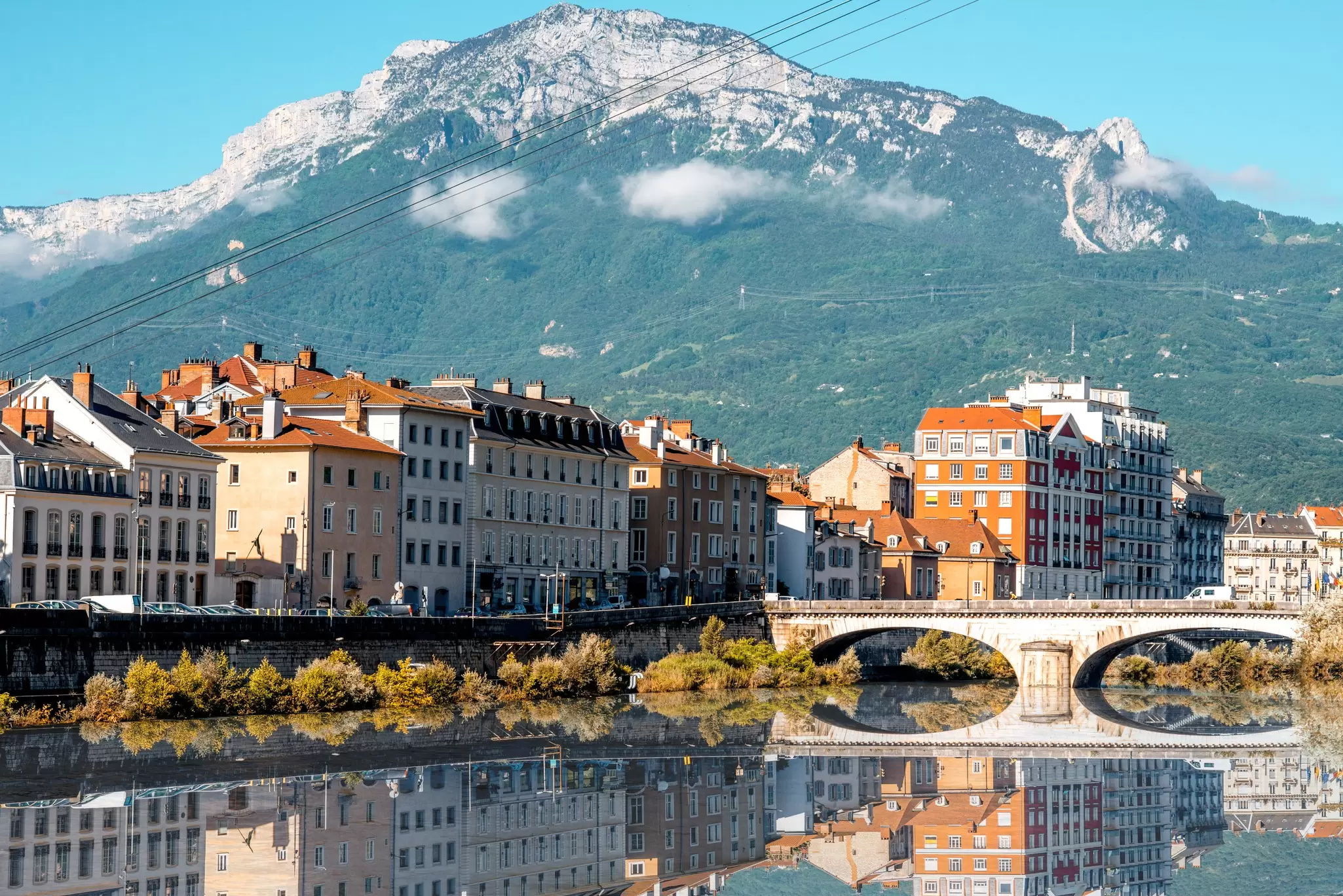
On March 7, 1815, 6 days after he set off, Napoleon triumphantly entered Grenoble, knowing that, from there, the French capital was surely his. “Until Grenoble, I was treated as an adventurer; in Grenoble, I was a prince,” he would later reflect. He retook the throne in Paris on March 20.
In the end, Napoleon’s return to power was short-lived – his tumultuous second reign, known as the Hundred Days, ended with his defeat at Waterloo and eventual exile (which stuck this time) on the island of St Helena in the Atlantic Ocean. He died there in 1821, at age 51.
Book your France trip with Lonely Planet Journeys
See France how it's meant to be seen
Planned by local experts and tailored to you, Lonely Planet Journeys handles the logistics so you can just enjoy the trip. Tell us what you want and we'll build your France itinerary from scratch, or browse our bookable trips to get inspired.


Explore related stories