Sep 20, 20267 min read
Guide to the Route Napoléon in FranceMay 12, 2026
14 MIN READ
Contributors
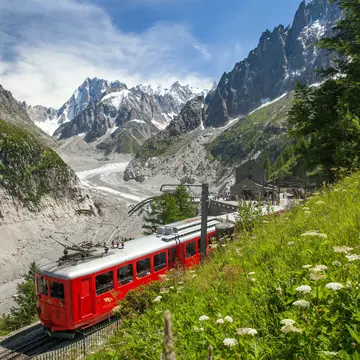
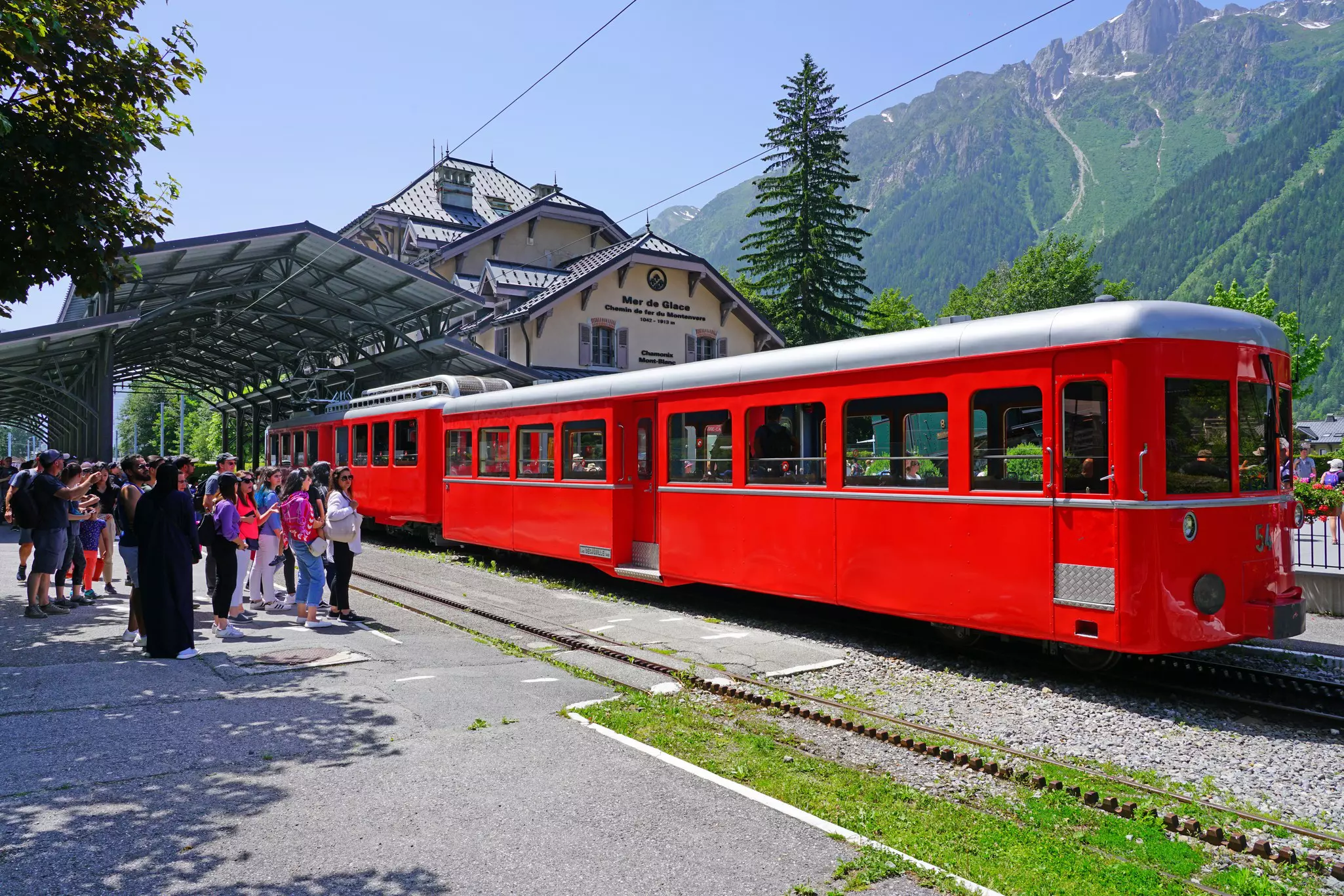
The cherry-red Train du Montenvers in the French Alps. Julia Kuznetsova/Shutterstock

Contributors


Barbara Noe Kennedy, Lonely Planet Editors
Highlights
Writer Barbara Noe Kennedy picks eight scenic train journeys across France.
For mountain views, ride Le Cévenol, the Montenvers or Le Petit Train Jaune.
For southern scenery, try Marseille–Ventimiglia, Le Train des Pignes or Nîmes–Le Grau-du-Roi.
Cyclists take the Interloire through the Loire; Eurostar zips Paris to London.
Lonely Planet may earn a commission from affiliate links on our site. All recommendations and reviews reflect our own independent opinions.
Imagine chugging past rolling hills full of centuries-old vineyards, whooshing past spectacular mountain vistas and fairy-tale châteaux, or zipping along the coastline of the Mediterranean. Seeing the countryside slide by on a train trip in France is pure delight.
The best train journeys in France visit rugged mountains, beach-lined shores, volcanic valleys and bucolic countryside. The famously fast and efficient French rail network makes it easy to explore even the furthest corners of this rich, varied country. And with international rail connections from the UK and most of France's European neighbors, your home train station could be the beginning of a French rail adventure.
We’ve chosen the following railway journeys because they offer scenic beauty, a taste of the glory of vintage rail travel, or are just plain fabulous. All aboard for the best train rides in France!
Best train ride for volcanoes and viaducts
Route: Clermont-Ferrand to Nîmes
Distance: 303km
Duration: 5–6 hours
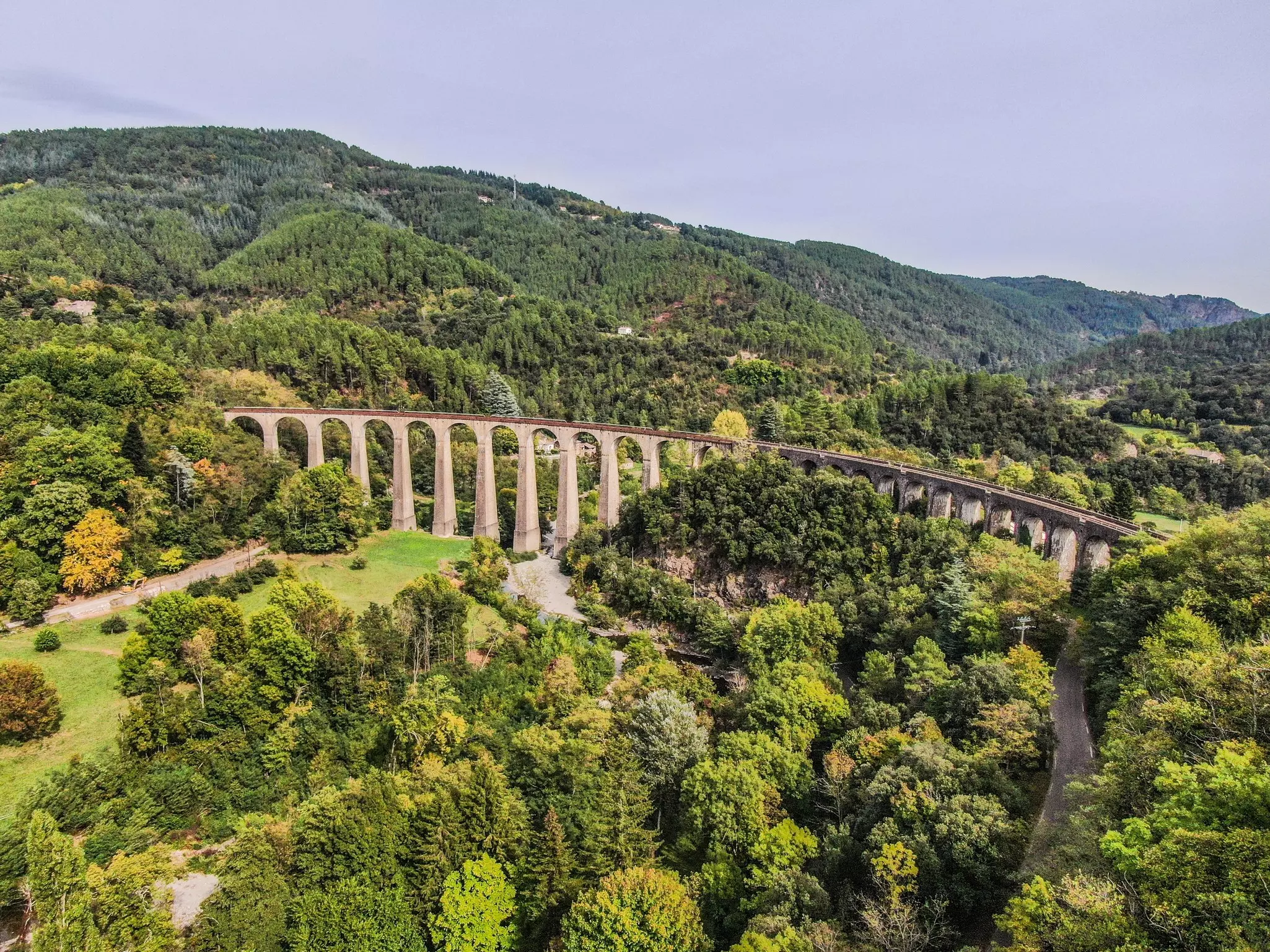
The savage beauty of the isolated Massif Central opens up on one of France’s oldest train routes – and one of the most challenging to build, given the topography of the Gorges de l’Allier. In the mid-1800s, the technology required to cut through granite and basalt mountains didn't yet exist, so in a triumphant feat of engineering, workers used rudimentary techniques to blast out the line’s tunnels.
Connecting Clermont-Ferrand to Nîmes, Le Cévenol (also known as La Ligne des Cévennes) opened in 1870 for passengers and freight, including coal headed to the Rhône region and wine bound for Paris. The Cévenol forms part of a longer, cross-country route linking Marseille to Paris, but most riders jump aboard at Clermont-Ferrand, in the heart of volcano country.
You’ll start off admiring volcanic plugs dotting the landscape before heading through the pièce de résistance: the Gorges de l’Allier. High above the Allier River, magnificent views open up, stretching far across the gorge. Along the way, you’ll cross three historic viaducts, wind through several impressive valleys and traverse 106 tunnels.
The highest point along the route is La Bastide-Puylaurent at 1024m, while the Chamborigaud viaduct promises a heart-in-mouth experience as you teeter high above the landscape for what feels like an endless 409m, balanced 46m above the valley floor.
Planning tip: Le Cévenol is on the SNCF network, but maintenance work is often carried out in the spring, and SNCF buses replace trains; be sure to check ahead before booking.
Best train ride for glacier views
Route: Chamonix-Mont-Blanc to Montenvers
Distance: 5km
Duration: 20 minutes
The highest peak in France, 4807m Mont Blanc towers over the Alps, its eternally snow-capped peak providing a majestic exclamation point on the skyline. To get up close to this iconic mountain, hop aboard the famous cherry-red Train du Montenvers, as sightseers have done since 1908.
Departing from the main train station in Chamonix, this rack-and-pinion train trundles up the mountainside at an angle greater than 9%, climbing through dark forests and tunnels pierced through the rock. Sit on the left side of the train to take in glimpses of Mont Blanc between the fir trees.
It takes about 20 minutes to ascend 1000m up the mountain. Just when you think the high mountain scenery can’t get any more stunning, you'll arrive at the foot of the Mer de Glace, a glacier at an altitude of 1913m that well deserves the name “sea of ice.” From here, you can take in views of the north flank of the Grandes Jorasses, an immense face of rock and ice.
Dense, blue-colored ice caves extend beneath the glacier, and an excursion to view the ice sculptures inside is included in the price of the train ticket. The interactive Glaciorium, which recounts the glacier’s history, is another must-see.
Warm up by grabbing a hot chocolate at Le Panoramique cafe before heading back down, or spend the night at the historic Refuge du Montenvers, with its stunning patio overlooking the Mer de Glace.
Planning tip: Book tickets directly through the operator – combination tickets cover the train ride, the Mont Blanc cable car (which continues to 3842m) and the museums. The railway line and cable car routes periodically close for maintenance; several months of closures were planned in 2026, so check locally for the latest news.
Best train ride for dazzling sea views
Route: Marseille to Ventimiglia
Distance: 187km
Duration: 3 hours 45 minutes
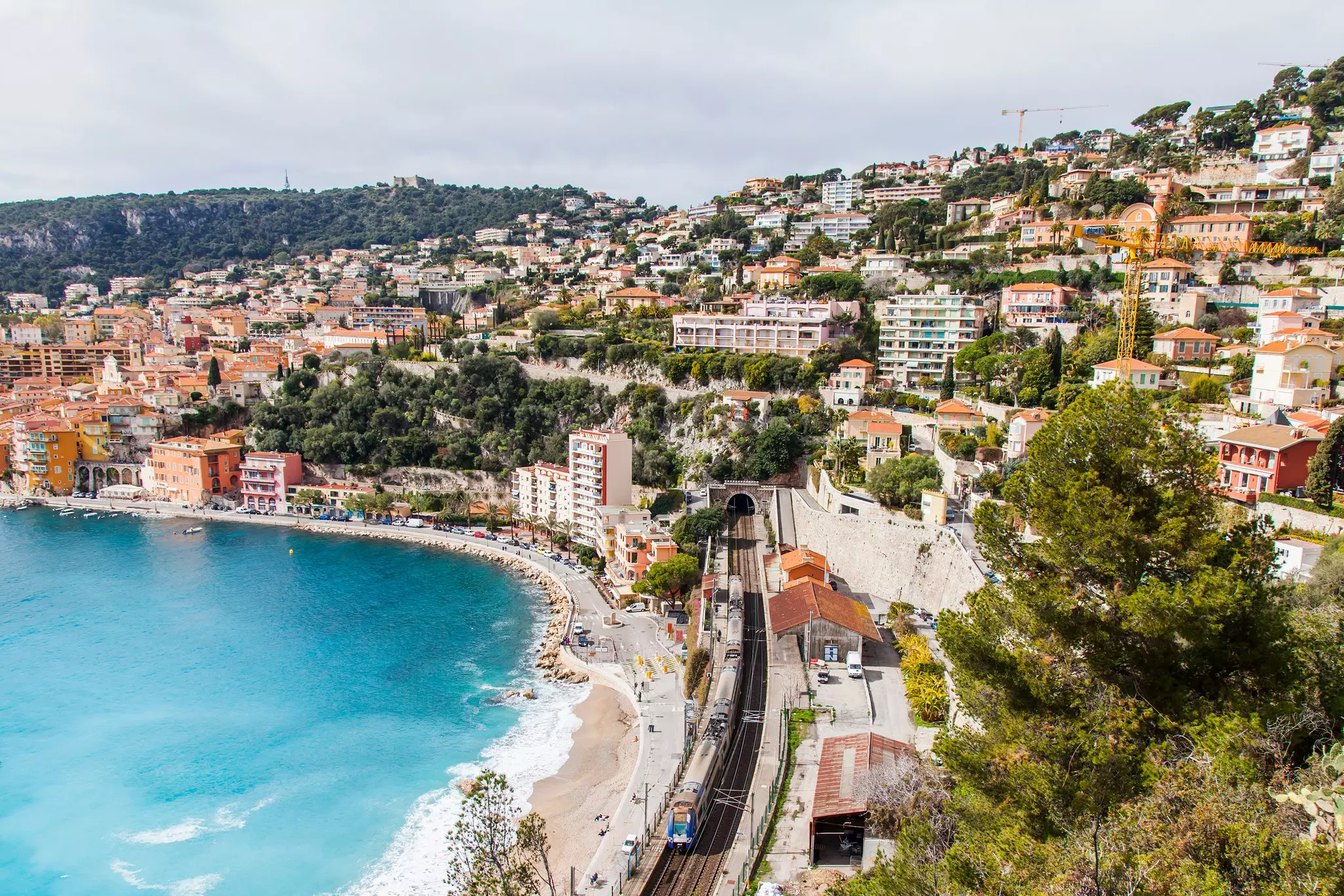
Traveling from Marseille to Ventimiglia on the Italian border along the SNCF tracks might sound like a run-of-the-mill journey, but the views are exceptional. You may struggle to remain seated for much of the trip, as stunning scenes of the sparkling Mediterranean Sea slip by the train’s windows, like framed postcards of the south of France.
Between the beaches and coastal towns, you'll catch glimpses of maquis-covered cliffs, terracotta-colored villages and palm-tree-bedecked hills. The stops along the way are fabled destinations unto themselves: legendary St-Tropez, made famous by then-unknown Brigitte Bardot; Cannes, with its star-studded legacy; Monaco, home of the Grimaldi royals; and Nice, with its intoxicating mix of world-class museums and legendary beaches.
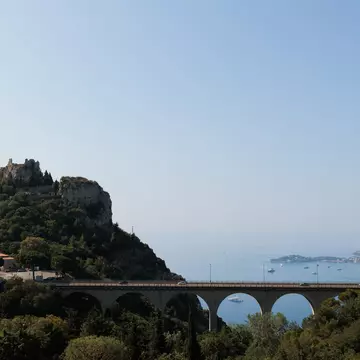
There are lesser-traveled places as well, including gorgeous Èze Plage, backed by a medieval village perched impossibly high on a nearby peak, and down-to-earth Menton – a much-loved beach stop for French families. Get out, explore and take in some sun before you catch the next train onward.
The 50-minute stretch between Nice and Ventimiglia is perhaps the most stunning section of the route, as you glide past art deco villas, sparkling bays and pastel-colored towns marching up palm-dotted hillsides. You'll end just at the Italian border, where you have the option of turning around and seeing it all over again.
Planning tip: If you're open to adding a second country to your itinerary, Italian trains run on from Ventimiglia to San Remo and other towns on the Italian Riviera coastline, as well as inland destinations such as Milan.
Best vintage train ride
Route: Nice to Digne-les-Bains
Distance: 150km
Duration: Around 3 hours each way
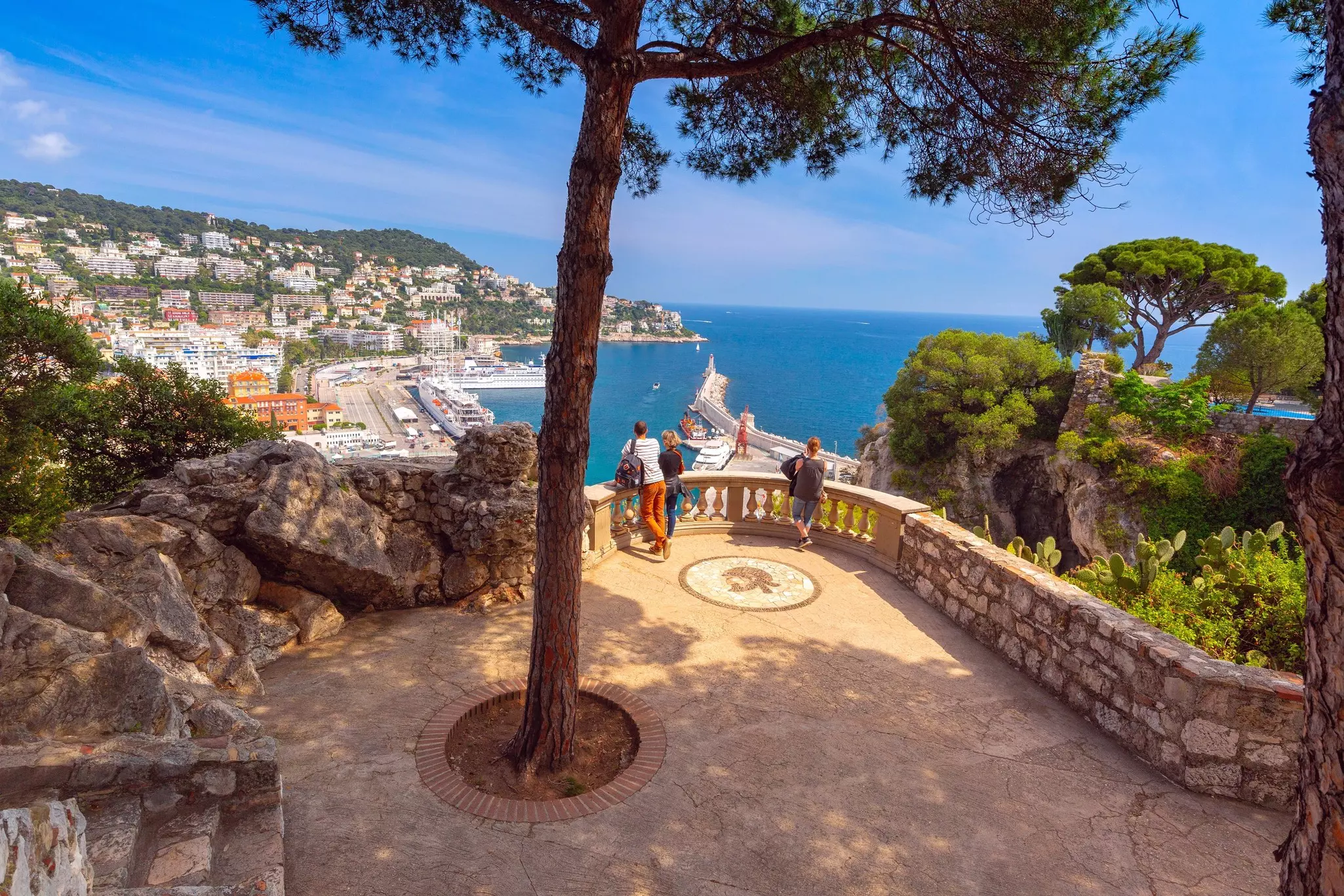
Behind the Mediterranean-lapped shores of Nice, the jagged gray peaks of the Mediterranean Alps beckon from afar. The “Train of Pinecones” chuffs from the glittery seaside up into these snowy mountains in just over 3 hours, providing stunning, ever-changing views along the way. Serviced by a steam locomotive with gleaming varnished wood benches in summer, this line is the only remnant of the meter-gauge Chemins de Fer de Provence that once crisscrossed southern France.
From Provençal fields and olive groves, you’ll enter a land of deep river gorges and medieval fortresses. Just 90 minutes from Nice, Entrevaux is a good place to stop and wander enchanting medieval streets and an ancient citadel. Digne-les-Bains, at the end of the line, is cute as can be, with cobblestone streets, bougainvillea-draped stone villas and shops selling honey, lavender and other local products.
There are several theories about the pigne ("pincone") in the name – the original trains may have run so slowly that passengers could jump off to gather them, or the train's engineers may have burned pinecones when the train ran short on fuel. Whatever the true story, majestic pine forests surrounding the route add to its scenic allure.
Planning tip: Tickets for the ride are best booked online in advance. There are around four services daily from May to October, but check the schedule as sections sometimes close for maintenance. Steam trains stop running from November to April.

Best train ride for cyclists
Route: Orléans to Le Croisic
Distance: 338km
Duration: 4-6 hours
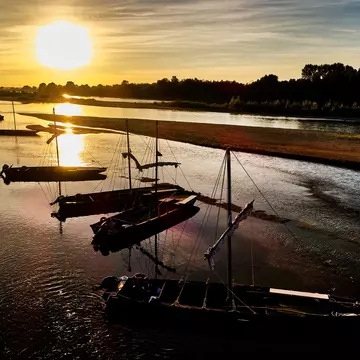
Viewed from the train, the Loire Valley unfolds like a fairy tale, with a stunning array of Renaissance castles, emerald rivers and charming medieval villages. It shouldn't be a surprise to learn that Azay-le-Rideau castle was the inspiration for Sleeping Beauty. Run by the TER Centre-Val de Loire and TER Pays de la Loire, the Interloire railroad traverses this legendary valley from Orléans, the hometown of Jeanne d’Arc, to the fishing harbor town of Le Croisic on the Atlantic Coast.
As well as spending some time in the charming towns at either end of the line, must-visit stops include Blois, crowned by the château once occupied by Louis XII. Also worth a visit are Amboise, Leonardo da Vinci’s final home, and Nantes, a historic Breton town with an evocative 15th-century château.
You can hop on and off the train with your bike to pedal sections of the 900km Loire à Vélo cycle route, a relatively level bike path that weaves through the quintessentially French landscape. The train has a special car with extra space for bicycles during the summer.
Planning tip: Bikes can be carried for free on Interloire trains; book a space on the Vélo Abord website.
Best international train ride
Route: Paris to London, UK
Distance: 451km
Duration: 2 hours 30 minutes
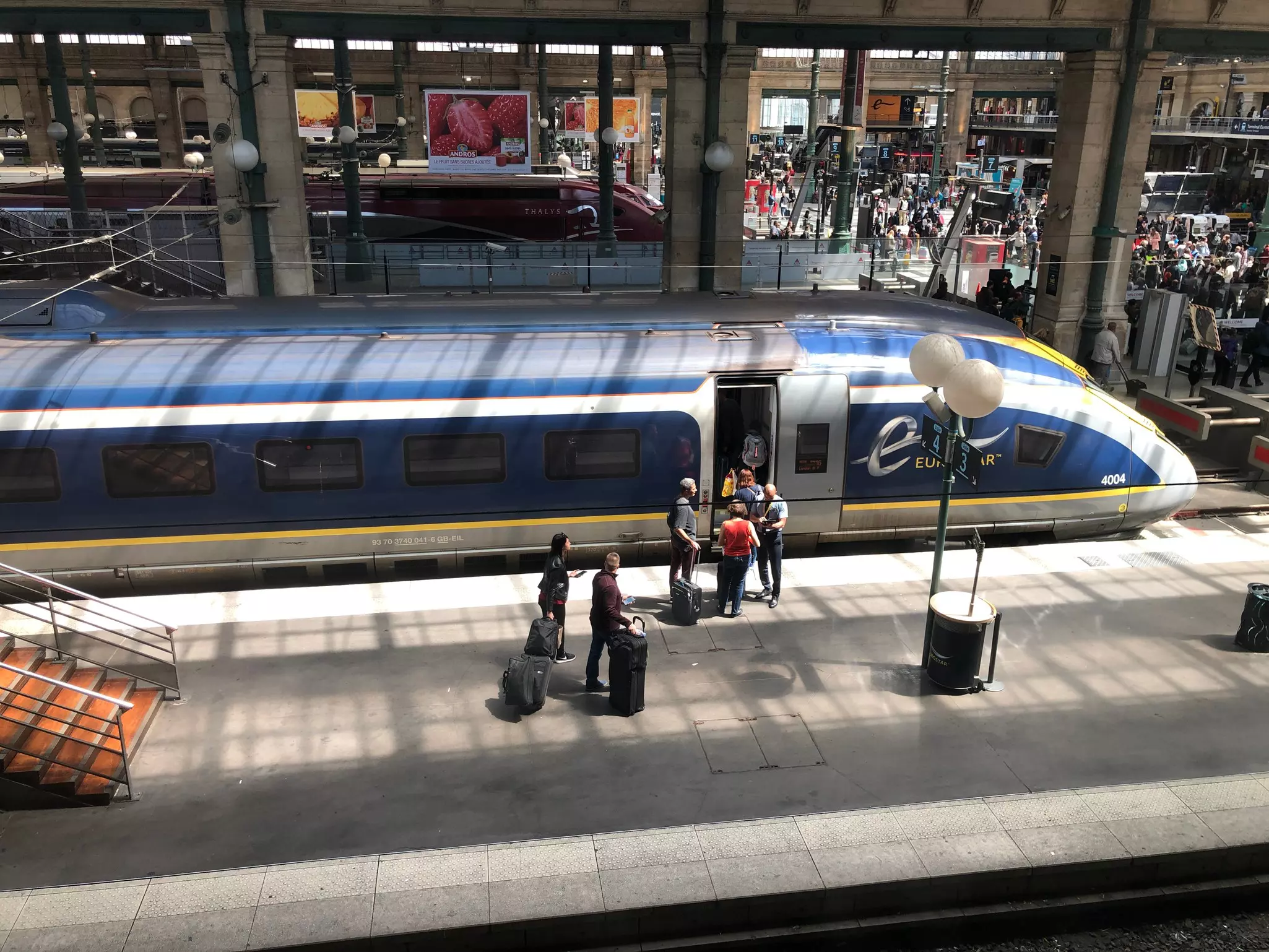
If you fancy a quick getaway from Paris to London, perhaps to say hi to Big Ben or to wander through the V&A Museum, look no further than the Eurostar, which zips under the ocean through the Channel Tunnel. Completed in 1994, this extraordinary engineering feat burrows deep beneath the expanse of water between France and England.
Sleek, high-speed trains travel inside the tunnel for 38km of the trip, but on either side, you'll get great views of the countryside around these two great European capital cities. From Gare du Nord in the heart of Paris to St Pancras International in the heart of London, the entire trip takes just 2.5 hours from door to door.
It would be nice to imagine you'd get a view of sea life from the tunnel, but you'll actually just see the dark tunnel walls for 30 minutes before you emerge into the light of day. The journey is quick enough to allow a day trip from Paris to London, but note that availability can be limited at peak times; book well ahead for the best prices.
Planning tip: Paris–London isn't the only route to use the Channel Tunnel. You can also ride Eurostar trains to London from the French city of Lille, and from Brussels in Belgium and Amsterdam in the Netherlands.
Best Wild West train ride
Route: Nîmes to Le Grau-du-Roi
Distance: 37km
Duration: 55 minutes
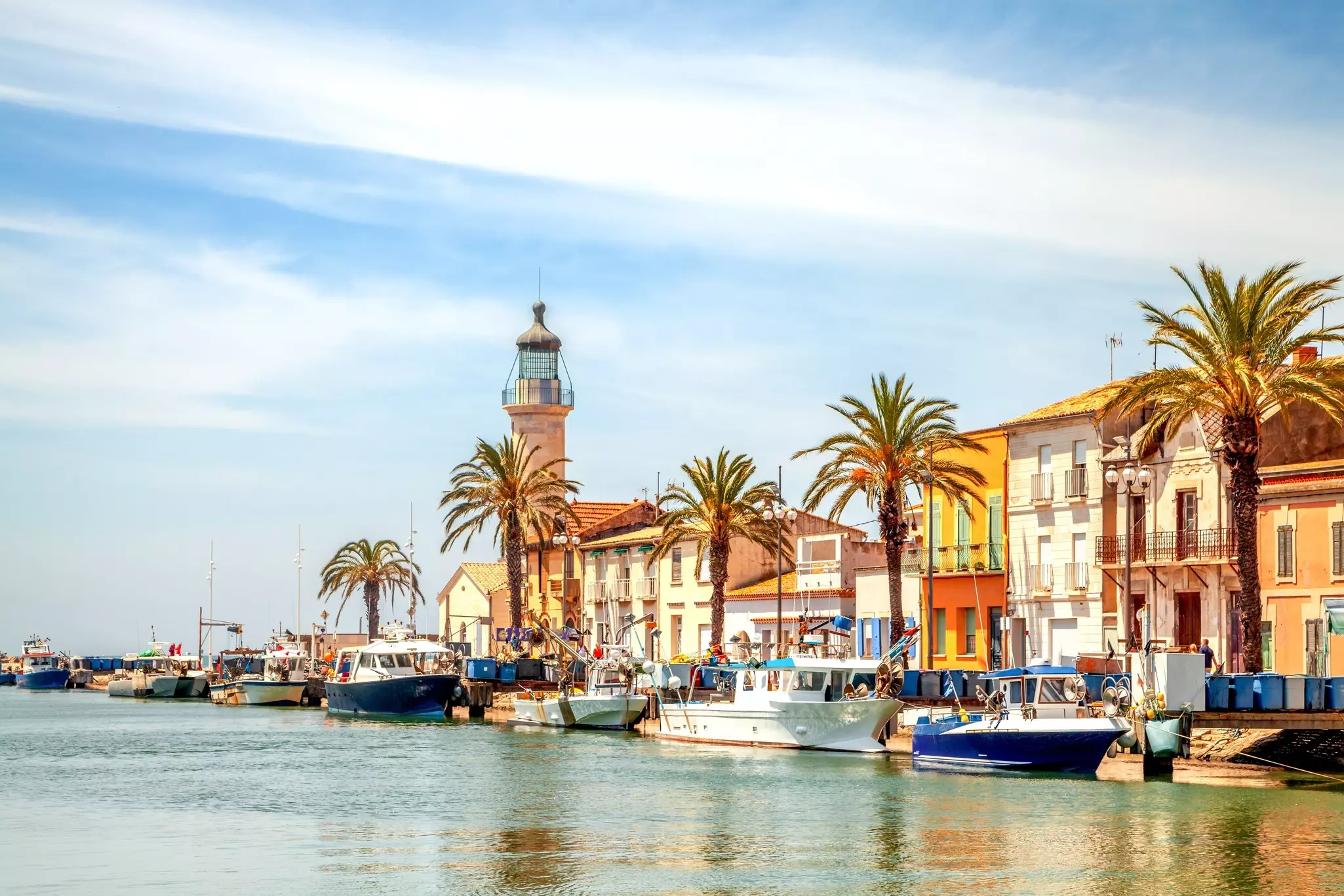
Wild bulls in Provence? And cowboys? Mais oui. Tucked away in the southwestern corner of Provence, the marshy Camargue – a river delta south of Arles where the Grand and Petit Rhône meet the Mediterranean – reigns as France’s version of the Wild West. You can get to the heart of it all aboard the Nîmes to Le Grau-du-Roi train.
Known as gardians, Camarguais cowboys live on manades (ranches), riding indigenous white horses with flowing manes as they round up wild black bulls in the countryside. You might spot them at work from the train. Bullfighting is a big part of the culture here, but unlike in Spain, the bulls are not harmed – instead, athletes called raseteurs try to grab rosettes from the horns of charging bulls.
Departing from Nîmes, trains rumble through the vineyards of Costières de Nîmes before passing by the medieval walled city of Aigues-Mortes, once a departure point for French armies heading to the Crusades. From there, you'll head across the salt marshes and lagoons; keep your eyes out for horses and bulls, as well as pink flamingoes flying overhead. The route ends in Le Grau-du-Roi, just steps from the Mediterranean Sea.
Planning tip: The Nîmes to Le Grau-du-Roi train is part of the SNCF network, and there are up to five services a day in the summer, so you can leave Nîmes in the morning, have a day by the sea at Le Grau-du-Roi and return that afternoon.
Best train ride for families
Route: Villefranche-de-Conflent to Latour de Carol
Distance: 64km
Duration: 3 hours
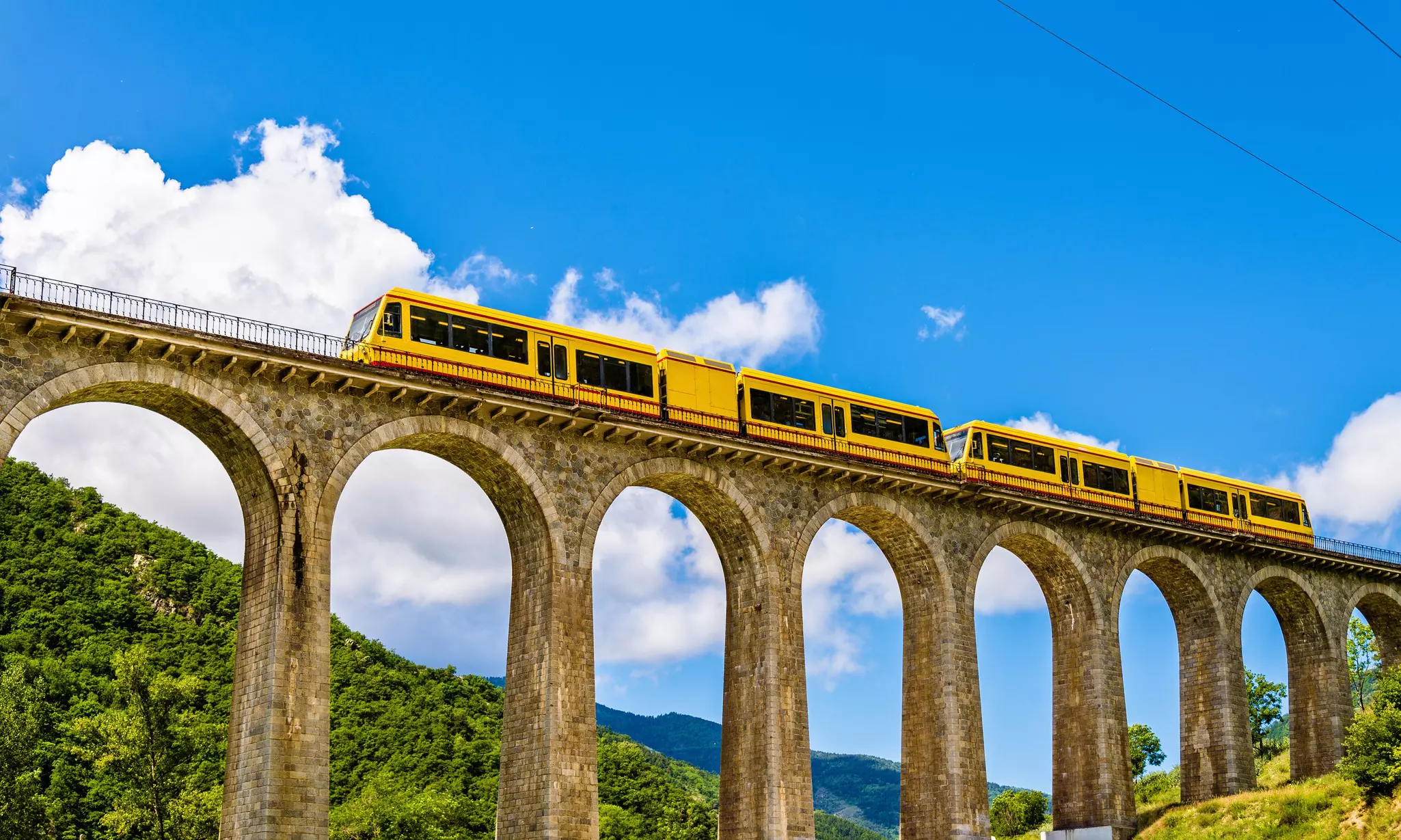
This historic train service, whose name literally translates to “little yellow train,” may be the most famous rail route in France. It’s certainly one of its most stunning when it comes to scenery, and it's a great option for families visiting the Pyrénées region close to Spain and Andorra.
Chugging through the mountainous Pyrénées-Orientales from medieval Villefranche-de-Conflent to Latour de Carol on the border with Andorra, it winds through gorges and shadowy forests, across viaducts, past two historic fortresses and close to one perilously perched ancient monastery.
The highest point on the line is the Bolquère Eyne depot, a gasp-inducing 1593m above sea level, making it France’s highest station. Two different types of trains operate this route: a modern enclosed train and a vintage train that sometimes runs with open-topped carriages. There's no need to worry too much about which one to choose – both are painted yellow and offer gorgeous views.
Planning tip: There are several daily services, with extra trains running during the summer. You can book via SNCF Connect, or directly at the stations on the route.
Traveling by train is one of the best ways to get around in France. Here are a few insider tips for those new to the French railway system.
Most train services in France fall under the umbrella of Groupe SNCF, including Transport Express Régional (TER) services and high-speed TGV (Trains à Grande Vitesse) services linking major cities. To travel between big cities, the TGV – often branded as InOui – is your best bet: these pioneering high-speed trains travel at between 255km/h and 320km/h and will get you there within hours.
SNCF rail services are joined by a host of small local train services run by local operators – some of them famously scenic, or served using vintage rolling stock. The Man in Seat 61 website has a useful overview of French train travel.
Two classes of tickets are usually available: première (first), with plush, reclining seats and more space to spread out; and deuxième (second), which is still comfortable but often more crowded. Tickets for the main routes can be booked centrally via SNCF Connect, or through international sites such as Rail Europe.
Advance bookings are wise on popular routes, particularly in summer or during school holidays, but you can also buy tickets at ticket windows and vending machines at stations across the country. Some tourist train services must be booked directly with the operators.
Interrail train passes covering either France specifically, or France along with neighboring countries, allow unlimited travel on the national rail network for a fixed number of days, which can add up to generous savings compared to buying individual tickets.
Discounts off standard fares are also available using the French rail passes offered by SNCF Voyageurs. Then there are TGV Prem tickets (their term for affordable tickets), which are available 3–4 months in advance. The booking horizon varies with the season, and you'll need to book promptly as limited numbers of seats are available at this discount price.
The Eurostar international train service also offers a limited batch of discount tickets 6 months in advance. The sooner you book, the better your chances are of getting a good price. Set up a booking alert to be notified when discount tickets are released.
Book your France trip with Lonely Planet Journeys
See France how it's meant to be seen
Planned by local experts and tailored to you, Lonely Planet Journeys handles the logistics so you can just enjoy the trip. Tell us what you want and we'll build your France itinerary from scratch, or browse our bookable trips to get inspired.


Explore related stories