Sep 20, 20267 min read
Guide to the Route Napoléon in FranceJul 13, 2026
7 MIN READ

Writer
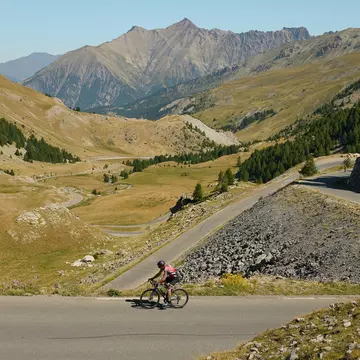
A cyclist in Col de la Bonette, France. Violette Franchi for Lonely Planet

Writer
Highlights
Writer Nicola Williams breaks down the best ways to get around France.
The TGV links major cities fast; night trains from Paris reach Nice, Toulouse and Perpignan.
Rent a car for the Pyrenees, Dordogne or Alps; shared e-bikes work well in cities.
For St-Tropez, skip the traffic and sail from St-Raphaël aboard Les Bateaux Bleus instead.
Lonely Planet may earn a commission from affiliate links on our site. All recommendations and reviews reflect our own independent opinions.
With cyclists in Paris outnumbering motorists, getting around la belle France has never been so green.
In the 1980s, the country’s emblematic TGV (train à grande vitesse or high-speed train) turned heads. Now the eco-smart capital city has stitched 900-odd miles of cycling lanes, and rural landscapes flush with drop-dead-gorgeous hiking, biking and e-biking trails are making waves. France’s drive to achieve carbon neutrality for land transport by 2050 is fierce.
Beyond cities and towns, motoring remains the most convenient way to cruise through France’s magnificent kaleidoscope of châteaux, farmsteads, wineries and village idylls – albeit at a price. Filling up your fuel tank in France is pricier than the European average, and you pay tolls to use the country’s sleek network of autoroutes (highways).
Unfortunately, public transport is scarce or non-existent in many rural areas, with buses on school routes filling some gaps on weekdays at least. Getting around by train – state-of-the-art speedy, or gloriously slow – has never lost its appeal, though. And in the Alps, Pyrenees and other mountainous areas, a fleet of cable cars and funiculars encourage France enthusiasts to scale fabulous new heights.
Here is everything you need to know for getting around in France. Bon voyage!
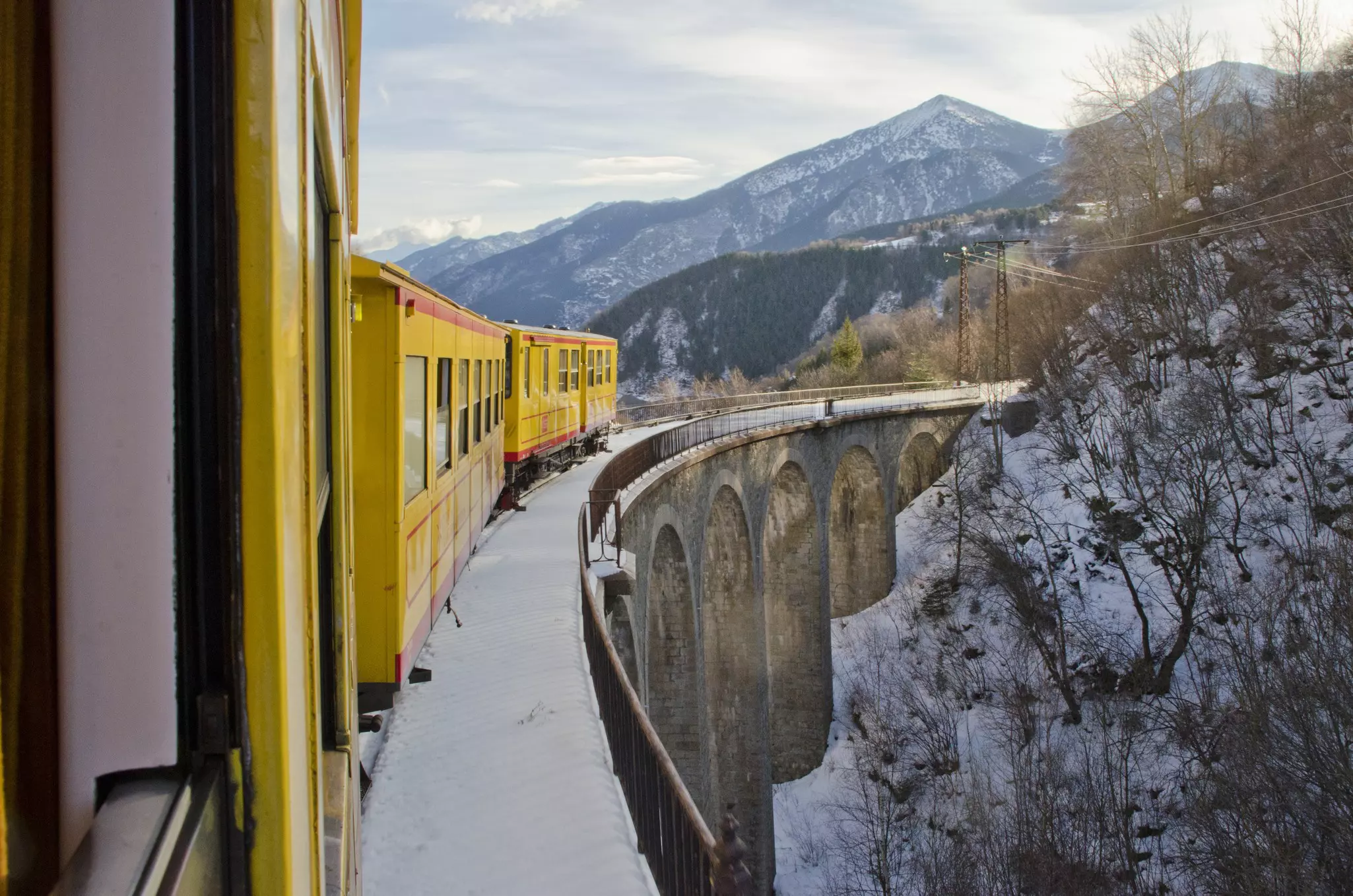
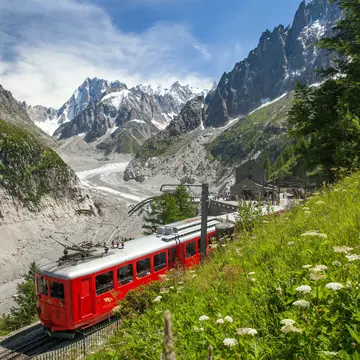
Cruising the length of the celebrity French Riviera by slow train, lurching sharply up a mountain to France’s longest glacier, pulling into Nice aboard a millennial reincarnation of the mythical Bleu Train, or plunging into Pyrenean backcountry aboard an old-world steam train: train journeys in France are invariably breathtakingly scenic.
Frequent, reliable, and affordable trains operated by SNCF cover much of the country. Principal rail lines radiate out from Paris like wheel spokes: getting between towns on different spokes can be slow or require a laborious change of train line and gare (station) in Paris.
High-speed TGV trains make light work of long-distance routes (count just over 2 hours from Paris to Bordeaux, 3 hours to Marseille) and require an advance seat reservation. Book in advance to bag cheaper fares. An adventure in itself, you can also catch an intercité de nuit (domestic night train) from Paris to Nice, Toulouse, Lourdes, Perpignan and Aurillac in Cantal in central France.
If you download the SNCF Connect app to consult train schedules in real time, check rail deals and buy tickets, in return, SNCF sends you an annual tally of your train mileage and CO2 emissions saved by trading a car for the train.
Top tip for saving money on the trains in France: If you're riding French rails several times a year, consider a Carte Avantage discount card. Watch for brilliant seasonal and/or regional deals too: France’s €49 summer rail pass covers unlimited travel for anyone under 27 in July and August on regional TER and Intercity trains.
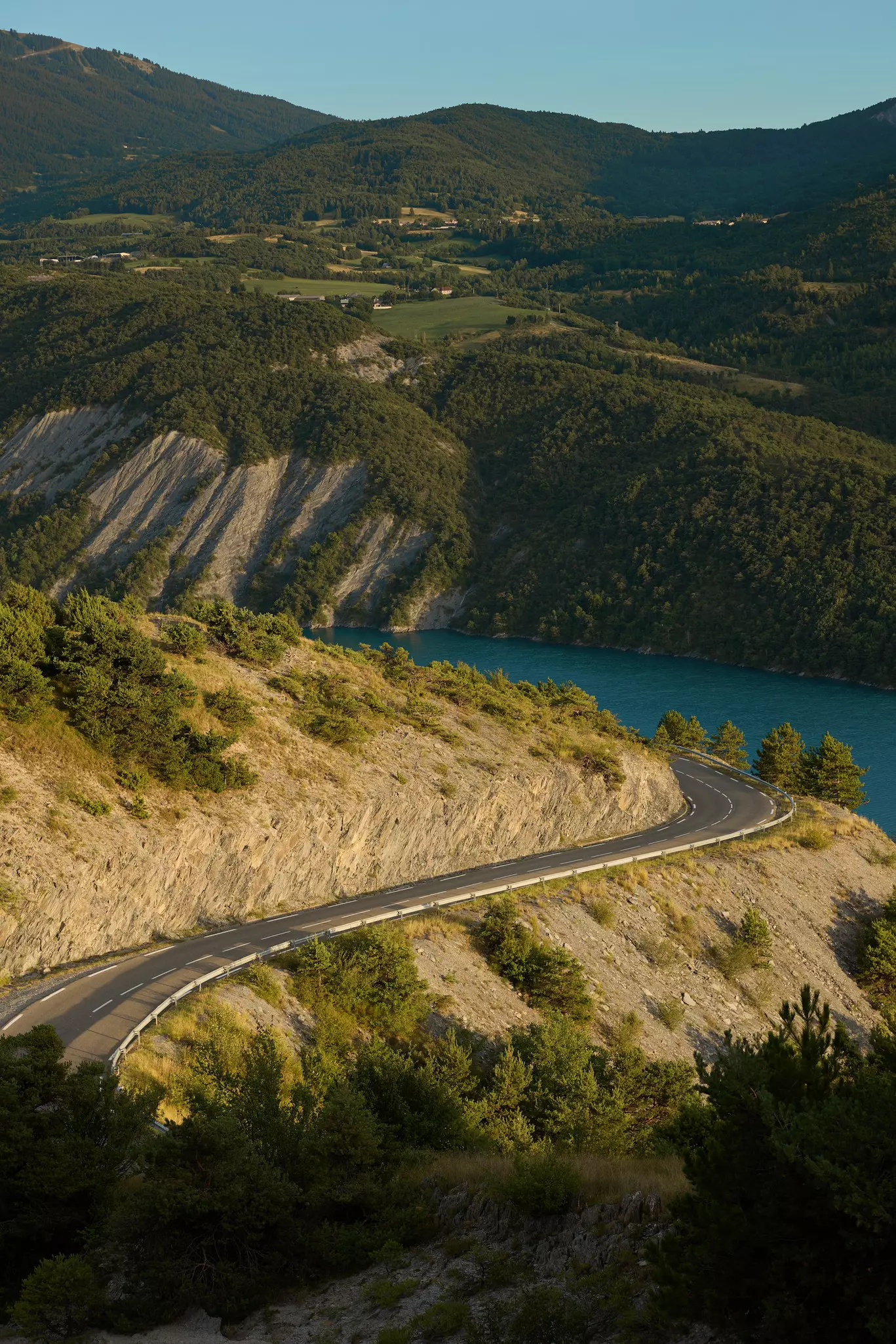
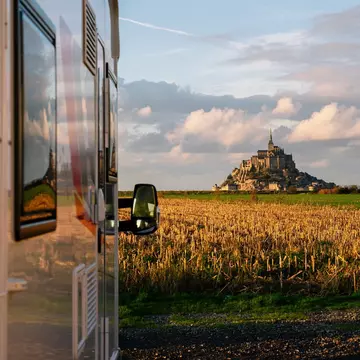
With infrequent or non-existent public transport, a car is the only realistic option for exploring mountainous or overtly rural areas like the French Alps, Pyrenees, Lot, Dordogne and volcano-spawned Auvergne. Many impossibly charming chambres d’hôtes (B&Bs) – in centuries-old farms, renovated oil mills and châteaux – are lost in vineyards or down isolated country lanes.
You can pick up wheels at rental outlets at airports and train stations in major towns; many also have electric vehicles. Reserve well in advance during busier periods (July and August, December to March during peak ski season). Shop around for cost with an online car-rental platform such as Getaround.
Rental vehicles picked up at Grenoble, Lyon and Geneva (Switzerland) airports in winter are automatically fitted with winter tires – required by law in mountainous areas between November 1 and March 31. Road signs indicate when snow chains are compulsory during snowy conditions.
Once on the road, drive on the right. At automated toll booths on highways (motorways), an illuminated green arrow indicates cash payment, a white card symbol indicates payment by card. Watch out for France’s unique priorité au droite rule whereby traffic entering an intersection from a road on the right has priority. In villages and small towns particularly, beware of motorists suddenly zipping out in front of you from a lane on the right.
Tip for tracking traffic conditions: Dodge bouchons (traffic jams) on larger roads and highways with Bison Futé, an app to check traffic and road conditions in real time. It also shows the availability of electric-charging stations.
If you don’t drive or want the hassle of constantly having a car in tow, split fuel costs and motor from A to B with another motorist. Covoiturage (ridesharing) has been around for decades in France, and getting a ride with BlaBlaCar or a similar rideshare app is not difficult. Practice your French at the same time!
Many French cities have public car-sharing. Self-service electric cars accessible via the Mobilize Share app are available for an hour, a day or week(s) in Lyon, Avignon, Nice and dozens more towns. Car-sharing platform Truro unlocks access to all sorts of wheels, including 4WD vehicles to tackle off-road mountainous terrain, camper vans and beachy golf carts.
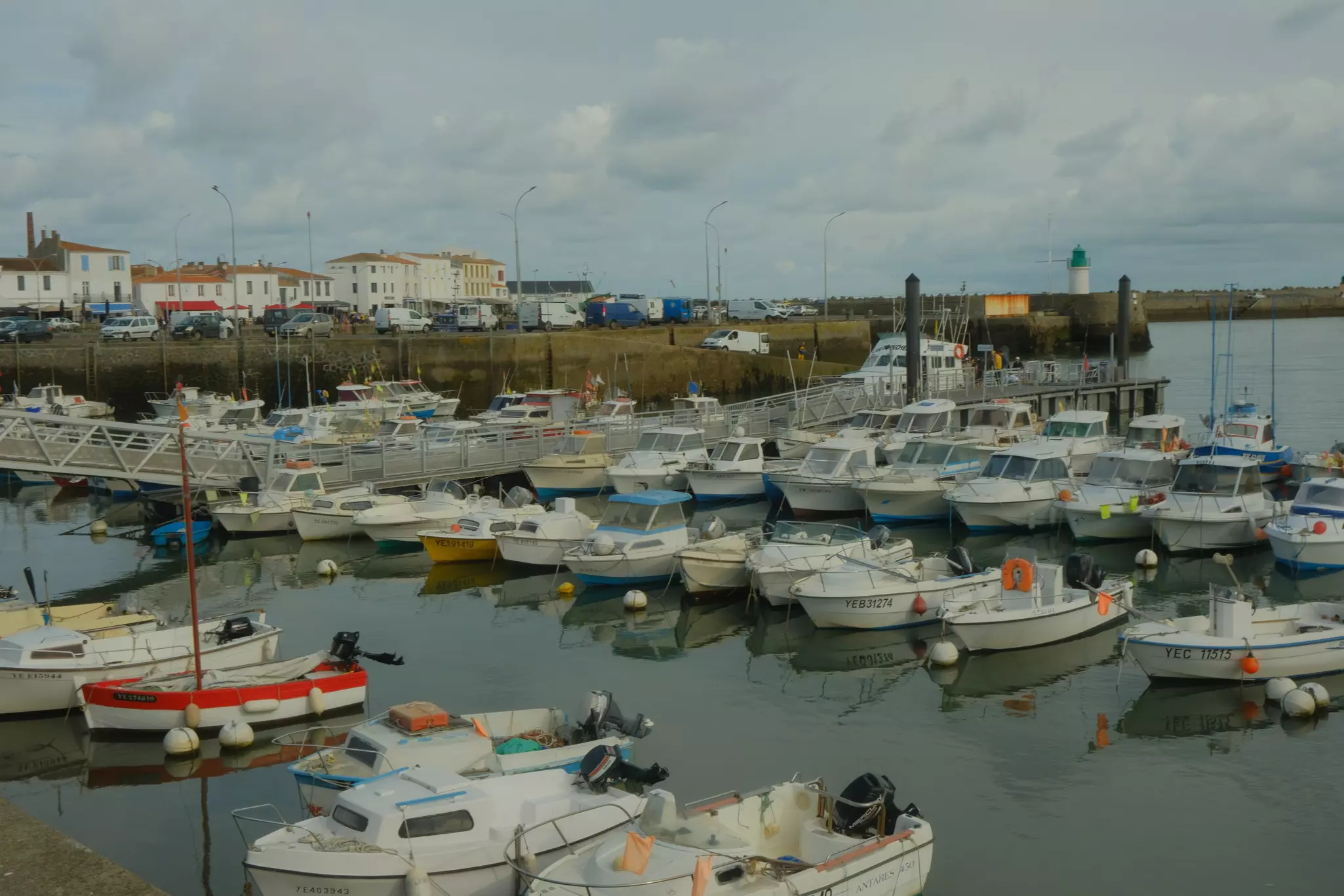
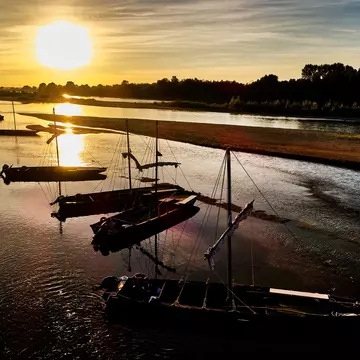
It’s worth slotting the Dordogne, Lot or Toulouse into your French itinerary, simply to kick back on deck with a glass of chilled rosé in hand and float beneath a tranquil green tunnel of plane trees along the UNESCO-listed Canal du Midi. Wine-rich Burgundy, the flamingo-specked Camargue, the Loire Valley and Brittany are other popular canal- and river-boating regions with superlative scenery in spades.
Sailing into the Vieux Port of A-lister St-Tropez is the only recommended way to arrive in the celebrity Riviera’s most desired town, which is a traffic-congested hell in high season; take a train to St-Raphaël then hop aboard a boat operated by Les Bateaux Bleus. Dozens more shuttle boats and ferries yo-yo along the Mediterranean coast. Ditto for the Atlantic, where the 30-minute Arcachon–Cap Ferret boat ride by way of oyster farms or the trip across choppy waters from ocean-faring Lorient to naturally wild, picture-book Breton islet Île de Groix are particularly memorable.
Tip to sail to paradise: Reserve boat tickets for Med island-idyll Île de Porquerolles, accessible from La Tour Fondue near Hyères, well in advance. This lush "Garden of Eden" paradise island is limited to 6000 visitors a day.
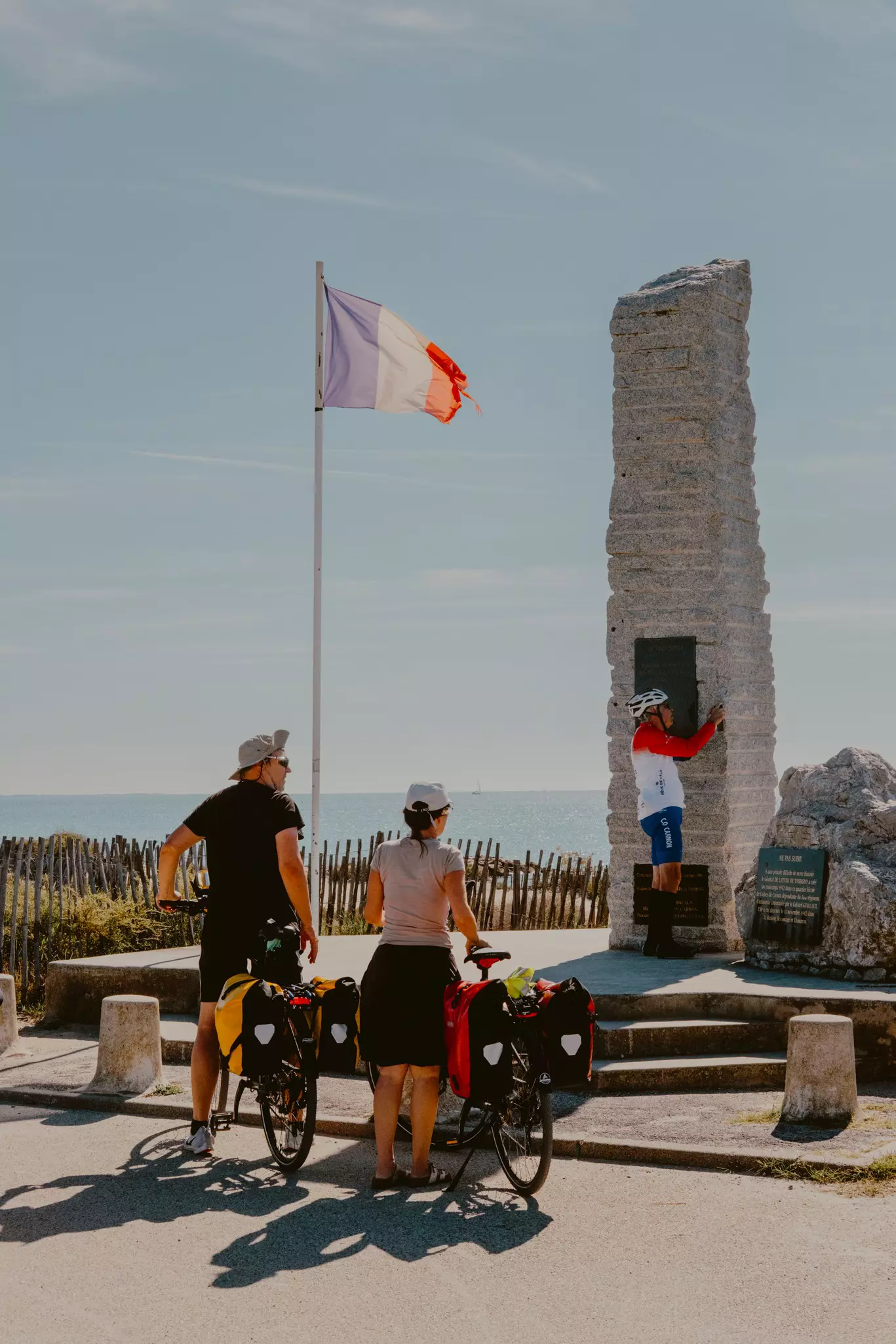
Cycling has been huge in France for decades, and as electric bikes gain traction, dedicated cycling paths have mushroomed and themed cycling itineraries celebrating wine, wildlife, lakes, châteaux and all sorts have boomed. There really is no excuse not to join the peloton.
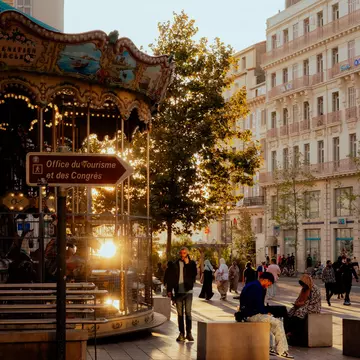
In Paris, Lyon, Marseille and other cities, public-sharing bikes and e-bikes make light work of longer urban distances along dedicated cycling lanes. Countrywide, long-distance bike-packing routes like Burgundy’s Route des Grands Crus (500 miles/800km) and the Atlantic’s breathtaking coastal odyssey La Vélodyssée (807 miles/1300km) break down into convenient day and half-day soundbites, making them accessible to casual cyclists.
Bike helmets are legally only required for children under 12, but most adults wear them. If a rental shop doesn’t automatically offer you a helmet (common in laidback beach destinations such as Biarritz), ask for one. Helmets are included in the rental price. The legal speed limit is 25km/h, including for e-bikes (45km/h for s-pedelecs with a number plate). Forget spinning between châteaux to the beat of your favorite tune, though; it’s illegal to cycle on roads using headphones or earpods.
Tip to trip plan: Source itineraries and download GPX files at France Vélo Tourisme, the definitive digital guide to exploring France by bike.
Despite the superabundance of cobbled streets, vertical villages teetering atop perilous crags and cafe terraces spilling inconveniently across pavements, inroads are being made to help those with accessibility issues get around France more easily – even smoothly.
In Paris, an excellent network of city buses with retractable ramps to get on board and raised pavements at bus stops compensate for an age-old, largely inaccessible metro where few elevators to access subterranean platforms actually function. Paris’ airports sport an Assistance Mobilité service to assist passengers, as does the country’s national train service SNCF. You can also rent an adaptive car through the car-sharing service Wheeliz.
Book your France trip with Lonely Planet Journeys
See France how it's meant to be seen
Planned by local experts and tailored to you, Lonely Planet Journeys handles the logistics so you can just enjoy the trip. Tell us what you want and we'll build your France itinerary from scratch, or browse our bookable trips to get inspired.


Explore related stories