Sep 20, 20267 min read
Guide to the Route Napoléon in FranceMay 15, 2026
9 MIN READ

Writer
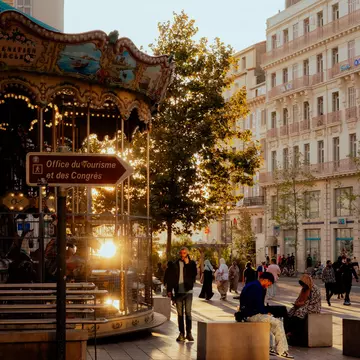
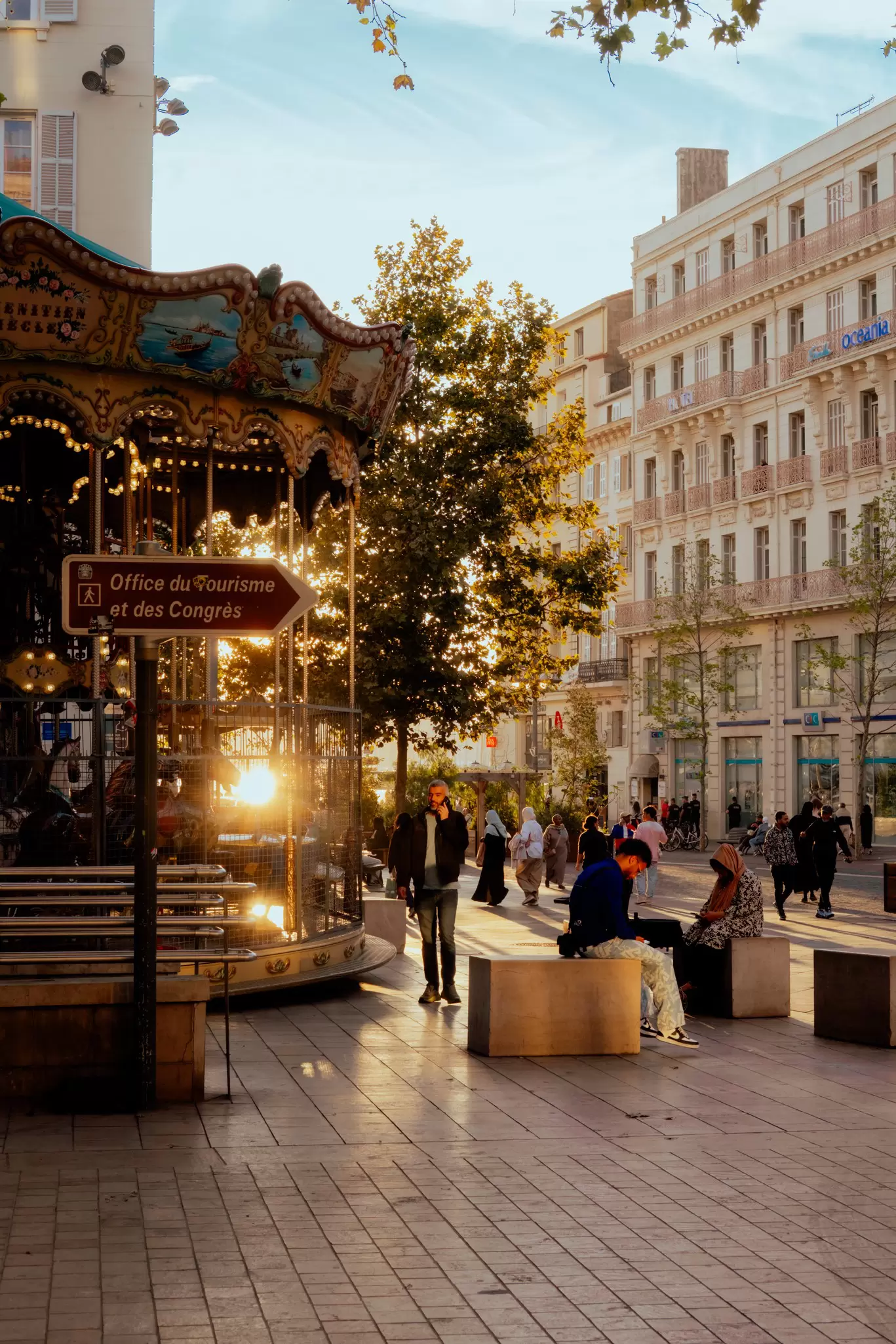
Grand Carrousel de la Canebière in Marseille, France. Cole Wilson for Lonely Planet
Writer
Lonely Planet may earn a commission from affiliate links on our site. All recommendations and reviews reflect our own independent opinions.
France can be an expensive place to visit. Alexis Averbuck, one of the authors of the latest Lonely Planet France guidebook, shares her money-saving tips on how to experience the country without maxing out your credit card.
Plan right, be a bit savvy, and it's possible to explore France’s wonders on any budget. Whether you’re interested in sampling the country's delicious food and wine, touring the gorgeous countryside or strolling through a bustling city or charming village, savor so much of France's places on the cheap, or even free.
Here’s how to enjoy France without blowing the bank.
Dorm bed in a hostel: 25 to 45 euros (€25-45)
Double room in a budget hotel: €60-90
Double room in a chambre d’hôte (B&B): €50-150
Double room in a top-end hotel: €250 and up
Croissant: €1-2
Glass of wine: €4-17
Plat du jour: €10-15
Lunch menus (set meals): around €20
Lunch menus in gourmet restaurants: €30-50
Dinner at a top restaurant: menu €100; à la carte €100 and up
Public transport ticket: €2-10
Car rental: €50-80 per day
Museum entry: free to €20
Opera tickets: €15-200
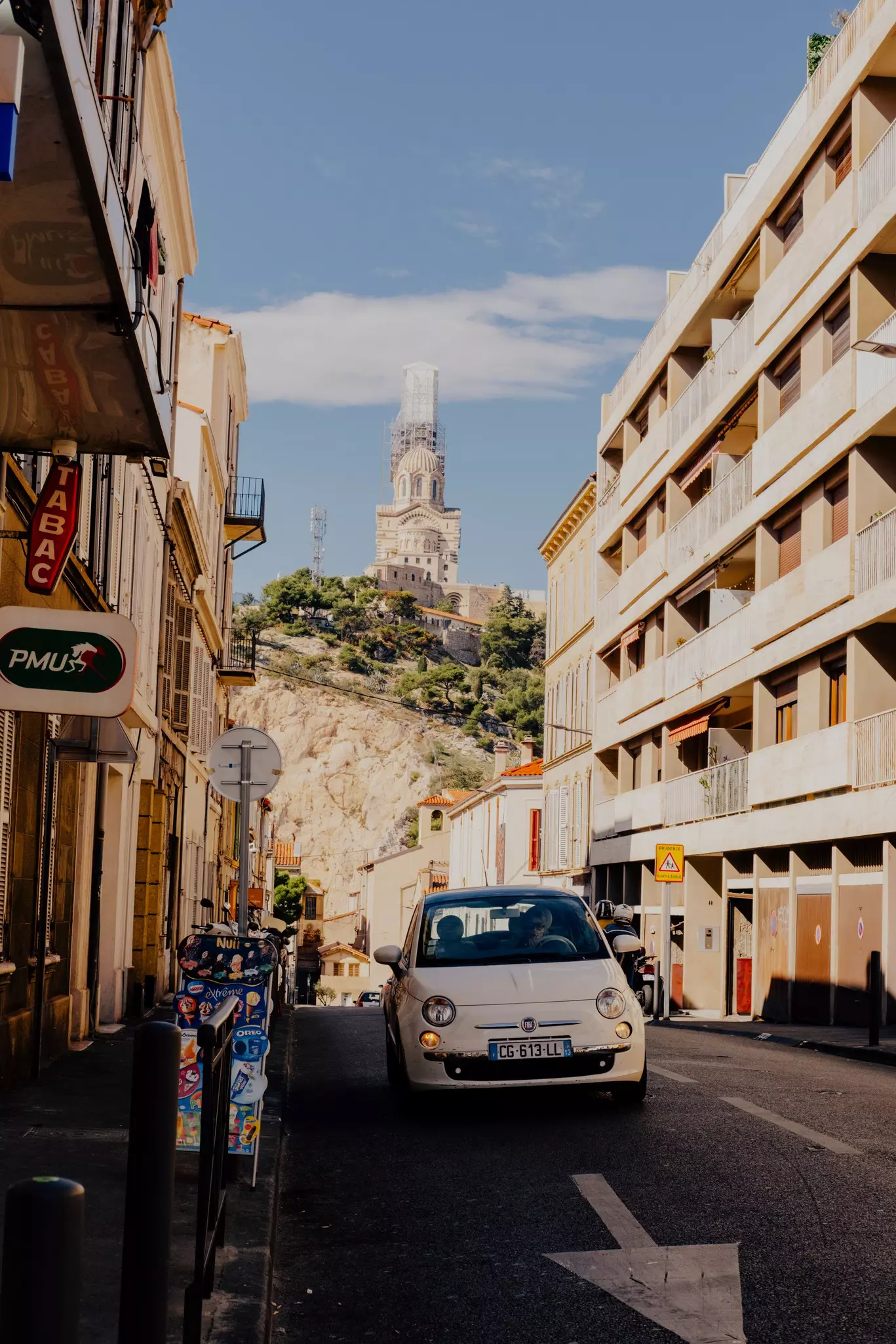
France’s largest airport is often the default arrival destination – but landing in the country's main hub can come at a premium. Instead, look into flights to Paris’ Orly or a regional airport. If you are headed to Provence, and without plans to pass through Paris, it might work out to book a seat on a discount carrier into, say, Marseille or Nice.
Trains and buses also crisscross France from countries throughout the EU. What’s more, train stations are usually smack in city centers, saving time and money on transfers.
You will pay more to travel to France in the summer. If at all possible, aim for the shoulder and off seasons. The weather throughout France is delightful in May and September, and often in April and October. And if you’re willing to bundle up and see a different side of the France you know from movies, winter has its charms, too.
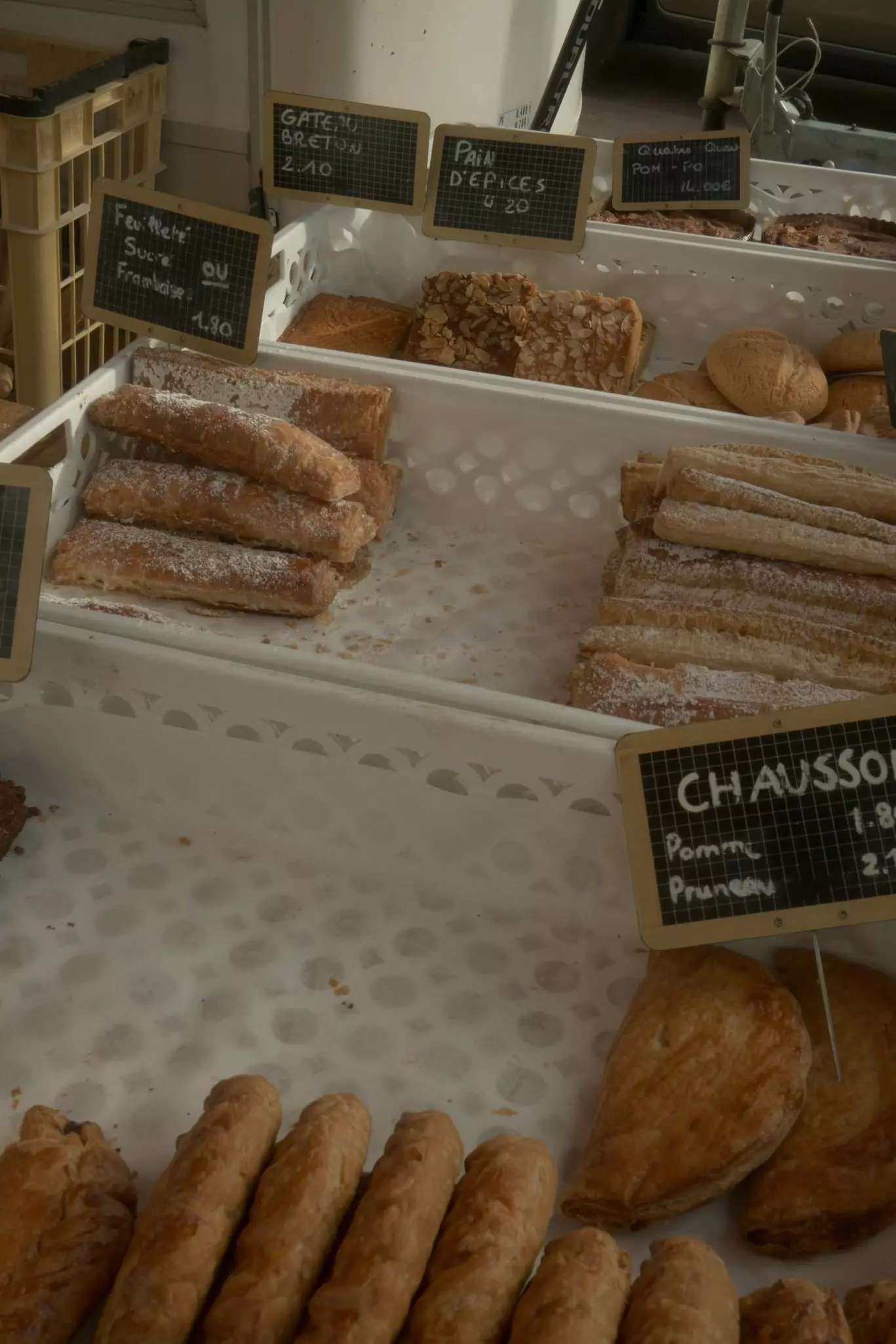
Swap pricey continental hotel breakfasts for a chance to try out your local boulangerie, where you get your pick of croissants and viennoiserie (pastries). Increasingly, they offer coffee, too, or pick one up at a café.
Different from its English meaning, le menu in French is a two- or three-course meal at a fixed price (prix fixe). It’s by far the best value in dining – and most bistros and restaurants offer the option, usually displayed in chalk on a board.
Lunchtime formules (two courses) and menus (three courses), plus super-deal plats du jour (dish of the day), cost a fraction of the price of evening dining. They occasionally also include a glass of wine and/or coffee. If you have your eyes on a Michelin-star meal, plan to go at midday.
Two- or three-course kids’ meals called the menu enfant (generally for children up to the age of 12) are usually a steal, too.
With its bucolic scenery and outstanding produce, France is a picnicker’s paradise. Buy a baguette from the boulangerie (bakery) and fill it with Camembert, pâté or charcuterie (cold meats) from the local street market. Finish sweet with macarons (in Paris), buttery kouign-amann (Breton butter cake), cherries (southern France) or – for blue-blooded gourmets – champagne and biscuits roses (in Reims).
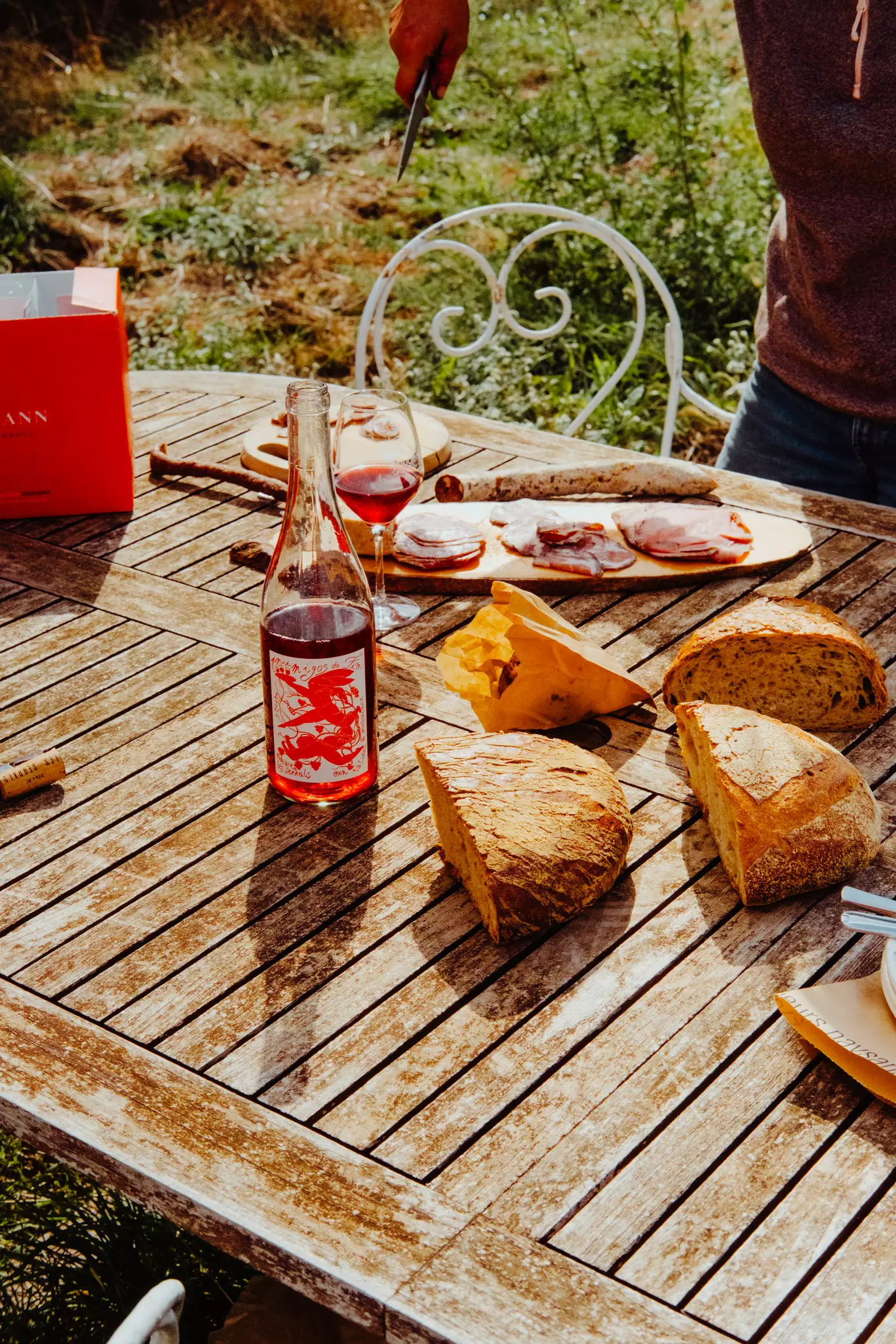
Wine can be bought directly from the producteur (wine producer) or vigneron (winegrower), most of whom offer an on-site dégustation (tasting) that allows you to sample two or three vintages with no obligation to buy. Thanks to ample production, wines in France, even in Burgundy, cost pennies on the dollar compared to most other places. Lists of estates, caves (wine cellars) and cooperatives are available from tourist offices and maisons des vins (wine houses) in main towns in wine-producing areas. And supermarkets offer delicious vintages at bargain prices.
For even better deals on reds and whites (vins de table, which can still be delicious by international standards), spend €2-4 per liter to fill up your own container (called buying wine en vrac) at the local wine cooperative: every wine-producing village has one.
Chestnuts come served piping hot in paper bags on street corners in winter.
Socca are chickpea-flour pancakes typical of Nice on the Côte d’Azur.
Pan bagnat is the crusty Niçois tuna sandwich that comes dripping in fruity green olive oil.
A Flammekueche (tarte flambée in French) is an Alsatian thin-crust pizza dough topped with sour cream, onions and bacon.
Croques monsieur are toasted ham-and-cheese sandwiches; cheesy croques madame come topped with an egg.
The best glaciers (ice-cream makers) in France include Berthillon in Paris, Glaces Geronimi and Raugi in Corsica and La Martinière in St-Martin-de-Ré. A scoop of myrtle, chestnut, lavender, artichoke or Camembert ice cream, anyone?
Crêpes – the large, round, thin sweet pancakes renowned throughout the world – are cooked at street-corner stands while you wait.
Galettes are their savory, usually gluten-free cousins, made with buckwheat flour and typically served with fromage (cheese) and jambon (ham).
Pissaladière, the traditional Niçois “pizza,” comes topped with salty anchovies and sweet caramelized onions.
Beignets au brocciu are Corsican deep-fried doughnuts, sweet or savory, filled with the island’s local cream cheese.
Gougères, the utterly irresistible, cheesy pastry puffs associated with Burgundy, usually accompany an aperitif but are delicious as a cheap snack, too.
There’s no need to book multiple rooms for your family. It’s cheaper for families staying in hotels to ask for a double room with two beds rather than a triple-occupancy room. Families of four or more will find self-catering accommodation cheaper, and if you plan ahead, you’ll be spoiled for choice.
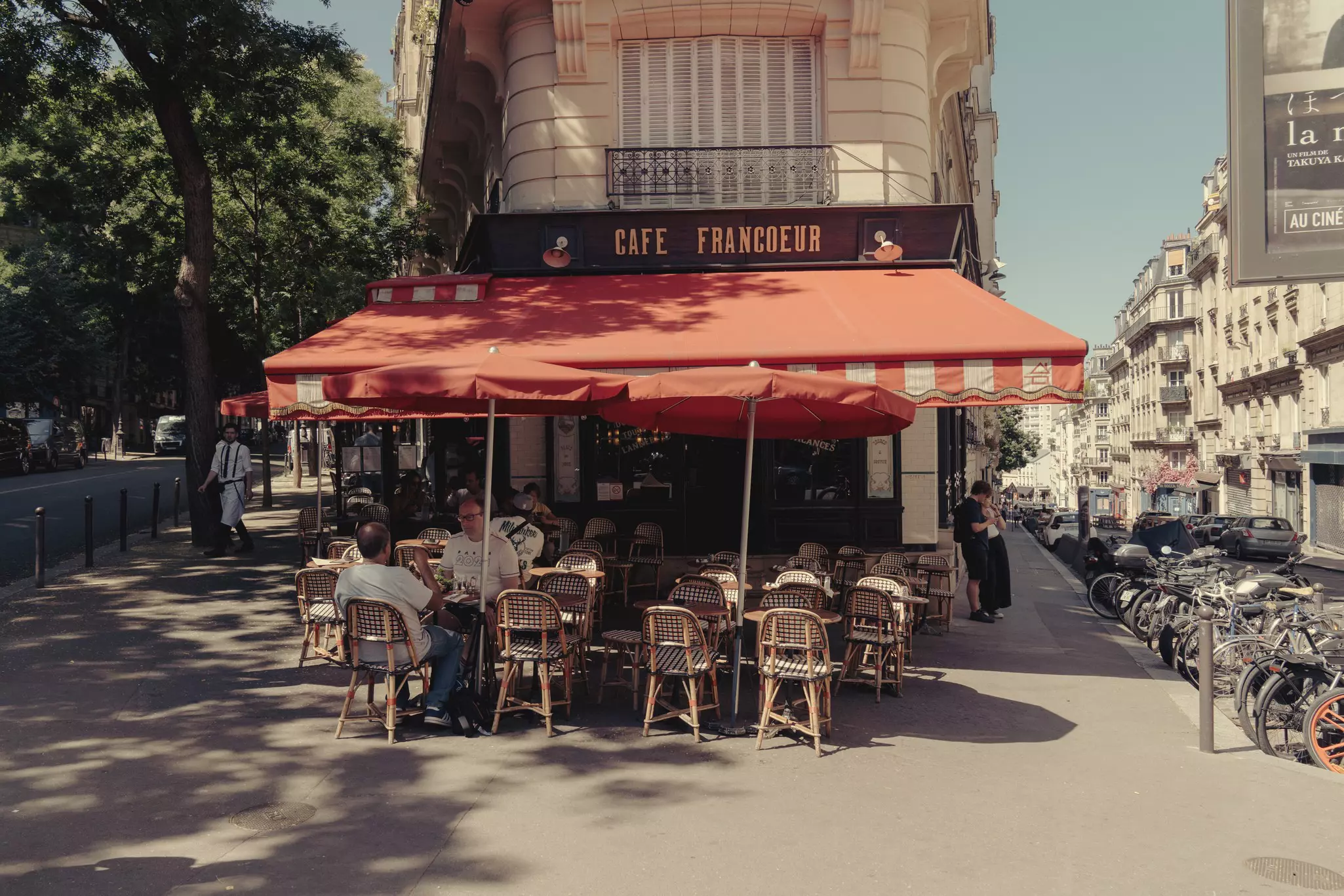
Remember that in France, once you pay for a drink at a café, the table is yours indefinitely. Settle in and people-watch, post your pics or chat your night away.
Since so much of the magic of France resides in its village streets, rural lanes and historic buildings, soaking in the culture of the country can be straight-up free. Wander on your own – or if you’d like to know more, enjoy free walking-tour brochures or audioguide apps from local tourist offices.
If you're a student, a youth or older than 60, be sure to travel with your ID: many sights offer free admission provided you can prove your status.
France’s train system is extensive, easy to use and affordable. With rail passes and slower intercity services, you can ride the network for less (while keeping in mind that national rail company SNCF’s cheapest tickets are nonrefundable).
The SNCF offers heavily discounted tickets called Prem’s, and they’re available online, at ticket windows and from ticket machines. Look for “100% Prem’s,” which are available from Thursday evening to Monday night, for last-minute travel that weekend. Saturday-return Prem’s are valid for (you guessed it!) return travel on a Saturday, while three-month Prem’s can be booked a maximum of 90 days in advance. Prem’s are nonrefundable and non-changeable.
The most expensive services are high-speed trains (the famous TGV), but if you book well in advance or when there are promotions, you can snag super-discounted tickets even on these.
Also, look into regional-train discount fares: Some of these fares don’t require a discount card or advance purchase.
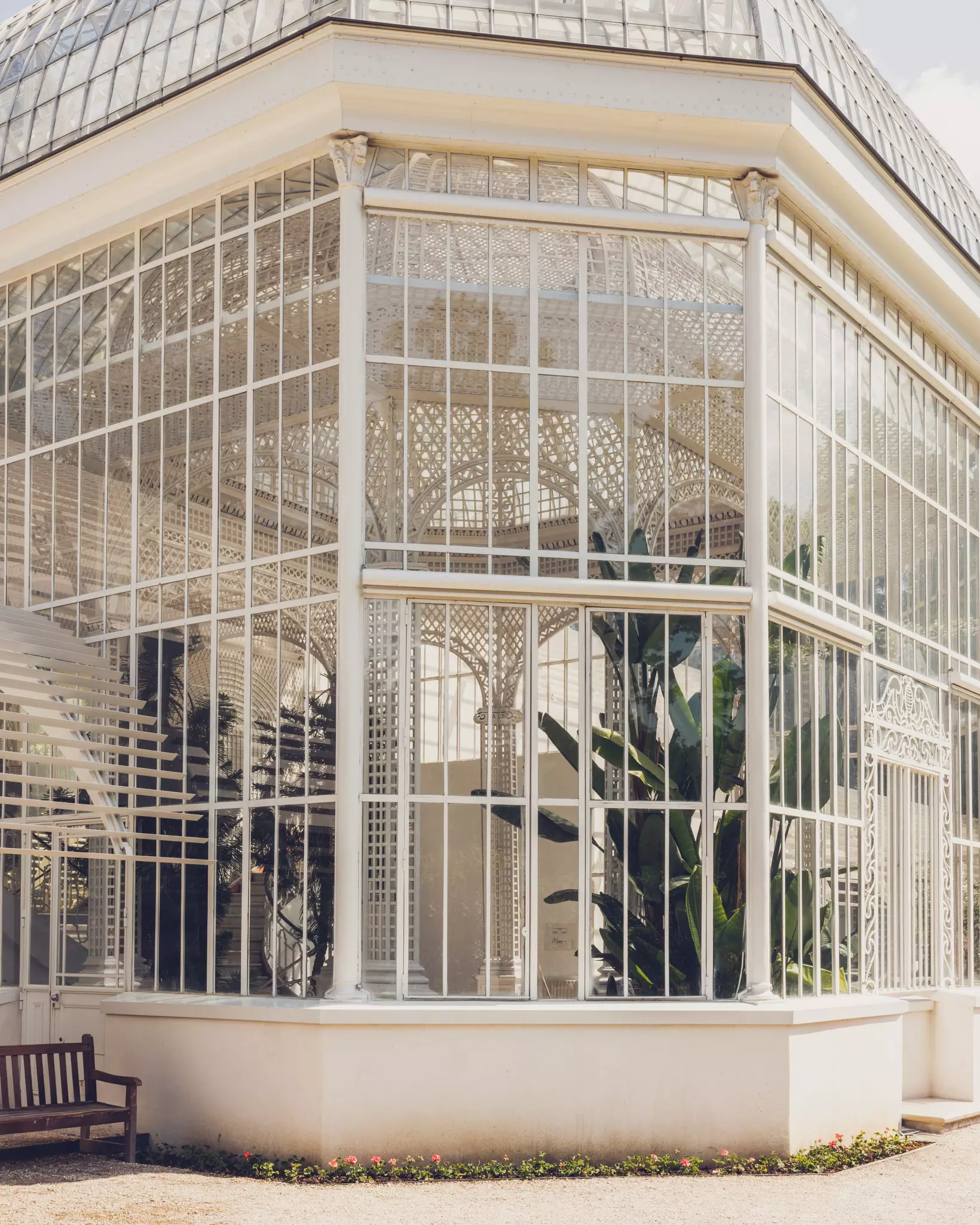
Most cities in France offer a single pass offering bundled and/or discounted admission for museums and other attractions. Check online at the local tourist office site (or in person) before you buy individual admission tickets to see if the pass will net you savings on what you want to visit. In many cities, some museums and municipal sights offer free admission on the first Sunday of the month.
Mini-Groupe train tickets in some regions bring big savings for five to nine people traveling together, provided you spend a Saturday night at your destination.
For €49, the Carte Avantage Senior pass offers many discounts, including 30% off trips year-round and 60% off tickets for up to three children traveling with you. Also, you’ll enjoy free ticket exchange and refunds up to three days before your departure.
Many medium-sized towns have concentric parking zones, with the highest per-hour fees and shortest time limits in the city center, with cheaper, less restricted parking a bit farther out. It often makes sense to park on the edge of town and take public transit into the center, where you’d rather be on foot anyway. Some towns even have free shuttles – navettes– from parking lots to the center.
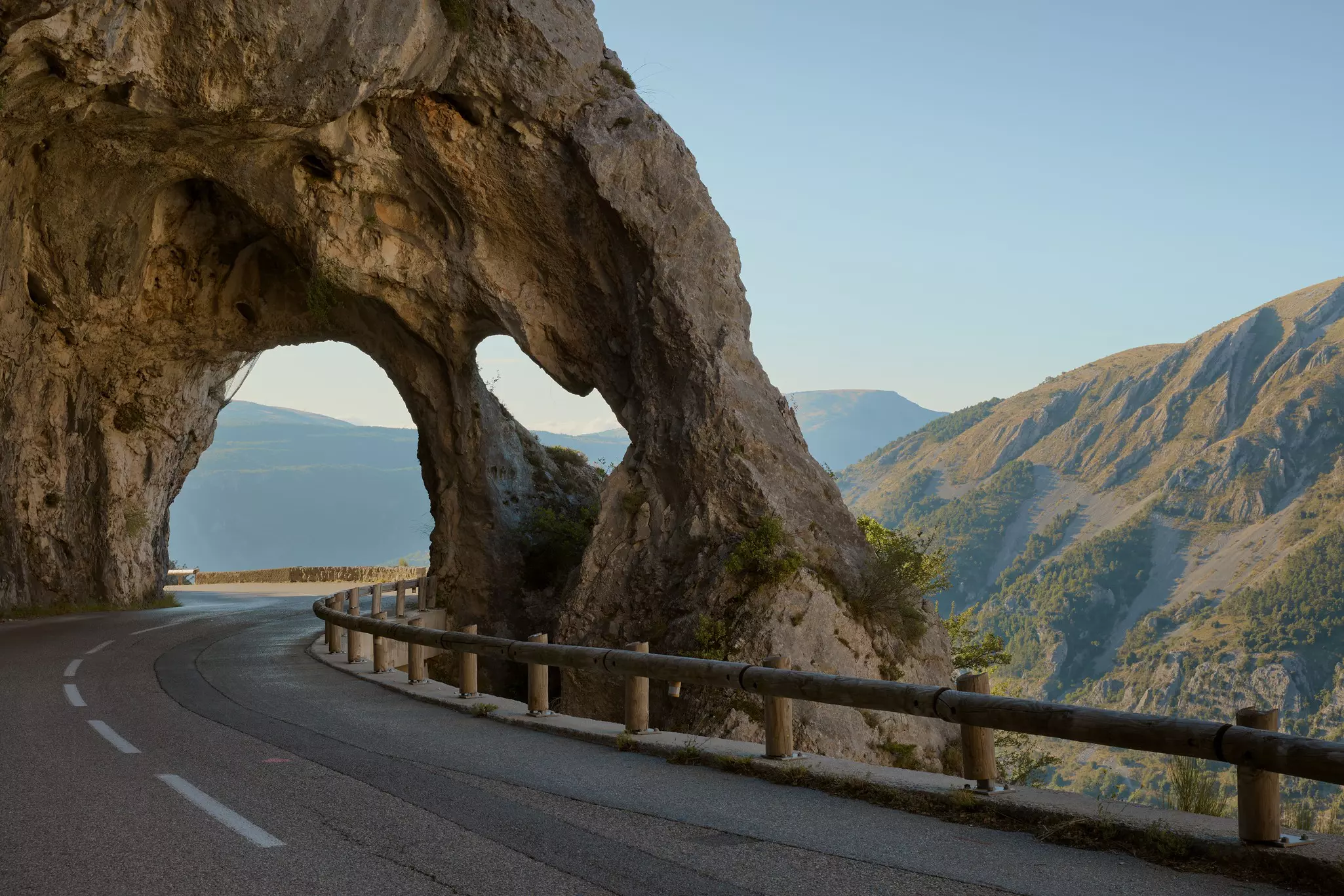
Filling up (faire le plein) is most expensive at autoroute rest stops and is usually cheapest at super- and hypermarkets such as Carrefour, Intermarché, Leclerc and Super U.
It’s a fool’s errand to try to drive and park in the center of Paris or other larger French city. Train stations are super-convenient to metro stations, tram lines and bus routes, so buy a local transit pass and hit the pavement.
Hop on Paris’ Batobus to glide down the Seine. A day pass costs €23 with stops at nine places along the way.
Book your France trip with Lonely Planet Journeys
See France how it's meant to be seen
Planned by local experts and tailored to you, Lonely Planet Journeys handles the logistics so you can just enjoy the trip. Tell us what you want and we'll build your France itinerary from scratch, or browse our bookable trips to get inspired.


Explore related stories