Apr 22, 202611 min read
The 9 Best Things to Do in Chiang Rai, ThailandMar 26, 2026
9 MIN READ
Writer
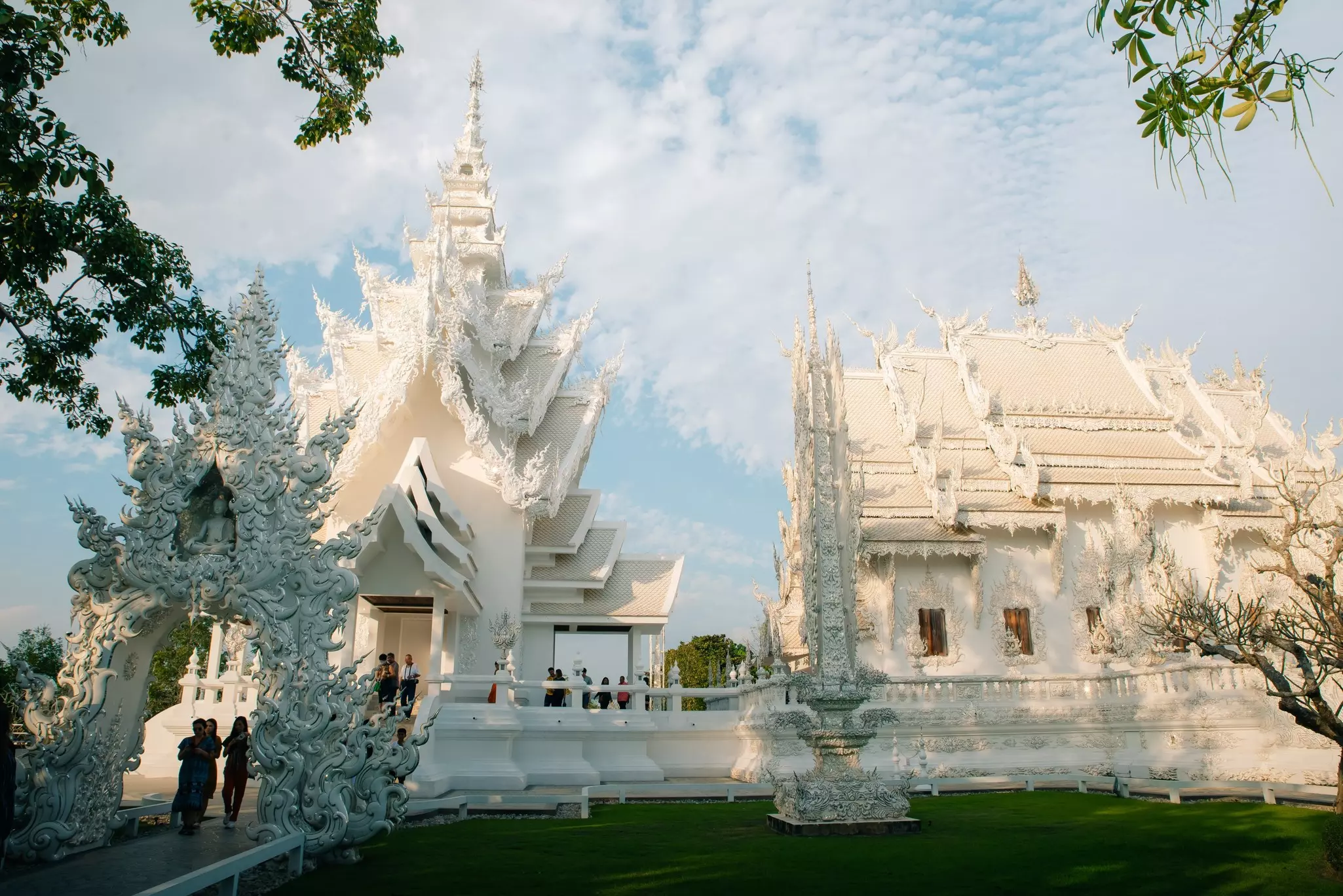
Wat Rong Khun in Chiang Rai, Thailand. Brester Irina/Shutterstock
Writer
Lonely Planet may earn a commission from affiliate links on our site. All recommendations and reviews reflect our own independent opinions.
Thailand's northernmost major town, Chiang Rai is best known as a jumping-off point for excursions to the so-called Golden Triangle and isolated hill-tribe villages on the border with Myanmar and Laos. But visitors who choose to linger in this friendly, laid-back community of about 70,000 people will find unique and colorful temples to fill days of sightseeing, flamboyant flavors, a creative arts community, and a history as old as Thailand itself.
Northern Thailand is one of the easiest and safest areas for travel in Southeast Asia, and English is widely spoken, making this a great choice for a first trip to Thailand. In Chiang Rai, travelers will find an oasis where they can relax and recharge between treks into the surrounding jungles, home to wild elephants and long-limbed gibbons.
November to February is considered the high season in Thailand for good reason. Skies are mostly clear and temperatures are several degrees cooler than in other months, hovering at around 27°C (81°F).
The seasonal highlight is the festival of Loi Krathong, celebrated on the first full moon in November. During this joyous festival, Thai people release their regrets from the past year, symbolically setting them adrift in candlelit banana-leaf boats. However, between Christmas and the lunar new year (at the start of February), prices for lodging and tours can climb more than 20 percent.
As well as being hot, March and April are the peak months for field-burning, when farmers clear their fields of stubble from the previous year’s crops, resulting in severe haze that obscures the mountain views, and poor air quality. The pollution can be dangerous for visitors with asthma or other respiratory issues. But in mid-April, Songkran – the Thai New Year celebration and water festival – heralds the start of the rainy season, bringing relief from the higher temperatures.
It’s wet between May and September, but that’s not all bad – there are fewer tourists, and prices are lower. August brings the heaviest rainfall and humidity. As the rains slow, the shoulder season in October can be a perfect window for a visit.
Three days is plenty of time to check out the town’s most famous temples and museums and try Chiang Rai’s singular cuisine, if that’s all you intend to do. You'll want a few extra days if you plan to venture into the surrounding hill country and go trekking to remote villages.
Chiang Rai's small airport receives flights from Bangkok, Phuket and Singapore, or you can get here by bus from Chiang Mai (which is itself easy to reach on the railway line running north from Bangkok) in around 4 hours. Many travelers continue across the Mekong River into northern Laos.
Using Chiang Rai's Clock Tower as a compass, you can easily explore the center of the city on foot. But to reach many of the temples and other attractions, you'll want to use local transportation. Taxis, tuk-tuks (autorickshaws) and songthaew (shared pickup trucks) are easy to find. The Grab app works well in Chiang Rai and is cheaper than hailing a tuk-tuk.
Some people rent a motorcycle or bicycle, but you'll need to be careful on the roads. Officially, you need a home driving license endorsed for motorcycles and an International Driving Permit (IDP) to rent a motorcycle or scooter.
The list of things to do in Chiang Rai covers everything from temple trips to adventures in the Golden Triangle.
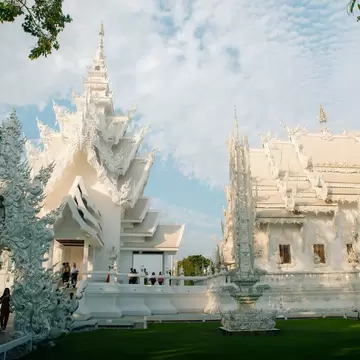
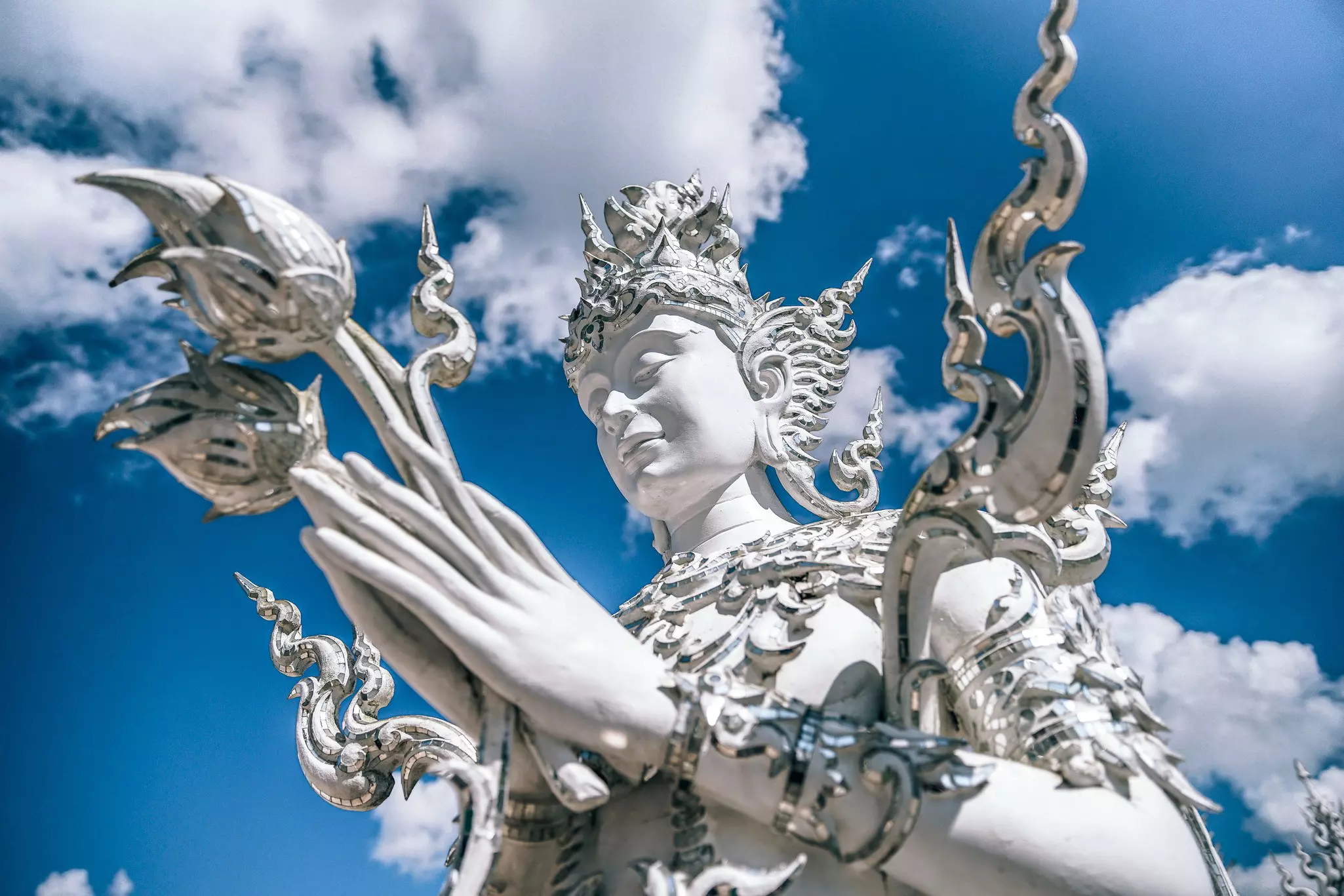
Chiang Rai’s most famous sights are its colorful modern Buddhist temples, which shine bright white, blue and red. The remarkable White Temple (Wat Rong Khun), designed in the 1990s by famed architect Chalernchai Kositpipat, has all the glitter and tinsel of an ice castle from Frozen, transported to the tropics. A gleaming work of modern Buddhist art, it sits about 13km southwest of the center.
On the north side of the Kok River, the Blue Temple (Wat Rong Suea Ten) features lavish sculptures and psychedelic imagery in shades of cobalt and periwinkle. The smaller Red Temple (Wat Chiang Ruen), painted deep vermillion with golden embellishments, showcases a stunning blend of 19th-century Lanna architecture and intricate Burmese-style wood carvings.
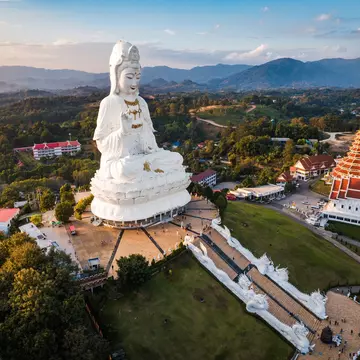
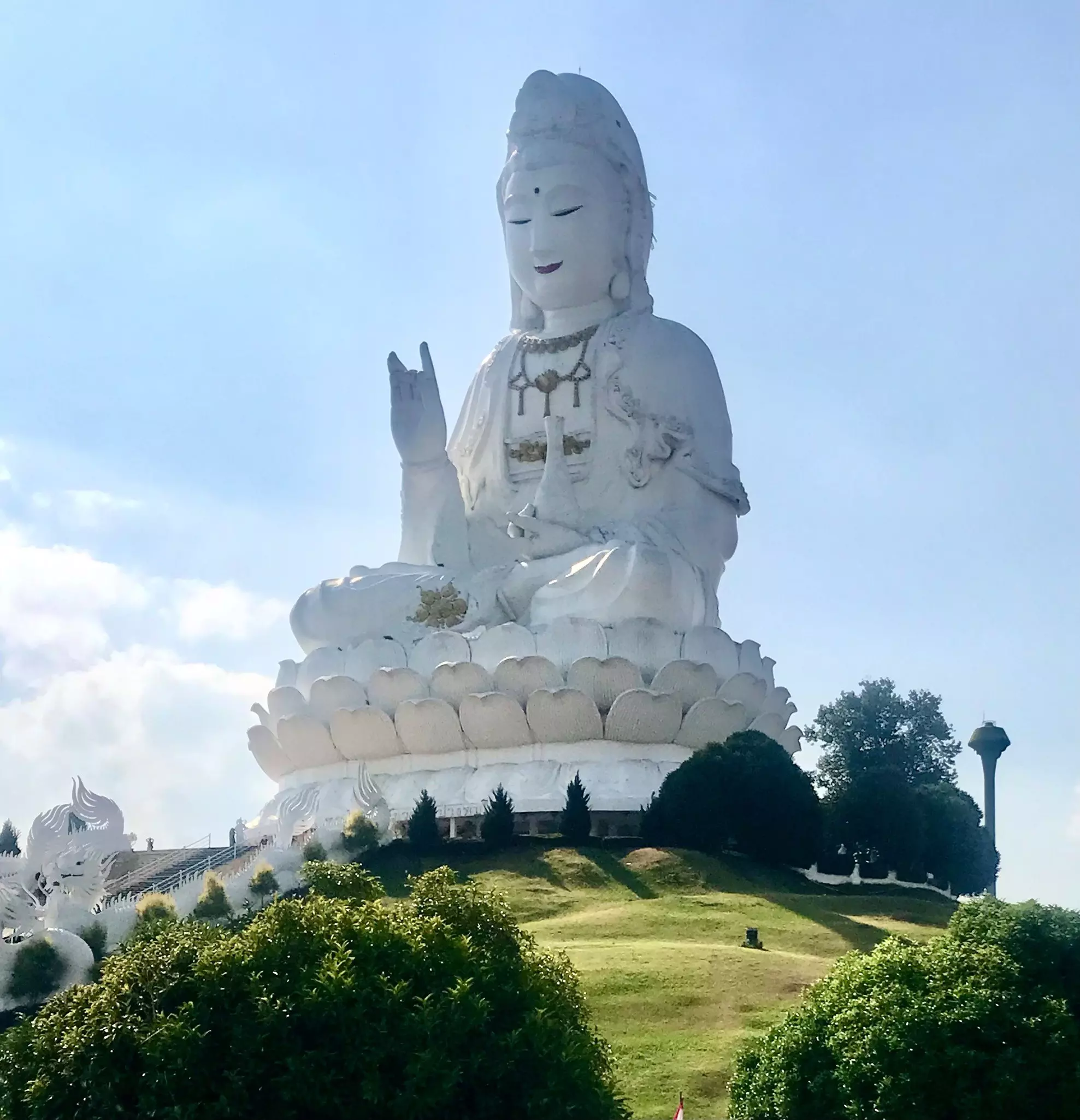
Other notable temples include Wat Huay Pla Kang, home to a giant hilltop statue of Guanyin, the Buddhist Goddess of Mercy, and Wat Mengrai Maha Rat, a handsome urban monastery that pays homage to King Mengrai, founder of Chiang Rai and the Lanna kingdom.
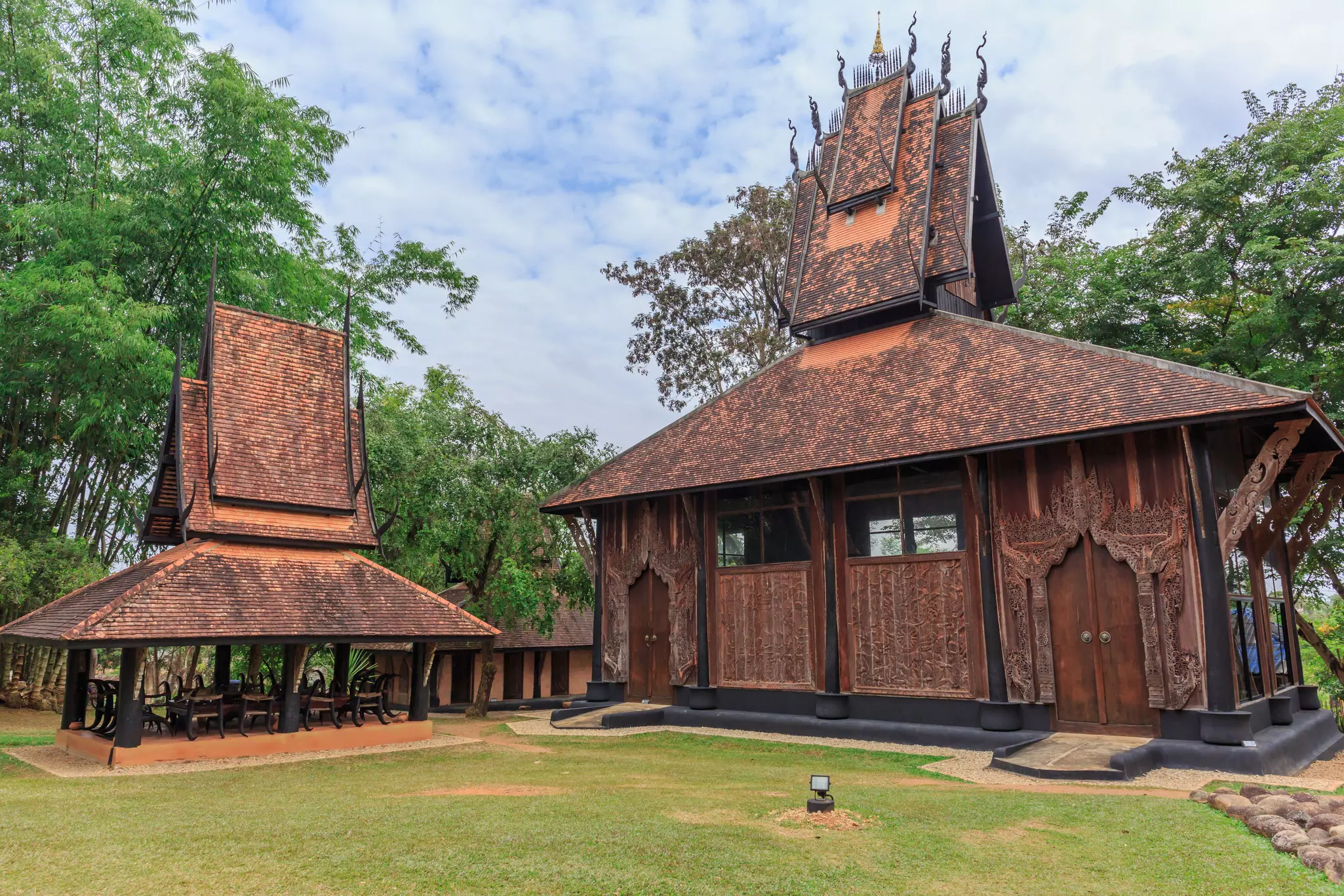
If the White Temple is heaven, then the Baan Dam Museum, better known as the Black House, offers a darker vision. Paying homage to tribal architecture, this private art museum of 40 buildings — some traditional, others wildly unconventional — spreads across 16 hectares of wooded grounds to the north of Chiang Mai.
Acclaimed artist Thawan Duchanee worked here from 1975 until his death (at the age of 74) in 2014, and the entire project sits on a bedrock of fatalistic Buddhist philosophy. Thawan painted in monochrome black-and-white, adding to the galleries’ dark mood. Crocodile skins and buffalo horns bring a sense of foreboding to the darkness; one can almost imagine satanic rendezvous at the long wooden tables.
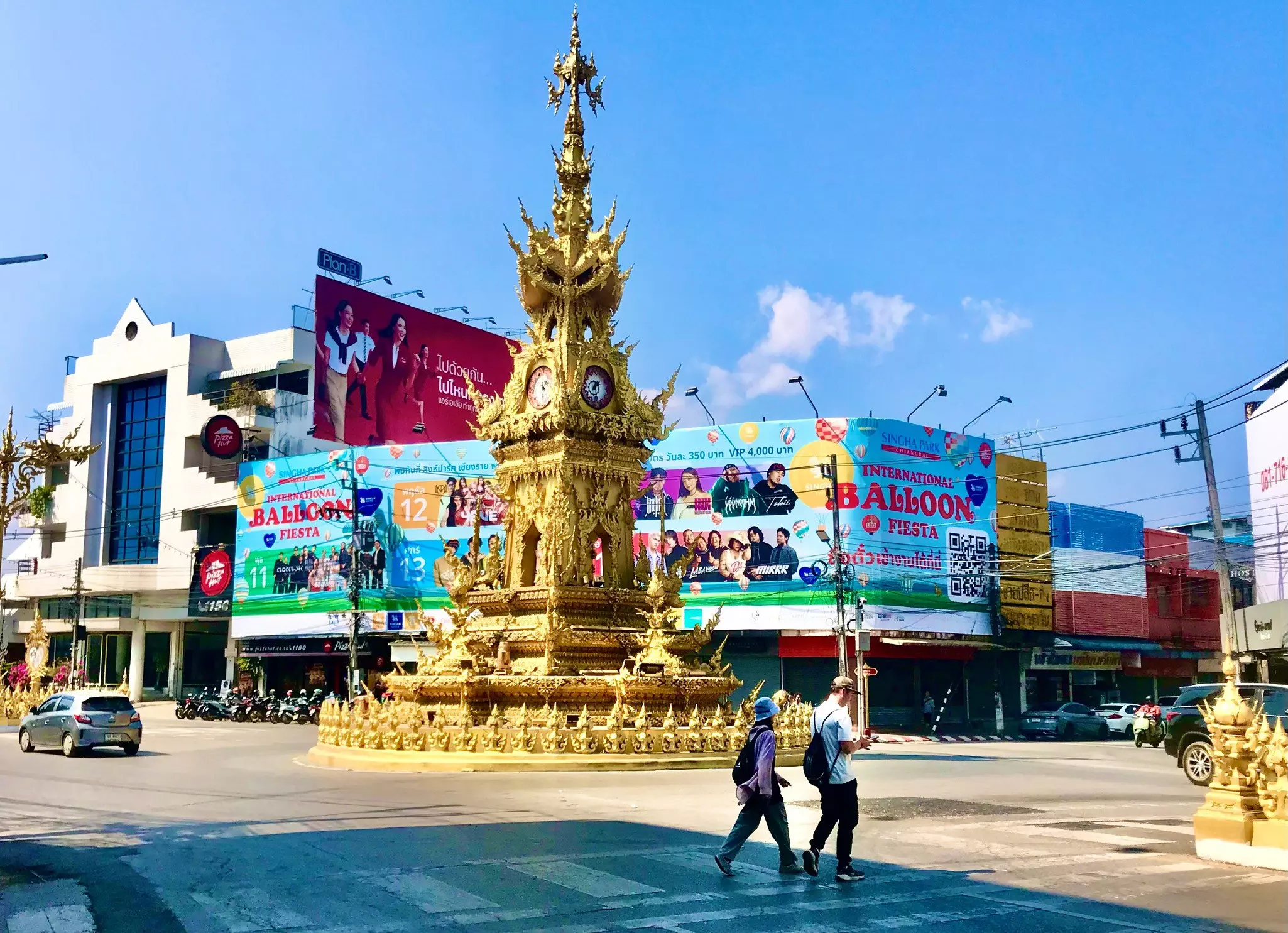
The symbolic heart of downtown Chiang Rai is the Clock Tower, designed by the same artist as the White Temple. This elaborate golden clock, almost Baroque in appearance, stands at the center of a mid-city roundabout. Time your visit for 7pm, 8pm or 9pm, and you’ll witness an impressive laser light show with musical accompaniment as traffic buzzes past. The tower changes color, turning from gold to pink to green, as the clock chimes the hour. Afterward, wander down Chet Yot St past lively bars, restaurants and boutique hotels.
It’s a short drive from Chiang Rai to the area known as the Golden Triangle, whose poppy farms once supplied opium from Thailand and Myanmar to American soldiers during the Vietnam War. Traders used gold to purchase this illicit harvest, hence its nickname. Starting in 1987, the Thai royal family launched a project to replace opium cultivation with cash crops such as coffee and macadamia nuts, and today the area is peaceful and economically stable.
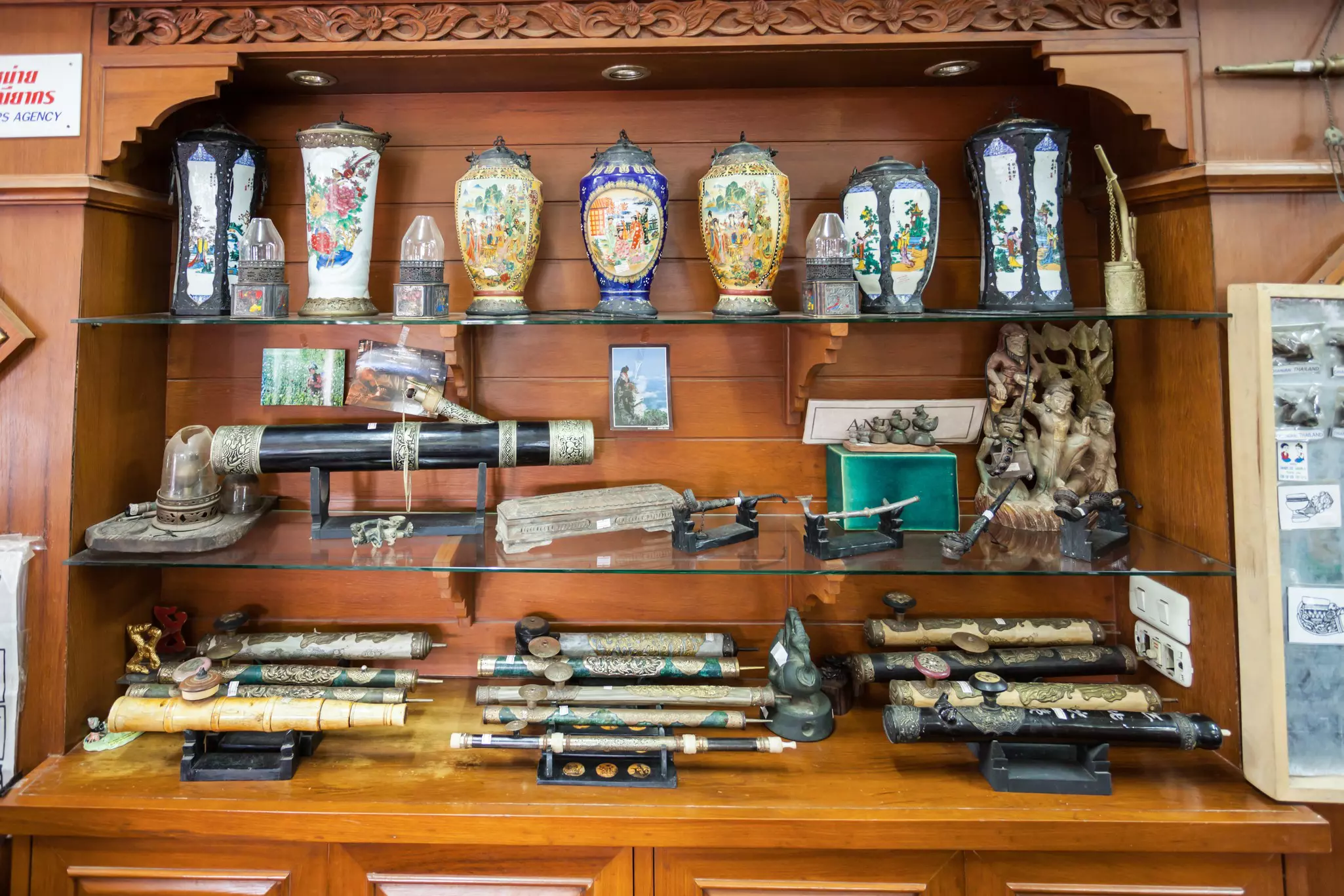
Day tours from Chiang Rai explore the region where the Thai, Lao and Myanmar borders meet, around Chiang Saen township and the village of Sop Ruak, the former domain of notorious drug lord Khun Sa. Here, the House of Opium and the larger Hall of Opium describe the role of the Yao, Akha and other hill tribes in cultivating opium poppies.
As a history buff, I’m fascinated by the story of ancient Lanna, an ethnic Tai kingdom that emerged in the 13th century and grew to become the greatest rival of the Sukhothai Empire, which laid the foundations for modern Thailand. The legacy of the Lanna kingdom, founded in 1262 CE by King Mengrai, is impressively preserved at the private Oub Kham Museum.
Its owner, Julasak Suriyachai, is descended from a Lanna royal family, and he converted his own residence into this impactful museum to display his large collection of priceless artifacts. Hour-long guided tours offer a chance to see treasures like a 17th-century golden throne from the royal palace of Chiang Tung in Myanmar’s Shan State, considered the only one of its kind in the world. Other highlights include royal garments adorned with pure gold, a 1000-piece collection of silver jewelry, and textiles woven with gold thread.
While the cost of living throughout Southeast Asia is modest in comparison to Europe or North America, costs can still add up quickly, especially in Thailand's bigger cities, but Chiang Rai won’t cost you nearly as much as Bangkok. You can get by on around 2500 baht (฿) per day, staying in mid-range accommodation and eating in local restaurants.
You may find European-style dining and hospitality to be quite expensive, but the city has a plethora of less pricey local lodging and dining options. Your biggest outlay is likely to be transportation to outlying temples and other attractions. Here are some costs for common items.
Hostel bunk: 200–400฿
Mid-range hotel room: 1000–1800฿
A local trip in a Grab rideshare: 60–100฿
Tuk-tuk ride in town: 100–200฿
A coffee in a local cafe: 45–60฿
Bowl of khao soi soup from a street stall: 50–100฿
Fancy restaurant dinner per person: 350–900฿
A pint of beer in a bar: 70–120฿
A cocktail in a bar: 120–250฿
In January, when the overnight temperature can drop below 15ºC (59ºF), locals put on their hoodies and jackets, but most farang (foreigners) – particularly those from more northerly climes – are still fine in T-shirts. During the March to May hot season, be prepared for 35ºC (95ºF) heat on a regular basis. Add in rainy-season humidity, and you’ll be glad of air-conditioning.
Pack casual clothing that “breathes.” Consider jeans or loose cotton pants in the evenings; by day, shorts are fine almost everywhere. At some temples, you may be requested to cover bare legs. Always remove your shoes before entering religious sites and people’s homes.
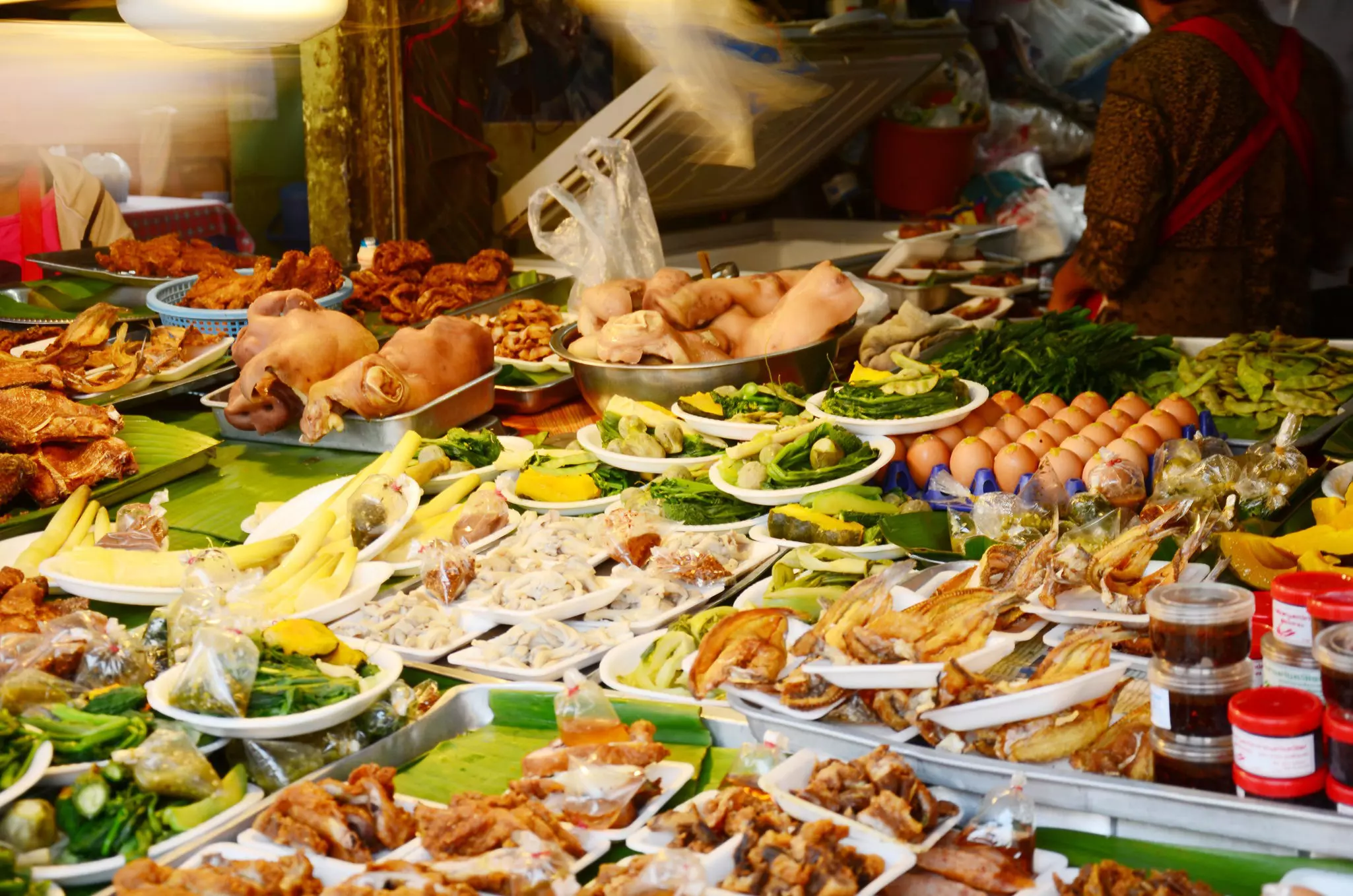
Street food is generally safe to eat. The number one Chiang Rai treat is khao soi, a creamy and delicious coconut milk and egg-noodle soup flavored with chilies, topped with crispy fried noodles, and served with chicken, pork or beef.
Sai oua, a charcoal-grilled sausage, is made with minced pork, Thai curry paste and fresh herbs, while nam prik ong is minced pork cooked with tomatoes, dried chilies and shrimp paste. Either of these dishes may be served with khao kan jin, steamed sticky rice mixed with pig’s blood, herbs and spices, then grilled.
Thai beers are excellent; Chang, Singha and Leo are local favorites. It’s best to avoid drinking tap water; most hotels and restaurants offer filtered water, or you can buy bottled water from vendors, but consider the plastic waste.
Although English is widely spoken by tour operators and at hotels and restaurants, it’s helpful to learn a few words in the Thai language, such as sawasdee ("hello" or "goodbye"), chai and mai ("yes" and "no") and korp kun ("thank you"). End sentences with khap (if you are male) or ka (if you are female) to show respect. Learn to wai (bow gently with your palms together) when you say hello or goodbye.
Book your Thailand trip with Lonely Planet Journeys
See Thailand how it's meant to be seen
Accommodations, activities and ground transportation all taken care of, so you can focus on the fun part. Tell us what your dream trip to Thailand looks like, and our local experts will build it from scratch. Or start with one of our itineraries and make it your own.

Explore related stories