Apr 22, 202611 min read
The 9 Best Things to Do in Chiang Rai, ThailandApr 22, 2026
11 MIN READ
Contributors
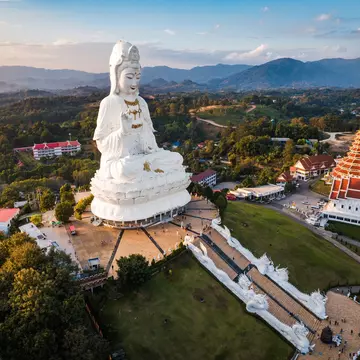
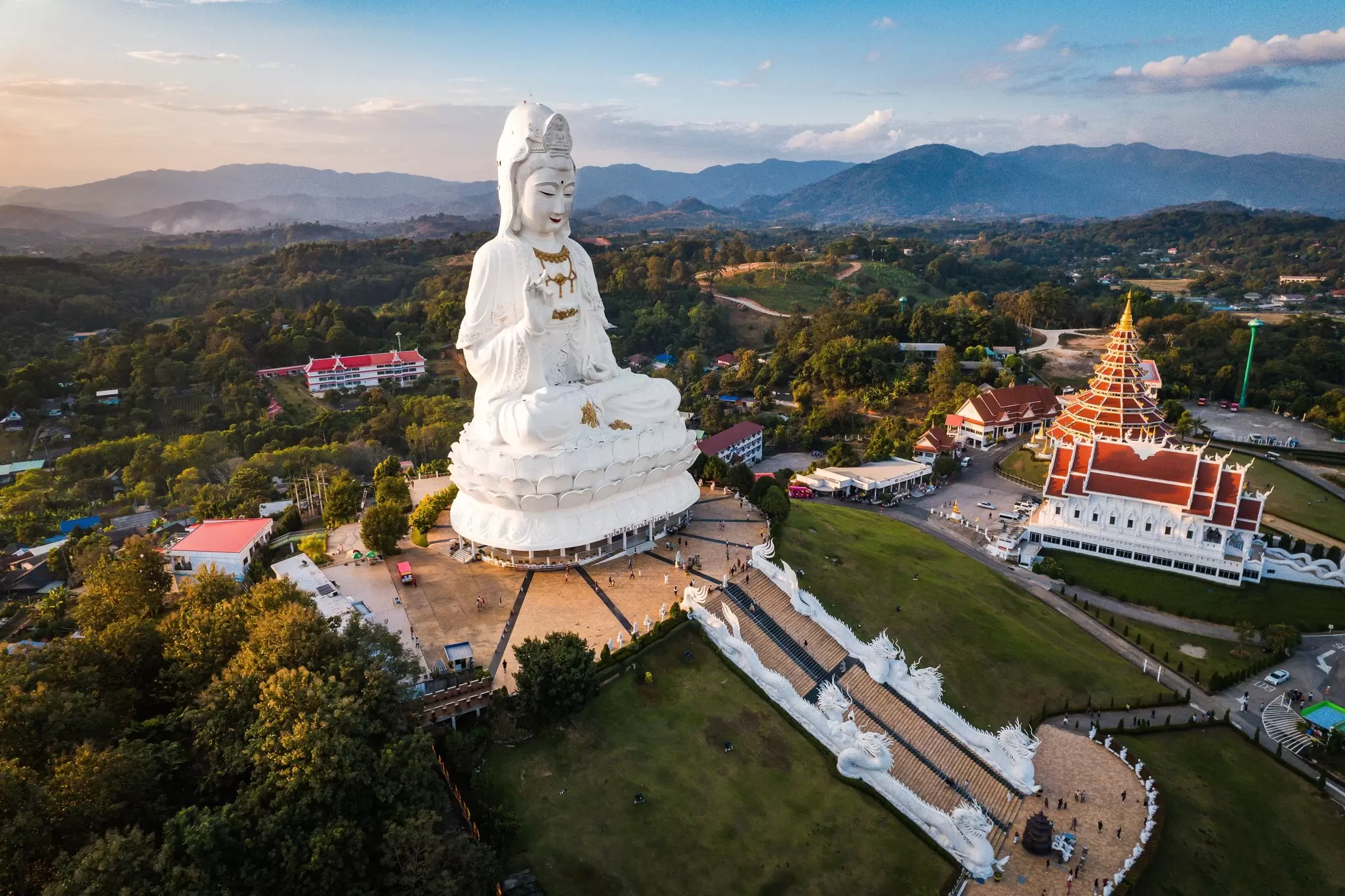
The towering Guan Yin statue at Wat Huay Pla Kang on the outskirts of Chiang Rai. Lemaret Pierrick/Shutterstock
Contributors

Austin Bush, Lonely Planet Editors
Lonely Planet may earn a commission from affiliate links on our site. All recommendations and reviews reflect our own independent opinions.
Southern Thailand has the beaches, coral reefs and parties, sure – but it’s in the green and mountainous north where he country’s varied and vibrant culture shines. Thailand’s northern capital, Chiang Mai, is the first port of call for many first-time visitors. From there, it’s an easy onward trip by bus to reach Chiang Rai, a colorful hub for adventures in the country’s northernmost province.
The best things to do in Chiang Rai are a microcosm of the best Thailand experiences. With a few days here, you can hop around glinting monasteries, feast on northern-style street food, discover the culture of the province’s diverse hill tribes, delve into the local art scene, explore by bike and experience the wonders of Lanna-style massage.
When you’re done exploring the city, the forested hills of the once-notorious Golden Triangle await. Today, the opium trade has been replaced by homestays in tribal communities, jungle treks to caves and waterfalls, camps for rescued elephants, and visits to tea and coffee plantations that will immerse you deep in the landscape and its human history.
Intrigued? Here are the best things to do in and around Chiang Rai, Thailand.
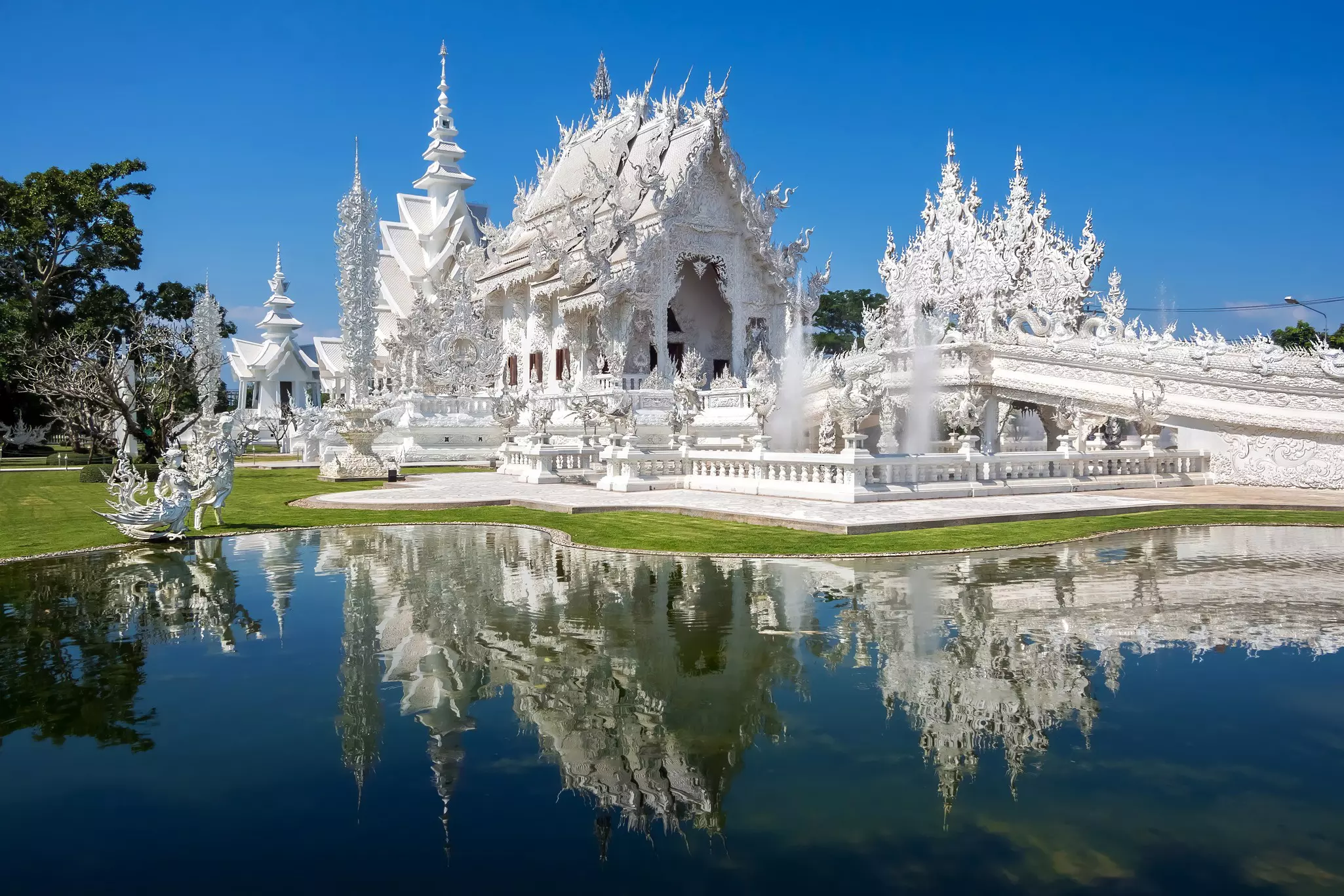
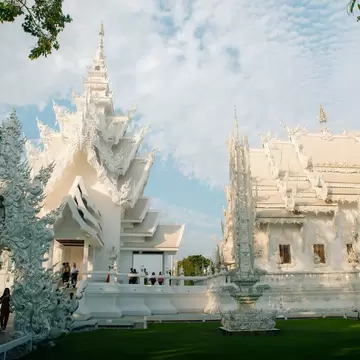
Chiang Rai is studded with temples – and three buildings stand out for their striking architecture and creative use of color. The so-called White Temple, Wat Rong Khung, is one of Thailand’s most astonishing buildings: a shimmering white fantasy, intricately adorned from top to bottom with carvings, inscriptions and statues. Approached via a causeway across a sea of ceramic arms representing the damned, this is a monumental art installation with a thought-provoking message.
Constructed in 1997 by Thai artist Chalermchai Kositpipat, this temple-sized art piece is intended to send a message about humanity’s greed, desire and destructive nature, juxtaposing it against traditional Buddhist symbology. Inside, brightly colored murals and paintings of contemporary scenes and pop-culture icons stand out against the glittering white.
Next on the list is the Blue Temple, Wat Rong Suea Ten, created by Chalermchai protégé Phuttha Kabkaew, which trades the usual reds, golds and greens of traditional temple architecture for stunning shades of royal blue. Visitors come in droves here to pray to the magnificent pure-white Buddha statue illuminated in bright blue light inside the main prayer hall.
Then there’s the Baandam, sometimes known as the Black Temple – the sprawling residence of legendary artist Thawan Duchanee. Its monastery-like art spaces are full of buffalo horns, deer pelts, crocodile skins and surreal erotic imagery.
Planning tip: For a more traditional take on Chiang Rai’s Buddhist culture, visit the hilltop pagoda at Wat Huay Pla Kang, about 6km north of the center, with its 90m-high statue of the goddess Guan Yin, the Bodhisattva of Compassion.
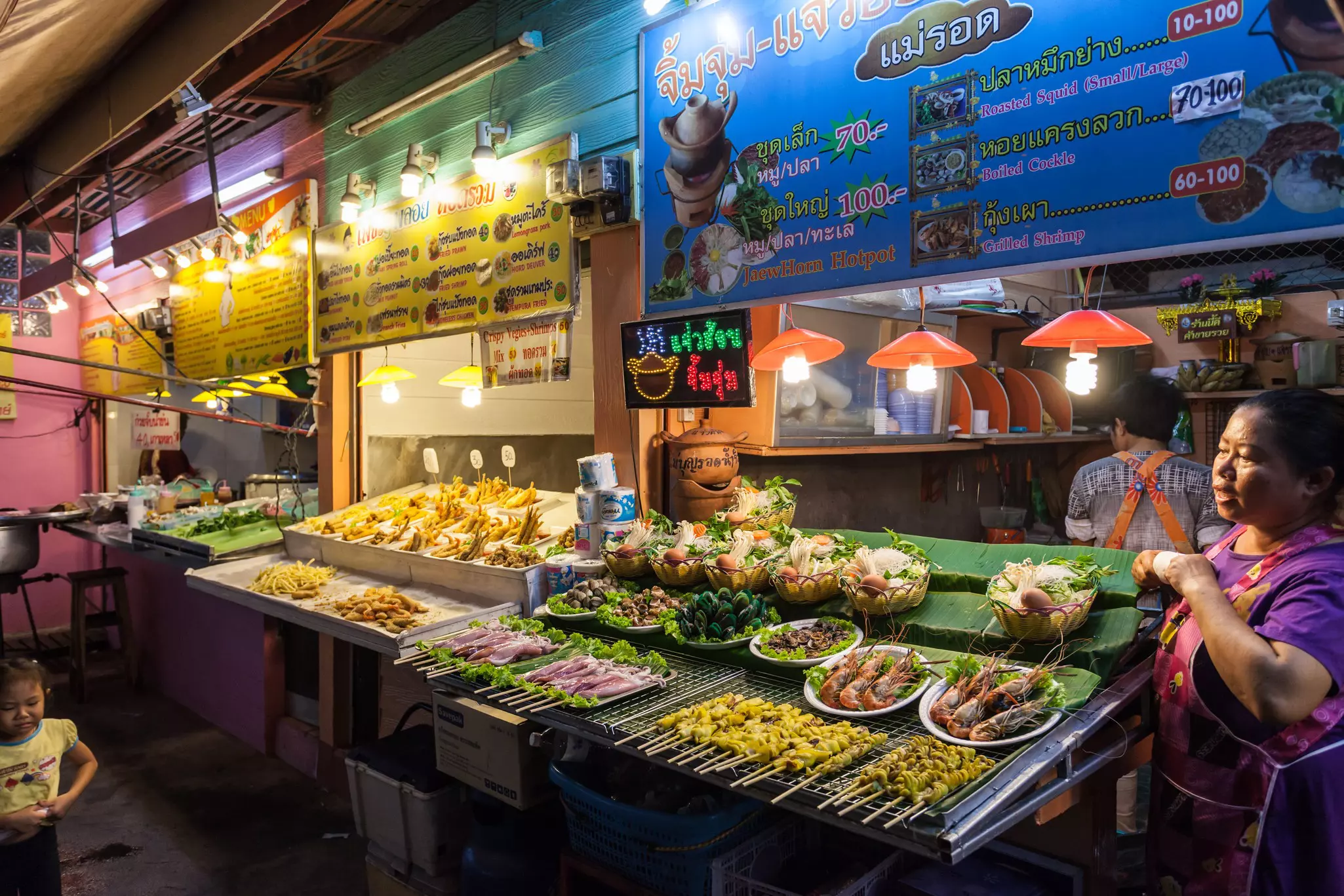
Founded in 1262 by King Mengrai as he expanded the Lanna Kingdom, Chiang Rai remains a sophisticated place – and has markets to rival those of Chiang Mai. Saturday’s Walking Street is the city’s largest pop-up market, taking over Th Thanalai from 5pm until late each weekend. Here, you’ll find vendors peddling everything under the sun, from clothing and toys to handicrafts and consumables. Come hungry: there’s a ton of northern Thai food just begging to be eaten.
While the market runs, the adjacent city square comes alive with concerts, events and a type of Thai line dancing led by the city’s elders who just can’t resist grabbing your arm and pulling you in to have a go. Escape the mayhem by heading to the Clock Tower, which lights up and “dances” to music between 7pm and 8pm.
On Sunday, the pace dials down a notch, but there’s still good food to be had at the Night Market on Th San Khong Noi. Here you’ll find more-traditional goods and local dishes, as well as a Lanna cultural show. To discover the food of the province’s hill tribes, hit the stalls of the Nah Thai Market, where you’ll find regional delicacies at modest prices. The daily Chiang Rai Night Bazaar is another good spot for tourist souvenirs and snacks in its cozy beer garden.
Planning tip: Stock up on delicious tropical fruit (and atmosphere) at the city’s wet markets. The Kad Luang Chiang Rai Market on Th Trairat has the largest concentration of stalls, alongside a pungent meat and fish section. The city’s Municipal Market on Th Uttarakit sells produce hauled to Chiang Rai by traders from the hills.
For many, northern Thailand is synonymous with the culture of its diverse hill tribes – and Chiang Rai has one of the largest hill-tribe populations in the country, second only to Mae Hong Son. At one time, tribal tourism was sometimes exploitative; these days, responsible operators are improving the experience for both tourists and local communities.
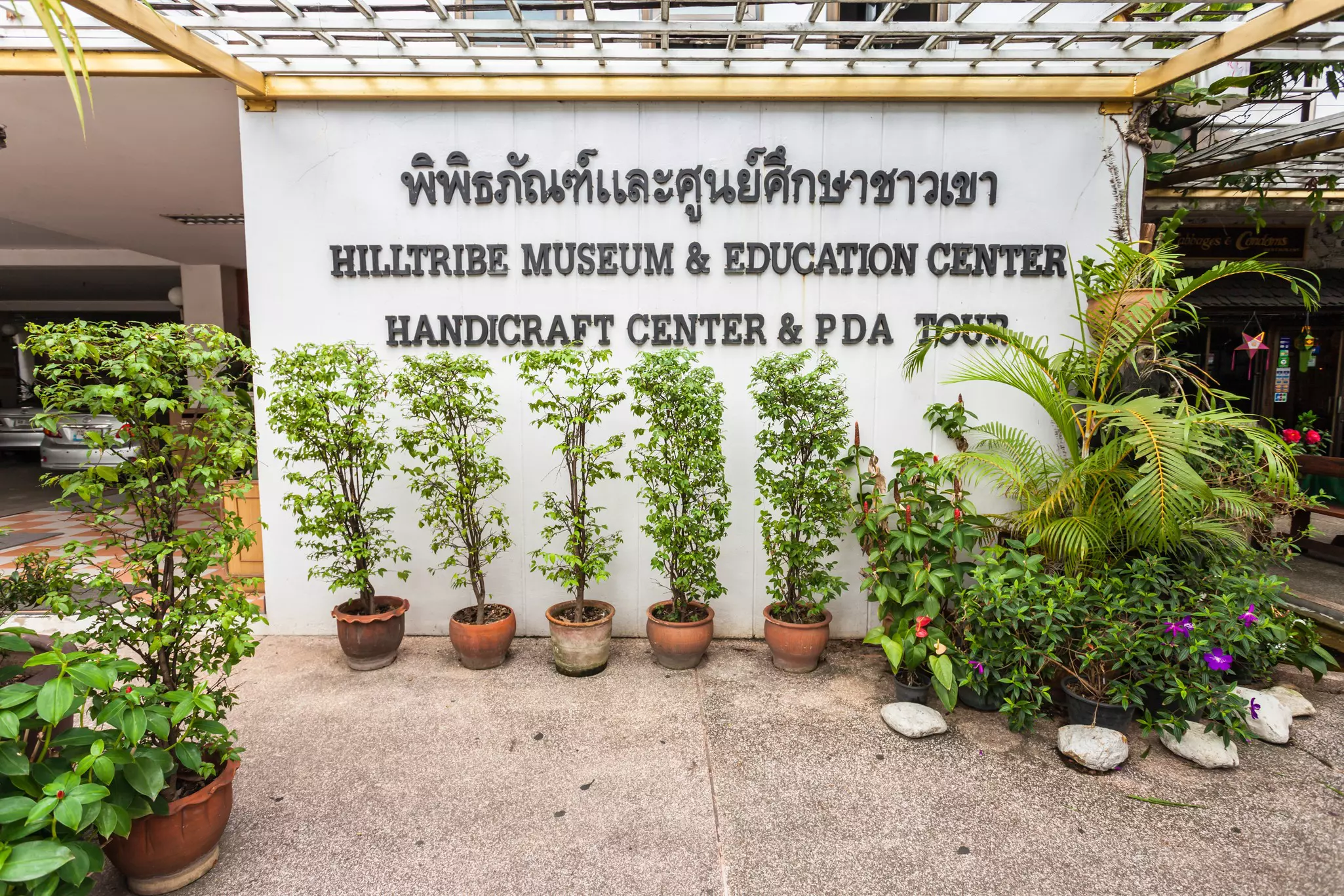
A good starting point to learn about tribal culture is the nonprofit Hill Tribe Museum & Education Centre, which offers a dry yet informative introduction to Thailand’s tribes and the issues they face. The associated PDA Tours organizes trekking for groups of up to 12 that visit Ahka, Hmong, Karen and Lisu villages, with a focus on getting hands-on with community-run initiatives designed to support and sustain these communities.
Thailand Hill Tribe Holidays and Akha Hill House both offer sustainably minded homestay packages lasting up to 10 days, including day trips and an introduction to village traditions and customs, from elephant care and making handicrafts to rice-terrace farming.
Planning tip: Be wary of trips to camps for so-called “long-necked” women – the Paduang people have a tradition of wearing heavy neck rings, but this practice is harmful and many Paduang women are trafficked to work in tourist attractions.
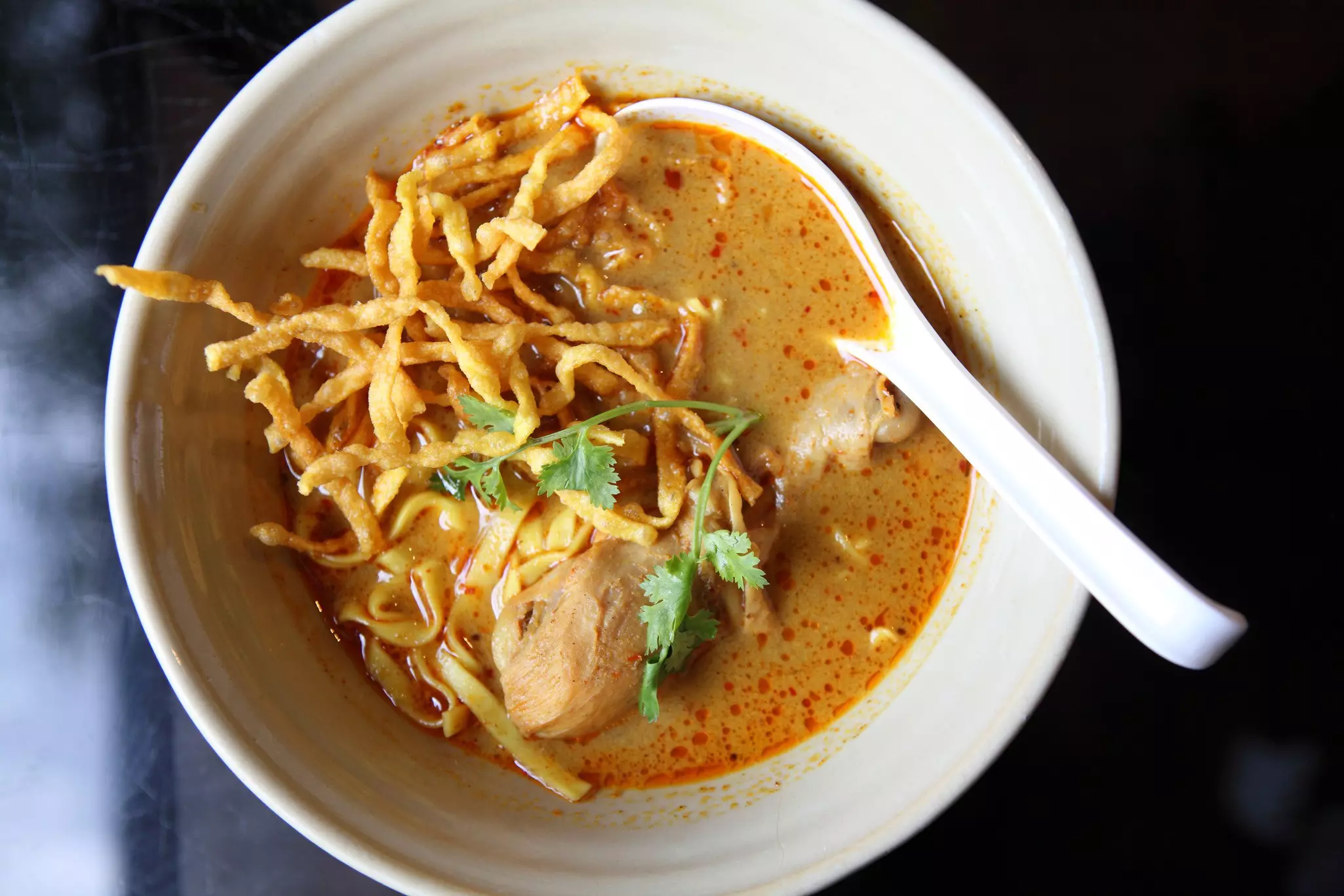
There’s khao soi...and then there’s khao soi. Celebrated as one of the top things to eat in Thailand, this renowned northern-Thai soup features an aromatic coconut base, firm and crispy egg noodles, and slide-off-the-bone chicken, beef or pork. The dish is thought to have been brought to the region by Muslim Chin Haw traders from Yunnan in China.
Khao soi breaks the mold for northern Thai cuisine through the use of coconut milk (other coconut-based curries all come from the south), which seamlessly complements a fragrant, northern-style base of curry spices, turmeric, ginger and chili. Think of it as a halfway point between the gaeng pa (“jungle curry”) of the north and the curry laksa of the Malay peninsula.
Planning tip: Chiang Rai is full of good neighborhood restaurants where you can try khao soi, including Khao Soi Thao Gae Ek on Th Trairat, Por Jai Restaurant on Th Jetyod, and Khao Soi Vijittra in the Baan Du district, near the airport.
With its endless rice paddies, scenic hills and clean, paved roads, Chiang Rai is a great place to explore on two wheels. Chiang Rai Bicycle Tour is the city’s best cycling operator; its trips will take you out of the center into the countryside.
Highlights include visits to tea plantations, mountain biking to waterfalls and hot springs, jaunts along buffalo trails, and long-tail boat rides, all within easy riding distance of the city. Longer trips go deeper into the Golden Triangle region, and even across the border into Laos.
If you’re a cyclist looking for a tribe, Bike Coffee is the best place to meet other cyclists and get the lowdown on exciting routes. It’s a cafe and community hub, conveniently located next to the Blue Temple. If you need wheels for independent exploring, Fat Free Bike Shop has bikes for rent and can organize custom tours. Apps such as Bikemap and Strava have good route suggestions.
Planning tip: If you’re starting from Chiang Mai, Spice Roads has a popular cycling tour that connects the two cities, avoiding highways and busy roads.
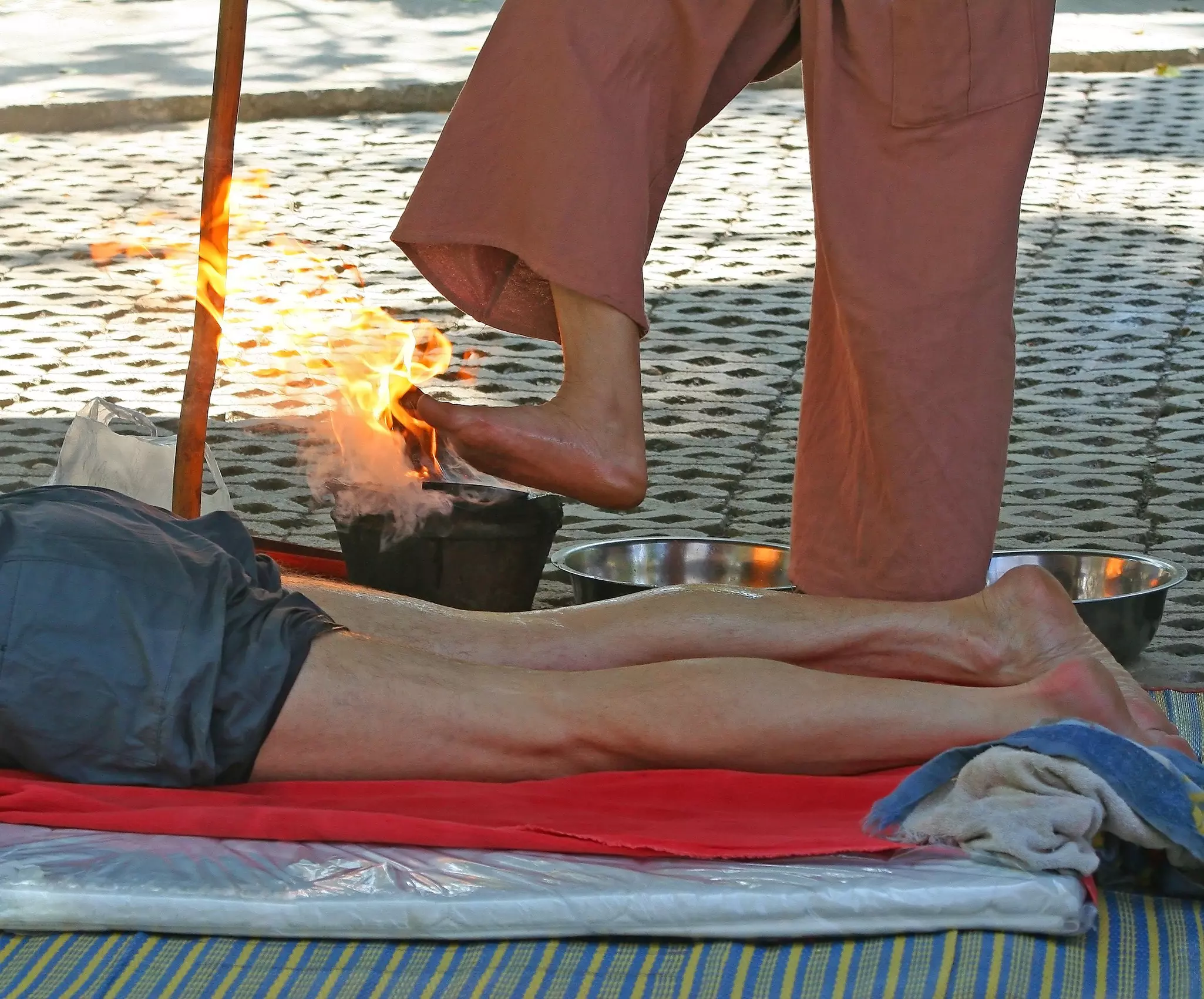
Massage is big business in Thailand, and it has its origins in traditional therapies used by Thai people for centuries. Yam khang is a unique massage technique found only in the north. First employed by the Lanna people, the method combines oils, herbs and unorthodox massage techniques such as masseurs using their feet, after warming them over flaming oil. It’s a visual spectacle as well as a therapeutic tradition. And it’s simply fabulous.
Hong Hom Phaya (known in English as the Wisdom Learning Center & Lanna Medical Treatment) is one of the best places to sample this therapy, at a monastic commune hidden on the outskirts of Chiang Rai. The center also offers other unusual northern Thai treatments such as sand burial, tok sen massage (using a wooden wedge and cloth mallet), and “chicken-coop” steam therapy, where you sit inside a steam-filled basket. Trust us, you’ll love it.
Planning tip: For a more luxurious yam khang experience, guests at the Anantara Golden Triangle Elephant Camp & Resort can enjoy the same treatment included in the (hefty) price of their stylish rooms.
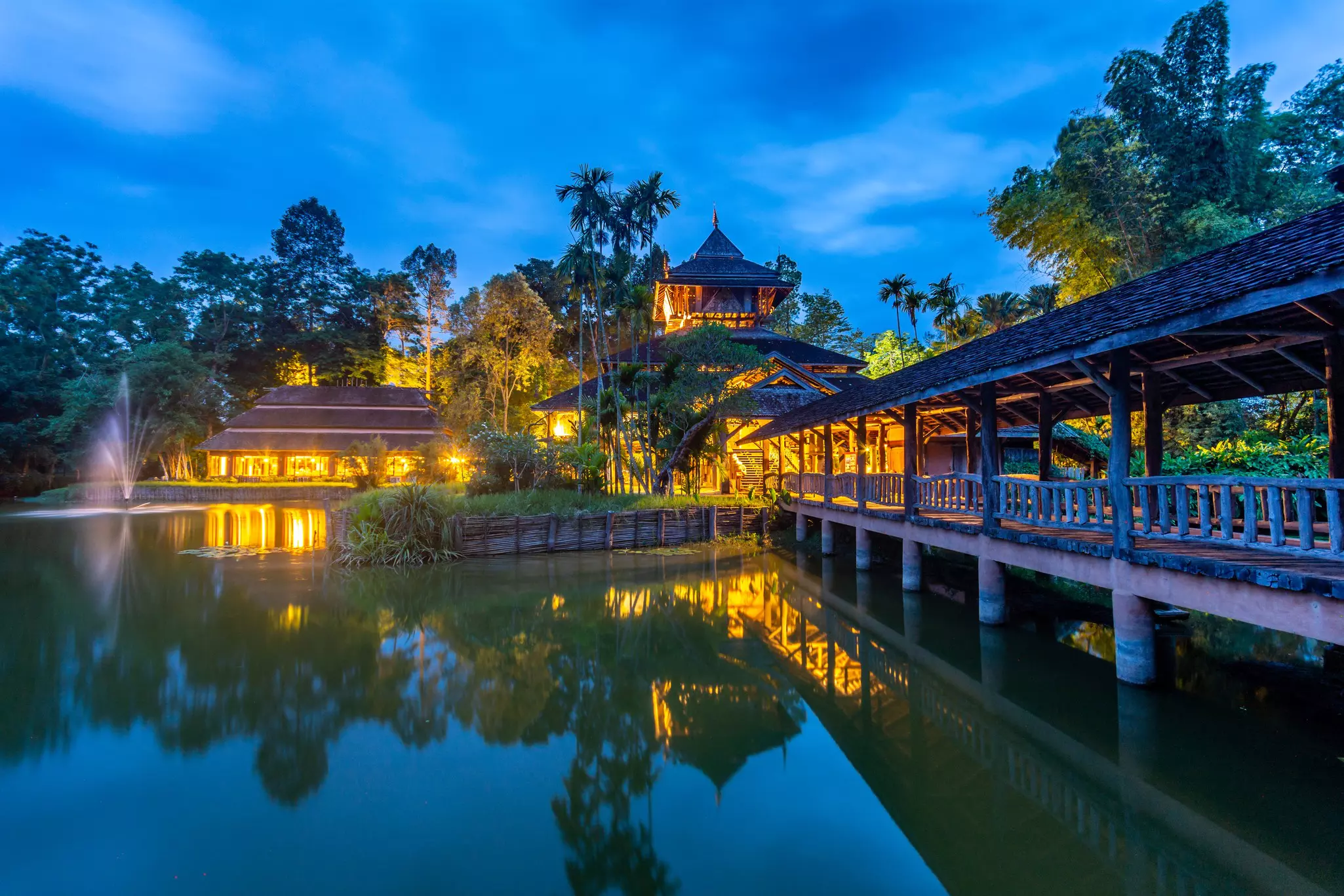
As the home of internationally acclaimed artists Thawan Duchanee and Chalermchai Kositpipat, as well as a growing contingent of up-and-coming art names, Chiang Rai draws on its long history of Lanna creativity to earn a reputation as a major art center.
For a day exploring Chiang Rai art, start at the Mae Fah Luang Art & Cultural Park. Originally established to train young people from hill tribes to become ethical community leaders, it has grown into an important center for tribal art and culture, housing the region’s most extensive collection of Lanna art and local heirlooms.
Nearby, the Oub Kham Museum displays a diverse range of memorabilia sourced from across the former Lanna Kingdom, while Art Cafe@Chiang Rai Beach hosts exhibitions, workshops, talks and activities. For a taste of the contemporary, the Khua Silapa art space showcases art from Thai and international artists. Add a trip to Baandam and you’ll easily fill a day.
Planning tip: If the smell of paint gets too much, enjoy the art of nature with an afternoon along the banks of Mae Kok river to the north of central Chiang Rai, visiting cave-set Wat Tham Phra and the Chiang Rai River Beach park.
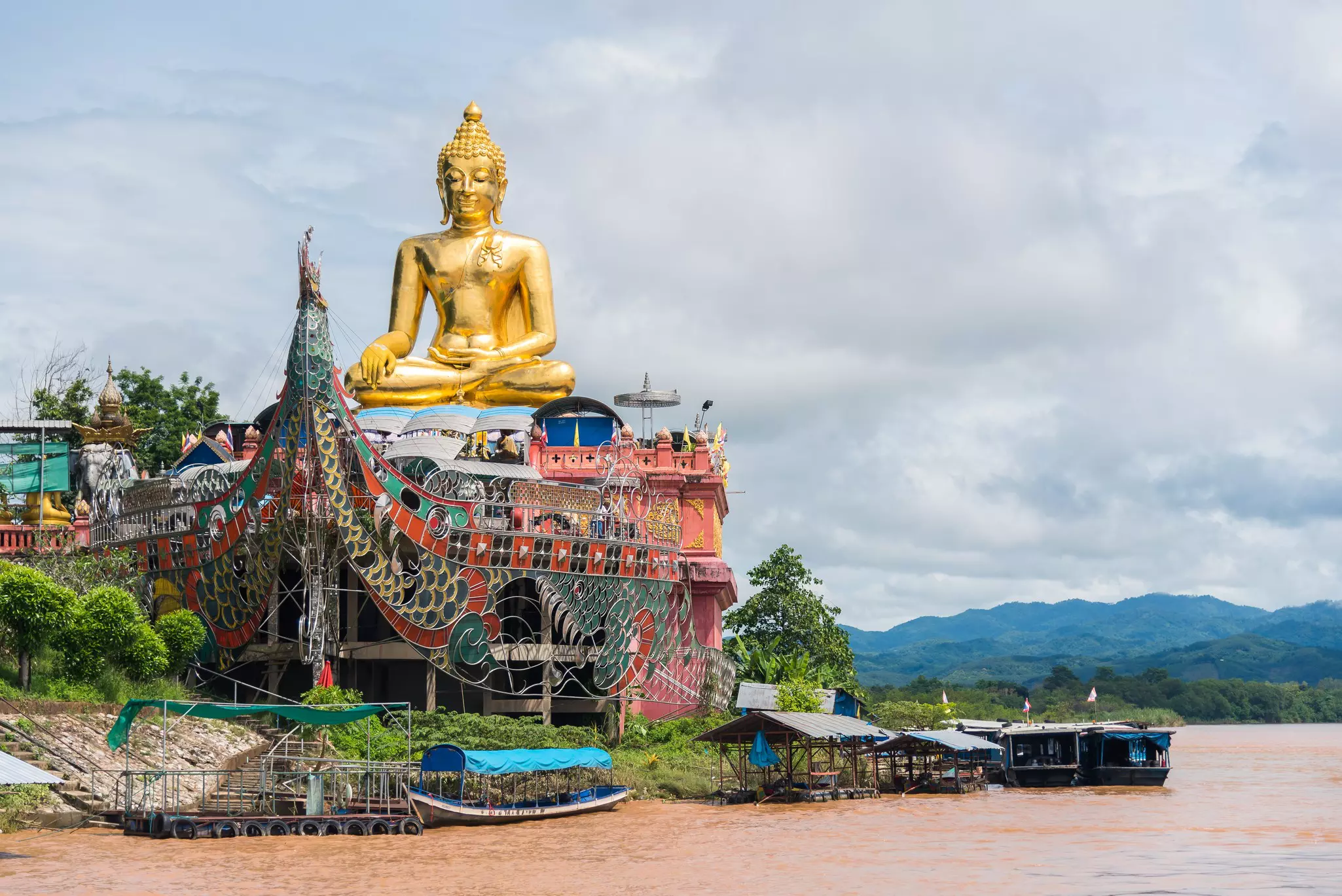
Tucked up against the border of Myanmar, the Golden Triangle – the former haunt of opium warlord Khun Sa – has seen quite a renaissance since the government cracked down on the opium trade in the 1990s. The scenery is stunning, and there are some interesting sights on the Thai side of the border that can be visited on a day trip from Chiang Rai.
The dark story of Sop Ruak – the village that formed the heart of Khun Sa’s empire – is told at two museums in Chiang Saen township near the Myanmar border, about 65km north of Chiang Rai. The House of Opium and Hall of Opium both offer a fascinating insight into the troubles that opium brought to the region.
Planning tip: To delve even further into the Golden Triangle, consider a night in the village of Doi Sa Ngo, perched high above the Mekong River to the west of Chiang Raen. You can experience local life at a charmingly unhurried pace at the Monmingkwan Farmstay or Star Doi Coffee & Homestay.
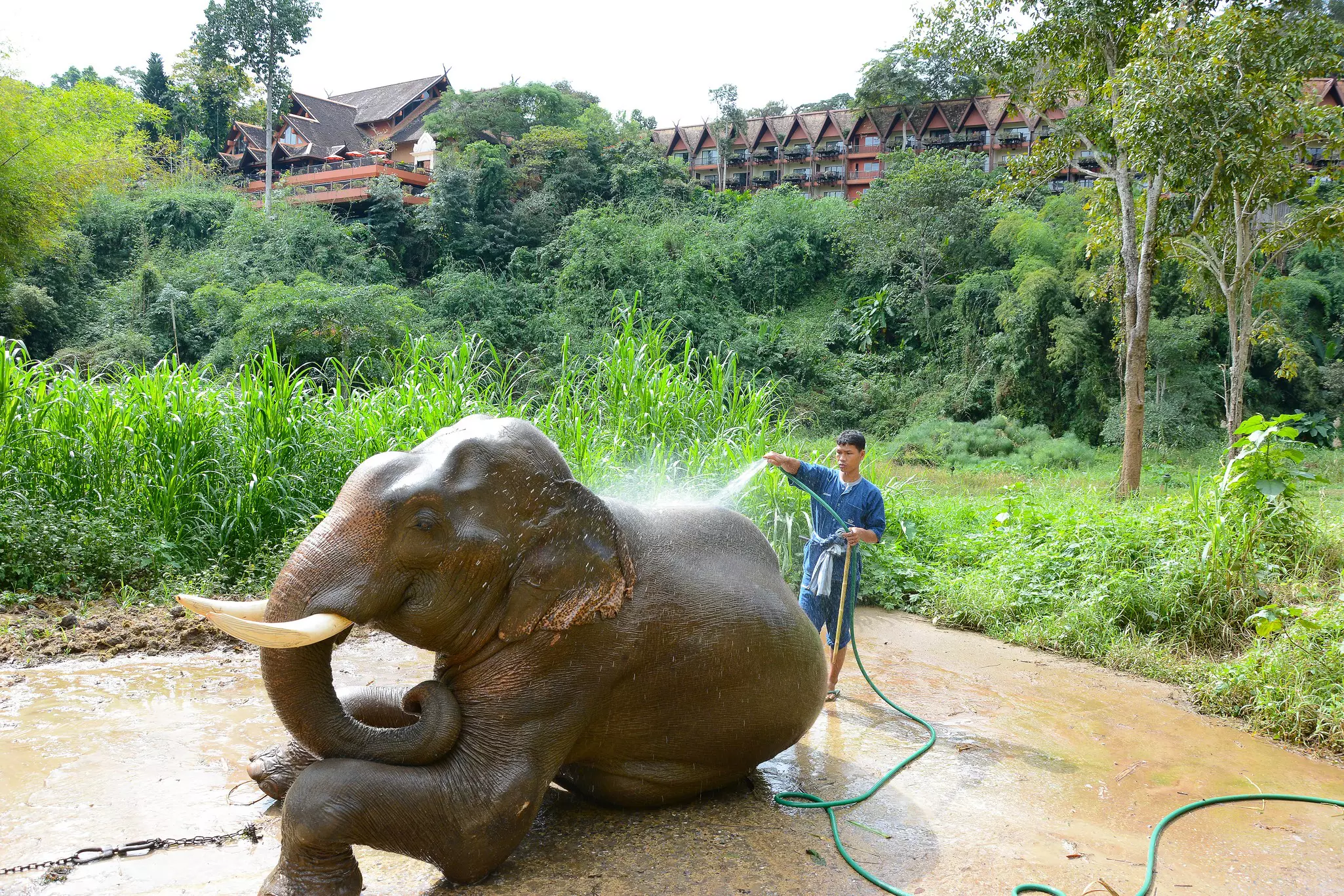
In the same area, you can sleep in luxury at Anantara Golden Triangle Elephant Camp & Resort. The Golden Triangle’s star property boasts Lanna-inspired architecture designed by the Thai architect Mom Tri, and offers a wide range of northern Thai experiences, including yam khang massages.
What makes this place most noteworthy is the work it does to support elephants rescued from illegal logging camps through the Golden Triangle Asian Elephant Foundation (GTAEF), which is setting the benchmark for elephant welfare across Asia. This award-winning elephant camp lets guests observe elephants in their natural environment and learn from the center’s resident elephant vets.
Proceeds from each stay go toward their care, while the foundation works hard to rehabilitate captive elephants, improving elephant welfare and overall conservation across the region. The price point is high: consider it a worthwhile investment for a memorable and intimate experience.
Planning tip: Closer to the Myanmar border, the mountains of Doi Tung have traded opium for coffee and macadamia nut production, as part of a massive government rehabilitation program. Book a room in the Doi Tung Lodge and you’ll be awaked by the smell of freshly brewed mountain coffee.
Book your Thailand trip with Lonely Planet Journeys
See Thailand how it's meant to be seen
Accommodations, activities and ground transportation all taken care of, so you can focus on the fun part. Tell us what your dream trip to Thailand looks like, and our local experts will build it from scratch. Or start with one of our itineraries and make it your own.

Explore related stories