Sep 7, 202613 min read
Taking the Train from Delhi to Mumbai (What You Need to Know)Jul 21, 2020
6 MIN READ
Writer
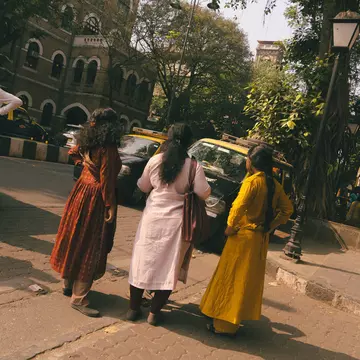
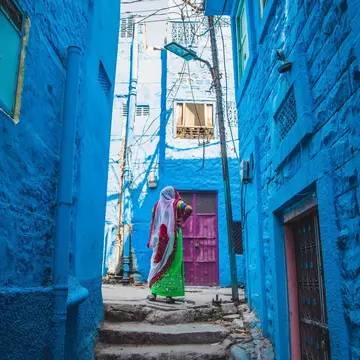
The author enjoys finding colours that surround us in our daily lives ©Devanshi Rungta

Writer
Lonely Planet may earn a commission from affiliate links on our site. All recommendations and reviews reflect our own independent opinions.
Travelling is something all of us look forward to in our lives. We travel to learn, to see new things, to discover, to know more about this big world we live in. The place, people, food, sights - makes us feel different and alive. When we travel we tend to collect a lot of things - souvenirs, photographs, memories. I like to collect something a little different. I collect colour.
It is 7 am, you are in a foreign city. You slide out of the white hotel sheets, walk down the red corridor, to be welcomed by the blue sky. You hop into the yellow cab, get dropped off to the purple cafe, and order a cup of white vanilla latte. The first two hours of your day brought you in contact with six colours that you probably noticed. What you probably didn’t notice was the browns of the rooftops, the pink car that rushed by, the orange lamppost, that procession of workers dressed in red, or the thousands of shades that communicate their language to us every day, a language that guides us in subtle ways, without ever making its presence felt.
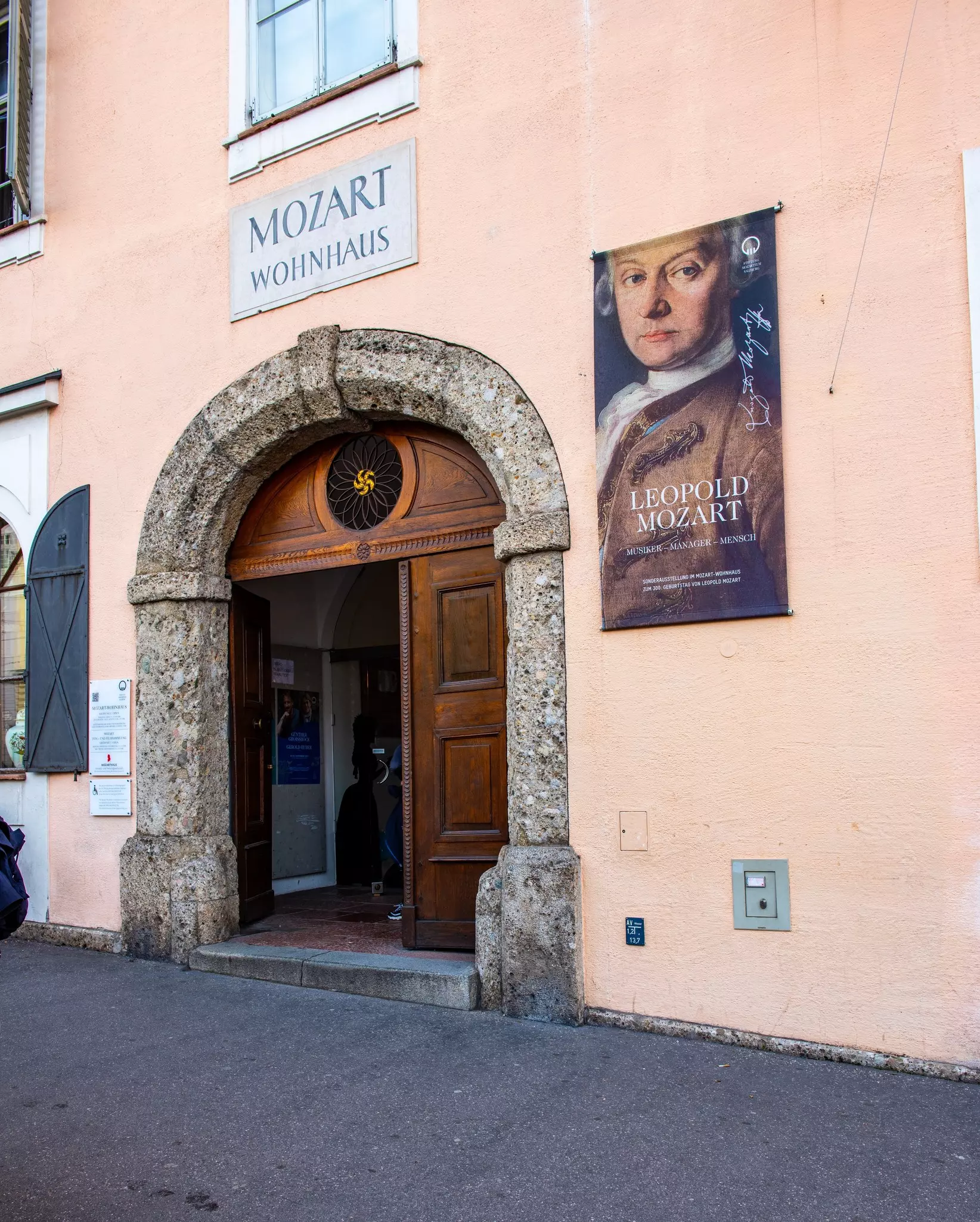
Every country I have visited had its language that I didn’t speak, but colour became the universal language that helped me understand and experience a new place better.
Collecting colour is like indirectly collecting knowledge and much like maintaining a travel journal - instead of writing, painting, or drawing, I photograph. You might ask, how is that even possible? I thought so too until I came across the Pantone colour cards that allowed me to do so. They became a tool to express my innate desire to share how I see the world - colourful and beautiful.
We might not realise it, but colour is a huge part of our psychological makeup, and noticing them can greatly add to one's travel experience, here's how.
Colour can dictate one’s experience of a destination. For example, visiting the same place during two contrasting seasons such as summer and fall - will lead to two varying experiences. The sleepy town of Rovaniemi in Finland looks surreal during fall but being a winter town, unfortunately, there isn’t much to do during the non-snow months. So always research which season is the best time to travel and of course, a bonus is the hotels are cheaper too.
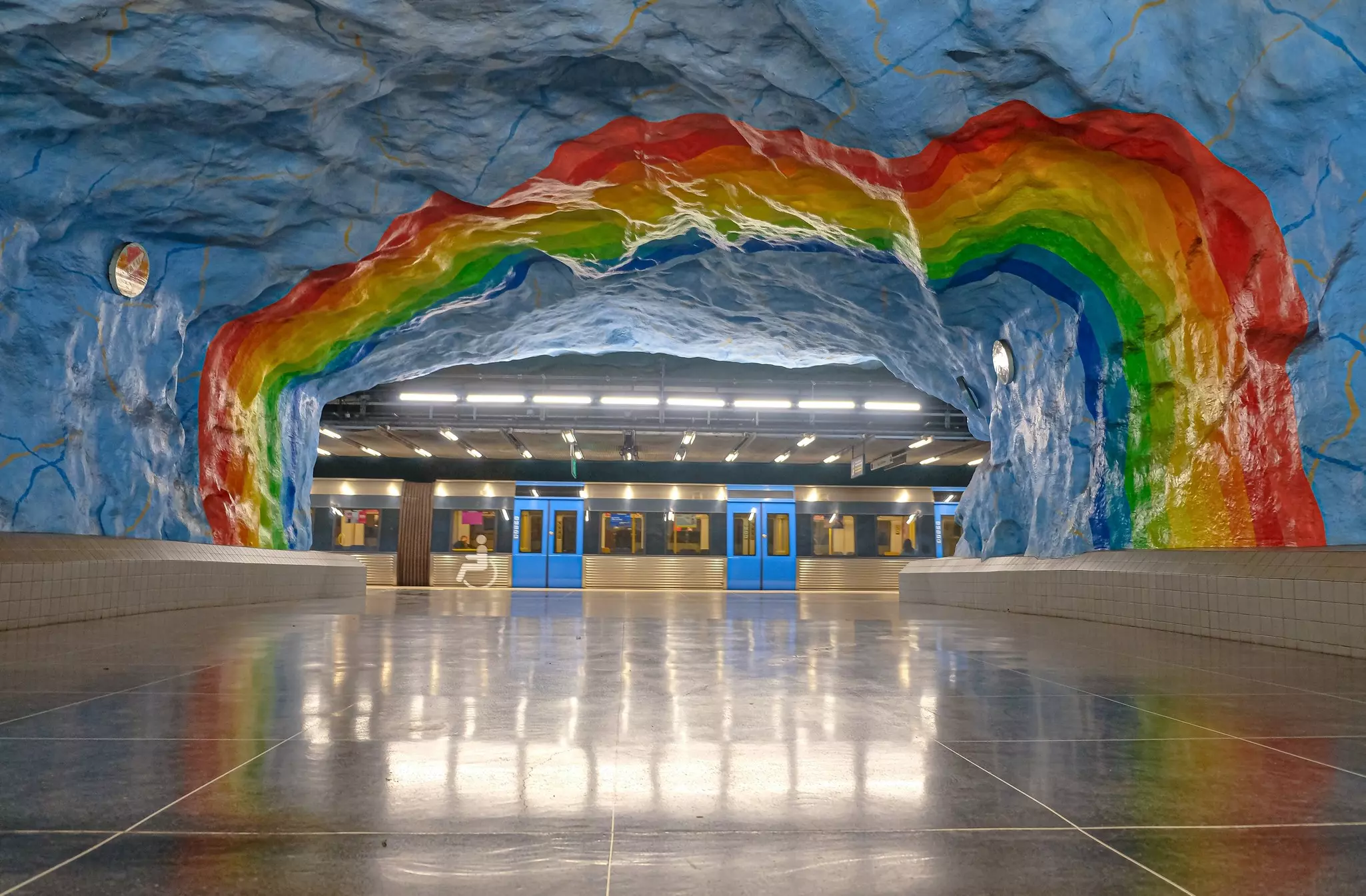
Noticing the colours around us can spike an interest which leads us to discover something new. One such incident for me led to the discovery of the “world's longest art gallery”. In Stockholm, we used the metro/subway to commute from one place to another. Usually, you notice the whacking crowds, but here I was instantly drawn to the rainbow painted on the walls. The station was something I hadn't seen before. A quick search on the internet informed me that Stockholm’s subway stations have been decorated with paintings, installations, mosaics, and sculptures by 150 artists since the 1950s. I was at a loss of words after visiting some of them! Noticing the colour helped me appreciate and gain some less ‘popular’ facts about the place.
Sometimes observing the unusual colours of usual things also leads to interesting discoveries. I remember visiting the town of Vik in Iceland, stepping on the black sand beaches, and wondering how can the sand be black? The sheer blackness of the soil made it, unlike any place I had been to earlier. As soon as I could catch my breath, I searched what made the sand black. In doing so, I found out a little more about the topography, which, in turn, helped me understand why Icelanders lived in a certain way. The climatic conditions of the region don’t facilitate the growth of many crops; hence much of the food has to be imported to Iceland - making it one of the most expensive countries to visit in the world. What started by simply noting the colour of the space, led my thoughts to detailed research of the place.
Colour also helps me retain otherwise redundant information. The yellow and red tulips I spotted in St. Petersburg of all places (as it is practically frozen for 3 months) have stayed with me long since. I couldn't help but wonder why there were so many tulips in this region of all places. Upon asking a local I got to know that tulips are an important part of Russian culture. Every year on Women’s Day, men from all over the country throng to buy flowers for female loved ones. Russian Women’s Day is, in fact, more about offering tulips and this is considered to be a sign of respect. This information instantly made me wish I had a Russian suitor.
A trip to my native state, Rajasthan, India is never complete without laying eyes on the fascinating ethnic turbans adorned by locals with absolute pride. On asking the tour guide about this he explained that these turbans aren't just for decorative purposes or to protect their heads from the heat. They denote a wearer's social class, caste, region, and the occasion it is being worn for. Ordinarily, a turban of a single colour is worn. However, turbans of one or more colours may be worn by the elite or during special occasions such as festivals or weddings, etc.

Sometimes being inquisitive about colour, can also tell us a little more about the history of the place. Standing in the red square in Moscow, Russia, I naturally presumed it was called so because of the red coloured monuments. But on asking, I got to know that contrary to popular belief, Red Square’s name is completely unrelated to the crimson colour of its numerous buildings as well as to the Communist Party’s association with the colour red. Red Square or “Krasnaya Ploschad” as it’s called in Russian - comes from the word Krasnyi, which meant beautiful in Old Russian and only later came to mean red.
Isn’t this what travelling is all about? Knowing just a bit more of the world than we did the day before, coming back home not only with memories and tons of selfies but with actual knowledge of how and why lives are led in a certain way outside our comfort zone. So here's hoping the next time we get the privilege to step out, we open our eyes and minds a bit more and notice the colours that surround us a bit more.
Book your Iceland trip with Lonely Planet Journeys
See Iceland how it's meant to be seen
Planned by local experts and tailored to you, Lonely Planet Journeys handles the logistics so you can just enjoy the trip. Tell us what you want and we'll build your Iceland itinerary from scratch, or browse our bookable trips to get inspired.
Explore related stories