
Oct 15, 20269 min read
Tips For Visiting A South Korean BathhouseLonely Planet may earn a commission from affiliate links on our site. All recommendations and reviews reflect our own independent opinions.
Cemeteries. Say the word and most people picture solemn hush and black umbrellas, not sweeping garden paths, marble angels, and mausoleums that look like they were designed by a Roman architect. But wander into the right one – with sculpture, architecture and centuries of history – and it starts to feel less like a graveyard and more like a museum that forgot to charge admission.
This pick of cemeteries near cities around the world prove the point that some of the most beautiful spots are also the quietest.
Where Victorian Gothic meets urban wilderness
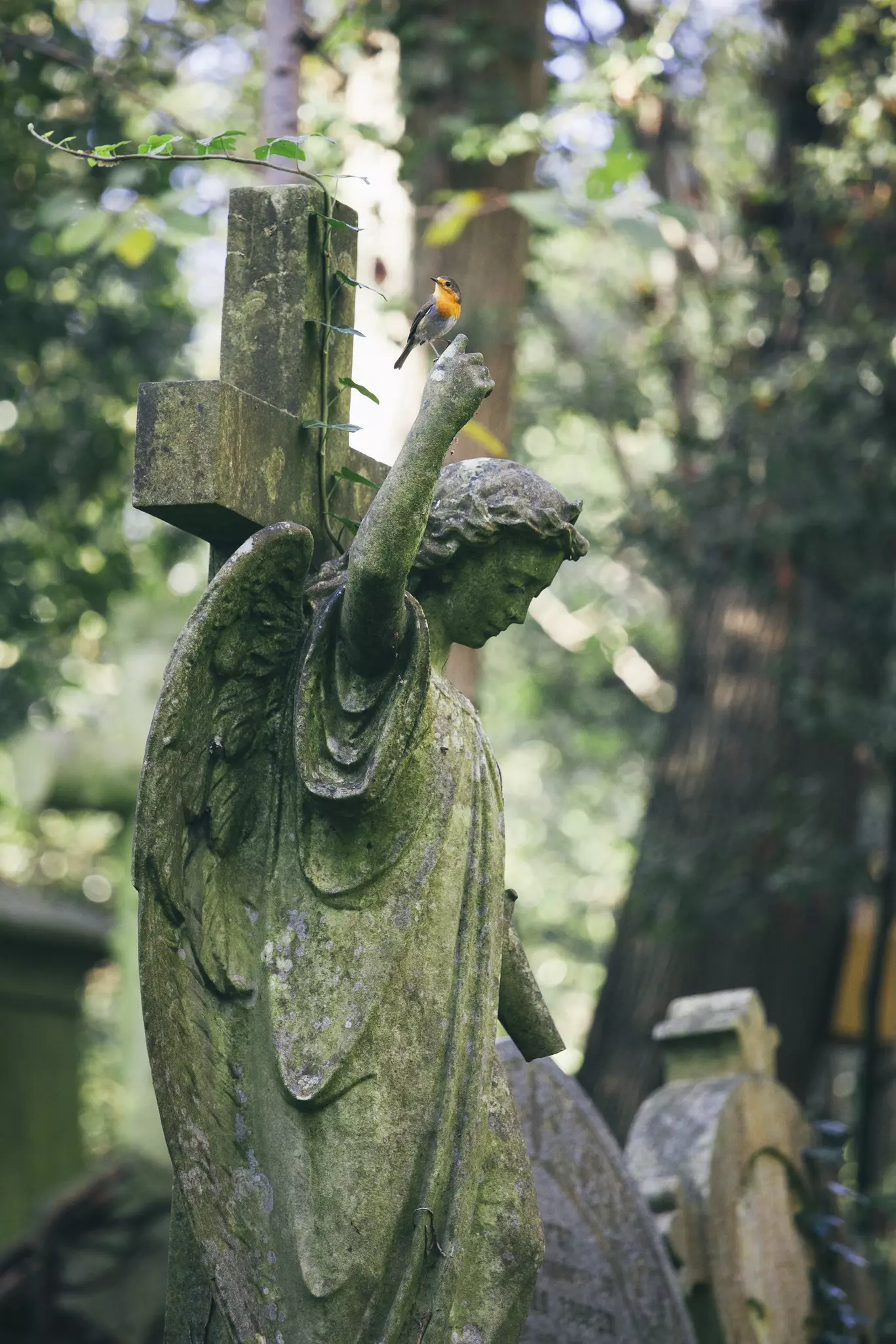
Highgate Cemetery opened in 1839 to provide a burial ground away from the overcrowding of Victorian London. It combines Gothic fantasy with rewilded sanctuary. Look for ivy-clad weathered angels, Egyptian-inspired tombs, classical mausoleums and paths that wind beneath ancient trees.
The cemetery, split into two sections by Swain's Lane, has some of Britain’s best-known graves, including Karl Marx, George Eliot, Christina Rossetti, Michael Faraday and Catherine Dickens. Volunteer guides run 75-minute tours.
Seek out: Financier Julius Beer's mausoleum, modelled on the Mausoleum at Halicarnassus, and George Michael's understated grave, marked with his birth name, Georgios Kyriacos Panayiotou.
Getting there: Take the Northern line tube to Archway, and walk 20 minutes to the cemetery.
Combine your visit: Take a trip to Hampstead Heath and Holly Village, a Victorian Gothic gated community.
Where Ireland's history is written in stone
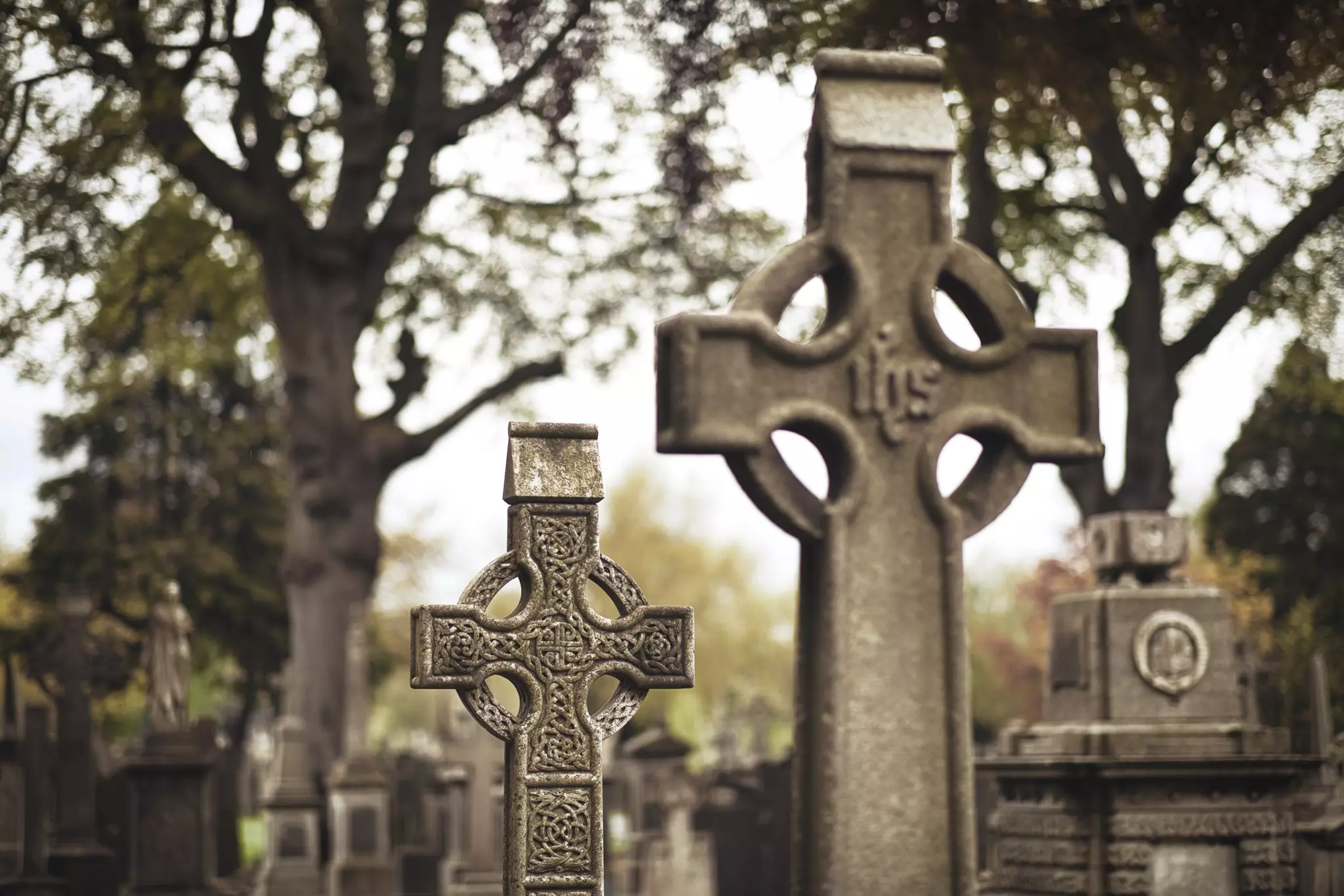
Glasnevin, Ireland’s national cemetery, is spread across 124 acres and offers a window into the country’s political and social history.
Almost 1.5 million people are buried at Glasnevin, where Celtic crosses and tree-lined avenues mark many resting places. Michael Collins, Charles Stewart Parnell and Countess Markievicz are among those buried in the cemetery, which was opened in 1832. Sign up or a guided tour to know more about Irish history.
Seek out: The round tower above Irish revolutionary Daniel O'Connell's crypt. Climb its 198 steps for sweeping views of Dublin.
Getting there: Glasnevin Cemetery is located on the north side of Dublin, about a 20-minute bus ride from the city center.
Combine your visit: The Botanic Gardens are next to Glasnevin.
A glimpse back at Victorian Glasgow
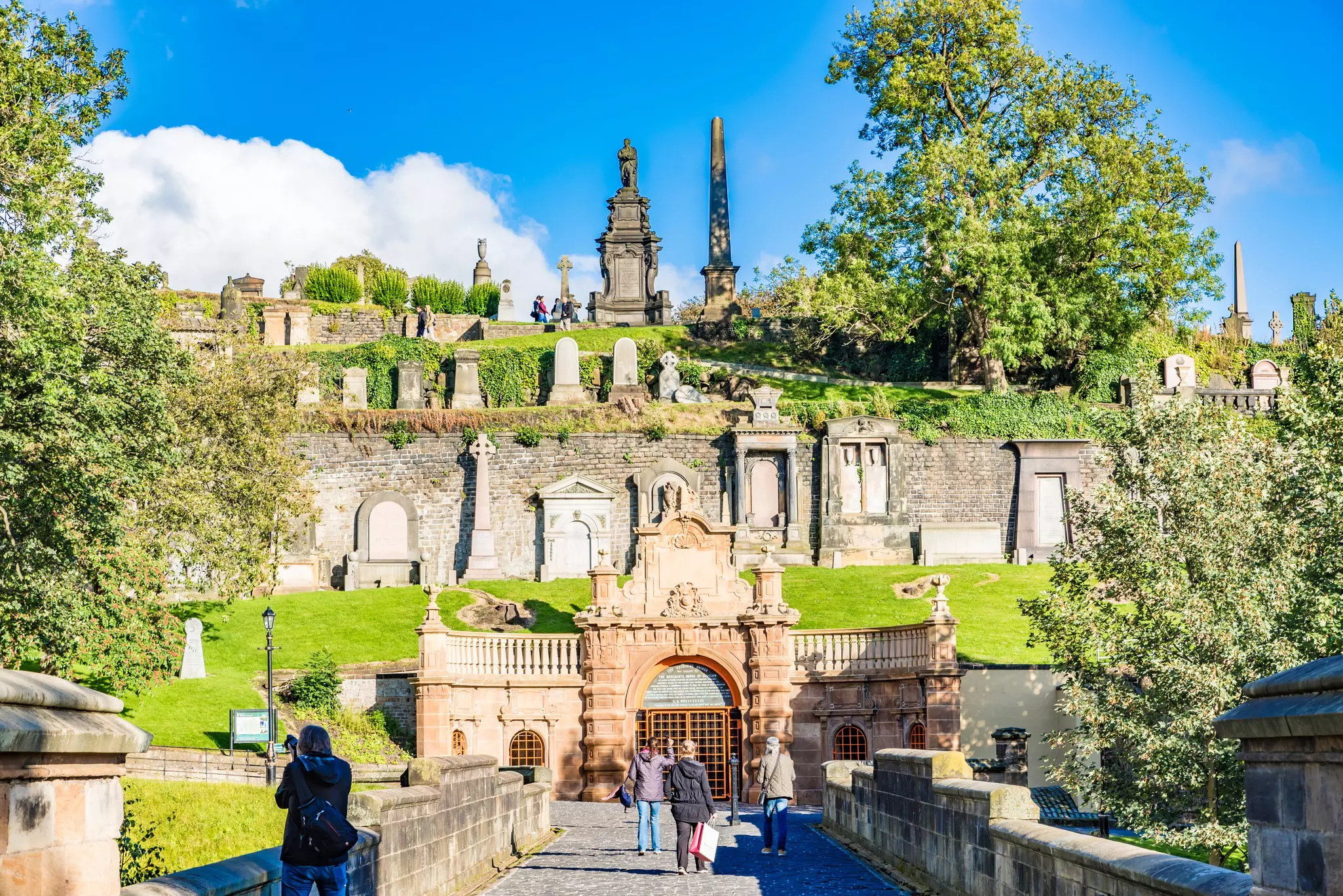
Inspired by Père Lachaise and opened in 1833, Glasgow Necropolis sits near Glasgow Cathedral. More than 3500 monuments across 37 acres mark the graves of around 50,000 people – industrialists, merchants, poets, brewers and reformers.
The Bridge of Sighs, modeled on its Venetian namesake, deserves a stop before climbing past obelisks and vaults for sweeping views. A tour explains how those buried here helped build Glasgow into a major city of the Victorian era.
Seek out: The Monteath Mausoleum, based on Cambridge’s Church of the Holy Sepulchre, and the John Knox Monument, which predates the cemetery.
Getting there: Public transport is the best way to reach the necropolis, which is about 2.4km from the city center.
Combine your visit: Pair it with a visit to Provand's Lordship, one of Glasgow’s oldest surviving houses.
Where the world comes to pay its respects
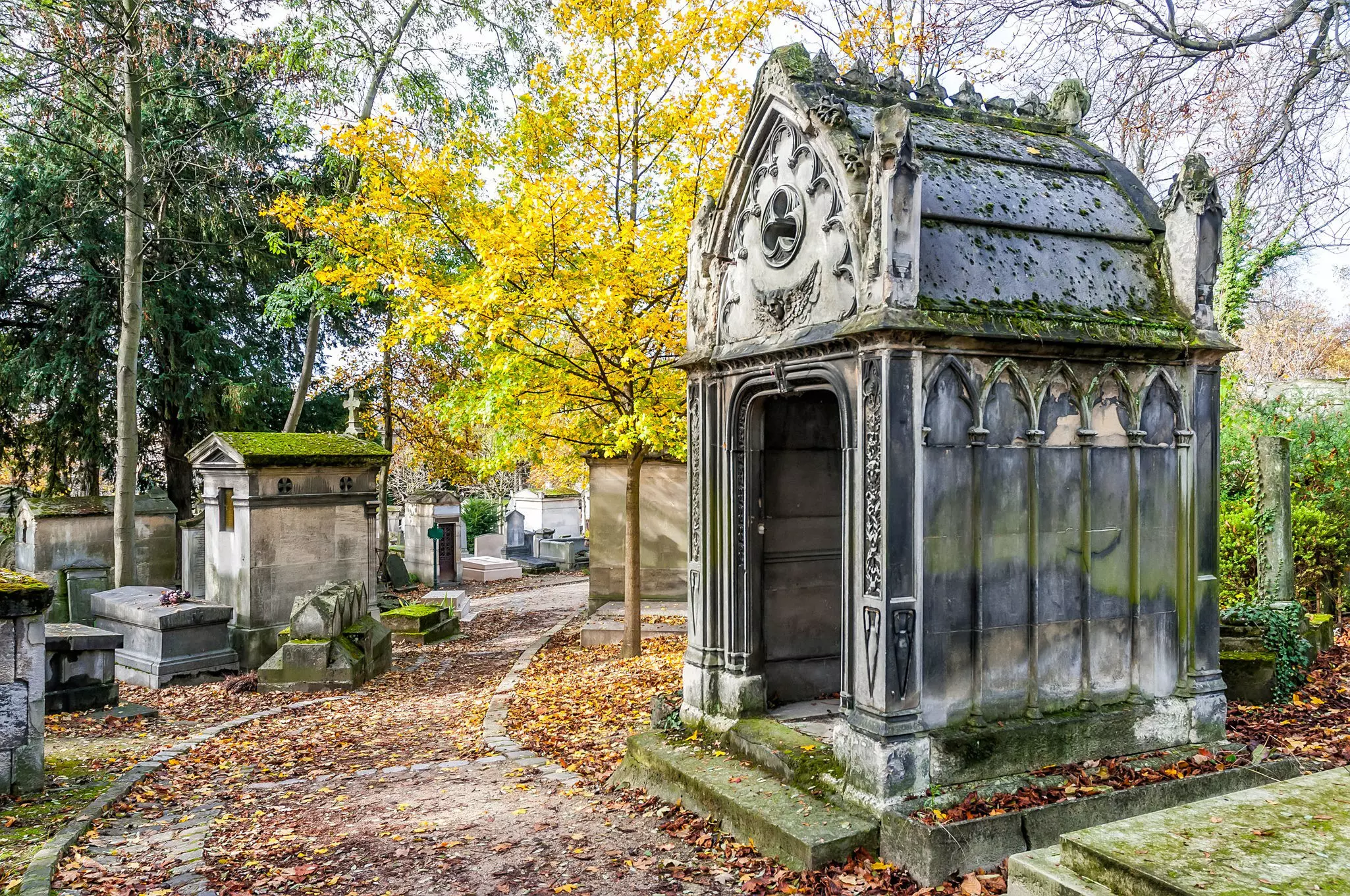
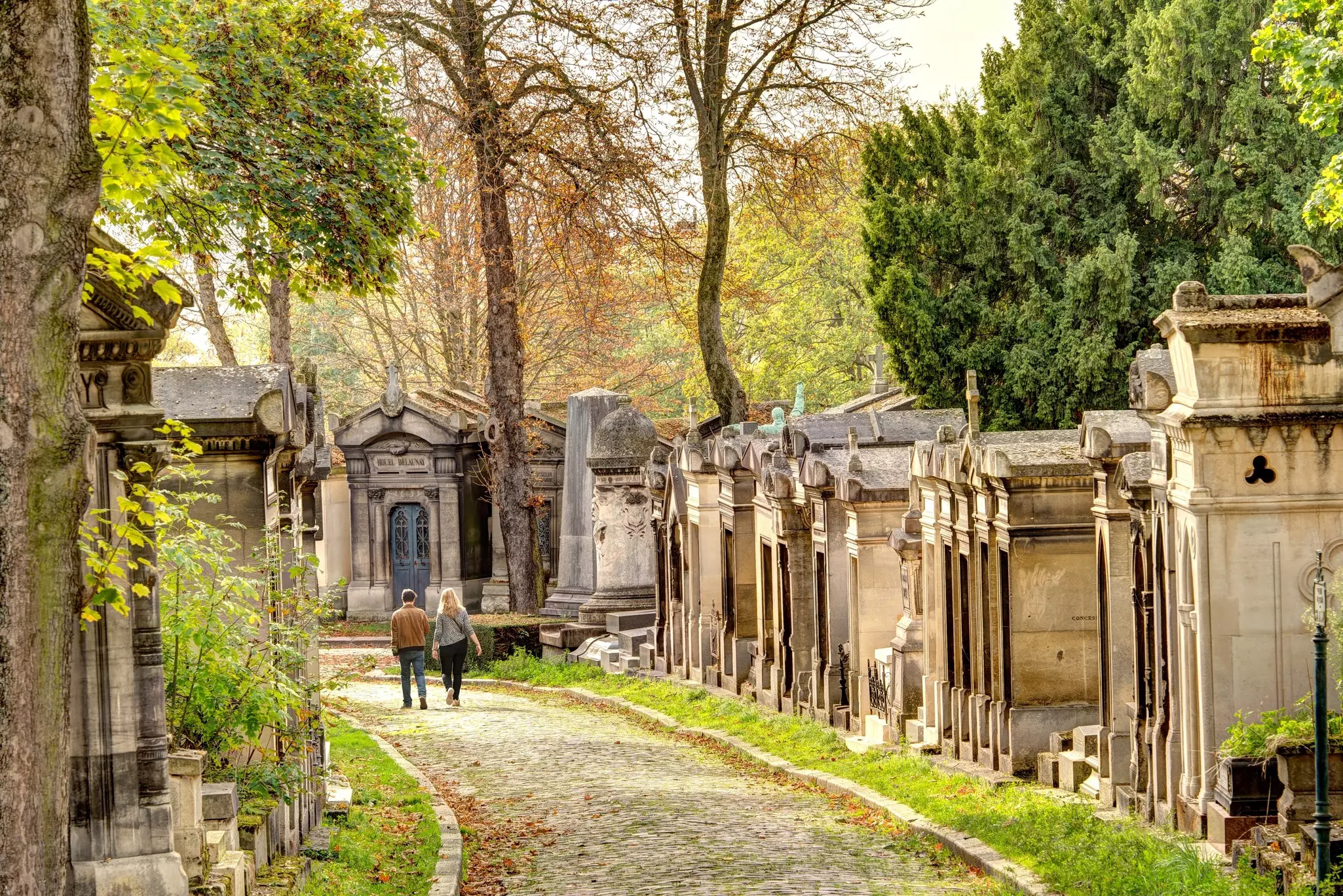
Napoleon Bonaparte ordered the creation of Père Lachaise cemetery in 1804, making the shift from urban burial grounds in crowded and unsanitary church graveyards to one that offered beauty and space. Today, it’s one of the most-visited sites in Paris, with more than 3 million people coming here each year.
The design, across 44 hectares and 70,000 plots, blends an English park with funerary art, including Haussmannian vaults and Gothic tombs. A guided tour offers a deeper dive, showcasing the tombs of Frédéric Chopin, Marcel Proust, Jim Morrison, and Gertrude Stein.
Seek out: Oscar Wilde's art nouveau tomb, crowned by Jacob Epstein's winged sphinx. Decades of lipstick kisses led to a protective glass screen being installed in 2011.
Getting there: Take the metro, bus, or taxi, or walk to the 20th arrondissement, about 4km east of the city center.
Combine your visit: Go to the nearby Atelier des Lumières, an immersive art center.
Where architecture disappears into the forest
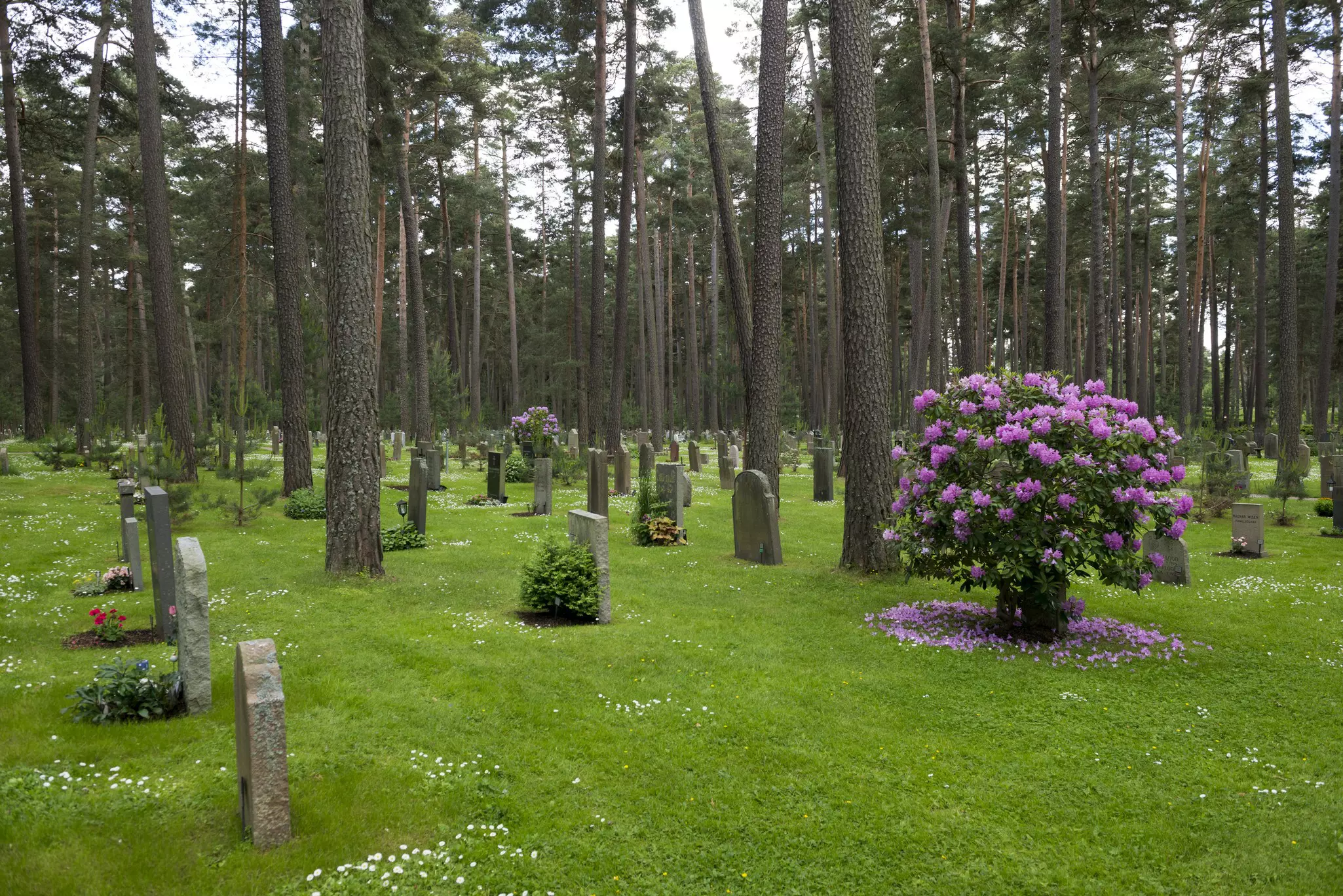
Gunnar Asplund and Sigurd Lewerentz transformed cemetery design with Skogskyrkogården in 1920. Thousands of statuesque pine trees rise above the 100,000 graves across 107 hectares, with a stone cross marking Almhöjden (Elm Hill). A guided public or private tour of the Woodland Cemetery spotlights the history and architecture of the UNESCO World Heritage Site.
Seek out: Greta Garbo's grave, marked simply with her name in gold, per her wish to “go home to Sweden”.
Getting there: The cemetery is located about 5km south of Stockholm Central station. Take Line 18 and walk 5 minutes from Skogskyrkogården station.
Combine your visit: End the day with a walk around the charming Gamla Enskede neighborhood.
Where Poland remembers
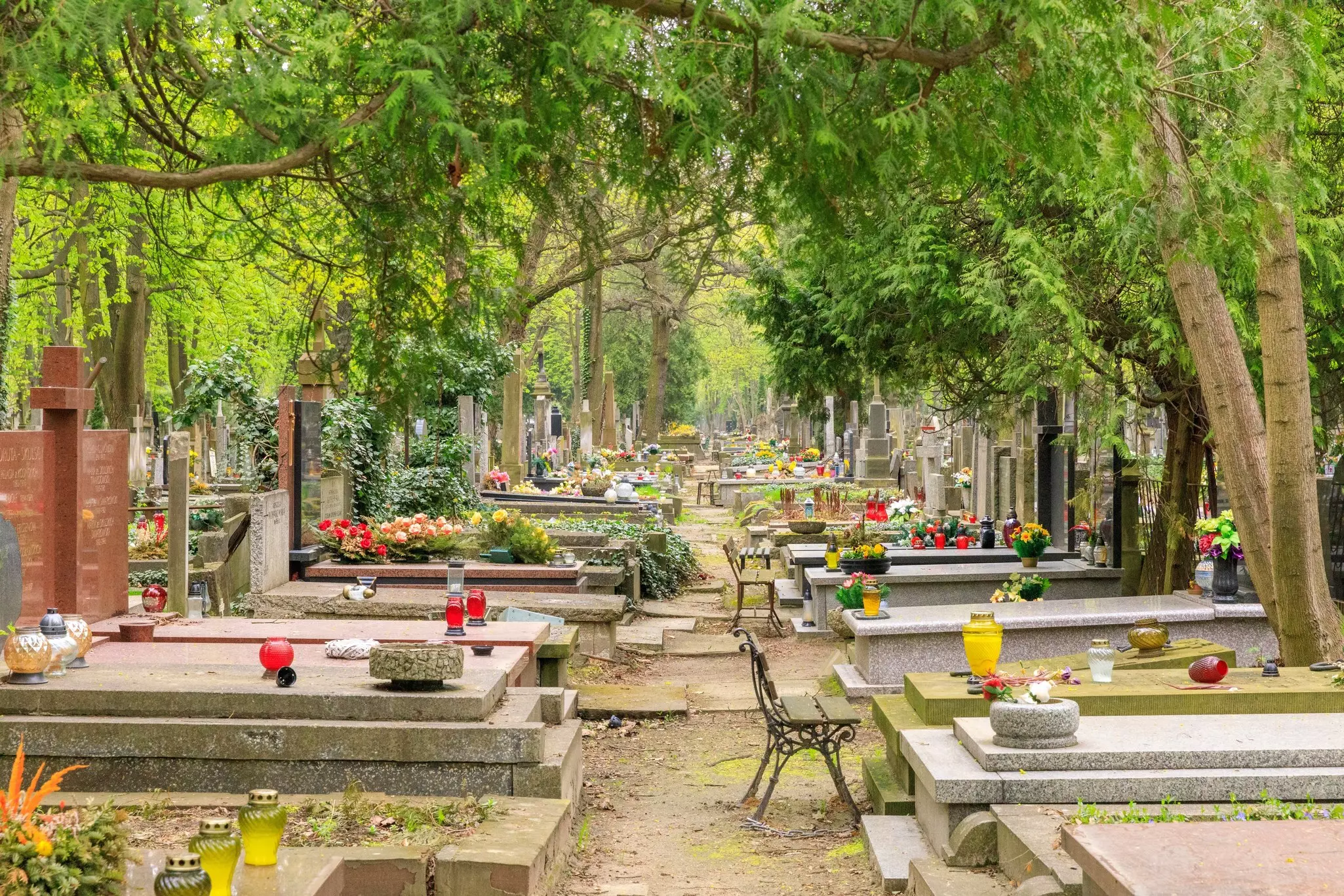
Founded in 1790, Warsaw's oldest Catholic cemetery traces two centuries of Polish history, from the partitions and WWII to the country's rebirth. As many as one million people have been buried across 70,000 graves spread across 43 hectares, with old trees flanking a range of sculptures, from ancient Egyptian to art nouveau.
Among those with their final resting place at Powązki are Nobel laureates, artists, composers and resistance fighters. Take a walking tour and time your visit for All Saints Day (November 1) when thousands of candles turn the cemetery into a sea of light.
Seek out: The grave of Irena Sendler, who helped rescue 2500 Jewish children from the Warsaw Ghetto.
Getting there: The cemetery, located about 5.4km northwest of the city center, can be reached in 15 to 20 minutes by car, bus or tram.
Combine your visit: Go to the Warsaw Rising Museum, about 4km away.
Where Lisbon's grandest families built mausoleums
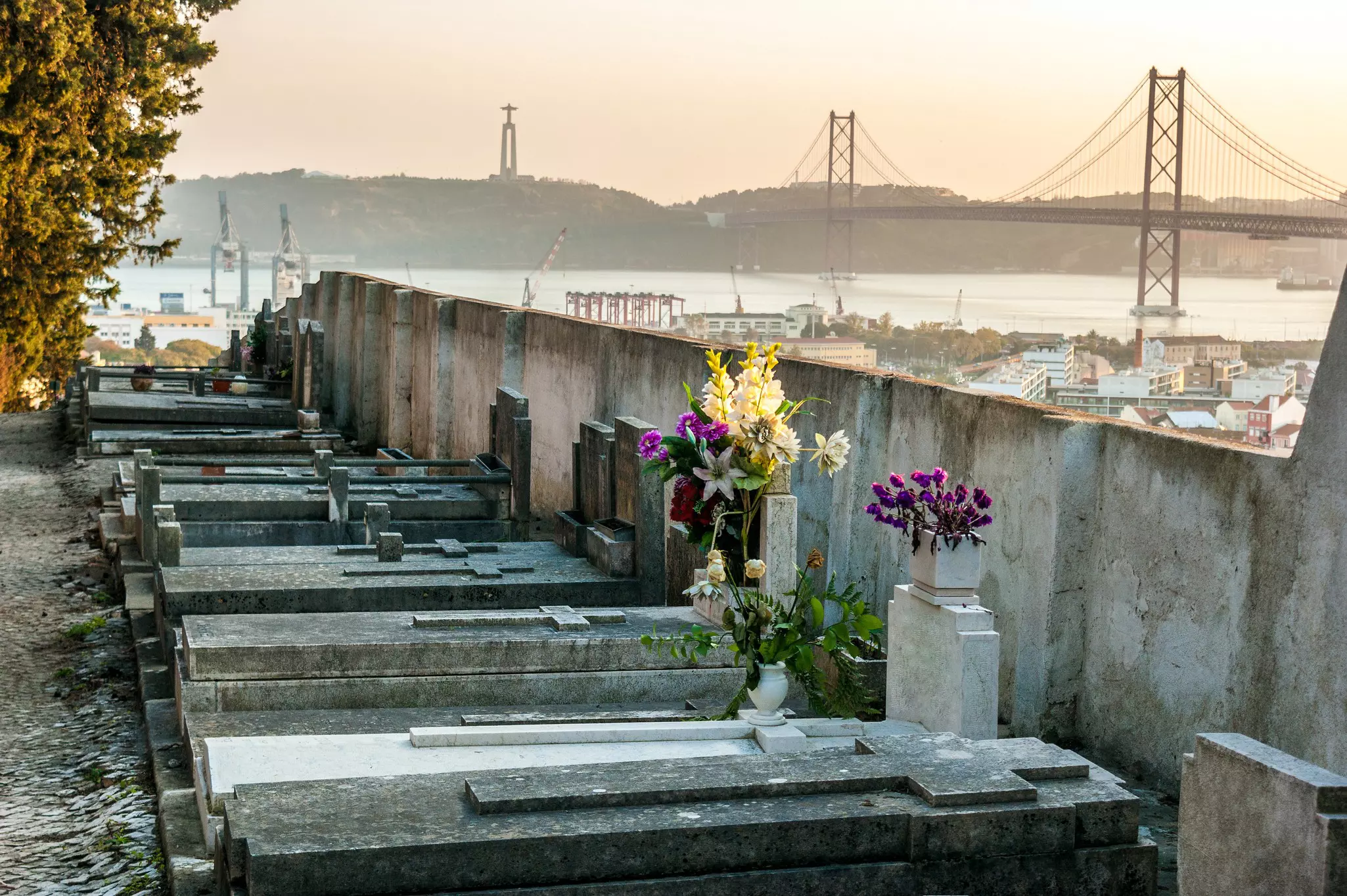
Founded in 1833 during a cholera epidemic, Prazeres became Lisbon's burial ground of choice for the aristocracy. Neoclassical, Gothic and art nouveau mausoleums sit under ancient cypress trees, best explored on a self-guided tour.
Inspired by Père Lachaise, many mausoleums have glass doors with altars, photographs and stained glass inside. Walk through the cemetery for views of the Tagus River, Ponte 25 de Abril and Alcântara valley.
Seek out: Palmela Mausoleum, inspired by Solomon's Temple and the Egyptian pyramids, built in 1848 for the Dukes of Palmela. It is Europe's largest private mausoleum, holding up to 200 remains.
Getting there: Prazeres Cemetery is located about 4km west of Lisbon, about a 25-minute tram ride from the city center.
Combine your visit: End your visit at Campo de Ourique Market, a popular food hall about a 5-minute walk away.
Where death is remembered with a smile
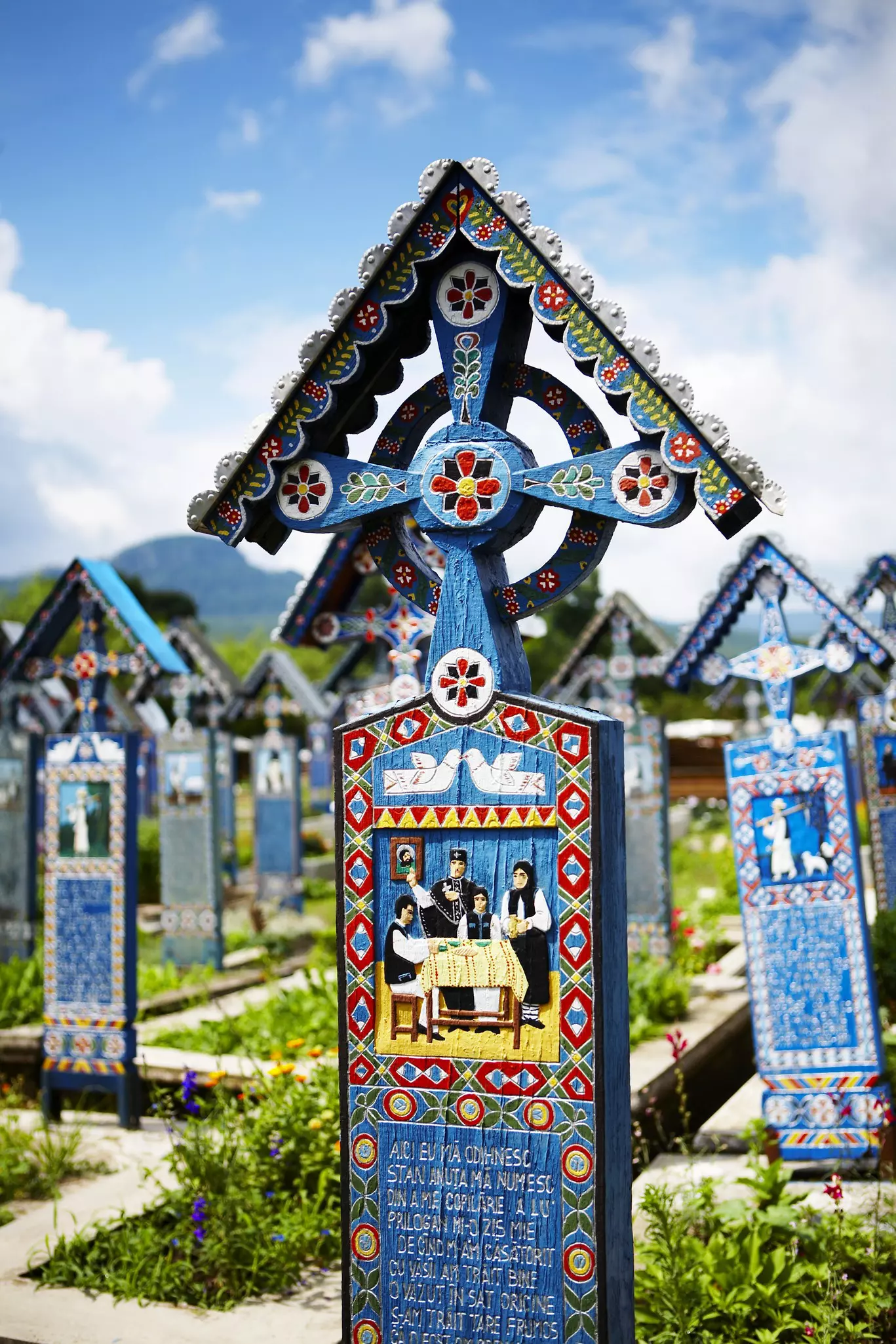
Unlike most cemeteries that appear solemn and sacred, Merry Cemetery offers a playful, almost joyous, look at death. Rows of brightly painted oak crosses, each hand-carved, carry a portrait along with a witty, first-person epitaph. Some are celebratory, others gently mock a fondness for drink or a fiery temper.
Woodcarver Stan Ioan Pătraș began the tradition in 1934, believing a grave should capture personality, not just a date. A walking tour covers his work in detail, revealing the signature Săpânța Blue that now colors more than 800 crosses.
Seek out: Pătraș’ own grave, and the cemetery's most photographed epitaph: an impertinent verse about a bossy mother-in-law.
Getting there: The easiest way to get to Merry Cemetery is from Sighetu Marmației, a 20-minute bus ride away.
Combine your visit: Don’t miss the childhood home and birthplace of Nobel Peace Prize laureate and Holocaust survivor Elie Wiesel in town.
Where a nation's stories rest beneath green arcades
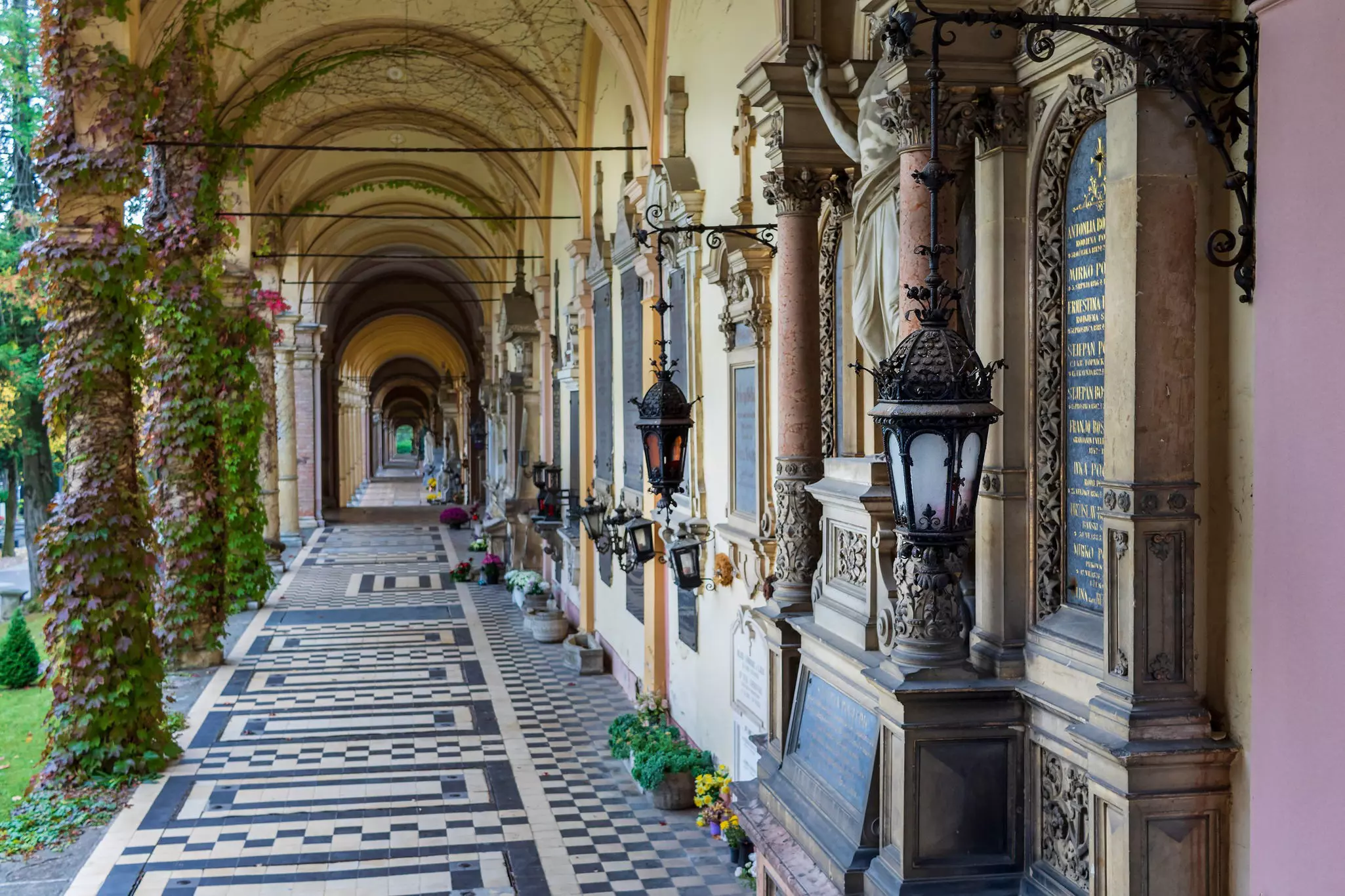
Architect Hermann Bollé designed Mirogoj like a park, with abundant cloisters, impressive tombstones and beautiful arcades. The massive western walls of brick seem to be fortress-like, with small cupolas breaking the monotony.
Opened in 1876, more than 300,000 people – poets, political leaders and sporting heroes – are buried here. Somber memorials mark the world wars, the Croatian War of Independence and the 1976 Zagreb mid-air collision. A dedicated app makes it easy to explore the cemetery on your own.
Seek out: The green oxidized copper domes and the ivy-clad tiled arcades that run past memorials and flowers.
Getting there: Mirogoj Cemetery is located about 4km north of Ban Jelačić Square, a 15-minute bus ride from the city center.
Combine your visit: Explore the landscaped gardens of Maksimir, an 18th-century forested park.
Where death is remembered with color
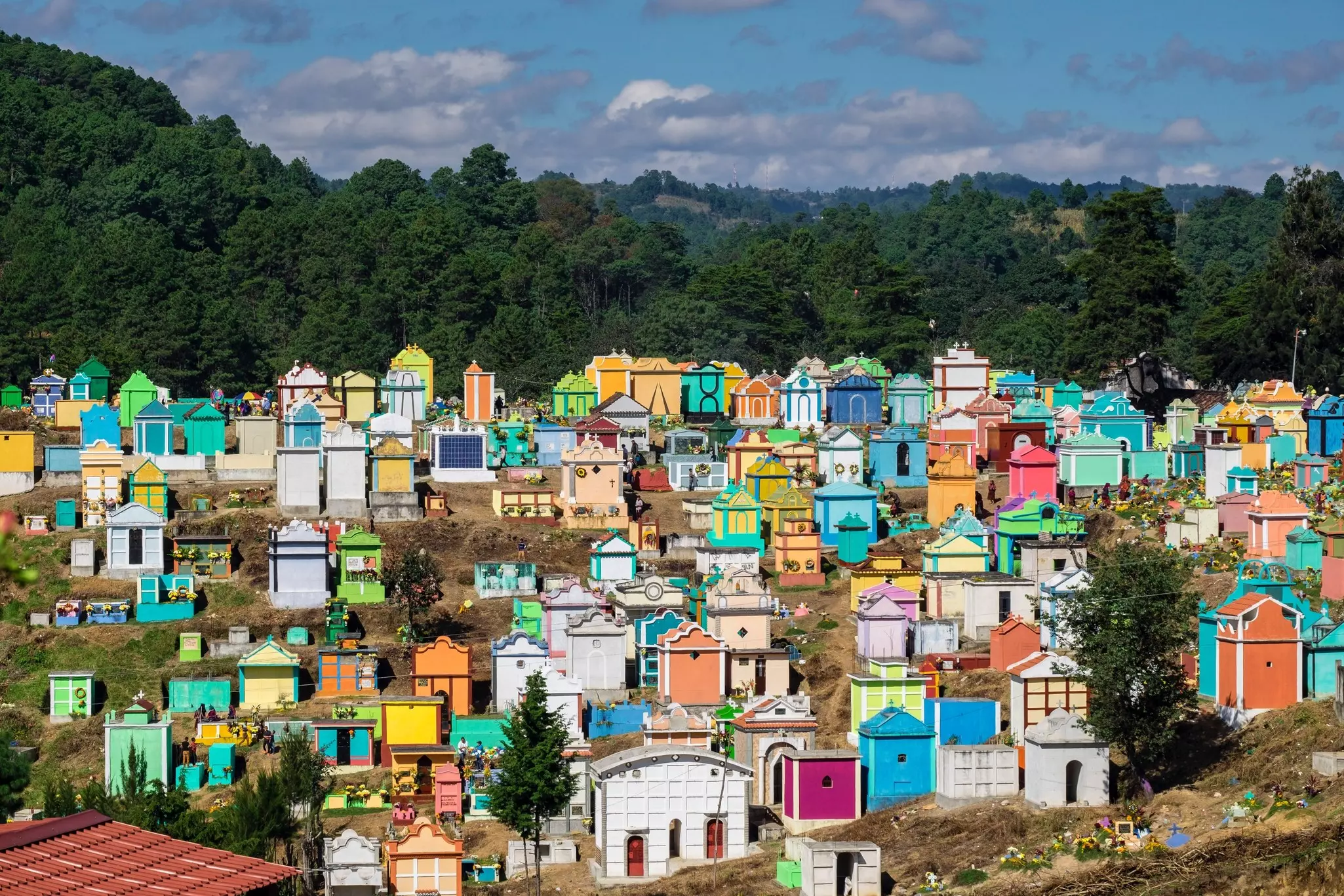
Located on a hillside above the market town, Chichicastenango Cemetery is a burst of color. Rows of crosses and mausoleums painted turquoise, yellow, blue, pink, green and white reveal Guatemala’s brighter outlook on burials.
The colors carry meaning in Maya K'iche' tradition: white for purity, turquoise for protection, yellow for grandparents and the sun. Some simply reflect a loved one’s favorite color. Join a local tour to know more about Maya beliefs that coexist with Catholic tradition here.
Seek out: Visit on the Day of the Dead (November 1 and 2), when families repaint graves and cover the hillside with flowers and candles.
Getting there: Chichicastenango, locally called Chichi, is about 140km from Guatemala. Tourist shuttles abound on market days, Thursdays and Sundays.
Combine your visit: Browse the many stalls selling food, spices, leather goods, handicrafts and flowers.
Where Argentina's history lives behind marble doors
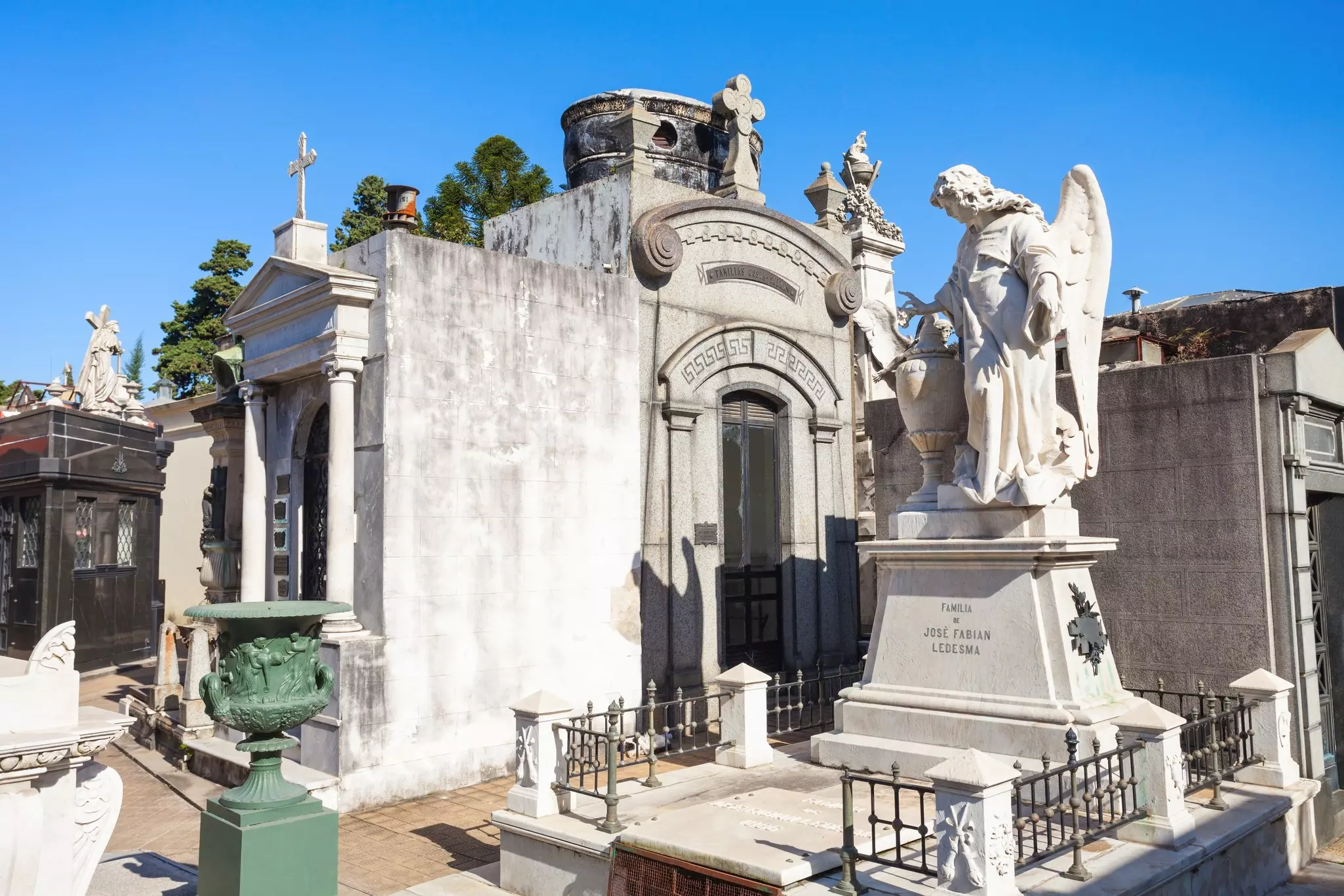
Buenos Aires’ first public cemetery, Recoleta is a veritable "city of the dead." The narrow streets are lined with impressive above-ground mausoleums and decorative sculptures. Recoleta has more than 6000 monuments that span neoclassical, art nouveau, art Deco, and neo-Gothic styles, and offer an alternative journey into Argentina’s history.
A guided tour uncovers the stories behind those buried here: presidents, Nobel laureates, artists and others like Liliana Crociati de Szaszak, whose tomb was recreated as her bedroom after she died on her honeymoon, and David Alleno, a gravedigger who spent his life saving to build his own mausoleum.
Seek out: Politician and actor Eva Perón's heavily fortified grave, located in the Duarte family crypt.
Getting there: Cementerio de la Recoleta is located a 25-minute bus ride north of the city center.
Combine your visit: The Basílica Nuestra Señora del Pilar and Recoleta Cultural Center are nearby.
Where Spanish moss softens every goodbye
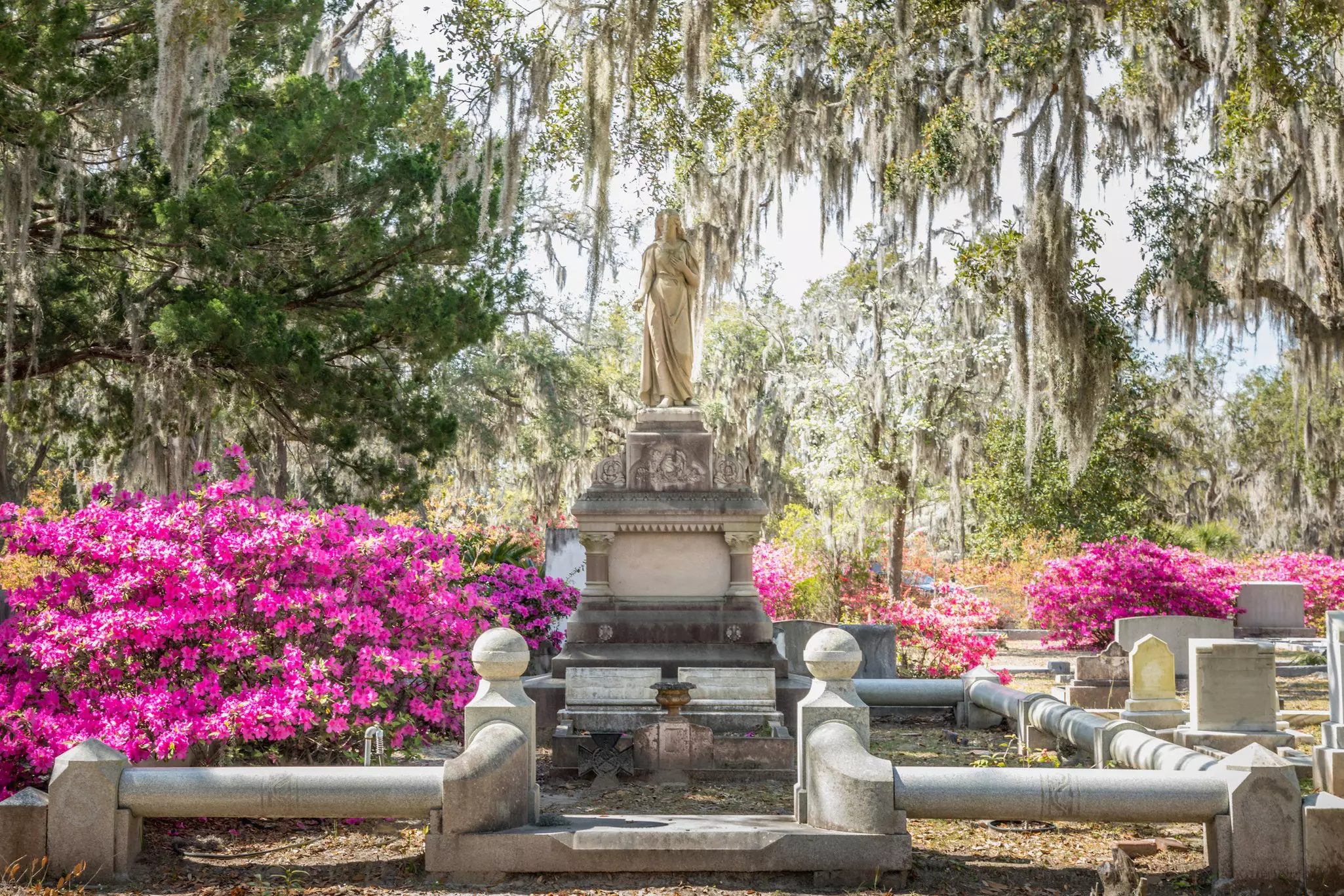
Located on a former plantation, Bonaventure is an overgrown Southern garden in Savannah, with live oaks draped in Spanish moss, flowers everywhere and Victorian monuments and statues.
Established on a bluff overlooking Wilmington River in 1846, it became famous after the 1994 novel Midnight in the Garden of Good and Evil. Songwriter Johnny Mercer and Pulitzer Prize-winning poet Conrad Aiken are among the thousands buried here. A free tour from Bonaventure Historical Society or a 2-hour walking tour cover the history.
Seek out: The Lawton family plot, with a sculpture of Jesus Christ at Heaven’s Gate.
Getting there: A 20-minute cab ride takes you to the cemetery, about 8km east of Savannah's Historic District.
Combine your visit: Don't miss cannon firings at Old Fort Jackson.
Where New Orleans built its grandest city of the dead
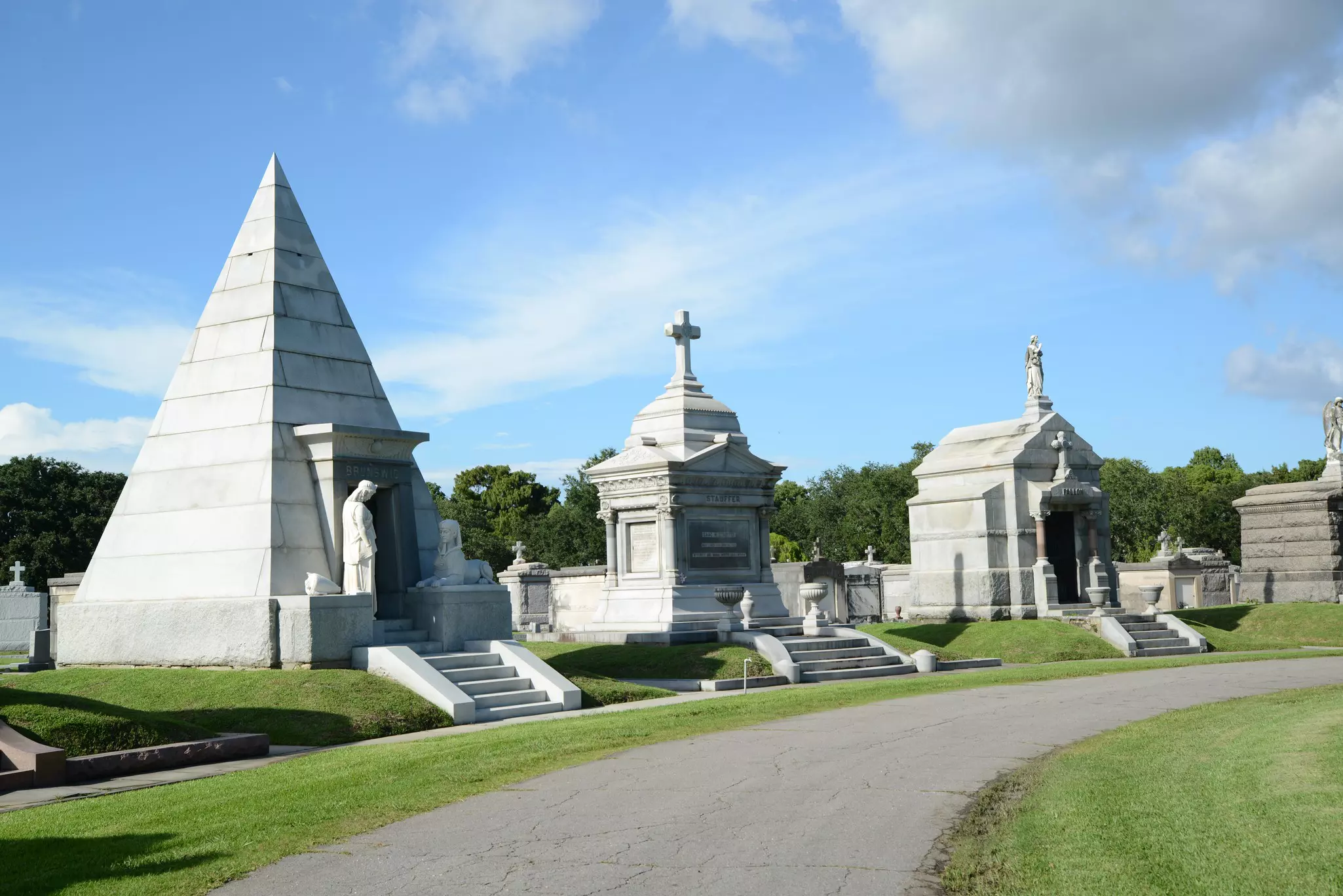
Once upon a time, Metairie Cemetery was a race course. It then served as a Confederate camp till the American Civil War; after that, it became a burial ground.
Like other New Orleans cemeteries, Metairie favors above-ground tombs, and you'll see everything from Greek temples and Gothic mausoleums to Egyptian pyramids and Celtic crosses. A walking tour reveals more about the history and the 120,000 people buried here, from politicians and officers to musicians and Mardi Gras royalty.
Seek out: The Brunswig Mausoleum, an Egyptian pyramid guarded by a sphinx, and the Moriarty tomb, said to be America’s tallest family monument.
Getting there: The cemetery is located about 9km northwest of the French Quarter, a 40-minute ride on the New Orleans RTA.
Combine your visit: End your visit with a walk along Lake Pontchartrain Lakefront Trail and a snack at Longue Vue House’ s garden cafe.
Where a forest path leads to Japan’s holiest ground
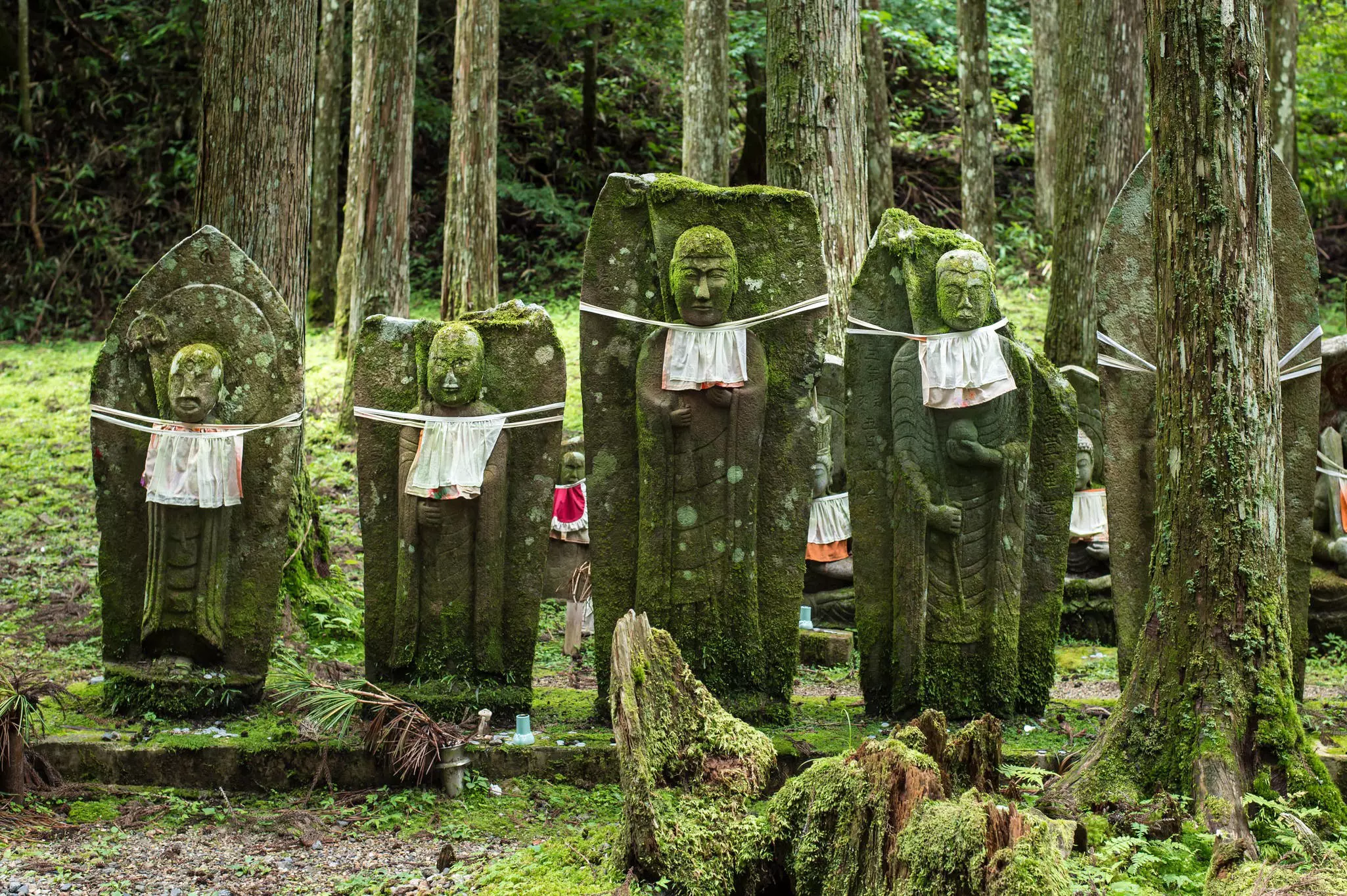
The journey to Okunoin Cemetery begins at Ichi-no-hashi Bridge, which marks the transition from the ordinary world into the spiritual. Follow the 2km stone path through cedar and moss, and reach the mausoleum of Kōbō Daishi, who founded Shingon Buddhism over 1200 years ago.
Okunoin, with more than 200,000 graves, is Japan's largest cemetery. A visit here feels like a pilgrimage. Join a morning tour to witness rituals like shojingu (offering of meals) or a night tour for something quieter.
Seek out: The Torodo (Hall of Lanterns), with more than 10,000 lanterns kept permanently lit.
Getting there: About 85km from Osaka, Koyasan is best accessed by Nankai Railway from Namba or Shin-Imamiya stations.
Combine your visit: Tour the arts, crafts and sculptures at Reihokan Museum.
Where every grave looks out to sea
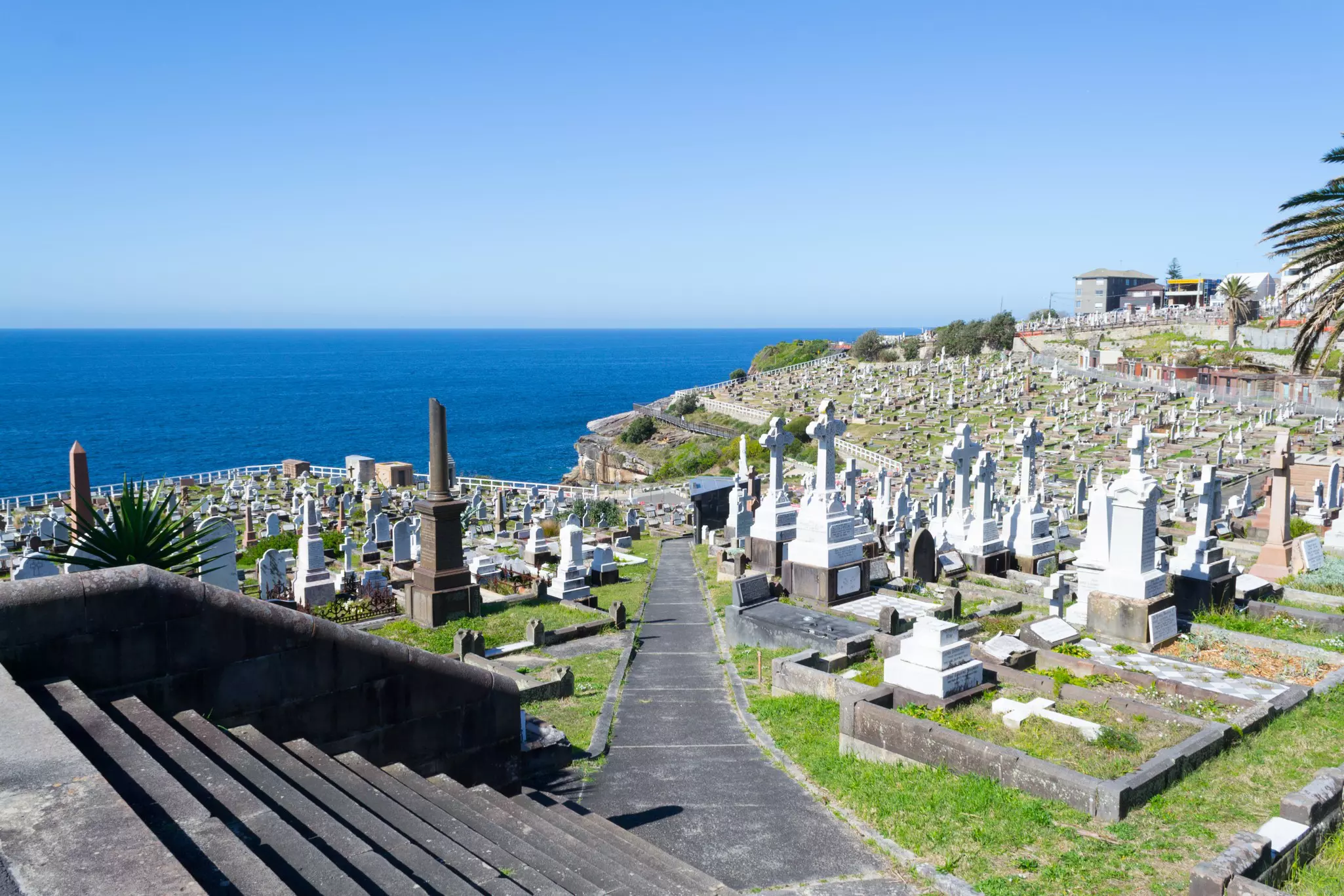
Waverley sits on the cliffs of Bronte in Sydney, offering a stunning view of the Pacific Ocean. Victorian and Edwardian marble monuments, statues and vaults rise above the crashing waves, offset perfectly by the blue sea.
Opened in 1877, the cemetery is the burial site of politicians, writers and sporting heroes alongside ordinary Sydneysiders. A walking tour through the resting places of approximately 100,000 people traces the city’s growth, from military outpost to global city.
Seek out: The ocean views from the section nestled in the cliffs, best at sunrise or sunset.
Getting there: Waverly is about 8km southeast of the city center; take a train-and-bus combination to reach it in about 25 minutes.
Combine your visit: Have some downtime at Bronte Beach and Baths or Bronte Park.
Do your homework on local customs regarding offerings, photography and behavior.
Stick to the paths and give graves a wide berth.
Maintain a respectful distance during ongoing funerals.
Speak softly so as to not disturb others who may be mourning.
Keep your hands off old stone. It can erode very easily.
Selfies are not a good idea, especially when the cemetery is crowded.
Stay alert. Remote or quiet cemeteries aren't always as empty as they seem.
Explore related stories