Oct 13, 20268 min read
9 of the Best (Lesser-Known) Christmas Markets in GermanyOct 13, 2026
8 MIN READ

Writer
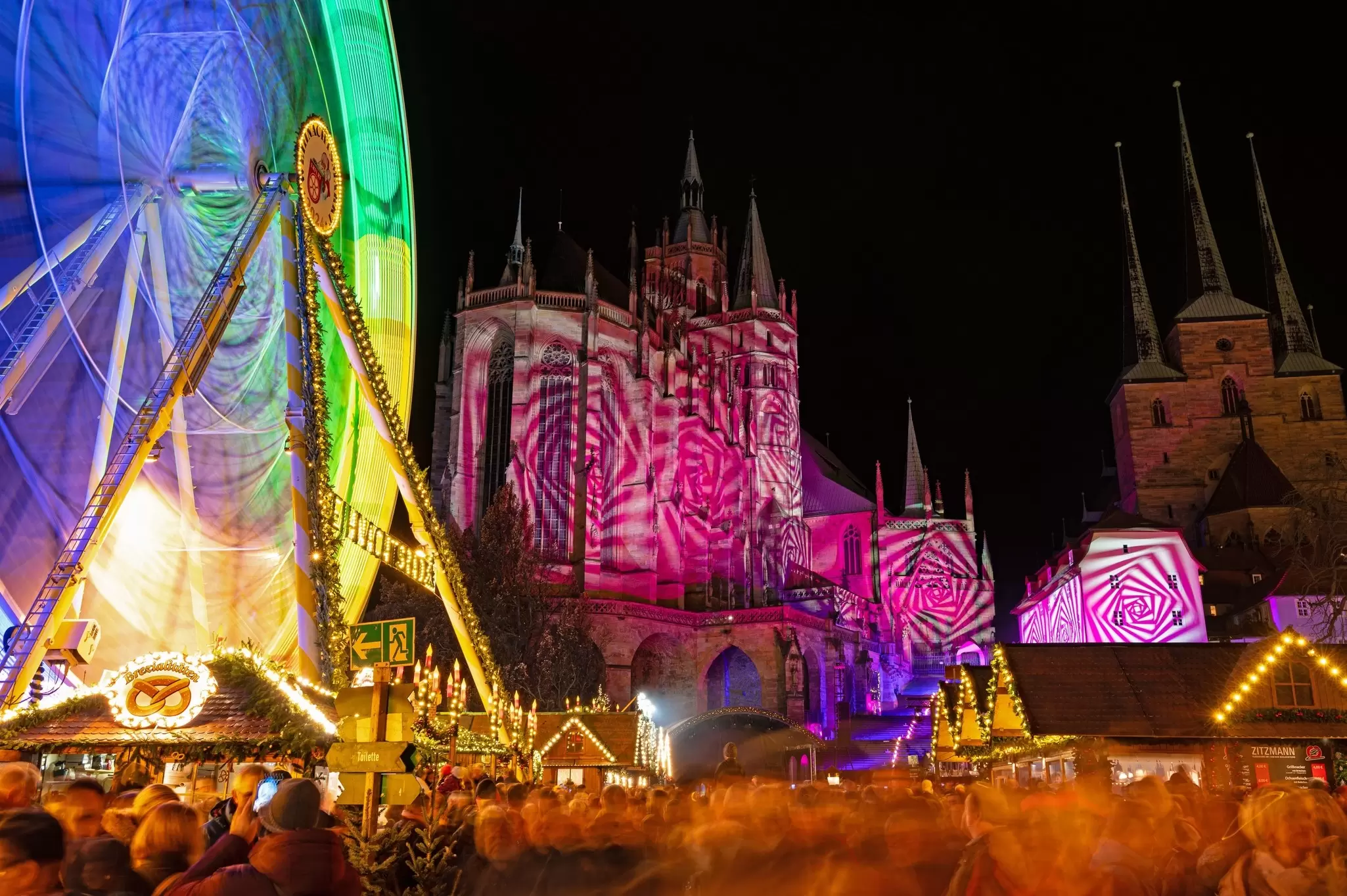
Erfurter Weihnachtsmarkt. AlexBuess/Shutterstock
Writer
Lonely Planet may earn a commission from affiliate links on our site. All recommendations and reviews reflect our own independent opinions.
Germany didn’t invent Christmas, but it gave the world a lot of the fun parts: the Christmas tree, the Advent wreath, the Advent calendar and, best of all, the Christmas markets. Dresden’s Striezelmarkt dates back to 1434, and today, thousands of markets light up the country every December, drawing millions of visitors.
Everyone knows the big hitters: Nuremberg, Dresden, Cologne. They are magnificent, and magnificently busy. This list below heads the other way, to smaller, stranger markets where Christmas has a twist. Sip hot punch beneath a forest planted in a medieval square. Slip through the gates of courtyards that open only for Advent. Descend into centuries-old wine cellars, cross a lake to Austria by Christmas ship, or visit a toy-making village that may be Santa’s real workshop. And on Hamburg’s Reeperbahn, the market comes with a side of burlesque.
Most markets open in late November and run until Christmas, though a few linger into the new year. Exact dates and hours may vary, so check ahead.
Best for a market crawl
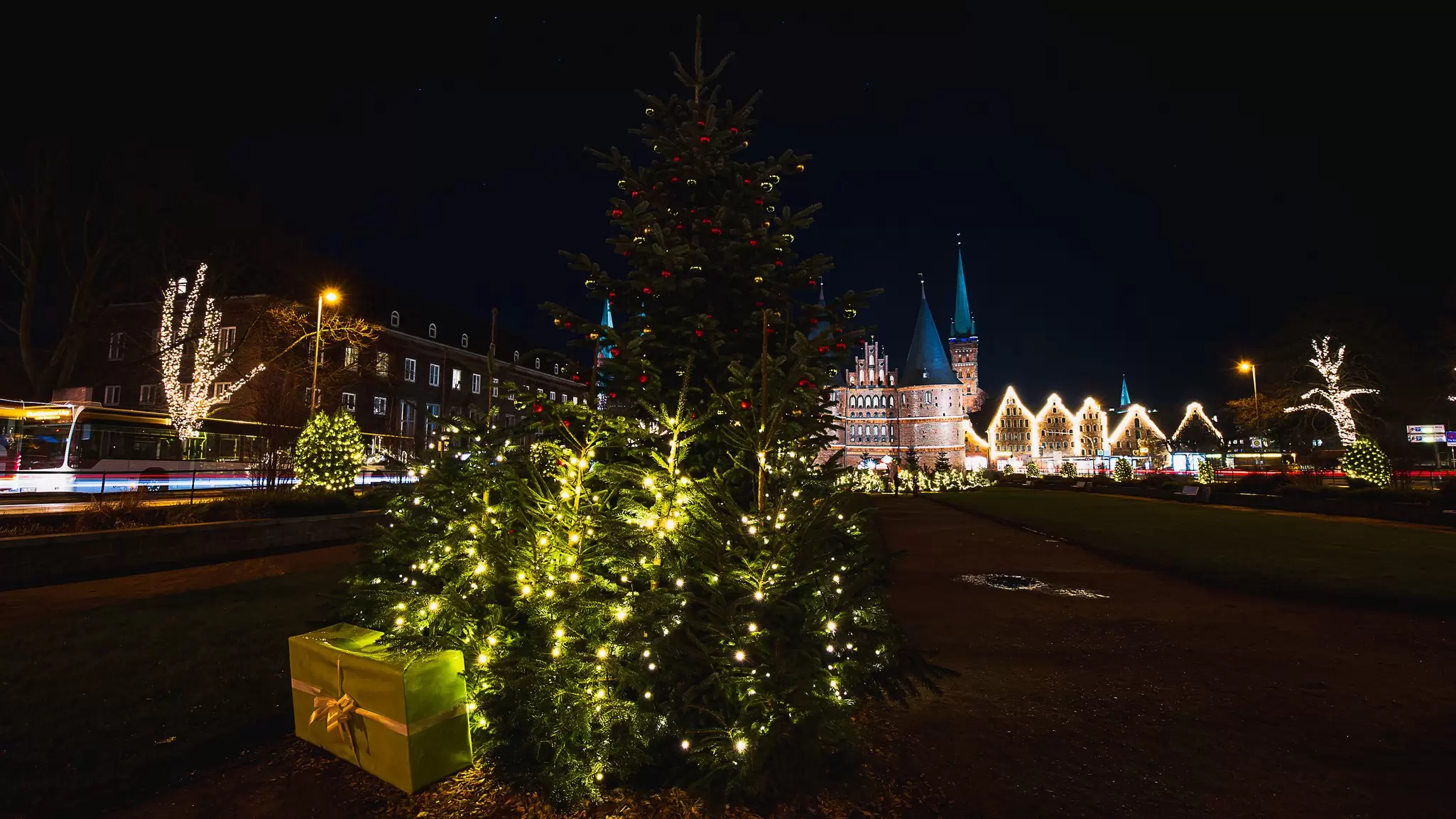
Lübeck doesn't do Christmas by halves. The former Hanseatic powerhouse, some 70km (43 miles) north of Hamburg, calls itself Weihnachtsstadt des Nordens (Christmas City of the North), and with 11 festive markets scattered across its UNESCO-listed old town, it has plenty to back the claim. Start beneath the Gothic Rathaus, where a Christmas market was first documented in 1648. Then slip behind St Mary’s Church to the Märchenwald, where 20 little wooden huts feature handmade Grimm fairy-tale scenes. For special gifts, head to the Heiligen-Geist-Hospital, where artisans fill vaulted halls and tiny wooden cabins. Prefer the water? Head to Hafenglühen, a cozy spot by the harbor, for fish snacks, Matrosenpunch and daily live music.
Planning tip: Go between November 27 and December 6, 2026, to catch the Heiligen-Geist-Hospital market.
Best for Glühwein with glitter
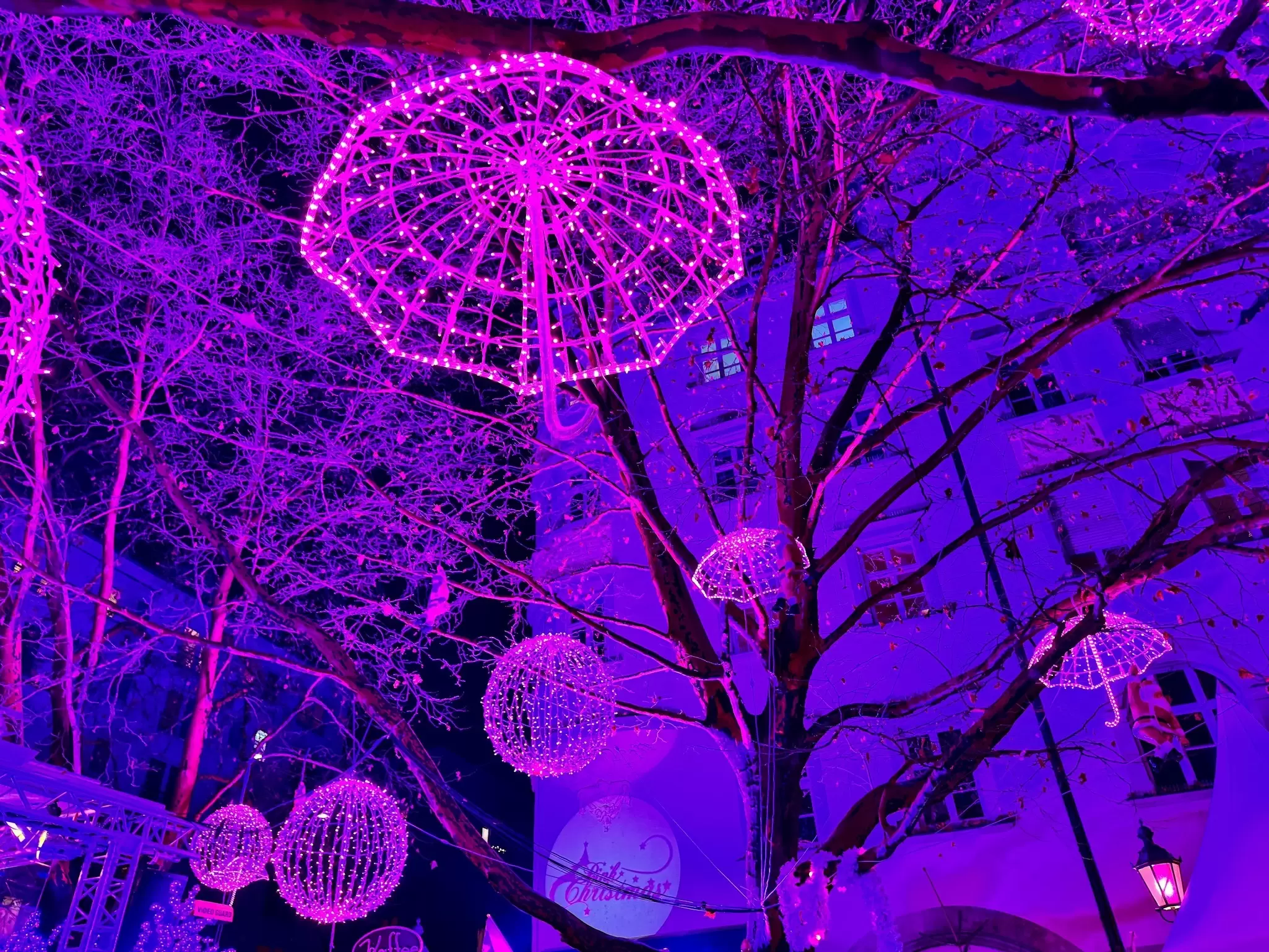
Munich does Christmas on a grand scale, from the famous Christkindlmarkt on Marienplatz to more than a dozen others around town. Small but mighty Pink Christmas is a different beast, less market than a party that happens to pour mulled wine. Tucked into tiny Stephansplatz in the Glockenbachviertel, the city’s queer quarter, it glows hot pink with fairy-lit trees, sleek pagoda tents, a prosecco bar and a DJ spinning Christmas evergreens (Last Christmas, anyone?) every evening. On some nights, drag queens and cabaret dancers strut over the pint-sized stage. Going strong since 2005, it was created by the Munich LGBTQ+ community but welcomes everyone – fitting for a city that elected its first openly gay lord mayor in 2026.
Planning tip: Arrive after 6pm for the DJs, then carry on to the Glockenbach bars nearby when the market winds down.
Best for a dramatic setting
About 145km (90 miles) east of Leipzig, Erfurt delivers Christmas with a theatrical flourish. Domplatz becomes the main stage, with the Gothic St Mary’s Cathedral and St Severus Church looming above myriad stalls. The best seat in the house is in a Ferris wheel cabin drifting up from the aroma of roasted almonds into the sharp winter air. Back on terra firma, more than 200 huts sell everything from indigo-printed textiles to Thuringian bratwurst, while a five-tier Christmas pyramid guards the market entrance, and a nativity scene of life-size figures holds court nearby. Save room for Erfurter Schittchen, the city’s centuries-old take on Christmas stollen, then follow the lights to the Krämerbrücke, a medieval bridge lined end to end with tiny shops and houses.
Planning tip: This is no hidden gem. Come on a weekday or earlier in the afternoon if you want Domplatz with a little breathing room.
Best for Christmas forest flair
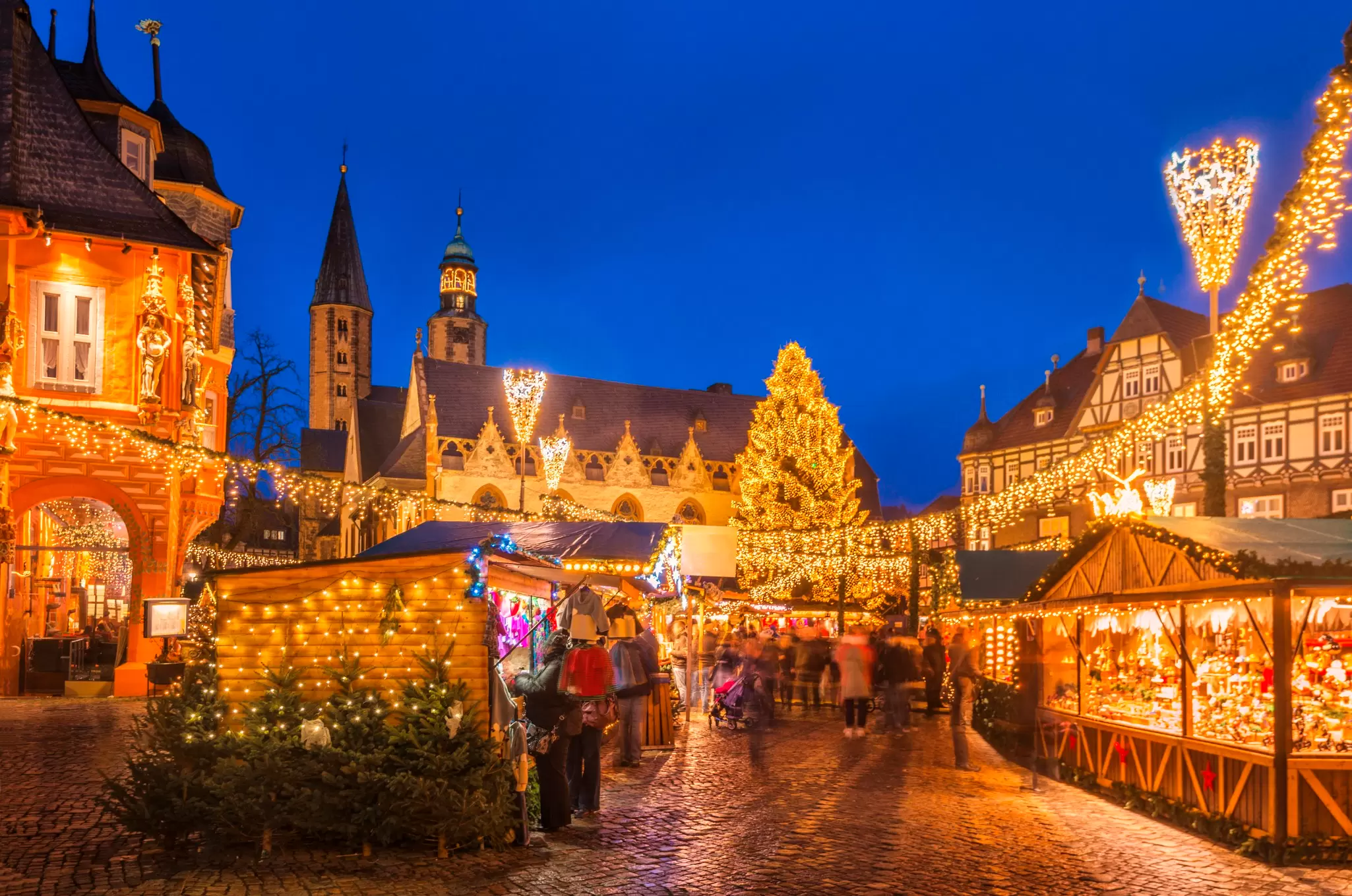
Goslar is already storybook material, with twee lanes flanked by half-timbered houses weaving through its UNESCO-listed old town, about 90km (55 miles) southeast of Hanover. Then, at Christmas, a little piece of forest appears right in the middle of it: the Weihnachtswald. On the medieval Schuhhof square, dozens of fir trees – illuminated by some 160,000 tiny glittering lights – rise from a bed of pine-scented ground. With a mug of hot punch in hand, it feels as though you’ve wandered into a woodland clearing. The idea is such a Goslar original that the city trademarked the name. Beyond the trees, wooden huts spill into the surrounding streets with crafts, gifts and plenty to eat. Go after dark, when the forest does its best work, and save room for a Bratapfel (baked apple).
Planning tip: While in Goslar, descend into the depths of Rammelsberg, the 1000-year-old UNESCO-listed mine just outside the old town.
Best for lakeside romance
Many German Christmas markets squeeze into a cobbled square. Lindau, near the Austrian border, puts its Hafenweihnacht on an island in Lake Constance. Strings of lights shimmer across the dark water, the Bavarian lion and lighthouse frame the harbor mouth, and on clear days, the Alps rise on the far shore. It’s the kind of scene that makes you stop mid-sip. Over 90 stalls line the harbor promenade, slinging regional products, fair-trade gifts and winter treats such as Baumstriezel, a sugar-dusted spiral pastry. Pick a stall on the waterfront, grab a mug of mulled wine and let the Alps do the rest.
Planning tip: Hop aboard the Christmas ship to Bregenz, Austria, where a winter forest, nativity scenes and a model railway turn the crossing into an attraction of its own.
Best for a not-so-silent night
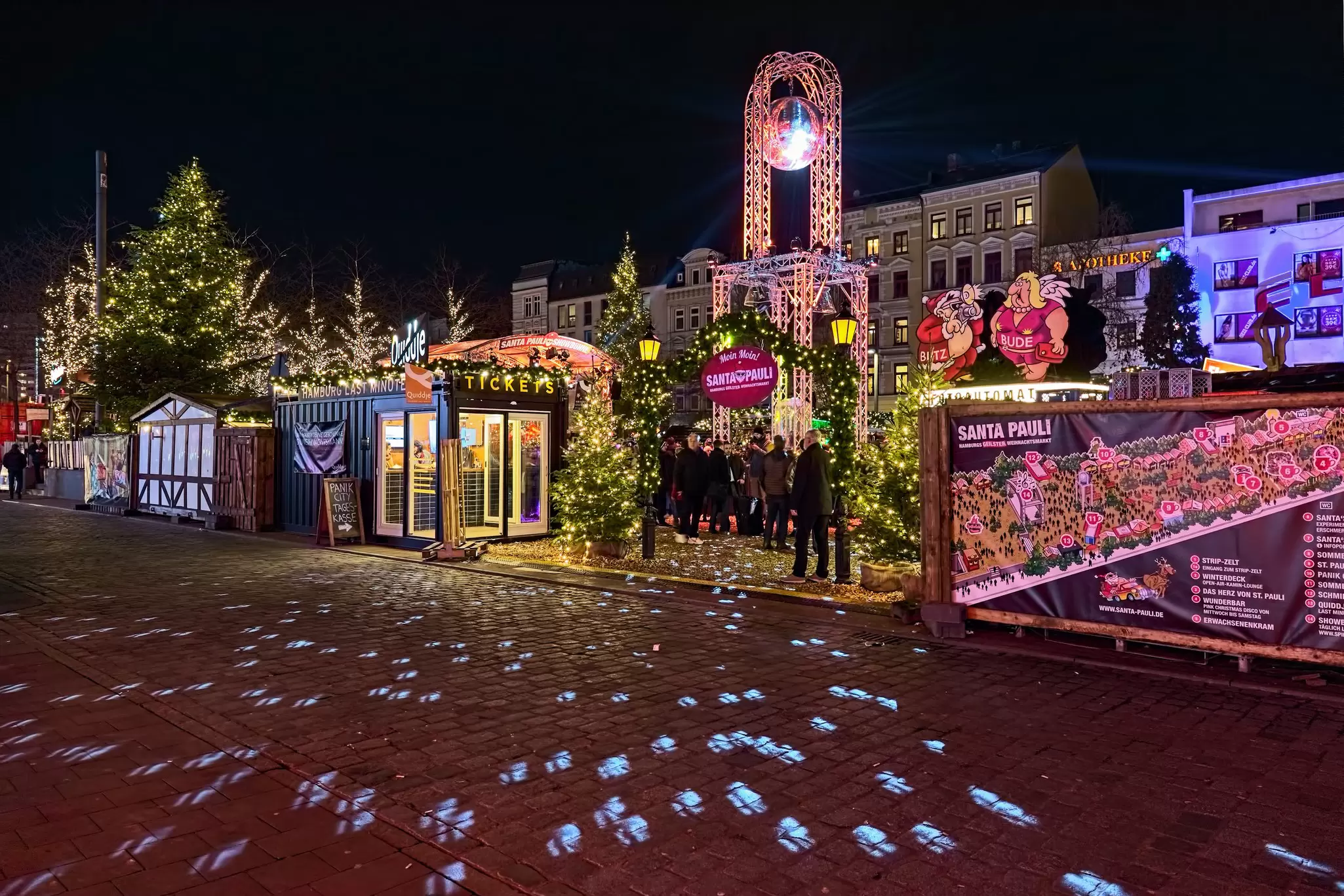
Hamburg’s Reeperbahn has its own ideas about Christmas, and they’re not exactly innocent. Enter Santa Pauli market, which takes over Spielbudenplatz with fairy lights, mulled wine and live music, plus burlesque, strip shows and naughty gifts that would raise eyebrows at a church bazaar. Don’t skip Santa’s Glühweinapotheke, where staff in white coats let you play pharmacist, dosing red or white wine with pipettes of cinnamon, clove, plum, orange and star anise. For more liquid fun, claim a sofa by the crackling fireplace on the Winterdeck and order one of its cheekily named hot cocktails. After all, nobody expects you to be tucked up in bed by nine.
Planning tip: The burlesque and strip shows – featuring both men and women – are on from Thursday to Saturday from 9:30pm.
Best for original craft traditions
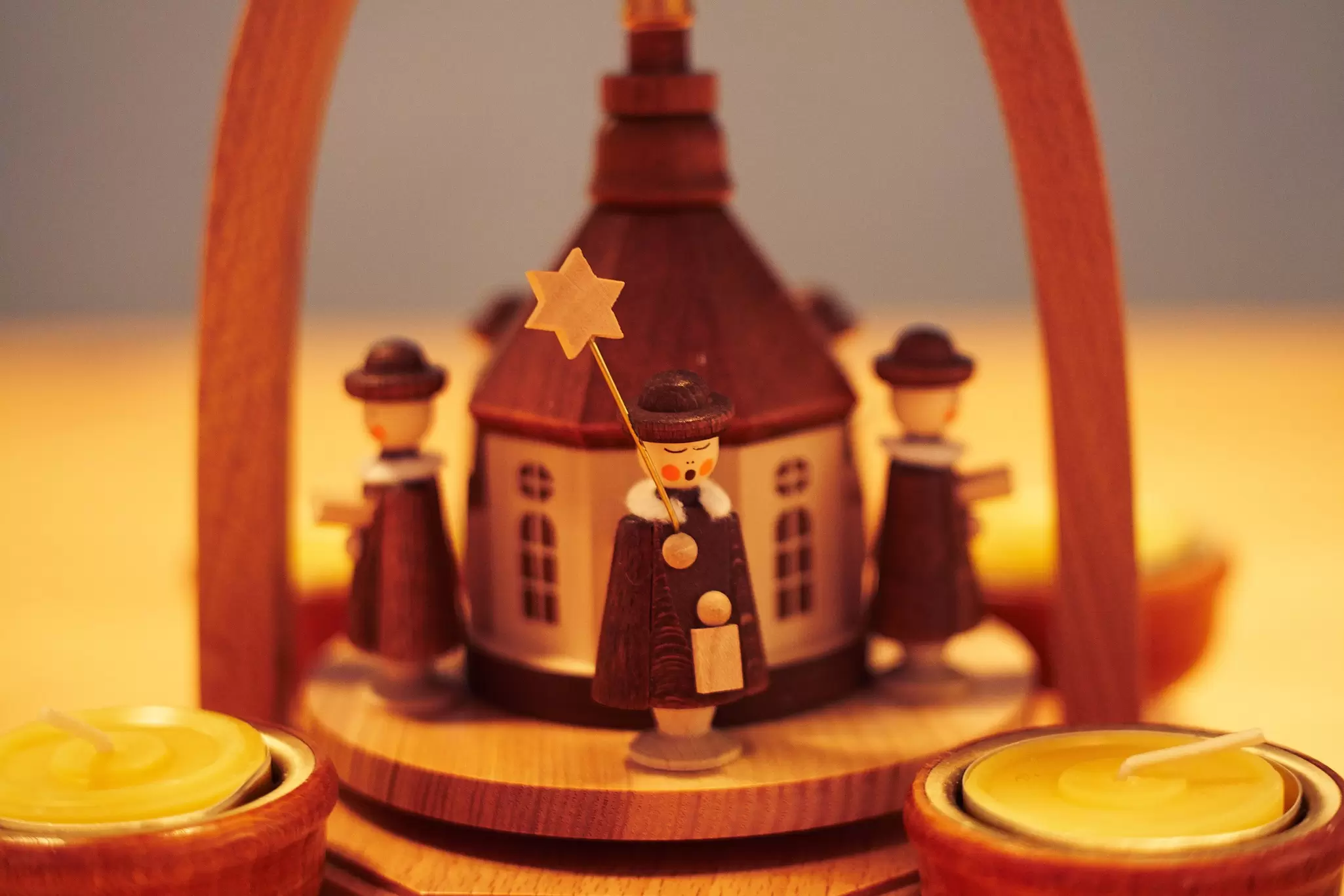
Forget the North Pole. If Santa has a real workshop, it’s in Germany’s Ore Mountains. All those nutcrackers, incense smokers, candle arches and spinning pyramids have deep roots in this rural region about 65km (40 miles) south of Dresden. These enchanting Christmas crafts are deeply tied to its centuries-old mining culture and the miners’ longing for light in the dark of winter. If you only have time for one stop, make it Seiffen, a toy-making village where woodturning and carving are still living trades passed down through generations. Browse the stalls, watch artisans at work and drop by the toy museum. Time your visit for Saturday, December 12, 2026, when more than 400 costumed marchers take part in the big miners’ parade.
Planning tip: If you have a car, pair Seiffen with Annaberg-Buchholz, about 45km (27 miles) away, where some 80 stalls sprawl below the late-Gothic St Anne’s Church.
Best for going underground
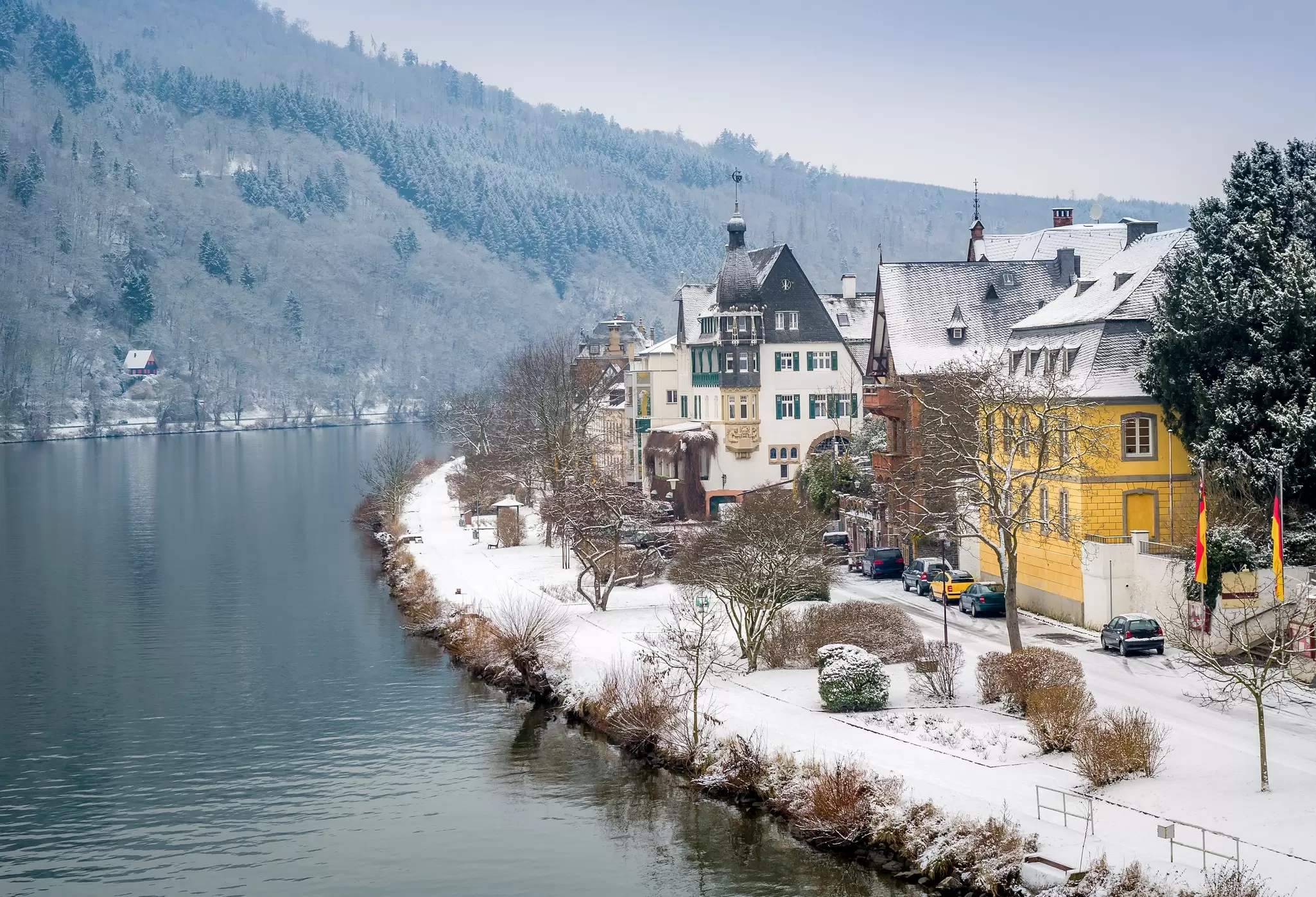
Christmas markets often mean numb toes. Not so in Traben-Trarbach, on the Moselle between Trier and Koblenz, where Christmas moves underground. Around 1900, this little wine town was Europe’s second-largest wine-trading center after Bordeaux, and the boom left it honeycombed with vast cellars, some more than 100m (328ft) long. During Advent, several of them open for the Mosel-Wein-Nachts-Markt, with stalls tucked beneath old stone vaults selling crafts, jewelry, antiques, treats and, naturally, plenty of wine. With dim light and the scent of old wooden barrels, it feels like entering a speakeasy where the password is Riesling.
Planning tip: The cellars are cool and can be damp underfoot, but warm up once they fill. Wear shoes with grip and layers you can shed.
Best for courtyard hopping
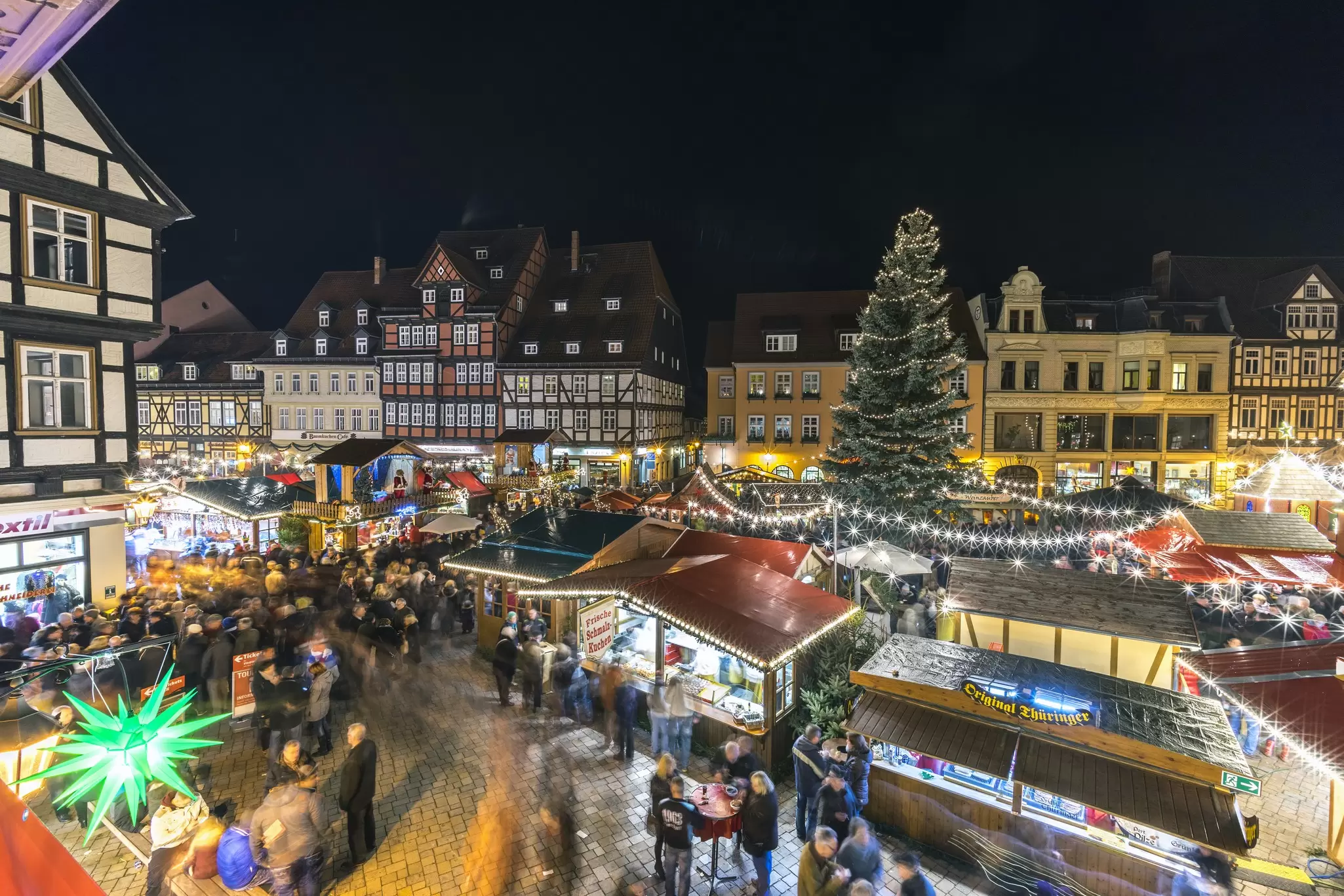
Quedlinburg looks like Christmas central casting: crooked timber-framed houses, wiggly cobbled lanes and tiny squares. This UNESCO-listed town on the edge of the Harz Mountains hosts a main market around the Rathaus, but the real magic is Advent in den Höfen. On the first three Advent weekends, hidden courtyards swing their gates open to reveal pocket-sized winter wonderlands, each with its own line-up of handcrafted gifts, tasty bites, warming drinks and live entertainment. Treat it like a treasure hunt: you never know what’s behind the next gate.
Planning tip: At 4:30pm, head up Schlossberg for the Living Advent Calendar. Each day from December 1 to 24, one of 24 festively decorated houses opens its door to reveal a sweet surprise. Follow the crowd in search of the door marked with a big A, and watch kids’ faces light up.
To start planning your trip, download the Lonely Planet app or check out our Germany guidebook for local tips, maps and more.
Book your Germany trip with Lonely Planet Journeys
See Germany how it's meant to be seen
Accommodations, activities and ground transportation all taken care of, so you can focus on the fun part. Tell us what your dream trip to Germany looks like, and our local experts will build it from scratch. Or start with one of our itineraries and make it your own.
Explore related stories