Sep 20, 20266 min read
A Guide to Dessau, GermanyAug 28, 2026
6 MIN READ
Writer
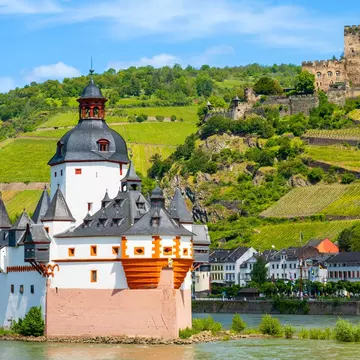
Pfalzgrafenstein castle on the Rhine river. Julia Lav/Shutterstock

Writer
Highlights
Writer Hugh McNaughtan picks eight destinations in Germany, from the Rhine Valley to Berlin.
The Rhine Valley, Baltic Coast and Black Forest offer dramatic scenery and pristine nature.
History buffs should head to Cologne, medieval Rothenburg ob der Tauber, and Erfurt and Weimar.
Munich is the gateway to the Bavarian Alps; Berlin serves up culture and nightlife.
Lonely Planet may earn a commission from affiliate links on our site. All recommendations and reviews reflect our own independent opinions.
At the heart of Western Europe is Germany, a boundless feast for travelers. Deciding between its history-rich yet cutting-edge cities, romantic forests and cultural riches can make planning a visit daunting. Take it slow and start with our picks of the best places to go in Germany.
To explore more and continue planning your trip to Germany, download the Lonely Planet App, or check out our Germany guidebook.
Best for scenery
As the Rhine, Germany’s second-longest river, flows south from Koblenz, it cuts a gorge through a gasp-inducing landscape of vineyards and castles. The UNESCO-recognized stretch between Koblenz and Rüdesheim, known as the Oberes Mittelrheintal (Upper Middle Rhine Valley), illustrates a history of human involvement with a dramatic and varied natural landscape, and has had a powerful influence on artists of various disciplines. A land heavily contested over the centuries, the Oberes Mittelrheintal harbors wonderful castles like Pfalzgrafstein, Burg Rheinstein, Burg Reichenstein and Koblenz’s mighty Festung Ehrenbreitstein.
Planning tip: Make time to visit some of the many wineries and wine bars here. We recommend Bingen’s Georg Breuer and Zum Grünen Baum in Bacharach.
Best for history
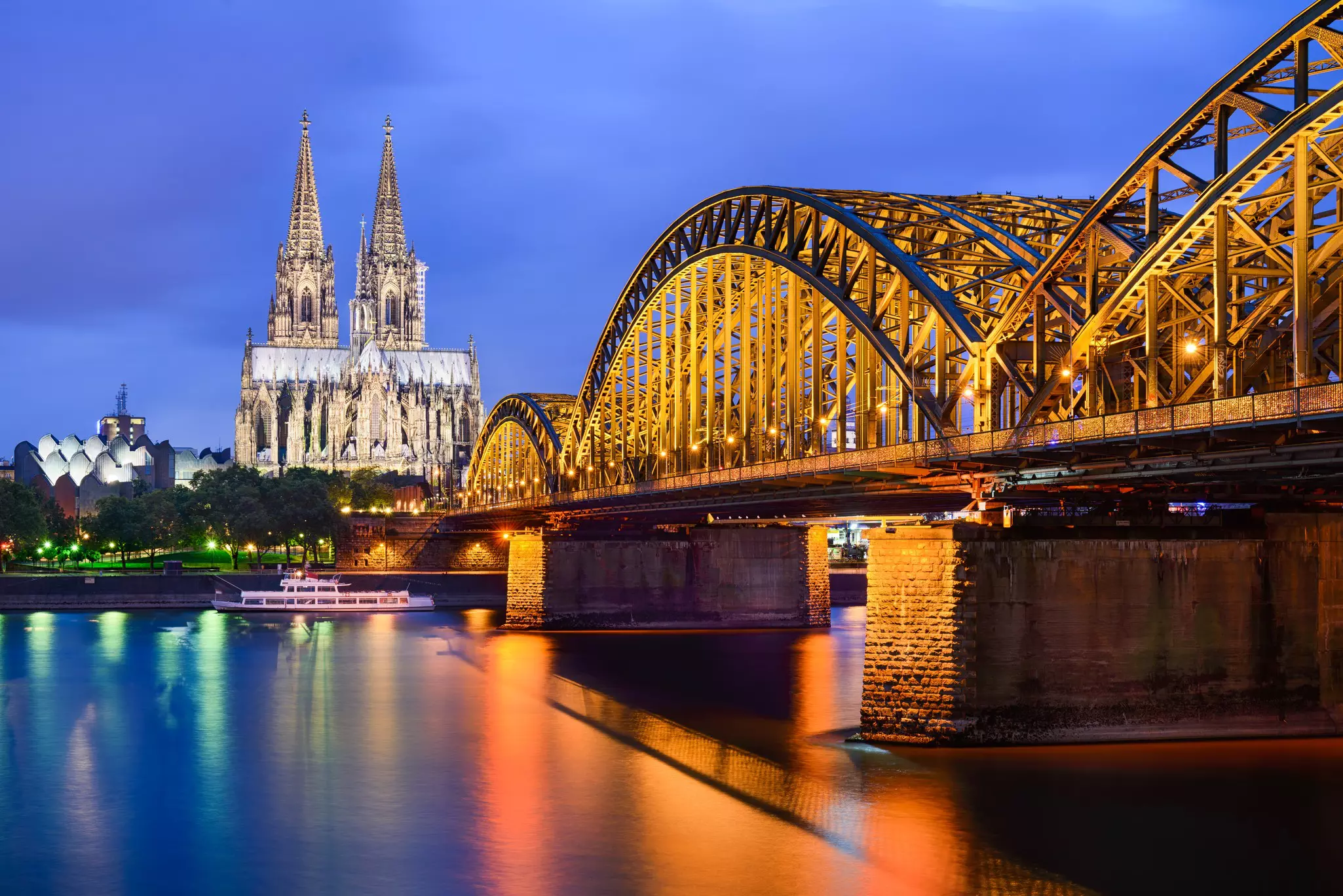
Cologne is known for its liberal climate and its wealth of history-related sights. Taking its name from the Romans (who founded it in the 1st century CE as Colonia Claudia Ara Agrippinensium), it’s been a major center of German history for centuries.
The most tangible symbol of Cologne’s importance and the city’s essential sight is its magnificent 13th-century Gothic cathedral. The Kölner Dom is Germany’s largest church and was also Europe’s highest building until it was eclipsed by the Eiffel Tower. Other must-see attractions include the Römisch-Germanisches Museum and the sublime collection of 13th- to 19th-century European art at the Wallraf-Richartz-Museum and Fondation Corboud.
Planning tip: Pick up a KölnCard at the tourist board office (adjacent to the cathedral) or at any KVB or DB ticket machines. A 24-hour individual ticket (€9) gets you unlimited rides on public transportation and up to 50% off at many cultural attractions, restaurants and shops.
Best for nature
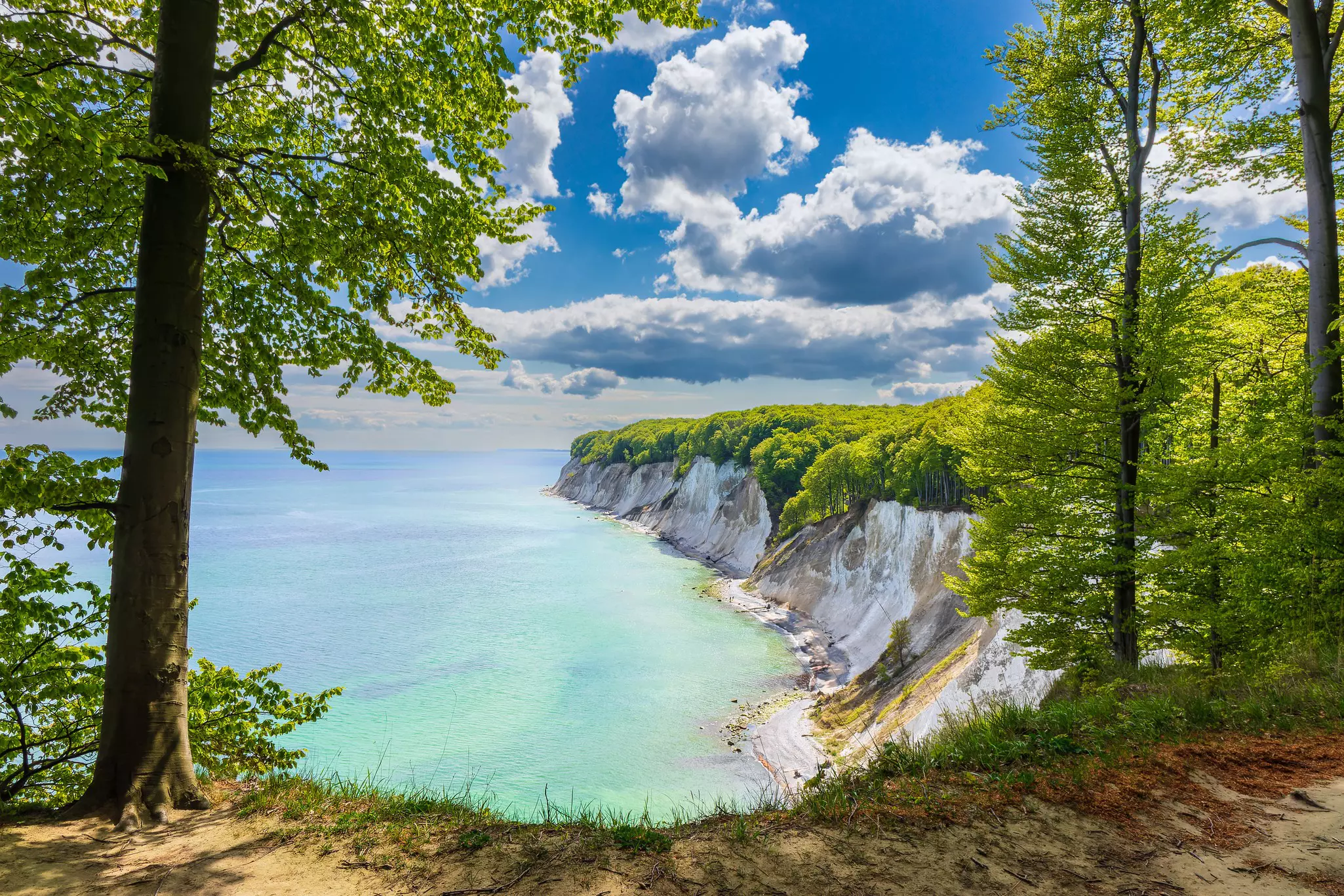
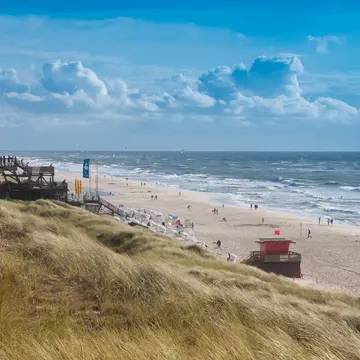
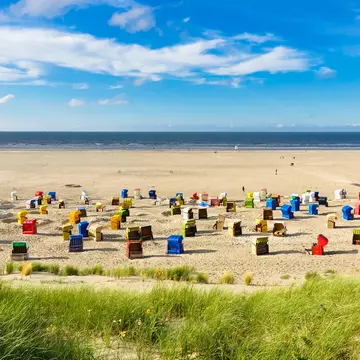
Northern Germany’s Baltic Coast represents a side of the country not many visitors anticipate. The indented southern coast of the Baltic Sea hides great swaths of pure sand, pines and pristine nature sanctuaries. Highlights include the former Hanseatic power Stralsund, a classic of redbrick Gothic gabled architecture; the sheer cliffs of Jasmund National Park on Rügen Island; and the birdlife and beauty of the Darss-Zingst Peninsula.
Best for a medieval village
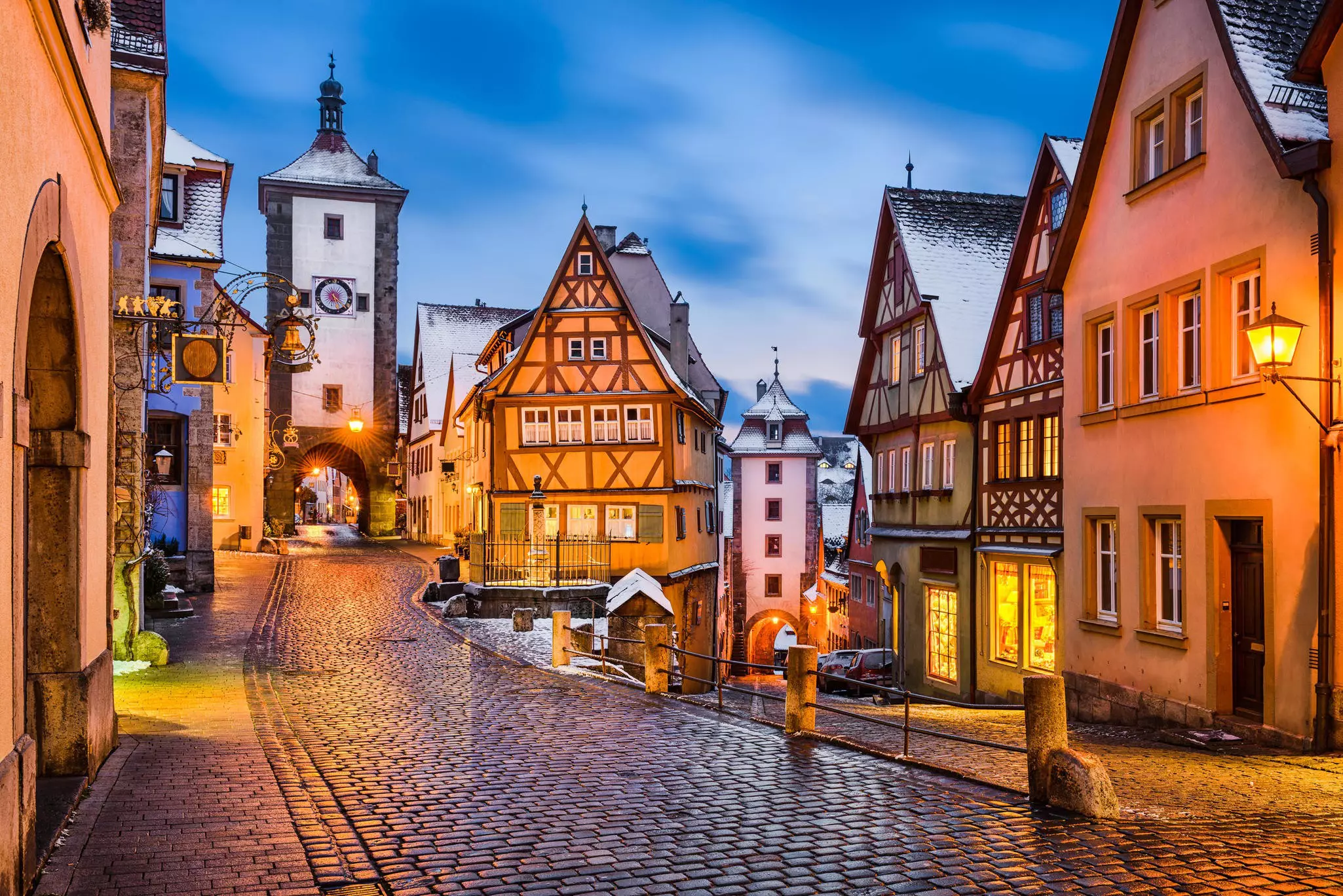
Perhaps the most enchanting village along the entire 400km of the Romantic Road, Rothenburg ob der Tauber is a wonderfully preserved example of a medieval German village. Strict heritage protection ensures that every turn reveals meandering cobblestone lanes, glimpses of the intact city walls and venerable churches. See the local treasures collected in the Reichsstadtmuseum, housed in a former Dominican convent, and the Alt-Rothenburger Handwerkerhaus, where weavers, potters and other craftspeople ply their trade as they have done for over 700 years.
Best for Bavarian culture
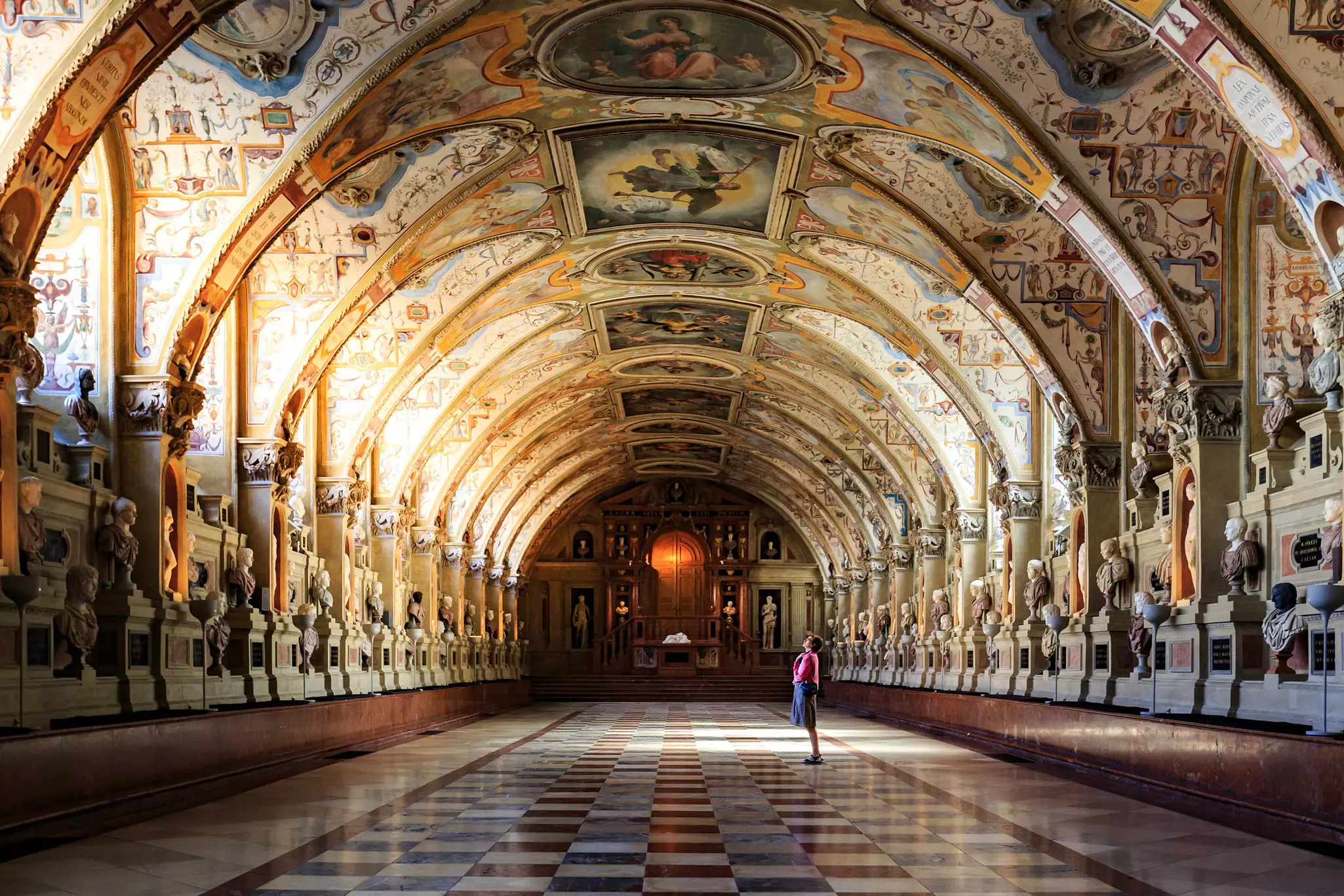
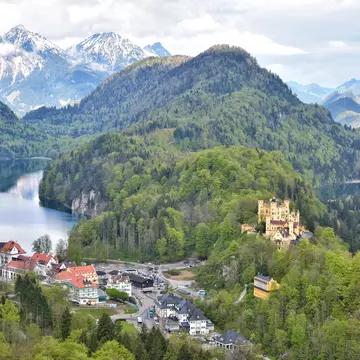
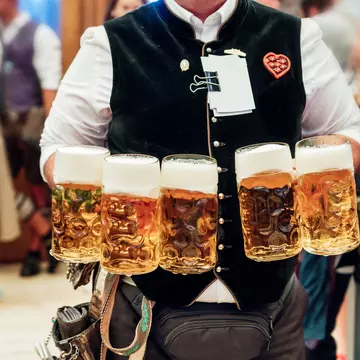
Munich, the capital of Bavaria, is the city that most visitors associate with traditional German culture – for while Germany is a patchwork of cultures and dialects, it’s often the Bavarian model of Bierkellers (beer hall), bratwurst and Lederhosen that outsiders have in mind. Munich is no cliché, though: Germany’s third-largest city is a center of high-tech manufacturing and cutting-edge culture, as well as the gateway to the magnificent Bavarian Alps.
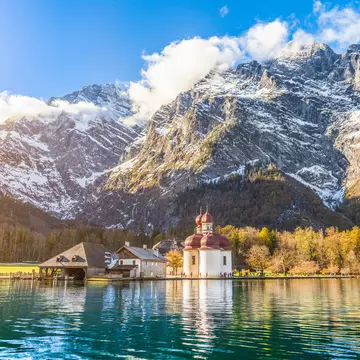
Essential sights and experiences include the Residenzmuseum, the former palace of Bavaria’s ruling Wittelsbach dynasty; the museum-packed Kunstareal district; and the gracious 17th-century Schloss Nymphenburg. An easy drive south of Munich lie the forested mountains, photogenic villages, and ski and spa resorts of the beautiful Bavarian Alps.
Planning tip: Oktoberfest – the beer festival that starts each year in September – is synonymous with Munich. It's the busiest and most expensive time to visit, and accommodations are booked solid long in advance, so plan ahead.
Best for Bauhaus

The central cities of Erfurt and Weimar represent an astonishing concentration of cultural achievement and historic significance. Erfurt, capital of Thuringia, has one of Germany’s loveliest medieval centers, while Weimar stands tall as the capital of the eponymous 20th-century republic and, before that, the home of cultural luminaries such as Bach, Goethe, Schiller and Nietzsche.
Erfurt’s essential sights include its cathedral, where Martin Luther was ordained, and the vast baroque Zitadelle Petersberg. In UNESCO-listed Weimar, make time for the Goethe-Nationalmuseum, in a building that was the author’s home of 50 years; the Herzogin Anna Amalia Bibliothek, linked to Weimar's global cultural importance during the Weimar classicism movement; and the modernist treasures of the Bauhaus Museum, which also originated here.
Best for fairy-tale forests
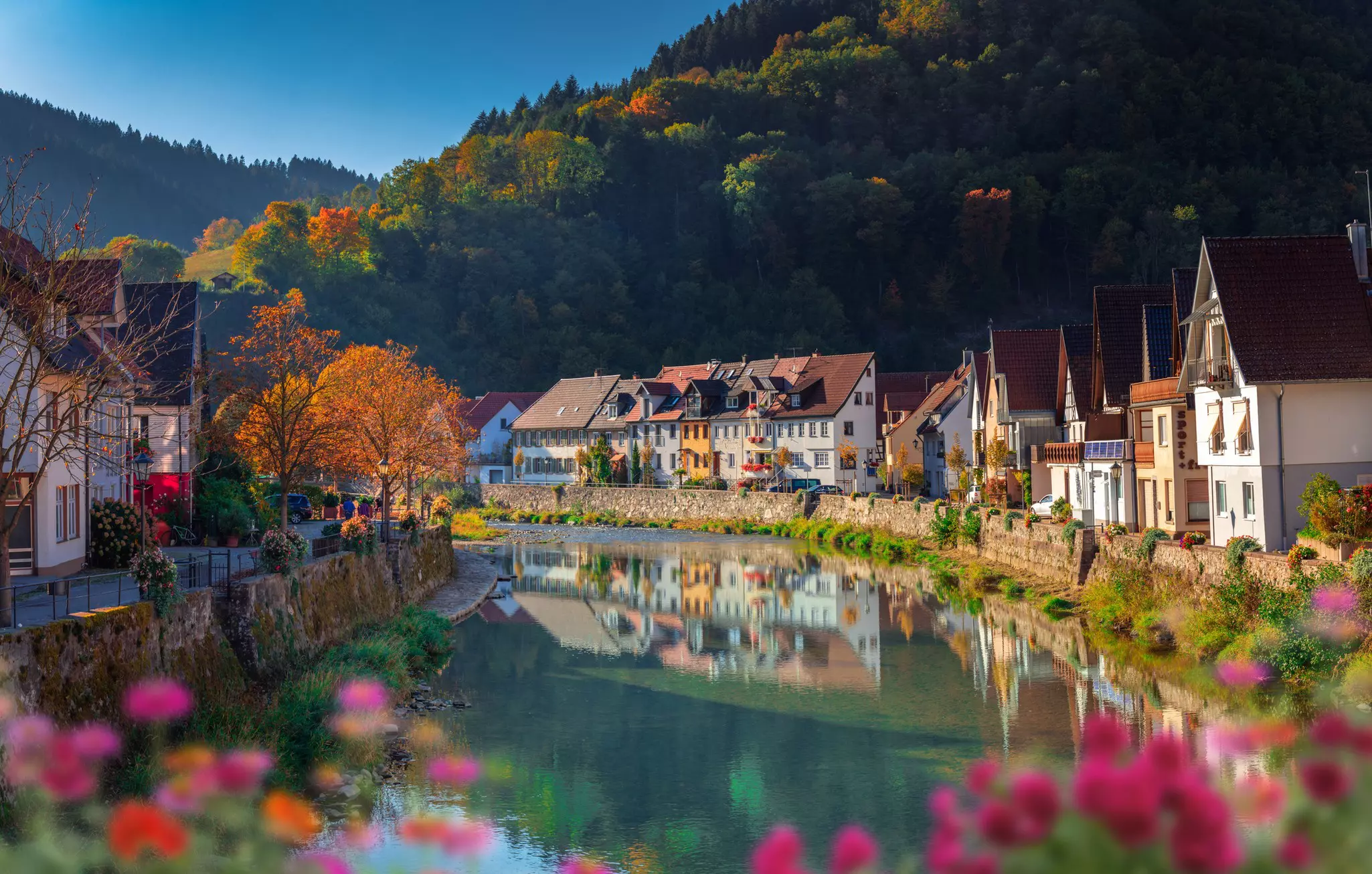
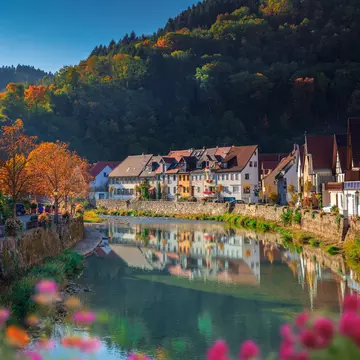
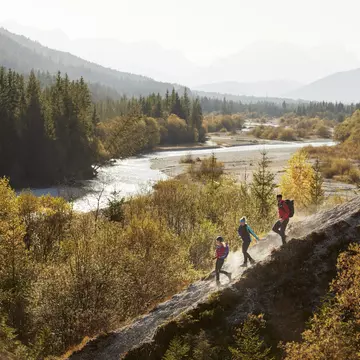
Bordering France and Switzerland, the Black Forest is a vast woodland of more than 6000 sq km. From its spruce-swaddled slopes to deep valleys broken by silvery lakes and traditional villages and farmsteads, this diverse rural playground just begs to be explored by car, cycle or foot.
If you’re pressed for time, a drive along the Black Forest High Road from Baden-Baden to Freudenstadt unfurls a series of gorgeous vistas. If you have more time, consider hiking the 40km Panoramaweg or the 12km Feldberg–Steig to the forest’s highest peak. Population centers you should definitely include on your visit include Triberg, with its waterfall and cuckoo clocks; the laid-back university town of Freiburg; and Alpirsbach, with its 11th-century Benedictine monastery.
Planning tip: While travelers are naturally drawn to the Black Forest’s great outdoors, it would be a mistake to overlook the region’s excellent cuisine. There’s Schwarzwälder Kirschtorte (Black Forest cake), of course – while lesser-known specialities include venison Baden-Baden, smoked Schwartzwalder Schinken (ham) and skinless lange rote (long red) sausages from Freiburg.
Best for nightlife

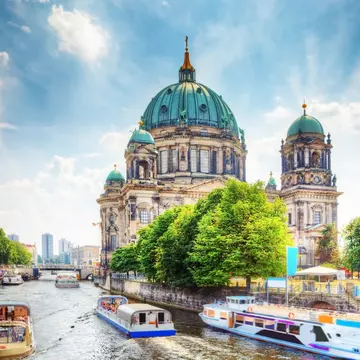
No list of Germany's highlights would be complete without the country’s capital and dynamic cultural engine. Germany’s most populous city, Berlin is a bountiful beast of a place, with some of the country’s definitive museums, dining, art and – perhaps above all – nightlife.
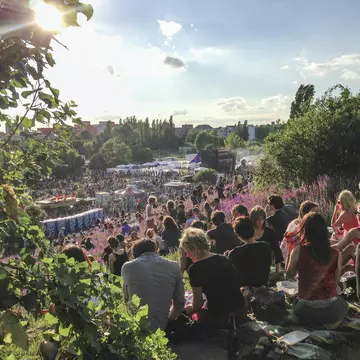
Boisterous Berlin has long had a bohemian streak. While you should definitely make time for the city's top draws, like the Mies van der Rohe–designed Neue Nationalgalerie and the treasure trove that is Museumsinsel (Museum Island), those seeking a party will surely find it in iconic venues like Berghain and Prater Garten, where beer and bonhomie have flowed together since 1837. As ever, Berlin’s party people continue to innovate.
Planning tip: Before you hit the town, get yourself a Berlin Welcome Card online. It's available for varying periods of time, from 48 hours to 6 days, and gives up to 50% off entry at over 150 attractions. Some options include unlimited rides on public transit.
Book your Germany trip with Lonely Planet Journeys
See Germany how it's meant to be seen
Planned by local experts and tailored to you, Lonely Planet Journeys handles the logistics so you can just enjoy the trip. Tell us what you want and we'll build your Germany itinerary from scratch, or browse our bookable trips to get inspired.

Explore related stories