Sep 20, 20266 min read
A Guide to Dessau, GermanySep 20, 2026
6 MIN READ

Writer
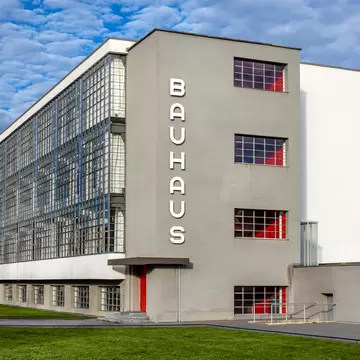
Exterior view of the famous Bauhaus building in Dessau. Rolf G Wackenberg/Shutterstock

Writer
Lonely Planet may earn a commission from affiliate links on our site. All recommendations and reviews reflect our own independent opinions.
Imagine a design movement so devilishly clever that it took over our lives, so useful that we never even thought of it as design. Now imagine that you could return to the place where it all began and visit the town that made it possible. That design movement is Bauhaus and its spiritual home is Dessau, in Central Germany, not far from Berlin.
Dessau is a modern German city with a historic core and a sprinkling of buildings dating back to the early 20th-century dawn of Bauhaus. At first, you might wonder what all the fuss is about. But this design is at its most deceptively simple: instead of trying to impress with outward flourishes, Bauhaus puts functionality – or making our lives easier – at the center of daily life.
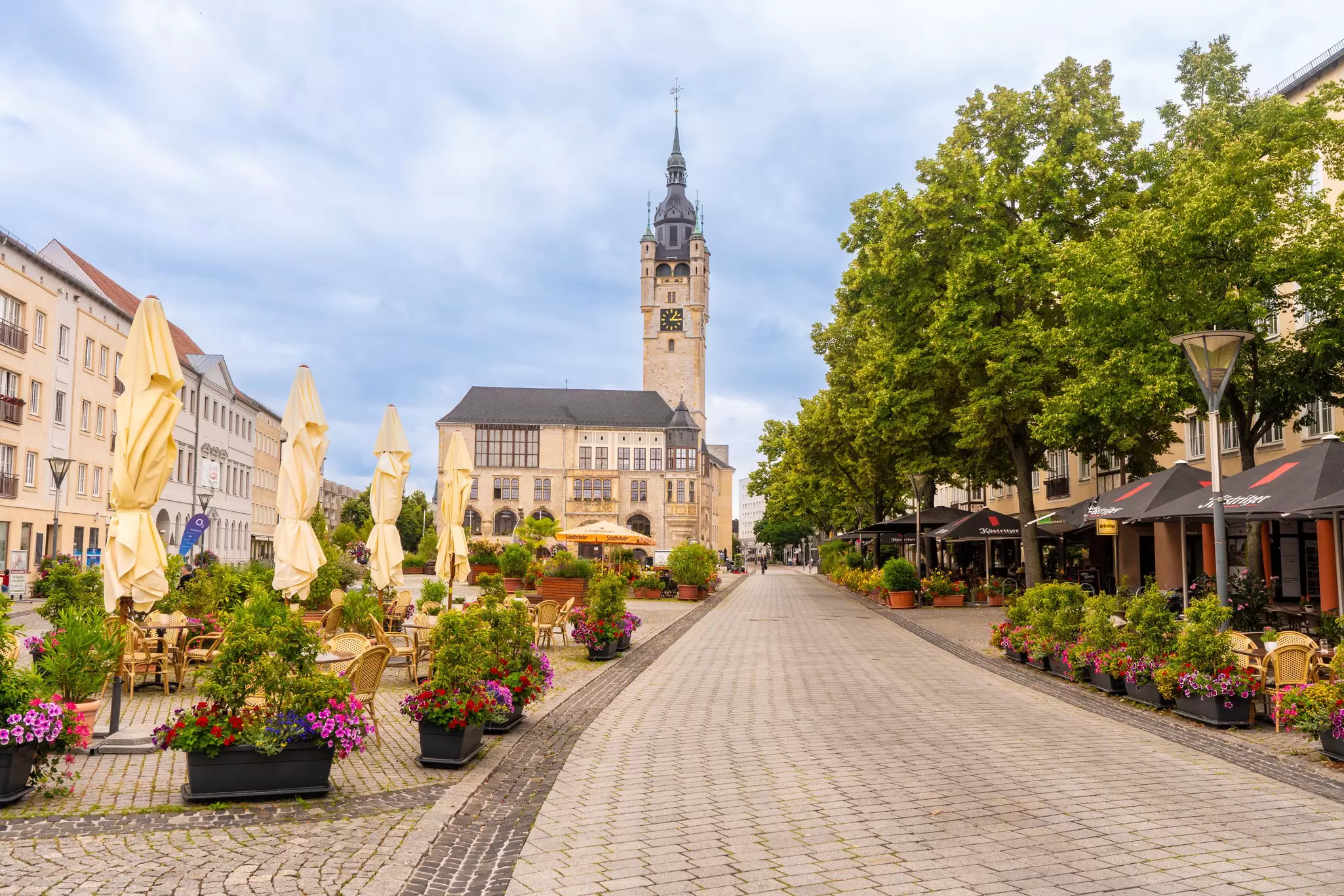
Dessau wasn’t supposed to be the fount of all things Bauhaus. Back in 1919, when the design movement called Staatliches Bauhaus (State Bauhaus) was first conceived by its founder Walter Gropius, Weimar held all the cards. The year before, it had become the capital of Germany’s newly democratic government and was brimful of new ideas.
But the city authorities of Dessau, just 165km southwest of Weimar, had big plans and lured Gropius and his acolytes to Dessau with the promise of a free hand to leave their mark on the city. Perhaps Weimar’s head was turned by the political upheaval that its city was undergoing. Perhaps it just missed the significance of the Bauhaus ideas. Whatever the reason, in 1925 Bauhaus left Weimar and moved to Dessau, from where it laid the foundations for ideas that would take over the world.
It was in Dessau that Bauhaus left its most enduring legacy, where its ideas first moved from the imagination of its founders to the drawing board and then into physical form out in the world.
Bauhaus’ headquarters remained in the city for only seven years, moving to Berlin in 1932 before the rise of the Nazis stifled further expansion. But those seven years were enough to spark a revolution in how we use architecture to make our lives easier.
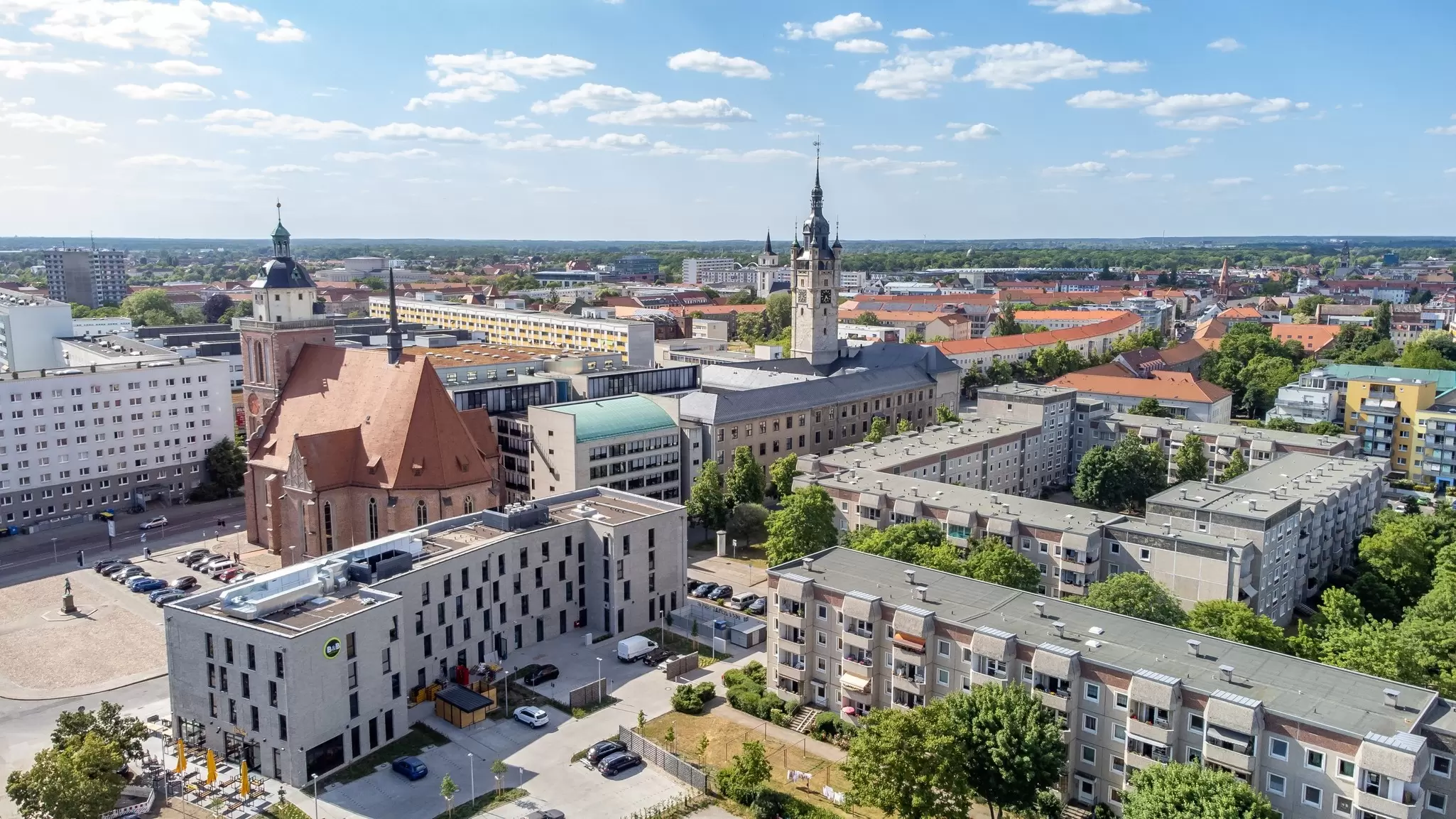
The idea behind Bauhaus is utterly simple – that design and architecture should put functionality or usefulness at the forefront of everything, from interior design and furniture in public buildings and domestic homes to the shape and conception of the buildings themselves. Also important was the idea that designs for domestic living could be scaled up and put at the service of mass production, to benefit as many people as possible.
To understand the context from which Bauhaus emerged, remember that Europe had been in thrall to design principles that sought to make statements of grandeur and beauty. In Paris, it was the Belle Époque. In Spain, Barcelona was the canvas for the remarkable works of Antoni Gaudí. Architecture was put most prominently at the service of grand theaters and palaces with ornate rhetorical flourishes, or public monuments designed to impress. Yes, many public buildings served a purpose. But many did not – the Eiffel Tower, for example – and the focus was more about grand public statement or the mansions and palaces of Europe’s wealthy, rather than the way that ordinary people lived their lives.
Architecture and notions of aesthetic beauty very much took a back seat during World War I, and it was in the sober aftermath of the war that more utilitarian design ideas took hold on a continent where entire cities needed to be rebuilt. Notions of beauty were less of a priority than the simple facts of living. Bauhaus’s moment had arrived.
Sometimes Bauhaus is all about the detail – a lamp with an adjustable height, something as simple as a doorknob, or any household item that has been pre-fabricated so that it can be built and distributed with ease to the largest possible number of people. A good starting point to get a sense of how Bauhaus has become central to our everyday lives is by visiting the Bauhaus-Dessau Museum. This repository of 49,000 pieces is at once quintessential Bauhaus and an inventory of modern life.
Just as important as the instantly recognizable touchstones of modern interior decor are the larger architectural showpieces, and Dessau has a number of these. Start with the Bauhausgebäude, a masterpiece of apparently unremarkable simplicity, although it was no such thing at the time. Take the audioguide tour through what was, when first designed by Bauhaus designer Walter Gropius, a revolution.
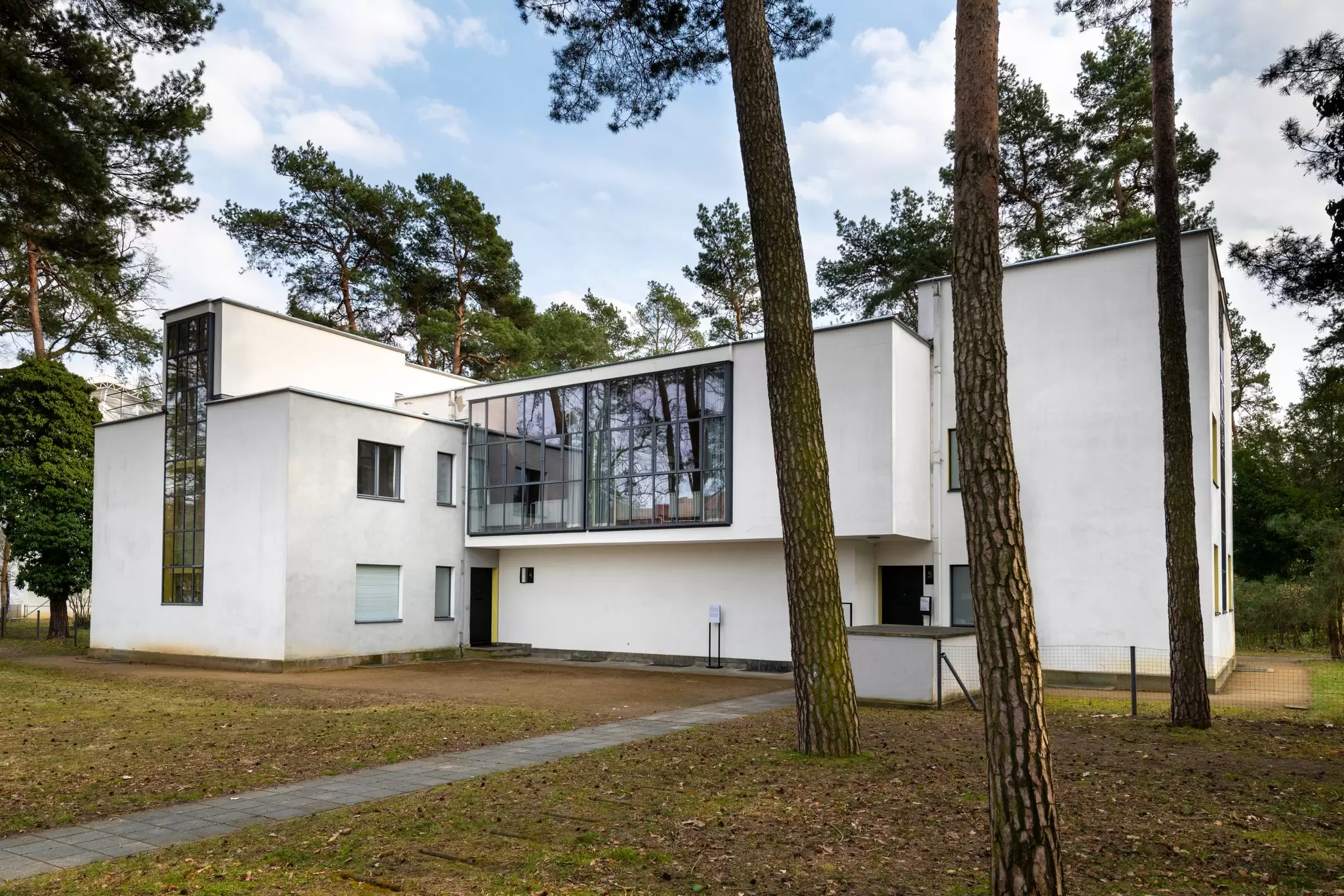
Next on your list has to be the Meisterhäuser, which are Bauhaus show-houses all in a row along Ebertallee and built by, and preserved in honor of, some of the best-known early proponents of the Bauhaus. In some ways, these houses – Gropiushaus, Haus Feininger, Haus Muche/Schlemmer and Haus Kandinsky/Klee – are a slightly playful tangent from the main Bauhaus principles, but with colors – pastel hues, a black wall – used instead of unnecessary design extravagances. The square homes are otherwise classic examples of the genre, the clean lines and right-angled walls making maximum use of space. And if you find yourself looking at the houses and thinking they're similar to any leafy residential area of a European city, then there is no higher compliment you could pay to the Bauhaus idea.
There’s one final site to round out your visit to Dessau, and it's potentially one that would make the Bauhaus founders most proud. The Siedlung Törten (Törten Estate) is a working-class housing estate, with 314 homes designed by Gropius to combat housing shortages among low-income people. Everything here was designed around liveability rather than "style" as the world understood it back then. By including enough space for gardens, Gropius hoped that those who lived here might become self-sufficient through gardening or even keeping farm animals. Again, that the estate could be any modern estate across Germany or further afield (apart from the farm animals…) goes to the heart of the Bauhaus success.
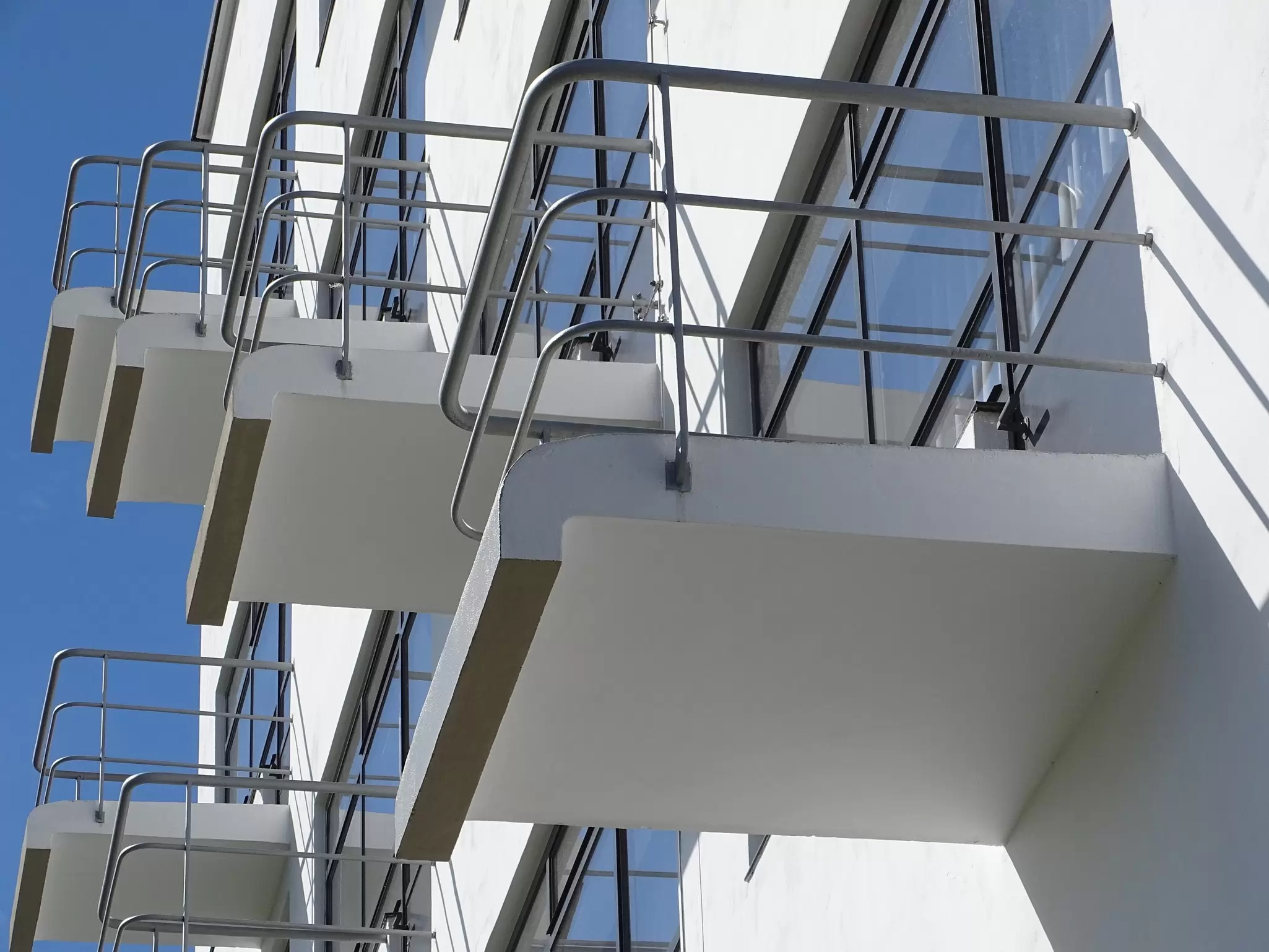
If the Bauhaus concept has you hooked, two accommodation choices can further indulge obsession. Bauhaus Prellerhaus is Bauhaus minimalism at its coolest – they’re former student quarters with shared bathrooms. Also part of the design family, Appartements Am Bauhaus are self-catering apartments overlooking the Bauhausgebäude.
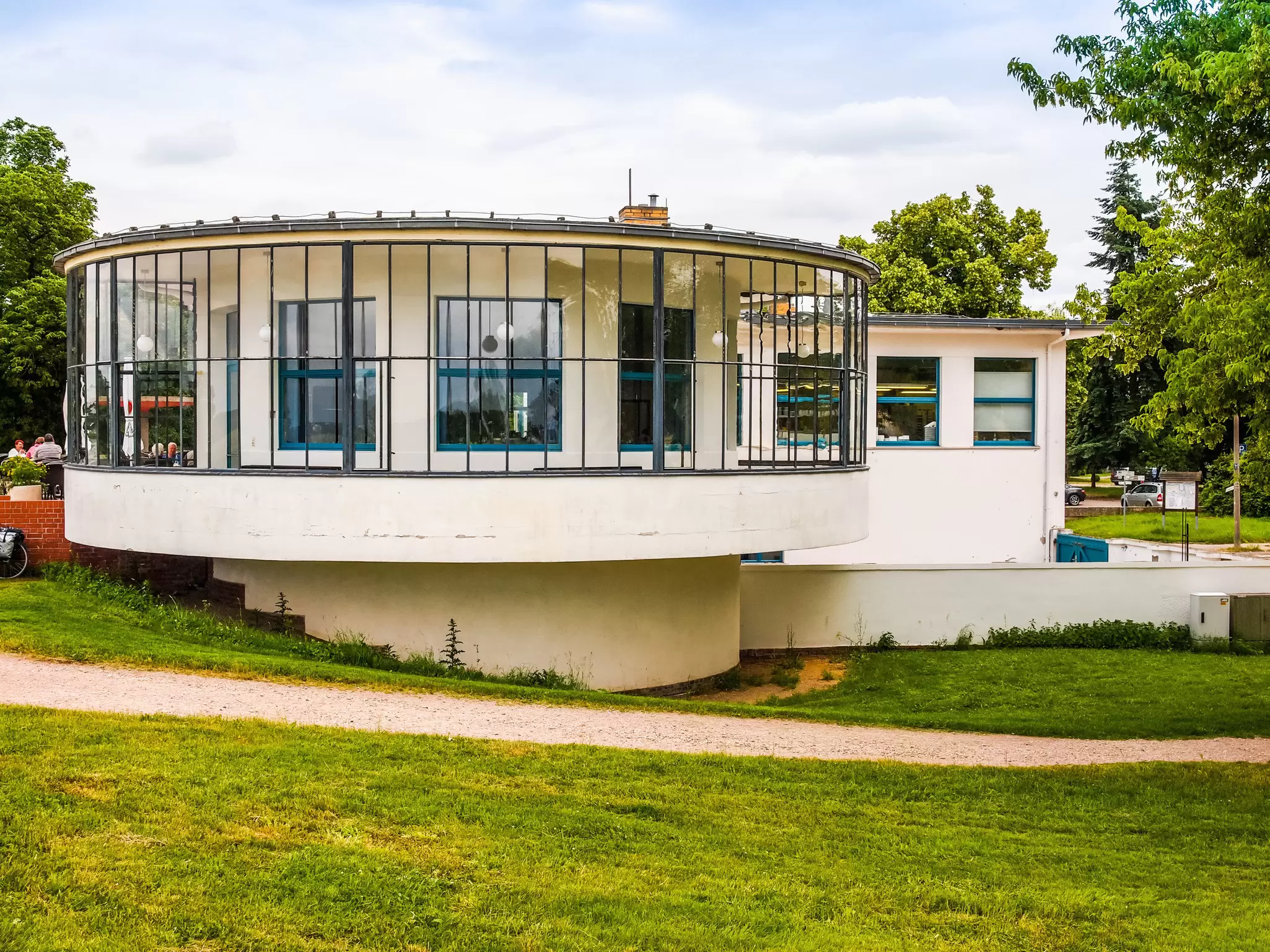
Dessau has classic German-style eateries serving regional specialties (hearty roasted meat dishes, bratwurst, goulash, red cabbage, and plenty of local beers). But Kornhaus also occupies a Bauhaus riverside showpiece, designed by Carl Flieger, an assistant to Walter Gropius.
There is no bad time to visit Dessau, although as always in this part of Europe, there’s a trade-off to make between climate and crowds. From April to October, the weather is warmer, and your chances of sunny days are better. This is also, of course, when Dessau and much of central Germany are at their busiest, especially in July and August. Snow and bitterly cold temperatures are possible in winter, and it’s ideal weather for warming winter meals in cosy German inns. During the fall months of September and October, autumn leaves cast beautiful orange and yellow hues across the surrounding landscape.
Book your Germany trip with Lonely Planet Journeys
See Germany how it's meant to be seen
Planned by local experts and tailored to you, Lonely Planet Journeys handles the logistics so you can just enjoy the trip. Tell us what you want and we'll build your Germany itinerary from scratch, or browse our bookable trips to get inspired.


Explore related stories