Sep 20, 20266 min read
A Guide to Dessau, GermanyMay 13, 2026
8 MIN READ

Writer
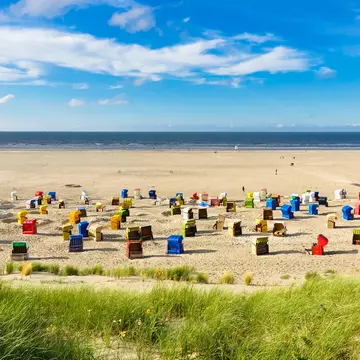
Beach chairs on Juist, the East Frisian Islands. Fokusiert/Getty Images

Writer
Lonely Planet may earn a commission from affiliate links on our site. All recommendations and reviews reflect our own independent opinions.
Germany may not be one of the first destinations you think of when considering a beach holiday, but it has around 2300km of coastline on both the Baltic and North Seas, wonderful lakes with sandy coves, and artificial city beaches too.
From the seaside resorts with hot saunas to warm you up before a naked dash into the cold sea, to the secluded lakeside sandy spots, perfect for kayaking and SUP, here's our pick of Germany's best beaches.
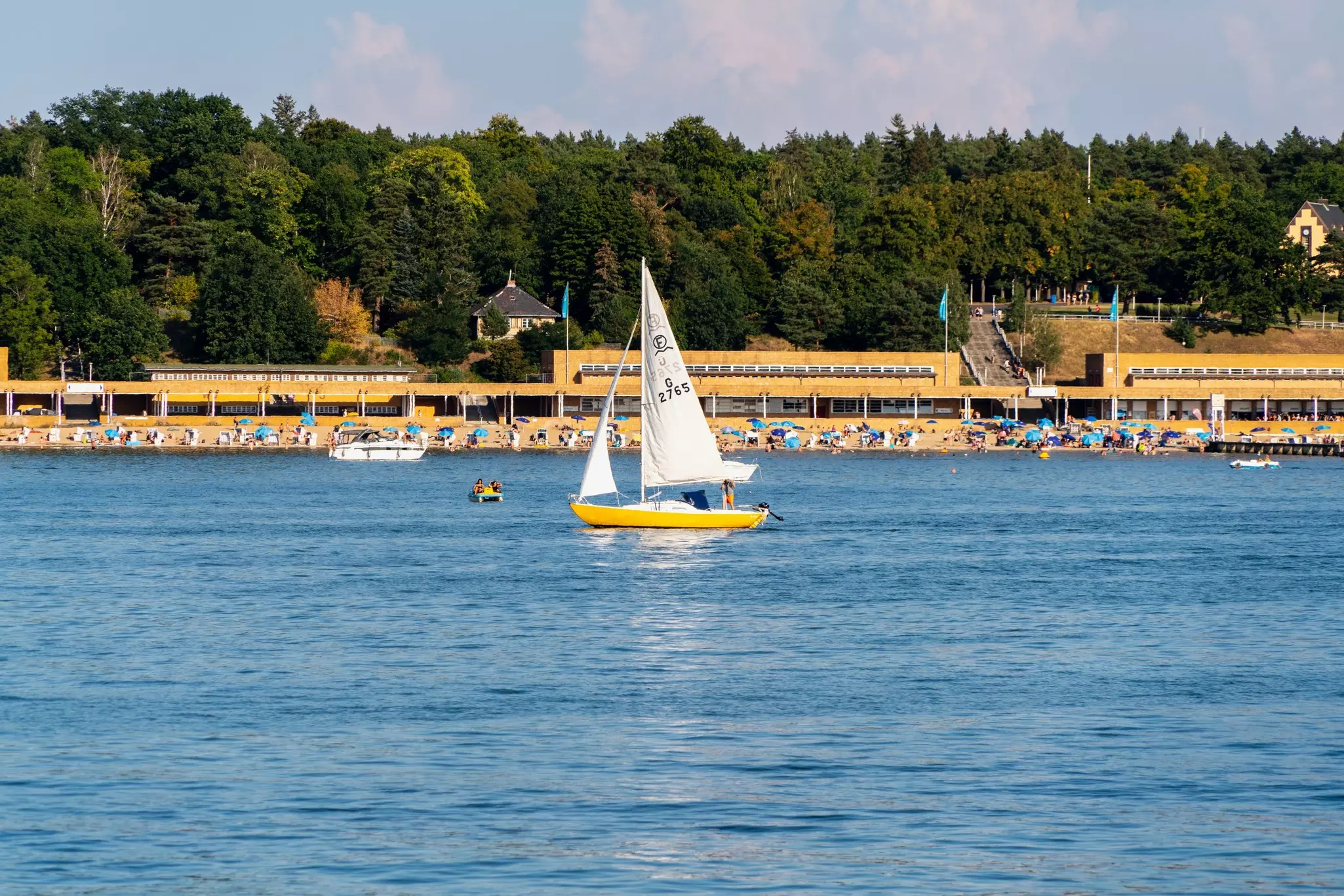
Best lakeside beach
This lakeside public beach in Wannsee has delighted aquaphiles for more than a century. Although 1.2km long, the broad sandy strip can get very busy on hot days, especially on weekends. Besides swimming, you can rent boats, play volleyball, basketball or table tennis or grab a snack or drink. Note that the northern end of the beach is reserved for nude bathing. Day tickets cost €6.50 per person.
Location: Wannsee beach is about 21km southwest of central Berlin.
How to get there: Nikolassee is the closest S-Bahn station, 1.4km from the lake.
Amenities: There are snack bars, restrooms and places to rent equipment.
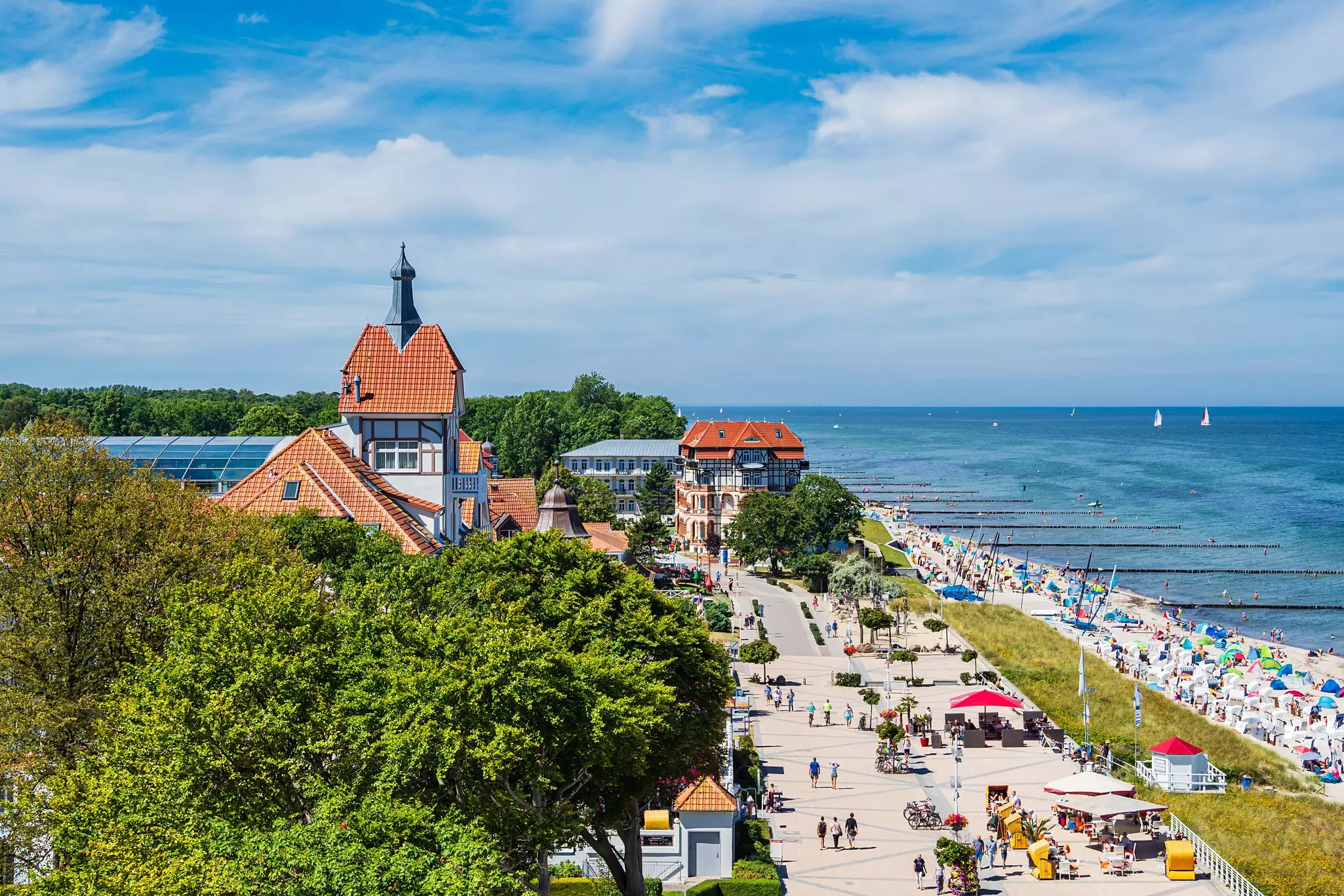
Best beach on the Baltic Coast
Kühlungsborn, the biggest Baltic Sea resort, with some 7500 inhabitants, has some lovely art deco buildings backing the long beach and adjoining a dense 130-hectare forest. The east and west ends of the sand are linked by the Ostseeallee promenade.
Location: Kühlungsborn is about 26km west of Rostock and 170km northeast of Hamburg.
How to get there: Trains run to Kühlungsborn, Ost, which is a short walk from the seafront.
Amenities: There are public washrooms near the beach, and shops and restaurants line the nearby promenade.
Best traditional seaside resort
The "white town on the sea", also on the Baltic Coast, is Germany’s oldest seaside resort, founded in 1793. It was fashionable throughout the 19th century as a playground of the nobility. You can’t miss the five gleaming white, heritage-listed buildings of the Grand Hotel Heiligendamm perched nearly on the beach. Sunshine is possible; warm weather is rare.
Location: Heilingendamm is just 9km east of Kühlungsborn on the Baltic Coast.
How to get there: It's best to drive here. There is parking near the station served by the Molli vintage train that travels through coastal towns.
Amenities: There are some cafes and public washrooms on the promenade. Beach chair and water sports rentals set up on the beach in peak season.
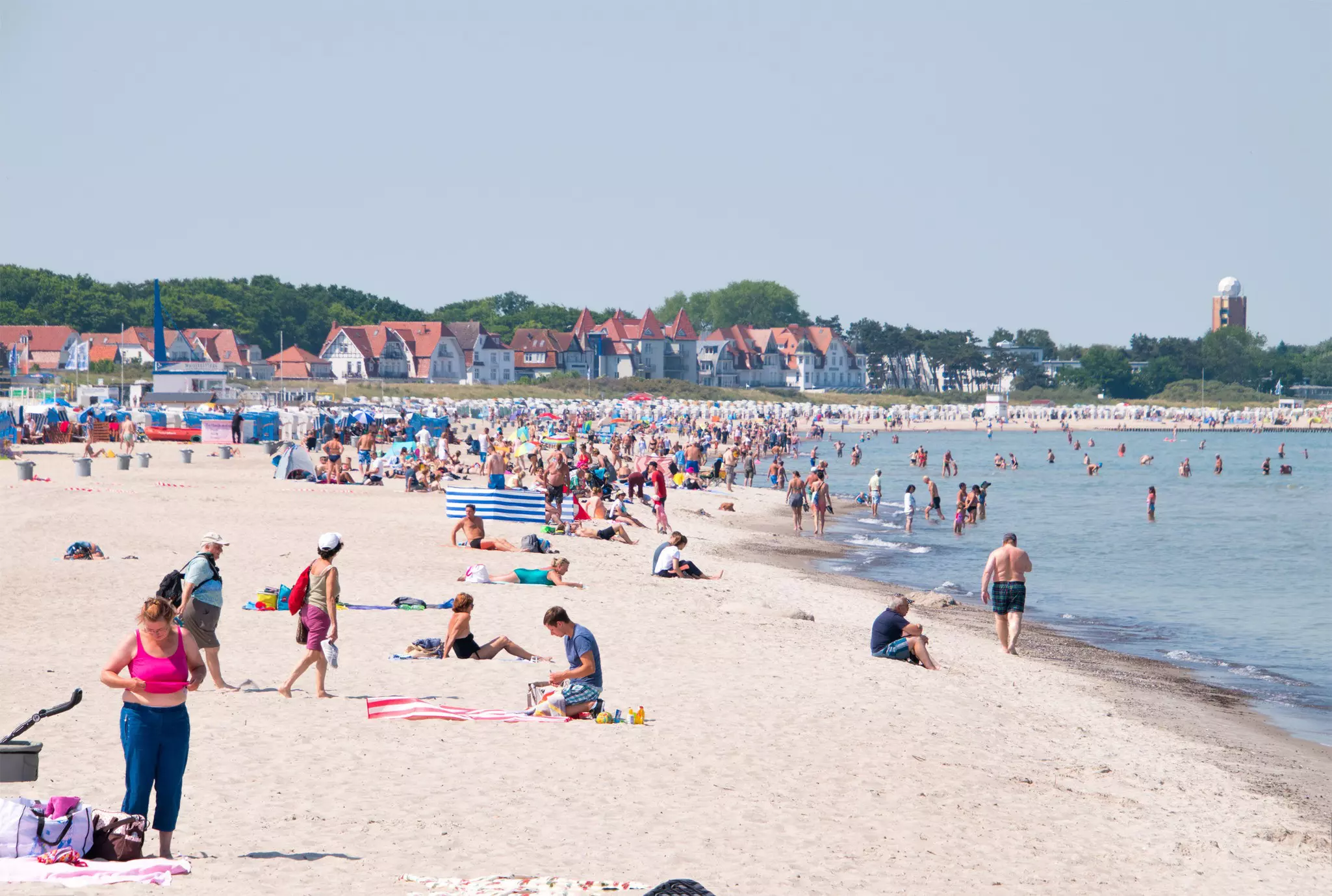
Best beach for relaxing
Warnemünde, near the port city of Rostock, is all about promenading, eating fish, sipping cocktails, and lazing in a Strandkorb (sheltered straw "beach basket" seat) on its long, wide and startlingly white beach. For a fabulous view from above, climb the spiralling 135-step wrought-iron and granite staircase of the 1898-built lighthouse.
Location: Warnemünde is 11km north of Rostock.
How to get there: Trains between Rostock and Warnemünde take just 20 minutes.
Amenities: Rental outlets are on the beach in high season. The town has places to eat and drink.
Best for lakeside activities
Photogenically poised above its namesake lake – the Black Forest’s largest – and rimmed by forest, Schluchsee tempts you outdoors with pursuits such as swimming, windsurfing, hiking, cycling and, ahem, skinny-dipping from the secluded bays on the western shore. The otherwise sleepy resort jolts to life with sunseekers in summer and cross-country skiers in winter.
Location: Schluchsee is about 20km from Titisee.
How to get there: There's a station in Schluchsee. It's about a 1-hour drive from Freiburg im Breisgau.
Amenities: Aqua Fun Schluchsee is a lake-front lido with a heated pool, water slide and rapid river, a sandy beach and a volleyball court.
Best beach in the Black Forest
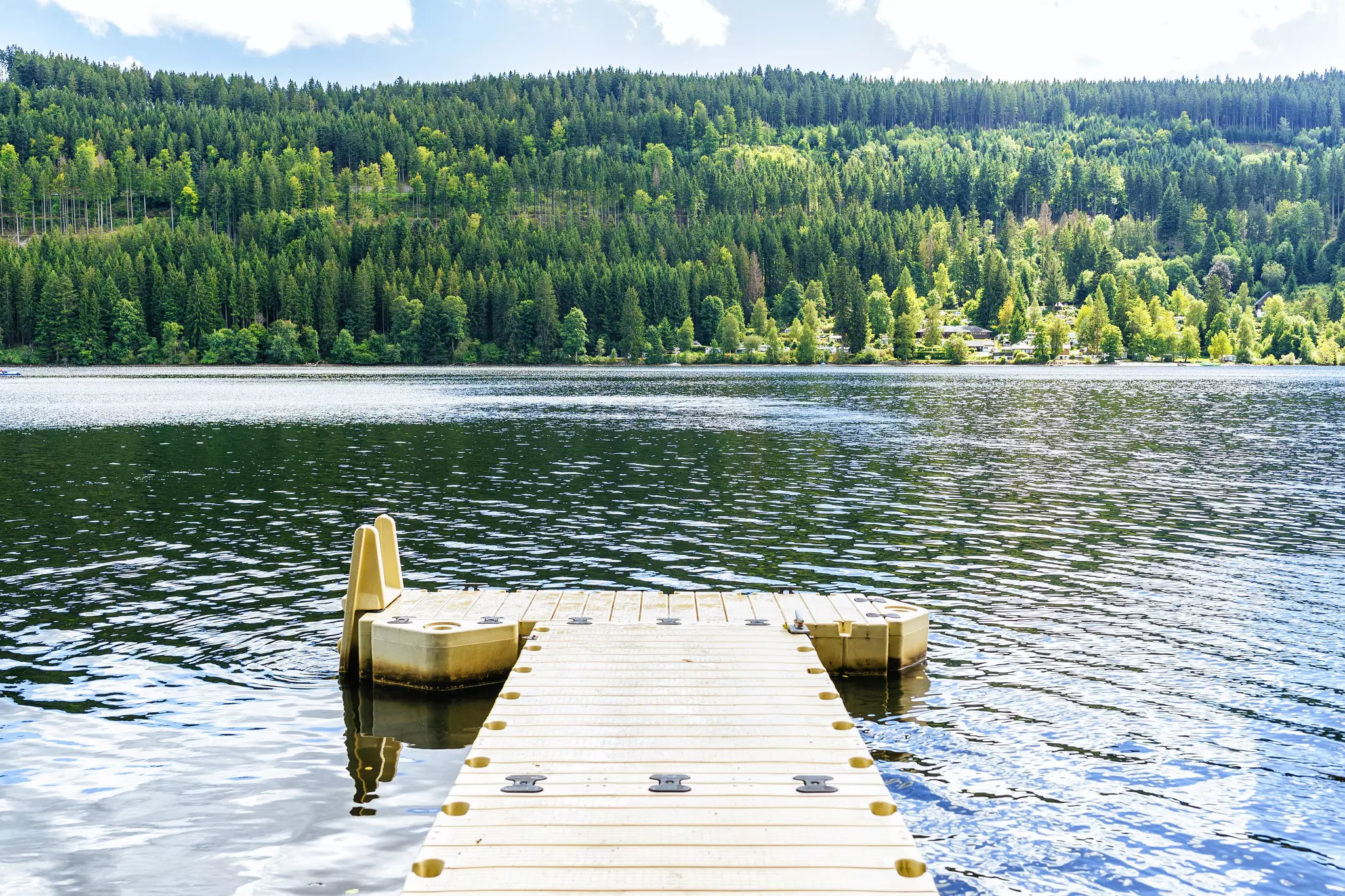
Titisee, in southwest Germany, is a cheerful summertime playground with a name that makes English-speaking travelers giggle. The iridescent blue-green glacial lake, rimmed by forest, has everyone diving for their cameras or into the ice-cool water. Though a tad on the touristy side in the peak months, a quick stroll along these shores brings you to quiet bays and woodland trails that are blissfully crowd-free.
The Badestelle Titisee (May–Sep) lake-front lido has a pool and children’s pool, a slide, floating raft and a volleyball area, as well as lawns for sunbathing.
Location: Titisee-Neustadt is 31km east of Freiburg im Breisgau.
How to get there: The lake is less than 1km from Titisee train station.
Amenities: There are changing rooms, washrooms and snack kiosks.
Best beach near Munich
The Chiemsee is Bavaria’s biggest lake (if you don’t count Bodensee, which is only partially in the state) and its natural beauty and water sports make the area popular with de-stressing city dwellers – many affluent Munich residents own weekend retreats by its shimmering waters. However, the vast majority of foreign visitors arrive at the shores of the Bavarian Sea – as Chiemsee is often called – in search of King Ludwig II’s Schloss Herrenchiemsee.
The towns of Prien am Chiemsee and, about 5km south, Bernau am Chiemsee (both on the Munich–Salzburg rail line) are good bases for exploring the lake. Of the two towns, Prien is by far the larger and livelier. The swimming beaches at Chieming and Gstadt (both free) are the easiest to reach, on the lake’s eastern and northern shores respectively. A variety of boats are available for hire at many beaches.
Location: Chiemsee is around 80km southeast of Munich.
How to get there: It takes about 1 hour and 15 minutes to drive to Chiemsee from Munich, or is 1 hour by train.
Amenities: The towns have everything you need.
Best beach in Hanover
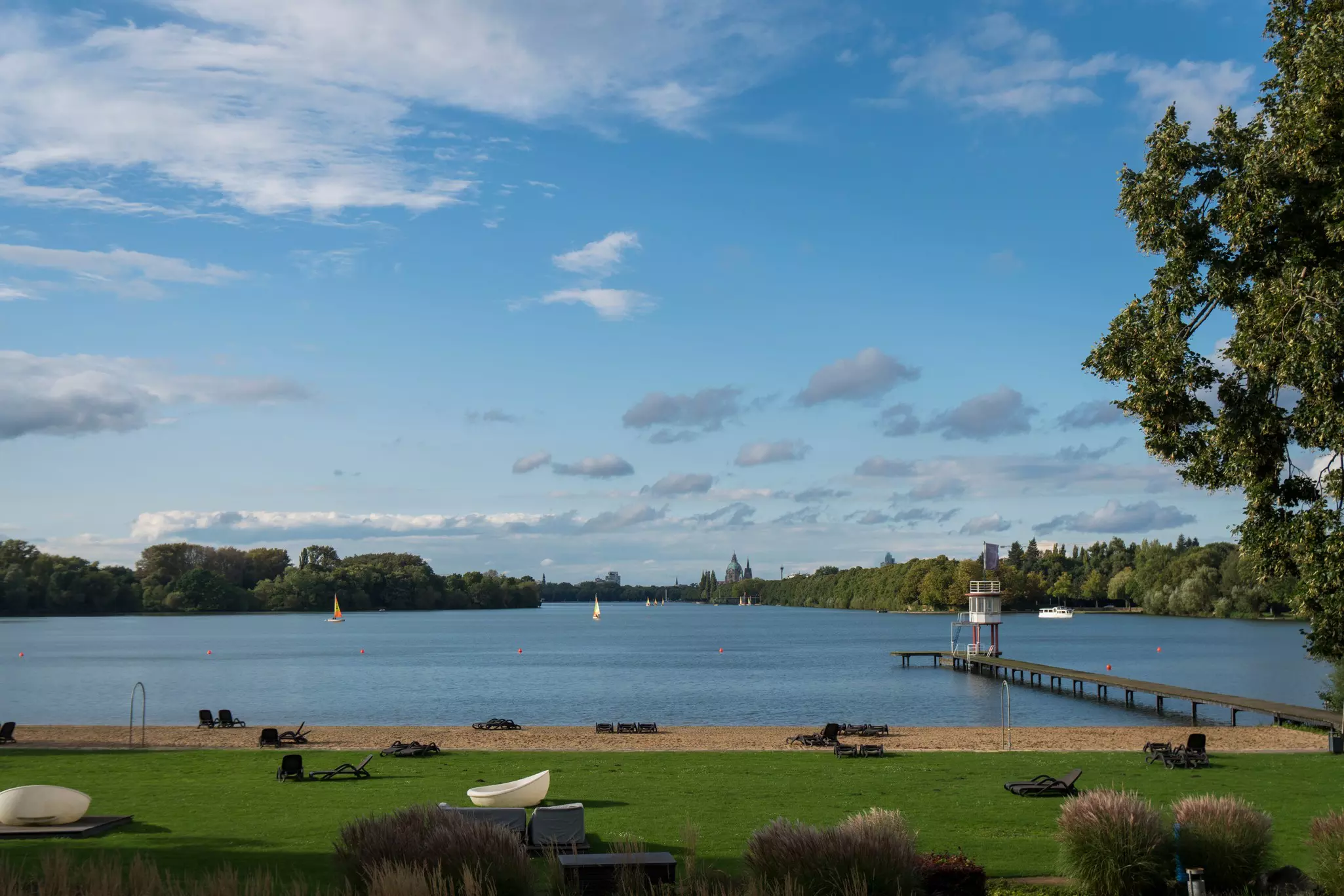
This artificial lake, built by the unemployed in one of the earliest Nazi-led public-works projects, is now a favorite spot for boating and swimming. It’s certainly the most central, right alongside the HDI Arena, Hanover’s football stadium. Ferries – some solar-powered – ply the lake from Easter to October in good weather, and there are sailing, pedal and rowing boats for hire.
Location: The lake is just south of Hanover city center.
How to get there: It's a 30-minute walk from the Hauptbahnhof.
Amenities: There are places to eat and drink, as well as public restrooms, around the lake.
Best for an escape to nature
Lined up in an archipelago off the northern coast of Lower Saxony like diamonds in a tiara, the seven East Frisian Islands, with their long sandy beaches, open spaces and sea air, are both a nature-lovers’ paradise and a perfect retreat for those escaping the stresses of the world.
Trying to remember the islands' sequence, Germans – with a wink of the eye – recite the following mnemonic device: "Welcher Seemann liegt bei Nanni im Bett?" (which translates rather saucily as "Which seaman is lying in bed with Nanni?"). The islands are (from east to west): Wangerooge, Spiekeroog, Langeoog, Baltrum, Norderney, Juist and Borkum.
Langeoog is your best bet if you're looking for a quiet, day-return beach trip. On a sunny day, the most popular thing to do there is to stroll along the 14km-long beach. The main tourist season here runs from mid-May to September.
Location: The islands are off the north coast in the North Sea.
How to get there: Ferries depart from various harbors along the coast.
Amenities: There towns on the main islands with places to eat, drink and sleep. You can hire bikes there too.
Best for water sports
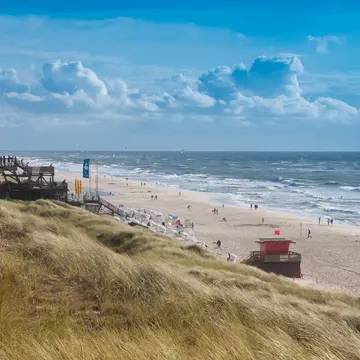
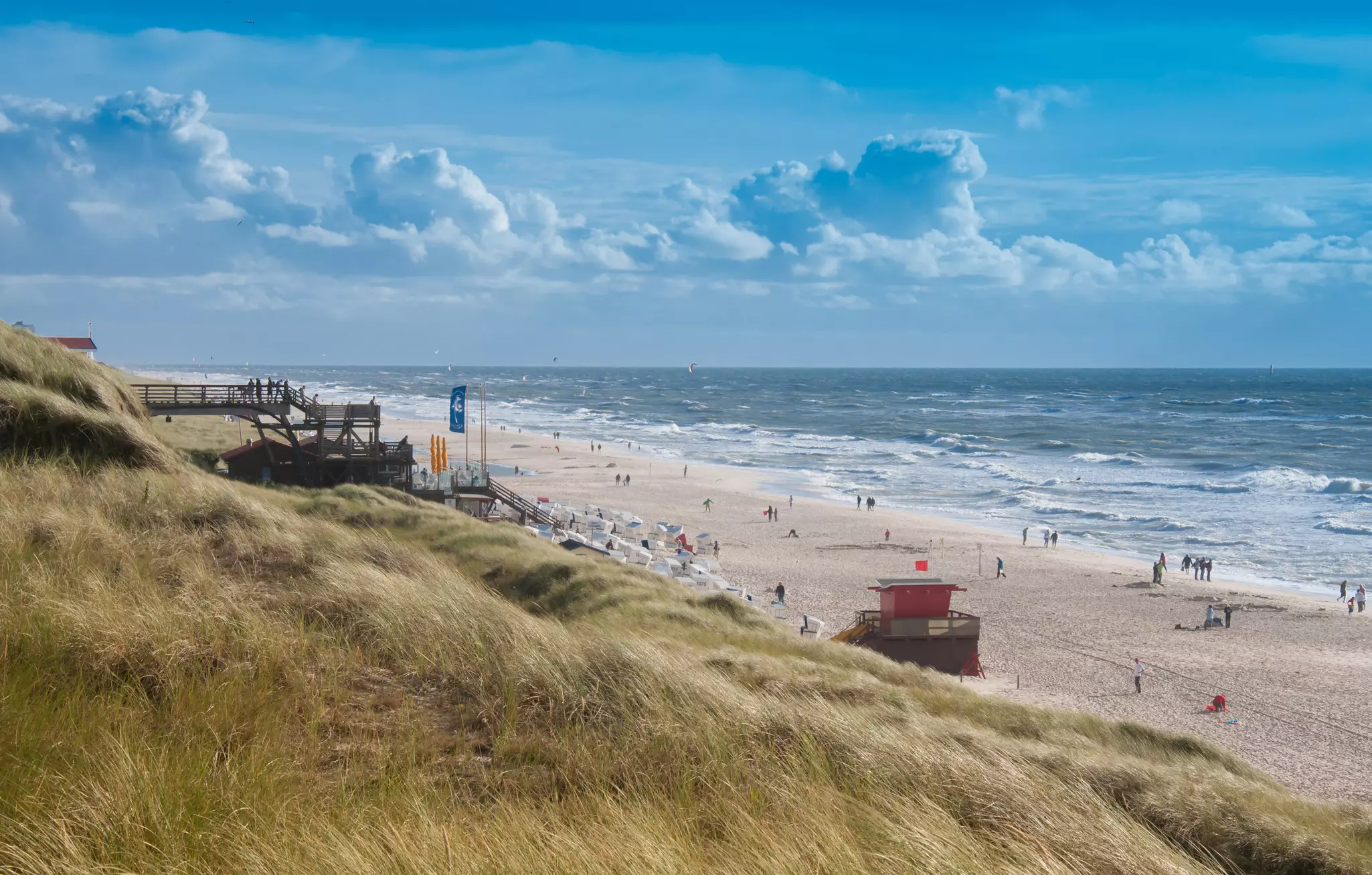
Glamorous Sylt (38.5km long and only 700m wide at its narrowest point) is the star of Germany's North Frisian Islands. This anchor-shaped island is attached to the mainland by a narrow causeway. On its west coast, the North Sea’s fierce surf and strong winds gnaw at Sylt's shoreline, even as the eastern Wadden Sea shore is tranquil.
Elsewhere, Sylt’s candy-striped lighthouses rise above wide expanses of shifting dunes, fields of gleaming yellow-gold rape flower and tracts of heath. Along the beaches are saunas, where the idea is to heat up and then run naked into the North Sea.
Sylt's windsurfing is known as the most radical on the World Cup windsurfing tour, which finishes here each September when winds and waves are wild. Beginners shouldn’t be deterred. There are water sports schools in every town where you can learn to master kitesurfing, regular surfing, catamaran sailing and much more, as well as rent gear.
Location: Sylt is right in the north of Germany near the border with Denmark.
How to get there: You can fly to Sylt, take a train from Hamburg, or drive via the car ferry or car train across the causeway.
Amenities: Sylt's towns have everything you need. Accommodations are limited and book up well in advance.
Book your Germany trip with Lonely Planet Journeys
See Germany how it's meant to be seen
Planned by local experts and tailored to you, Lonely Planet Journeys handles the logistics so you can just enjoy the trip. Tell us what you want and we'll build your Germany itinerary from scratch, or browse our bookable trips to get inspired.

Explore related stories